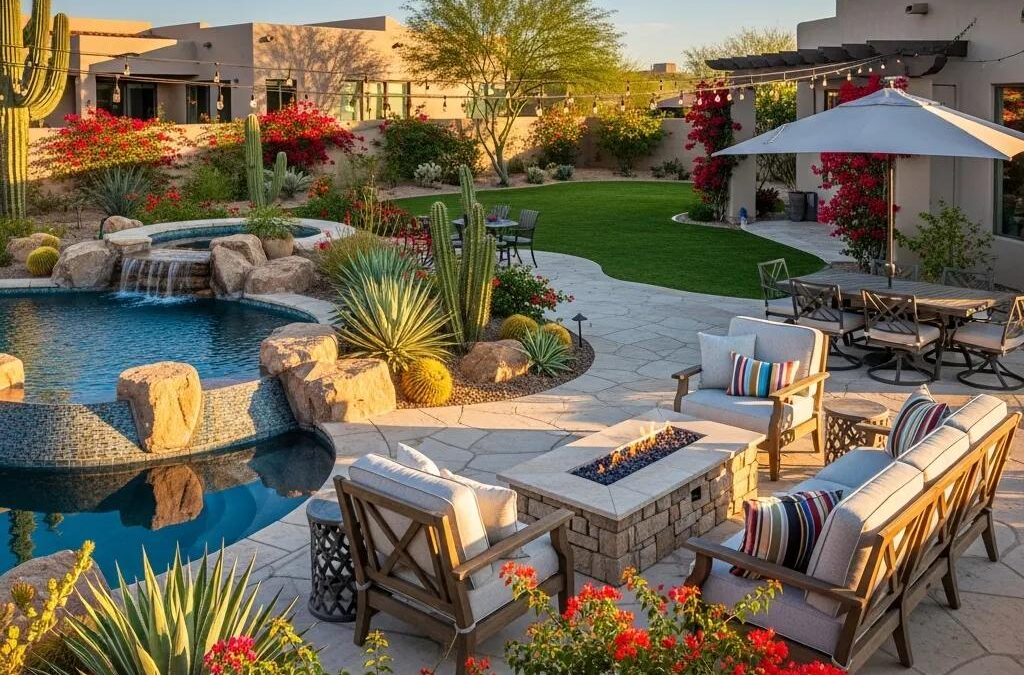
Effective Pest Control for Arizona Backyards

Effective Pest Control for Arizona Backyards
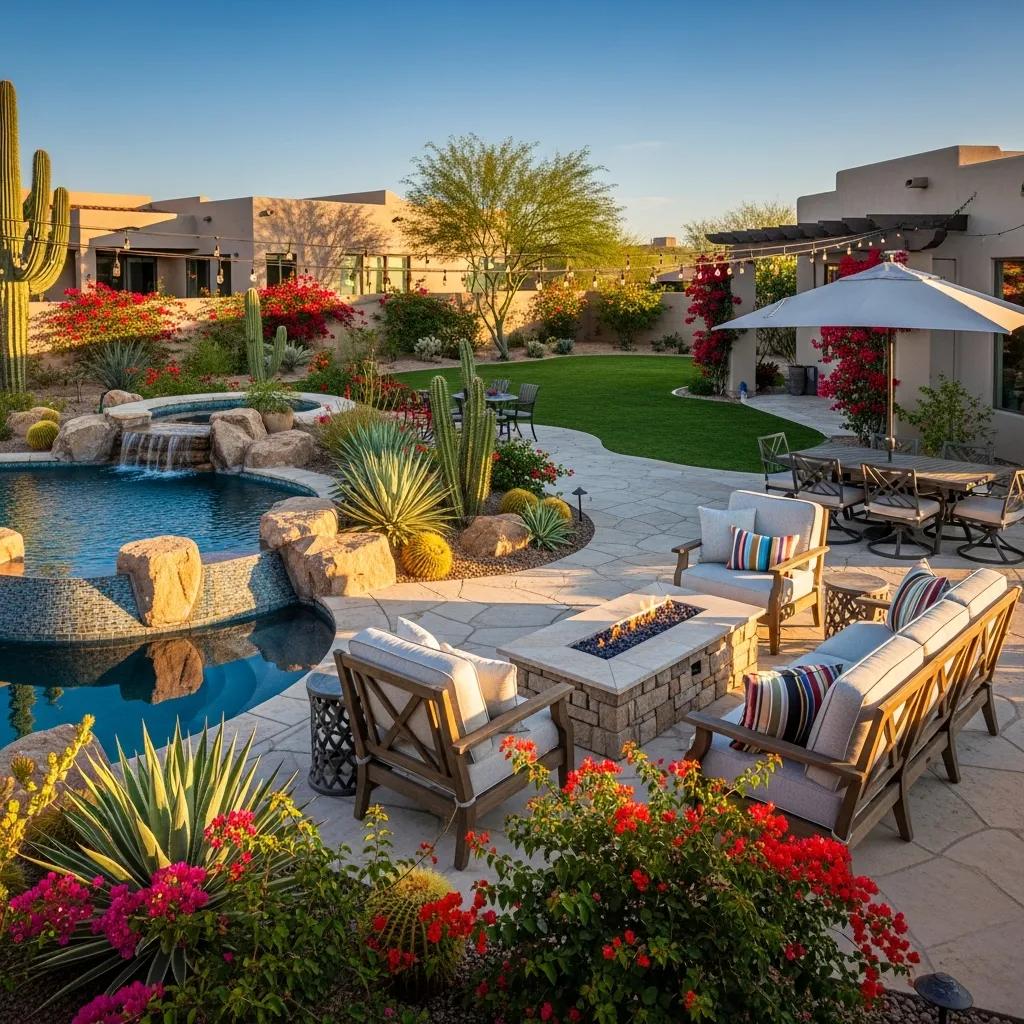
Effective Pest Control for Arizona Backyards: Your Guide to a Pest-Free Luxury Outdoor Living Experience

Keeping a luxury outdoor space free of pests comes down to three things: smart design, consistent maintenance, and the right professional support when needed. This guide walks homeowners and landscape pros through practical, landscape-friendly steps that reduce scorpion, mosquito, termite, ant, spider, and rodent problems without sacrificing the look and function of pools, patios, and planted areas. You’ll find how Arizona’s climate shapes pest behavior, how to spot high‑risk species, which planting and water choices limit breeding and hiding spots, and when organic approaches or professional treatments make sense. We include checklists, clear comparisons, and step‑by‑step water management tips so you can apply these recommendations to high‑end remodels, artificial turf installs, and everyday maintenance. Island Pools and Landscaping AZ builds outdoor living spaces with these pest‑conscious details in mind — this article explains which design specs cut pest pressure while keeping your project beautiful and functional.

What Are the Most Common Pests Threatening Arizona Backyards?
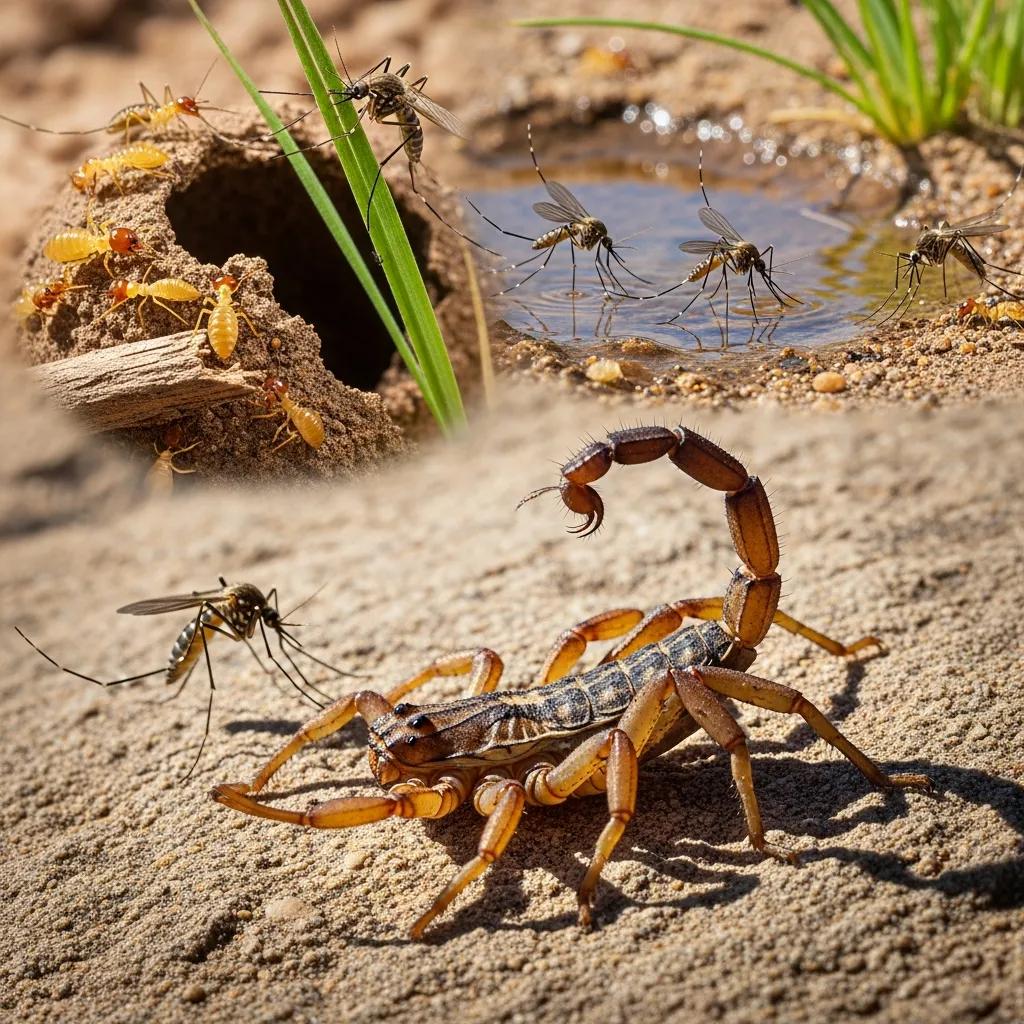
Arizona yards face a predictable set of pests because the desert climate creates warm conditions and many small hiding places. Knowing the usual suspects helps you prioritize prevention. Expect Arizona Bark Scorpions, mosquitoes (including Aedes species), termites that attack structures, foraging ants, nuisance spiders, and rodents that look for shelter and water. Each pest carries different risks: scorpions are an immediate safety concern, mosquitoes are a biting nuisance and can spread disease, termites threaten wood and structures, and ants, spiders, and rodents damage plantings, wiring, or outdoor comfort. Identifying where each species prefers to hide or breed lets you focus landscape changes and monitoring where they’ll matter most. The sections that follow show how to identify scorpions and summarize the other common pests so you can address problems early and correctly.

Arizona backyards are most commonly threatened by these pests:

  • Arizona Bark Scorpion: Delivers painful, potentially serious stings; hides in rock crevices, stacked pavers, and dense mulch—especially near entries.
  • Mosquitoes (Aedes and others): Breed in standing or slow‑draining water; increase biting pressure around pools and water features.
  • Termites: Subterranean species seek moisture and wood contact and can damage pergolas, fences, and pool structures.
  • Ants and Spiders: Foraging ants can harm plants and draw predators; spiders lower outdoor comfort and signal high insect activity.
  • Rodents: Nest under decks and in dense plantings; chew wiring and create burrows that can destabilize hardscapes.

These short profiles point you to the highest‑priority inspection areas and the most appropriate exclusion or control strategies. The H3 subsections dive into identification and prevention details.

How to Identify Arizona Bark Scorpions and Their Risks

The Arizona Bark Scorpion is slim, with a long tail and pincers, and ranges from pale to medium brown. It’s mostly nocturnal, so you’re more likely to see it at night in shaded rock walls, under stacked pavers, and along turf edges. Its sting can be very painful and may require medical attention for children, older adults, or pets — treat sightings as a safety issue. Look for crevices, gaps under doors, piles of debris, and dense mulch next to foundations; these are common scorpion microhabitats you can modify. If scorpions appear indoors or repeatedly near high‑use outdoor zones, note the location and timing, then pursue exclusion measures and a professional inspection when appropriate.

Early spotting makes simple exclusion work well: seal entry gaps, swap ground materials, and remove obvious hiding places. Those identification details lead naturally into prevention tactics for other backyard pests.

Which Other Pests Affect Arizona Gardens and Outdoor Spaces?

Mosquitoes flock to shallow, stagnant water in planters, clogged drains, and low spots—raising bite pressure near seating and pools and sometimes carrying seasonal pathogens. Termites favor wood in contact with soil and persist where irrigation or drainage creates chronic dampness, putting pergolas, raised planters, and posts at risk. Ants and spiders are common in planted beds and rock mulch; carpenter ants and other species can damage structures or plants, while spiders reflect available insect prey and can reduce outdoor enjoyment. Rodents such as packrats, mice, and rats shelter in dense shrubs, under artificial turf edges, and beneath decking; their burrows can destabilize soil and their gnawing threatens irrigation lines and electrical wiring.

Cutting pest problems starts with targeted habitat changes and regular monitoring; the next section explains how landscape design and maintenance influence pest pressure.

How Can Landscape Design and Maintenance Prevent Pest Infestations?
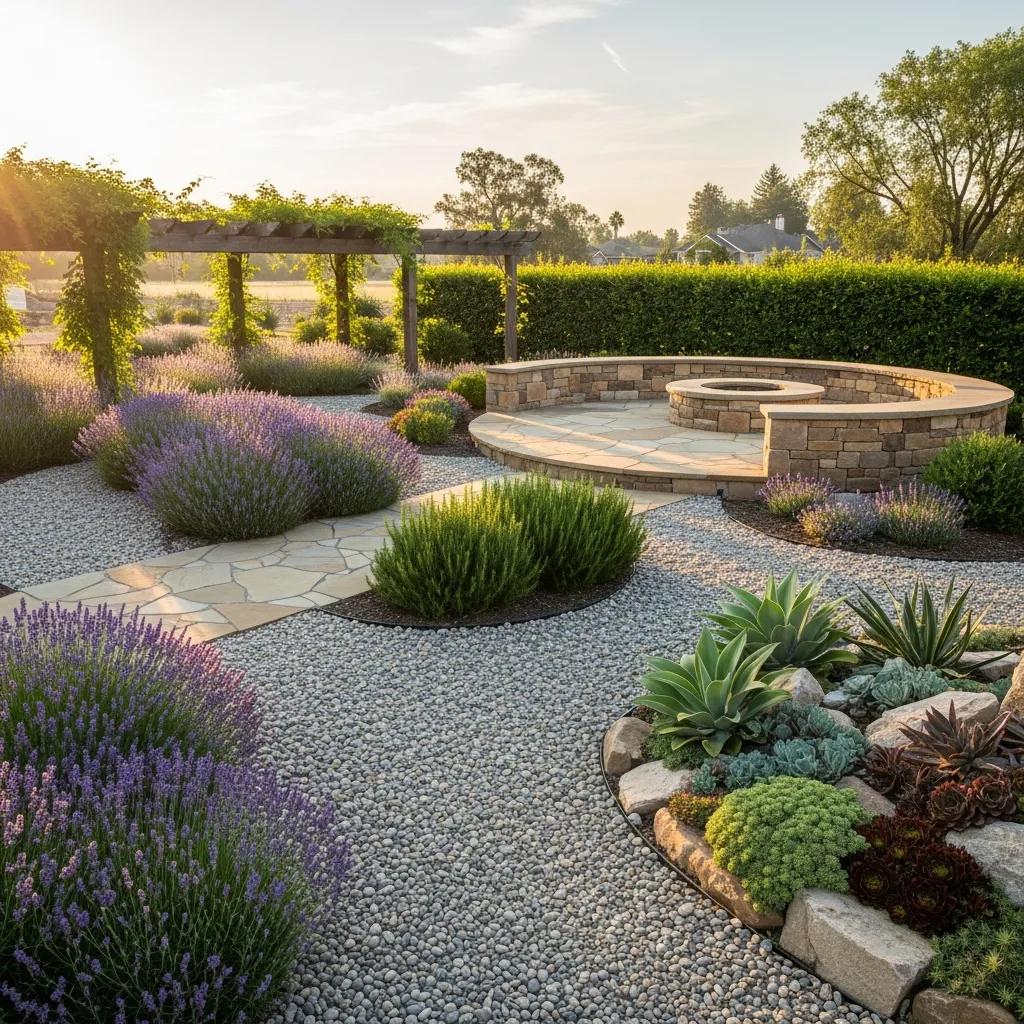
Good design plus routine upkeep reduce the moisture, shelter, and food pests rely on. Choose low‑harbor plantings, avoid dense ground covers near foundations, and use gravel or decomposed granite in places scorpions and rodents might hide. Arrange paths and lighting to discourage insect congregation. Irrigate deeply but infrequently to avoid persistent shallow moisture while keeping drought‑adapted plants healthy. Regular pruning and debris removal eliminate hiding spots. Detail hardscapes — tight turf edging, sealed skimmers, and properly installed artificial turf — to minimize cracks and gaps where pests can enter. These choices lower encounters and reduce reliance on repeat chemical treatments.

Below is a concise comparison showing how common landscape elements influence pest risk and what designers should specify to lower attractants.

Landscape ElementPest-Related ImpactDesign Recommendation
Mulch type (organic vs. rock)Organic mulch retains moisture and offers cover for scorpions and antsUse coarse gravel or rock within 3–6 ft of foundations; place organic mulch in planting areas farther from structures
Artificial turf edgesLoose or unfinished edges create gaps for scorpions and rodentsInstall sealed turf edging with a compacted base and insect‑resistant trim
Water features and plantersStanding or slow‑draining water breeds mosquitoesUse recirculating skimmers, ensure reliable drainage, and design shallow planting areas to avoid pooling
Dense shrubs near wallsDense cover provides rodent and scorpion shelterMaintain a clear gravel or paved buffer zone next to structures

Choose materials and layouts that minimize continuous cover and moisture near structures, and pair those choices with a maintenance schedule that keeps the intended pest‑resistant condition in place.

At Island Pools and Landscaping AZ we build many of these pest‑conscious details into luxury pool remodels and outdoor living projects — from hardscape detailing to precise turf installations that reduce hiding places while retaining a refined finish. If pest reduction matters for your remodel, specify sealed turf edges, gravel buffers next to foundations, and integrated drainage so you lower attractants without sacrificing a premium look. The next H3 highlights landscape features that naturally deter pests and offers a weekly water‑check routine for mosquito control.

What Landscape Features Naturally Deter Pests in Arizona Backyards?

Plant selection, spacing, and clearly defined hardscape transitions shape whether a yard feels hospitable to pests. Use Arizona‑adapted, low‑water plants to cut irrigation needs and the microhabitats pests exploit. Open‑branched xeric shrubs discourage rodent nesting; low groundcovers and rock mulch near foundations remove dense cover scorpions prefer. Lighting that minimizes blue/UV output reduces insect attraction, and thoughtful furniture layout prevents food scraps from drawing ants and rodents. Detail hardscape edges, sealed joints, and compacted bases to close gaps near pool equipment and building penetrations so scorpions and rodents can’t move unnoticed.

These features are most effective when combined with routines that remove debris and monitor known problem spots; the next section covers water‑management tactics to limit mosquito breeding.

How Does Water Management Reduce Mosquito Breeding Sites?

Mosquitoes need shallow standing water to complete their life cycle. Design and maintenance changes eliminate those sites. Make sure containers, planters, pool covers, and decorative basins drain within 48 hours and retrofit slow‑draining features with skimmers or drains. Schedule irrigation for early morning in short cycles to avoid leaving surface moisture in shallow depressions, and adjust emitters seasonally to match plant needs. Inspect likely sources—birdbaths, gutters, lawn low spots, and unused pots—weekly, and remove or treat standing water with targeted, eco‑friendly larvicides when elimination isn’t feasible.

Practical weekly steps to reduce mosquito breeding:

  1. Empty and scrub birdbaths, buckets, and small containers every seven days.
  2. Inspect and clear gutters and drain inlets to prevent puddling.
  3. Check irrigation for overspray or low spots that collect water.
  4. Treat permanent water features that can’t fully drain with targeted larvicides or biological controls.

Consistent water management removes the conditions mosquitoes need to multiply and pairs well with targeted pest services when pressure exceeds what habitat modification alone can control.

What Are Effective Targeted Solutions for Specific Arizona Backyard Pests?

Effective responses mix habitat modification, exclusion, biological controls, and selective chemical use based on each pest’s behavior. Scorpion plans emphasize perimeter sealing, substrate choices, and debris removal. Mosquito control near pools blends drainage fixes, larvicides, and occasional professional treatments. Termite strategies center on inspection, moisture correction, and structural barriers. Ants and rodents are best handled with baiting, exclusion, and habitat reduction. Spiders respond when prey sources are reduced and when targeted perimeter treatments are applied. Matching interventions to pest biology improves outcomes and reduces harm to beneficials. The table below is a quick reference for habitat, risk, and effective homeowner and professional options for each major pest.

Key tactical recommendations by pest (EAV-style comparison):

PestPreferred Habitat / Risk LevelMost Effective Treatments
Arizona Bark ScorpionRock walls, dense mulch, turf edges / High safety riskPerimeter sealing, gravel buffers, debris removal, professional exclusion inspections
Mosquitoes (Aedes)Standing water, shallow features / Moderate public health riskEliminate standing water, weekly checks, larvicides, targeted professional treatments near pools
TermitesMoist wood-soil contact, chronic dampness / High structural riskMoisture correction, termite inspection, physical or chemical barriers installed by professionals
AntsSoil, plant roots, mulch / Low to moderate landscape/structural impactBaiting, habitat removal, targeted perimeter treatments
RodentsDense shrubs, under decks, turf edges / Moderate damage/gnawing riskHabitat reduction, sealed burrow edges, baiting and exclusion, professional trapping as needed

This table helps you decide which homeowner actions matter most and when to escalate to pros. The next H3s dig into scorpion prevention around pool areas and compare organic and professional mosquito strategies.

Remember: exclusion, intentional material choices, and regular inspection offer the most consistent long‑term reduction in pest encounters.

Which Strategies Work Best for Scorpion Prevention Around Pools and Artificial Turf?

Scorpions hide in tight, shaded gaps near pool equipment, turf edges, and rock beds. Prevent them by closing access and removing attractive microhabitats. Seal gaps in equipment enclosures, install raised, tightly fixed turf edges with insect‑impermeable trim, replace organic mulch near pool decks with angular gravel, and maintain a clear, graded perimeter of compacted base material around pools and walkways. Keep debris cleared—no stacked pots or brush piles—and use low‑glare lighting while keeping seating areas slightly elevated above ground cover to reduce nighttime hiding. If sightings continue, schedule a professional exclusion inspection and targeted perimeter treatments to interrupt recurring entry points.

Practical scorpion prevention checklist:

  • Yes to sealed turf edges and compacted gravel buffers adjacent to pools.
  • No to organic mulch within 3–6 feet of pool decking or foundations.
  • Yes to routine debris removal and periodic nighttime checks.
  • No to stacked materials or dense planting against pool equipment.

These straightforward measures reduce scorpion encounters while preserving poolside aesthetics, and they integrate well with properly detailed artificial turf.

How to Manage Mosquitoes and Other Garden Pests Organically and Professionally?

Organic approaches focus on habitat modification, biological controls, and low‑toxicity options that are safe for families and pets and effective in many backyard settings. Planting marginally mosquito‑repellent species and encouraging predators like bats, birds, and beneficial insects add biological pressure. Bti‑based larvicides target mosquito larvae specifically and are safe around people and pets. Professional services offer targeted larviciding for permanent water features, scheduled treatments for high pressure, and integrated programs that combine monitoring with selective interventions. For garden pests such as aphids and caterpillars, soap sprays, horticultural oils, and beneficials (ladybugs, lacewings) are good first choices; escalate to selective professional measures when valuable plantings are at risk.

Factors to weigh when choosing between organic and professional options:

  1. Severity and persistence of the infestation.
  2. Presence of children, pets, or edible gardens that increase safety concerns.
  3. Value and sensitivity of the landscape elements being protected.

Balancing homeowner‑applied organic tactics with occasional professional intervention delivers safe, long‑term control. Next we explain how IPM brings these approaches together for sustainable backyard health.

What Is Integrated Pest Management and How Does It Benefit Arizona Homeowners?

Integrated Pest Management (IPM) is a practical, stepwise approach that combines regular monitoring, cultural changes, biological controls, and limited, targeted chemical use to lower pest populations while protecting people, pets, and the environment. IPM relies on understanding pest biology, preventing problems through design and maintenance, only treating when monitoring indicates need, and choosing the least disruptive tools that meet objectives. For luxury outdoor living, IPM preserves aesthetics and plant health, reduces long‑term pesticide use, and lowers costs by preventing re‑infestation through habitat modification. Implementing IPM means routine inspections, agreed action thresholds, and coordination between landscape crews, pool techs, and pest professionals so treatments are timely and focused.

Below is a practical EAV table linking core IPM components to homeowner benefits and examples suitable for high‑end yards.

IPM ComponentMechanismBenefit for Luxury Backyard / Example
MonitoringRegular inspections and trappingEarly detection prevents structural damage and reduces treatment frequency
Cultural ControlsWater management, plant selection, mulch choiceLowers pest habitat while preserving design intent with minimal chemical use
Biological ControlsBeneficial insects and targeted predatorsNatural suppression of pests, safe for children and pets
Targeted Chemical UseSpot treatments and larvicides when neededFast relief with minimal non‑target impact when applied precisely

Adopting IPM protects families and landscapes while supporting sustainable maintenance. IPM’s cycle — monitor, prevent, control, evaluate — creates a feedback loop that improves performance and reduces interventions over time.

How Does IPM Promote Sustainable and Family-Safe Pest Control?

IPM prioritizes non‑chemical measures and reserves chemicals for last‑resort, targeted applications that limit exposure. Examples include tamper‑resistant bait stations, larvicides confined to water features rather than blanket perimeter sprays, and physical barriers like sealed turf edging and foundation skirts. Those tactics protect children and pets while getting control results. IPM does require consistent monitoring and occasional professional services for difficult infestations, but over the long run it cuts cumulative pesticide use, lowers repeat treatment needs, and fits into seasonal maintenance schedules to preserve luxury outdoor experiences.

These safety‑first principles guide which natural repellents and beneficial insect strategies are best for ornamental and edible areas, detailed next.

Which Natural Pest Repellents and Beneficial Insects Support Backyard Health?

Certain plants and biological agents help suppress pests when used as part of an IPM plan. Rosemary, lavender, and marigolds can slightly reduce some insect activity while attracting useful predators. Encouraging beneficials — ladybugs for aphids, lacewings for soft‑bodied pests, and parasitic wasps for caterpillars — provides ongoing suppression when nectar sources and habitat are available. These measures vary seasonally and may be partial against heavy outbreaks, so combine them with monitoring and targeted interventions. Plant diverse flowering sources and avoid broad‑spectrum insecticides to protect beneficial populations and build long‑term resilience.

Using plants and insects alongside habitat modification creates a balanced landscape that resists outbreaks while supporting a refined outdoor design.

When Should You Partner with Professional Pest Control Services for Your Luxury Backyard?

Call professionals when problems recur or threaten structures: repeated scorpion sightings, confirmed termite activity, persistent mosquito breeding in permanent water features, or rodent burrows that jeopardize hardscapes or wiring. Pros provide detailed inspections, access to barriers and treatments not available to homeowners, and scheduling that coordinates with pool and landscape teams to minimize disruption. For high‑end properties, choose firms experienced with luxury homes, skilled in IPM, and able to integrate with remodel or maintenance schedules. That coordination ensures pest‑conscious details are included in pool and turf projects and that treatments are timed with construction and landscape work.

The following H3s list selection criteria for providers and outline how pest work fits into pool and landscape maintenance.

Picking the right professional partner reduces risk and protects your outdoor investment.

How to Choose the Right Pest Control Company for Arizona Luxury Homes?

Vet providers for IPM experience, examples of work on luxury properties, proper insurance, and references that show discreet, dependable service. Ask about monitoring protocols, treatment documentation, low‑toxicity options, and examples of collaboration with landscape or pool remodel teams. Be wary of one‑time cure‑all promises, vague “eco‑friendly” claims without specifics, or reluctance to provide a written service plan. Design firms like Island Pools and Landscaping AZ often keep trusted pest partners and can coordinate sealed edges and drainage details during remodels to align pest control with construction timelines.

Careful selection lowers the likelihood of repeated treatments and ensures services meet luxury property standards and IPM principles.

How to Integrate Pest Management with Pool and Landscaping Maintenance?

Make pest management part of your seasonal pool and landscape calendar to keep pressure low and protect high‑value features. Create a shared schedule for quarterly inspections, post‑monsoon checks, and coordinated treatments timed with irrigation changes and landscaping projects. Define who does what: homeowners handle weekly visual checks and debris pickup; landscape crews manage mulch and pruning protocols; pool techs maintain skimmers and covers; pest pros perform inspections and targeted treatments when thresholds are met. Document observations and interventions so all vendors understand past issues and the cumulative plan — this reduces redundant work and keeps the outdoor space functioning as a single, pest‑resilient system.

For remodels, ask designers and pest partners to review construction details (sealed turf edges, compacted bases, drainage design) during planning so new pools, turf, and hardscapes don’t create future harborage that requires corrective treatment.

Island Pools and Landscaping AZ can advise on pest‑conscious remodeling details and coordinate recommendations with trusted pest‑control partners so new installations are built to minimize ongoing pest attractants. If you’re planning a luxury remodel or want a pest‑aware maintenance plan, request a consultation to review evidence, design specifics, and the integrated process that keeps your outdoor space beautiful and protected.

Frequently Asked Questions

What are the benefits of using organic pest control methods in Arizona backyards?

Organic methods reduce chemical exposure for people and pets while managing many backyard pests through habitat changes, biological controls, and low‑toxicity products. They can improve soil health and biodiversity, creating a more resilient landscape that supports long‑term pest suppression. For homeowners who prioritize sustainability and safety, organic approaches are an effective first line of defense that pair well with smart design and maintenance.

How often should I conduct pest inspections in my backyard?

Inspect at least once a month, with more frequent checks during peak seasons (spring and summer) and after major weather events like monsoons. Weekly visual checks by homeowners — looking for standing water, debris, burrows, and scorpion sightings — combined with periodic professional inspections, catch problems early and reduce the need for larger interventions.

What role do beneficial insects play in pest management?

Beneficial insects act as natural predators or parasites of common pests. Ladybugs eat aphids, lacewings feed on soft‑bodied pests, and parasitic wasps help control caterpillars. Encouraging these species by providing nectar sources and avoiding broad‑spectrum insecticides enhances biological control and reduces reliance on chemical treatments.

How can I effectively manage pests without harming my pets?

Prioritize non‑toxic tactics: remove habitat, manage water, use physical barriers, and choose low‑toxicity products when needed. Keep pets away from treated areas until products are safe for reentry and follow label directions closely. When in doubt, consult your pest professional about pet‑friendly treatment plans.

What are the signs of a termite infestation in my backyard?

Look for mud tubes along foundations, hollowed or damaged wood, and discarded wings near windows or doors from swarmers. If you see these signs, schedule a thorough inspection — termites can cause hidden structural damage and require professional assessment and a targeted plan.

How can I create a pest-resistant landscape design?

Use drought‑tolerant, native plants that need less water, avoid dense groundcover near foundations, and incorporate hardscaping like gravel paths and raised beds to reduce hiding places. Ensure proper drainage to prevent standing water, detail sealed edges for turf, and maintain a regular pruning and debris‑removal routine. These strategies preserve curb appeal while reducing pest attraction.

When is the best time to implement pest control measures in Arizona?

Start preventive measures in early spring, before peak pest activity. Maintain vigilance through the warmer months and perform checks after monsoon rains, which often create new breeding or hiding sites. Proactive scheduling and seasonal adjustments keep pest pressure lower year‑round.

Conclusion

A pest‑free luxury backyard in Arizona is achievable with thoughtful design, steady maintenance, and the right professional partnerships. Understand the common pests, prioritize habitat reduction and water management, and use IPM principles to keep treatments targeted and family‑safe. If you want help building or remodeling an outdoor space that limits pest pressure from day one, contact Island Pools and Landscaping AZ to discuss pest‑conscious design and a maintenance plan that preserves both beauty and comfort.

Sustainable Landscaping Practices for Arizona Homes

Sustainable Landscaping Practices for Arizona Homes

Sustainable Landscaping for Arizona Homes: Xeriscape Design, Drought‑Tolerant Planting, and Water‑Smart Outdoor Living

In Arizona, thoughtful landscaping balances the desert’s limits with a desire for upscale outdoor living. This guide walks homeowners through xeriscape principles, how to choose and place drought‑tolerant plants, and practical, water‑efficient strategies that protect curb appeal and function. You’ll find clear, actionable advice — from soil and mulch techniques to smart irrigation, artificial turf trade‑offs, and on‑site reuse systems — so you can cut outdoor water use without losing design quality. We also show how shade structures, outdoor kitchens, and pool‑landscape integration create comfortable, low‑water environments. Throughout, we recommend region‑appropriate plants, give realistic water‑savings estimates, and provide checklists tailored to luxury projects. After an overview of xeriscape basics and plant selection, the guide reviews irrigation and hardscape tactics, sustainable outdoor living features, and advanced conservation systems like rainwater harvesting and greywater reuse to help you plan and choose contractors with confidence.

What Are the Key Principles of Xeriscape Design for Arizona Homes?

Xeriscape is a planning‑based approach that cuts irrigation needs by matching plants to site conditions, improving soils, and delivering water precisely where roots need it. The result is landscapes that use far less water, need less upkeep, and still look intentional and refined. For high‑end homes, xeriscaping uses premium materials, layered textures, and careful spatial composition so the design reads as deliberate rather than merely functional. Below are the core xeriscape principles adapted for Arizona’s desert climate and upscale properties.

Many Arizona homeowners choose desert‑style landscapes for aesthetic reasons and because local covenants, codes, and restrictions often influence what’s allowed in new neighborhoods.

Phoenix Arizona Residential Desert Landscaping

In the Phoenix metropolitan area, homeowners living under covenants, codes, and restrictions (CC&Rs) tend to have yards with fewer trees, more shrubs and groundcovers, and smaller turf areas than properties without those rules. In those communities, more front yards are described as desert‑style rather than oasis or mesic designs.

Xeriscape depends on thoughtful planning and material choices; the next section outlines the specific water‑saving mechanisms these principles create in dry environments.

  1. Planning and Zoning: Group plants by their water needs and create irrigation zones so each area gets the right amount of water.
  2. Soil Improvement: Amend soils and add organic matter or conditioners to raise water‑holding capacity and support root health.
  3. Efficient Irrigation: Install drip systems and smart controllers to reduce evaporation and deliver water directly to root zones.
  4. Appropriate Plant Selection: Favor drought‑tolerant and native species that perform with minimal supplemental irrigation.
  5. Mulch and Groundcover: Use organic or inorganic mulches to limit evaporation, moderate soil temperature, and suppress weeds.
  6. Low‑Impact Hardscaping: Choose permeable pavers and reduce lawn areas to cut irrigation needs while keeping outdoor usability.
  7. Maintenance Planning: Schedule seasonal maintenance that preserves soil structure and irrigation efficiency while maintaining a polished appearance.

Together, these seven practices conserve water and support a refined landscape; the following section explains how those tactics translate into measurable water reductions in Arizona’s climate.

How Does Xeriscaping Conserve Water in Arizona's Desert Climate?

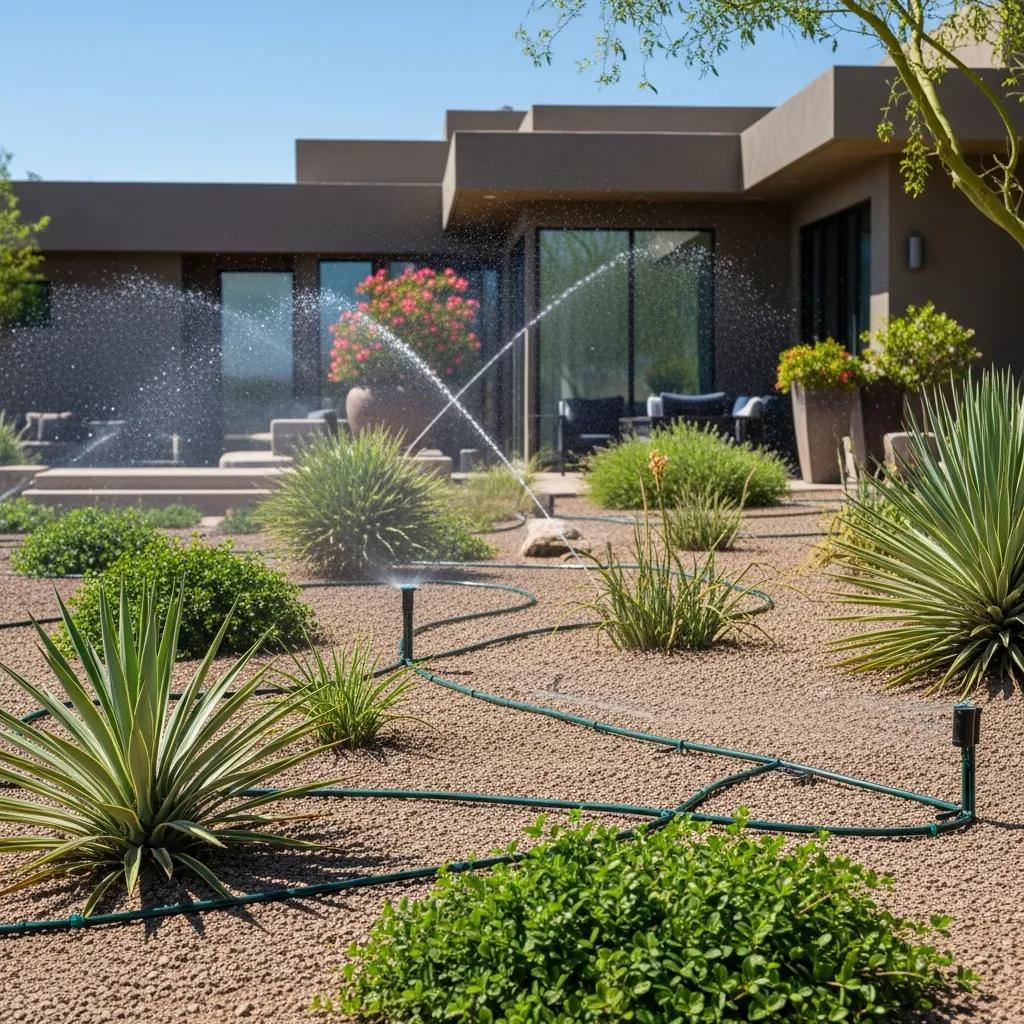
Xeriscaping saves water through reduced evaporation, targeted delivery, and plant choices that lower transpiration. Replacing overhead sprinklers with drip irrigation and adding mulch can sharply cut evaporation from the soil surface, while smart controllers trim runtimes based on weather — commonly reducing irrigation by an estimated 20–50% versus conventional schedules. Drought‑adapted and native plants develop root systems that pull moisture efficiently and require less frequent watering once established, lowering seasonal demand even further. These practices also reduce runoff and improve infiltration, making occasional rainfall and captured water more effective.

Knowing how these mechanisms work helps you prioritize tactics that yield the biggest impact and informs the plant palettes that follow.

Which Drought‑Tolerant Plants Are Ideal for Luxury Xeriscapes?

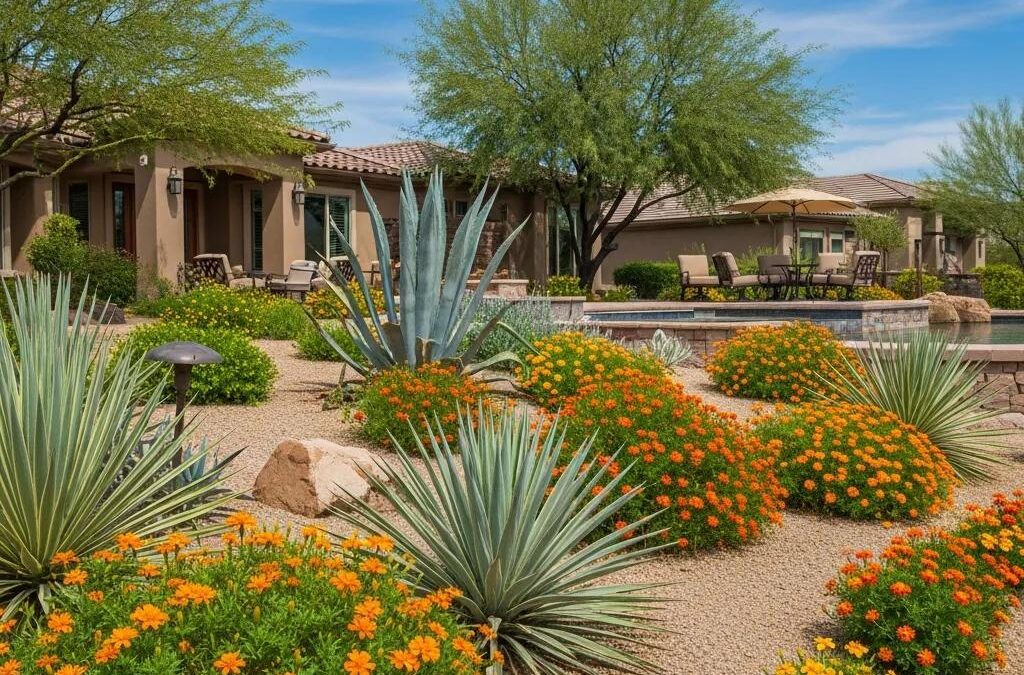
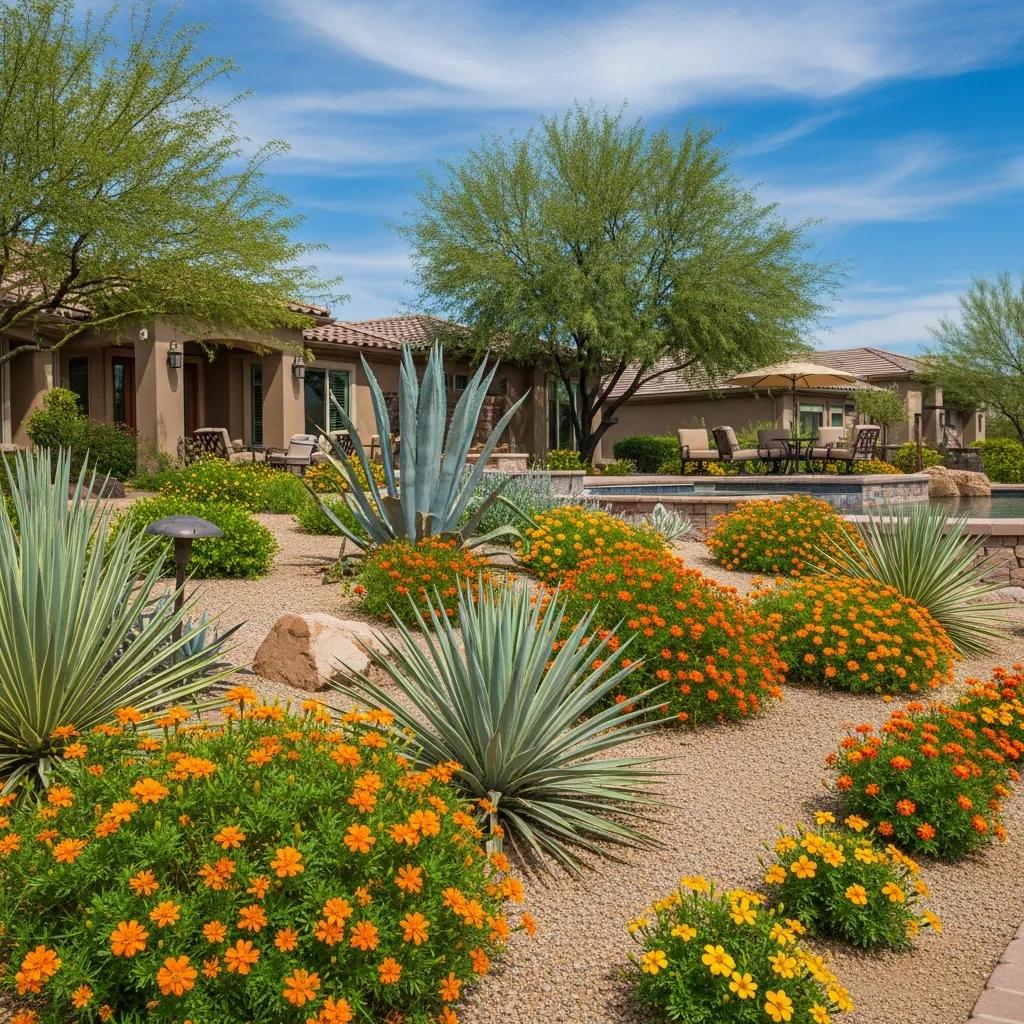
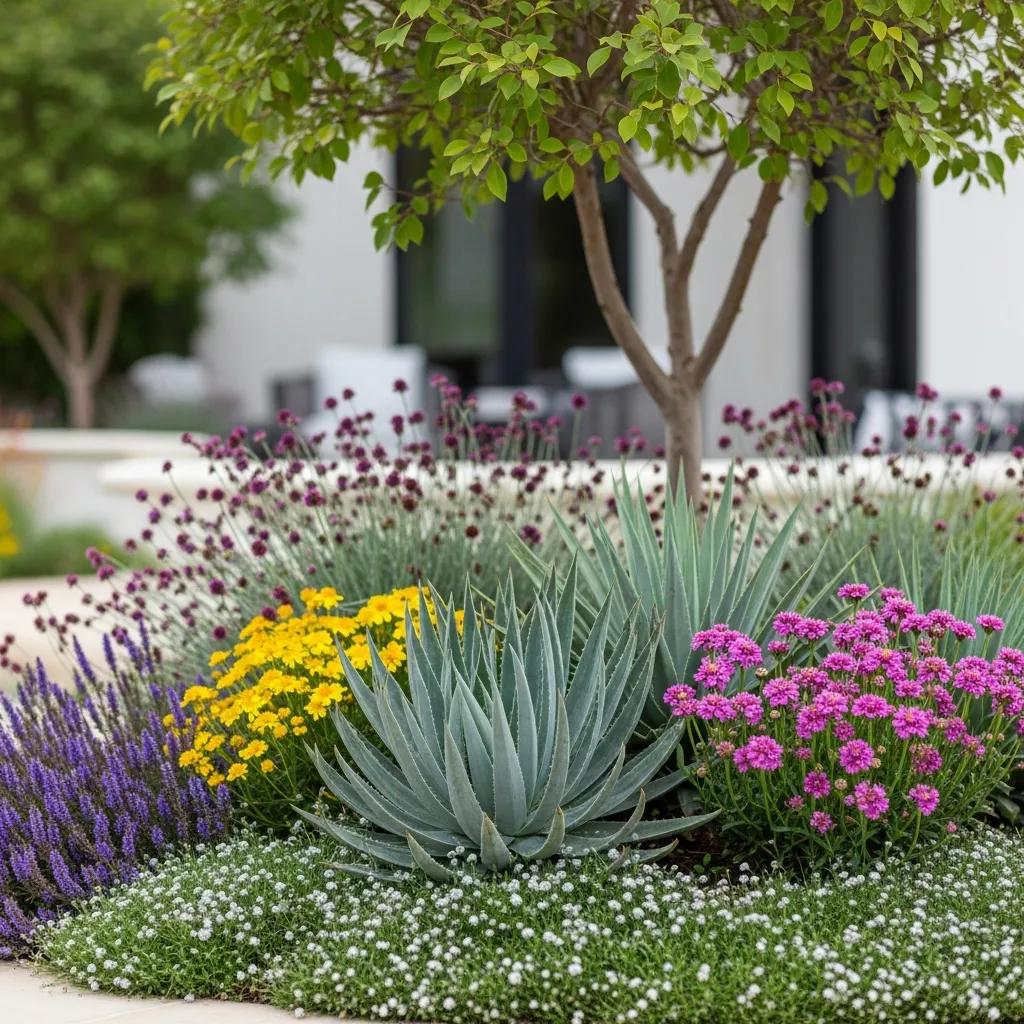
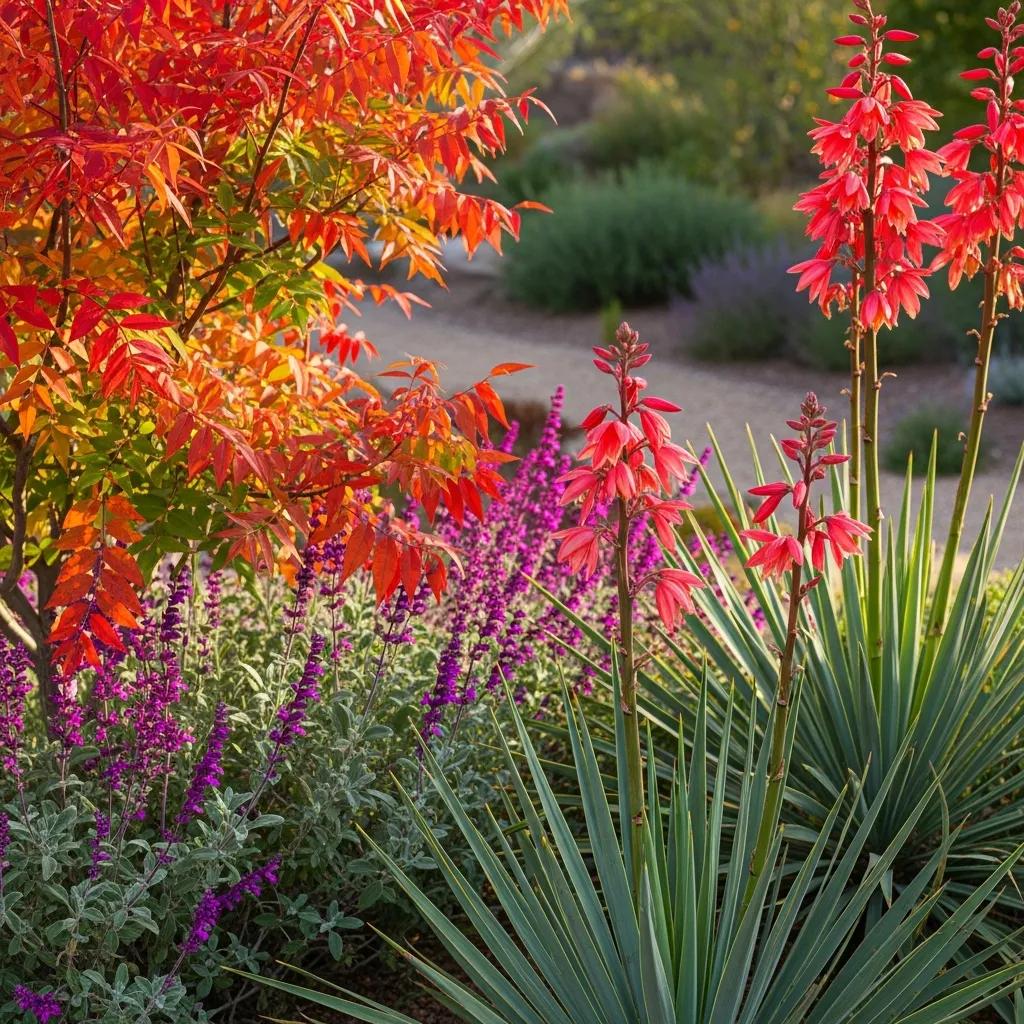
A luxury xeriscape pairs sculptural succulents, flowering natives, and architectural trees to create form and seasonal interest with minimal water. High‑impact choices include agaves and aloes as focal accents, low mounding shrubs like brittlebush and desert marigold for color, and palo verde or mesquite trees for shade and vertical structure. Placement matters: use larger succulents near hardscape edges, mass native flowers along paths to soften edges, and position trees to shade patios, pool areas, and outdoor living zones.

Thoughtful plant pairing and placement deliver a cohesive, upscale aesthetic while keeping irrigation needs low; the next section gives selection criteria and a comparison table to guide choices.

How to Select and Use Drought‑Tolerant Plants for Sustainable Arizona Landscapes?

Choosing drought‑tolerant plants starts with assessing water requirements, sun exposure, maintenance expectations, and how each species contributes to the overall composition. Map microclimates on the lot — full sun, filtered shade, or protected courtyards — and match species to those conditions to reduce supplemental watering. Mixing succulents, shrubs, and canopy trees adds visual depth and functional benefits like shade and wind buffering, which lower local temperatures and curb water loss. The table below helps homeowners compare common options for upscale xeriscapes.

This table compares representative species and their suitability for luxury applications to help refine plant lists during design.

PlantWater NeedsSun ExposureMaintenanceLuxury Use Cases
Agave (accent)Very lowFull sunLow; occasional removal of pupsFocal point near entry or poolscape
Palo Verde (tree)LowFull sunLow; formative pruningShade structure near patio or pool
Desert Marigold (flowering)Very lowFull sunLow; seasonal deadheadingMass plantings for seasonal color
Yucca (architectural)Very lowFull sunLow; occasional pruningBold vertical accents along pathways

That comparison shows how different species meet performance and aesthetic goals; next we profile native options and establishment strategies that reduce long‑term irrigation.

What Native Arizona Plants Thrive with Minimal Water?

Native plants are adapted to Arizona’s climate and typically need the least supplemental irrigation once established. Species such as palo verde, brittlebush, desert marigold, and ocotillo offer drought resilience, habitat value, and seasonal interest with minimal input. Establishment relies on targeted, infrequent deep watering during the first two growing seasons to encourage deep roots; thereafter, most natives do well on natural rainfall with occasional supplemental irrigation during extended drought. Using natives also supports local biodiversity and reduces fertilizer and pest pressures.

Natives perform best when sited correctly and grouped by water need; the next section shows how to combine succulents and shade trees for both ecology and comfort.

How Do Succulents and Shade Trees Enhance Eco‑Friendly Backyards?

Succulents deliver texture, low‑maintenance accents, and erosion control with very little water, while shade trees cut solar gain and create cooler microclimates that reduce irrigation needs across the yard. Thoughtful pairings — for example, a palo verde canopy over agave and low‑flowering natives — build layered interest, protect hardscapes from direct sun, and improve outdoor comfort. Design details to watch include root spacing, canopy placement relative to patios and pools, and selecting species with compatible growth habits to preserve clean sightlines.

Pairing structural trees with succulent beds helps luxury backyards feel lush and intentional while materially cutting water use; the next section covers irrigation and hardscape techniques that put these planting strategies into practice.

What Are Effective Water‑Efficient Landscaping Techniques for Arizona Homes?

Effective water‑efficient landscaping pairs irrigation technology, soil and mulch strategies, and thoughtful material choices to reduce landscape water demand without sacrificing luxury. Key tactics include drip irrigation with dedicated zones, smart controllers that use weather or soilmoisture data, deep mulch layers to limit evaporation, and permeable hardscapes to improve infiltration. Artificial turf can replace high‑use lawn areas when low maintenance and a clean look matter, but it requires attention to heat management and long‑term durability. The table below summarizes common approaches, typical water savings, and installation considerations for luxury properties.

Use this table to weigh trade‑offs between performance, cost, and aesthetic fit before specifying systems.

ApproachTechniqueWater Savings EstimateInstallation ConsiderationsSuitability for Luxury Homes
Drip IrrigationPoint‑source emitters, micro‑sprays30–60% vs. overheadProfessional zoning and pressure regulationHigh—supports precise planting palettes
Mulch & SoilOrganic mulch, soil amendments10–25% via reduced evaporationQuality materials and proper depth criticalHigh—improves plant health and finish
Artificial TurfHigh‑quality synthetic turfUp to 100% water saved vs. grassBase prep, drainage, cooling strategiesMedium–High—good for play and clean aesthetics
Permeable HardscapePermeable pavers, decomposed graniteIndirect savings via infiltrationProper base and grading essentialHigh—integrates with pool and patio design

This comparison clarifies which combinations deliver strong water savings while preserving a luxury feel; the next sections dive into smart irrigation mechanics and turf considerations.

How Do Smart Irrigation Systems Reduce Water Usage?

Smart irrigation reduces water use by adjusting schedules with real‑time inputs like weather and soilmoisture. Compared with fixed timers, smart systems typically save 20–40% because they shorten or skip cycles after rain and extend intervals during cooler periods. Core components include weather‑based controllers, soilmoisture sensors, flow meters, and remote interfaces that let you manage multi‑zone systems precisely. For upscale installations, integration with home automation and proper pressure regulation improves reliability and provides maintenance alerts that keep systems performing at peak efficiency.

Smart irrigation shines when combined with properly designed zones and the right emitter types — which leads naturally into evaluating engineered surfaces like artificial turf for low‑water lawns.

Common smart irrigation components include:

  1. Weather‑based controller: adjusts schedules using local climate data.
  2. Soilmoisture sensors: prevent unnecessary runtimes by measuring real soil water.
  3. Zoning and pressure regulation: ensures consistent emitter performance across varied terrain.

These elements work together to reduce waste and protect plant health; understanding turf trade‑offs completes the water‑efficiency strategy.

What Role Does Artificial Turf Play in Sustainable Outdoor Living?

Artificial turf eliminates routine lawnirrigation and can deliver near‑100% water savings compared with natural grass. Advantages include a consistent look, low maintenance, and durability; drawbacks are heat retention, higher upfront costs, and eventual replacement. Mitigate heat with lighter infill materials, shade from trees or pergolas, and by pairing turf with planting pockets and permeable edging to soften the visual field. For luxury properties, premium synthetic turf creates clean, multifunctional surfaces near pools and entertaining areas while substantially reducing irrigation demand.

Evaluating turf requires balancing water savings against heat and lifecycle costs. Professional design‑build teams coordinate turf detailing, irrigation, and adjacent landscape features so the final installation performs and looks great.

Island Pools and Landscaping AZ helps luxury homeowners implement these water‑efficient strategies, combining smart irrigation, thoughtful turf detailing, and low‑water hardscapes into integrated pool and landscape plans. Our design‑build process ties irrigation zoning, material selection, and planting palettes together so systems perform reliably, meet high aesthetic standards, and deliver measurable water savings.

How to Integrate Eco‑Friendly Outdoor Living Features in Arizona Luxury Homes?

Integrating eco‑friendly outdoor living means designing shade, cooking, and fire elements with durable materials, minimal water demand, and a focus on comfort. Smart choices include shaded dining areas that reduce interior cooling loads, water‑efficient fixtures in outdoor kitchens, and carefully specified fire features that avoid stressing nearby plantings. Coordinating pool design, landscape, and outdoor living elements creates efficient irrigation layouts and cohesive sightlines. Use the checklist below during planning to align sustainability goals with luxury outcomes.

Use this checklist in concept development to ensure each outdoor element supports water efficiency and long‑term performance.

  1. Position shade structures to cut solar exposure on patios and pool decks.
  2. Specify low‑flow fixtures and efficient appliances in outdoor kitchens.
  3. Choose durable, low‑maintenance materials that withstand Arizona weather.
  4. Integrate planting zones and irrigation to avoid unnecessary coverage and overlap.

Following this checklist helps every choice support conservation while maintaining a high‑end ambiance; the next sections cover shade solutions and sustainable cooking/fire features in more detail.

What Shade Structures Improve Comfort and Energy Efficiency?

Shade structures — pergolas, ramadas, and well‑placed canopy trees — reduce heat exposure, extend usable outdoor time, and lower cooling loads for adjacent interiors. Louvered or retractable pergolas offer flexible sun control, ramadas create permanent architectural shade, and living shade from trees adds evapotranspirative cooling and seasonal interest. Choose UV‑stable, low‑maintenance materials like metal or responsibly sourced hardwoods, and place structures to shade dining and lounging areas and poolside decks for maximum benefit. In luxury designs, integrating shade with thoughtful lighting and HVAC considerations improves both comfort and long‑term performance.

Shade decisions inform the layout of outdoor kitchens and fire features, which should be specified to minimize resource use while supporting high‑end functionality.

How Can Outdoor Kitchens and Fire Pits Be Designed Sustainably?

Sustainable outdoor kitchens and fire features combine durable finishes with efficient equipment and careful siting to reduce resource use and maintenance. Choose stainless steel or powder‑coated appliances with efficient burners, install low‑flow faucets, and consider on‑demand or recirculating water systems to avoid waste. For fire elements, use controlled gas burners or responsibly sourced fuels and place features away from drought‑sensitive beds to prevent heat damage. Finish details — like routing drip irrigation under nearby planting and using heat‑tolerant species — protect landscape health around active zones.

Coordinating these elements during the design‑build process ensures outdoor living amenities feel elegant and operate responsibly; the final section explores advanced water systems that further reduce irrigation dependence.

Island Pools and Landscaping AZ integrates sustainable outdoor living into full projects, offering design‑build coordination that ties shade, kitchens, fire features, and pool remodels into drought‑friendly schemes. Our portfolio focuses on tailored solutions that balance performance with luxury finishes, and our consultative process evaluates water‑efficiency trade‑offs and long‑term maintenance needs.

What Advanced Water Conservation Solutions Support Sustainable Landscaping in Arizona?

Advanced conservation systems — rainwater harvesting, greywater recycling, and onsite reclaimed reuse — can supplement irrigation and lower dependence on municipal water when properly sized and permitted. These systems capture and redirect water for landscape use: cisterns can offset seasonal irrigation and greywater systems route laundry or shower effluent to approved subsurface irrigation for appropriate plantings. Successful implementation requires considering capacity, seasonal yield, treatment needs, and local regulations to ensure safety and compliance. The table below compares typical systems by scale, expected contribution to irrigation, and key considerations for high‑end properties.

This technical comparison helps owners evaluate ROI, capacity planning, and permitting for advanced systems.

SystemTypical Capacity/ScaleEstimated Contribution to Irrigation (%)Cost ConsiderationsCompliance/Permitting Notes
Rainwater harvesting2,000–10,000+ gallons cisterns10–30% seasonally (varies by rainfall)Tanks, conveyance, filtrationOften allowed; check local codes for potable restrictions
Greywater recyclingLaundry/shower reroutes with basic treatment20–50% for landscape (consistent supply)Treatment, pumps, distribution linesRequires adherence to health standards and irrigation controls
Onsite reclaimed reuseComplex treat/reuse systems for large estates30–70% depending on scaleHigher capital and O&M costsStricter permitting and monitoring requirements

Comparing systems highlights trade‑offs between capacity, reliability, and regulatory complexity; the following sections explain rainwater and greywater details and how they integrate with irrigation.

How Do Rainwater Harvesting Systems Supplement Irrigation Needs?

Rainwater harvesting captures runoff from roofs and paved areas into cisterns or tanks for later landscape use. The process is straightforward: capture, pretreat, store, and distribute. In Arizona, seasonal storms can produce useful supplemental volumes; a correctly sized cistern can offset 10–30% of irrigation needs annually depending on roof area and rainfall. Key installation items include debris screens, overflow controls, pump selection, and integration with existing irrigation controllers or a dedicated pump. In luxury projects, concealed cisterns and integrated filtration preserve aesthetics while delivering measurable water offsets.

Sizing and integration choices determine how much potable supply is displaced; greywater options can provide a steadier year‑round source.

What Are the Benefits of Greywater Recycling for Landscape Irrigation?

Greywater recycling repurposes relatively clean household wastewater — like laundry and shower water — after appropriate treatment for subsurface irrigation of suitable landscape zones. Benefits include reduced potable water use, a more consistent year‑round supply than seasonal rain, and lower utility costs over time. Limitations include the need to match plant selection (deep‑rooted, non‑edible plantings are typical), periodic maintenance, and compliance with local plumbing and health codes. Well‑designed systems route treated greywater through subsurface emitters or mulch basins to avoid exposure and maximize soil infiltration.

When combined with smart irrigation and water‑wise planting, greywater systems create a resilient, low‑impact irrigation strategy for luxury properties. Homeowners should consult qualified designers to assess ROI and permitting requirements.

Island Pools and Landscaping AZ can advise on feasibility and integration of advanced solutions, helping homeowners compare rainwater and greywater options in the context of landscape design, pool remodeling, and long‑term maintenance. Our approach prioritizes compliance, ROI assessment, and seamless design integration so systems perform reliably while maintaining luxury aesthetics and functionality.

Frequently Asked Questions

What are the benefits of using native plants in Arizona landscaping?

Native plants are adapted to Arizona’s climate and typically need minimal supplemental irrigation once established. They reduce water use and maintenance, support local wildlife, and often lower fertilizer and pest management needs. Deep root systems help improve soil structure and control erosion, making natives a smart, resilient choice for sustainable arid‑landscaping.

How can I ensure my xeriscape design remains visually appealing?

Keep variety in texture, color, and height to maintain visual interest. Combine succulents, flowering natives, and ornamental grasses, and use hardscape elements like paths, patios, and decorative stone for structure. Place focal plants strategically and plan for seasonal color. Regular, simple maintenance — pruning, seasonal cleanup, and targeted plant replacement — keeps the design looking intentional and fresh.

What role does mulch play in sustainable landscaping?

Mulch reduces soilevaporation, moderates soil temperature, and suppresses weeds — all vital in xeriscaping. Organic mulches (wood chips, bark) also improve soil health as they break down, returning nutrients to the ground. In Arizona’s climate, a proper mulch layer around plants can significantly cut irrigation needs and protect roots from extreme heat.

How can I integrate smart irrigation systems into my landscaping?

Start with a site assessment and zone the landscape by plant type and microclimate. Then specify weather‑based controllers, soilmoisture sensors, and appropriately sized drip or micro‑spray emitters. Work with a professional to ensure correct pressure regulation, proper sensor placement, and integration with your irrigation controller so the system waters only when and where it’s needed.

What are the advantages of using permeable hardscaping materials?

Permeable materials like pavers and decomposed granite let water soak into the ground instead of running off, helping recharge groundwater and reducing erosion. Permeable surfaces can also reduce heat retention and improve comfort. They’re a sustainable choice that pairs well with low‑water planting and thoughtful stormwater management.

How can I create a comfortable outdoor living space in a hot climate?

Focus on shade — pergolas, awnings, and canopy trees significantly improve comfort. Use heat‑tolerant, water‑efficient plants and materials that reflect heat. Consider outdoor fans or misting systems and orient seating to catch natural breezes. Water features and strategic plantings can also help cool and soften the microclimate.

Conclusion

Sustainable landscaping in Arizona saves water while enhancing the look and livability of outdoor spaces. By adopting xeriscape principles, choosing drought‑tolerant plants, and using smart irrigation and advanced reuse systems, homeowners can create luxurious, resilient landscapes that thrive in arid conditions. These strategies cut maintenance, support local ecosystems, and preserve long‑term value. If you’re ready to transform your property, our team can help you plan and implement solutions tailored to your site and lifestyle.

Scottsdale Luxury Oasis: High-End Pool & Landscape Case Study

Scottsdale Luxury Oasis: High-End Pool & Landscape Case Study

Scottsdale Luxury Oasis — High-End Pool & Landscape Case Study for Custom Backyard Transformations

Turning a difficult lot into a Scottsdale luxury oasis means creating a resort-style backyard that’s built for desert life and elevated living. This case-study guide lays out what makes luxury pool design unique in Scottsdale, how landscape architecture supports those pools, and which elements combine to form a complete custom backyard oasis. You’ll find practical design principles, material recommendations, smart‑technology options, and a typical design‑build workflow that takes ideas from sketch to finished space. We also cover how experienced teams solve local site constraints and why many homeowners choose an integrated design‑build partner for clear accountability and consistent communication. Along the way, expect actionable guidance on infinity edges, desert‑appropriate planting, outdoor kitchens and fire features, and the commissioning steps that preserve longevity and elegance.

What Defines Luxury Pool Design in Scottsdale?

Luxury pool design in Scottsdale is about harmony with the desert, premium materials, and systems engineered for both drama and reliable operation. The core idea is pairing visual impact—vanishing edges, custom tilework—with durable construction and controls that stand up to heat and low humidity. The result is a low‑maintenance, resort‑quality environment that performs year‑round and complements the home. Designers focus on mountain or courtyard sightlines, finishes that reduce glare and heat absorption, and automation that keeps water quality steady while saving energy. These priorities shape material choices and system integrations and lead into the specific feature decisions that mark high‑end Scottsdale pools.

Luxury pool hallmarks tuned for Scottsdale include:

  • Infinity or vanishing edges that frame desert vistas and open sightlines.
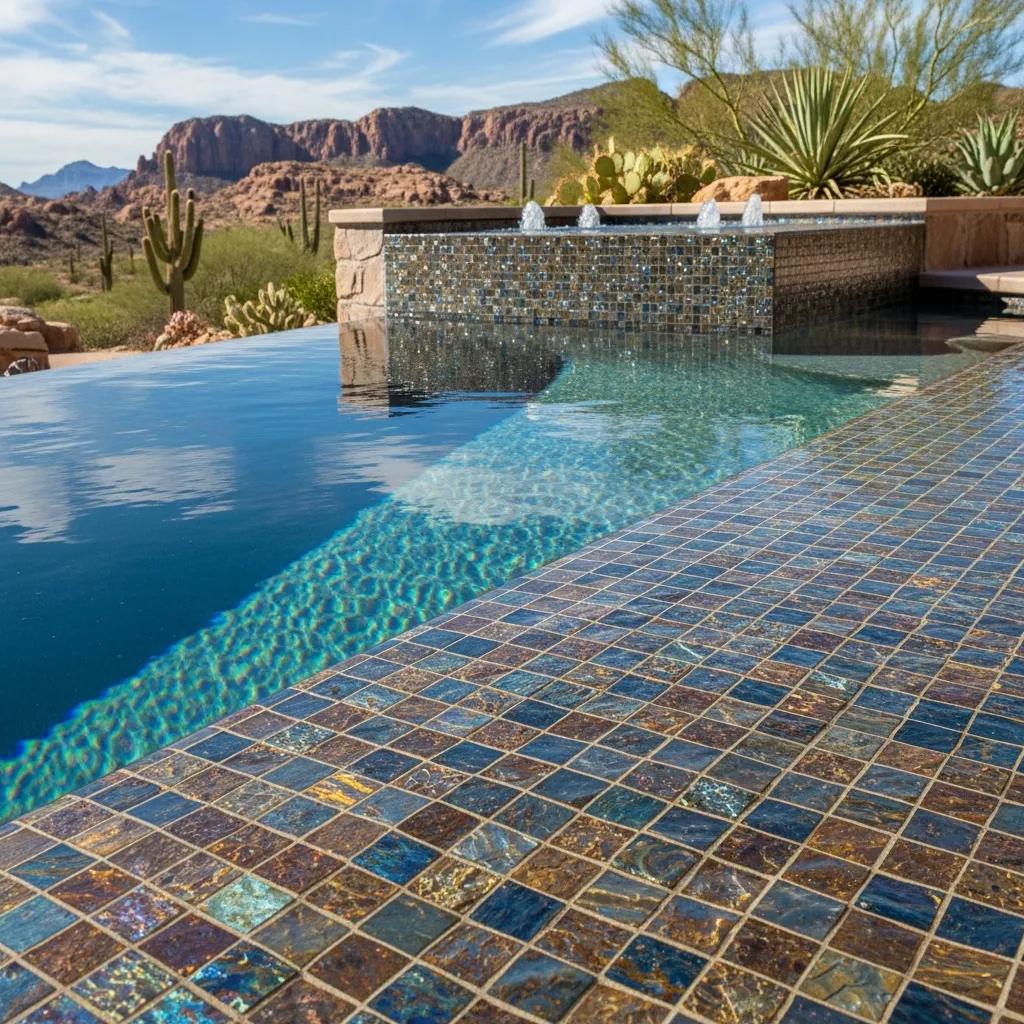
  • Custom tile and plaster finishes chosen for color stability, slip resistance, and thermal performance.
  • Integrated spa and water elements that add sound, microclimate cooling, and visual interest.
  • Concealed mechanical solutions—equipment pads and automation—kept out of view to preserve the design while simplifying operation.

The table below compares common feature options so homeowners can weigh priorities for a high‑end installation.

Feature TypeCharacteristicTypical Value/Benefit
Infinity EdgeVisual effectSeamless horizon and expanded sightlines
FinishMaterial choiceHigh‑performance tile or aggregate for long‑lasting durability
AutomationControl optionsSmartphone control and schedule‑based filtration
Water FeatureIntegrationCascades or custom jets for ambiance and acoustic masking

Use these comparisons to prioritize features; next, we review the specific design touches that make a Scottsdale luxury pool stand out.

Which Features Make a Scottsdale Luxury Pool Stand Out?

Signature features blend visual craft with functional resilience for heat and dust. Infinity edges and well‑placed vanishing planes play into valley and mountain views, while premium finishes—glass or mosaic tile, textured plaster—catch desert light and add tactile depth. Integrated spas, built‑in seating, and grotto niches create layered areas for relaxing and entertaining. Critical structural choices—pool shell type, specialized plaster, and coping materials—ensure the installation lasts. Designers commonly mix shallow lounging shelves with deeper swim zones for varied use and plan mechanical access so equipment stays hidden without complicating maintenance. Those feature choices naturally lead into smart technology selections that simplify operation and improve efficiency.

How Does Smart Technology Enhance Scottsdale Custom Pools?

Smart technology automates water chemistry, circulation, heating, and lighting so pools are easier to own and less costly to run. Variable‑speed pumps, automated chemical feeders, and programmable controllers reduce energy use and adjust performance across seasons—important in a climate with high evaporation and wide temperature swings. Integration with home automation lets you create scenes—lighting, jets, and heat coordinated for evening entertaining—while remote alerts warn of equipment issues before they become problems. Designing these systems early guarantees conduit, service access, and space on equipment pads for future upgrades, protecting long‑term value and simplifying retrofit work. These automation decisions also influence landscape strategies that shape comfort and use.

How Does High-End Landscape Design Complement Luxury Pools in Scottsdale?

High‑end landscape design expands living areas, manages microclimates, and uses plant palettes and materials that echo pool finishes. The method is layering hardscape and softscape—paving, walls, seating, planting, and lighting—to form outdoor rooms tailored to sun, shade, and wind. The payoff is a cohesive backyard where circulation, entertaining zones, and privacy are resolved visually and functionally, maximizing year‑round use despite desert conditions. Designers evaluate soil, irrigation efficiency, and native versus adapted species to strike a balance between lushness and sustainability, and they select hardscape that stays comfortable underfoot while matching pool textures. These integrated choices directly affect maintenance needs and the overall sensory experience around the pool.

Key landscape elements that support luxury pools include:

  • Hardscaping: Durable pavers and transitions that define kitchen, dining, and lounge areas.
  • Planting: Drought‑tolerant palettes that add color, structure, and wind breaks.
  • Lighting: Layered systems for safety, task lighting, and feature highlights.
  • Outdoor Rooms: Defined kitchens, lounges, and shaded dining areas connected by clear circulation.

The table below contrasts common landscape choices for Scottsdale projects to clarify trade‑offs for homeowners.

Landscape ElementAttributeValue/Consideration
HardscapingMaterial optionsTravertine vs. porcelain — consider heat retention and slip resistance
PlantingWater needsNative and adapted species cut irrigation demand
LightingPurposeAccent, path, and underwater lighting extend usable hours
IrrigationEfficiencyDrip systems and zoned scheduling conserve water

Thoughtful selection ensures the landscape reinforces the pool’s function and look. The sections below dive into desert planting strategies and material transitions that tie the yard together.

What Are the Essential Elements of Scottsdale Desert Landscape Design?

Desert landscape design centers on drought‑tolerant plants, efficient irrigation, and soil work that helps new plantings establish with minimal water. Native and adapted choices—palms, succulents, low‑water shrubs—provide vertical structure and texture while keeping maintenance low and supporting local ecology. Where water budgets allow, designers sometimes add accent exotics for contrast. Mulch, soil amendments, and targeted micro‑irrigation speed establishment and reduce evaporation, while layered plantings buffer sun and wind to improve comfort around pools. Balancing perceived lushness with water‑wise practices is a core challenge; plant placement must also respect root behavior near paving and pool structures. These planting strategies inform material transition choices that unify hardscape and softscape.

How Do Hardscaping and Softscaping Create a Cohesive Outdoor Living Space?

Cohesion comes from a consistent material palette, deliberate circulation, and clear transitions between active and passive spaces. Choices—textured pavers, natural stone, and complementary coping—affect thermal comfort, slip performance, and visual rhythm across decks and patios. Planting beds, retaining walls, and elevation changes separate dining and lounge areas while keeping sightlines open; integrated seating walls and planters serve both structure and style. Thoughtful circulation creates safe, intuitive routes from indoor living to outdoor kitchens and pool lounges, and service zones hide utilities without interrupting the experience. These strategies maximize entertainment and relaxation and guide the selection of core backyard components described next.

What Are the Key Components of a Custom Backyard Oasis in Scottsdale?

A custom backyard oasis combines a purpose‑built pool and spa with supporting amenities—outdoor kitchens, fire features, layered lighting, and automation—that deliver daily comfort and elevated entertaining. The approach is systems‑based: structure, mechanicals, and finishes integrate with lifestyle elements like kitchens, AV, and shade to provide reliable performance and a cohesive look. Homeowners get outdoor spaces optimized for climate and use where irrigation, lighting, and smart controls maintain comfort with minimal hands‑on effort. The checklist below outlines the essentials to expect in a full transformation.

Core components checklist for a Scottsdale backyard oasis:

  • Pool and Spa: Custom shell, finishes, and equipment sized for your intended use and budget.
  • Outdoor Kitchen: Durable appliances, ample counter space, and shelter for year‑round cooking.
  • Fire Features: Fixed or gas fire pits and hearths that create evening gathering points.
  • Lighting & AV: Layered lighting and outdoor audio to set mood and support function.
  • Automation & Irrigation: Centralized controls for pool systems, lighting, and efficient landscape watering.

These components define project scope; the next sections look at outdoor kitchens and lighting and how they shape evening use and atmosphere.

How Do Outdoor Kitchens and Fire Features Enhance Scottsdale Outdoor Living?

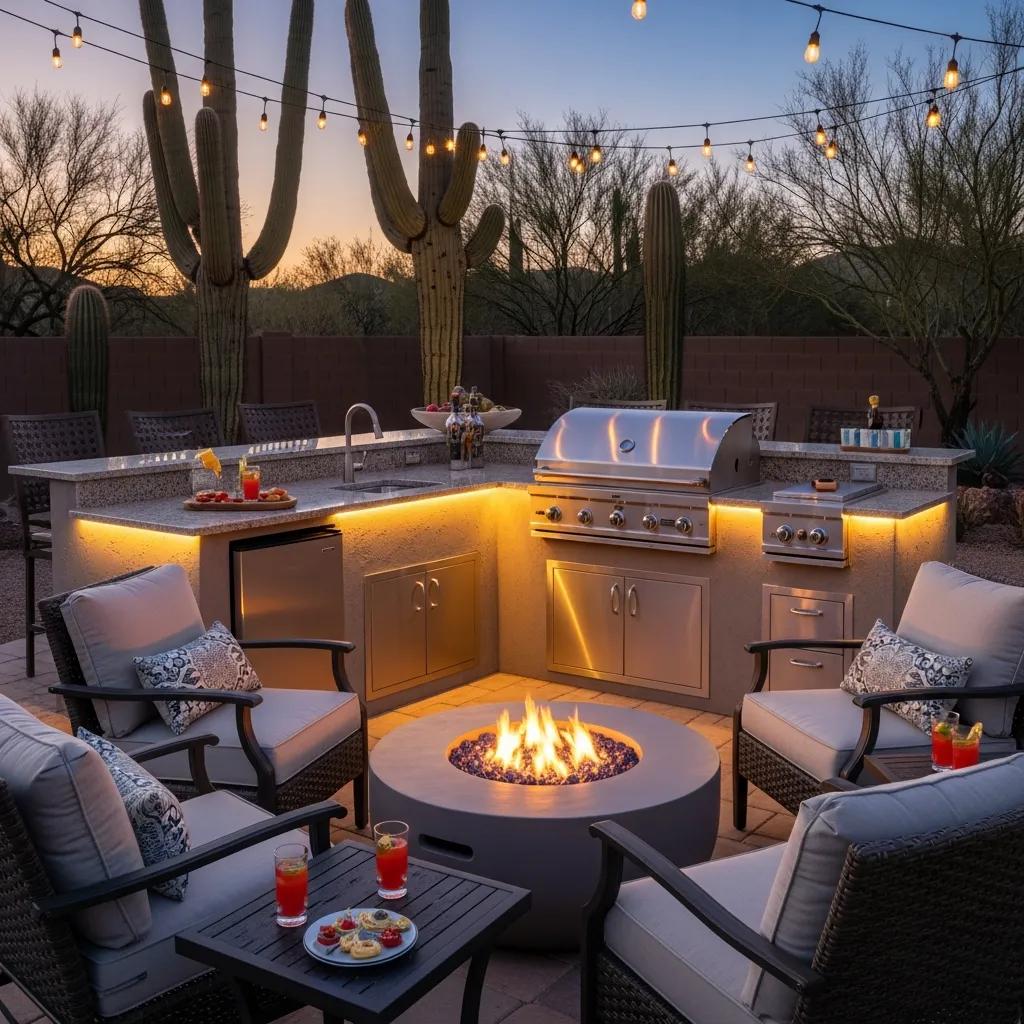
Outdoor kitchens and fire features extend living space into the landscape by enabling cooking, dining, and socializing outdoors while providing thermal and visual focus at night. Outdoor kitchens use durable counters and appliances selected for heat and dust exposure, with sheltered work areas to reduce sun impact. Fire features—pits, linear burners, or hearth walls—act as social anchors and add radiant warmth that lengthens use into cooler evenings. Long‑term performance depends on proper access for fuel lines, protective finishes, and materials rated for repeated heat cycles; good detailing ensures durability and safety. When integrated thoughtfully, these amenities increase property utility and reinforce the desert aesthetic.

What Role Does Lighting Play in Scottsdale Luxury Outdoor Spaces?

Lighting delivers safety, ambience, and theatrical highlighting and should be designed as a layered system for best effect. Path lights and low‑glare fixtures keep circulation safe while accent uplighting showcases architecture and plants; underwater lights turn pools into nighttime focal points. Color temperature matters—warm white for hospitality areas, neutral for task zones—and control systems let owners shift scenes for entertaining or quiet evenings with presets. Energy‑efficient LEDs cut operating costs and add dimming and color options that enhance mood. Proper lighting planning extends usable hours and complements both pool finishes and landscape textures.

How Does the Design & Build Process Ensure Excellence in Scottsdale Luxury Projects?

A disciplined design‑build process delivers quality through defined phases—discovery, schematic design, permitting, construction, and commissioning—each with clear deliverables and client reviews to reduce risk and align expectations. The key advantage is single‑point responsibility: the design‑build team coordinates architecture, landscape, structural, and mechanical trades to protect design intent and simplify communication. That approach results in fewer change orders, clearer timelines, and accountability for performance and finishes. Onsite QA includes scheduled inspections, materials verification, and staged client walkthroughs to confirm details before commissioning.

PhaseDeliverableTypical Outcome
Concept Design3D renderings and schematic plansVisual alignment and early budget estimates
PermittingSubmittal packagesRegulatory approval and inspection scheduling
ConstructionStructural and finish workExecuted scope with QA checkpoints
CommissioningSystems start‑up and trainingOperational handover and satisfaction guarantee

A clear process map reduces ambiguity and leads into the construction steps typical for custom pools, which we outline next.

What Steps Are Involved in Scottsdale Custom Pool Construction?

Custom pool construction follows a reliable sequence: site survey and layout, excavation, structural shell formation, mechanical and electrical installation, finish work, and final commissioning. Surveying establishes setlines and elevations to manage drainage and sightlines; excavation reveals conditions that determine reinforcement and retaining strategies. Shell work—gunite or shotcrete—creates the structure, followed by plumbing, electrical, and equipment installation for filtration, heating, and automation. Tile, coping, and decking follow mechanical rough‑ins, and commissioning covers water balancing, automation programming, and owner training. Proper sequencing and inspections protect long‑term performance and underpin warranty coverage and client satisfaction.

How Does Island Pools and Landscaping AZ Overcome Scottsdale Site Challenges?

Scottsdale site issues—slope, drainage, and permitting—require engineered responses that balance beauty and code compliance. Our teams start with a site diagnostic to map drainage, microclimates, and existing utilities, then design retaining systems, stepped terraces, or grading plans to protect structures and preserve desired sightlines. We coordinate permitting and inspections with local authorities to reduce schedule risk, and we sequence work to minimize disruption to your home and landscape. Island Pools and Landscaping AZ emphasizes clear communication and attention to detail throughout construction and offers a satisfaction guarantee to reinforce accountability and collaborative problem solving. Knowing these mitigation strategies helps homeowners move forward with confidence on high‑end projects.

If you’re ready to move from concept to construction, the next section explains why many homeowners choose an integrated design‑build partner for Scottsdale luxury projects.

Why Choose Island Pools and Landscaping AZ for Scottsdale Luxury Pool and Landscape Projects?

Island Pools and Landscaping AZ delivers integrated design‑build services with single‑point responsibility to streamline complex backyard transformations and ensure high‑end results. Our value is coordinated design and construction, consistent client communication, and a satisfaction guarantee that frames quality through permitting and build. For Scottsdale homeowners seeking local expertise in desert landscapes and premium pool systems—automation, custom finishes, and durable components—we provide consultative guidance, portfolio examples, and client‑facing processes that minimize risk and complexity. Contact details and validation options are below for homeowners ready to schedule a consultation and review recent projects; our approach is shaped around the practical needs of upscale backyard programs.

  • Single‑point responsibility for design, permitting, and construction to reduce delays.
  • Regular communication and predictable milestones to keep projects on track.
  • Local expertise in Scottsdale microclimates and regulations that informs durable design solutions.

These benefits appear consistently in client feedback and explain why many luxury homeowners prefer an integrated team over fragmented contractor models.

What Client Testimonials Highlight Satisfaction with Scottsdale Luxury Oasis Projects?

Clients on high‑end projects commonly cite three strengths: clear communication through complex schedules, attention to finish and system details, and final spaces that meet lifestyle goals. Testimonials often highlight a dedicated point‑person during design and construction, which simplifies decisions and keeps timelines aligned. While specific quotes should be verified before publication, these themes serve as credible trust signals when paired with project galleries, documented processes, and service guarantees. Homeowners should ask for recent references and portfolio case studies to validate workmanship—practical verification that often matters more than awards.

Which Awards and Recognitions Validate Our Expertise in Scottsdale?

Awards and recognitions can validate expertise, but only include them if they’re verifiable. If you have confirmed awards, list issuing organizations and dates and mark them up with structured data. If awards aren’t available, emphasize case studies, project galleries, customer reviews, and a clear satisfaction guarantee as primary credibility elements. Properly tagged recognitions and reviews improve discoverability and local trust. These methods give homeowners meaningful proof of performance without relying solely on unverified accolades.

How Can Scottsdale Homeowners Begin Their Luxury Pool and Landscape Transformation?

Start with a clear discovery process: prepare a vision brief, set a preliminary budget range, and request a site analysis to pinpoint constraints and opportunities. The initial consult aligns your goals with realistic options—pool size, amenity mix, and landscape scope—so designers can produce focused schematic designs and cost estimates. That early clarity leads to better budgeting, fewer permitting surprises, and a smoother construction phase. Gather property surveys, utility info, and lifestyle priorities before the first meeting to speed productive decision‑making and sharpen design fidelity.

Key next steps summarized:

  1. Prepare a project brief outlining desired amenities, primary uses, and target budget.
  2. Schedule an initial discovery and site analysis to identify constraints and opportunities.
  3. Review schematic design options and phased budget scenarios to refine scope.

These actions create a concise roadmap to a successful transformation and lead into the consultation services below.

What Consultation Services Are Offered for Scottsdale Custom Backyard Projects?

Our consultation offerings typically include an initial discovery meeting, schematic design packages with 3D renderings, and a detailed site analysis for permitting and constructability. The discovery phase clarifies vision and constraints; schematic packages translate vision into scaled plans and visuals that inform budget and material choices. Site analysis evaluates grading, drainage, and utility locations to guide engineered solutions. We offer phased design and permitting support to match homeowner timelines. Deliverables usually include drawings, specifications, and a recommended construction schedule that feed into the final proposal and contract discussions.

How to Contact Island Pools and Landscaping AZ for a Scottsdale Luxury Oasis Consultation?

Ready to request a consultation? Call us at Call 602.818.1277 or email PoolConnect@Gmail.com to arrange an initial discovery and site visit. For local validation, check our Google Business Profile to view recent project photos and client feedback. Before your consult, prepare property surveys and a short project brief to make the meeting most productive. A simple CTA to use when contacting us: “Request a Scottsdale Luxury Oasis Consultation to review design options and site feasibility.” That step starts the documented design‑build process and puts your project on an efficient path to construction.

Frequently Asked Questions

What is the average cost of a luxury pool and landscape project in Scottsdale?

Costs vary widely based on size, materials, and features. For a comprehensive luxury backyard transformation in Scottsdale, homeowners commonly invest between $50,000 and $200,000+, depending on complexity and finish level. Key cost drivers include design complexity, premium materials, and smart‑technology integration. Establishing a budget early helps align design choices with realistic expectations.

How long does the design and construction process typically take?

Expect a typical timeline of roughly 3 to 6 months from design through construction for most luxury pool and landscape projects, though complexity, permitting, and site conditions can extend that. The schedule covers initial consultations, design development, permitting, and construction. Working with a coordinated design‑build firm can help reduce delays and streamline each phase.

What maintenance is required for luxury pools and landscapes?

Maintenance includes regular pool cleaning, chemical balancing, and equipment checks—often weekly—to keep water and systems in peak condition. Landscapes need seasonal pruning, irrigation tuning, and occasional pest control. Automated systems for pool chemistry and irrigation can significantly reduce manual work while improving consistency and efficiency.

Are there specific permits required for pool construction in Scottsdale?

Yes—pool construction requires local building permits to ensure code and safety compliance. The permitting process usually involves submitting detailed plans that show pool location, design, and related landscaping. Working with a design‑build firm familiar with Scottsdale regulations helps streamline submittals and reduce approval time.

What are the benefits of using a design-build firm for my project?

A design‑build firm offers single‑point responsibility, which streamlines communication and preserves design intent from concept through construction. That model reduces coordination errors, speeds permitting, and often shortens the schedule. Design‑build teams also tend to have established supplier and permitting relationships that improve project efficiency.

How can I ensure my pool design is energy-efficient?

To maximize energy efficiency, specify variable‑speed pumps, efficient heaters or heat pumps, LED lighting, and automated controls. Good insulation and solar covers reduce heat loss, and thoughtful automation schedules cut runtime while maintaining water quality. These choices lower operating costs and support a more sustainable outdoor environment.

Conclusion

Turning your Scottsdale backyard into a luxury oasis blends visual impact with practical resilience so you can enjoy it year‑round. By pairing a high‑end pool with smart technology and intentional landscape design, you create a cohesive outdoor living space that fits your lifestyle. Working with an experienced design‑build partner simplifies the path from idea to finished space and provides clear accountability and a satisfaction guarantee. When you’re ready, contact us to schedule a consultation and start your backyard transformation.

Pool & Landscaping Services in Goodyear, Arizona

Pool & Landscaping Services in Goodyear, Arizona

Luxury Pools & Landscaping in Goodyear, AZ — Your Guide to High‑End Backyard Transformations

Turning a Goodyear yard into a year‑round resort means pairing desert‑smart landscape design with premium pool craftsmanship. This guide walks you through what sets a luxury pool builder apart, how outdoor living components turn a pool into a cohesive oasis, current remodeling directions, the typical design‑build workflow, and financing paths that make high‑spec projects realistic. You’ll get clear criteria for vetting builders in Goodyear, the materials and features that stand up to Arizona heat, and how automation plus sustainable landscapes lower long‑term costs while increasing enjoyment. We also outline permitting and collaboration milestones for a backyard remodel and practical tips for choosing finishes. Finally, we explain financing options and why Island Pool & Landscaping (ROC#341253) is a local example of full‑service design‑build expertise. Read on for actionable next steps if you’re planning a remodel in Goodyear.

What Makes a Luxury Pool Builder in Goodyear, AZ?

A true luxury pool builder in Goodyear combines creative design, top‑tier materials, disciplined project management, and local climate experience to deliver a resort‑grade backyard. Key strengths include design capability (custom plans and 3D visuals), premium material choices (natural stone coping, high‑end tile, travertine), transparent construction management (permits, scheduling, quality checks), and reliable client service (timely communication and clear warranties). These elements produce durable, attractive installations that address Arizona’s heat, water concerns, and homeowner expectations. Use the checklist below to compare builders and focus on firms that can integrate pool design with landscaping.

A practical checklist for selecting a luxury pool builder:

  • Design capability: Offers custom concepts and 3D renderings so you can visualize the finished space before construction.
  • Material quality: Selects finishes—like natural stone coping and premium pool tile—that tolerate desert sun and age gracefully.
  • Project management: Manages permitting, timelines, and on‑site quality control to reduce surprises.
  • Service and warranty: Commits to clear response windows and documented warranties to protect your investment.

This checklist ties design, materials, execution, and service into a single expectation. Next, a quick comparison table helps you scan the most important attributes when vetting providers.

Different builders emphasize different strengths; the table below helps homeowners compare core attributes when choosing a luxury provider.

AttributeWhat to look forWhy it matters
Design expertiseCustom plans, 3D renderings, integrated landscape conceptsMakes sure the design fits your lifestyle and site constraints
Material selectionNatural stone, premium tile, durable copingDelivers longevity and a high‑end look despite intense sun
Project managementPermitting, realistic schedules, quality inspectionsReduces delays and unexpected costs
Communication & warrantyResponse commitments, written coverageBuilds homeowner confidence and protects value

This side‑by‑side view clarifies expectations and makes it easier to compare portfolios and proposals.

Key Features of Custom Landscape Pools in Goodyear

High‑end landscape pools in Goodyear balance visual impact with climate‑appropriate performance. Signature features include tanning ledges and integrated spas for flexible use, dramatic water and fire elements for focal interest, and materials such as travertine or natural stone coping that stay cooler underfoot. Designers also specify equipment—spa jets, automation controllers, and variable‑speed pumps—to optimize efficiency and comfort. Properly chosen finishes and circulation reduce evaporation and chemical use in a dry climate, lowering operating costs. Knowing these tradeoffs helps you choose features that deliver the best lifestyle value for your site.

How Island Pool & Landscaping Delivers High‑End Remodels

Locally licensed (ROC#341253), Island Pool & Landscaping combines integrated pool and landscape design with coordinated construction sequencing and clear communication to meet luxury homeowner expectations in Goodyear. The firm focuses on design‑driven proposals, tightly coordinated builds, and prompt client service—affording a high‑touch experience for bespoke pools, outdoor living areas, and drought‑aware landscapes. Use this approach as a benchmark: licensed workmanship, detailed visualizations, and service standards that protect both beauty and long‑term performance.

How Outdoor Living Design Enhances Your Goodyear Backyard Oasis

Outdoor living design expands a pool project into a functional oasis by creating purposeful zones, picking materials built for desert conditions, and integrating amenities that extend the seasons you can enjoy your yard. The organizing principle is zoning—setting aside spaces for cooking, dining, lounging, and pool activity while ensuring clear circulation, shade, and privacy. Material choices favor heat‑resistant pavers, natural stone finishes, and irrigation‑wise plantings so luxury and sustainability work together. Thoughtful landscape architecture blends hardscape and softscape so each element supports comfort and low maintenance in Goodyear’s hot climate. The sections that follow show how outdoor kitchens, fire features, artificial turf, and hardscaping combine for a practical, resort‑style backyard.

Design principles for creating functional outdoor zones:

  1. Clear circulation: Lay out safe, direct paths between the kitchen, dining, and pool areas.
  2. Shade and orientation: Place pergolas and shade where afternoon sun is strongest for maximum comfort.
  3. Durable surfaces: Choose pavers and stones that resist heat and offer non‑slip footing.
  4. Integrated planting: Accent with drought‑tolerant species that need minimal irrigation.

Outdoor Kitchens & Fire Features for Resort‑Style Living

Outdoor kitchens and fire features turn a pool area into a full entertainment zone that’s usable year‑round and boosts curb appeal. Layouts prioritize proximity to dining and pool areas, proper ventilation, and durable finishes—think stainless appliances and stone cladding that stand up to heat and weather. Fire elements, from built‑in pits to linear bowls, add atmosphere and become natural evening gathering spots while serving as sculptural accents. Designers balance utility and safety with clearances and long‑wearing materials to keep maintenance low. When well integrated, these amenities expand usable outdoor space and raise perceived home value.

Artificial Turf + Hardscaping for Low‑Water Luxury

Combining high‑quality artificial turf with intentional hardscaping gives you a low‑water, polished yard that suits Goodyear’s conservation priorities. Turf offers a green look without irrigation, while pavers, decomposed granite, and natural stone define activity areas and cut overall water demand. This approach needs attention to drainage, heat mitigation (for example, heat‑reducing infill or shaded turf placement), and UV‑resistant pavers. The payoff is a low‑maintenance landscape that supports entertaining and pool activities without sacrificing a refined aesthetic.

What Are the Latest Trends in Goodyear Luxury Pool Remodeling?

For 2024–2025, luxury pool remodeling trends tilt toward minimalist geometry, integrated automation, dramatic fire‑and‑water features, and sustainable materials that lower operating costs. Homeowners prefer clean lines, muted material palettes, and details that blur indoor‑outdoor transitions. Smart pool automation and energy‑efficient equipment like variable‑speed pumps are increasingly common for convenience and savings. Natural stone and travertine remain popular for texture and durability, while drought‑tolerant plants and artificial turf keep landscapes attractive with less water. Below are the top trends and why they matter.

Top remodeling trends and their benefits:

  1. Minimalist and geometric pools: Clean shapes that feel modern and simplify upkeep.
  2. Smart pool automation: Remote control of pumps, heaters, and lights for convenience and efficiency.
  3. Fire + water combinations: Pairings that create dramatic evening focal points and extend usability.
  4. Sustainable materials & landscaping: Choices that reduce lifecycle costs and conserve water.

These trends help homeowners prioritize upgrades that improve daily use and protect long‑term value. The table below summarizes how each trend translates to homeowner benefits.

TrendAttributeBenefit/Value
Infinity / zero-edge poolsSeamless visual boundaryElevates views and perceived property value
Smart automationRemote control, schedulingReduces energy use and simplifies maintenance
Fire-and-water featuresIntegrated design elementsBoosts evening atmosphere and entertainment appeal
Drought-tolerant landscapesLow-water plantings, artificial turfCuts irrigation costs and supports sustainability

Use this table to guide which investments will deliver the biggest lifestyle and value return for your remodel. Next, we dig into two high‑impact features in more detail.

Infinity and Zero‑Edge Pools: Seamless Views and Visual Drama

Infinity and zero‑edge pools create a vanishing boundary that visually blends the pool with surrounding views. These designs need precise grading, structural walls, and equalization basins to capture overflow and recirculate water, so site slope and orientation affect feasibility. The payoff is a striking aesthetic and stronger resale appeal, but owners should weigh construction complexity and water‑management needs in a dry climate. Properly engineered overflow systems and efficient pumps minimize water loss and support long‑term reliability. Knowing these tradeoffs helps you decide whether the dramatic look fits your site and maintenance preferences.

Smart Pool Automation: Convenience with Energy Savings

Smart pool automation ties pumps, heaters, lighting, chemical feeders, and controllers into a single system you can monitor and control remotely. Modern systems include variable‑speed pump control, scheduled filtration cycles, and adaptive heating routines that reduce energy use while maintaining water quality. Remote alerts help spot issues early, which is useful for busy owners or seasonal properties. When integrated with whole‑home automation, pool systems become just another easy part of daily life. The result: simpler ownership and better cost control over time.

How the Design‑Build Process Works for High‑End Backyard Remodels in Goodyear

The design‑build model streamlines luxury backyard projects by keeping design, permitting, and construction under one coordinated team—cutting miscommunication, tightening schedules, and keeping accountability clear. The process usually starts with discovery and a site evaluation (including climate and HOA limits), moves through concept development and 3D renderings, and continues with permitting, phased construction, and a final walkthrough with commissioning. Because builders and designers work together from day one, designs are more buildable and change orders are fewer. Below is a step sequence showing typical stages and deliverables for a Goodyear remodel.

  1. Initial consultation and site evaluation: Scope, budget range, and any site constraints documented.
  2. Concept development and 3D visualization: Schematics and renderings for review and refinement.
  3. Final design approval and permitting: Construction documents prepared and permits submitted.
  4. Construction and project management: Phased building, inspections, and quality checks.
  5. Handover and commissioning: Systems tested, owner walkthrough, and service plan provided.

This sequence sets expectations for timing and collaboration and shows why 3D renderings are critical for aligning vision with what’s constructible. The table below summarizes phases, responsibilities, and typical outputs.

PhaseResponsibilityOutput
DiscoveryDesigner & clientSite assessment, goals, budget parameters
DesignDesign‑build team3D renderings, material selections, specifications
PermittingContractor/designerApproved permits and regulatory compliance
ConstructionConstruction managerBuilt elements, inspections, quality assurance
HandoverProject managerSystem commissioning and homeowner orientation

Collaboration and 3D Design Renderings, Step by Step

High‑end projects rely on iterative reviews using 3D renderings so homeowners can see scale, sightlines, and material pairings before any digging starts. Early visuals cut ambiguity, letting you choose finishes, lighting, and hardscape placement with confidence. Regular review cycles capture client feedback and address construction realities, lowering the chance of costly late changes. Typical deliverables include plan sets, material boards, and photorealistic perspectives that support permitting and contractor bids. Tying visualization to buildability improves clarity and project predictability.

Material Selection: Premium Tile, Natural Stone, and Travertine

Your material choices—specialty pool tile, natural stone coping, travertine—shape the look, feel, and longevity of a desert‑climate pool. Each option has tradeoffs: travertine stays cooler and ages well but may need sealing in some uses; porcelain tiles resist fading and require less upkeep but can feel warmer in direct sun. Consider slip resistance, UV exposure, cleaning needs, and long‑term maintenance when deciding. Pair materials thoughtfully with mechanical systems—matching tile finishes to chemical compatibility and filtration—so your finished pool performs as beautifully as it looks. Thinking lifecycle value, not just upfront cost, produces finishes that last.

Island Pool & Landscaping’s Collaborative Process and 3D Strengths

Island Pool & Landscaping uses a design‑build workflow centered on collaboration and visualization to keep homeowner expectations aligned with construction realities. Their process includes site analysis, iterative 3D renderings, and coordinated construction planning to reduce revisions and speed permitting. With licensed workmanship (ROC#341253), the firm stitches landscape and pool systems together to deliver outdoor living solutions suited to Goodyear’s climate. This example shows how close collaboration and strong visualization tools reduce risk and improve results for homeowners seeking precise finishes and functional amenities.

What Financing Options Are Available for Luxury Pool and Landscaping Projects in Goodyear?

Common financing routes for luxury pool and landscape projects include home equity, dedicated construction loans, and contractor‑offered financing plans that accommodate larger scopes and premium materials. Financing lets homeowners choose higher‑quality finishes, spread costs over time, and stage work to match cash flow. When comparing options, look at interest rates, term flexibility, and whether funds cover soft costs like design and permits. The short table below shows typical financing types and common use cases to help you decide.

Financing TypeKey AttributeTypical Use Case
Home equityLower interest, securedFinance full‑project budgets with longer repayment terms
Project loanConstruction‑specific financingCovers construction draws and upgrades during the build
Contractor financingFlexible, project‑focusedUseful for phased builds or faster project starts

How you fund the project affects scope and timing, so align financing with design decisions to get the best balance of aesthetics and affordability. The sections below explain flexible plan features and practical financing examples.

Flexible Plans for High‑End Homeowners

High‑end remodels often require financing that supports larger loan amounts, staged draws, and concierge service to match project complexity. Flexible plans might include interest‑only draws during construction, milestone‑based disbursements, or terms that reflect the added value of luxury finishes. Lenders and contractor partners familiar with upscale backyard builds can tailor repayment schedules to projected value gains or client cashflow needs. Reviewing expected ROI, tax impacts, and long‑term interest costs helps you pick a financing structure that supports both lifestyle goals and fiscal prudence.

How Financing Helps Achieve Your Backyard Goals

Financing makes it possible to select premium materials, add smart automation, and complete comprehensive outdoor living components without waiting years to save. Spreading costs lets you build features like infinity edges, natural stone finishes, and integrated kitchens now, then add secondary items later while keeping design continuity. Thoughtful financing balances immediate enjoyment with long‑term asset appreciation, letting you make choices that align with both lifestyle and investment objectives.

Why Choose Island Pool & Landscaping for Your Goodyear Luxury Pool and Landscaping Project?

Island Pool & Landscaping offers local design‑build expertise aimed at high‑end backyard outcomes, coordinating pool and landscape services across Goodyear. The firm emphasizes integrated design, licensed workmanship (ROC#341253), and a consultative approach that aligns your vision with technical execution. Review portfolios, material samples, and documented processes to confirm attention to craft, communication, and scheduling. For homeowners who want combined pool remodeling, outdoor living design, and drought‑aware landscaping, Island Pool & Landscaping is a local example of a partner who understands site conditions and luxury expectations.

What homeowners most value when working with design‑build teams:

  • Craftsmanship and finish: Careful tile work, precise coping, and clean landscape junctions.
  • Communication: Regular updates and a responsive point of contact throughout design and build.
  • On‑time delivery: Realistic phasing and schedules that respect homeowner timelines.

Customer Testimonials and Project Highlights

Look for consistent themes in testimonials and portfolio pieces—praise for material quality, notes about clear communication, and stories of complex issues solved well. Before‑and‑after images and case summaries reveal how a firm handles Goodyear‑specific challenges like sun exposure, irrigation limits, and HOA rules. These real examples give you confidence in a company’s ability to deliver on luxury promises.

Licensed Expertise and a Commitment to Prompt Responses

Island Pool & Landscaping’s license (ROC#341253) signals regulatory compliance and basic accountability, while their promise of timely replies supports a high‑service experience. Fast, clear communication—whether about permits or construction updates—reduces homeowner stress and keeps projects moving. If you’re ready to begin, request a consultation and confirm licensing and response standards as part of your initial due diligence. Call to schedule a conversation about scope, timeline, and design ideas.

  1. Request a consultation: Talk through goals, budget, and site conditions with a design‑build specialist.
  2. Review portfolio and process: Ask to see material samples, renderings, and a typical workflow.
  3. Confirm licensing and service commitments: Verify ROC#341253 and agree on communication expectations before signing.

These steps move you from inspiration to an actionable plan and help make contract negotiations straightforward.

Frequently Asked Questions

What are the benefits of adding smart automation to a luxury pool?

Smart automation makes pool ownership easier and more efficient. You can schedule pumps, heaters, lights, and feeders remotely, which lowers energy use and keeps water chemistry stable. Alerts catch issues early, saving time and money on repairs. When automation is tied into your home system, managing the backyard becomes as simple as controlling indoor systems—more convenience, less worry.

How can homeowners make landscaping sustainable in Goodyear’s climate?

Focus on drought‑tolerant plants, efficient irrigation, and strategic hardscaping. Native or adapted species reduce water needs and maintenance, while permeable pavers help manage runoff. Mulch and organic soil amendments improve moisture retention. Combining these strategies yields a beautiful, low‑maintenance landscape that respects local water priorities.

What should I consider when choosing materials for a luxury pool?

Think durability, heat behavior, and maintenance. Natural stone and travertine resist heat and offer a premium look, but may need occasional sealing. Porcelain tile is low‑maintenance and fade‑resistant but can feel warmer in direct sun. Prioritize slip resistance, UV stability, and long‑term upkeep so your materials perform well over time.

Why is zoning important in outdoor living design?

Zoning gives your yard purpose: separate spaces for cooking, dining, lounging, and swimming make outdoor living functional and safe. Good zoning considers circulation, shade, and privacy so each area works well without interfering with others. The result is a cohesive backyard that supports how you actually live and entertain.

How can homeowners finance luxury pool and landscaping work?

Common options are home equity loans, project‑specific construction loans, and contractor financing. Home equity often offers lower rates and longer terms for full projects. Project loans handle construction draws, while contractor plans can be flexible for phased builds. Compare rates, terms, and whether financing covers design and permit costs to pick the right approach.

What are the biggest luxury pool design trends for 2024?

Expect minimalist geometry, smart automation, and sustainable materials to dominate. Homeowners like clean lines and low‑maintenance palettes, plus automation for convenience and efficiency. Fire‑and‑water features remain popular for evening ambiance, and drought‑friendly landscapes keep luxury projects aligned with environmental goals.

Conclusion

Creating a luxury oasis in Goodyear is achievable with a design‑build partner who understands materials, climate, and the homeowner experience. Prioritize durable finishes, smart automation, and drought‑sensitive landscaping to maximize enjoyment and minimize long‑term costs. Working with a reputable, licensed firm like Island Pool & Landscaping helps ensure a smooth path from concept to completion. Ready to get started? Request a consultation and take the first step toward your dream backyard.

Spring Pool Opening Checklist for Arizona Homeowners

Spring Pool Opening Checklist for Arizona Homeowners

Spring Pool Opening Checklist for Arizona Homeowners: Your Practical Guide to a Luxury Desert Oasis

Opening a luxury pool for Arizona spring takes the right timing and a clear step-by-step plan. This guide walks Arizona homeowners through a complete spring opening workflow: when to schedule, key pre-opening tasks, target chemistry ranges, must-do equipment checks, deep-cleaning tips, and how to decide between DIY work and hiring pros or pursuing a remodel. You’ll get desert-specific timing cues, a practical approach to water testing and balancing, inspection and maintenance checks for pumps, filters, and automation, plus accessory reinstallation and final safety checks. We also cover smart tech options and drought-aware landscape reminders for desert yards, and we highlight the signs that mean it’s time to call in a professional. Keep reading for an Arizona-focused checklist that preserves high-end finishes and gets your backyard oasis ready for the season.

When is the Best Time to Open Your Pool in Arizona?

In Arizona, the ideal window is usually late March through mid-April—when daytime highs regularly hit the mid-70s and overnight lows stop dipping below the 50s. That timing reduces cold stress on plumbing and equipment and avoids prolonged exposure to early-season dust and pollen that can overwhelm sanitizers. Opening during this period also helps prevent repeated shock cycles from wide temperature swings and lowers the risk of early algae as sunlight intensity rises. If you’re in a higher-elevation microclimate, shift the window later; if you’re in a low-elevation desert pocket that warms quickly, you can open earlier but test chemistry closely.

How Do Arizona's Climate and Seasonal Changes Affect Pool Opening Timing?

Arizona’s intense spring sun speeds free-chlorine decay and raises stabilizer needs, so plan for UV-driven sanitizer loss when you pick an opening date. Desert dust and seasonal pollen can build up on a covered pool during spring yard work, which means more filtration and skimming after you open. Local microclimates matter: valley floors warm faster than higher neighborhoods, and nearby irrigation or tree cover affects water-temperature rise and debris exposure. Aim for a few consecutive warm, low-wind days so filtration can do its job without constant dilution from wind-blown debris, and plan to test chemistry daily during the first week to catch rapid shifts.

What Are the Risks of Opening Your Pool Too Early or Late in Arizona?

Opening too early risks late cold snaps that stress pumps and can cause condensation-related corrosion; it also exposes your pool to extra dust and pollen that increase filter and chemical demand. Waiting too long lets debris decompose under the cover, creating stubborn organic loads that fuel algae and staining and require heavier shock treatments. If your water turns green or cloudy after opening, follow a shock-and-filter protocol rather than repeated partial fills, which can destabilize chemistry. If you see corrosion or scale on returns or equipment, stop and inspect before resuming full operation. Knowing these risks helps you choose an opening date that minimizes chemical volatility and mechanical strain.

What Are the Essential Pre-Opening Preparations for Arizona Pools?

Start pre-opening by clearing landscape debris, inspecting the cover and pool perimeter, and confirming power and control access. These steps lower initial chemical demand, protect finishes from abrasive grit, and make equipment inspections easier. Below is a short checklist of top pre-opening items to do or delegate before you restore circulation and refill to working levels.

  • Clear loose debris around the pool to prevent wind-driven contamination when you remove the cover.
  • Inspect and document the cover’s condition and any fasteners or integrated tracks before attempting removal.
  • Confirm access to the pool pad, equipment pad, and automation controls, and switch power off before starting inspections.

These actions reduce the chance of early-season chemistry swings and help protect investment-grade surfaces. If you uncover structural issues or a complex integrated cover, have a professional handle removal.

How to Properly Remove and Clean Your Luxury Pool Cover

Luxury covers can be heavy or custom fitted, so removal needs a plan and the right help. Clear nearby debris and secure pets and children, then partially open the cover and pump off trapped water with a submersible pump at a low-flow setting. For delicate materials, use mild, non-abrasive cleaners and a soft brush to lift stains and grit—avoid high-pressure washing that can damage seams or trim. Dry the cover in the shade before folding or rolling, and store it on a clean, elevated surface to prevent mold and abrasion. If your cover uses motors or tracks, consider professional removal to avoid damage.

Which Equipment Inspections Protect Your Investment During Spring Opening?

A short mechanical inspection catches small issues before they become costly. Check for leaks, corrosion, loose fittings, and odd electrical behavior. Visually inspect pump seals and union fittings for residue, run the pump briefly to listen for grinding or cavitation, and record initial filter pressure for a baseline. Look for rodent damage or moisture intrusion in visible wiring and automation enclosures, and make sure heater vents and combustion areas are clear if you have a heater. If you find oil, heavy corrosion, strange noises, or persistent pressure spikes, call a professional diagnostic service rather than attempting major repairs yourself.

How Do You Master Arizona Pool Chemistry for Spring?

Getting chemistry right in Arizona starts with consistent testing, a logical balancing order, and attention to desert-specific factors like high UV and hard water. Start with accurate baseline tests for pH, total alkalinity, free chlorine, calcium hardness, and cyanuric acid (CYA). Adjust in order—alkalinity first, pH second, then calcium and sanitizer—to avoid overshooting targets. Test regularly during the first two weeks after opening: warm days and strong sun can quickly drop free chlorine and destabilize pH, so small, frequent corrections work better than large dose changes.

Intro: Use the table below as a quick reference for recommended Arizona spring chemical ranges and desert-specific notes.

ChemicalRecommended Range (Arizona spring)Purpose / Notes
pH7.4 – 7.6Balances sanitizer efficiency and protects plaster; slightly higher pH helps reduce corrosion risk in hard water.
Total Alkalinity80 – 120 ppmBuffers pH swings from rapid temperature shifts and bather load.
Free Chlorine1.5 – 3.0 ppm (higher after opening/shock)Primary sanitizer; expect UV-driven decay—check and adjust frequently.
Calcium Hardness200 – 400 ppmProtects plaster from erosion and prevents scaling; Arizona well water can run high—monitor for buildup.
Cyanuric Acid (CYA)30 – 50 ppmStabilizer to slow UV chlorine loss; keep moderate to avoid locking up sanitizer.

Summary: Use this table for initial dosing and retesting. Persistent departures from these ranges often point to circulation problems or heavy organic loads that deserve closer inspection.

What Are the Ideal Chemical Levels for Arizona Pools in Spring?

Arizona pools benefit from a bit more buffering and careful stabilizer control because strong sun quickly consumes free chlorine and creates wide daily swings. Aim for pH 7.4–7.6 for comfort and finish protection, keep total alkalinity at 80–120 ppm to stabilize pH, and maintain free chlorine at 1.5–3.0 ppm for regular sanitizing (higher after an opening shock if needed). Keep CYA between 30–50 ppm to limit UV loss without impairing chlorine effectiveness. Test weekly during the first month after opening to track sun-driven decay.

How to Test and Balance pH, Alkalinity, Chlorine, and Other Chemicals Effectively?

Use a reliable test kit or digital photometer and follow an order that avoids chemical interaction skewing results: total alkalinity first, pH second, calcium hardness third, then CYA and free chlorine. Raise alkalinity with sodium bicarbonate, then adjust pH with sodium carbonate (increase) or muriatic acid/sodium bisulfate (decrease), allowing circulation time between doses. For green or high-organic pools, use a non-stabilized chlorine shock, run the filter continuously, and brush surfaces to expose algae—retest after filtration cycles and repeat shock only as indicated. If scaling or cloudiness persists despite correct chemistry, seek a professional water analysis and treatment plan.

What Essential Equipment Checks Ensure a Smooth Pool Opening Season?

Prioritize circulation, filtration, and control-system readiness to avoid season-long problems and preserve luxury components. Start with a visual survey, run the pump briefly to establish baseline pressure and listen for mechanical issues, then service filters and check heaters and automation. The table below outlines common spring problems by equipment and suggested actions so homeowners can decide when to DIY and when to call a pro.

Intro: This table compares equipment parts, typical spring issues, and recommended actions to keep opening-season repairs manageable.

EquipmentCommon Issues (spring)Action / When to call a pro
Pump & MotorLeaks, noisy bearings, seal failureTighten unions and replace O-rings; call a pro for seal or motor replacement
Filter (sand/DE/cartridge)High pressure, clogged media, tearsBackwash or clean cartridges; replace media or DE grids if performance doesn’t recover
HeaterVent blockage, ignition failure, scaleInspect vents and gas/electric connections; call a pro for combustion or ignition issues
Automation & ControlsCommunication dropouts, sensor driftReboot and recalibrate sensors; call a pro for wiring or firmware faults

Summary: Use this table to triage common problems—routine checks and simple service can prevent off-season failures, but persistent mechanical symptoms usually need professional diagnostics.

How to Inspect and Maintain Your Pool Pump, Filter, and Heater

Check the pump lid and seal for cloudiness or residue—these signs point to seal wear or minor leaks that often respond to new O-rings and fresh lubrication. Run the pump briefly and note filter pressure: a steady rise past the manufacturer baseline signals backwash or media replacement, while sudden spikes suggest blockages or closed valves. For heaters, confirm vents are clear and listen for odd ignition sounds; don’t attempt combustion repairs yourself—call a certified technician if ignition fails or you smell unusual odors. Keeping a simple log of pressure readings and runtimes builds a service history that helps predict component replacement and supports warranty claims.

How Can Smart Pool Technology Enhance Your Spring Pool Opening?

Smart controllers and automated dosing simplify spring opening by keeping chemistry steady, sending remote alerts for issues, and scheduling runtimes for lower electricity rates or calm weather windows. Automated chlorine and pH dosing cuts down on manual errors and steadies water quality during the volatile early weeks, while remote monitoring alerts you to pump failures or unusual runtimes that could mean leaks. Integrating pool controls with home automation and irrigation supports conservation—limiting fill cycles and coordinating irrigation to reduce dust near the pool. Upgrading to smart controls during spring opening is often the easiest time to install sensors and controllers while systems are offline.

How Do You Complete Cleaning and Final Touches for a Luxury Pool Opening?

The final cleaning and accessory reinstallation prepare a luxury pool for safe, attractive use and protect high-end finishes. Deep cleaning addresses scum lines, tile, and plaster with finish-safe tools and products, then skimmer and hair-trap service restores circulation efficiency. Reinstalling lights, handrails, and safety covers requires checking sequence and electrical safety so all accessories work reliably. The steps below outline a methodical final pass so your pool looks and performs its best before regular use.

  1. Brush and vacuum: Remove settled debris and clean scum lines with soft brushes made for delicate finishes.
  2. Service skimmers and baskets: Empty hair and leaf traps and confirm skimmer weir operation.
  3. Test accessories: Verify lights, ladders, and any safety covers are secure and functioning after reinstallation.

After these tasks, run the filtration and monitor chemistry for 24–48 hours; steady readings and clear water indicate readiness for normal use, while repeated fluctuations suggest more cleaning or professional evaluation.

What Are the Best Practices for Deep Cleaning Pool Walls, Floors, and Skimmers?

Start deep cleaning with non-metallic brushes and a pool-safe cleaner matched to your finish—plaster, tile, or specialty surfaces—to avoid etching. Work in sections: brush scum lines and stained areas, then vacuum slowly to remove dislodged particles without re-suspending settled debris. Clean skimmer baskets and pump traps frequently during the process to keep flow steady; partial clogs slow clearing. For stubborn stains or scale, consult a professional cleaner who can recommend finish-safe chemicals or mechanical treatments that protect luxury surfaces.

How to Reinstall Accessories and Safety Features Correctly?

Reinstallation should follow a sequence that secures mechanical mounts before electrical reconnection: fasten ladders and handrails, test anchors, then power up lights and automation with a qualified electrician for integrated systems. For pool lights and underwater fixtures, confirm GFCI protection and that housings and wiring are dry and undamaged—never energize submerged components if moisture is suspected. Reattach safety covers and cycle them several times to ensure tracks and motors run smoothly; motorized or integrated covers may need professional recalibration. Finish with a safety sweep: check gates and fencing and confirm alarms or signage are working.

When Should Arizona Homeowners Consider Professional Pool Opening and Remodeling?

Bring in professionals when you see signs of structural, persistent chemical, or mechanical problems that DIY work won’t reliably fix. Triggers include recurring chemistry failures despite correct dosing, visible tile or coping damage, repeated filter pressure anomalies, or automation faults that affect safety or warranty coverage. Pros also spot high-impact remodeling opportunities found during opening—outdated circulation, inefficient heaters, or landscape changes that would improve water quality and backyard function. The table below helps you interpret signals from opening and choose the right action.

SignalWhat it Means for your PoolRecommended Action (DIY vs Pro)
Persistent green water after shockHigh organic load or circulation failurePro service for heavy algae removal and circulation assessment
Repeated filter pressure spikesClogged media or mechanical restrictionDIY cleaning first; call a pro if pressure returns quickly
Cracked tile or coping gapsPotential structural or water intrusionPro evaluation for repair and finish protection
Automation or heater failureSafety and efficiency impactsPro diagnostics and certified repair recommended

Summary: If you see the red flags above, prioritize professional diagnostics to protect finishes, preserve warranties, and avoid escalating costs. Many issues discovered at opening are easier and less costly to fix before peak season.

What Are the Benefits of Hiring Experts for Luxury Pool Maintenance?

Pros offer technical diagnostics that uncover root causes—hidden leaks or hydraulic design issues—that a basic opening checklist can miss. Professional teams bring trade-rate parts and specialized cleaning methods tailored to high-end plaster, tile, and automation systems, and they document findings in a scope of work that supports warranty claims or remodel planning. Hiring experts saves you time and reduces risk: certified technicians follow safety protocols for electrical and combustion systems and often include follow-up checks to confirm long-term stability. A typical pro opening includes a full inspection, equipment servicing, targeted repairs, and water balancing to operating standards.

How to Identify Opportunities for Luxury Pool Remodeling During Spring Opening?

Spring opening turns routine inspection into a discovery process for remodeling needs: poor circulation, outdated lighting, chipped tile, or inefficient heaters are priority candidates for upgrades that improve both look and performance. Try a simple scoring method—assign 1–3 points for safety concerns, functional failures, and aesthetic decline; scores above your chosen threshold suggest action. Safety issues score highest, followed by circulation and automation shortcomings, then aesthetic updates—this helps prioritize by impact and budget. If opening reveals multiple medium-to-high signals, request a consultation with Island Pools and Landscaping AZ. Our luxury pool remodeling and integrated landscape design services focus on attention to detail, clear communication, and protecting high-end finishes while planning drought-friendly outdoor living upgrades.

For a professional evaluation or remodeling consultation, request a tailored inspection to turn opening findings into a prioritized plan that balances safety, performance, and aesthetics; Island Pools and Landscaping AZ offers design-build expertise and a satisfaction-focused process to guide those decisions.

Frequently Asked Questions

What are the signs that indicate I need professional help for my pool opening?

Call a pro if you see persistent green water after shocking (a sign of heavy organic load or circulation failure), repeated filter pressure spikes, visible tile or coping damage, or failures in automation or heating systems that affect safety. These issues usually need professional diagnosis and repair to avoid bigger problems.

How can I maintain my pool's luxury finishes during the opening process?

Protect luxury finishes by using gentle cleaning methods and non-abrasive tools. Avoid pressure washing; instead use soft brushes and pool-safe cleaners made for plaster or tile. Keep skimmer baskets and pump traps clean to maintain good circulation—this helps prevent stains and buildup and extends the life of premium surfaces.

What should I do if my pool water turns cloudy after opening?

Start by testing pH, alkalinity, and chlorine. Adjust chemicals as needed and run the filter continuously to clear the water. If cloudiness persists, shock with a non-stabilized chlorine product and brush surfaces to remove algae or organic matter. If problems continue, schedule a professional evaluation.

How often should I test my pool water after opening?

Test daily for the first week after opening to monitor rapid changes in pH, free chlorine, and alkalinity caused by Arizona’s strong sun and warm days. After that initial period, testing once a week is usually sufficient, but test more often during heavy use or after storms.

What are the benefits of using smart technology for pool maintenance?

Smart systems automate dosing, monitor water quality, and send remote alerts for imbalances—reducing human error and keeping chemistry steady. They can schedule pump runtimes for energy savings and integrate with irrigation to limit dust and unnecessary fill cycles. Smart tech makes maintaining a clean, efficient pool easier.

How can I prepare my pool area for the opening season?

Clear debris from the deck and surrounding landscape, inspect the pool cover for damage, and make sure equipment like pumps and filters is accessible and in good condition. Verify power and controls work. These steps reduce initial chemical demand and help ensure a smooth transition back to regular pool use.

Conclusion

Opening your luxury pool in Arizona protects your investment and brings your outdoor living space back to life. Follow this checklist and keep the desert’s unique challenges in mind to ensure a safe, enjoyable season. If you’d like expert help or want to explore remodeling to boost performance and style, reach out to our team. Let us help you start the season with a pristine, reliable pool oasis.

Fall Landscaping Tips for Arizona Homeowners

Fall Landscaping Tips for Arizona Homeowners

Fall Landscaping Tips for Arizona Homeowners: Your Guide to a Luxury, Low‑Maintenance Autumn Garden

Autumn is the smartest season to refresh an Arizona yard: cooler air and still‑warm soil let roots push deeper with less heat stress, so new plants establish more reliably before winter and the following spring. This guide walks through what to plant, how to craft poolside, luxury outdoor living areas for fall entertaining, and which low‑maintenance choices save water and time while keeping an upscale look. You’ll find specific planting windows, irrigation tweaks, and practical installation options—everything from artificial turf to elegant hardscapes and outdoor heating—that complement fall color and entertaining needs. We also outline recommended trees, shrubs, seasonal flowers, maintenance steps like irrigation reprogramming, and lawn prep tactics such as overseeding with ryegrass or caring for dormant Bermuda. Throughout, practical keywords like fall planting Arizona, Arizona fall landscaping, overseeding ryegrass Arizona, and artificial turf Arizona fall are woven into clear, actionable advice so you can plan an elegant, drought‑aware autumn landscape.

Why Is Fall the Best Season for Landscaping in Arizona?

Fall is a top choice in Arizona because daytime temperatures ease while soils retain summer warmth—an ideal mix for root growth and lower transplant shock. With reduced evapotranspiration, newly planted roots hold moisture more easily and need fewer supplemental waterings than summer installs, producing long‑term health and measurable water savings. Contractors and homeowners also benefit from more comfortable working conditions that allow quality hardscape and planting work to finish and settle before winter weather. Understanding these seasonal advantages helps you pick the right plants and schedules for your microclimate and elevation.

Fall planting delivers several clear benefits for Arizona homeowners:

  • Cooler air plus warm soil cuts transplant shock and encourages faster root development.
  • Lower irrigation frequency in fall reduces water use and favors drought‑aware landscapes.
  • Installing trees and shrubs in fall gives roots a head start before spring heat returns.

Those advantages make autumn an excellent time to invest in quality materials and design that conserve water, build shade for next season, and stretch the entertaining calendar.

How Do Arizona's Fall Climate Conditions Benefit Plant Growth?

Arizona fall generally pairs cooler days with warm soils leftover from summer, shifting plant energy toward root development rather than top growth. That root focus improves drought resilience and nutrient uptake—key for long‑term success in arid yards. Planting windows vary by microclimate: the lower Valley typically works from mid‑October through early December, while higher elevations start earlier. The science is consistent across locations: warm soil encourages root cell activity and cooler air lowers transpiration, reducing transplant losses and giving new specimens a stronger, lower‑maintenance start into spring.

What Are the Water Conservation Benefits of Fall Planting in Arizona?

Planting in fall reduces lifetime irrigation because plants can form deeper root systems before summer heat returns, cutting the need for heavy summer hand‑watering compared with summer installs. Water agencies and xeriscape principles support fall planting as a water‑wise move: with lower evaporation and reduced ET rates you can shorten cycles and use smart controllers more effectively. For example, shrubs planted in fall often require fewer hand‑watering sessions after the first two months versus summer transplants, and establishment sometimes overlaps with seasonal monsoon moisture. Those savings are closely tied to smart plant choices, soil prep, and controller programming—the core of sustainable Arizona fall landscaping.

Which Are the Best Fall Plants for Arizona Luxury Landscapes?

For a luxury, low‑maintenance palette choose plants with strong form, drought tolerance, and seasonal interest. Pair evergreen structure for year‑round backbone with trees and shrubs that deliver fall color, and add perennials and groundcovers for bloom and texture near pools and outdoor rooms. Below are high‑impact, low‑water selections commonly used in upscale Arizona yards.

  • Chinese Pistache — dramatic fall color, excellent shade canopy, low water once established.
  • Red Yucca — bold architectural leaves with late‑season blooms that attract pollinators.
  • Autumn Sage — dependable fall and winter blooms with modest water needs.
  • Desert‑adapted groundcovers — stabilize soil, add color near pool decks, and cut maintenance.

These choices lead into a quick comparison so you can weigh water needs, mature size, and placement for each species.

PlantWater NeedsFall Color / BloomMature SizeBest Use
Chinese PistacheLowBrilliant orange‑red canopy20–35 ftShade specimen, street‑side screening
Red YuccaLowCoral tubular blooms (fall–winter)3–6 ftAccent, pool‑edge, rock garden
Autumn Sage (Salvia)LowPurple to red blooms in fall2–4 ftBorders, pollinator pockets
Dwarf LantanaLow–MedYellow/orange blooms1–3 ftGroundcover, containers

This table makes it easier to place each species in poolside or formal garden settings and plan care accordingly.

What Drought-Tolerant Trees and Shrubs Thrive in Arizona's Fall?

Drought‑tolerant trees and shrubs give structure, seasonal color, and low irrigation demand when sited and mulched correctly. Chinese Pistache offers striking fall color and broad shade for patios and pools; palo verde varieties bring spring flowers and a refined, fine‑textured look. Shrubs like Texas sage and, where appropriate, oleander form low‑maintenance hedges or specimen groupings. Mind mature size and distance from pools or foundations to avoid root conflicts, and focus on correct early watering and soil amendment so these woody plants thrive through Arizona winters into spring.

Which Fall Flowers and Groundcovers Add Seasonal Color to Arizona Gardens?

Fall‑friendly flowers and groundcovers deliver color, texture, and erosion control without heavy upkeep. Pansies and autumn sage provide dependable cool‑season blooms, while trailing lantana, dichondra, and native sedums work well around pool coping and in planters. Combine bold foliage (agave, ornamental grasses) with smaller perennials for a refined look that isn’t cluttered. These selections generally need less water and deadheading when matched to seasonal performance—perfect for patios, fire features, and high‑end outdoor rooms.

Use CaseRecommended SpeciesWater NeedsDesign Note
Pool‑adjacent accentsRed Yucca, Dwarf LantanaLowChoose low‑shedding plants to reduce debris
Shade treesChinese Pistache, Palo VerdeLowPlant outside splash zones and allow canopy room
Pollinator pocketsAutumn Sage, Native SalviasLowPlace near seating to enhance evening enjoyment
GroundcoverDichondra, SedumLowStabilize slopes, reduce erosion, soften paver edges

Use this guide to match plants to functional areas before planning poolside and patio adjacencies.

How Can You Design a Luxury Fall Outdoor Living Space in Arizona?

Designing a luxury outdoor living space for fall is about layers, focal points, and materials that extend comfort into cooler evenings while keeping maintenance low. Start with durable hardscapes—pavers, protected decking, and reliable drainage—then layer canopy trees and low‑shedding shrubs to frame views and shelter outdoor kitchens and seating. Lighting sets autumn ambiance: warm‑tone fixtures and low‑voltage path lights create inviting evenings, and fire features or infrared heaters lengthen the entertaining season. Those design choices should guide poolside plant selection and placement to minimize debris and protect pool finishes.

  1. Place low‑shedding accents like Red Yucca and dwarf agaves near pool edges to cut maintenance.
  2. Use raised planters with drip irrigation to keep beds tidy and water‑efficient.
  3. Layer uplighting and recessed step lights to add depth and a refined evening atmosphere.

A clear plant‑and‑material plan lowers upkeep and keeps outdoor rooms usable year‑round—exactly where professional design‑build expertise turns ideas into a polished installation.

Island Pools and Landscaping AZ brings design‑build experience to luxury pool remodels and integrated outdoor living projects. We combine landscape design, hardscaping, and pool finishes into fall‑ready plans that balance drought‑tolerant palettes, quality materials, and straightforward communication. Homeowners planning a remodel often start with a consultation to review gallery examples and discuss how combined pool and landscape updates can boost autumn entertaining while reducing long‑term water use.

What Are Creative Poolside Landscaping Ideas for Fall?

Creative poolside design for fall focuses on low‑shedding plants, durable surfaces that resist staining, and seating arranged to enjoy cooler evenings. Site canopy trees for late‑afternoon shade but keep them far enough from pool plumbing and surfaces to avoid root issues and leaf drop. Containers with seasonal flowers add color without long‑term commitment and are easy to rotate; choose frost‑tolerant plants for higher elevations. Thoughtful lighting and slip‑resistant materials make pool edges usable after dark and reduce cleanup from organic debris.

  1. Use low‑shedding accent plants like Red Yucca and dwarf agaves near the pool edge to minimize maintenance.
  2. Integrate raised planters with drip irrigation to keep planting beds tidy and water‑efficient.
  3. Layer uplighting and recessed steps to create depth and a luxury evening atmosphere.

How Do You Enhance Patios, Fire Pits, and Outdoor Kitchens for Autumn Entertaining?

To ready patios and outdoor kitchens for fall, choose durable finishes, layered lighting, and thermal comforts that keep a refined look with minimal upkeep. Pick weather‑resistant furniture with removable cushions and high‑end materials—natural stone or premium porcelain pavers—paired with built‑in fire pits or gas fireplaces to anchor seating areas. Use plants and hardscape walls to define outdoor rooms and block seasonal breezes so dining and conversation stay comfortable.

These moves support frequent use and low maintenance, helping homeowners host easily through Arizona’s pleasant autumn evenings.

What Are Essential Fall Landscape Maintenance Tips for Arizona Homeowners?

Fall maintenance focuses on irrigation adjustments, light pruning for structure, weed control, and soil prep for planting or overseeding. Start with an irrigation audit: reduce run times as temperatures fall, check emitters for clogs, and recalibrate drip and rotor schedules to match lower ET rates. Remove deadwood and make light corrective pruning to preserve shape and avoid heavy cuts before possible cold snaps. These steps prepare beds for overseeding or new installations and tie into the more detailed schedules below.

Irrigation and maintenance steps to follow this fall:

  1. Reduce irrigation run‑times by 20–40% as daytime highs drop; check soil moisture weekly for new plantings.
  2. Inspect and clean drip emitters and adjust spray head angles to prevent overspray on hardscapes.
  3. Apply 2–3 inches of mulch around new plants to conserve moisture and moderate soil temperature.

A deliberate maintenance plan minimizes water waste and prepares planting areas; if you prefer pros, seasonal irrigation audits, controller reprogramming, and maintenance contracts make these changes straightforward.

Maintenance TaskWhen to Do ItTools / MaterialsFrequency
Irrigation auditEarly fall (Oct–Nov)Controller, moisture meter, basic toolsAnnual / Before overseed
Light pruningFall (Oct–Dec)Hand pruners, loppersAnnual / As needed
Mulching & soil prepAt planting timeCompost, mulch, soil test kitPer planting
Weed preventionEarly fallPre‑emergent or manual removalAnnual / Seasonal

This checklist clarifies timing and tools for routine fall tasks and leads into irrigation adjustments for different landscape areas.

When technical work is needed, Island Pools and Landscaping AZ provides irrigation audits and seasonal maintenance to reprogram controllers, test emitters, and set watering plans that match fall planting schedules—saving water while protecting new materials. Our approach emphasizes clear communication, project walkthroughs, and quality materials to support long‑term performance.

How Should You Adjust Watering and Irrigation Schedules in Fall?

Adjust watering in fall by shortening run‑times and spacing cycles to match lower evaporation, while keeping enough moisture for new roots. A practical approach: cut run‑times 20–40% as temperatures drop, switch established trees and shrubs to fewer but deeper cycles, and keep frequent, shallow cycles for seed germination during overseeding. An ET‑based or smart controller automates these percentage reductions and reacts to weather changes; verify with manual soil‑moisture checks to ensure proper root‑zone wetting. Pair these adjustments with mulch and soil amendments for best results.

What Are Best Practices for Pruning, Weed Control, and Soil Preparation in Autumn?

In fall, focus pruning on removing dead or crossing branches and on preserving overall structure—avoid heavy reductions just before cold snaps. For weed control, apply pre‑emergent herbicides in early fall where appropriate or remove weeds manually to reduce competition. Soil prep should start with a pH and nutrient test, add organic matter to improve structure, and avoid deep tilling that disturbs established roots. These steps give new plantings a hospitable root zone and keep established specimens healthy through dormancy and into spring.

How Do Low-Maintenance Solutions Like Artificial Turf and Hardscapes Benefit Fall Landscaping?

Low‑maintenance options such as artificial turf and durable hardscapes reduce water use, cut seasonal upkeep, and extend usable outdoor time in Arizona fall landscapes. Artificial turf eliminates many late‑season overseeding chores and gives a consistent, green surface for play areas, putting greens, and pool surrounds. Decomposed granite, pavers, and bluestone provide stable entertaining surfaces that resist erosion and require little seasonal care. These practical components complement softscapes and outdoor living design; use the comparison below to weigh maintenance, cost, and best uses.

SolutionMaintenanceCost ConsiderationBest Use
Artificial turfMinimal watering, occasional brushingHigher upfront, lower lifecycle water costPlay areas, putting greens, pool‑adjacent lawns
PaversRare sealing, occasional joint refillingModerate upfront, durablePatios, pathways, outdoor kitchens
Decomposed granitePeriodic top‑up, weed controlLow to moderateCasual paths, filler areas, xeriscape beds
Native rock / boulderVirtually maintenance‑freeVariableStructural accents, erosion control

Why Is Artificial Turf Ideal for Arizona Fall Yards?

Artificial turf works well in Arizona fall yards because it keeps a green, even surface for entertaining while cutting water use and mowing time. Turf is excellent for putting greens, play areas, and pool surrounds where consistent footing and neat aesthetics matter. Top‑quality turf systems mimic natural blades and handle drainage well. Concerns about heat and lifespan are mitigated by choosing the right infill, professional installation, and solid warranties—installation quality and warranty details matter when evaluating turf as a long‑term, low‑maintenance luxury surface.

What Hardscape Features Complement Fall Landscaping and Outdoor Living?

Hardscapes that complement fall landscapes include paver patios, integrated fire pits, raised planters, and clearly defined pathways that form outdoor rooms for entertaining. Textured pavers, natural stone, and permeable options pair with autumn foliage while helping drainage and reducing upkeep. Proper grading and drainage protect adjacent plantings, and warm, muted materials enhance fall color schemes. These elements create durable, usable spaces for outdoor kitchens and seating with less seasonal work than large perennial beds.

How Can Arizona Homeowners Prepare Their Lawns for Winter After Fall Landscaping?

Preparing lawns for winter requires a plan for overseeding, dormant turf care, and weed prevention that matches your Arizona climate zone. For cool‑season overseeding with ryegrass, timing and seed‑bed prep are key to achieve even germination and a dense winter cover for fall and winter use. For warm‑season Bermuda entering dormancy, cut back on fertilization and irrigation to protect crown health and avoid late‑season stress. These lawn strategies integrate with your fall landscaping choices and complete a seasonal program.

When and How Should You Overseed with Ryegrass in Arizona?

Overseeding with ryegrass works best in early to mid‑fall in the lower Valley—typically when nighttime lows consistently reach the 50s°F—so seedlings establish before growth slows. Prep includes mowing lower, lightly raking for good seed‑to‑soil contact, sowing at recommended rates, and using frequent shallow irrigations for the first two weeks to encourage germination. After establishment, reduce frequency and increase run time to promote deeper roots and a smoother spring transition. This timing and contact focus helps avoid patchy results and builds consistent winter turf.

What Are Dormant Bermuda Grass Care and Winter Weed Prevention Tips?

For dormant Bermuda, reduce irrigation and skip late, high‑nitrogen fertilizing as growth slows—those practices can invite disease or weak winter growth. Apply pre‑emergent herbicides in the recommended fall window to suppress winter annuals, or use targeted post‑emergent treatments for visible outbreaks. Keep cultural controls—proper mowing and dethatching—as your first defense. During dormancy, water only as needed to prevent desiccation, and schedule aeration and other soil health work during active growth windows. These steps preserve a healthy turf base that rebounds quickly when warm‑season growth returns.

Island Pools and Landscaping AZ provides integrated lawn and landscape services to support overseeding plans, irrigation reprogramming, and dormant turf care as part of seasonal maintenance contracts. Our design‑build approach prioritizes quality materials, clear project walkthroughs, and responsive communication so fall installations perform as intended. Homeowners seeking a consultation can contact Island Pools and Landscaping AZ by phone at 602.818.1277 or by email at PoolConnect@Gmail.com to schedule an on‑site evaluation or discuss gallery examples and service options that fit luxury, low‑maintenance fall landscaping goals.

Frequently Asked Questions

What are the benefits of using artificial turf in Arizona fall landscaping?

Artificial turf gives a consistent, green surface with very little maintenance—no mowing and little to no watering—so it’s a strong choice in a region where conserving water matters. It stays usable through fall and winter for gatherings and play, and high‑quality turf closely resembles natural grass while simplifying upkeep. When specified and installed correctly, turf delivers both performance and an elevated look for low‑maintenance yards.

How can I incorporate seasonal flowers into my fall landscape design?

Add seasonal flowers to boost color and seasonal interest. Choose hardy annuals and perennials that do well in Arizona—pansies, autumn sage, and ornamental kale are good examples. Plant in clusters or borders for impact and contrast them with evergreen elements. Containers are a great option for rotateable color and easy maintenance, and seasonal blooms also support pollinators to enrich your garden’s ecosystem.

What are some effective strategies for weed control in fall landscaping?

Combine prevention and hands‑on care for the best results. Apply pre‑emergent herbicides in early fall where appropriate to block winter annuals, and remove visible weeds promptly to reduce competition with new plants. Mulching beds suppresses weeds while conserving moisture. These tactics keep landscapes tidy and cut spring weeding needs.

How can I ensure my outdoor living space is comfortable during cooler fall evenings?

Focus on warmth and ambiance: add a fire pit or outdoor heater to extend use after sunset, layer soft lighting like string lights or lanterns for a cozy feel, and choose weather‑resistant seating with removable cushions for comfort. Arrange plants and hardscapes to create sheltered niches that block wind and make evenings inviting for gatherings.

What maintenance tasks should I prioritize in the fall for my landscape?

Start with an irrigation audit to adjust schedules to cooler weather, then do light pruning to remove dead or crossing branches. Apply mulch around new plantings to conserve moisture and set up for overseeding if you plan to add ryegrass. These priorities protect investments and prepare the landscape for winter and spring recovery.

How can I design a low-maintenance garden that still looks luxurious?

A low‑maintenance, luxurious garden begins with smart plant and material choices. Use drought‑tolerant species—native plants and succulents—alongside durable hardscapes like pavers and stone. Raised planters with drip irrigation reduce upkeep, and strategic plant placement and layering deliver visual richness without constant work. The result is an elegant outdoor space that performs well year after year.

Conclusion

Updating your Arizona landscape this fall improves curb appeal, conserves water, and reduces long‑term upkeep when you choose the right plants, materials, and irrigation strategies. With thoughtful design—especially around pools and outdoor living areas—you can create a luxurious, low‑maintenance yard that thrives through the cooler months. If you’d like help turning these ideas into a practical plan, contact Island Pools and Landscaping AZ to explore custom solutions for your fall landscaping project.