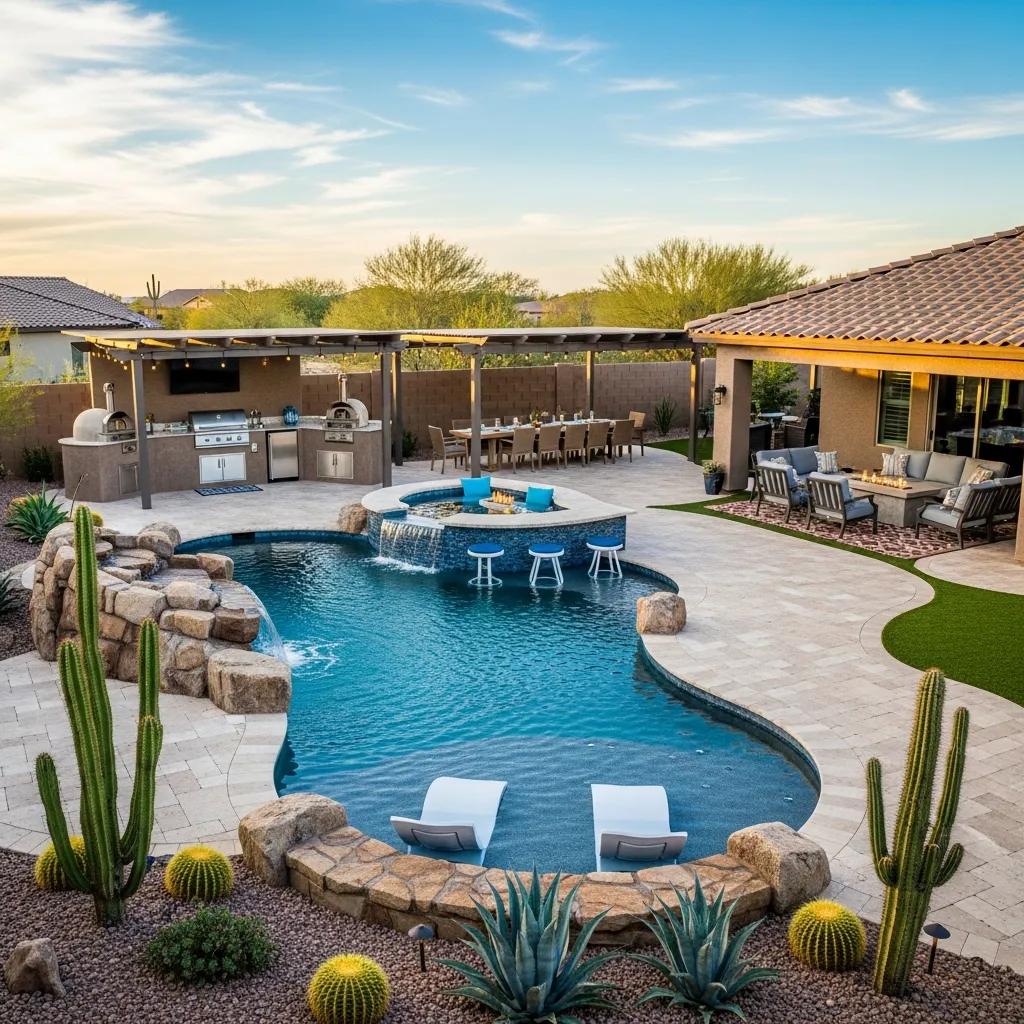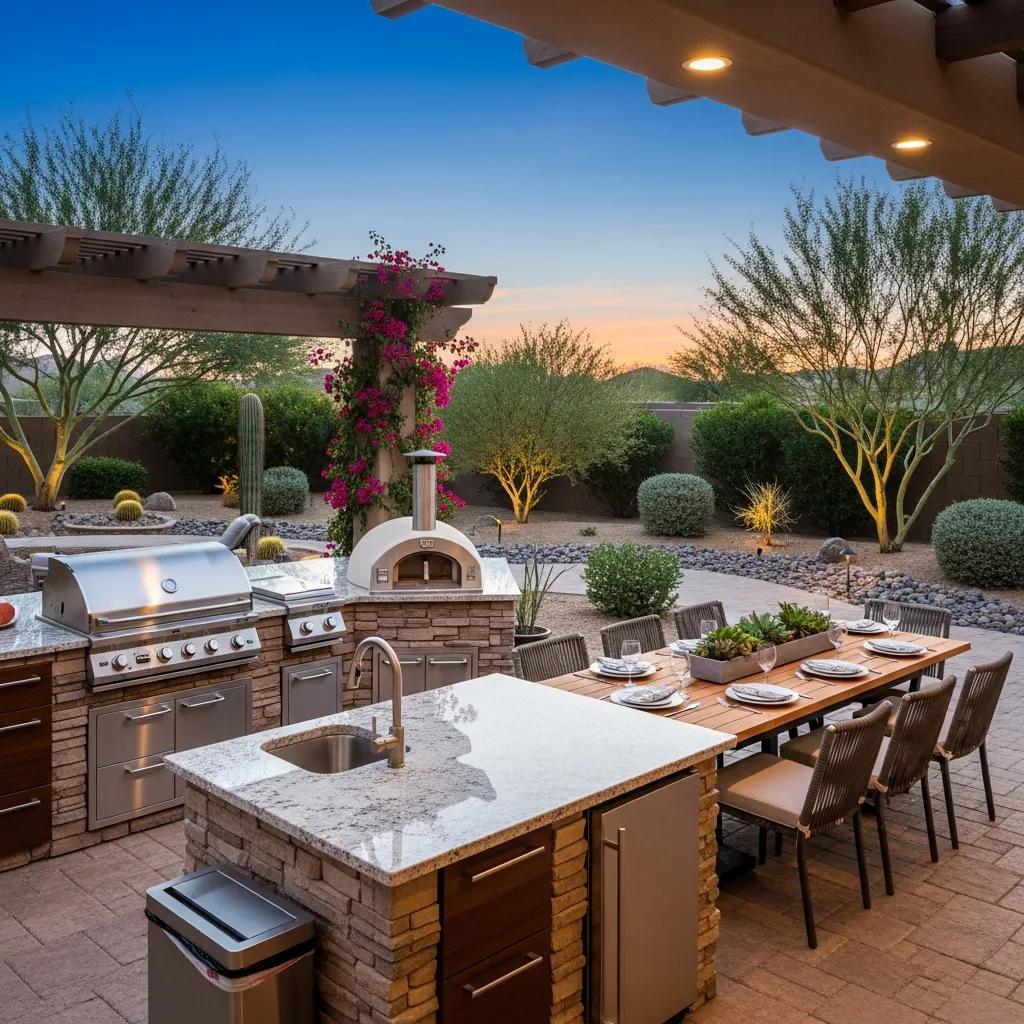
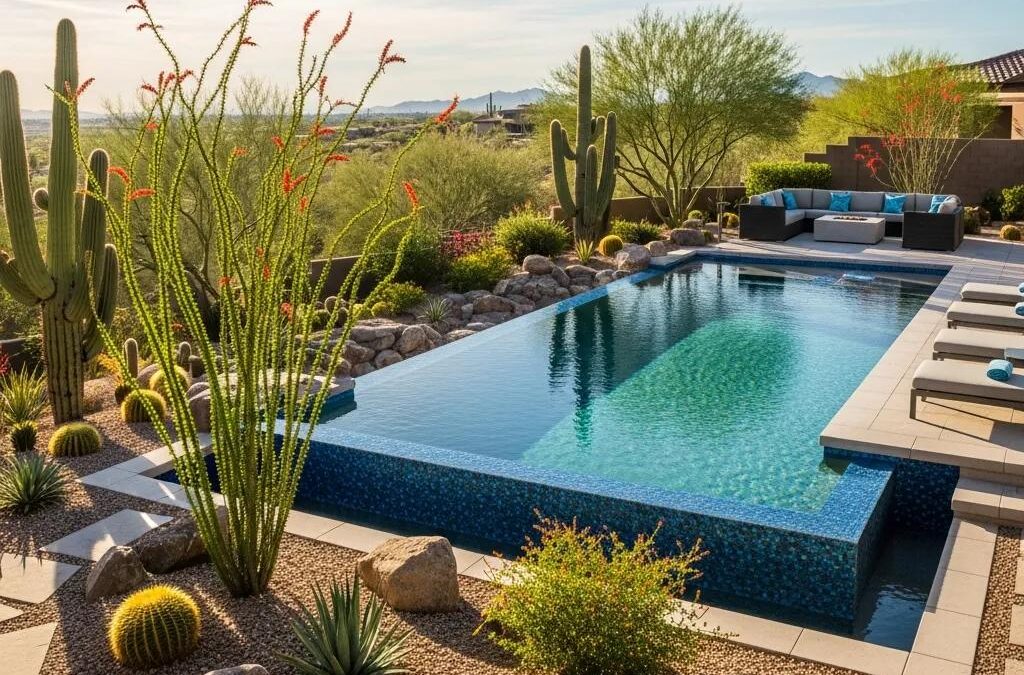
Pool & Landscaping Services in Peoria, Arizona

Pool & Landscaping Services in Peoria, Arizona
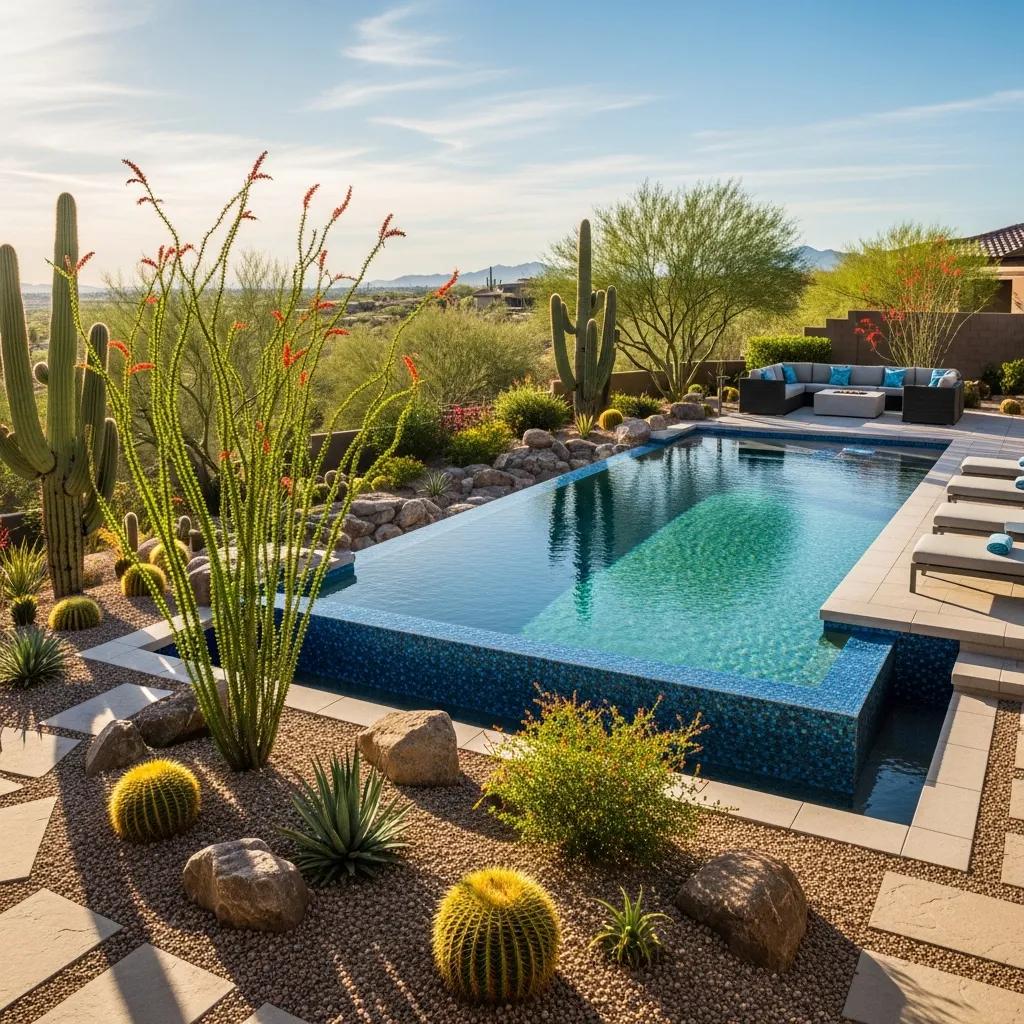
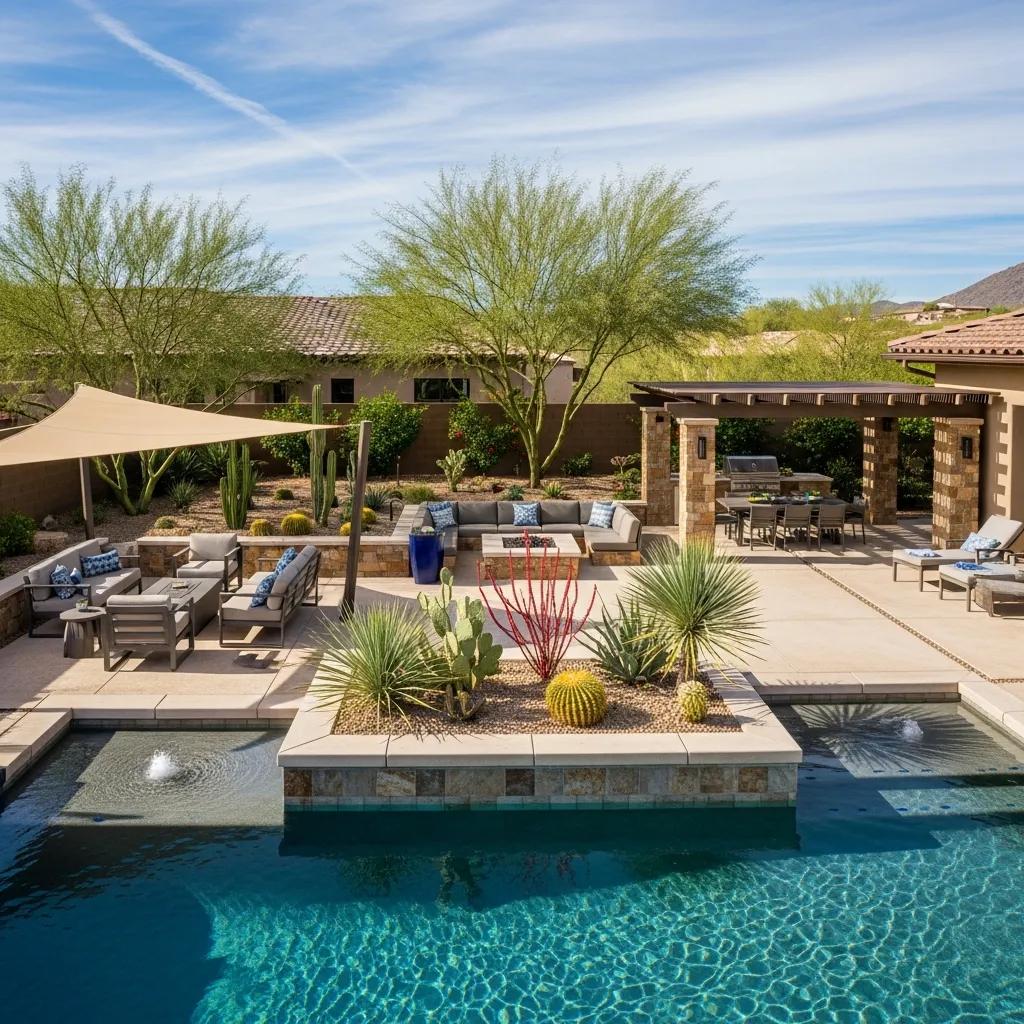
Peoria Luxury Pools & Landscaping — Bespoke Backyard Design for Elevated Outdoor Living

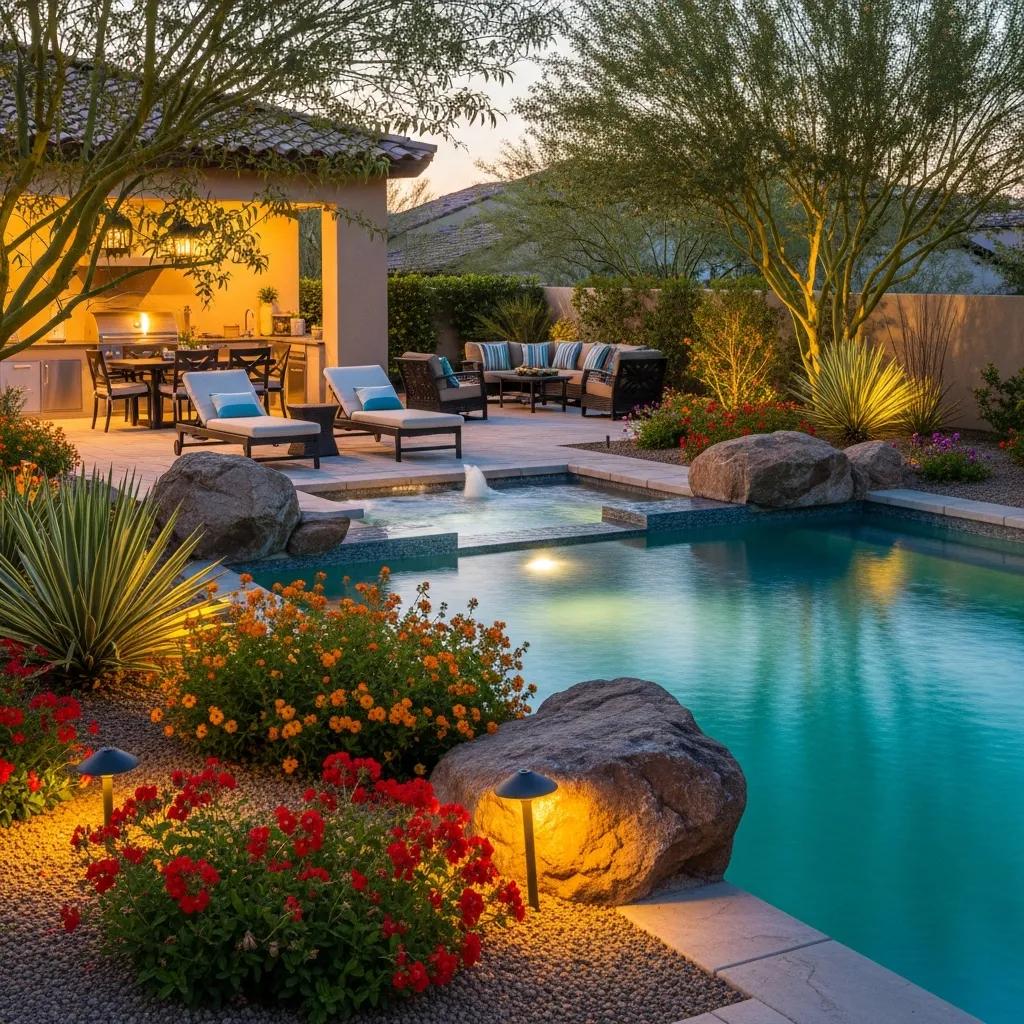
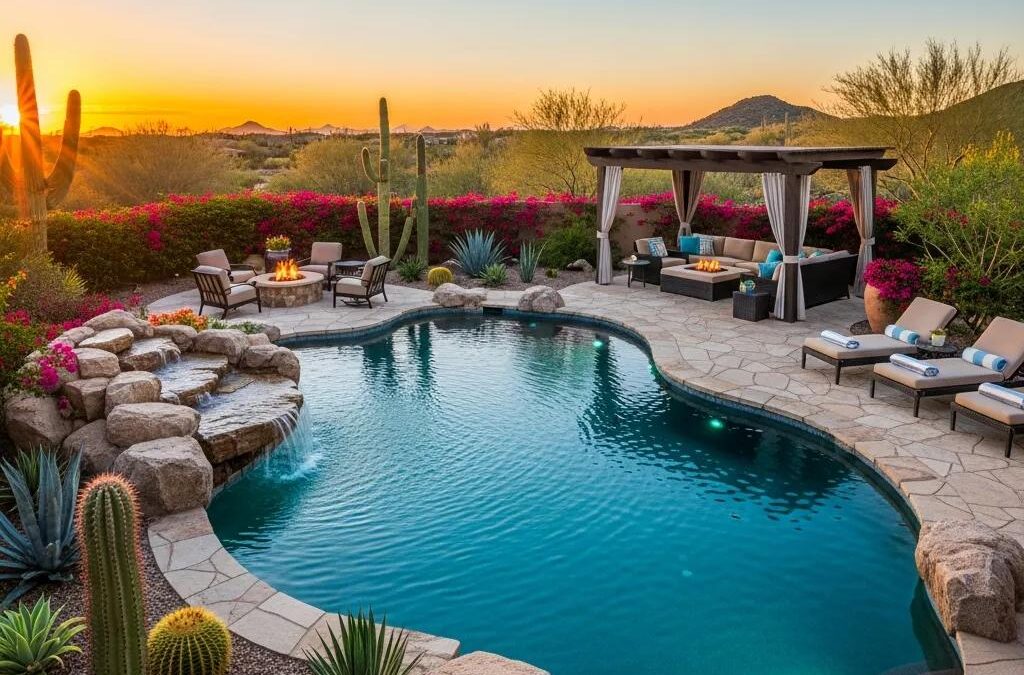
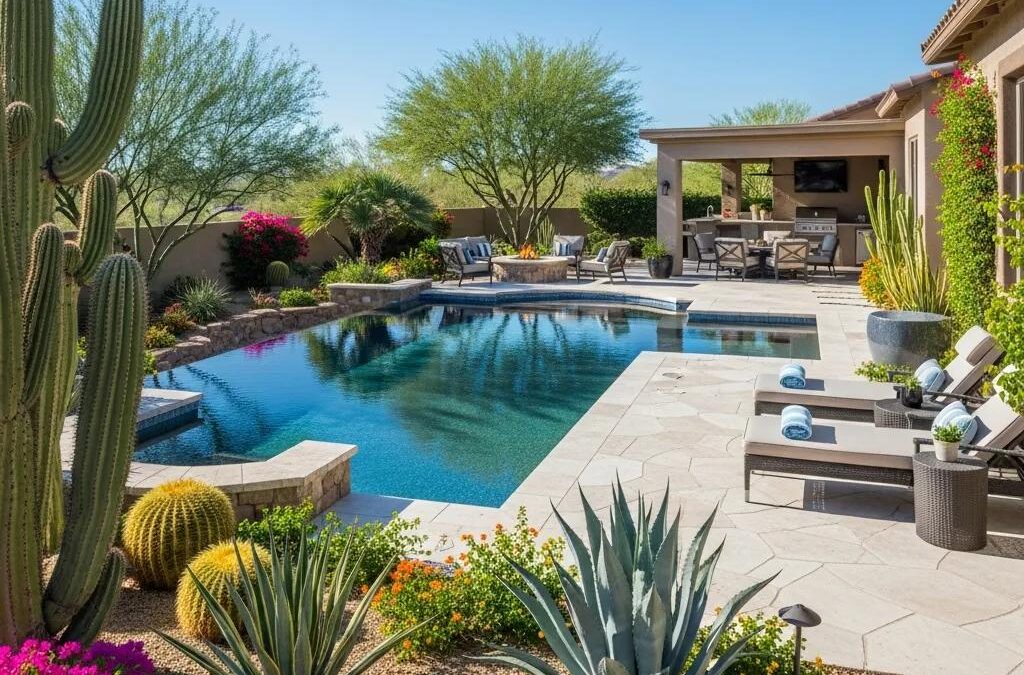
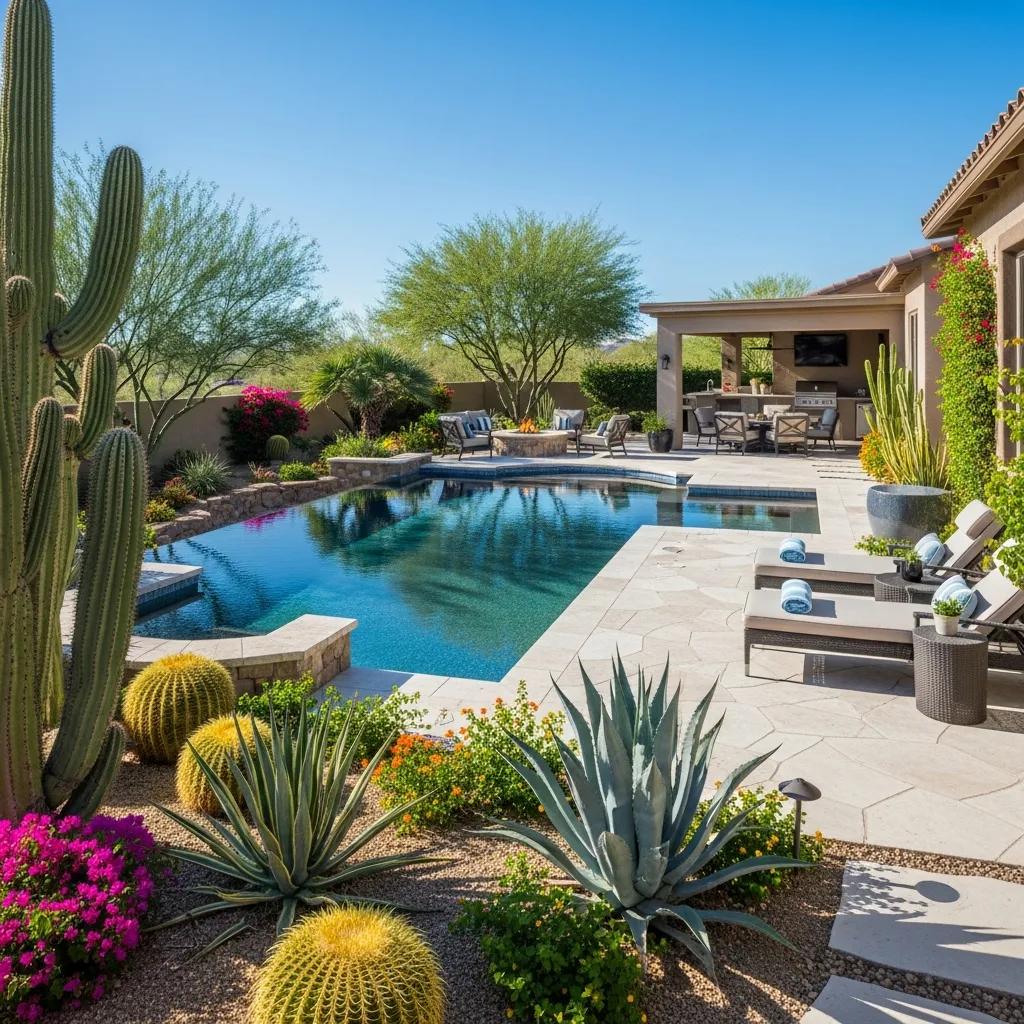
In Peoria, a genuine luxury backyard combines custom pool architecture, refined landscape design, and systems engineered for the Sonoran Desert — giving you a resort atmosphere at home. This guide explains what makes a pool and yard feel “luxury” here, why a design‑build approach delivers predictable results, and which materials and features balance style with low‑maintenance performance. You’ll get practical guidance on finishes and smart controls, water‑wise planting, and the steps for remodeling or building a backyard oasis. The content is organized into five focused sections: defining luxury pool design, custom landscape construction, must‑have backyard elements, why local remodelers matter, and the design‑build workflow with climate‑specific tactics. Throughout, our advice stays practical, realistic, and tuned to Peoria conditions.

What Makes a Pool “Luxury” in Peoria, AZ?

Luxury pool design in this region pairs high‑quality materials, thoughtful geometry, integrated planting, and tech that reduces upkeep while increasing enjoyment. The difference is coordination — glass tile or pebble finishes, striking water‑edge details, and automation for sanitation and circulation that together create strong visuals and dependable water quality. When finishes, hardscape, lighting, and shade are designed as one system, homeowners get a resort feel that’s easier to maintain and adds lasting value. The sections below walk through the signature features and smart systems that elevate a pool to “luxury” in Peoria.

Which features perform best here comes down to material choices and system design. The table below compares common luxury features, their technical attributes, and the homeowner benefits to help you prioritize based on looks and maintenance expectations.

This table outlines common luxury pool elements, what they offer technically, and the value they add for owners.

FeatureAttributeBenefit/Value
Glass tile accentsUV‑stable, reflective surfaceLong‑lasting color and resistance to fading
Infinity / vanishing edgeNeeds precise grading and plumbingCreates seamless views and strong landscape integration
Pebble and aggregate finishesDurable, textured surface that hides wearPremium look with improved slip resistance and low staining
Automated filtration & controlsRemote monitoring, variable‑speed pumpsLower energy use and less hands‑on maintenance

Use this comparison to match features to your lot, lifestyle, and how much maintenance you want to manage. Next, we’ll highlight high‑end elements and when they’re worth the investment.

Which Custom Features Give Peoria Pools Their “Wow” Factor?
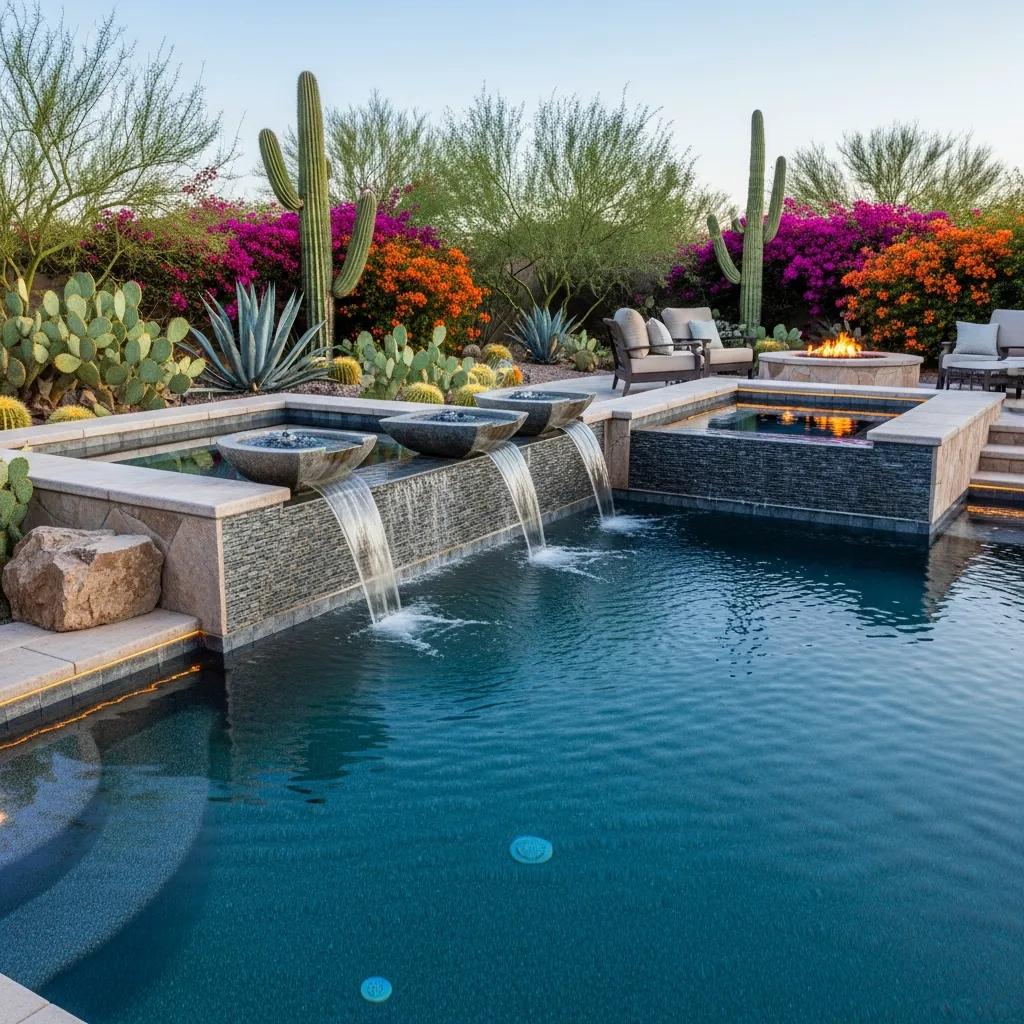
Signature elements deliver visual impact while respecting desert constraints. A vanishing edge works well on sloped sites, raised spas and grottos add vertical interest and sound separation, and glass tile mosaics stay vibrant under strong sun. Pebble or aggregate finishes provide a textured, non‑slip surface that endures heat. Prioritize features that suit your property’s grade, sightlines, and circulation so you avoid costly rework and get the most daily use and resale value.

Those features also require correct mechanical sizing — pumps, skimmers, and heaters must match the pool geometry and automation you select — so resolving equipment relationships early saves time and money on a remodel or new build.

How Smart Pool Technology Improves Outdoor Living

Smart pool technology removes the routine hassle and extends how much you enjoy your yard. Variable‑speed pumps, automated chemical controllers, and integrated lighting and audio let you set energy‑efficient filtration, keep sanitizer levels steady, and program ambiance for gatherings. Remote monitoring alerts you to leaks or equipment faults quickly, reducing downtime and service calls. These systems can tie into home automation so pool heating, landscape lighting, and outdoor kitchens operate together for a seamless outdoor experience.

Configured with sensible schedules and sensors, smart components deliver convenience and measurable energy savings — key considerations for any luxury project.

How Island Pool & Landscaping Builds Custom Landscapes in Peoria

We start every custom landscape with a site‑first design that respects microclimates, solar orientation, and water budgets while organizing spaces and materials. Our crew coordinates hardscapes, retaining elements, turf or synthetic surfaces, and plant groupings so each piece supports circulation, shade, and outdoor living zones. Construction focuses on durable paving, integrated drainage, and irrigation zoning to match the aesthetic and maintenance level a luxury homeowner expects. Below is a practical mapping of common design elements to materials and climate considerations.

The table below links design elements with appropriate materials, plant choices, and the climate considerations that matter in Peoria.

Design ElementMaterial/Plant ChoiceClimate/Water Consideration
Hardscape (patios, paths)Natural stone, permeable paversCuts heat absorption and improves drainage
Turf / play surfacesArtificial turf or drought‑tolerant grass blendsReduces irrigation needs while staying durable
Plant palettesAgave, palo verde, native shrubsLow water use and strong sun tolerance
Water featuresClosed‑loop recirculation systemsMinimizes water loss and evaporation in arid climates

This mapping shows how smart material choices translate to reliable performance in the Sonoran Desert and how landscape elements can support — not compete with — a luxury pool. The next subsection outlines core landscape features that shape cohesive outdoor rooms.

Key Elements of High-End Landscape Design

High‑end landscapes depend on clear circulation, layered plantings, strong focal points, and intentional night lighting so the yard works just as well after dark. Paver patterns and subtle grading define arrival sequences, pool edges, and seating areas while sculptural plants or a feature anchor sightlines. Balancing hard and soft surfaces, plus well‑placed shade, creates comfortable microclimates during peak heat. Lighting highlights texture, ensures safe movement, and defines entertainment zones without glare, creating a cohesive evening environment.

These elements add depth and rhythm to the yard and directly influence how pool features are experienced and used.

How We Integrate Drought-Tolerant, Sustainable Planting

Smart, sustainable planting groups species by water needs, uses drip‑irrigated zones, and combines complementary textures for a refined palette. We often pair structural succulents with flowering low‑water shrubs and native groundcovers for seasonal interest with minimal irrigation. Shade trees are placed near living areas, and more water‑dependent accents go in microclimates where runoff or greywater can be reused. Maintenance remains straightforward: seasonal pruning, light feeding when required, and mulching to retain moisture.

Research consistently shows that thoughtful plant selection and efficient irrigation are the best tools for conserving water in arid landscapes.

Drought-Resilient Landscape Design for Water Conservation

Urban landscapes face rising water demand, so modern designs favor drought‑tolerant species to keep yards attractive during dry periods. Irrigating to the plant’s actual needs — the minimum rate that maintains acceptable appearance — is a practical way to conserve water without sacrificing landscape quality.

These planting strategies reduce long‑term water use and upkeep while preserving the refined look that complements premium pool finishes and hardscape choices.

Essential Components of a Backyard Oasis in Peoria, Arizona
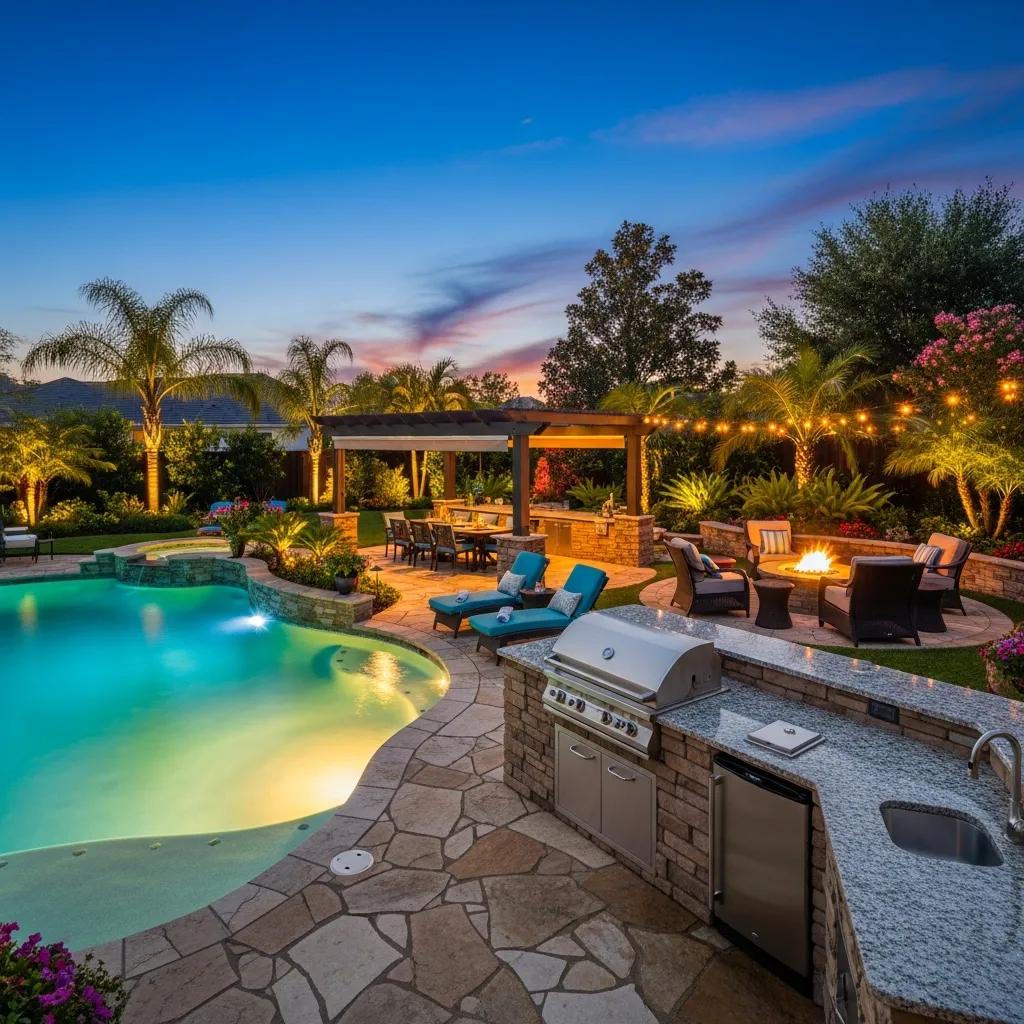
A backyard oasis pairs pools and spas with outdoor kitchens, fire features, well‑scaled seating, and layered lighting so the space supports quiet relaxation and lively gatherings alike. The secret is spatial layering — separate noisy cooking areas from quiet lounges and align pool sightlines with landscape focal points. High‑value components include durable paving, water‑wise planting, shade structures, and integrated systems that lower upkeep. Below is a concise checklist to guide your planning.

These essentials form the backbone of both function and atmosphere in a luxury yard.

  1. Pool and spa with integrated water features: Provide recreation and calming soundscapes.
  2. Outdoor kitchen or cooking center: Expands entertaining and supports flow.
  3. Covered seating and shade structures: Improve comfort during peak sun.
  4. Fire feature or fireplace: Extends use into cooler evenings.
  5. Landscape lighting and audio: Set mood and lengthen usable hours.
  6. Privacy screening and strategic planting: Define intimate zones and preserve views.

Use this list to prioritize based on how you live outdoors; next we cover the features Peoria homeowners choose most often.

Most Popular Outdoor Living Features in Peoria

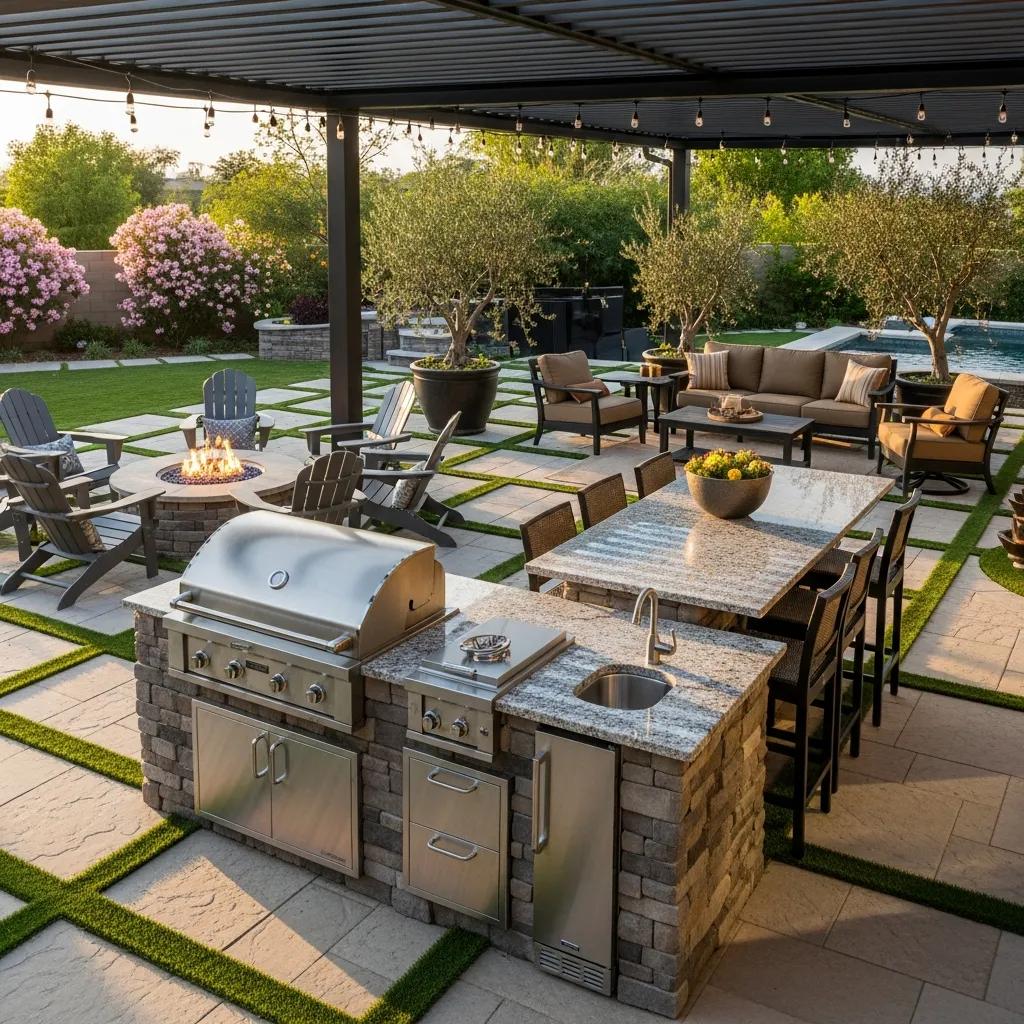
Locally, homeowners most often invest in outdoor kitchens, covered patios, and low‑maintenance turf or artificial turf for entertaining and family activities. Water features and fire pits remain favorites for evening ambiance. Outdoor kitchens commonly include built‑in grills and serving counters as social hubs, while pergolas and patio covers add shade to extend seasonal use. Artificial turf is chosen for active zones where irrigation and mowing are concerns, and water features are designed to recirculate. Because budgets vary, many owners phase projects — starting with core hardscape and utilities, then adding decorative amenities over time.

Knowing these local priorities helps set realistic budgets and phased plans for a complete outdoor living concept.

How Outdoor Kitchens, Fire Pits, and Water Features Change a Yard

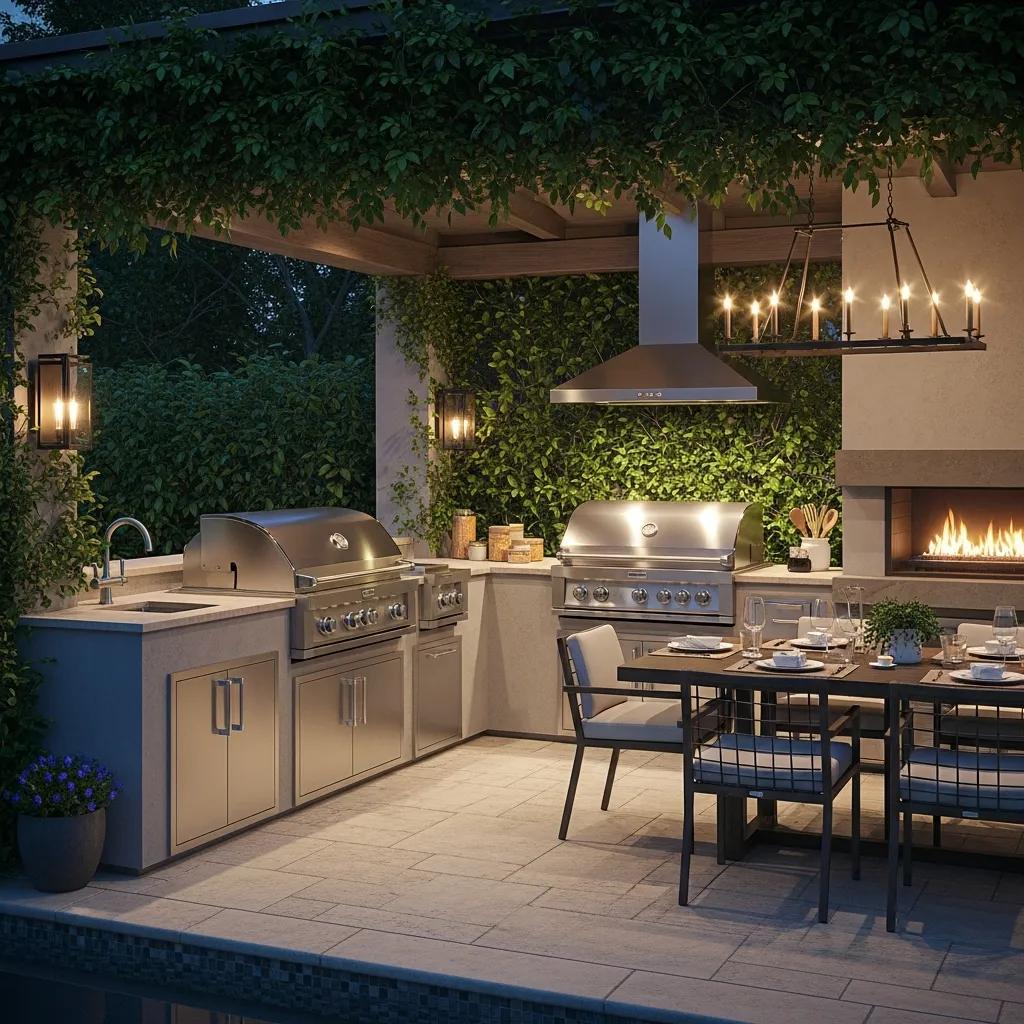
These amenities define activity zones, extend evening use, and add sensory layers that engage sight, sound, and scent. Outdoor kitchens make hosting simpler with prep space near dining areas and coordinated hookups. Fire pits become natural gathering points, while water features add motion and acoustic buffering for perceived privacy. Durable material choices — stainless appliances, concrete counters, sealed stone — reduce long‑term maintenance, so investing in robust finishes up front lowers lifecycle costs.

These features elevate the overall experience of the yard and inform decisions about circulation, lighting, and landscape screening.

Why Work with a Peoria Pool Remodeling Contractor for Your Luxury Yard?

Working with a local Peoria remodeler brings experience with permits, climate‑appropriate materials, and the sequencing needed to retrofit without harming the landscape. Local teams understand municipal plumbing and electrical standards, which finishes resist UV and mineral buildup, and which equipment balances performance with efficiency. Remodeling often offers a cost‑effective path to modern features — automating systems, resurfacing with pebble finishes, or reworking decks for better flow — without a full rebuild. Below is a short summary of the remodeling benefits homeowners should expect.

  1. Faster timelines: Existing shells and utilities shorten construction.
  2. Cost-effective upgrades: New finishes and automation modernize performance without full replacement.
  3. Permitting and code compliance: Local pros manage approvals and inspections.
  4. Improved functionality: Reconfigured layouts and systems simplify maintenance and boost use.

These advantages show why targeted remodels are a practical route to contemporary performance and a refined look. The sections that follow outline the typical process and expected outcomes.

The Typical Remodeling Process for Luxury Pools

A luxury pool remodel generally follows clear phases: assessment, design and budgeting, permitting, selective demolition, equipment and finish upgrades, and commissioning with homeowner training. The assessment documents shell condition, plumbing, and electrical capacity so you can decide whether resurfacing, replumbing, or reshaping is needed. Design and permitting combine aesthetic changes with technical upgrades — for example, adding automation or variable‑speed pumps — and schedule work to limit landscape disturbance. Commissioning covers water balancing, system programming, and owner training so systems operate reliably from day one.

Defined milestones and quality checks keep projects on track and ensure the finished pool meets both performance and luxury expectations.

How Remodeling Improves Function and Look

Remodeling improves function by replacing outdated pumps with variable‑speed units, adding automated chemical controllers, and optimizing circulation for better water quality. It refreshes aesthetics through new finishes like glass tile accents or pebble aggregate that restore color and texture. Functional upgrades reduce energy use and maintenance time, while aesthetic updates immediately raise visual appeal and perceived value. Even modest layout tweaks or new coping materials can change how a space feels and is used.

Those combined benefits explain why many owners choose targeted remodels to modernize performance and achieve a refined look.

How the Design-Build Process Delivers Better Outdoor Living Results

Design‑build delivers more consistent outcomes by keeping design and construction under one roof, reducing miscommunication and speeding decisions. The model’s strength is an integrated team that iterates in 3D, selects materials early, and sequences trades to avoid costly changes. That approach supports tighter cost control, single‑point accountability for quality, and faster delivery because the same team manages revisions and logistics. Below is a simple process outline showing typical steps, deliverables, and timeframes for a design‑build luxury outdoor project.

  1. Consultation & site analysis (1–2 weeks): Define goals, constraints, and budget.
  2. Concept design & 3D rendering (2–4 weeks): Create visuals and schematic plans to align the vision.
  3. Detailed design & engineering (3–6 weeks): Finalize materials, structures, and mechanical systems.
  4. Permitting & procurement (2–6 weeks): Submit plans and order long‑lead items.
  5. Construction & installation (4–12+ weeks): Coordinate trades, manage timelines, and complete the build.
  6. Commissioning & handover (1 week): Program systems, test performance, and walk through with the owner.

Following these steps reduces surprises and improves satisfaction by clarifying trade‑offs and costs early. The next subsection explains how 3D landscape design tightens alignment between owners and builders.

Steps from Consultation to Completion

The workflow begins with a discovery meeting and site survey to capture constraints and goals, then moves to schematic design and iterative 3D renderings so scale and materials are confirmed. After client sign‑off, we produce construction documents and engineering for permitting, then sequence procurement and construction while managing change requests. Regular site reviews and milestone approvals maintain quality, and a formal commissioning phase hands over systems and trains owners so they can operate equipment confidently.

This sequence ensures major decisions are vetted visually and technically before installation, minimizing rework and keeping the final result true to the original vision.

How 3D Landscape Design Improves Visualization

3D design closes the expectation gap by translating plan views into realistic perspectives that reveal textures, shadows, and sightlines at different times of day. Renderings let clients test materials, lighting, and furniture layouts virtually, resolving selections before ordering long‑lead items and reducing costly on‑site changes. Visual models also help subcontractors align on grading, drainage, and hardscape tolerances, improving build accuracy and cutting rework. In short, 3D tools speed approvals and increase client confidence.

Using 3D shortens decision cycles and makes construction more predictable, which boosts overall satisfaction.

With the benefits of design‑build and 3D visualization explained, it’s helpful to see how local climate considerations influence material and system choices — and how Island Pool & Landscaping applies those choices in practice.

If you’re ready to discuss a tailored design‑build approach, Island Pool & Landscaping treats design and construction as a single service that aligns proof, process, and portfolio in every proposal. We deliver luxury remodels, custom resort‑style pools, outdoor living areas, hardscapes, artificial turf, water features, and outdoor kitchens — all with Peoria climate and permitting know‑how. To request a project review, call us at (602) 818-1277 or email PoolConnect@gmail.com.

Peoria Climate Expertise from Island Pool & Landscaping

Local expertise centers on UV‑stable finishes, smart shade and orientation, and water‑wise systems that keep spaces usable while preserving a luxury look. Practical tactics include specifying finishes that resist mineral staining, siting shade structures to reduce afternoon heat on pool decks, and grouping plants into hydrozones for efficient irrigation. The table below summarizes techniques, typical applications, and measurable water or comfort benefits so homeowners can compare options.

TechniqueApplicationWater Savings/Benefit
Drip irrigation + smart controllersZone‑based watering tailored to plant groupsReduces runoff and overwatering; up to 30–50% water savings vs spray systems
Variable-speed pumpsSized to hydraulic demand and automation schedulesLower energy consumption and optimized run time while maintaining turnover
Pool covers & efficient heatersRetain heated water and reduce evaporationPreserve heat and reduce how often you top off water
Xeriscaping & mulchLow‑water plant palettes with soil amendmentsMinimizes supplemental irrigation and stabilizes soil moisture

How Design Responds to the Sonoran Desert

Design strategies for the Sonoran Desert prioritize shade, reflective and UV‑stable materials, and plantings that tolerate heat and sun. We add pergolas, umbrellas, and canopy trees to block afternoon sun while maintaining views. Light‑toned pavers reduce heat absorption, and UV‑stable tiles and sealants slow premature wear. Plant selections favor species that handle heat cycles and poor soils so landscapes last without excessive irrigation.

Those choices increase comfort and reduce replacement frequency, improving both aesthetic and economic outcomes for luxury projects.

Water Conservation in Pools and Landscaping

We use drip zoning with smart controllers, pool covers to limit evaporation, variable‑speed pumps on off‑peak schedules, and low‑evaporation water features where appropriate. Grouping plants by need and using mulch and soil amendments further reduces irrigation events and supports root health. Combined, these measures lower operating costs and align a luxury landscape with environmental responsibility — a priority for many Peoria homeowners.

Adopting these approaches produces measurable savings and supports a resilient, low‑maintenance pool and landscape system.

For personalized advice on climate‑appropriate finishes, systems, and staged implementation of a luxury backyard in Peoria, Island Pool & Landscaping offers design‑build consultations and project planning. To schedule a consultation or request a portfolio review, call (602) 818-1277 or email PoolConnect@gmail.com.

  1. Schedule a consultation: Begin with a site review and scope conversation.
  2. Review tailored proposals: Receive options for design and phased build plans.
  3. Approve scope and begin: Move from design into permitting and construction.
Frequently Asked Questions

What are the key considerations when planning a luxury pool in Peoria?

Start with site grading, sun exposure, and how the local climate affects materials. Choose finishes and tiles rated for high UV and mineral exposure, and plan systems — pumps, filtration, and automation — that reduce energy and maintenance. A local pro helps align aesthetic goals with practical constraints so your investment performs well over time.

How can I enhance the privacy of my outdoor living space?

Privacy comes from a mix of strategy and materials: layered planting, screens, and carefully placed hardscape. Tall hedges, decorative screens, or trellises with climbers create visual barriers without feeling closed in. You can also use landscape elements — water walls or pergolas — to define intimate seating areas while preserving airflow and views.

What are the best practices for maintaining a luxury pool in a desert climate?

Maintain consistent water chemistry, clean filters regularly, and monitor evaporation. A pool cover dramatically reduces water loss and heat loss. Installing a variable‑speed pump and automated chemical control cuts energy use and simplifies upkeep. Regular equipment inspections and seasonal tune‑ups keep systems efficient and extend service life.

How do I choose the right outdoor kitchen features for my space?

Match features to how you cook and entertain. Essential items include a reliable grill, prep counter, and a sink; extras like a fridge or pizza oven depend on your habits. Plan for generous counter space and seating that keeps guests close without crowding the cook. Consider weather protection — a pergola or roof — to make the kitchen usable year‑round.

What role does lighting play in luxury outdoor spaces?

Lighting shapes safety, mood, and usability. Combine task lighting for cooking and dining with ambient illumination for relaxation and accent lights to showcase focal points. Smart lighting systems let you program scenes for different occasions, extending usable hours and enhancing nighttime appeal without harsh glare.

How can I incorporate sustainable practices into my luxury landscape design?

Sustainability starts with plant selection and efficient irrigation. Choose drought‑tolerant and native species, use drip irrigation with smart controllers, and specify permeable paving to reduce runoff. These choices conserve resources and create a low‑maintenance landscape that still looks intentional and refined.

What are the benefits of using 3D design in landscaping projects?

3D design improves visualization and communication. Photoreal renderings show materials, shadows, and sightlines so you can make confident choices before construction. They also help subcontractors understand grading and tolerances, reducing on‑site changes and speeding approvals. The result is fewer surprises and a smoother build.

Conclusion

Turning your outdoor space into a luxury oasis in Peoria delivers everyday enjoyment, stronger property value, and a tailored retreat for family and friends. By combining high‑quality materials, smart technology, and water‑wise landscaping, you can create a beautiful, functional environment built for the desert. When you’re ready to elevate your outdoor living, Island Pool & Landscaping provides design‑build solutions shaped by local experience. Reach out to start the conversation and move toward a backyard you’ll use and love for years.

Pool & Landscaping Services in Tempe, Arizona

Pool & Landscaping Services in Tempe, Arizona

Luxury Pool & Landscaping in Tempe, AZ — Transform Your Backyard into an Oasis

We design and build backyard oases in Tempe that balance resort-style pool remodeling with climate-smart landscape design. This guide walks you through what a high-end pool and landscape project looks like here, why desert-adapted choices matter, and how a design-build workflow handles permits, construction, and finish selections so the final result is reliable and low-maintenance. You’ll see the features homeowners ask for most—like infinity edges, baja shelves, smart pool automation, outdoor kitchens, and drought-tolerant plantings—and learn how each performs in Arizona’s heat. We also outline a clear design-build process, provide straightforward cost guidance for resurfacing and full remodels, and explain the next steps to start a backyard renovation, including what to expect in a no-obligation consultation.

Why choose luxury pool remodeling and custom landscape design in Tempe?

High-end pool and landscape upgrades in Tempe deliver real lifestyle and financial benefits because they pair beautiful design with materials and systems built for the desert. Thoughtful remodeling can turn an aging pool into a resort-style centerpiece while cutting water and energy needs through smarter equipment and plant choices. A well-planned outdoor living space expands usable square footage for entertaining, improves curb-to-backyard appeal, and supports long-term property value. Designing specifically for Tempe’s climate means every material, piece of equipment, and irrigation plan is chosen to handle intense sun and seasonal swings—reducing lifecycle costs and making the backyard more sustainable and enjoyable.

Key homeowner benefits of luxury pool and landscape upgrades in Tempe include:

  • Enhanced property value: Thoughtful renovations boost resale appeal and appraisal value.
  • Year-round outdoor living: Shade structures, heated spas, and desert-friendly plantings extend when and how you use your yard.
  • Lower operational costs: Variable-speed pumps, smart automation, and xeriscape planting cut energy and water use.

These advantages explain why homeowners demand both beauty and climate-driven performance when planning a backyard overhaul—and why feature selection and plant palettes are so intentional.

What do resort-style pools and outdoor living spaces offer?

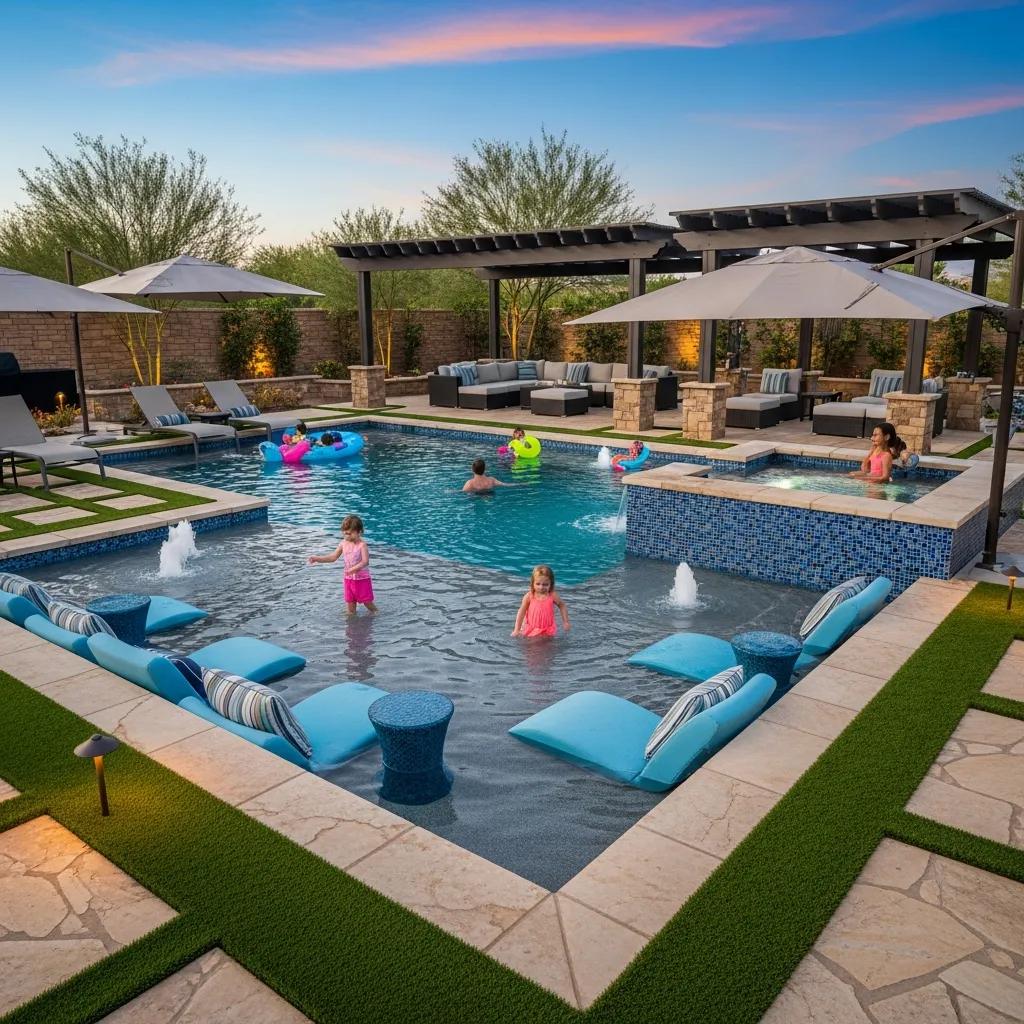
Resort-style pools and integrated outdoor living areas turn ordinary yards into social hubs, private retreats, and places for fitness and relaxation. These designs combine shallow lounging zones, custom spas, built-in seating, and outdoor kitchens so families can entertain, unwind, and pursue wellness without leaving home. In Tempe, we emphasize shade, evaporative cooling strategies, and durable finishes that resist UV damage while maintaining a premium look. Common homeowner requests include kid-friendly baja shelves for safe play and spa features for adult relaxation—each choice tailored to the household’s lifestyle goals.

We pair these amenities with low-maintenance hardscapes and native plantings so the visual impact is high while upkeep stays reasonable. That balance of form and function also affects timelines and process, which we cover next.

How does Arizona’s climate shape pool and landscape design?

Arizona’s hot, dry climate requires a climate-first approach: prioritize water efficiency, choose heat-resilient materials, and specify equipment designed for desert conditions. We recommend drought-tolerant and native plants arranged to create microclimates, and a drip irrigation system with smart controllers to limit water use while keeping key areas lush. Pool finishes, decking, and shade structures are selected for thermal performance and UV stability to prevent premature fading or heat buildup. Equipment—like variable-speed pumps, efficient heaters, and smart automation—lowers operating costs and allows remote scheduling that responds to changing weather.

Local regulations and best practices also encourage conversions to low-water xeriscapes and influence planting and irrigation choices.

Arizona low-water xeriscapes

Many Arizona jurisdictions encourage converting turf to xeriscapes and set standards—such as minimum plant cover and low-water plant specifications—to reduce landscape water use.

Knowing how climate drives design helps homeowners prioritize upgrades that deliver both beauty and performance and sets realistic expectations for the phased design and permitting process.

What is the step-by-step process for custom pool and landscape projects in Tempe?

Our design-build process guides you from initial ideas to a finished backyard while managing permits, budget, and construction quality under one roof. We typically start with a discovery consultation and site assessment, move into schematic design and 3D visualization, prepare permit-ready drawings, then complete construction, commissioning, and a final walkthrough with performance verification. Each stage delivers clear outputs—site plans, renderings, equipment schedules, and inspection sign-offs—so decisions are confident and transparent. Using a single team minimizes scope drift and gives you a clear point of contact if any issues arise.

This integrated model works especially well in Arizona, where a coordinated team ensures the design is both beautiful and adapted to the desert environment.

Arizona desert design-build construction

Design-build teams work to reflect the surrounding desert landscape, selecting regional materials and construction methods that suit Arizona’s climate and character.

Here’s a concise checklist of the typical steps homeowners will see:

  1. Initial consultation and site assessment to define goals, budget, and constraints.
  2. Concept design with sketches and 3D renderings to select materials and features.
  3. Permit documentation and city approvals tailored to Tempe requirements.
  4. Construction with staging, inspections, and regular homeowner updates.
  5. Final commissioning, pool automation setup, and a walkthrough with maintenance guidance.

These stages set expectations; the table below links each phase to common deliverables and typical timelines so you can plan time and budget effectively.

Project PhaseDeliverableTypical Duration/Outcome
Consultation & Site AssessmentGoal document, preliminary budget1–2 weeks for alignment
Design & 3D VisualizationConcept renderings, material palette3–6 weeks for iterations
Permitting & ApprovalsPermit-ready drawings, city submissions2–8 weeks depending on reviews
Construction & Quality AssuranceBuilt features, staged inspections8–16+ weeks depending on scope
Commissioning & Walk-throughAutomation setup, maintenance plan1 week finalization

How does the design-build process ensure client satisfaction?

Design-build puts design, engineering, and construction on one team to reduce miscommunication and speed decisions. We use staged approvals, 3D visualizations, and sample boards at key milestones so you see materials before we build—this lowers the risk of costly mid-build changes. Regular progress reports and documented change orders keep scope and budget transparent, and integrated warranty and commissioning steps verify systems like pumps, automation, and irrigation before handoff. Single-point accountability also simplifies problem-solving if unexpected site issues appear.

Those controls help homeowners stay in charge while relying on professional coordination through permitting and construction.
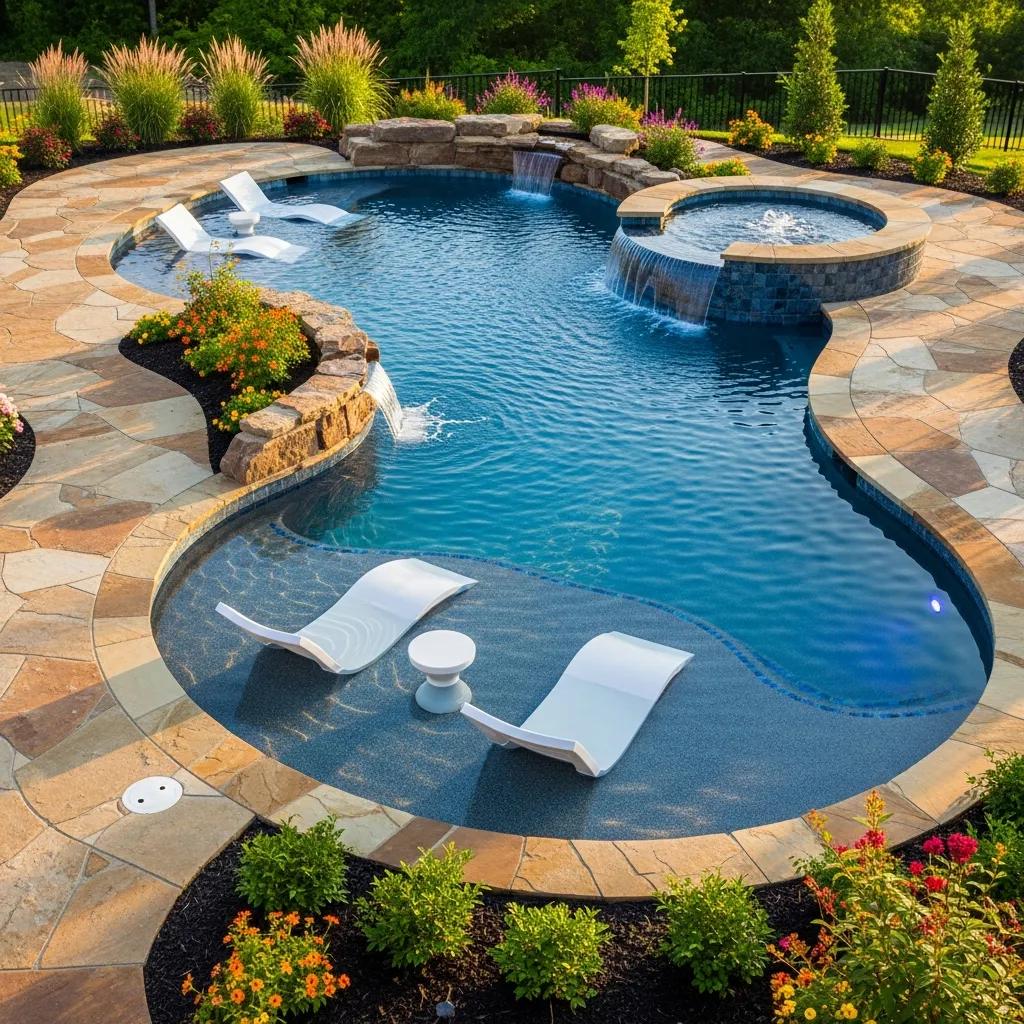
What are the key stages from permit acquisition to project completion?

In Tempe, permit submission typically includes code-compliant drawings, irrigation plans, and structural details; coordination with planning staff is often required to address setbacks, drainage, and equipment enclosures. After permits are issued, we start site prep—demolition, soil compaction, and utility verification—to avoid surprises during concrete and plumbing work. Construction milestones—excavation, plumbing/equipment rough-in, steel and gunite, finish application, and hardscape/landscape installation—are scheduled around inspections at critical checkpoints. Final commissioning verifies automation programming, water chemistry systems, and irrigation performance; you receive maintenance documentation and a walkthrough before final payment.

Anticipating permitting questions and scheduling inspections in advance reduces downtime and keeps the project moving toward selecting the luxury features and technologies that maximize aesthetic and operational performance.

Which luxury features and innovations are popular in Tempe pool and landscaping?

Homeowners in Tempe increasingly choose features that combine visual impact with everyday usability—things like infinity edges, baja shelves, integrated spas, and full outdoor kitchens. Smart technologies—pool automation, energy-efficient pumps, LED lighting, and remote monitoring—improve convenience and lower operating costs while preserving design intent. Hardscape choices such as large-format pavers and salt-tolerant aggregates pair well with native, drought-resistant plantings to create lush focal points against a desert palette. Wellness additions like cold plunges, saunas, and dedicated relaxation nodes are also gaining popularity for owners focused on health and lifestyle.

The table below compares common luxury features, their attributes, and the main homeowner benefits to help you decide what fits your goals.

FeatureAttributeBenefit/Use
Infinity EdgeVisual continuity with horizonDramatic views, ideal for elevated sites
Baja ShelfShallow lounging areaSafety, sunbathing, kid-friendly zone
Smart AutomationRemote control & schedulingEnergy savings, simplified maintenance
Outdoor KitchenBuilt-in appliances & countersOutdoor entertaining and cooking flow
Fire FeatureIntegrated burners or firepitsEvening ambience and usability year-round

What are the advantages of infinity pools, baja shelves, and smart pool technology?

Infinity pools create a seamless visual link between water and landscape—perfect for properties with a view or where you want a dramatic focal point. Baja shelves add shallow lounging space that’s safer for children and great for socializing or sunbathing. Smart pool technology—automation for pumps, sanitization, and heating—reduces energy use and simplifies maintenance by enabling scheduled operation and remote monitoring. When chosen and commissioned correctly, these features increase usability and lower long-term operating costs.

Smart pool automation, in particular, lets you manage pool functions efficiently and reduce energy consumption without daily manual intervention.

Smart pool automation & energy control

Automating pool systems enables scheduled workflows to control energy use, automate cleaning, and manage climate systems through smart sensors and remote interfaces.

Picking the right mix depends on your site slope, priorities, and budget—details we review during the design phase so you get the best outcome for your property.

How do outdoor kitchens, fire features, and wellness spaces enhance outdoor living?

Outdoor kitchens and built-in fire features expand your usable backyard by creating distinct zones for cooking, dining, and evening relaxation—turning outdoor space into year-round living area. We layout cooking stations with sightlines to pools and seating while planning utility access and ventilation for safety and comfort. Fire features extend evening use in cooler months and create a natural gathering point, but they require proper setbacks and materials to meet local code. Wellness spaces—saunas, cold plunges, and relaxation nodes—complement pools and add daily recovery and relaxation options that can also improve resale appeal.

When these amenities are paired with efficient equipment and native plantings, maintenance stays manageable while the overall experience of the backyard increases—something homeowners weigh against project cost tiers described next.

How much does luxury pool remodeling and landscaping cost in Tempe, Arizona?

Costs vary widely based on scope, finishes, equipment upgrades, and site complexity, but projects generally fall into common renovation tiers to guide budgeting. Major cost drivers include structural work, choice of pool finish (PebbleTec/quartz versus plaster), pump and automation upgrades, hardscape scope, and landscape complexity. Hidden costs often come from structural repairs, outdated plumbing or equipment replacement, and limited access on tight lots. A practical budgeting approach is to prioritize high-impact items—surface finishes, energy-efficient equipment, and water-saving irrigation—and phase secondary elements to manage cash flow.

Renovation ScopeTypical Cost RangeTimeline / Common Upgrades
Resurfacing & Equipment Tune-up$5,000–$15,0002–4 weeks; finish options, pump tune-up
Partial Remodel (features + landscape)$30,000–$100,0006–12 weeks; baja shelf, lighting, turf
Full Luxury Overhaul$100,000+12–24+ weeks; infinity edge, outdoor kitchen

What factors influence pricing for pool resurfacing and backyard renovations?

Final pricing depends on pool access, the condition of the shell and plumbing, chosen finishes, and the scope of hardscape and landscape work. Structural repairs, rebar or heavy concrete work, and complicated equipment upgrades significantly increase cost and schedule. Upgrading to energy-efficient pumps and full automation raises upfront cost but lowers lifetime operating expenses. Landscaping choices—such as installing mature plants or complex irrigation—also affect both installation cost and future maintenance. Identifying these factors during the initial site visit reduces surprises and helps you weigh aesthetic goals against ongoing expenses.

A thorough initial assessment is essential to identify hidden work early and plan realistic timelines; that’s why clear process and communication checkpoints are important.

What are typical cost ranges and budget considerations for high-end projects?

High-end projects usually allocate budget roughly like this: structural work and shell (20–30%), finishes and tile (15–25%), equipment and automation (10–15%), hardscaping and outdoor living (20–30%), and landscaping (10–15%). Financing, phased execution, and prioritizing energy-efficient systems can improve ROI by cutting operating costs and boosting market appeal. For long-term value, investing in durable finishes, high-efficiency pumps, and smart automation often pays off through lower utility bills and stronger resale value. We also recommend a contingency—typically 10–20%—to cover unexpected structural or permitting costs without sacrificing design intent.

These budgeting principles help set realistic expectations and guide priorities that align with your lifestyle and investment goals.

What are recent luxury pool and landscaping projects by Island Pool and Landscaping in Tempe?

Island Pool and Landscaping serves Tempe and greater Phoenix with design-build projects focused on resort-style outdoor living and desert-adapted planting. Recent work includes remodels with baja shelves, contemporary infinity edges, full backyard renovations with outdoor kitchens, and water-conserving softscape installations tailored to Arizona conditions. Our team handles the entire workflow—from site assessment and 3D visualization to permitting and final commissioning—so homeowners have a single point of responsibility through complex remodels.

How have custom designs transformed backyards into desert oases?

Custom designs typically convert underused or dated yards into functional desert oases by improving circulation, adding multi-depth pool zones, and introducing drought-tolerant, textural plantings. Common changes replace high-water turf with artificial turf or native grasses, relocate equipment for easier service access, and reframe sightlines so pools, seating, kitchens, and fire features interact naturally. These updates increase daily usability, create shaded gathering spots, and reduce maintenance—results homeowners notice immediately in enjoyment and ease of care.

What client feedback highlights our commitment to quality and satisfaction?

Without naming clients, homeowners repeatedly praise three consistent strengths after a remodel: clear communication throughout the design-build process, dependable scheduling of inspections and milestones, and strong craftsmanship in finishes and mechanical systems. Those themes reflect our project governance: staged approvals, material verification, and final commissioning to ensure every system performs as intended. We also encourage customer feedback and published reviews so future clients can assess workmanship and responsiveness when choosing a vendor.

Documenting these service strengths provides social proof without inventing testimonials—and it points you to the next step: schedule a personalized consultation to evaluate your site and goals.

How can you get started with your luxury pool and landscaping project in Tempe?

Start with a focused, no-obligation consultation to clarify goals, a budget range, and site constraints so we can prepare a practical proposal. A productive consultation includes a site visit, goal-setting conversation, preliminary feature and material guidance, and a high-level timeline estimate so you know what comes next. Bringing photos, inspiration images, and a rough budget range to the meeting speeds the process and helps the design team produce meaningful concept sketches and realistic cost guidance. After the visit we provide a scope summary and a phased plan outlining design milestones and permitting steps.

Use this quick checklist to make the consultation as productive as possible:

  1. Gather photos of your existing yard and inspirational images.
  2. Clarify your top three priorities (for example: entertaining, wellness, or low maintenance) and a budget range.
  3. Schedule a site visit so we can prepare a tailored scope and realistic timeline.

These steps make the consultation more effective and accelerate concept development so you can make informed decisions about scope and timing.

What is included in a personalized, no-obligation consultation?

A typical consultation includes a site assessment, a goals alignment discussion, preliminary recommendations for features and finishes, and an initial budget or phased-approach estimate. During the visit we document constraints like access, existing equipment locations, and drainage to spot potential challenges early. You’ll leave with a clear outline of next steps, what to expect in a design proposal, and an estimated permitting pathway for Tempe. That upfront clarity reduces surprises during construction.

With these deliverables in hand you’ll be ready to authorize a concept phase with confidence and move into design and permitting.

How to contact Island Pool and Landscaping for expert services?

To request a consultation or ask questions about luxury pool and landscaping services in Tempe, call or email us to schedule a no-obligation site visit and concept review. Sending photos and a short description of your goals ahead of time helps us prepare a focused initial assessment. We offer full design-build coordination for pool design, remodeling, landscape design, outdoor kitchens, hardscaping, artificial turf, and smart pool technology to support complete backyard renovations. Phone and email are the easiest ways to schedule and share initial information.

Contact details:

Frequently asked questions

What types of plants work best for desert landscaping in Tempe?

Desert landscaping in Tempe favors drought-tolerant and native plants that thrive with minimal water. Popular choices include succulents, cacti, agave, yucca, desert marigold, and native grasses. These options reduce irrigation needs, cut maintenance, and support local wildlife and pollinators—delivering a low-maintenance, resilient landscape that still looks intentional and attractive.

How can I ensure my pool design is energy-efficient?

To keep your pool energy-efficient, specify variable-speed pumps, high-efficiency heaters, and smart automation to schedule and optimize equipment run times. Pool covers reduce evaporation and heat loss, and choosing durable finishes for decking and surfaces reduces frequent repairs. A design-build team experienced with efficiency strategies can tailor systems to your site and use patterns to minimize ongoing utility costs.

What maintenance do luxury pools need in a desert climate?

Luxury pools in the desert need routine maintenance: check and balance water chemistry, clean filters, and service equipment regularly. Because evaporation is higher in arid climates, monitor water levels and top off as needed. Using a pool cover reduces evaporation and debris. Regular professional service helps catch small issues before they become major repairs and keeps your pool running reliably.

Are financing options available for luxury pool and landscaping projects?

Yes—many clients use financing to manage luxury pool and landscape costs. Options include installment plans, home equity loans, and third-party financing programs. Discuss financing during the initial consultation so we can explore options that match your budget and project scope and help you understand terms and monthly costs.

What are the benefits of a design-build approach?

Design-build streamlines your project by combining design, engineering, and construction under one team. That improves communication, reduces the risk of misalignment between design and build, and speeds up decisions. You get a single point of accountability, which simplifies project management and often results in a more efficient schedule and better cost control.

How should I prepare for my initial consultation with a landscaping professional?

Prepare photos of your yard, inspiration images, and notes on must-have features. Clarify priorities—whether it’s entertaining, low maintenance, or wellness—and have a rough budget range in mind. Also note any site constraints you know of. This preparation helps the design team give tailored recommendations and makes the consultation more productive.

Conclusion

Turning your backyard into a luxury oasis in Tempe delivers clear benefits: higher property value, more usable outdoor living, and lower operating costs when systems are chosen for the desert. By focusing on climate-appropriate materials, efficient equipment, and thoughtful design, homeowners can enjoy a beautiful, practical outdoor space year-round. Ready to explore possibilities? Schedule a no-obligation consultation with our team and see how our design-build approach can bring your vision to life.

Navigating Pool & Landscape Permits in Arizona

Navigating Pool & Landscape Permits in Arizona

Pool & Landscape Permits in Arizona: A Practical Guide to Compliance and Luxury Backyards

Local permits and code rules shape how successful luxury pool and landscape projects are built across Arizona. Spotting permit triggers early prevents redesigns, costly delays, and safety headaches. This guide walks you through the permits commonly needed for residential pools and major landscape work, explains the application and inspection steps, and shows how HOA and zoning rules intersect with municipal approvals. You’ll find clear permit categories, the documents plan reviewers expect, realistic timelines and fee ranges, and which small landscape tasks often don’t need permits. We also lay out a step-by-step homeowner checklist — from pre-application planning to final inspection — and point out where professional help can speed approvals while protecting your design. Throughout, we call out practical notes for Phoenix, Scottsdale and other Arizona jurisdictions so you can keep both compliance and the high-end look you want.

Essential Arizona Pool Permit Requirements

Building a residential pool in Arizona usually triggers several permit types — building, electrical, plumbing, barrier/fence and, in some cases, grading. Together these approvals protect structural safety, electrical and plumbing systems, and site drainage. Because pools involve excavation, structural loads, and potentially dangerous equipment, municipalities require plans and inspections to meet code and public-safety goals. Identifying required permits up front reduces review cycles and helps you stay on schedule and on budget. Below is a short list of common permits with a quick definition of what each covers.

Common Arizona pool permits and what they cover:

  • Building permit:
    For the pool shell and any structural elements — verifies compliance with structural and site requirements.
  • Electrical permit:
    Covers pumps, pool lighting, bonding, and required GFCI protection for wiring and equipment.
  • Plumbing permit:
    Applies to circulation piping, drains and any connections to potable or reclaimed water systems.
  • Barrier/fence permit:
    Confirms pool barriers meet height, gate and latch requirements to prevent unauthorized access.
  • Grading/erosion permit:
    Needed when excavation or regrading changes drainage patterns or exceeds local thresholds.

This checklist frames the approvals you’ll gather during permitting and leads into the documents and timelines reviewers typically expect.

Quick comparison: permit types, required documents and typical review timing are summarized below to help you prioritize before preparing a full application.

Permit TypeRequired DocumentsTypical Fees / Timeline
Building (Residential pool)Site plan, pool structural plans, shell details, engineer stamp if requiredVaries by city; moderate fees common; review 2–6 weeks
ElectricalElectrical schematics, load calculations, licensed electrician sign-offLocal permit fee; often processed with building permit; inspection stages apply
PlumbingPlumbing diagrams, sewer/septic or reclaimed water tie-in detailsMay be bundled or issued separately; inspections at rough and final stages
Barrier / FenceBarrier elevation plan, gate hardware specs, latch detailMany jurisdictions offer quick review; inspection usually before final sign-off
Grading / DrainageGrading plan, drainage analysis, erosion control measuresHigher fees and longer review when major grading or drainage changes are involved

Use this table to compare triggers and municipal timing so you can submit early and avoid common delays.

Which Permits Are Needed for Residential Pool Construction in Arizona?

In practice, most residential pools need a building permit for the shell and any structural work, an electrical permit for pumps and controls, a plumbing permit for drains and circulation, and a barrier/fence permit to meet safety codes. Each permit focuses on a specific concern: structural integrity, safe wiring and bonding, water flow and drain safety, and preventing accidental entry. Municipal details vary — some cities require engineering stamps for certain designs or extra drainage documentation — so confirm local thresholds early to avoid surprises. Because these approvals overlap, submitting a coordinated plan set with site plans, structural details and equipment specs usually speeds review and inspections.

Those permit distinctions lead directly into the barrier and safety rules that protect homeowners and visitors.

How Pool Barrier and Safety Regulations Protect Your Property

Barrier and pool-safety rules — often requiring a minimum 5-foot barrier height, self-closing and self-latching gates, and openings free of climbable obstructions — are designed to prevent unsupervised access and reduce drowning risk. They also serve as liability protections for homeowners and preserve property value through code-compliant installations. Inspectors check gate hardware, barrier continuity and door/alarm setups during rough and final inspections; fixing deficiencies early avoids rework that can delay the project and increase cost. Knowing these checkpoints helps you plan fence placement and gate details so your yard looks great and stays compliant.

Clear safety planning naturally leads to the practical steps for securing a pool permit, from pre-application through final inspection.

How to Get a Pool Permit in Arizona: Step-by-Step

The permitting process in Arizona usually follows a predictable path: pre-application planning, formal submission with complete documents, plan review and corrections, inspections during construction, and final approval when compliance is confirmed. Municipal reviewers inspect technical safety and site impacts incrementally, so following a stepwise approach cuts review cycles and keeps construction on track. Below is a numbered checklist with typical actions and timelines to guide homeowners and contractors through permitting.

  1. Pre-application planning:
    Order a site survey, confirm setbacks and easements, review HOA rules, and prepare preliminary designs; expect about 1–2 weeks.
  2. Formal submission:
    Submit site plans, structural and electrical drawings, and grading plans if needed to your local building department; initial review commonly takes 2–6 weeks.
  3. Plan review & corrections:
    Respond to reviewer comments quickly with revised plans or clarifications; each resubmission can add 1–3 weeks.
  4. Inspections during construction:
    Schedule foundation/excavation, rough-in electrical/plumbing, barrier/gate and final inspections at required milestones; inspector availability affects timing.
  5. Final approval:
    Receive final sign-off after passing all inspections to close out the permit and get occupancy approval.

These steps set realistic expectations for document prep and scheduling, and they lead into a mapping of documents and typical durations for each stage.

Documentation mapping: the table below links each application step to required documents and average duration or cost so you can plan resources and timing.

Application StepRequired DocumentsAverage Duration / Cost
Pre-applicationSite survey, setback check, HOA design review1–2 weeks; minimal cost (survey fees may apply)
Submission & Plan ReviewComplete plan set: site plan, structural, electrical, plumbing, grading2–6 weeks initial review; fees vary by jurisdiction
Corrections & ResubmittalRevised plans, engineer responses, clarification letters1–3 weeks per resubmission; possible extra fees
InspectionsInspection requests, contractor certifications, installation recordsScheduled during construction; inspector availability affects timing
Final ApprovalInspection sign-offs, final documentationTypically a few days after the last successful inspection

This mapping makes it easier to decide whether to submit on your own or hire professional help to reduce resubmissions and keep the project on schedule.

Documents and Plans Required for Pool Permit Approval

A complete pool permit package usually includes a scaled site plan showing setbacks and utilities, structural plans for the pool shell and any retaining walls, engineering calculations when required, electrical schematics for equipment and bonding, and plumbing diagrams for drains and circulation. Each document has a clear purpose: the site plan locates the pool on the lot, structural plans show shell integrity, and the electrical/plumbing diagrams confirm safe systems installed by licensed trades. Common reasons for rejection are missing dimensions, vague equipment specs, absent engineering stamps when thresholds are met, and incomplete HOA coordination. Submitting a coordinated plan set with labeled details and required signatures often speeds municipal review.

Typical Timeline and Cost for Pool Permits in Arizona

Review times vary by city and workload, but an initial plan review commonly takes 2–6 weeks. With corrections and inspections, the full permitting process often runs 4–12 weeks depending on complexity. Permit fees also vary — many homeowners see combined permit costs in the mid-hundreds to low thousands, while engineering and design changes add extra expense. Major variables are plan completeness, need for engineered drawings, HOA review cycles and seasonal inspection demand. To shorten timelines, use pre-submission checks, work with experienced plan preparers, and try to coordinate HOA and municipal reviews in parallel.

Understanding landscape permit triggers helps you plan the outdoor elements that accompany luxury pool projects.

Quick intro: below we compare common landscape project types, when they usually trigger permits, and city-specific notes to clarify when a landscape build will need formal approval.

Project TypePermit TriggerCity Variations / Notes
Retaining WallHeight threshold (commonly above 4 feet) or slope impactSome cities require engineering at lower heights; slope rules vary by jurisdiction
Outdoor KitchenBuilt-in appliances, plumbing, or gas linesElectrical or plumbing permits may be needed; appliance anchoring can require review
Pergola / DeckStructural size and whether it attaches to the houseDecks attached to a residence often need building permits; small freestanding structures may be exempt
Major Grading / HardscapeChanges that affect drainage or exceed area thresholdsGrading permits and drainage studies may be required in many jurisdictions

This table shows how common landscape elements can trigger permits and why checking local thresholds early prevents surprises in build sequencing.

Landscape Building Permit Requirements in Arizona

Landscape permits are typically triggered by structural work, utility connections and grading rather than by routine plantings. Retaining walls above local height limits, outdoor kitchens with plumbing or gas, extensive hardscape that changes drainage, and structures attached to the home usually require permits. Municipal reviews ensure structural safety, utility separation and stormwater management. When you’re planning a luxury outdoor living space, treat landscape permit planning as part of the pool project so equipment placement and grading are coordinated and rework is avoided. The next section explains the common outdoor items that usually trigger a permit and why.

Introductory list: the items below summarize common landscape projects that often require permits and the thresholds to watch.

  • Retaining walls that exceed local height limits or affect slope stability generally require engineering and a permit.
  • Built-in outdoor kitchens with plumbing, gas, or major electrical work typically trigger plumbing or electrical permits.
  • Large pergolas or decks—especially those attached to a house—often require building permits to confirm structural safety.
  • Major grading or changes to drainage patterns commonly require grading permits and may need stormwater control measures.

These trigger points lead into city-specific differences that affect what you must submit and how long reviews take.

Which Outdoor Living Projects Require Landscape Permits?

Permits are generally required when projects include structural elements, permanent utility connections, or grading that changes drainage and affects neighboring properties. Common triggers are retaining walls over a certain height, built-in kitchens with gas or plumbing, decks attached to the house, and hardscape that noticeably reduces permeable surface area. The intent behind these triggers is to protect structural safety, avoid utility conflicts and prevent runoff problems. Because thresholds differ by city, verifying local code early prevents mid-project stops. If your project sits near a trigger, involve a landscape architect or engineer to clarify municipal expectations and reduce resubmission cycles.

City-specific differences are key because they shape submittal requirements and review timelines.

How City Regulations Affect Landscape Permitting

Arizona cities and counties vary on setbacks, retaining wall height limits, grading thresholds and when engineered drawings are required. A project that’s straightforward in one jurisdiction may need extra documentation in another. For instance, some municipalities require engineering stamps at lower retaining wall heights or stricter drainage mitigation on slopes. County rules can differ for rural parcels versus city lots. Check local planning and permitting offices early — especially in Phoenix, Scottsdale, Mesa and Maricopa County — so you can tailor plans to the reviewer checklist and avoid unnecessary resubmissions.

Understanding HOA rules and zoning overlays will help you align pool and landscape designs with both municipal and private requirements.

Intro: the next section explains how HOA approvals and zoning laws interact with municipal permitting and how to coordinate both efficiently.

How HOA Approval and Zoning Laws Impact Pool and Landscape Permits in Arizona

HOA approvals and zoning rules are separate but often overlapping: HOAs enforce community design and aesthetic standards while building and zoning departments enforce safety and land-use regulations. Both sets of approvals can be required before you start construction. HOAs commonly set limits on materials, colors, visibility and placement relative to neighbors — and those design choices can affect municipal permit plans — so synchronizing both reviews reduces conflicting revisions. Zoning controls setbacks, lot coverage and accessory structure rules; in some cases you may need variances for reduced setbacks or unusual lots. Understanding how these systems interact helps you sequence HOA submittals and municipal applications for smoother approvals.

Research shows HOAs can create tight restrictions that add cost and complexity for homeowners.

HOA Policy Restrictions & Cost Solutions

Homeowner associations were created by residents seeking consistent neighborhood standards, but over time some policies have become restrictive and costly. This paper examines how HOA rules affect homeowners and discusses potential approaches to ease costly constraints while allowing sustainable property improvements.

The impact of homeowners associations on residential water demand management in Phoenix,

Arizona, VK Turner, 2010

Below is a short checklist of typical HOA requests and coordination tips to resolve issues before you submit plans to the city.

  • Design submittal package: site plan, elevations, material samples and finish details that show how the pool or landscape fits the community aesthetic.
  • Neighbor notification or approval forms that some associations require, especially when shared walls or sightlines are affected.
  • Be mindful of HOA review timelines and conditional approvals that must be reconciled with municipal permit requirements.

Studies focused on Phoenix highlight the contractual obligations homeowners have to their HOAs when modifying property, including pool installations.

Phoenix HOA Rules for Pools & Property

Property owners are members of HOAs and are contractually bound to follow association rules. Research collecting data on home age, lot size and pools in Phoenix illustrates how these private rules influence residential modifications.

The impact of homeowners associations on residential water demand management in Phoenix,

Arizona, VK Turner, 2010

Coordinating HOA and municipal requirements upfront protects your design intent and avoids duplicate revisions during permitting.

Common HOA Requirements for Outdoor Living Projects

HOAs typically ask for a design packet that includes a site plan, material and color samples, elevation drawings and a narrative of landscaping choices. Some associations also require neighbor notification or a review fee. HOA reviews focus on community character and may set conditions on fence height, finishes, lighting and street visibility, so plan designs with those constraints in mind. HOA review timelines can add 2–6 weeks; addressing HOA comments before submitting to the city reduces conflicts and speeds the overall approval process.

Broader analysis in Maricopa County shows HOA rules governing landscapes and pools are increasing and growing more varied.

Arizona HOA Pool & Landscape Regulations

This study analyzes how HOAs regulate residential landscapes. While rules on irrigation and pools vary, the research finds private residential regulations are becoming more common and more detailed.

How do homeowners associations regulate residential landscapes? An analysis of rule structure and content in Maricopa County (AZ), VK Turner, 2020

How Zoning Laws Influence Setbacks and Property Line Rules

Zoning sets setback distances, lot coverage limits and easement protections that determine where a pool, retaining wall or outdoor structure can be placed. These rules prevent encroachment into utility corridors and protect neighbors’ sightlines and drainage. In practice, setbacks may push a pool farther from the house or force equipment pads to relocate, and easements can prohibit permanent structures altogether. If setbacks or easements restrict your preferred layout, order a property survey and confirm parcel-specific zoning early to see if a variance or design adjustment is needed. This step avoids costly relocations during inspections.

Next we cover minor landscape activities that are often exempt from permitting and how to self-assess small projects.

Intro to exemptions: the short Q&A below helps homeowners quickly evaluate whether a small project typically needs a permit.

Permit Exemptions and Minor Project Rules for Arizona Landscapes

Many small landscape tasks — planting, adding potted arrangements, and building low, non-structural raised beds — are often exempt from building permits because they don’t change drainage, affect structural stability or connect to utilities. Exemptions let homeowners maintain their yards without unnecessary permitting while still protecting safety and utility access. However, exemptions can be limited by HOA rules or by nearby public utilities and easements, so checking with your local permitting office for borderline cases avoids trouble later. The decision framework below offers quick yes/no guidance for common small projects and a checklist for when to consult the municipality.

Common exemptions and quick guidance:

  • Planting and routine gardening:
    Usually exempt unless work includes major grading or irrigation tie-ins.
  • Portable or removable features:
    Often exempt if not permanently attached and not connected to utilities.
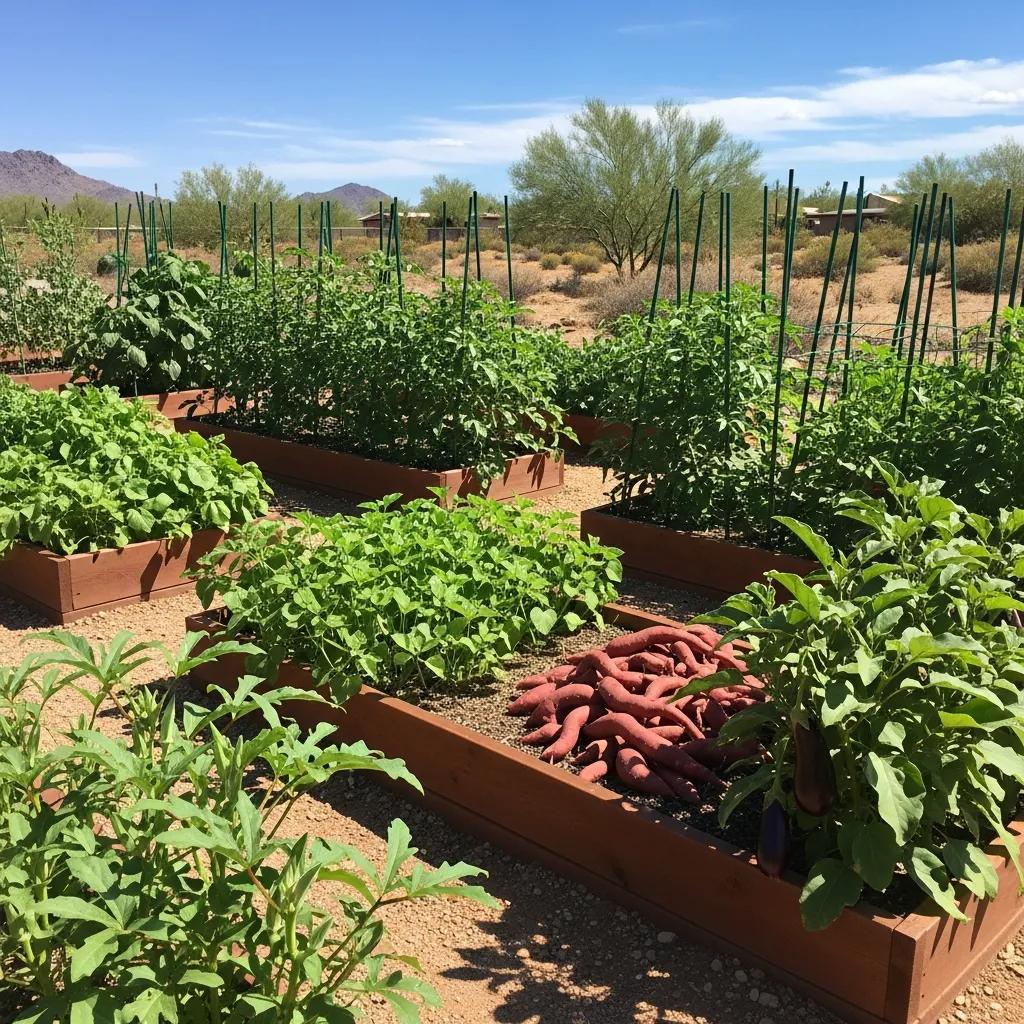
  • Small raised beds:
    Typically exempt below local height thresholds; engineered or structural beds may trigger permits.

These short answers lead to a practical checklist to help homeowners decide when a permit is required for minor improvements.

Which Landscape Projects May Be Exempt from Permitting?

Activities commonly exempt include planting, placing freestanding potted designs, and small non-structural raised garden beds that stay under local height limits, since they don’t change drainage or involve permanent attachments. Even exempt projects must respect HOA rules and utility easements — for example, planting over a buried utility line can be prohibited even without a building permit. Many low-impact enhancements can proceed without formal permits, but any work that adds permanent structures, utility connections, or grading beyond small thresholds should be cleared with the permitting office. When in doubt, a quick pre-application question to the city clarifies whether a formal submittal is required.

How to Tell When a Permit Is Required for Minor Outdoor Work

Run this simple checklist: does the project change grading/drainage, include permanent structural elements, attach to the residence, or involve utility hookups (gas, electrical, potable or reclaimed water)? Any “yes” increases the chance a permit and licensed trades or engineered plans will be required. If several answers are affirmative, schedule a pre-application meeting with the local permitting office or consult a professional — catching issues early saves time, money and schedule headaches.

From self-assessment, the next section explains how Island Pools and Landscaping AZ can simplify permit navigation on luxury projects.

How Island Pools and Landscaping AZ Simplifies Permitting for Luxury Projects

Island Pools and Landscaping AZ focuses on designing and building luxury pools and functional backyard spaces, and we treat permit management as part of our design and construction service to protect timelines and design intent. Our process bundles pre-submission checks, full plan preparation, city submittal coordination, inspection scheduling and HOA liaison work so homeowners face fewer review cycles and less administrative friction. For high-end projects where sequencing and detail matter, this managed workflow reduces the risk of design compromises forced by permit issues and helps keep budget and schedule on track. The bullets below summarize our typical permit-management steps and client benefits.

Island Pools and Landscaping AZ permit-management workflow includes:

  • Pre-submission review of site conditions and HOA covenants to align design with local expectations.
  • Preparation of full plan sets — site, structural, electrical and plumbing drawings — coordinated with engineers and licensed trades.
  • City submittal and direct reviewer coordination to respond to comments quickly and minimize resubmissions.
  • Inspection scheduling and on-site support during review milestones to help secure timely approvals and final sign-off.

This managed approach preserves design integrity and streamlines approvals for complex luxury outdoor living projects.

What Expertise Island Pools Brings to Arizona Permits

Our team prepares coordinated plan sets, secures engineering input when needed, submits to municipal reviewers and acts as your liaison with HOAs and inspection teams. We focus on preventing common resubmission causes — missing equipment specs, unclear details, or absent engineering clarifications — so reviews move faster and homeowners carry less administrative burden. That expertise is especially valuable when projects include complex retaining walls, integrated outdoor kitchens or premium equipment. Working with experienced plan preparers typically shortens municipal review times and keeps luxury design goals intact.

How Professional Permit Assistance Benefits High-End Homeowners

Professional permit support delivers clear value: fewer errors and resubmissions, shorter overall timelines, protection of your design intent and better cost predictability by avoiding last-minute compliance-driven redesigns. For high-end homeowners, this means signature features — custom stonework, integrated water elements and carefully chosen plantings — are more likely to be approved and completed on schedule. Island Pools and Landscaping AZ emphasizes detail, steady communication and a satisfaction-first workflow that coordinates financing and construction sequencing for a premium build experience. If you’d like a consultation, contact us to review project scope, permit strategy and how managed submittal reduces risk while protecting your vision.

Final planning depends on clear next steps and a shared understanding of who will manage each submittal milestone.

Next steps: practical items and a short checklist homeowners can use to prepare for permit submission.

  • Confirm your local jurisdiction and zoning for the parcel to determine setbacks and grading thresholds.
  • Obtain a site survey if required and prepare a preliminary design showing pool location, equipment and drainage.
  • Start HOA review early and consider hiring a professional plan preparer or firm to manage submittal and inspections.

These action items create a clear roadmap so you can proceed with confidence and deliver a compliant, refined finished design.

(End of article)

Frequently Asked Questions

What are the common mistakes homeowners make when applying for pool permits in Arizona?

The most common missteps are skipping thorough pre-application planning and submitting incomplete documents. Homeowners often forget site plans, dimensions, equipment specs or required engineering stamps, and they delay HOA coordination. Underestimating review and correction time also leads to schedule surprises. To avoid these issues, double-check local requirements and submit a complete, coordinated plan set.

How can homeowners expedite the pool permit process in Arizona?

Start with a solid pre-application package: site surveys, HOA review and complete drawings. Hire professionals who know local reviewers and code expectations to prepare a tidy application. Respond quickly to reviewer comments, schedule inspections promptly and, when possible, submit during lower-volume months to avoid peak backlogs.

Are there specific regulations for eco-friendly pool designs in Arizona?

Yes. Arizona jurisdictions may have regulations or incentives tied to water conservation and energy efficiency — for example, rules or incentives for solar heating, efficient pumps and water-saving filtration. Check local building codes and environmental programs, and work with pros who understand sustainable pool technologies to ensure compliance and maximize benefits.

What should homeowners know about landscaping permits in relation to pool installations?

Landscaping can affect pool permitting when it includes structural work, permanent utilities or grading that alters drainage. Retaining walls, built-in kitchens and major hardscape can trigger permits. Coordinate landscaping and pool plans so grading, equipment placement and utilities are handled together and avoid conflicts during municipal review.

How do seasonal factors affect the pool permit application process in Arizona?

Seasonal demand matters. Spring and summer are peak construction seasons and municipal plan review and inspection schedules can slow down. Submitting in fall or winter often speeds processing. Also factor in weather: storms or extreme heat can affect construction and inspection availability.

What are the implications of not obtaining the necessary permits for pool construction?

Building without required permits can lead to fines, forced removal of unpermitted work and heightened liability if accidents occur. It can also complicate future sales and insurance claims. To protect your investment and safety, secure all necessary permits before starting work.

Can homeowners appeal permit denials in Arizona, and if so, how?

Yes. Appeals typically require a formal request to the local planning or building department with supporting documentation and explanations. Some municipalities offer a public hearing. Procedures and deadlines vary, so consult the relevant department or a professional familiar with local rules to prepare an effective appeal.

Conclusion

Getting pool and landscape permits right is essential to building the backyard you want without costly setbacks. By planning early, coordinating with your HOA and local permitting office, and working with experienced professionals when needed, you can avoid delays and keep your design intact. For a smoother experience, consider partnering with a firm that manages submittals, reviewer coordination and inspections so you can focus on the finished result. Start planning your luxury outdoor living project today — the right guidance makes all the difference.

Pool & Landscaping Services in Surprise, Arizona

Pool & Landscaping Services in Surprise, Arizona

Luxury Pool & Landscaping Services in Surprise, Arizona: Custom Backyard Remodels and Outdoor Living Solutions

Creating a luxury backyard in Surprise, Arizona blends custom pool architecture, water-wise landscaping, and thoughtful outdoor living to turn ordinary yards into private, resort-style retreats. Below we walk homeowners through what to expect from a high-end backyard remodel: the advantages of hiring a luxury pool builder, a clear design‑build process, common outdoor living customizations, how to choose the right local partner, and typical costs plus investment benefits in this market. You’ll see how pool features, premium hardscapes, drought-tolerant plantings, and integrated amenities work together to improve daily life and resale potential. We also outline the practical path from consultation to construction and ongoing care, with examples that perform well in Surprise’s climate. Throughout, practical topics like backyard remodel Surprise, custom pool design Surprise, and drought-tolerant landscapingSurprise are woven into actionable guidance so you can make confident choices for your outdoor renovation.

Why Hire a Luxury Pool Builder in Surprise, AZ?

Working with a luxury pool builder brings design cohesion, careful material selection, and construction oversight that produce durable, beautiful, and highly functional outdoor spaces. Luxury builders prioritize custom geometry, premium finishes, and integrated systems—automated controls and efficient filtration among them—to deliver long-term performance and fewer operational headaches. In Surprise’s desert environment, local expertise matters: experienced teams specify drought-tolerant plant palettes, heat-resistant decking, and equipment placement that reduces water use and wear. The outcome is a unified outdoor living solution that enhances daily enjoyment and often raises property value through resort-style appeal and better indoor‑to‑outdoor flow.

At Island Pool & Landscaping we use a design‑build approach that links custom pool architecture with landscape and hardscape execution. Our process centers on clear communication, attention to detail, and post‑project care so your investment is protected. Single-source coordination reduces rework and keeps pool and landscape integrated from day one, improving schedules and final quality. If you’re ready to explore a tailored backyard plan, request a consultation to review site-specific options and visual concepts.

This quick table highlights common luxury pool features, typical maintenance expectations, and homeowner benefits so you can compare options at a glance.

Different luxury pool features deliver unique lifestyle advantages and maintenance considerations.

Luxury Pool FeatureMaintenance ProfileLifestyle Benefit
Infinity edgeModerate — periodic surface and water-level careStriking visual effect that seamlessly frames views
Automated controls (smart system)Low — occasional software updates and checksPrecise operation, convenience, and energy savings
Travertine or natural stone deckingLow–moderate — routine sealing and cleaningCool, refined surface ideal for entertaining
Integrated spaModerate — additional equipment maintenanceYear‑round relaxation, therapy, and guest appeal
Tanning ledge / baja shelfLow — simple debris removal and cleaningShallow lounging and safe play space for families

These comparisons help you prioritize features based on lifestyle goals and maintenance tolerance. Next, we explain how a design‑build process organizes these choices into a clear, deliverable plan.

How Custom Pool Design Enhances Your Backyard Oasis

Custom pool design starts by matching pool shape, circulation, and material language to how you live. Well-proportioned forms create visual flow between decks, patios, and planting beds so movement and sightlines feel natural. Features like tanning ledges, built‑in spas, and discreet water elements improve usability for entertaining, relaxation, and family time while boosting curb appeal. Material choices—stone decking, slip‑resistant finishes, and color selections—matter for thermal comfort and longevity in Surprise’s hot months. Understanding how these decisions interrelate leads directly into the practical steps a design‑build team follows to deliver a cohesive backyard remodel.

How Does the Backyard Remodel Process Work with Island Pool & Landscaping?

Our phased, transparent design‑build workflow reduces uncertainty by guiding homeowners from concept through construction and handover with clear deliverables at every stage. Typical steps include an initial consultation and site assessment, schematic design and 3D renderings, permitting and engineering coordination, construction scheduling with milestone tracking, and a final walkthrough with maintenance orientation. Every phase ties homeowner decisions to tangible outputs—concept plans, material selections, permits, and a staged timeline—so expectations stay aligned and changes are managed efficiently. This approach minimizes miscommunication, accelerates approvals, and preserves design intent from drawing board to finished outdoor living space.

The table below maps core process steps to deliverables and typical timelines so homeowners know what to expect during a remodel.

This process map clarifies homeowner touchpoints and timelines for a design‑build backyard remodel.

PhaseDeliverableTypical Timeline
Consultation & assessmentSite notes, preliminary goals1–2 weeks
Design & approvalsConcept plans, 3D renderings, permit docs3–6 weeks
ConstructionExcavation, shell, systems, finishes10–16 weeks
Finishing & landscapingDecking, planting, lighting2–4 weeks
Walkthrough & orientationSystems training, maintenance plan1 week

Knowing these stages helps you make informed decisions and prepares you for typical durations and outcomes. The next section breaks the design‑build steps down in more detail.

Step-by-Step Design-Build Approach for Pool and Landscape Integration

Our design‑build sequencing aligns design choices with construction realities and homeowner priorities. We begin with a site survey and programming session to capture constraints, sun paths, and usage patterns, then present multiple schematic options so you can select a preferred direction. During detailed design we produce 3D renderings and finalize finishes, fixtures, and landscape palettes while coordinating permits and engineering to avoid delays. Construction follows a milestone schedule—shell, mechanical systems, finishes, and landscape—with quality checks at each stage. The project concludes with a final walkthrough and a maintenance briefing so you take ownership with confidence. This transparent sequencing keeps stakeholders informed and engaged throughout the build.

What to Expect During Your Personalized Consultation

A personalized consultation focuses on your goals, site realities, budget range, and program priorities to create a brief that guides design without obligating construction. During the walkthrough we assess access, grade, drainage, existing utilities, and microclimate factors such as afternoon sun to recommend layout options and plant palettes. Expect questions about intended uses—entertaining, family play, or a low‑maintenance retreat—and be ready to discuss style preferences, material tolerances, and any HOA or code constraints. We end the consultation with next steps: a proposed scope for design work, an outline of deliverables, and a recommended timeline to reach permit‑ready documents and begin formal design.

What Outdoor Living Spaces Can Be Customized in Surprise, AZ?

Outdoor living customizations range from full outdoor kitchens and dining areas to fire features, water elements, and flexible seating that extend your home outdoors year‑round. In Surprise, careful material selection, shade strategies, and irrigation‑smart planting ensure longevity and comfort. Integrated lighting, audio, and smart controls keep spaces usable after dark and reduce manual upkeep through automation. A cohesive plan ties pool edges, patios, and planting into a unified ensemble that supports entertaining, quiet retreats, and active play without fragmenting the yard into competing zones.

Below is a practical list of common outdoor living customizations and why homeowners choose them.

Prioritize features based on use, budget, and maintenance tolerance.

  1. Outdoor kitchen and bar areas: Layout and appliance placement that keep guests engaged and service efficient.
  2. Fire features and fireplaces: Evening warmth and atmosphere that extend seasonal use.
  3. Water elements (fountains, cascades): Soft soundscapes and cooling microclimates that complement pools.
  4. Flexible seating and pergolas: Defined activity areas with improved shade and comfort.
  5. Integrated lighting and automation: Safer, more usable spaces with minimal day‑to‑day effort.

These options let homeowners layer experiences to fit lifestyle and budget. The following sections explore specific integrations and sustainable choices.

Incorporating Outdoor Kitchens, Fire Features, and Water Elements

Designing an outdoor kitchen requires thinking about workflow, ventilation, and durable finishes so the space functions like an indoor kitchen. Counter heights, appliance placement, and proximity to dining define usability, while stone or sealed concrete resist heat and staining. Fire features—linear fireplaces or built‑in fire pits—should be sited with prevailing winds and clearances in mind, and seating should frame pool and landscape views. Small cascades or decorative fountains add calming sound and microclimate cooling when tied into pool filtration or a separate recirculation system; thoughtful planning keeps maintenance manageable and reliability high.

Using Drought-Tolerant Landscaping and Artificial Turf for Sustainable Design

Drought‑tolerant plantings and premium artificial turf cut water use while preserving a green, finished look that fits Arizona’s climate. Native and low‑water species provide seasonal texture and color with far less irrigation than traditional lawns, and properly zoned drip systems deliver water where roots need it most. Artificial turf works well in high‑use play areas where owners trade mowing for occasional rinsing and infill upkeep, while permeable paving and smart grading improve stormwater handling. The right mix of live plantings and synthetic surfaces depends on use, budget, and maintenance preferences; local experience guides species and product choices for long life.

How to Choose the Best Custom Landscape Design Services in Surprise, Arizona?

Choosing a high‑end landscape and pool provider starts with local experience, a strong portfolio, transparent process documentation, and reliable post‑installation support. Look for firms that describe a design‑build workflow, provide realistic timelines, and explain material choices in the context of Surprise’s climate and codes. Portfolios should show cohesive integration between pool shapes and adjacent landscapes—consistent materials and planting choices that read as one design. Ask how candidates handle permitting, subcontractor coordination, warranties/aftercare, and water conservation strategies.

The checklist below helps homeowners compare proposals on consistent criteria.

  • Verify local project experience and examples in similar desert climates.
  • Confirm a design‑build structure or a clear coordination plan across trades.
  • Request detailed scopes, material lists, and milestone timelines for apples‑to‑apples comparison.
  • Ask about maintenance plans, warranty coverage, and available post‑completion service.
  • Evaluate communication practices and decision review points for clarity.

These criteria emphasize process clarity and local knowledge—two things that reduce risk and improve final outcomes. The following sections describe specific high‑end features and why local expertise matters.

Key Features of High-End Landscape Architecture and Hardscaping

High‑end landscape architecture focuses on continuity between hardscape and softscape, durable material choices, careful grading, and integrated drainage to avoid long‑term problems. Natural stone, travertine, and premium pavers are selected for thermal comfort and longevity, with attention to jointing and subbase detail to prevent settling. Structural elements—retaining walls and raised planters—are engineered for drainage and root health, while integrated lighting and low‑voltage planning extend usability after dark. These details produce a finished environment that feels intentional and resilient, reducing the need for reactive repairs and preserving the original design intent.

Why Local Knowledge Matters for Desert-Friendly Landscaping

Local knowledge shapes species selection, irrigation zoning, and microclimate management—factors that determine whether a landscape thrives in Surprise’s hot summers and mild winters. Understanding soil types, sun exposure, and municipal water restrictions lets designers recommend plant communities and efficient irrigation strategies that meet aesthetic and regulatory goals. Providers with local experience anticipate common issues—heat stress on sensitive plants or poor equipment placement—and design around them, leading to landscapes that need less corrective maintenance and perform reliably across seasons. Reviewing a candidate’s local project history is therefore essential to long‑term success.

What Are the Typical Costs and Investment Benefits of Pool Installation in Surprise, AZ?

Luxury pool costs depend on size, shell complexity, finishes, equipment, and the surrounding landscape scope. Major cost drivers include pool volume and shell complexity, premium tile and stone, high‑efficiency equipment and automation, and the extent of hardscape and landscape work. Expect a clear price gap between standard pools and resort‑style builds with infinity edges, integrated spas, or elaborate hardscapes. Thoughtful phasing and a well‑defined scope help control budget creep, and choices that favor durability and water efficiency usually lower long‑term operating costs. A well‑executed remodel can improve marketability and perceived value by creating usable outdoor living areas buyers seek.

This table outlines major cost drivers, their typical impact on initial price, and likely ROI to help homeowners prioritize investments.

Cost DriverTypical Impact on PriceROI / Value Impact
Pool size & shell complexityHighStrong visual impact but higher upfront cost
Premium finishes (tile, stone)Medium–HighElevated aesthetics; solid resale appeal
Equipment & automationMediumOperational savings and homeowner convenience
Hardscape & landscape scopeMedium–HighExpands usable area; strong lifestyle ROI
Water-saving systemsLow–MediumLower utility bills; positive sustainability message

This breakdown clarifies where budgets are consumed and which choices most reliably boost value. The next sections explain pricing components and how remodels convert into lifestyle and market benefits.

Understanding Luxury Pool Construction Pricing and Value

Luxury pool pricing reflects materials, labor intensity, and specialized systems. Key categories include excavation and shell work, hydraulic and electrical systems, surface finishes, decking and coping, and integrated amenities like spas or waterfalls. Premium finishes and custom tile add material and labor cost, while high‑efficiency pumps, heaters, and automation carry an up‑front premium that can lower operating costs over time. Plan for ongoing expenses—chemicals, routine maintenance, and utilities—when comparing options, and evaluate value over several years rather than just initial cost. Durable finishes and efficient systems often provide the best balance of initial investment and lasting resale or lifestyle value.

How Backyard Remodels Increase Property Value and Lifestyle Quality

Backyard remodels that create cohesive outdoor living zones—pool, dining, kitchen, and shaded seating—deliver measurable lifestyle value by converting underused yards into functional living areas for entertaining and family life. Buyers increasingly favor move‑in‑ready outdoor amenities, and well‑designed remodels can improve perceived square footage and set properties apart in listings. To communicate remodel value to appraisers or buyers, document design intent, material quality, and maintenance records, and highlight energy‑ or water‑saving features that lower ownership costs. These elements strengthen appeal and can translate to higher offers when marketed effectively.

  1. Lifestyle uplift: Remodels create daily-use outdoor spaces that boost wellbeing and family time.
  2. Market differentiation: Thoughtful outdoor environments help listings stand out.
  3. Operational savings: Efficient systems reduce long‑term utility and maintenance costs.

These benefits make it easier to justify thoughtful investments and help homeowners choose remodel scopes that deliver both enjoyment and market return. When you’re ready to plan a bespoke project, a design‑build consultation will translate these considerations into a site‑specific proposal.

For a tailored approach that coordinates custom pool architecture, landscape design, and hardscape execution in Surprise, talk with Island Pool & Landscaping. Our design‑build focus on communication and integrated planning helps homeowners turn complex visions into practical, phased project plans and delivers the clarity and proof points needed to move from concept to completion.

Frequently Asked Questions

1. What types of materials are best for pool decking in Arizona's climate?

Choose decking materials that stay cool, resist UV exposure, and stand up to thermal stress. Natural stone like travertine is a popular choice for its cooler surface and refined look. Concrete pavers offer design flexibility and low maintenance, while quality composites can be slip‑resistant and fade‑resistant. Prioritize materials rated for high temperatures and sun exposure to ensure long‑term safety and durability around your pool.

2. How can I ensure my outdoor living space is energy-efficient?

Make your outdoor space energy‑efficient by using programmable smart controls for lighting and irrigation, installing energy‑efficient appliances in outdoor kitchens, and specifying LED lighting. Shade structures—pergolas, shade sails, or deciduous plantings—reduce heat load and make spaces comfortable without heavy cooling. Selecting drought‑tolerant plants and efficient irrigation systems also reduces water use and long‑term energy tied to pumping and treatment.

3. What are the maintenance requirements for drought-tolerant landscaping?

Drought‑tolerant landscapes require less water than traditional lawns but still need seasonal care. Expect periodic pruning, pest monitoring, and checks to ensure proper drainage. Mulching helps retain moisture and suppress weeds. Regular irrigation audits keep systems efficient; seasonal plant inspections ensure the landscape remains healthy and attractive in the desert climate.

4. How do I choose the right plants for my backyard in Surprise?

Pick plants that are native or well‑adapted to the local climate—succulents, agaves, and Mediterranean‑type species are common choices. Consider sun exposure, desired texture and color, and whether you need low maintenance. A local landscape designer can recommend species and placement based on soil, microclimate, and water‑use goals to create a durable, attractive planting plan.

5. What features should I consider for enhancing outdoor entertainment?

To boost outdoor entertaining consider an outdoor kitchen with a grill, prep space, and refrigeration; flexible seating zones; and a fire feature for evening ambiance. Integrated audio, layered lighting, and water features add atmosphere. Plan circulation so service areas and gathering spaces are convenient, and choose durable finishes that stand up to frequent use.

6. What is the typical timeline for a backyard remodel project?

Timelines vary by scope, but a typical remodel follows this pattern: consultation and site assessment (1–2 weeks), design and approvals (3–6 weeks), construction (10–16 weeks), and finishing with landscaping and lighting (2–4 weeks). A final walkthrough and orientation usually take about a week. Overall, plan for roughly 4–6 months from initial consultation to project completion, depending on complexity.

7. How can I increase the resale value of my home with outdoor renovations?

To increase resale value, focus on functional, attractive outdoor living spaces—well‑designed pools, outdoor kitchens, and thoughtfully landscaped yards attract buyers. Use quality materials, document design intent and maintenance, and highlight energy‑ and water‑saving features that lower ownership costs. These elements improve curb appeal and buyer perception, helping your property stand out on the market.

Conclusion

Turning your backyard into a luxurious oasis in Surprise, Arizona improves everyday living and can boost property value. By following a clear design‑build process and choosing features that suit your lifestyle and the local climate, you can create a cohesive outdoor living space that performs beautifully over time. If you’re ready to elevate your outdoor experience, reach out to Island Pool & Landscaping for a personalized consultation — we’ll help you translate your goals into a practical, phased plan and guide you from concept to completion.

Successful Vegetable Gardening in the Arizona Desert

Successful Vegetable Gardening in the Arizona Desert

Arizona Vegetable Gardening — A Practical Guide to Heat-Tolerant, Water-Smart Planting

Growing vegetables in Arizona takes more than good intentions — it calls for climate-smart crop choices, water-efficient techniques, and soil strategies built for heat and alkaline ground. This guide walks you through vegetables that actually thrive here, how to build raised beds that tame desert soil, and practical irrigation and shade solutions that keep edible landscapes productive and beautiful. You’ll find a region-specific planting calendar for low- and high-desert zones, step-by-step drip and smart-controller tips, and organic soil recipes that boost yield and resilience. We also cover design ideas to blend raised beds and shade structures into upscale outdoor spaces so your garden looks as good as it performs. Throughout, quick checklists and clear plant recommendations make seasonal planning and water savings straightforward for year-round harvests.

What Are the Best Heat-Tolerant Vegetables for Arizona Desert Gardens?

Heat-tolerant vegetables keep producing despite Arizona’s high daytime temperatures by using traits like efficient water use, deep roots, or heat-adapted physiology. Some avoid the hottest months, others have thick leaves or special photosynthesis that cut water loss. Picking the right crops lowers water needs and improves harvest reliability — especially when combined with raised beds and mulch. Below is a short list of top performers and why they work, so you can choose quickly.

Studies underscore the growing need to select and develop vegetable varieties that tolerate higher temperatures.

Developing Heat-Tolerant Vegetable Varieties

Rising global temperatures threaten vegetable yields because many crops are sensitive to heat. Heat tolerance is a complex trait governed by physiological and molecular responses, and higher temperatures can impair growth and reduce harvests. Developing varieties with improved heat resilience will be essential to sustain vegetable production as climates warm.

Influence of permanent raised bed planting and residue management on physical and chemical soil quality in rain fed maize/wheat systems, 2007

Top heat-tolerant vegetables and why they work:

  • Okra: Loves heat, tolerates alkaline soil, and needs little extra water.
  • Sweet potato: Deep roots find moisture; performs well through long warm seasons.
  • Eggplant: Warm-season solanaceous varieties set fruit when nights stay warm.
  • Cowpea (black-eyed pea): Drought-hardy legume that also helps fix nitrogen.
  • Heat-tolerant tomatoes: Choose cultivars bred to set fruit at higher temperatures.

This shortlist points to reliable choices; the following sections dig into varieties and microclimate tactics that help each crop succeed.

Which vegetables thrive in Arizona's extreme heat and alkaline soil?

Vegetables that pair heat tolerance with alkaline-soil adaptability include okra, sweet potato, eggplant, cowpea, and specific tomato cultivars suited to warm nights. Okra handles full sun and poor soils with low to moderate water. Sweet potatoes use deep roots to reach moisture, making them ideal for 12–18″ raised beds amended with compost. Eggplant and heat-set tomato varieties will set fruit when given afternoon shade and steady root-zone moisture. For all these crops, pick heat-set cultivars and plan spacing and staking to keep air moving and disease risk low in hot, dry seasons.

How to select gourmet and drought-resistant vegetable varieties for luxury edible gardens?

For a luxury edible garden, prioritize flavor, form, and drought resilience so produce looks great and uses less water. Consider cherry-type heat-set tomatoes, slender Italian eggplants, and colorful sweet potato varieties that enhance outdoor kitchens and patios. Buy plants from specialty nurseries that label heat tolerance, and match varieties to microclimates — cool-season beds near shaded walls, warm-season beds where reflected heat aids fruiting. Balance beauty with practicality: choose compact or espalier-friendly types for beds near hardscapes and mix flowering herbs to attract pollinators and soften edges.

Before we cover bed construction, this table summarizes recommended vegetables with planting seasons and general water needs for quick reference.

Intro: The table below gives an at-a-glance reference for top heat-tolerant vegetables, their heat tolerance, planting windows, and typical water needs to simplify bed and irrigation planning.

VegetableHeat ToleranceBest Planting WindowTypical Water Needs
OkraHighLate spring → summerLow to moderate
Sweet potatoHighLate spring transplantModerate (deep infrequent)
EggplantHighLate spring → summerModerate
Cowpea (black-eyed pea)HighLate spring → summerLow
Heat-tolerant tomatoesModerate-HighEarly spring and late summerModerate (consistent)

This compact table clarifies seasonal timing and helps you prioritize crops for water-wise planning in Arizona gardens.

How to Design and Build Custom Raised Garden Beds for Arizona Vegetable Gardening?

Raised beds give you control over desert soils by creating a tailored root zone with better organic matter, drainage, and pH buffering — which leads to higher yields and easier upkeep. Aim for 12–24 inches depth for most vegetables, 3–4 feet width for single-side access (4–6 feet for dual access), and materials that match your hardscape. Fill beds with a lighter, compost-rich top layer over a free-draining sublayer to prevent compaction. Below are material suggestions and a comparison table to help you choose for performance and style.

Research shows permanent raised beds can significantly improve soil organic matter and aggregate stability compared with conventional tillage.

Enhancing Soil Quality with Permanent Raised Beds

Permanent raised beds with full residue retention have been shown to increase soil organic matter and improve aggregate stability compared with conventionally tilled systems. Retaining surface residues and minimizing disturbance supports better soil structure and longer-term soil health.

Influence of permanent raised bed planting and residue management on physical and chemical soil quality in rain fed maize/wheat systems, 2007

What materials and dimensions optimize raised beds for desert soil control?

Material choice matters. Cedar and redwood offer a warm, natural look but need occasional upkeep. Galvanized or corten-style metals resist rot and read modern. Composites give low maintenance and consistent appearance, while stone or block matches upscale hardscapes and lasts a long time. For desert vegetable growing, target 12–24″ depth for root crops and sweet potatoes, and keep widths comfortable for access. Use breathable liners or root barriers with treated materials to prevent soil/finish contact. Orient long sides north–south when possible to even out sun exposure, and plan for in-bed irrigation and removable shade mounting points.

Intro: The table below compares common raised-bed materials across durability, aesthetic fit, and recommended depth so you can pick what best matches your landscape.

MaterialDurabilityAesthetic FitRecommended Depth
CedarModerate-HighWarm/natural12–18 in
Galvanized steelHighModern/industrial12–24 in
Composite deckingHighLow-maintenance luxury12–24 in
Stone/blockVery HighMatches hardscapes12–24 in

This comparison shows how material choice affects longevity and visual integration. Next, we cover blending beds into high-end outdoor living.

How to integrate raised beds seamlessly into luxury outdoor living spaces?

Make edible areas look intentional by matching materials, sightlines, and circulation to the rest of your yard. Use the same stone, wood tones, or metal finishes as pool coping, patios, or outdoor kitchens for a cohesive look. Add low-profile lighting and paths for evening harvesting, and consider bench seating that doubles as a bed edge. Keep compost and tool storage out of primary sightlines and use ornamental edibles — herbs, flowering chard — to soften edges and invite use.

Island Pools and Landscaping AZ combines luxury pool remodeling, hardscapes, and drought-tolerant planting to create integrated raised-bed installations. We often match bed frames and finishes to pool coping and patios, and can supply schematic diagrams or portfolio images to show material and lighting integration. If you prefer professional design and installation, a consultation ensures your edible garden complements existing landscape features while solving soil and irrigation needs.

Next up: watering systems that keep integrated beds productive with minimal maintenance.

What Are Effective Watering Techniques and Smart Irrigation Systems for Desert Gardens?

Watering in desert gardens is about targeted delivery, smart scheduling to avoid evaporation, and automation that responds to weather and soil. Drip irrigation sends water straight to the root zone, cutting surface loss and wet foliage that can cause disease. Smart controllers use weather data or soil-moisture sensors to tweak run times, saving water in cool stretches and adding water during heat waves. Below is a straightforward three-step drip approach for vegetable beds.

Field trials and research show smart drip systems can improve crop water use and yields in arid regions.

Smart Drip Irrigation for Arid Region Crops

Smart irrigation systems tested under drip and subsurface irrigation for tomato production in arid regions showed measurable benefits compared with conventional scheduling methods, demonstrating the value of responsive control and targeted delivery.

Assessment of smart irrigation controllers under subsurface and drip-irrigation systems for tomato yield in arid regions, HM Al-Ghobari, 2015

  1. Design and zoning: Break beds into zones by plant type and sun exposure so emitters match crop needs.
  2. Emitter selection and spacing: Use 1–4 GPH emitters; space them 6–18" based on root spread and crop type.
  3. Scheduling and pressure regulation: Fit pressure regulators and run deep, infrequent irrigation in the early morning to reduce evaporation.

Follow these steps to minimize water waste and keep plants healthy. The table below compares irrigation options and their attributes.

Intro: This table compares common irrigation approaches for desert vegetable gardens, rating water efficiency, installation complexity, and controller compatibility.

Irrigation OptionWater EfficiencyInstallation ComplexityController Compatibility
Drip irrigationHighModerateHigh
Soaker hoseModerateLowModerate
Hand wateringLowLowLow

This side-by-side shows why drip systems are usually the best choice for water-wise vegetable growing in arid climates. The next section explains how drip systems conserve water and support growth.

How does drip irrigation conserve water and support vegetable growth in arid climates?

Drip irrigation reduces evaporation by delivering a slow, steady flow directly to the roots, and it keeps foliage dry to limit disease. That steady root watering encourages deeper rooting and greater drought resilience. Match emitter flow to plant needs — low-flow for herbs, higher flow for thirsty summer crops — and group plants by water demand for efficient zones. Use pressure-compensating emitters, inline filters, and annual flushing to prevent clogging, and schedule deep morning runs to cut losses to midday heat.

What are the benefits of automated and smart irrigation controllers for desert vegetable gardens?

Smart controllers save water and time by adjusting schedules using local weather data or soil sensors, shortening runs in cool spells and adding time during heat. They reduce manual work, help meet water restrictions, and can integrate with pool or landscape systems for centralized control. Features like leak detection and remote monitoring protect plant health and conserve resources across luxury outdoor spaces. For pool-adjacent or complex properties, professional design ensures correct zone sizing and seamless integration with existing systems.

Island Pools and Landscaping AZ provides irrigation design and installation as part of our landscape services, pairing smart controllers with drought-friendly plantings and pool-area integration to maximize water efficiency and maintain aesthetic continuity. A professional evaluation can fine-tune emitter spacing, pressure regulation, and scheduling to match your soil and plant mix for reliable production with minimal effort.

With irrigation handled, the next section covers how shade — fabric and structure — protects crops through Arizona’s hottest periods.

Why Is Shade Important and How to Use Shade Cloth and Structures in Arizona Gardens?

Shade lowers leaf temperatures, eases heat stress, and improves fruit set by softening mid-day extremes — making it a key tool in desert gardening. Options range from seasonal shade cloth to architectural solutions like pergolas, retractable awnings, or living canopies from trees and vines. Each choice balances permanence, light diffusion, and appearance. Right placement and the correct percent shade will protect tender summer crops while allowing full sun for winter vegetables. Below is a short guide to choosing fabric versus structural shade.

Intro: Pick fabric or structural shade based on seasonal needs, appearance, and permanence.

  • Shade cloth: Flexible, cost-effective seasonal protection for beds.
  • Pergolas and awnings: Durable architectural shade that elevates outdoor living.
  • Living shade (trees/vines): Ecological and attractive but requires long-term planning and root management.

That list helps you decide. The next subsection compares architectural shade choices for upscale gardens.

What types of architectural shade solutions protect vegetables from intense sun?

Architectural shade options include pergolas, retractable awnings, shade sails, and trellised living canopies, each offering a different mix of light control and visual impact. Pergolas are durable and design-forward, and can be paired with retractable fabric for seasonal flexibility. Shade sails are modern and cost-efficient with bold lines. Living shade — trees, espaliered fruit trees, or vine-covered trellises — cools the microclimate and adds habitat but requires careful root and water planning near beds and pools. In luxury settings, match materials and finishes to existing hardscapes and provide access for seasonal adjustments and maintenance.

How to choose and install shade cloth for optimal plant health and aesthetic appeal?

Select shade cloth by matching percent shade to crop needs — typically 30–50% for many summer vegetables — and by choosing colors and mounting methods that complement your landscape. Mount cloth on removable frames or pulley systems so coverage can be adjusted seasonally and the fabric can be cleaned or changed. Ensure good airflow to avoid trapped heat, use UV-stabilized materials, and tension fabric for a neat finish. When aesthetics matter near pools and patios, coordinate fabric color and frame materials with surrounding architecture for a polished look.

After planning shade, align planting timing with Arizona’s seasonal windows for best results.

When Is the Best Time to Plant Vegetables in Arizona? Understanding the Arizona Planting Calendar

Planting in Arizona depends on elevation and microclimate — low desert (Phoenix/Tucson basins) and high desert (northern or elevated areas) have different frost dates and heat onset. Cool-season crops (lettuce, brassicas, root crops) do best from late fall through early spring in the low desert and slightly longer in high-desert areas. Warm-season crops should start after the last frost and either finish before peak summer heat or be planted again in late summer for a fall crop. Succession planting and staggered beds create continuous harvests by rotating crops through beds based on thermal preference. Below is a concise calendar organized by region and crop category for actionable planning.

Intro: Use this simplified planting calendar to pick sowing and transplant windows for low- and high-desert regions in Arizona.

Crop CategoryLow Desert Planting WindowHigh Desert Planting Window
Cool-season greensOct–FebSept–Mar
Root crops (carrots, beets)Oct–JanSept–Feb
Warm-season crops (tomatoes, eggplant)Mar–May & Aug–SeptMay–June & Aug
Succession plantingsEvery 4–8 weeks during cool seasonEvery 4–8 weeks during cool season

This calendar gives clear windows to plan staggered plantings and year-round production.

How to plan year-round vegetable planting for continuous harvests in the desert?

Stagger plantings across multiple beds, rotate crops by season, and exploit microclimates — shaded beds, south-facing walls, or cold frames — to extend growing windows. Succession sow every 3–8 weeks for short-season crops like lettuce and radishes to keep a continuous supply. Plant heat-tolerant transplants in late summer for fall/winter harvests. Use crop rotation and occasional soil rest to reduce pests and preserve fertility; add legumes like cowpeas to replenish nitrogen. Map a seasonal bed schedule and anticipate irrigation and shade changes to maintain steady productivity.

What are the key planting seasons and cool-season crops for Arizona gardeners?

Reliable cool-season crops include lettuce, spinach, arugula, brassicas (broccoli, kale), and root vegetables such as carrots and beets. Plant in the fall for winter harvest or in late winter for spring harvest, using compost-amended soils and frost protection in high-desert areas when needed. For steady harvests, sow small beds weekly and stagger maturity dates. During cool months, focus on soil fertility and pest scouting rather than large irrigation changes.

How to Improve Desert Soil Quality with Organic Amendments and Mulching for Vegetable Gardens?

Improving desert soil begins with adding organic matter to boost water-holding capacity, nutrient availability, and microbial life. Compost, well-aged manure, and quality amendments change the soil’s physical and chemical behavior over time. Gypsum can help certain alkaline clay structures, and sulfur is used sparingly to adjust pH when tests indicate need. Mulch cuts evaporation, evens soil temperature, and suppresses weeds so crop roots keep more moisture. Below are the most effective organic inputs and what they do for desert beds.

Intro: These organic amendments help increase water retention, nutrient cycling, and soil structure in alkaline desert soils.

  • Compost: Builds organic matter and microbial life to improve moisture retention.
  • Well-aged manure or composted amendments: Offer slow-release nutrients and better tilth.
  • Gypsum (where appropriate): Can improve structure in some alkaline clay soils.

That clarifies core inputs; next we explain composting and application techniques.

What organic soil and composting techniques enhance plant growth in alkaline desert soil?

Build soil biology with regular additions of mature compost, use cover crops, and add organic mulches that break down slowly. A common raised-bed compost mix is roughly 40% coarse yard waste, 40% kitchen scraps, and 20% finished compost or manure to balance carbon and nitrogen — monitor moisture to keep decomposition active. Vermicomposting is great for small luxury gardens that want nutrient-rich worm castings for topdressing. Test soil periodically to decide on gypsum or targeted sulfur, and consider compost teas or other biological amendments to boost microbial activity and nutrient uptake.

How does mulching conserve moisture and protect soil in Arizona's dry climate?

Mulch insulates the soil, reduces evaporation, moderates temperature swings, and slowly feeds the soil as it breaks down. Apply 2–4 inches of organic mulch — straw, shredded bark, or composted wood — and keep mulch away from stems to prevent rot. Choose mulch that balances moisture retention with aesthetics and weed suppression; gravel can work in ornamental zones, but organic mulches are generally best in vegetable beds. Refresh mulch each season to maintain depth and continue improving soil structure.

Final integration: If you want to blend luxury edible gardens with pools, outdoor kitchens, and high-end hardscapes, Island Pools and Landscaping AZ offers full-service design and build. We coordinate pool remodeling, hardscapes, artificial turf, and drought-friendly planting so outdoor spaces are cohesive and low-maintenance. Our process emphasizes detail, clear communication, and client satisfaction — a consultation can align bed placement, materials, and automated irrigation to reduce upkeep while supporting steady harvests.

This soil-focused wrap-up leads naturally into seasonal maintenance and ongoing adjustments gardeners will make throughout the year.

Frequently Asked Questions

What are the best practices for watering vegetables in Arizona's desert climate?

Water efficiently by grouping plants with similar needs and using drip irrigation that targets the root zone. Water early in the morning to avoid peak heat and adjust frequency by season and plant stage. Check soil moisture regularly and favor deeper, less-frequent soakings to encourage strong root systems.

How can I improve soil quality in my Arizona vegetable garden?

Add mature compost and well-aged amendments to build organic matter and water-holding capacity. Use cover crops and regular top-dressings, and test your soil to guide any targeted use of gypsum or pH adjustments. Mulch to retain moisture and protect soil structure.

What are the benefits of using shade structures in desert vegetable gardens?

Shade reduces heat stress, lowers leaf temperatures, and improves fruit set for many crops. Shade cloth, pergolas, or living canopies can protect sensitive plants, lengthen harvest windows, and make working in the garden more comfortable — while also contributing to the overall landscape aesthetic.

How do I choose the right vegetables for succession planting in Arizona?

Pick fast-growing varieties like lettuce, radishes, and beans for cool-season success, and heat-hardy types like tomatoes and peppers for warm-season rotation. Sow or transplant every few weeks to keep a steady harvest, and use microclimates to extend growing periods where possible.

What role do organic amendments play in desert gardening?

Organic amendments improve soil structure, increase moisture retention, and supply nutrients slowly over time. They also stimulate microbial life, which is key to nutrient cycling and plant health. Regularly adding organic matter is one of the most effective long-term investments for desert gardens.

How can I effectively integrate my vegetable garden into a luxury outdoor living space?

Design beds and features to match existing hardscapes and finishes, use raised beds for tidy lines and accessibility, and add seating, paths, and flowering edibles to enhance beauty and function. Thoughtful placement and material choices make a vegetable garden feel like a planned part of the overall landscape.

Conclusion

With the right plant choices, water-wise irrigation, shade strategies, and soil-building practices, a productive vegetable garden is achievable in the Arizona desert. Thoughtful design lets you combine beauty and year-round harvests while minimizing maintenance and water use. If you’d like help matching edible beds to your pool, patio, or hardscape, our team at Island Pools and Landscaping AZ can design and build a solution tailored to your home.

Pool & Landscaping Services in Gilbert, Arizona

Pool & Landscaping Services in Gilbert, Arizona

Luxury Pools & Landscaping in Gilbert, AZ — Custom Designs and Backyard Transformations

Turn your backyard into a resort-style retreat that improves daily living and adds value in Gilbert, AZ — while respecting the desert climate and modern lifestyles. This guide shows how thoughtful pool design, high-end landscape planning, and purpose-built outdoor living features come together to create durable, low-maintenance, and highly usable yards. You’ll learn the advantages of custom inground pools, the signature elements of resort-style and infinity edge pools, water-wise strategies like xeriscaping and artificial turf, and the outdoor upgrades that make a yard useful year-round. We also walk through a transparent design‑build process, realistic cost and timeline expectations for remodels in Gilbert, and how to vet contractors when choosing a local pool builder or landscape designer. Each section includes practical checklists and clear next steps so homeowners can move from inspiration to an actionable plan.

Why Invest in Luxury Pool Design and Construction in Gilbert, AZ?

Luxury pool design delivers lifestyle, resale, and environmental benefits tailored to Gilbert’s warm, dry climate. A carefully designed pool supports recreation and low‑impact fitness, enhances entertaining by flowing into outdoor kitchens and seating areas, boosts curb appeal, and can lower lifetime operating costs with efficient equipment. Choosing climate-appropriate materials and planning shade reduces heat and water loss, while automation and modern filtration cut energy and chemical use. The quick comparison below helps homeowners match pool style to budget, schedule, and the primary benefit they want.

Pool TypeTypical Cost RangeTypical TimelinePrimary Benefit
Infinity edge poolHigh12–20 weeksDramatic visual connection to views
Freeform / resort-styleMid–High10–16 weeksEntertainment focus and natural look
Lap poolMid8–12 weeksFitness and space efficiency

Use this comparison to prioritize the pool type that fits your budget and lifestyle. From there, consider how a custom inground pool can reshape outdoor circulation and living areas.

How Custom Inground Pools Improve Outdoor Living in Gilbert

Custom inground pools define zones for play, dining, and relaxation, improving sightlines and movement across patios and planted areas. Smart orientation maximizes usable shade during peak sun and aligns vanishing-edge features with neighborhood views to boost perceived property value. Deck materials — pavers, travertine, or textured concrete — affect heat retention and slip resistance, so pick finishes suited to Gilbert’s conditions for comfort and longevity. Adding a spa or a wet deck layers functionality, creating lively and calm areas that connect directly to outdoor kitchens and seating.

These spatial gains set the stage for choosing the luxury features that make resort-style and infinity pools distinctive and effective in a desert climate.

What Features Define Resort-Style and Infinity Edge Pools?

Resort-style and infinity edge pools emphasize visual impact and seamless outdoor living rather than just swimming. An infinity (vanishing) edge creates a water plane that appears to merge with the horizon — ideal for elevated lots or framed sightlines. Resort-style designs commonly include integrated spas, tanning ledges (sun shelves), negative-edge spillways, and tiered water features that encourage social use and add gentle sound. Select materials and finishes that reflect heat, resist mineral buildup, and tolerate strong UV so your finishes look great longer in Gilbert.

Choosing water-efficient finishes and automated, efficient equipment keeps operating costs in check so those dramatic features don’t become expensive to run. Next, see how landscape design completes the pool environment.

How High-End Landscape Design Complements Pool Areas in Gilbert

High-end landscape design balances beauty, privacy, and water efficiency to create poolside spaces that work year‑round in Gilbert. Transition zones between decking, planting beds, and turf control splash, limit debris in the water, and guide movement between cooking, dining, and lounging areas. Drought-tolerant plant palettes and efficient irrigation preserve a lush look while cutting water use; well-placed shade trees and pergolas alter microclimates around the pool. Durable hardscaping — quality pavers, permeable surfaces, and correct drainage details — reduces maintenance and protects pool equipment from runoff and soil movement.

The table below compares three landscape strategies so you can pick the one that fits your maintenance preferences and aesthetic goals.

Landscape StrategyWater UseMaintenance LevelBest Placement Around Pools
XeriscapeLowLowPerimeter beds and slope stabilization
Artificial turfMinimalLowPlay zones and visual lawn substitutes
Native gardensLow–ModerateModerateAccent areas and privacy screens

This comparison clarifies trade-offs so you can choose a cohesive approach that supports pool longevity and the look you want. Next we dig into xeriscape and plant choices.

Why Choose Xeriscape and Drought-Friendly Planting?

Xeriscape focuses on conserving water, supporting plant health, and cutting upkeep — a smart choice for Gilbert yards near pools. Grouping plants by water needs, using mulch to cut evaporation, and choosing native or adapted species that tolerate heat and alkaline soils reduce irrigation frequency. Xeriscape can still feel lush: layered textures, seasonal blooms, and standout specimens contrast beautifully with pool finishes. Overall maintenance is lower than turf-based yards, leaving homeowners more time to enjoy the space and lowering annual water and labor costs.

Placing xeriscape near pool areas also reduces organic debris entering the water, helping filtration and lowering chemical demand. Once xeriscape is in place, many homeowners add artificial turf as a low-water surface for play and entertaining.

How Artificial Turf Benefits Gilbert Homeowners

Artificial turf gives a consistent green surface that pairs well with pool decks and play areas in Gilbert — durable, low-maintenance, and visually predictable year-round. It removes the need for mowing and heavy irrigation while providing comfortable play space when installed with proper infill and drainage.

Common concerns — surface heat and drainage — are addressed by selecting heat-resistant fibers and designing subsurface drainage that keeps runoff away from pool equipment. Clean edge detailing where turf meets decking or pavers prevents debris migration and keeps lines crisp for a high-end look.

Paired with xeriscape beds and well-placed shade structures, artificial turf creates usable lawn-like areas without high water use or maintenance. These spaces work best when paired with outdoor living upgrades that support entertaining and year‑round use.

Which Outdoor Living Enhancements Transform Gilbert Backyards?

Outdoor living features turn a pool and landscape into a true extension of the home by adding cooking, heating, shelter, and entertainment. Outdoor kitchens and BBQ islands make alfresco dining effortless and pull guests outside. Fire features and patio covers extend seasonal use by providing warmth and shade, while integrated lighting and audio set the mood and improve safety after dark. Thoughtful coordination of materials, circulation, and service access ensures each element supports the pool and landscape instead of competing with them.

Below are common outdoor living elements and how they add usability — use this to prioritize upgrades before finalizing design and budget.

  1. Outdoor kitchens create a social hub and make poolside dining seamless.
  2. Fire features add warmth and extend evenings into shoulder seasons.
  3. Patio covers and pergolas manage sun and define lounge areas.
  4. Integrated lighting and audio enhance safety and ambiance after dusk.

These features work best when arranged around clear circulation paths from kitchen to dining to pool, reducing interruptions and improving host flow. Next we cover outdoor kitchen components and layout tips.

How Outdoor Kitchens and BBQ Islands Improve Alfresco Dining

Outdoor kitchens move food prep to the backyard so hosts can stay part of the party. Typical components include a quality grill, refrigeration, sealed countertops, storage, and a protected sink — all chosen for corrosion resistance and easy upkeep in a poolside setting. Design around a clear service triangle for cook, prep, and serving while keeping a safe separation from active pool zones. Durable choices like stainless steel appliances and sealed stone countertops reduce long-term care and withstand Gilbert’s sun and dust.

Good ventilation, proper gas or electrical planning, and covers for appliances extend lifespan and usability. With cooking addressed, fire features and patio covers add ambience and lengthen the outdoor season.

What Role Do Fire Features and Patio Covers Play?

Fire features and patio covers increase usable months by adding warmth and shelter and by creating visual focal points for evening gatherings. Options range from portable gas fire pits to built-in fireplaces that pair with seating walls and layered lighting — each offering different heat and visual profiles for comfort and safety. Patio covers — solid, louvered, or trellis — control sun, reduce heat near pool edges, and protect furniture from UV. In a desert climate, clear safety distances, fuel choices, and durable finishes are key design decisions to ensure long-term performance.

Combined with low-voltage lighting and built-in seating, these elements raise both the feel and market perception of the entire backyard. That naturally leads to how our design-build process brings everything together.

What Is the Island Pool & Landscaping Design‑Build Process in Gilbert?

Our transparent design‑build process puts projects into clear phases — consultation, design, permitting, construction, and handover — so homeowners know how decisions, costs, and schedules unfold. Island Pool & Landscaping, LLC starts with site analysis and homeowner priorities, creates 3D renderings for visualization and refinement, coordinates permits and scheduling, and manages construction with milestones and quality checks through final walkthrough. A single point of contact keeps communication simple and reduces surprises. The typical process looks like this:

  1. Initial consultation to define goals, budget, and site limitations.
  2. Design development with 3D renderings and material selections.
  3. Permitting and approvals coordinated with local authorities.
  4. Construction with milestone updates and quality inspections.
  5. Final walkthrough, system orientation, and warranty/closeout paperwork.

If you prefer a consultative partnership, we offer a no‑obligation consultation — call Paul Martin at (602) 818-1277 or email PoolConnect@gmail.com to request an initial conversation. We operate under ROC#341253 and emphasize design‑build accountability so expectations are aligned before work begins. Below is how our custom consultation and 3D design process works.

How the Custom Consultation and 3D Renderings Work

The custom consultation starts with a site visit and discovery conversation to capture lifestyle needs, sun exposure, and desired adjacencies. We translate that brief into 3D renderings that show materials, sightlines, and lighting at different times of day so you can visualize options and avoid surprises. Clients review and request revisions within defined rounds, allowing cost refinement and value engineering before permits are pulled. Clear renderings reduce the risk of change orders during construction.

That design clarity feeds into the project management practices that protect schedule, quality, and client satisfaction during build.

What Project Management Steps Protect Client Satisfaction?

Our project management centers on milestone approvals, regular status updates, and a single point of contact to keep the project on schedule and resolve site issues quickly. Objective checkpoints — design sign‑off, permit issuance, major construction phases, and final mechanical commissioning — tie to payment and scope confirmations. Routine progress reports and on‑site inspections maintain quality control, and the formal handover covers pool automation, recommended maintenance, and warranty documentation. This cadence preserves transparency and reduces friction between homeowner expectations and field realities.

Strong project management supports predictable timelines and better cost control, which ties directly to investment outcomes and resale value.

How Backyard Remodels in Gilbert Can Increase Home Value

Backyard remodels that combine pool work, landscape upgrades, and outdoor living features often increase home value by expanding usable space and appealing to higher-end buyers. Investment levels vary: a basic pool and landscape refresh sits in a mid tier, while full resort-style remodels with outdoor kitchens and hardscaping sit at the top of the local market. The table below compares common remodel types with typical investment ranges and likely home value impact to help evaluate ROI.

Remodel TypeTypical Investment RangeEstimated Home Value Impact
Pool + basic landscaping$60,000–$120,000Moderate increase
Resort-style pool + kitchen$120,000–$350,000Significant increase
Full backyard remodel (hardscape + lighting + turf)$80,000–$250,000High perceived value

Use this ROI framework to balance resale strategies and personal enjoyment. Financing and phased approaches can help align projects with your budget — next we cover realistic costs and timelines.

Typical Costs and Timelines for Luxury Backyard Transformations

Costs depend on site complexity, selected features, and materials. A simple inground pool may fall in a mid-range band, while a bespoke resort-style project with outdoor kitchen and hardscape moves into higher investment tiers. Expect design and permitting to take roughly 4–10 weeks, and construction 8–20 weeks depending on complexity and municipal schedules. Costs rise with difficult access, major grading or retaining walls, and custom finishes; reusing existing utilities or simplifying mechanical systems can lower investment. Planning around seasonal demand and permit timelines in Gilbert helps avoid schedule surprises.

Staged decisions and experienced permitting support shorten time-to-completion and protect your budget, as shown in the case studies below.

Case Studies: Successful Gilbert Backyard Remodels

Project examples show how common constraints — tight lot geometry, limited shade, or elevation changes — were solved with tailored pool types, phased hardscaping, and drought-friendly plant palettes. One example converted a narrow backyard into a lap-and-lounge hybrid with a lap pool, tanning shelf, and compact outdoor kitchen to maximize circulation and entertaining. Another aligned an infinity edge to preserve street privacy while adding layered native planting and artificial turf for play. Each project relied on clear client goals, staged decisions, and strong project management to hit handover targets.

These examples demonstrate how targeted investments improve daily life and marketability, leading to the next step: choosing the right contractor.

Why Choose Island Pool & Landscaping as Your Custom Pool Builder in Gilbert?

Island Pool & Landscaping, LLC is a local design‑build firm that combines custom poolconstruction, landscape design, and outdoor living under one contract to simplify homeowner experience and accountability. Our key advantages include integrated 3D renderings to reduce surprises, a single point of contact for coordination, and local licensing — ROC#341253 — that signals regulatory compliance. Below are a few reasons homeowners choose us.

  • Design‑build accountability: one contract for design, permitting, and construction.
  • 3D visualization: see choices clearly and reduce change orders.
  • Local licensing and trust signal: ROC#341253 confirms regulatory compliance.

These strengths help homeowners pick a partner who manages complexity while protecting design intent. Below we highlight value propositions, testimonials, and contact steps.

What Sets Our Services Apart?

Our approach centers on single-source responsibility, water-smart solutions, and structured communication to protect budget and schedule. The design‑build model reduces coordination gaps between separate designers and builders, and early 3D visualization helps vet materials and equipment before construction starts. Project management — milestones, regular updates, and final system orientation — ensures a smooth handover and clear operational guidance for pool automation and maintenance. These offerings match what high-end Gilbert homeowners expect: reliable delivery, thoughtful design, and water-wise performance.

How Client Feedback Reflects Our Work

Client reviews commonly praise our communication, responsiveness during construction, and satisfaction with final looks and system performance — reflecting our focus on quality and transparency. Prospective clients should review posted reviews and project galleries to confirm fit and portfolio alignment. Ready to discuss a project? Call Paul Martin at (602) 818-1277 or email PoolConnect@gmail.com to request a consultation and begin the design process under ROC#341253. Picking the right builder means matching project needs to contractor capabilities and proven processes that prioritize homeowner satisfaction.

Frequently Asked Questions

What should I consider when selecting a pool builder in Gilbert?

Look at experience, licensing, and a portfolio of completed projects. Choose contractors familiar with luxury designs and Gilbert’s climate challenges. Review communication style and project management practices, request references, and read testimonials to judge reliability and quality. A transparent design‑build process helps ensure your vision is delivered on budget and on schedule.

How can I make my pool and landscaping more environmentally friendly?

Prioritize water‑efficient designs and drought‑resistant plants. Use xeriscaping principles — group plants by water needs, add mulch, and choose native or adapted species. Select energy‑efficient pool equipment and automation to optimize usage. Consider rainwater capture or other sustainable systems. Work with a designer who understands eco-friendly materials and planting strategies that still deliver a refined look.

What maintenance should I plan for with luxury pools and landscaping?

Expect routine pool cleaning, water‑chemistry checks, and filtration maintenance. Landscaping upkeep includes pruning, mulching, and irrigation checks to keep water use efficient. Plan seasonal tasks like pool start‑up and equipment checks. Many homeowners use a professional maintenance service to protect their investment and enjoy the space without daily upkeep chores.

Which outdoor living features are most popular in Gilbert?

Popular features include full outdoor kitchens, fire pits, and shaded patio areas. Integrated lighting and sound systems are common for evening gatherings, and pergolas or patio covers provide needed shade during hot months. These elements improve usability and add measurable appeal to the property.

How should I budget for a luxury backyard transformation?

First define priorities and desired features, then research typical costs for each element. Include a contingency for unexpected items. Consult a design‑build contractor for a realistic cost picture and consider financing or phased approaches to spread investment over time.

What are the benefits of 3D design renderings during planning?

3D renderings give a realistic preview of how materials, colors, and layout interact. They help you make informed choices, reduce costly changes during construction, and improve communication between you and the contractor — all contributing to a smoother build.

Conclusion

Updating your backyard into a luxury oasis in Gilbert, Arizona enhances daily living, increases curb appeal, and supports sustainable landscaping. By combining custom pool design, drought‑aware planting, and purpose-built outdoor living features, you can create a space that’s both beautiful and functional. Ready to take the next step? Explore our design‑build services and schedule a consultation to start planning your backyard transformation.