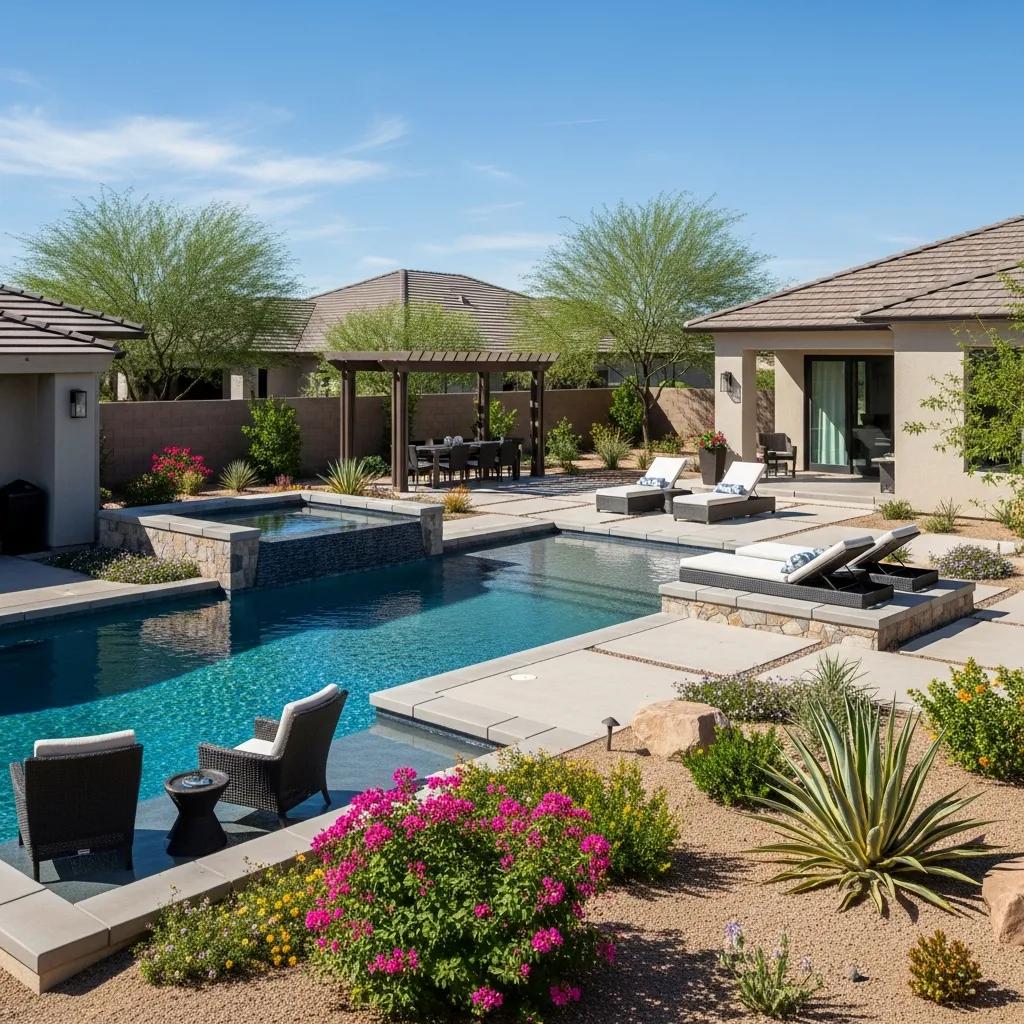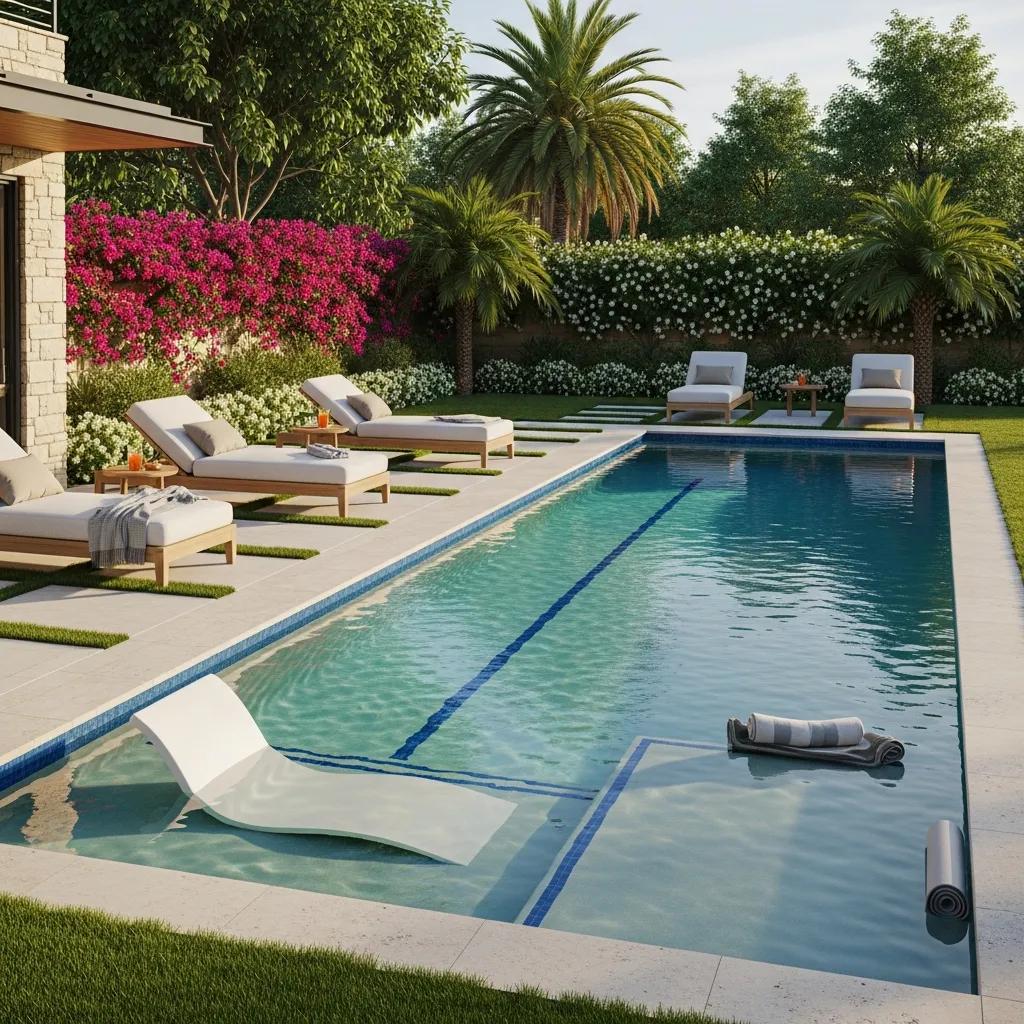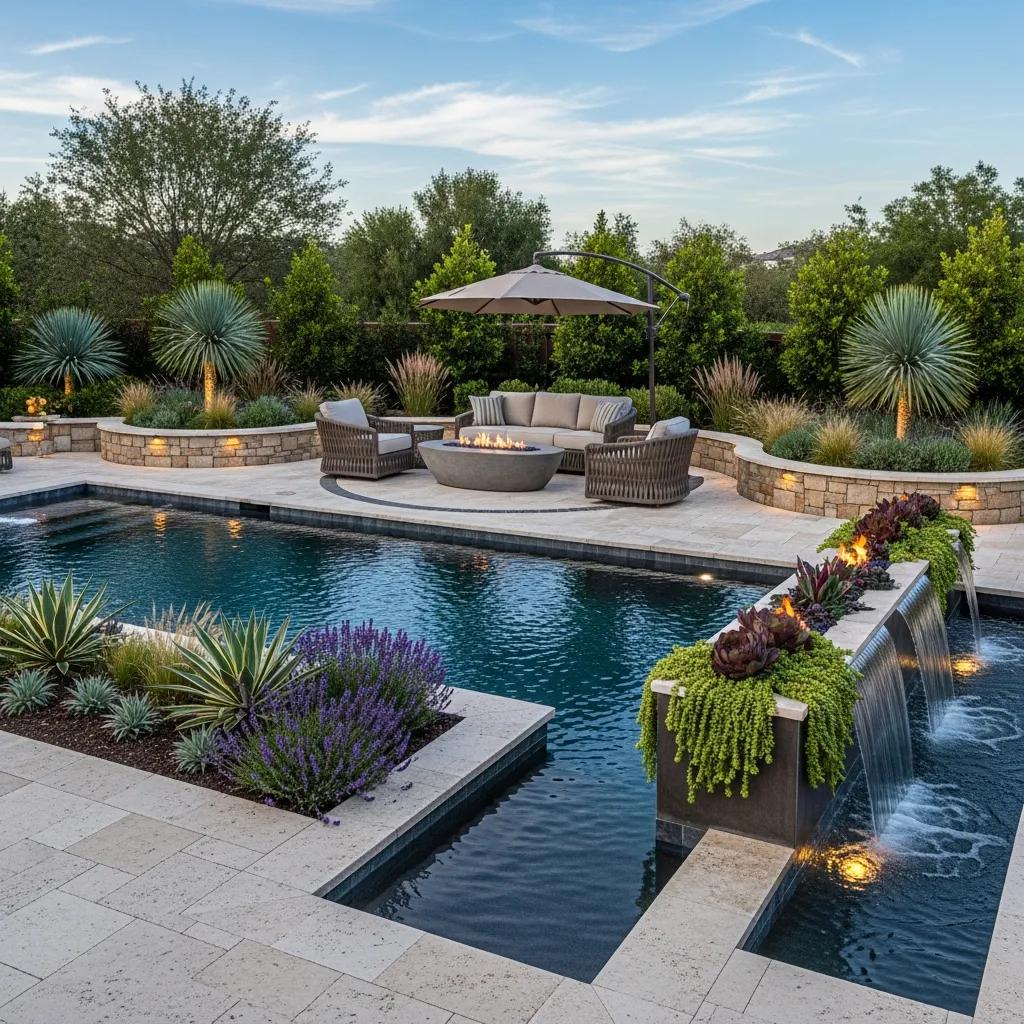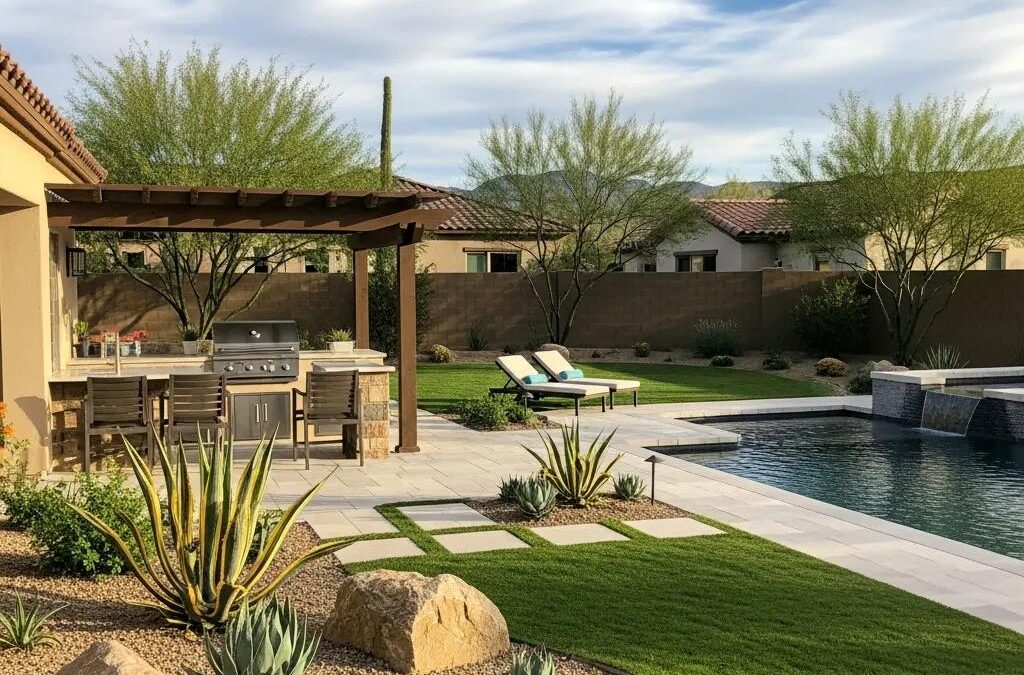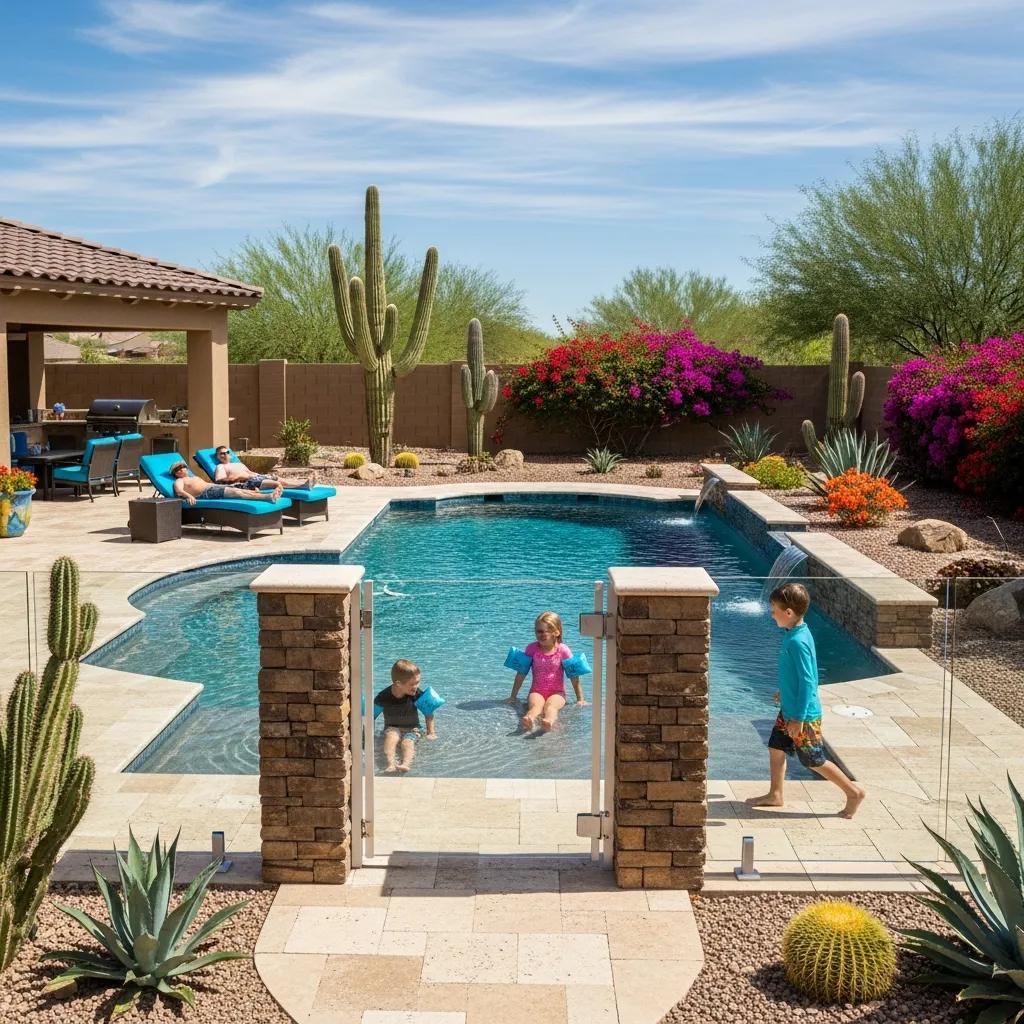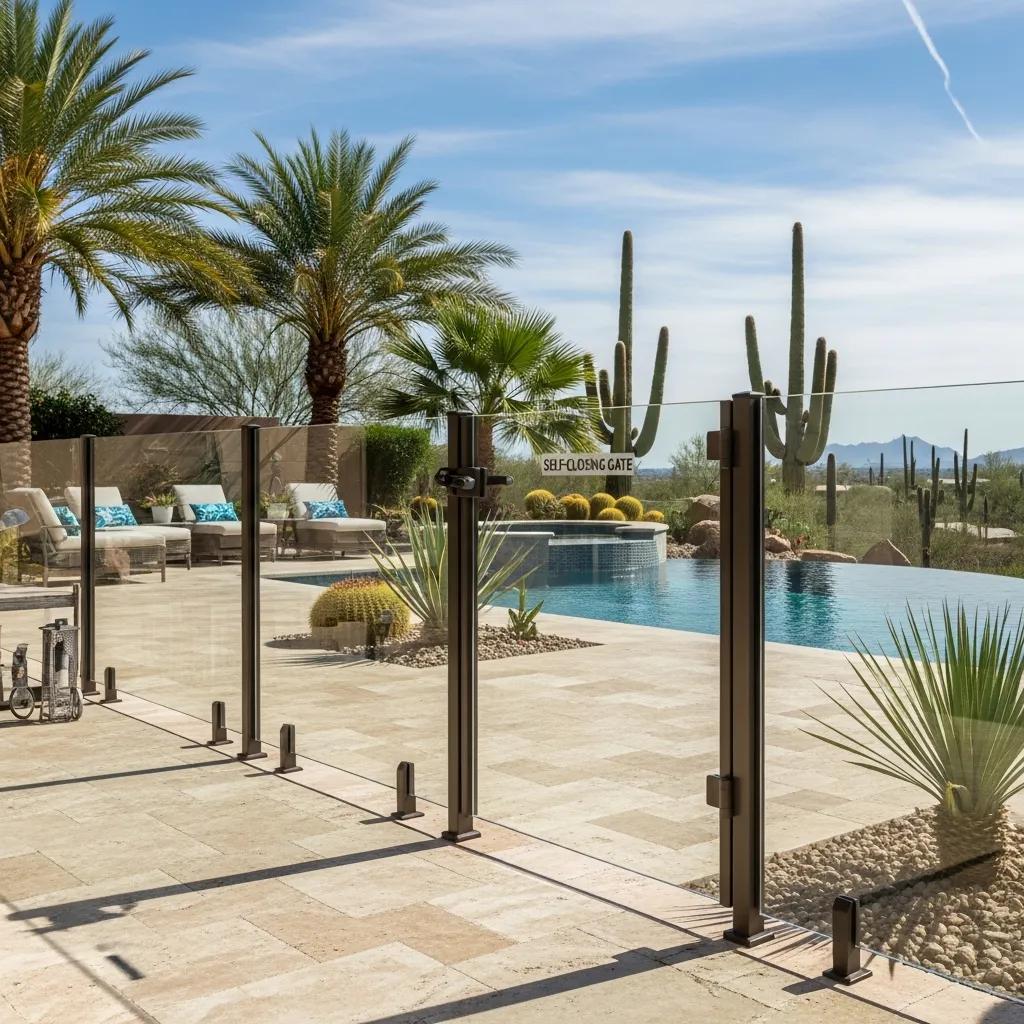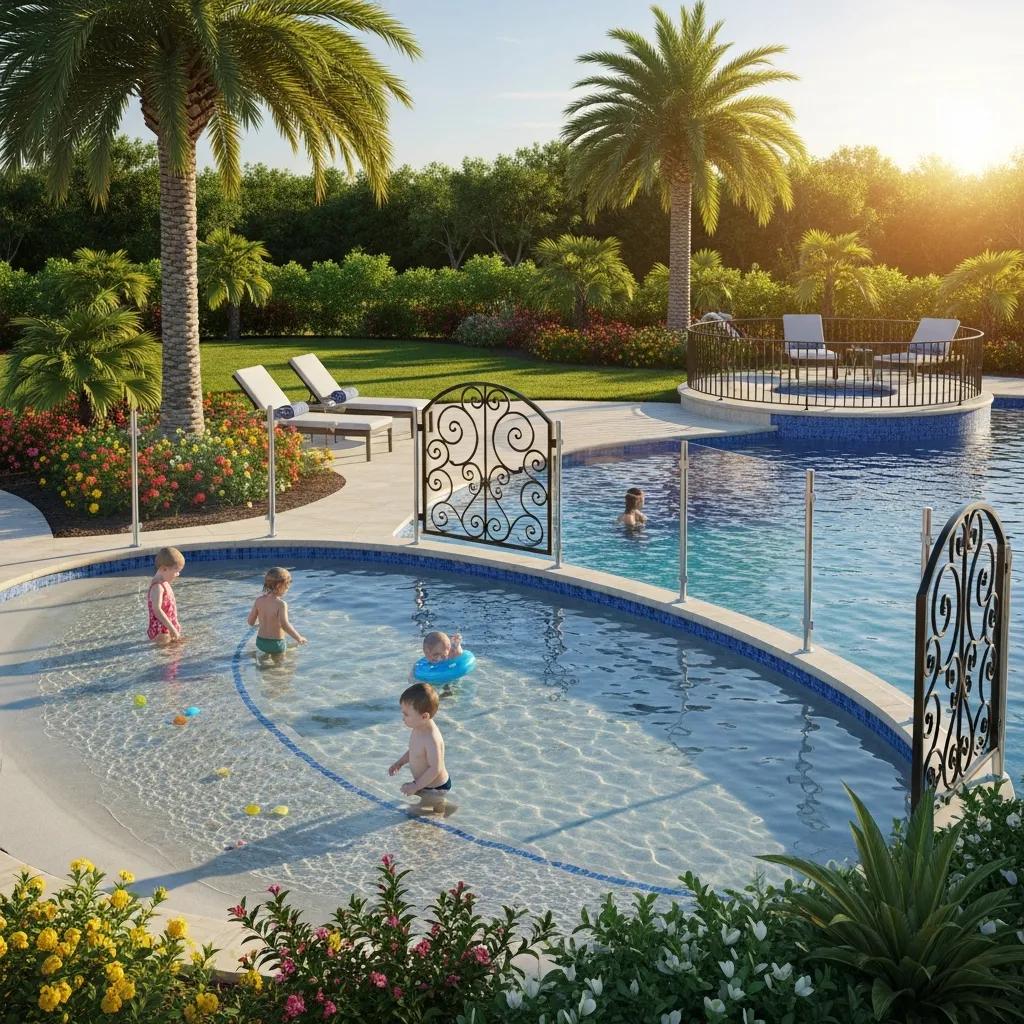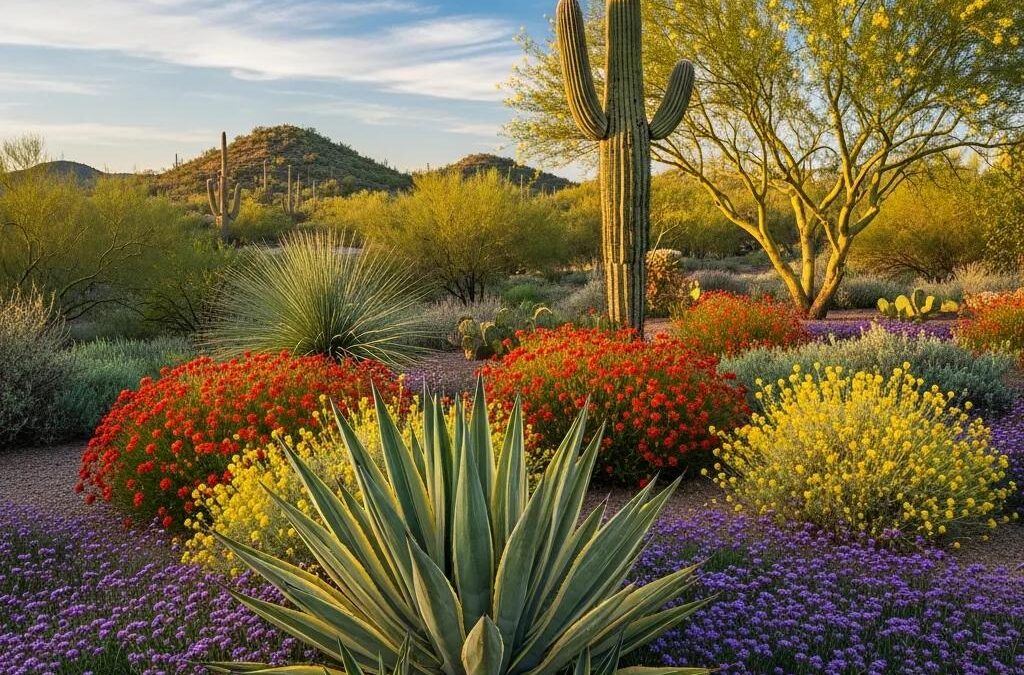
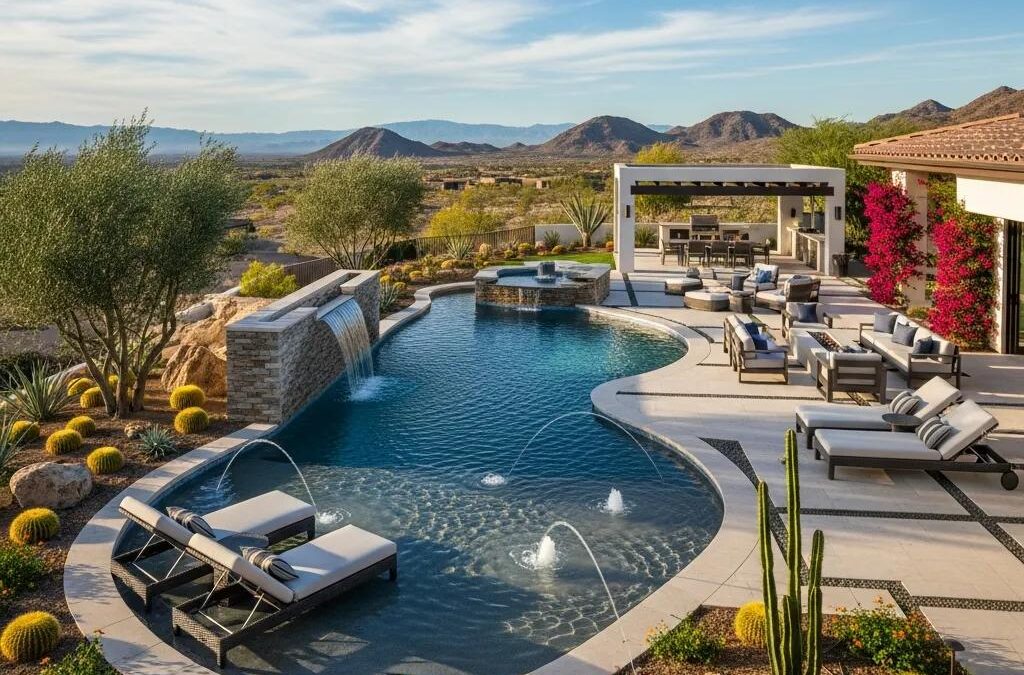
Pool & Landscaping Services in Fountain Hills, Arizona

Pool & Landscaping Services in Fountain Hills, Arizona
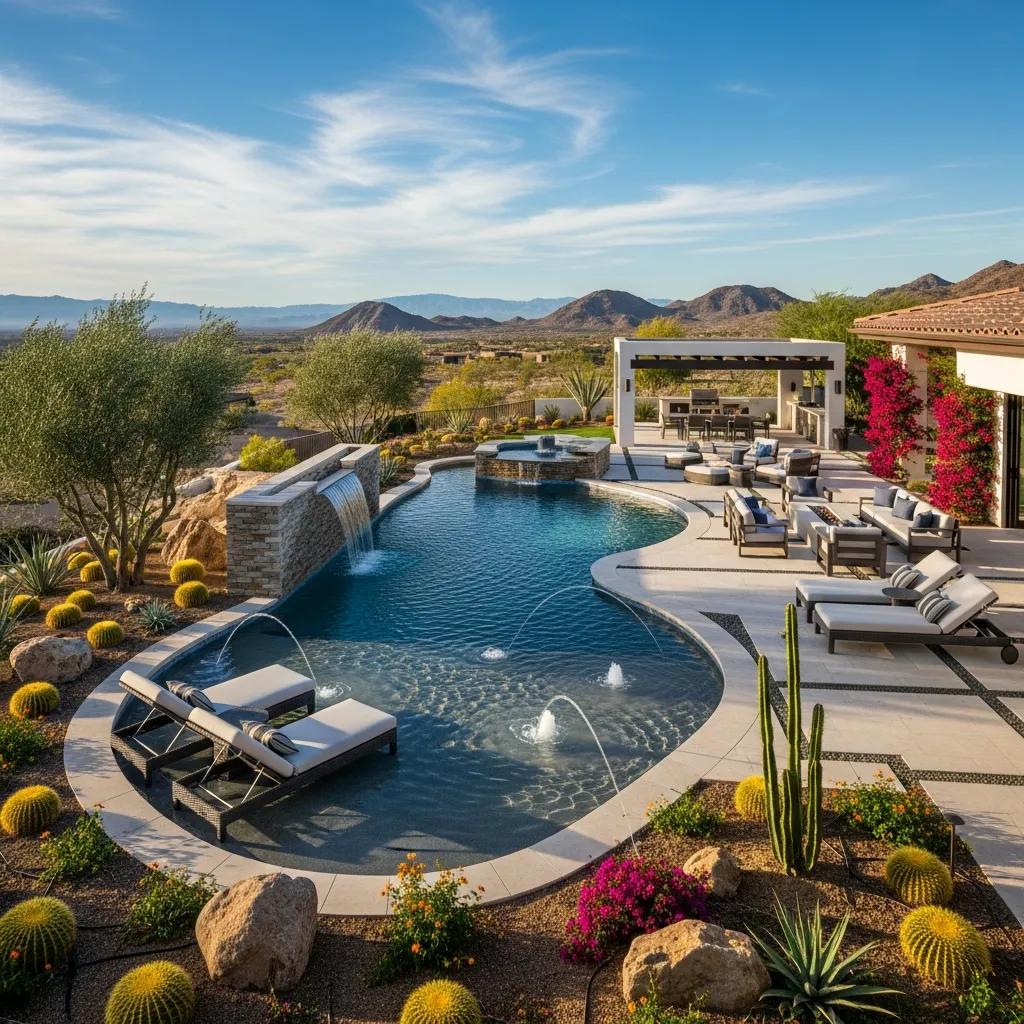
Luxury Pools & Landscapes in Fountain Hills, AZ — A Practical Guide to Custom Outdoor Living

Luxury outdoor living in Fountain Hills blends high-performance pool construction, thoughtful landscape design, and well-planned entertaining spaces to create private, resort-like backyards. In our desert environment that means designing for intense sun, sweeping mountain and valley views, and water-wise planting — while delivering engineered pool systems, refined finishes, and integrated hardscape that hold up year-round. This guide explains how luxury pool builders differ from typical contractors, how to plan a backyard remodel that marries pool and garden, what premium landscape architects provide, how to compare local full-service firms, and the seasonal maintenance that preserves value and performance. If you’re researching “backyard remodel Fountain Hills” or searching for a “Fountain Hills pool builder,” you’ll find practical checklists, feature comparisons, and clear service descriptions to help move a project forward. Read on for design trends, technical choices, vendor-vetting steps, and maintenance calendars that turn a vision into a durable, low-water outdoor living space.

What Makes a Pool Builder “Luxury” in Fountain Hills?
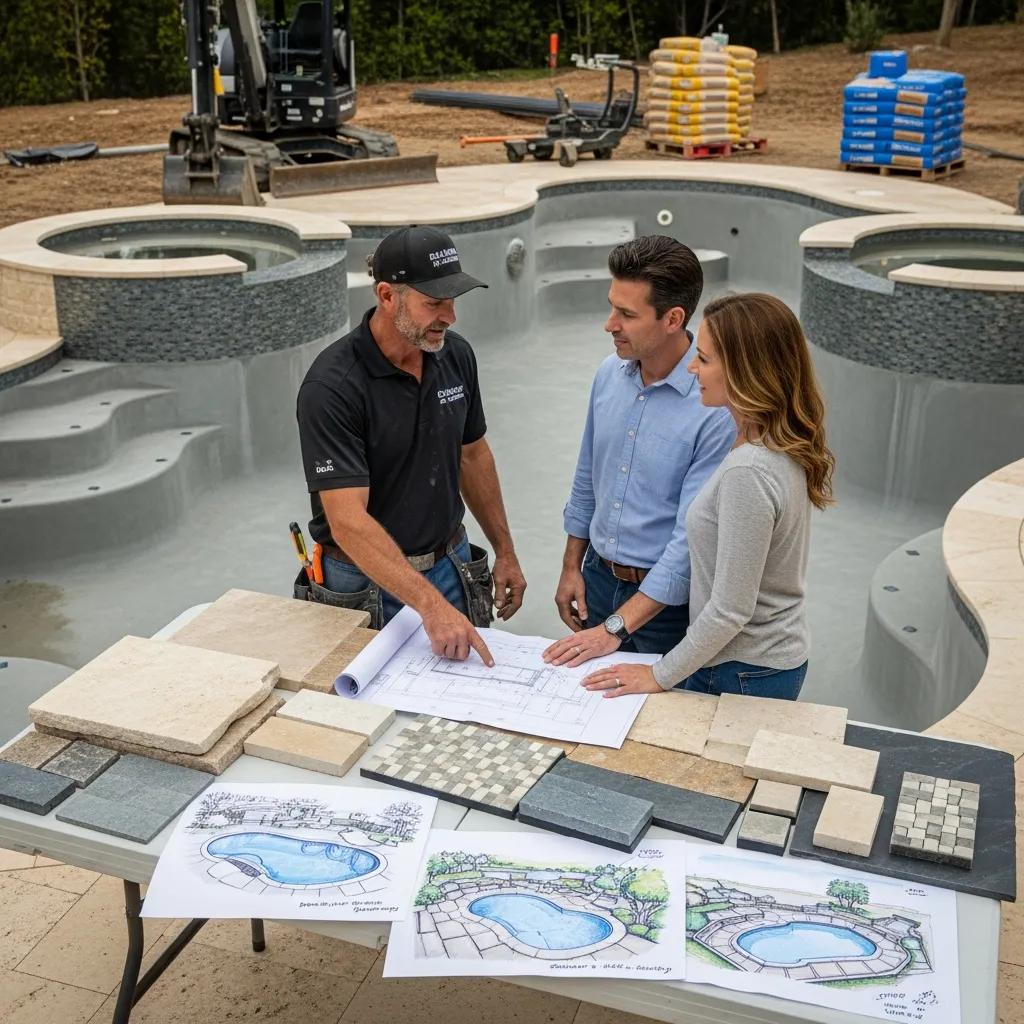
A luxury pool builder combines engineered construction, custom design skill, and local experience to create pools that perform in desert climates and suit upscale homes. That means structural expertise for custom shell geometries, advanced filtration and automation that keep water balanced with less hands-on work, and design fluency for integrated water features, premium finishes, and layered lighting. Local familiarity matters — soils, permits, shade strategies, and drought-tolerant plant palettes vary across Fountain Hills’ microclimates and elevations. Evaluating builders this way helps you look beyond sticker price to long-term value, maintenance needs, and how well the pool will fit your home and view.

Below are the hallmark features of high-end pools, plus the trade-offs and upkeep you should expect. The following subsection turns those features into concrete checklist items to review in portfolios and proposals.

Key Features of High-End Custom Pools

Premium pools pair striking visuals with durable systems that reduce routine headaches. Finish choices — exposed aggregate, pebble tec, or specialty plasters — affect water clarity, texture, stain resistance, and how often you’ll refinish. Water features such as infinity or vanishing edges and sculptural spillways deliver resort-style views but add structural complexity and higher circulation needs. Automation centralizes pumps, heaters, lighting, and chemical dosing for consistent chemistry and better energy use. Architectural lighting and integrated heating lengthen the season and sharpen evening sightlines. Remember: dramatic features increase cost and maintenance; premium finishes raise upfront expense but can reduce resurfacing frequency.

  • Key inspection points before hiring:

    Finish material specification: Confirm expected life span and a realistic refinish schedule.
    Filtration and automation details: Ask about energy use, remote monitoring, and chemical dosing integration.
    Structural drawings and approvals: Require engineered plans and a clear permitting strategy.

Choosing the Right Builder for Your Backyard Remodel

Hire with a structured vetting process: review recent, local portfolio projects; speak to references; evaluate project management; and insist on clear warranty and communication terms. Look for project examples that match your scale and style, and request close-ups of finishes and mechanical setups. Ask each contractor for a sample timeline with milestones and their typical update cadence so you know how construction will affect daily life. Verify warranty coverage on structure, finishes, and equipment, and confirm who handles permits and inspections. Red flags include vague timelines, unwillingness to share references, or contracts that omit scope details and change-order procedures.

  1. Portfolio review: Ask for recent Fountain Hills projects and detail photos of finishes.
  2. Reference checks: Speak with at least two past clients about communication, timelines, and punch-list resolution.
  3. Contract clarity: Make sure scope, payment schedule, and warranty terms are explicit.

A simple, repeatable vetting checklist reduces surprises and sets clearer expectations for outcome and schedule.

FeatureWhat it affectsConsideration
Infinity/vanishing edgeVisual continuity with the viewNeeds extra structural support and edge-return plumbing
Automation systemsOperational convenience & efficiencyLook for remote access, scheduling, and chemical dosing features
High-durability finishesLongevity and maintenance costPebble and aggregate finishes cut resurfacing frequency but cost more up front

This quick reference helps translate features into performance and maintenance expectations. Next we’ll show how to combine them into full backyard remodel packages.

How to Transform Your Backyard with a Custom Remodel
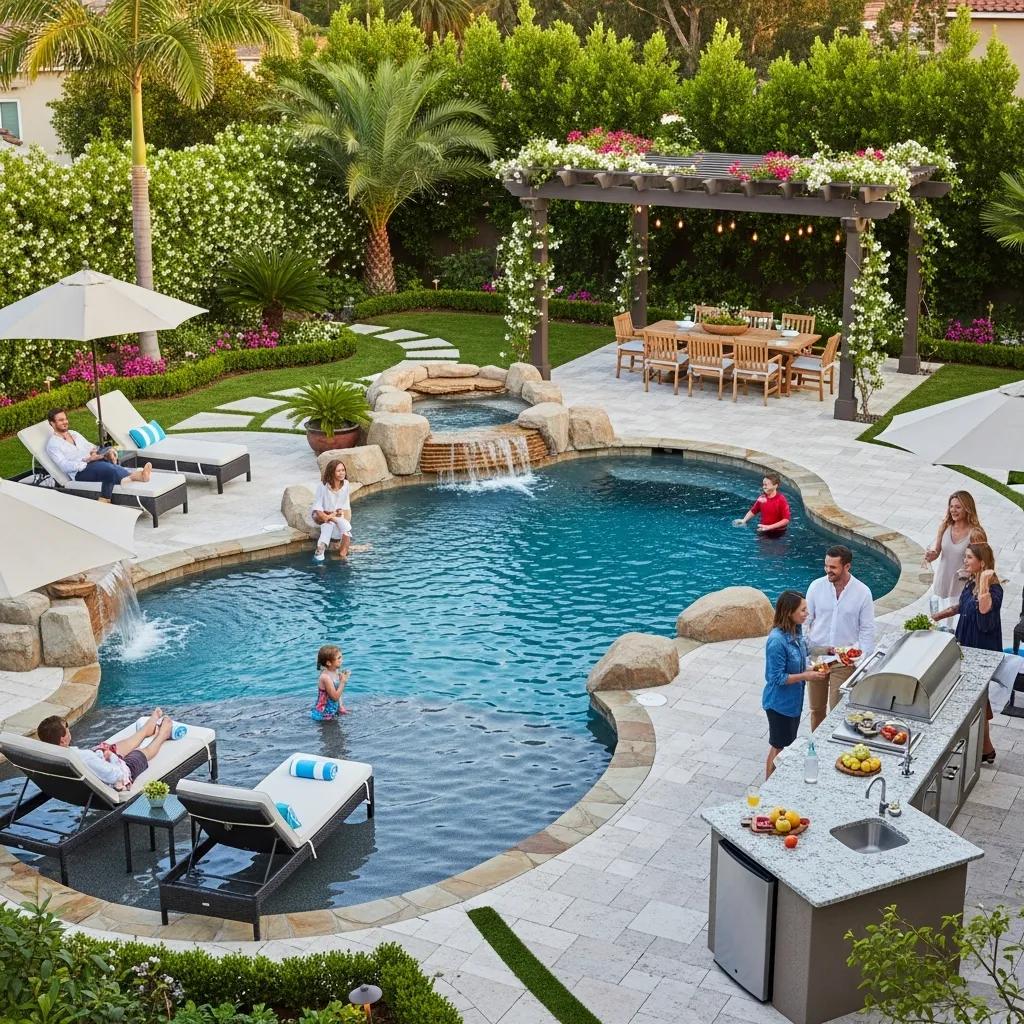
A remodel becomes transformative when pool, outdoor rooms, kitchens, and planting are designed as one system that supports how you live, protects sightlines, and improves climate resilience. Start with a program: name your primary uses (entertaining, wellness, play), pick an aesthetic (desert-modern or resort-style), and set water-use goals to guide hardscape-to-softscape balance. Typical phases move from concept and schematic design to construction documents and construction administration, with staged walkthroughs and finish selections. Budgets differ by features — spas, outdoor kitchens, and premium lighting add cost — so lock in core systems (shell, filtration, irrigation) before optional luxuries. Timelines vary by scope; permitting and grading regularly affect start dates in Fountain Hills.

Knowing neighborhood preferences — desert versus oasis styles, for example — helps define a backyard’s aesthetic direction during early design work.

Arizona Residential Landscape Design Preferences

A higher share of homeowners reported front-yard landscapes as “desert” style rather than oasis or mesic, especially in neighborhoods with CC&Rs. Many homeowners do prefer an oasis-style yard to a strictly desert or mesic one, showing a range of local aesthetic choices and constraints.

Residential landscaping in Phoenix, Arizona, US: Practices and preferences relative to covenants, codes, and restrictions, 2003

Common remodel packages make options easier to compare and guide milestone decisions.

  • Core pool renovation: Shell repair, upgraded filtration, and new finish.
  • Pool plus hardscape: New decking, retaining walls, and integrated lighting.
  • Full outdoor living: Pool, outdoor kitchen, shade structures, and full landscape design.

Local designers often lead with a consultative process: document site conditions, present concept options, and show case studies or galleries to clarify expected outcomes. This approach helps you understand budgets and timelines before construction starts — a design consultation is the logical next step for homeowners who want project-specific estimates and references.

Package ComponentIncluded TasksTypical Outcome
Concept DesignSite analysis, schematic plans, 3D visualsAligns your vision with site constraints
Construction DocumentsDetailed specs, permits, engineered drawingsEnables accurate pricing and permitting
Construction AdministrationOnsite supervision, punch-list, final walkEnsures the design is built as intended

This comparison clarifies the difference between simple renovations and integrated outdoor living projects, and shows how firms bundle services to simplify delivery.

Popular Design Trends in Fountain Hills Outdoor Living

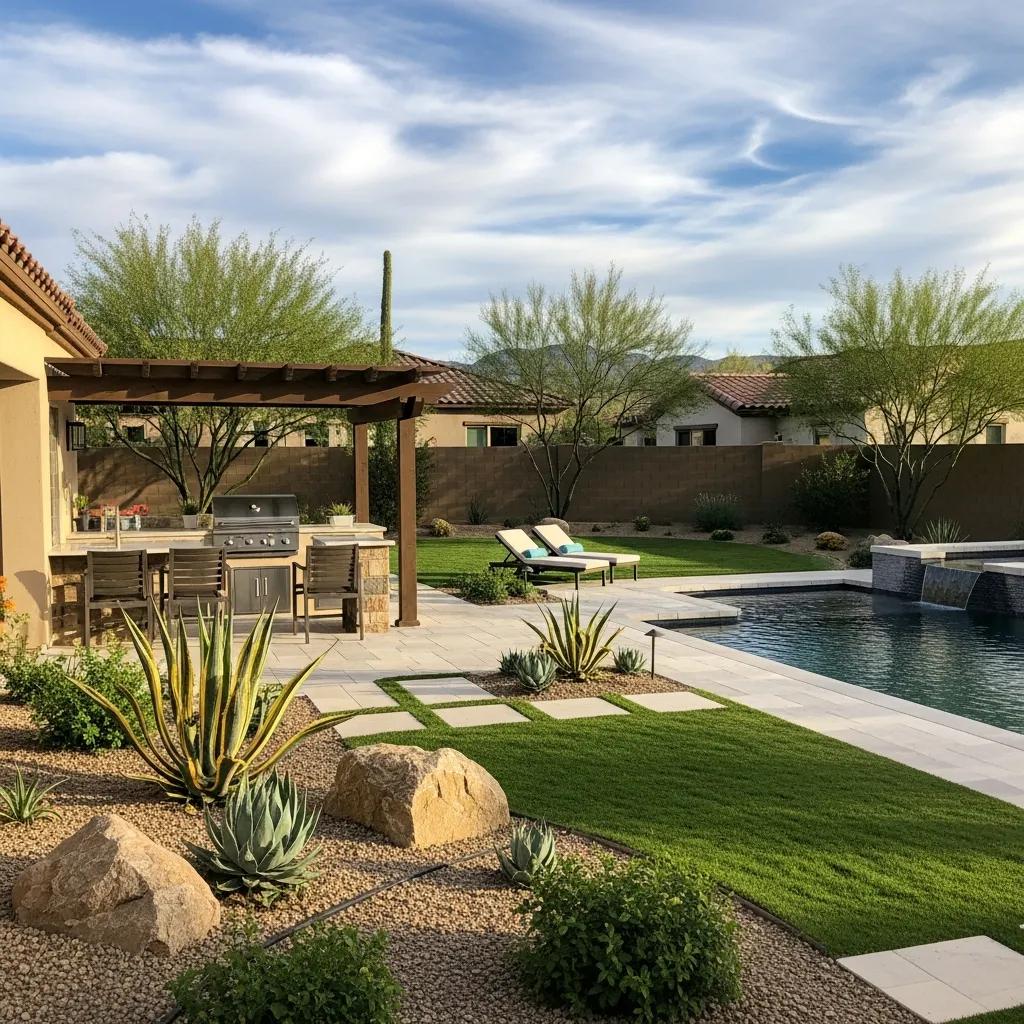
Locally, trends lean toward desert-modern palettes, clean lines, and resort-style amenities that maximize mountain and valley views while using less water. Materials such as textured natural stone, porcelain pavers, and composite decking are chosen for UV stability and low upkeep. Shade structures — pergolas or retractable canopies — sit near seating and kitchens to extend daytime comfort without blocking views. Pools now commonly include tanning ledges, built-in seating, and subtle negative-edge details that enhance vistas. These choices balance luxury with durability under strong sun and influence both cost and maintenance expectations.

Thoughtful hardscape layouts and material selection are proven strategies to make outdoor spaces more comfortable in hot, arid climates.

Hardscape Design for Thermal Comfort in Arid Climates

Landscape design that considers solar exposure and surface heat can significantly improve outdoor thermal comfort. Studies show how different layouts and materials change reflected solar energy and mean radiant temperature, affecting how usable outdoor spaces feel in hot, dry places.

… landscape design parameters with high reflective hardscapes: guidelines for optimizing human thermal comfort in outdoor spaces — a case on hot arid climate, RA Abdelwahab, 2025

Material questions to raise with designers:

  1. UV resistance and color stability: Use finishes rated for desert sun exposure.
  2. Slip resistance and heat performance: Choose decking that stays comfortable underfoot.
  3. Maintenance cycle: Clarify resealing, refinish, and irrigation expectations.

These choices feed directly into the specifications landscape architects and builders provide.

Integrating Pools and Landscaping for a Cohesive Result

Integration means matching pool geometry, plant choices, hardscape materials, and lighting so the yard feels unified, protects privacy, frames views, and saves water. Plant palettes favor drought-tolerant and native species to cut irrigation needs while adding texture and seasonal interest. Grading ties hardscape to drainage and sightlines to protect equipment and move runoff away from structures. Lighting layers ambient, task, and accent fixtures to extend usable hours and highlight focal points after dark. Integration requires coordination between pool builders, landscape architects, and irrigation pros so systems complement each other instead of competing.

  1. Zoning: Group cooking, dining, and lounging areas for smooth flow.
  2. Sightline management: Use low planting and graduated heights to keep views open.
  3. Irrigation zoning: Separate drip zones from turf to reduce water waste.

Smart, coordinated planning lowers the risk of costly rework and creates a backyard that fits Fountain Hills’ setting.

Services High-End Landscape Architects Provide in Fountain Hills

Top landscape architects offer a full spectrum of services from concept through construction administration, making sure aesthetic goals meet technical needs like grading, drainage, and irrigation. Early phases include site analysis, master planning, and material boards; schematic design refines layout and activity zones; construction documents deliver planting plans, irrigation schematics, and contractor specifications. Architects also coordinate permits, work with civil engineers on grading and drainage, and manage contractors during construction to protect design intent. Sustainability measures — water-wise plant palettes, permeable paving, and efficient drip irrigation — are common to achieve low water use without sacrificing beauty.

Typical services you can expect from premium landscape architects in Fountain Hills:

  • Master planning and schematic design: Define program and layout.
  • Planting plans and specifications: Select native and drought-adapted species.
  • Construction administration: Provide oversight and quality assurance during build.

Knowing these services helps homeowners set budgets and decide whether they need full architectural scope or targeted design help. The next section explains how architects balance function with aesthetics.

Designing Functional, Beautiful Outdoor Spaces

Good outdoor design balances activity zones, circulation, and privacy while highlighting views that make Fountain Hills properties special. Design separates active areas — cooking, play, pool — from quiet spaces for reading or dining, and organizes movement so guests flow naturally between zones. Sightlines are shaped with purposeful planting, low walls, and pergolas that frame rather than block vistas. Material choices — stone vs. poured concrete, gravel vs. synthetic turf — influence upkeep and long-term appearance, so designers recommend palettes that age well under strong sun. Designers regularly ask about your activities, entertaining frequency, and maintenance tolerance so the final plan fits how you live.

  1. Activity zoning: Define primary and secondary uses to improve function.
  2. Privacy and screening: Use vertical elements to buffer noise and neighbor views.
  3. Material selection: Pick finishes designed for local climate stresses.

These practical decisions shape plant choices and sustainable material selections covered next.

Choosing Native Plants and Durable Materials

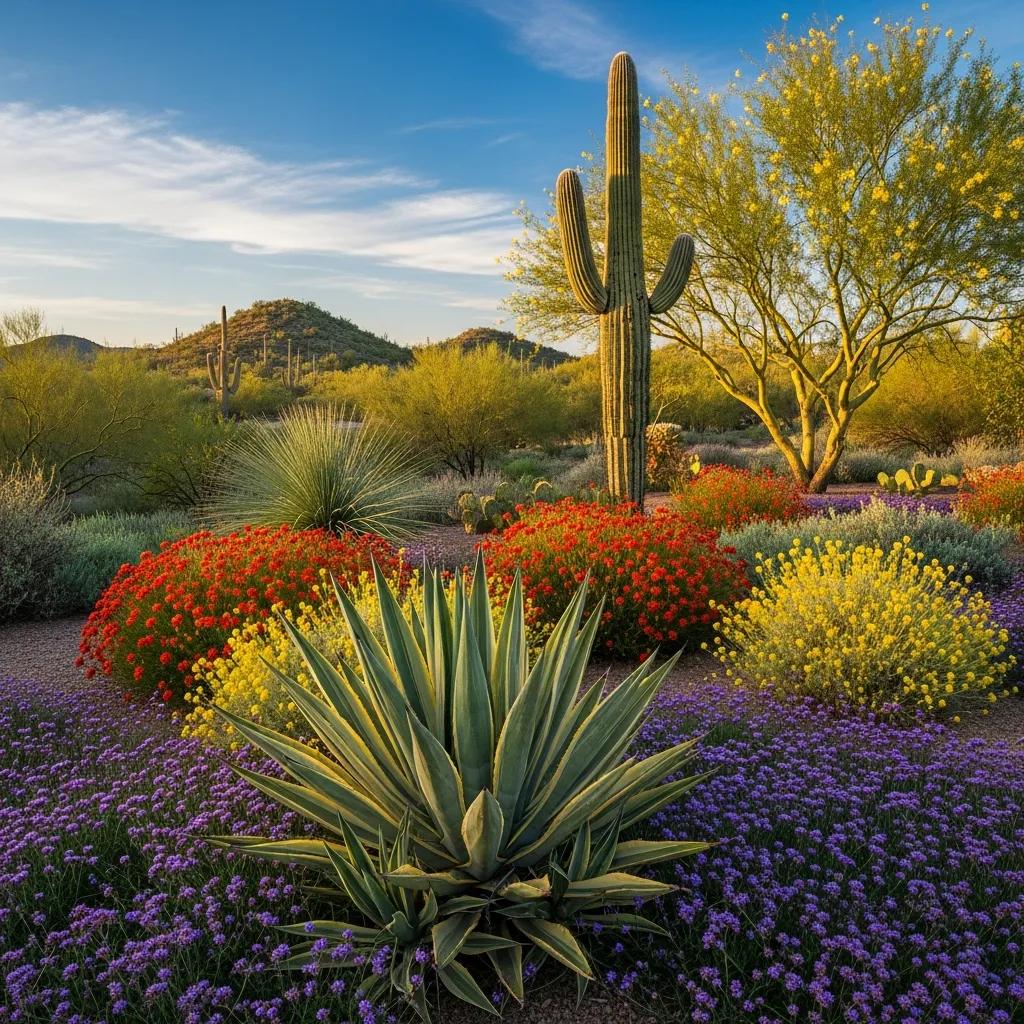
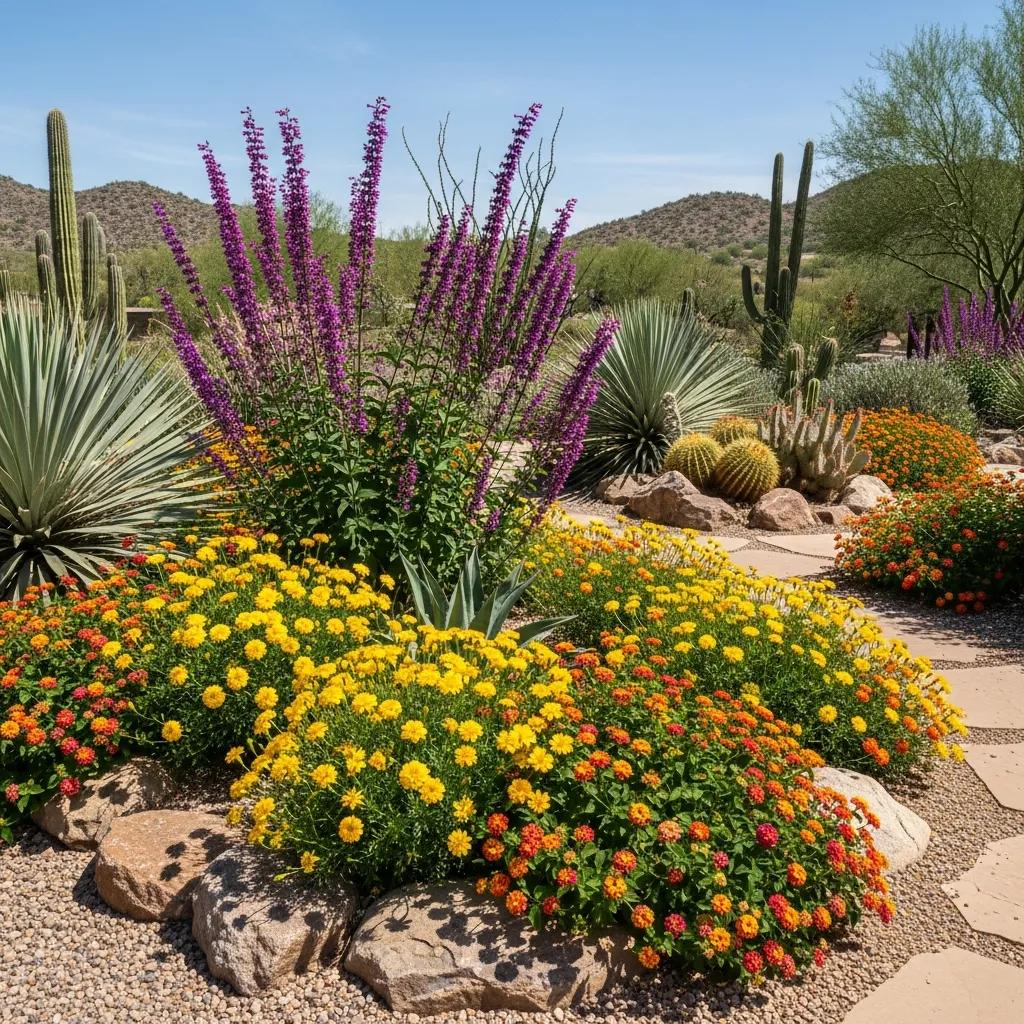
Native and desert-adapted plants reduce irrigation needs, support local ecology, and simplify care in Fountain Hills’ arid climate. Suitable categories include succulents, drought-tolerant shrubs, and ornamental grasses that give year-round structure and seasonal color with minimal supplemental water. Sustainable hardscape options — permeable pavers, recycled aggregates, and long-life composite decking — cut environmental impact and lifecycle maintenance. Irrigation should use zoned drip systems with smart controllers to conserve water during peak heat. Together these choices lower total ownership costs and keep yards attractive with predictable care.

Sustainable planting and material tips:

  1. Prioritize natives: Reduce supplemental irrigation and disease pressure.
  2. Use drip irrigation: Water deeply and infrequently to encourage healthy roots.
  3. Choose durable materials: Select finishes rated for UV exposure and thermal stability.

These specifications feed into procurement and construction documents that landscape architects prepare for contractors.

Service PackageAttributeValue
Concept & SchematicDesign intent and zoningClarifies program and vision
Construction DocumentsFull specifications and drawingsEnables accurate contractor bids
Construction AdministrationOnsite oversight and quality checksProtects design execution and warranty compliance

Use this comparison to set expectations for deliverables and outcomes when hiring architects or design-build teams. The next section explains how to evaluate full-service companies.

Which Local Firms Deliver Complete Pool + Landscape Solutions?

When comparing companies, favor integrated providers that offer design, construction, and maintenance as a single coordinated service rather than stitching together separate contractors. Full-service firms manage pool shells, mechanical systems, hardscape, planting, and ongoing landscape care so equipment, irrigation, and finishes operate as a system. Compare proposals for included design hours, construction management, warranty coverage, and which trade warranties transfer to the homeowner. Look for case studies showing similar site challenges and ask for local references. Hiring Fountain Hills experts familiar with permitting and soils reduces schedule risk and costly change orders.

Evaluate companies side-by-side on scope, warranty, and portfolio verification.

  • Design integration: Do they offer both pool and landscape design in-house?
  • Construction management: Is there a dedicated project manager and formal schedule?
  • Maintenance offerings: Are seasonal care plans and automated monitoring available?

The table below outlines typical package elements and why they matter when selecting a comprehensive provider.

Package ElementCharacteristicImpact for Homeowner
DesignHours, 3D visuals, documentationMore clarity and fewer changes during construction
ConstructionProject manager, subcontractor coordinationSingle point of responsibility reduces delays
MaintenanceScheduled visits, equipment checksPreserves performance and extends system life

Local firms that act as both design resource and delivery partner usually promote a consultative, design-first process with galleries, case studies, and a clear call to schedule a site assessment. If you’re ready to move from inspiration to estimate, request a design consultation to review site constraints, budget priorities, and relevant portfolio examples before committing to construction.

Comparing Service Packages and Customer Reviews

Digging into reviews and package details reveals real differences between narrow specialists and integrated teams. Prioritize reviews that mention clear communication, meeting timelines, post-construction follow-up, and how warranty issues were resolved. In proposals, confirm included items like engineered drawings, irrigation plans, lighting specifications, and punch-list completion. Watch for quotes that omit finish allowances or hide necessary mechanical upgrades as change orders. Ask for a written timeline and a list of subcontractors — that transparency helps avoid surprises.

  1. Validate reviews: Ask for references for similar-scale Fountain Hills projects.
  2. Compare inclusions: Verify mechanical, electrical, and plumbing scopes are explicit.
  3. Watch for red flags: Vague scopes, missing warranties, or few local references.

A careful comparison reduces risk and highlights providers capable of long-lasting, integrated results.

Why Hire Local Experts for Pool & Landscape Work

Local teams bring practical knowledge about permitting timelines, drought-resilient planting, and microclimate nuances that out-of-area firms may miss. They have working relationships with municipal reviewers and hands-on experience with local soils and slopes, which can speed approvals and anticipate site challenges. Local providers also respond faster for warranty work and maintenance, and they can point to nearby case studies. For homeowners focused on long-term value and lower upkeep, hiring a local integrated team typically delivers smoother construction and better post-occupancy support.

  • Permitting familiarity: Faster plan approvals and fewer revisions.
  • Climate-tailored solutions: Plant and material choices suited to local conditions.
  • Responsive maintenance: Quicker service visits and warranty support.

These advantages often tip decisions toward comprehensive local firms when seamless execution and long-term service matter most.

How to Maintain a Luxury Pool and Landscape in Fountain Hills

Upkeep in Fountain Hills centers on water management, equipment care, seasonal checks, and plant health strategies tuned to arid conditions. Pools need steady chemical balance, regular filtration service, and periodic inspection of seals and automation to prevent algae and equipment strain during hot months. Landscapes benefit from smart irrigation scheduling, seasonal pruning of drought-adapted plants, and mulching to limit evaporation. Professional maintenance packages typically include scheduled pool service, smart-controller irrigation tuning, seasonal planting inspections, and periodic equipment tune-ups. A proactive calendar prevents emergencies and keeps finishes and plantings looking their best.

SeasonTaskRecommended Frequency / Who
SpringStart-up: inspect equipment, balance water, clean filtersOne-time start-up by a pool technician
SummerDaily/weekly water chemistry checks, filter cleaning, irrigation adjustmentsWeekly homeowner checks + monthly professional service
FallLower waterline tasks, inspect lighting and heaters, prune perennialsMonthly checks; professional tune-up before winter
WinterWinterize sensitive systems, protect equipment from cold snaps, set irrigation backOne-time prep by contractor or landscaper

This seasonal summary makes responsibilities easy to scan and shows when DIY is appropriate versus a pro visit. The next section gives specific seasonal tips for pools and gardens.

Seasonal Care Tips for Pools and Gardens

Spring start-up should include equipment inspection, surface cleaning, filter servicing, and baseline water chemistry after winter. In summer, higher evaporation and bather loads demand more frequent chemical checks, shade strategies, and pump cycle optimization to maintain circulation and reduce energy use. Fall tasks include leaf removal, heater and lighting checks, and dialing back irrigation for cooler conditions. Winter prep focuses on protecting pumps and automation from temperature swings and reducing irrigation to avoid overwatering. For landscapes, seasonal pruning, fresh mulch, and soil checks improve drought resilience and reduce pest pressure.

  1. Spring start-up: Service pumps, balance chemicals, and clean filters.
  2. Summer peak care: Increase chemistry checks and optimize pump schedules.
  3. Fall/winter prep: Protect equipment and reduce irrigation cycles.

Keeping a regular seasonal routine extends equipment life and preserves plant health. When tasks exceed your time or skill, schedule professional maintenance visits.

Professional Maintenance Services Available Locally

Local maintenance plans commonly bundle pool care, irrigation tuning, and landscape upkeep into recurring packages that simplify ownership. Options range from basic weekly pool service to full-service plans that include irrigation audits, seasonal plant care, and quarterly equipment inspections. When comparing plans, confirm what each visit covers, whether parts and chemicals are included, and how emergency calls are handled. A Fountain Hills provider will set irrigation points for local conditions, recommend drought-tolerant replacements, and coordinate pool and landscape schedules to avoid conflicting watering.

What to look for in maintenance plans:

  1. Scope clarity: Confirm what’s included and how often visits occur.
  2. Parts and chemicals: Know which items trigger extra charges.
  3. Emergency response: Verify typical response times and escalation steps.
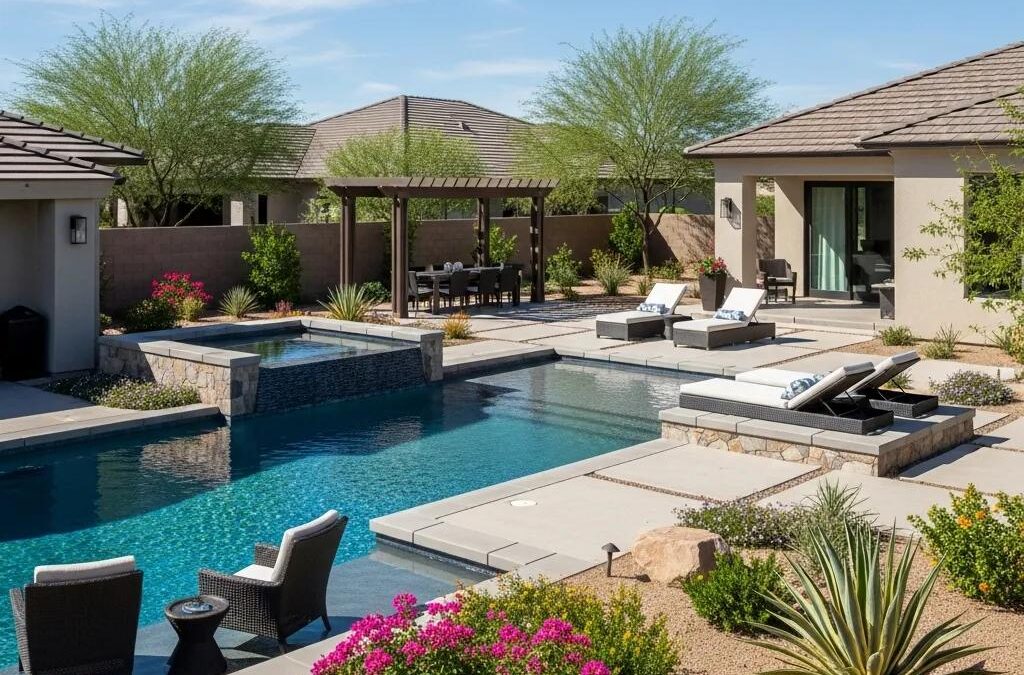
Professional maintenance protects your investment and reduces lifecycle costs by keeping mechanical systems and planting in balance.

Frequently Asked Questions

What are the benefits of integrating a pool and landscaping design?

Integrated design creates a cohesive backyard where pool, hardscape, planting, and lighting work together. It improves sightlines and privacy, makes watering more efficient, and results in a more usable space for entertaining and daily life. Coordinated systems also reduce maintenance conflicts and help the entire yard age more gracefully.

How can I ensure my luxury pool is energy efficient?

Choose variable-speed pumps, LED lighting, and smart automation that schedules equipment by use. Consider solar heating where it makes sense, and use pool covers to cut heat loss and evaporation. Regular maintenance — clean filters, check for leaks, and optimize pump run times — keeps systems efficient over time.

What types of plants are best suited for a desert landscape in Fountain Hills?

Pick drought-tolerant and native species: succulents, cacti, red yucca, desert marigold, and ornamental grasses perform well with minimal supplemental water. Group plants by water need to simplify irrigation and choose species that provide year-round structure and seasonal interest.

What should I look for in a maintenance package for my pool and landscape?

Look for defined visit tasks and frequency, clarity on whether parts and chemicals are included, and an emergency response policy. Good plans tie pool and irrigation schedules together and include seasonal tune-ups to prevent failures.

How often should I perform maintenance on my luxury pool?

Frequency varies by season: a spring start-up, weekly checks through summer, monthly inspections in fall, and a winter prep. Many homeowners pair weekly or biweekly pool service during heavy use with monthly professional inspections year-round.

What are the latest design trends for outdoor living spaces in Fountain Hills?

Current trends favor desert-modern design, natural materials, multifunctional pools with tanning ledges, integrated outdoor kitchens, and shaded seating areas. Sustainable approaches — drought-resistant plants and permeable paving — are growing in popularity as homeowners aim to reduce water use without sacrificing style.

Conclusion

Well-executed pool and landscape work in Fountain Hills delivers a more livable, valuable backyard that respects the desert climate. By understanding key features, current trends, and seasonal care, you can make informed choices that match your lifestyle and maintenance tolerance. Working with local experts ensures solutions tailored to the area’s soils, views, and water restrictions. Ready to move forward? Schedule a design consultation to review your site, priorities, and budget and translate ideas into a buildable plan.

Phoenix Backyard Transformation: Custom Pool & Landscape Case Study

Phoenix Backyard Transformation: Custom Pool & Landscape Case Study

Phoenix Luxury Backyard Transformation — Custom Pool & Landscape Case Study for Upscale Outdoor Living

Combining bespoke pool architecture with climate-smart landscaping turns an underused Phoenix yard into a year-round outdoor living area built for entertaining, health, and long-term value. This case-study style article walks through how custom pools and integrated landscapes create distinct living zones, handle desert climate limits, and raise resale appeal through smart material and layout choices. You’ll find the signature elements of high-end remodels, a step-by-step look at how projects move forward in Phoenix, measurable homeowner benefits, common challenges and how to avoid them, guidance for selecting a luxury landscape architect, and the design trends shaping upscale backyards today. Practical outcomes — more usable outdoor space, energy and water savings, and an improved lifestyle — are emphasized throughout with project examples and comparison notes. For homeowners ready to explore options, a local Phoenix pool and landscape firm can provide a consultation and portfolio review to define next steps. First, let’s outline the key features that define a luxury Phoenix backyard transformation.

Sustainable practices and climate-resilient design are now central to what buyers and homeowners consider true luxury in outdoor projects.

Luxury Home Design: Sustainable Landscape & Climate Resilience

This study reviews design features found in contemporary luxury houses using case-study analysis. It highlights seven key elements—security, spatial volume, material selection, façade and interior design, courtyards, and landscape—showing how careful detail and sustainable strategies shape both aesthetics and livability. The research underscores that sustainable, passive design approaches improve environmental performance and help luxury homes withstand extreme weather over time.

Applicability of Architectural Design Features in Contemporary Luxury Houses, MWH Jyi, 2023

What Are the Key Features of a Phoenix Luxury Backyard Transformation?

A luxury Phoenix backyard centers on a set of signature features that deliver comfort, function, and visual drama in a desert setting. Expect purpose-built pool types and water elements, full outdoor living areas like kitchens and fire features, plant palettes and materials chosen for heat and UV resistance, layered lighting and automation for evening use, and a smooth hardscape-to-softscape flow that maximizes usable square footage. Designers pick features — an infinity edge, integrated spa, or plunge pool — to craft sightlines and multiuse zones that make the yard feel like an extension of the home. The list below highlights the defining components and how each supports both lifestyle and marketability.

The outdoor kitchen has become a defining feature in upscale backyards, turning yards into true extensions of the home.

Outdoor Kitchens: Luxury Backyard Remodeling & Living Spaces

In recent decades, homeowners have embraced outdoor kitchens as a way to expand living space and entertain outdoors. Once an occasional upgrade, the outdoor kitchen is now common in high-end projects—customized to each site with appliances and work areas that suit the owner’s lifestyle. These open-air cooking spaces reclaim underused backyard areas and make outdoor living more practical and social.

Making the Great Outdoors Better:: the outdoor kitchen and the changing design of American luxury, 2009

Typical elements of a luxury Phoenix backyard include:

  1. Signature Pool Types: Custom geometry, negative-edge (infinity) pools, or plunge pools that anchor the design and support diverse activities.
  2. Outdoor Living Amenities: Built-in kitchens, covered lounges, and fire features that extend entertaining and everyday comfort.
  3. Climate-Adapted Landscaping: Drought-tolerant plantings, shade trees, and permeable surfaces to cut water use and lower heat gain.
  4. Lighting & Automation: Layered LED lighting and pool automation that allow safe, energy-aware night use.
  5. Integrated Hardscape/Softscape Flow: Coordinated paving, retaining walls, and plantings that guide movement and create outdoor “rooms.”

These elements form the structural and experiential framework; next we look at how custom pool design specifically expands outdoor living through shape, materials, and function.

How Does Custom Pool Design Enhance Outdoor Living Spaces?

A thoughtful pool design creates layered zones for relaxation, exercise, and entertaining by varying shape, depth, and adjacency to activity areas. Shallow tanning ledges invite lounging, a lap lane supports fitness, and a connected spa adds year-round comfort — together they let a backyard serve multiple purposes. Pool shell and interior finishes influence the water’s color and thermal behavior, while decking and coping define circulation and furniture placement to extend living space. Good sightline planning ties pool edges to gathering areas and landscape focal points, and automation ties lights and water features together so the mood shifts easily from daytime calm to evening entertaining. These design links naturally lead into the landscape choices that support pool comfort and performance.

What Landscape Elements Complement a High-End Pool Remodel?

Complementary landscape elements focus on water-wise planting, durable heat-resistant hardscapes, and well-placed shade that increase comfort without competing with the architecture. Drought-tolerant palettes — native shrubs, succulents, and strategically sited shade trees — reduce irrigation needs while adding texture through the seasons and working with the pool’s microclimate. Hardscape options like natural stone, textured pavers, or composite decking are chosen for lower heat retention and long life in intense sun, and they coordinate visually with coping and pool finishes. Shade structures — pergolas, cantilevered roofs, or deciduous trees — are placed to give afternoon relief and lower solar gain on adjacent living areas. Choosing materials and plants with maintenance and sightlines in mind yields a resilient, usable luxury backyard.

How Is a Custom Pool and Landscape Design Executed in Phoenix?

A Phoenix pool and landscape build follows clear phases: on-site assessment, design development, permitting, construction, and commissioning — each stage tuned to local climate, utilities, and HOA rules. Early site analysis documents solar orientation, existing shade, drainage, and utility conflicts so concept options match homeowner goals and realistic budgets. Design development refines pool types (infinity, lap, plunge), materials, and systems — filtration, heating, automation — while permitting coordinates with local authorities and utility locates. Construction moves from excavation to shell installation, finishes, hardscape, planting, and system commissioning; warranties and maintenance planning round out the handover. The table below summarizes typical phases, core activities, and the main time/cost drivers owners should expect.

PhaseKey ActivitiesEstimated Time / Cost Drivers
Pre-Design & Site SurveyProgram definition, site analysis, solar/orientation study2–4 weeks; site complexity, surveys
Design & PermittingConcept design, detailed plans, HOA/permit approvals4–10 weeks; permit lead times, revisions
Construction & CommissioningExcavation, shell, finishes, systems, landscaping8–20+ weeks; scope, materials, subcontractor scheduling

Knowing this end-to-end flow helps homeowners plan realistic timelines and contingencies; below we break the planning steps into actionable items.

What Are the Steps in Planning a Phoenix Pool Remodel?

Planning a Phoenix pool remodel follows a clear checklist: site evaluation, concept exploration, budget alignment, and milestone decisions that move the project from idea to permit-ready drawings. Start with a detailed site survey and an interview to capture your priorities — entertaining, wellness, or low-maintenance — and to document constraints like existing structures or easements. Concept design explores pool types and landscape strategies with schematic options and preliminary cost estimates so scope and budget match. Detailed design and engineering produce the construction drawings for permits. Final homeowner choices cover pool finishes, coping, decking, plant palettes, and mechanical systems — all of which shape cost and schedule. Following this roadmap reduces surprises and clarifies decision points before construction begins.

This checklist summarizes planning priorities:

  1. Conduct a site survey and stakeholder interview to define program and constraints.
  2. Develop concept designs with rough cost estimates to align scope and budget.
  3. Finalize detailed design, engineering, and prepare permit-ready drawings.

Sticking to these steps smooths permitting and construction by resolving technical questions early.

Which Materials and Styles Are Popular Among Luxury Landscape Architects in Phoenix?

Landscape architects here favor materials and styles that marry modern aesthetics with heat resistance and low maintenance. Popular directions include modern desert, Mediterranean, and resort-inspired palettes using natural stone, exposed aggregate concrete, and durable composite decking. Pool interior finishes — smooth plaster, quartz, or pebble — affect water color, longevity, and maintenance intervals; coping is chosen for thermal comfort and slip resistance. Designers often use mixed-material hardscapes, integrated fire elements, and restrained plant palettes that provide year-round structure with seasonal accents. The table below compares common options for durability, upkeep, and suitability in Phoenix’s intense sun.

Material / StyleDurability / Sun & Heat PerformanceMaintenance / Cost / Suitability for Phoenix
Natural Stone (flagstone)High UV and heat resistanceModerate maintenance, higher cost, very suitable
Exposed Aggregate ConcreteDurable, moderate heat retentionLow maintenance, mid-range cost, widely used
Composite DeckingLow heat uptake variants availableLow maintenance, variable cost, good for shaded areas

Picking the right mix lowers long-term upkeep and supports the project’s visual goals; next we explore homeowner benefits in greater detail.

What Benefits Does a Phoenix Backyard Transformation Offer Homeowners?

A Phoenix backyard transformation delivers measurable lifestyle and financial benefits by increasing usable living area, boosting resale appeal, and weaving in energy- and water-efficient systems that reduce operating costs. Thoughtful pools and outdoor kitchens expand entertaining capacity and daily wellness options, while drought-tolerant plantings and smart irrigation cut water use and maintenance. Buyers often perceive high-quality design and smooth indoor-outdoor flow as premium features, which can improve market positioning and shorten time on market. The table below links common design features to homeowner benefits and tangible outcomes so you can see how decisions translate to real value.

Feature (Benefit)How AchievedTangible Homeowner Outcome
Outdoor Kitchen (Entertaining)Built-in appliances, covered prep areaExpanded entertaining space and reduced indoor kitchen load
Drought-Tolerant Landscaping (Water Efficiency)Native plant palette, smart irrigationLower annual water bills and maintenance time
Integrated Lighting & Automation (Usability)LED lighting, pool automationExtended hours of use and improved energy management

These mapped outcomes show clear returns; below we look at how a custom pool can influence property value.

How Does a Custom Pool Increase Property Value?

A thoughtfully executed custom pool can increase property value by improving usability, aesthetic appeal, and perceived lifestyle — but the impact depends on design quality, landscape integration, and local market tastes. Value drivers include durable, low-maintenance finishes, multiuse pool layouts that appeal to families and fitness-minded buyers, and cohesive hardscape that creates outdoor rooms rather than an isolated water feature. By contrast, a poorly integrated pool or one with high upkeep needs can be a liability. Evidence from similar projects shows that high-end details and efficient operation often change buyer perceptions, which can speed up listings and support stronger offers in competitive Phoenix neighborhoods.

Next, we look at the everyday lifestyle benefits homeowners see after a luxury backyard remodel.

What Lifestyle Improvements Result from High-End Outdoor Living Spaces?

High-end outdoor living areas expand routines by adding spaces for fitness, socializing, relaxation, and family time — increasing time spent outside and supporting healthier habits. Lap lanes make daily exercise convenient, tanning ledges and spas create calm zones, and outdoor kitchens with covered seating encourage regular entertaining without relying on interior rooms. Owners report better seasonal use thanks to shading and heating options, which stretches enjoyment year-round in desert climates. These changes often translate to measurable quality-of-life gains: more activity, more social time, and lower stress — common motivators for backyard investments.

With benefits in mind, homeowners should also be prepared for common project challenges; the following section covers those and practical mitigations.

What Challenges Are Common in Phoenix Backyard Transformations?

Common challenges include climate-driven factors (extreme heat, UV exposure, and limited water), budget increases from scope changes or unexpected site conditions, and permitting or HOA rules that can extend timelines. Climate constraints drive material and plant choices that resist UV damage and reduce thermal mass in areas where people gather; water-wise design is necessary both for regulation and practical operating costs. Budget surprises are often handled with clear contingencies and phased approaches, and getting permits lined up early helps avoid schedule setbacks. The list below summarizes typical issues and straightforward mitigations to set realistic expectations.

Key challenges and mitigations include:

  • Climate Constraints: Add shade structures, specify heat-resistant materials, and use reflective or lighter finishes to reduce surface temperatures.
  • Water Use & Sustainability: Choose drought-tolerant plant palettes, smart irrigation, and efficient pool systems to cut consumption.
  • Budget & Timeline Risks: Define scope clearly, budget contingencies, and consider phased builds to manage surprises and contractor schedules.

Addressing these concerns leads to practical design responses, which the next section details.

How Do Designers Address Climate Considerations in Pool and Landscape Design?

Designers respond to Phoenix climate by orienting outdoor living to limit midday sun on seating areas, specifying materials with low heat retention, and choosing plantings and irrigation systems that reduce water demand. Shade solutions combine permanent structures like pergolas with carefully placed trees to lower radiant heat and improve afternoon comfort. Material choices — lighter paving tones, stone with lower thermal mass, and UV-stable composites — keep walking surfaces safer in bare feet. Water-wise tactics, including drip irrigation, hydrozoning, and high-efficiency pool equipment, reduce operating costs while maintaining healthy landscapes. Together these strategies extend comfortable use and protect installed materials, which feeds into realistic budgeting and scheduling.

What Are Typical Budget and Timeline Factors in Phoenix Projects?

Budget and timeline drivers include site access, degree of customization, permit lead times, and seasonal contractor availability. Major cost items are custom pool geometry, premium finishes, structural walls, and integrated systems like automation, heating, and outdoor kitchens. Permit reviews and HOA approvals can add weeks to pre-construction, so schedules usually include buffers for documentation and revisions. Construction timing is also affected by peak-season demand for trades; building in off-peak months can ease scheduling pressure. Clear scope, realistic contingencies, and early permit coordination reduce the chance of costly overruns.

How Can Homeowners Choose the Right Luxury Landscape Architect in Phoenix?

Selecting the right luxury landscape architect means checking credentials, reviewing relevant portfolio work, confirming a transparent process, and verifying aftercare commitments so the team can deliver on sophisticated backyard builds. Look for portfolios that show projects with similar budgets, styles, and desert-specific solutions — proof the designer understands Phoenix microclimates and local HOA dynamics. A documented process that covers site analysis, design milestones, permit handling, and phased implementation signals project management strength, and clear warranty and maintenance plans show long-term care. The checklist below helps guide interviews and selection; the following sections outline credentials to prioritize.

Selection criteria checklist:

  1. Portfolio Relevance: Project examples in desert climates with integrated pools and outdoor living.
  2. Process Transparency: Written phases, deliverables, and permit handling explained up front.
  3. Aftercare & Maintenance Plans: Warranties and service options for mechanical systems and landscape upkeep.

These criteria narrow candidates to firms most likely to meet expectations; next we describe the experience and credentials that matter.

What Credentials and Experience Should Be Considered?

Look for a proven track record on luxury projects, knowledge of local permitting and HOA protocols, professional affiliations, and verifiable client references. Relevant experience shows the architect can solve Phoenix-specific challenges — heat mitigation, water-wise planting, and material selection — while references and case studies reveal delivery and responsiveness. Ask for detailed timelines, change-order histories, and maintenance guidance to surface patterns like frequent delays or scope creep. Before-and-after photos and measured results provide tangible evidence of quality and help set realistic expectations for your project.

Client testimonials and case studies add practical insight; the section below explains how to evaluate them.

How Do Client Testimonials and Case Studies Inform Selection?

Testimonials and case studies reveal the on-the-ground experience that images alone can’t show. Good case studies include before-and-after photos, scope descriptions, timelines, budget ranges, and measurable outcomes like water-use reductions or extended outdoor usage. Testimonials that mention communication, problem solving during construction, and post-handover service give confidence in a firm’s operations. When reviewing materials, verify dates, speak with references, and look for repeated strengths — timely delivery, clear budgeting, or strong communication — that match your priorities.

With selection guidance in place, we turn to the trends shaping luxury backyard design in Phoenix.

What Are the Latest Trends in Phoenix Custom Pool and Landscape Design?

Current trends emphasize sustainability, smart automation, mixed-material modern aesthetics, and multi-season adaptability to increase value and usability in desert environments. High-efficiency pool equipment, solar integration for pumps and heating, and low-water plant palettes are becoming standard. Automation enables energy optimization and remote control, while mixed materials — stone, textured concrete, warm woods or composites — create layered, resort-like settings that read well in desert light. AV systems, concealed heaters, and adjustable shade structures extend comfortable use and reflect homeowner demand for low-operating-cost luxury and tech-enabled convenience.

Which Innovative Features Are Popular in Luxury Outdoor Living?

Popular innovations include app-based pool automation, adjustable shading (motorized louvers or retractable canopies), hidden heating for shoulder-season use, and integrated audiovisual systems for outdoor entertainment. Automation schedules pumps, heaters, and lighting for efficiency and convenience, while adjustable shading adapts the environment seasonally. Hidden heaters extend pool use beyond summer, and AV systems deliver high-quality sound and media without compromising design. Knowing the complexity and costs helps homeowners prioritize which features fit their lifestyle and budget.

How Are Sustainable Practices Integrated into Phoenix Backyard Transformations?

Sustainability shows up in water-wise plant choices, smart irrigation controls, high-efficiency pool equipment, and permeable surfaces that reduce runoff and help recharge soil. Smart controllers and ET sensors tune irrigation by weather, hydrozoning groups plants by water needs to avoid waste, and variable-speed pumps, LED landscape lighting, and selective solar use lower energy use. Permeable paving and thoughtful grading manage stormwater and help reduce heat-island effects — benefits for both the environment and long-term homeowner costs.

Research highlights the cost-effectiveness of integrating advanced energy solutions, such as photovoltaic-driven pool pumping, into desert home designs.

Integrated Desert Home Design: Cost-Effective Pool Pumping

This analysis evaluates the cost-effectiveness of four energy efficiency measures at a new-build in Palm Desert, California. Measures like improved cooling systems, duct work adjustments, and photovoltaic pool pumping were found to be cost-effective under the study’s performance and market cost assumptions, demonstrating the value of integrated energy strategies in desert homes.

Implementation and operation of an” integrated design” desert house., 1996

This blend of sustainability and technology completes the case-study narrative and gives homeowners the practical knowledge to plan their own Phoenix backyard transformation.

Frequently Asked Questions

What is the average cost of a luxury backyard transformation in Phoenix?

Costs vary widely with scope and finishes, but most luxury backyard projects in Phoenix range from about $50,000 to well over $200,000. Key cost drivers are custom pool complexity, outdoor kitchens, landscaping choices, and automation or specialty systems. For an accurate estimate, consult local landscape architects who can price your site-specific needs.

How long does a typical backyard transformation project take?

Timelines typically span 10 to 30 weeks, depending on project complexity. Phases include site assessment, design, permitting, and construction. Permitting can be the longest variable, so plan for possible delays and keep open communication with your design and construction team.

What maintenance is required for a luxury pool and landscape?

Maintenance includes regular pool cleaning, chemical balancing, and equipment checks — typically weekly for skimming and monitoring pH/chlorine — plus seasonal inspections. Landscaping needs pruning, irrigation tuning, and seasonal plant care. Many homeowners hire professional maintenance services to protect their investment and reduce upkeep time.

Are there specific plants recommended for desert landscaping?

Yes. Desert-friendly options like agave, yucca, desert marigold, and a variety of succulents thrive in Phoenix and minimize water needs while adding visual interest. Shade trees like mesquite or palo verde improve comfort. A landscape designer can tailor plant mixes for microclimates and maintenance preferences.

What are the benefits of integrating smart technology in outdoor spaces?

Smart tech adds convenience, energy savings, and better usability. You can control lighting, irrigation, and pool systems from your phone, schedule equipment for efficiency, and monitor systems in real time. Automation also improves security and makes outdoor living easier to manage year-round.

How can homeowners ensure their project is environmentally sustainable?

Prioritize water-efficient design, native plants, and durable, sustainable materials. Use smart irrigation that adjusts to weather, choose permeable paving to manage runoff, and consider energy-efficient pool equipment and solar solutions. Working with a landscape architect experienced in sustainable design helps maximize eco-friendly choices.

Conclusion

A luxury backyard transformation in Phoenix blends striking design, practical outdoor living, and improved property value when guided by thoughtful, climate-smart choices. Custom pools, outdoor kitchens, and climate-adapted landscaping create a lasting outdoor oasis that suits your lifestyle while addressing local environmental realities. Talk with qualified landscape architects to explore personalized options and start planning your backyard transformation today.

Popular Landscaping Styles for Arizona Homes

Popular Landscaping Styles for Arizona Homes

Popular Landscaping Styles for Arizona Homes — A Practical Guide to Luxury and Water‑Smart Outdoor Living

Arizona homeowners are choosing landscape styles that pair bold desert character with water‑wise design and resort‑level amenities. This guide breaks down the region’s most popular approaches—Desert Modern, Mediterranean, Southwestern, resort‑style, and contemporary desert—showing how plant choices, hardscape materials, and luxury touches like pools and outdoor kitchens combine to create year‑round outdoor living. You’ll learn which styles suit different climates and maintenance preferences, which plants and materials perform best in Phoenix‑area conditions, and practical ways to blend drought‑tolerant strategies with high‑end features. If you’re planning a custom pool or a backyard remodel, deciding on a style early keeps design cohesive, protects your budget, and maximizes curb appeal. Later sections include plant recommendations, hardscape comparisons, drought‑smart practices (including artificial turf), and a clear design‑build process to help bring a luxury landscape to life.

What Are the Most Popular Landscaping Styles for Arizona Homes?

Arizona landscape styles translate traditional garden ideas into climate‑adapted compositions that emphasize texture, shade and efficient water use while delivering luxurious outdoor living. Desert Modern relies on minimalist planting and strong geometry; Mediterranean gardens layer fragrant shrubs with stone patios and shaded dining areas; Southwestern design celebrates native, sculptural plants and warm, aged stone; resort‑style yards revolve around pools with integrated lounges and water features; and contemporary desert blends native species with clean materials and subtle lighting. Each style favors specific hardscape choices—broom‑finished concrete and steel accents fit Desert Modern, while tumbled stone and terracotta suit Mediterranean—and those choices shape circulation and sightlines for year‑round use. Knowing these signature elements helps homeowners pick a direction that aligns with their aesthetic goals, maintenance tolerance and water budget.

Island Pools and Landscaping AZ designs and builds custom pools alongside full landscape plans, making us a practical partner for homeowners who want pools, hardscapes and outdoor living amenities executed together. We focus on creating functional backyard oases where pool features and surrounding landscape are coordinated from the start, simplifying decisions for homeowners seeking cohesive, luxury results. That integrated perspective informs the style recommendations below and how to implement them effectively.

This quick reference summarizes each style and its defining traits for homeowners narrowing direction:

  1. Desert Modern: Minimal plantings, geometric hardscapes, sculptural succulents.
  2. Mediterranean Garden: Layered shrubs, stone patios, shaded alfresco rooms.
  3. Southwestern Landscape: Native plant forms, warm stonework, rustic fire features.
  4. Resort‑Style Backyard: Pool‑focused layouts, built‑in amenities, lounge zones.
  5. Contemporary Desert: Native palette with modern materials and accent lighting.

That overview highlights each style’s visual cues and priorities; the sections that follow dig into Desert Modern and Mediterranean details, including plant palettes and hardscape recommendations.

How Does Desert Modern Landscaping Define Arizona Luxury Yards?

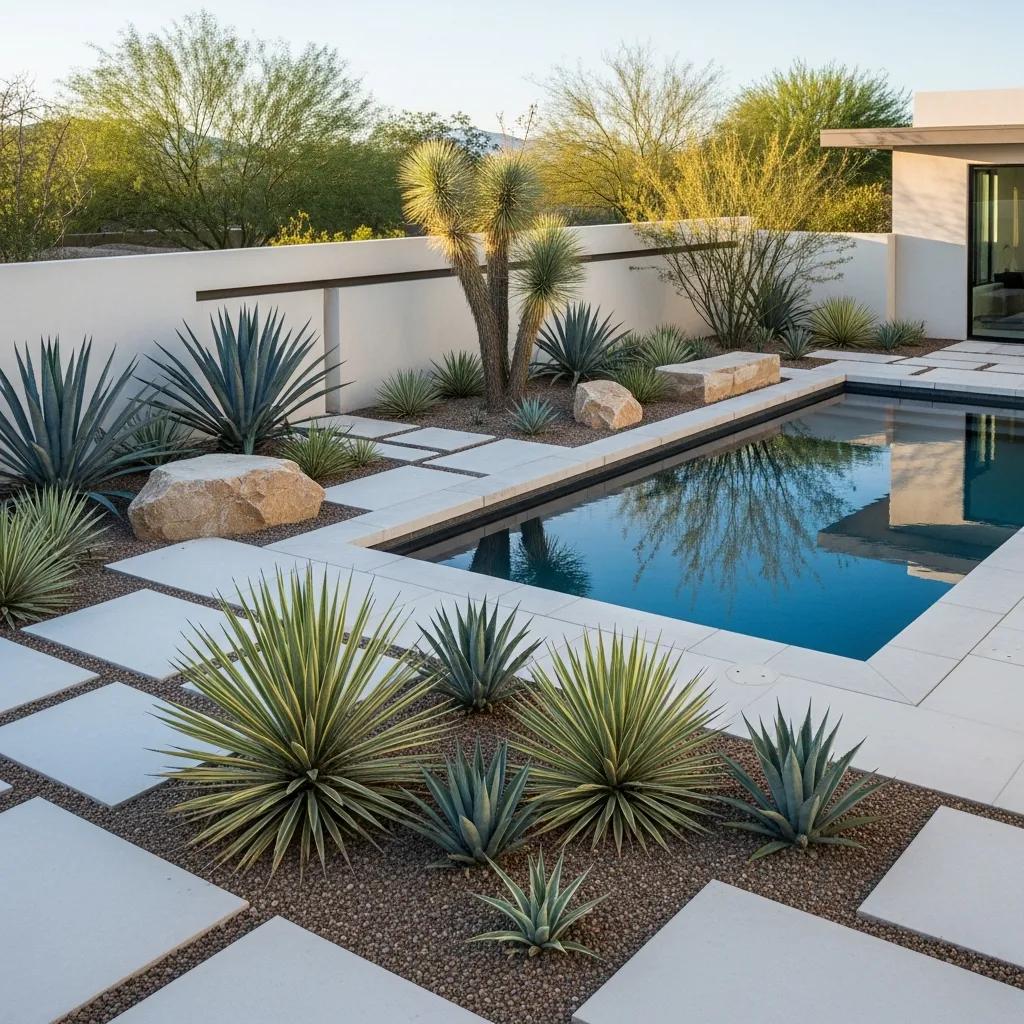
Desert Modern creates luxury yards through a restrained plant palette, crisp geometry and high‑quality materials that emphasize strong architectural lines and easy upkeep. Expect sculptural agave and yucca paired with specimen trees and low groundcovers, set against materials like broom‑finished concrete, corten planters and honed stone that form clean edges and low terraces. A modern pool—typically rectangular with a sun shelf and subtle waterline finish—reinforces the linear aesthetic and becomes a resort‑like focal point. Thoughtful lighting and hidden irrigation hardware preserve the minimalist look while keeping plants healthy and the space usable after dark, delivering a refined, low‑clutter luxury experience.

What Features Characterize Mediterranean Landscape Design in Arizona?

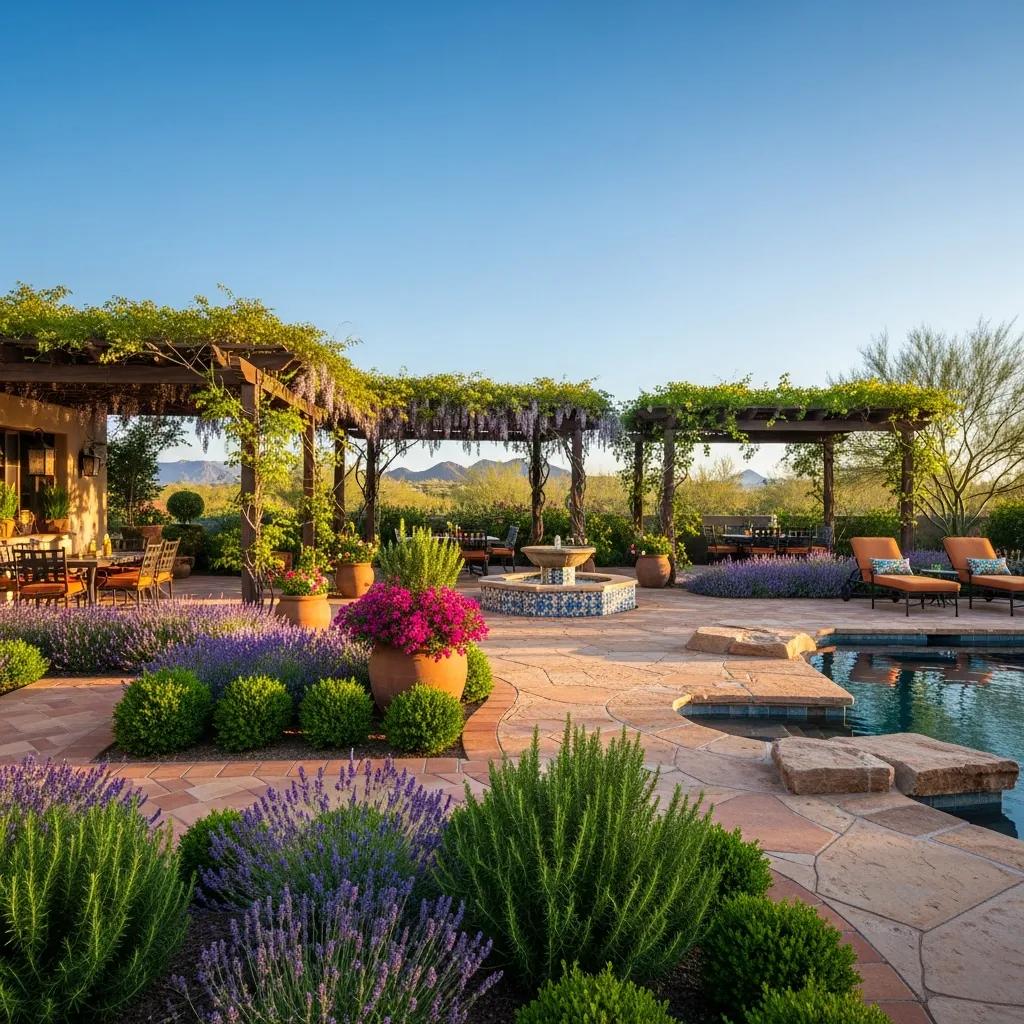
Mediterranean design in Arizona adapts classic elements—lavender, rosemary, bougainvillea and olive‑like forms—into a dry‑climate palette that still feels warm and welcoming. Key features include terracotta or natural stone paving, small fountains to add cooling sound, pergolas or trellises for shaded dining, and layered plantings that combine fragrant shrubs with seasonal color. Pools in Mediterranean settings often use natural stone coping and organic shapes, paired with outdoor kitchens and dining terraces for alfresco entertaining. By choosing drought‑adapted cultivars and durable materials, Mediterranean gardens can deliver lush, sensory appeal while using water responsibly—ideal for high‑end yards focused on hospitality and timeless finishes.

How Can Southwestern Backyard Ideas Enhance High‑End Arizona Properties?

Southwestern design lifts upscale properties by using regional materials, native plant silhouettes and handcrafted hardscape details that create a warm, site‑specific sense of place. Sculptural native trees, textured stonework and custom masonry seating yield yards that feel rooted in the desert while accommodating luxury amenities like custom fire pits, covered lounges and integrated poolscapes. Careful circulation and grading make patios, terraces and pool edges relate visually so outdoor “rooms” flow from the interior without feeling disconnected. High‑end builds emphasize premium materials, tailored lighting and irrigation tuned for native species—choices that extend longevity and preserve the handcrafted aesthetic of upscale Southwestern landscapes.

Use the table below to compare hardscape materials commonly used in luxury Southwestern projects.

MaterialDurability / Cost / Visual EffectBest Use for Luxury Installations
Natural FlagstoneHigh durability, moderate‑to‑high cost, rich texture and color variationPrimary patios and pool copings where an organic, upscale surface is desired
Poured Concrete with StainVery durable, cost‑effective, contemporary appearanceModern pathways and coordinated terraces that need a uniform, clean look
Custom Pavers (tumbled)Durable, mid‑cost, classic patterningCourtyards and circulation areas that benefit from formal patterns
Tile and Mosaic AccentsModerate durability, higher cost, decorative focal pointsAccent water features, pool benches and entry thresholds for refined detail

This comparison clarifies how material choices affect appearance and maintenance, helping homeowners decide where to invest in premium finishes. Next, native and drought‑tolerant plants strengthen the Southwestern look while cutting irrigation needs.

Which Native and Drought‑Tolerant Plants Thrive in Southwestern Landscapes?

Native and drought‑tolerant plants give Southwestern luxury landscapes sculptural form, seasonal interest and low water demands when placed correctly. Look to palo verde for filtered shade and architectural branching, agave and yucca for dramatic focal points, ocotillo for vertical accents, and desert shrubs like salvia and penstemon for color and pollinator value. Grouping plants by water needs and root depth simplifies irrigation zones and reduces long‑term upkeep, while specimen placement and layered understory plantings create the depth expected in high‑end yards. Pairings—such as agave with low groundcovers and gravel mulch—deliver refined contrast and texture that keep the Southwest identity while supporting sustainable irrigation strategies.

What Hardscape Elements Complement Southwestern Backyard Designs?

Hardscapes that complement Southwestern gardens balance rustic character with precise execution to achieve luxury results through material choice, clean edges and careful detailing. Raised planters with corten caps, sintered stone patios, decomposed granite paths and masonry fire pits form durable frameworks that visually tie planting and pool areas together. Subtle grading for drainage, recessed step and wall lighting, and joint patterns that align with paving maintain function and longevity while keeping a handcrafted feel. In upscale projects, built‑in seating nooks, planters near pool edges and textured plaster finishes elevate the tactile quality of exterior rooms and make the yard feel intentionally curated.

Why Is Luxury Outdoor Living a Growing Trend in Arizona?

Luxury outdoor living is rising in Arizona because the climate allows extended outdoor seasons, homeowners want experience‑driven spaces, and pools with integrated amenities add lifestyle value and resale appeal. Popular trends include resort‑style pools, outdoor kitchens, fire features and smart irrigation that reduce upkeep while boosting comfort. High‑end clients want integrated design—where pool, hardscape and planting are planned together—so outdoor areas act as true extensions of the interior rather than afterthoughts. That coordination, done early, produces cohesive, low‑maintenance luxury landscapes that perform in hot, dry conditions.

Commonly requested luxury features include:

  • Outdoor kitchens with premium appliances and shaded prep zones.
  • Fire pits and fireplaces sited for evening ambiance and comfortable seating flow.
  • Resort‑style pool elements like tanning ledges, integrated spas and negative edges.

Because these amenities require structural, mechanical and aesthetic coordination, experienced design‑build teams who manage pools and landscapes together produce more reliable outcomes. Island Pools and Landscaping AZ lists luxury pool remodeling, outdoor living, hardscaping and softscaping among our core services—matching homeowner demand for integrated, detail‑oriented delivery. Pairing pool builders with landscape designers early helps avoid costly rework and yields longer‑lasting results.

How Do Outdoor Kitchens and Fire Pits Elevate Arizona Backyards?

Outdoor kitchens and fire pits turn yards into programmed outdoor rooms for entertaining, cooking and relaxing across seasons—improving daily use and long‑term property value. Outdoor kitchens typically include durable countertops, integrated appliances and shaded dining areas placed near indoor access to encourage flow. Fire pits and fireplaces add warmth, light and a gathering focal point; materials like natural stone, concrete or corten should tie to the surrounding paving and seating. Proper placement accounts for wind, smoke and circulation, while planning utility runs and access panels during construction keeps maintenance simple and preserves clean sightlines.

What Role Do Pools Play in Creating Resort‑Style Outdoor Spaces?

Pools anchor resort‑style yards by organizing sightlines, defining activity zones and adding sensory features like moving water and reflected light. Luxury pool options—vanishing edges, integrated spas, tanning shelves and water blades—create diverse experiences for lounging, swimming and visual drama while syncing with surrounding hardscapes and lighting. Designing smooth pool‑to‑patio transitions with consistent materials and coordinated levels ensures safe circulation and a unified look, and nearby planting and shade structures moderate the microclimate for year‑round use. Integrating pools early in the design process prevents costly changes to equipment placement, drainage and utilities and promotes long‑term performance and visual harmony.

How to Incorporate Drought‑Tolerant Landscape Practices in Phoenix Homes?

Bringing drought‑tolerant practices into Phoenix landscapes combines xeriscape principles with upscale design so you conserve water without sacrificing aesthetics or amenities. Core tactics include grouping plants by water need, choosing drought‑adapted species that still have strong visual appeal, amending soils and using targeted irrigation, and substituting artificial turf or decomposed granite for high‑use lawn areas. Premium artificial turf with careful edge details works well around pools and cuts irrigation, while smart controllers and drip zones optimize water use. The table below compares drought‑tolerant plants with attributes that matter for high‑end yards to help with material selection.

PlantWater Use / Maintenance / Mature Size / Luxury AppealRecommendation for High‑End Yards
Agave (architectural)Very low water, low maintenance, 3–5 ft, bold focal appealPlace as sculptural specimens near paths or pool corners
Palo Verde (tree)Low–medium water, moderate maintenance, 20–30 ft, provides filtered shadeUse to shade patios and reduce solar gain on hardscapes
Salvia / Leucophyllum (shrubs)Low water, low maintenance, 3–6 ft, seasonal color and fragranceMass in beds for texture and pollinator value in formal layouts
Ocotillo (accent)Very low water, low maintenance, 6–15 ft, striking vertical formUse as vertical punctuation along walls or drive entries

This comparison helps prioritize species that deliver sculptural form and luxury while minimizing irrigation. Next, consider plant lists and artificial turf specifics to complete drought‑friendly plans.

Before choosing turf or alternatives, follow these core drought strategies:

  1. Group plants by irrigation zones to prevent overwatering.
  2. Use drip irrigation for shrubs and trees; reserve spray heads for turf or high‑use areas.
  3. Choose premium artificial turf where you want green, usable spaces without water use.
  4. Incorporate soil amendments and mulch to retain moisture and reduce evaporation.

These steps create layered water efficiency that protects plant health while supporting sophisticated outdoor living.

What Are the Best Drought‑Resistant Plants for Luxury Arizona Landscapes?

High‑end, drought‑resistant selections favor species that combine strong form, seasonal color and low water needs to build refined compositions. Recommended choices include agave and yucca for sculptural focus, palo verde and ironwood for shade where appropriate, rosemary and lavender for fragrant hedging, and native salvias and penstemons for blooms and pollinator support. Pair large architectural plants with textural groundcovers and meandering decomposed granite paths to preserve flow while minimizing turf. For privacy or screening, columnar mesquites or clumping ornamental grasses create layered backdrops requiring little supplemental water once established—ideal for luxury yards that want structure without high irrigation bills.

How Does Artificial Turf Benefit Sustainable Arizona Landscaping?

Artificial turf offers the look and function of lawn without ongoing watering, fertilizing or mowing—dramatically cutting water use and maintenance. High‑quality turf mimics natural grass color and blade variation and performs well around pools when installed with the right subbase and drainage. Combining turf with decomposed granite, pavers or planting beds creates intentional contrast so drought measures read as design, not compromise. For luxury installs, specify UV‑stable turf, a well‑draining subbase and clean transition details to adjacent planting and hardscape so the result remains polished and natural in appearance.

What Is the Process for Designing and Building Custom Luxury Landscapes in Arizona?

Designing and building a custom luxury landscape in Arizona follows a coordinated, multi‑phase process: site evaluation, concept design, technical drawings, permitting, construction and client walkthroughs. Early work focuses on site assessment, grading and utility coordination so pool placement, drainage and hardscape tie back to the overall concept. Construction typically sequences hardscape, pool build, systems (irrigation and lighting) and then planting, with final walkthroughs to confirm performance before handoff. Clear communication, detailed deliverables and staged client touchpoints minimize surprises and help deliver premium finishes on time and on budget.

The project checklist below shows typical deliverables, timelines and why each phase matters for luxury outcomes.

PhaseDeliverables / Client Touchpoints / Typical TimelineWhy it Matters for Luxury Outcomes
Consultation & Site AssessmentGoals review, site measurements, budget guidance, initial sketches / 1–2 weeksSets expectations and identifies constraints early to protect design intent
Schematic DesignConcept plans, material palettes, amenity placement / 2–4 weeksAligns aesthetic direction and coordinates pool‑landscape relationships
Construction Documentation & ApprovalsTechnical drawings, irrigation plans, equipment specs / 2–6 weeksEnsures buildability, compliance and accurate costing for premium finishes
Construction & InstallationHardscape, pool build, systems, planting / 6–16 weeks depending on scopeSequenced coordination achieves high craftsmanship and integrated systems
Final Walkthrough & SupportClient walkthrough, irrigation tuning, punch list, maintenance guidance / 1 weekConfirms performance and trains homeowners for long‑term success

This checklist explains expectations and how each phase protects quality in luxury projects. If you want a partner who emphasizes coordination and clear communication, look for firms that offer integrated pool and landscape services for a smoother delivery.

How Does Island Pools and Landscaping AZ Ensure Client Satisfaction?

We prioritize client satisfaction through clear goal‑setting, detail‑oriented design and responsive communication throughout design and construction. Our process begins with thorough walkthroughs to capture homeowner priorities, then coordinates pool and landscape work so systems and finishes align. We document handoffs and follow up promptly on calls and emails to resolve questions during and after construction. For homeowners who want a single team managing pools, hardscapes and softscapes, our client‑focused approach reduces coordination gaps and supports a polished final result.

What Steps Are Involved in Integrating Pools with Landscape Designs?

Integrating pools with landscapes requires coordinated grading, equipment siting, structural detailing at hardscape interfaces and plant selection that accounts for maintenance and access. The process starts with a site assessment and grading plan to set proper drainage and pool elevation relative to patios, then specifies pool finishes and edge materials that transition cleanly to surrounding paving. Mechanical equipment and access panels are located for serviceability without disrupting sightlines, and planting plans favor low‑sap, low‑decay species near equipment and root systems that won’t damage structures. Coordinated lighting and carefully detailed joints complete the integration so pool and landscape function together as a single, usable outdoor environment.

How to Choose the Right Landscaping Style for Your Arizona Home?

Pick a landscaping style based on how you want to use the yard, your maintenance tolerance, budget and how the landscape will work with pools and outdoor amenities. Decide if you prefer minimalist geometry and low upkeep (Desert Modern), fragrant, social outdoor rooms (Mediterranean) or regional character with native materials (Southwestern). Then evaluate irrigation budgets and HOA rules. Comparing maintenance, water use and cost across styles clarifies trade‑offs—for example, Mediterranean plantings often need more water than Desert Modern palettes but reward with softer textures and scent. Use the short checklist below to weigh priorities and reach a confident selection that fits your lifestyle and long‑term maintenance plan.

  1. Define primary use: entertaining, family play, quiet retreat or visual impact.
  2. Assess maintenance tolerance: weekly gardening, seasonal pruning or minimal upkeep.
  3. Set a water budget: low, moderate or flexible for lush plantings and pools.
  4. Match materials and finishes to your home’s architecture for cohesion and resale value.

Use this checklist to narrow choices, then request concept plans that show pool and hardscape integration to finalize selections. The comparison below highlights differences between two commonly chosen high‑end styles.

What Are the Benefits of Desert Modern vs. Mediterranean Styles?

Desert Modern and Mediterranean styles answer different homeowner priorities: Desert Modern minimizes water use and maintenance while making a crisp, contemporary statement; Mediterranean creates layered, sensory outdoor rooms that support hospitality and dining. Desert Modern advantages include clear geometry, strong specimen plants and materials that age gracefully with little upkeep—pairs naturally with rectangular pools and minimalist kitchens. Mediterranean advantages include layered planting, stone patios and shaded pergolas that encourage comfortable outdoor living and work beautifully with curved pools and tile accents. Choose based on whether you prefer low water, clean lines and simplicity or textured planting and shaded social spaces; both styles integrate luxury pool features when coordinated early in design.

How Do Climate and Maintenance Influence Style Selection?

Climate and maintenance expectations strongly influence which landscape style will thrive in Arizona. Microclimates, shade patterns and available irrigation capacity determine plant selection and material performance. Properties with full sun and limited irrigation often benefit from Desert Modern palettes and artificial turf, while homes with mature shade trees or dedicated irrigation can support Mediterranean plantings with more seasonal color. HOA rules and local codes may limit materials or plant choices, so confirm constraints early to avoid rework. Finally, realistic maintenance planning—whether homeowner‑managed or contracted—keeps the chosen style looking intentional and well cared for, protecting daily enjoyment and long‑term value.

Frequently Asked Questions

What are the key considerations when selecting plants for Arizona landscapes?

Choose plants based on water needs, heat tolerance and maintenance requirements. Favor native and drought‑tolerant species that thrive locally—agave, palo verde and desert marigold are good examples. Group plants by irrigation requirements to create efficient zones, and consider seasonal interest and texture so species complement the overall design while providing year‑round visual appeal.

How can homeowners effectively integrate hardscapes with their landscaping?

Plan hardscape and planting together so materials and circulation work as one. Select materials that match your chosen style—natural stone for Southwestern looks, concrete for Desert Modern—and design pathways, patios and pool edges to encourage smooth flow between zones. Use raised planters, built‑in seating and consistent materials to blend hardscape with planting for both aesthetic cohesion and practicality.

What maintenance practices are essential for luxury Arizona landscapes?

Essential practices include monitoring irrigation to avoid overwatering, seasonal pruning to shape plants and encourage vigor, and mulching to retain moisture and suppress weeds. Use organic amendments to improve soil health and follow a maintenance schedule tailored to your plant list and hardscapes to preserve a polished, long‑lasting landscape.

How do outdoor features like fire pits and kitchens enhance outdoor living?

Fire pits and outdoor kitchens create programmed spaces for cooking, entertaining and relaxing—extending the home’s living area. Fire features add warmth and ambiance for evening use; kitchens support alfresco dining and keep gatherings convenient. When designed to match the landscape style, these features boost usability and property value while reinforcing a cohesive look.

What are the benefits of using artificial turf in Arizona landscapes?

Artificial turf eliminates irrigation, mowing and many ongoing maintenance tasks—great for drought‑prone areas. High‑quality turf looks realistic year‑round and performs well around pools when installed with proper drainage and edges. It lets you preserve usable green space without the water or upkeep of natural lawn, making it a practical, attractive option for families and entertainers.

How can homeowners ensure their landscaping design is sustainable?

Prioritize native and drought‑tolerant plants, group species by water needs, and use efficient irrigation systems. Incorporate permeable surfaces to improve drainage and reduce runoff, and use compost and mulch to build soil health. These strategies deliver attractive, resilient landscapes that conserve resources and lower long‑term costs.

Conclusion

Choosing the right landscaping style can turn your Arizona property into a luxurious, water‑smart outdoor oasis. Whether you lean toward Desert Modern, Mediterranean or Southwestern, understanding each style’s benefits helps you make informed choices that balance beauty, function and maintenance. Working with an experienced design‑build team early ensures pools, hardscapes and planting are coordinated for lasting performance and visual harmony. Ready to elevate your outdoor living? Explore our expert services and let’s start designing a backyard you’ll enjoy year‑round.

Pool Safety Tips for Children & Pets in Arizona

Pool Safety Tips for Children & Pets in Arizona

Comprehensive Pool Safety for Children and Pets in Arizona — Luxury Design That Meets Code

Owning a pool in Arizona means balancing a hot climate, high-end outdoor living, and serious safety responsibilities. Protecting children and pets around luxury pools calls for smart design decisions plus strict adherence to local rules. This guide walks through Arizona pool barrier laws, elegant safety features that preserve a refined look, pet-focused drowning-prevention ideas, and human-centered measures like supervision, swim lessons, and CPR readiness. You’ll get practical advice on fences, gates, alarms, ramps, landscape choices, and outdoor-living layouts that reduce risk without compromising style. We also explain how designers and builders can bake safety into a project from concept to permit to handoff, and where homeowners should coordinate with local authorities and trainers. Throughout, we use local terms—Arizona pool barrier laws, child pool fence, pet pool safety, smart pool safety systems Phoenix, pool alarms for kids—so you can match solutions to code and modern tech.

What Are the Arizona Pool Barrier Laws for Child and Pet Safety?

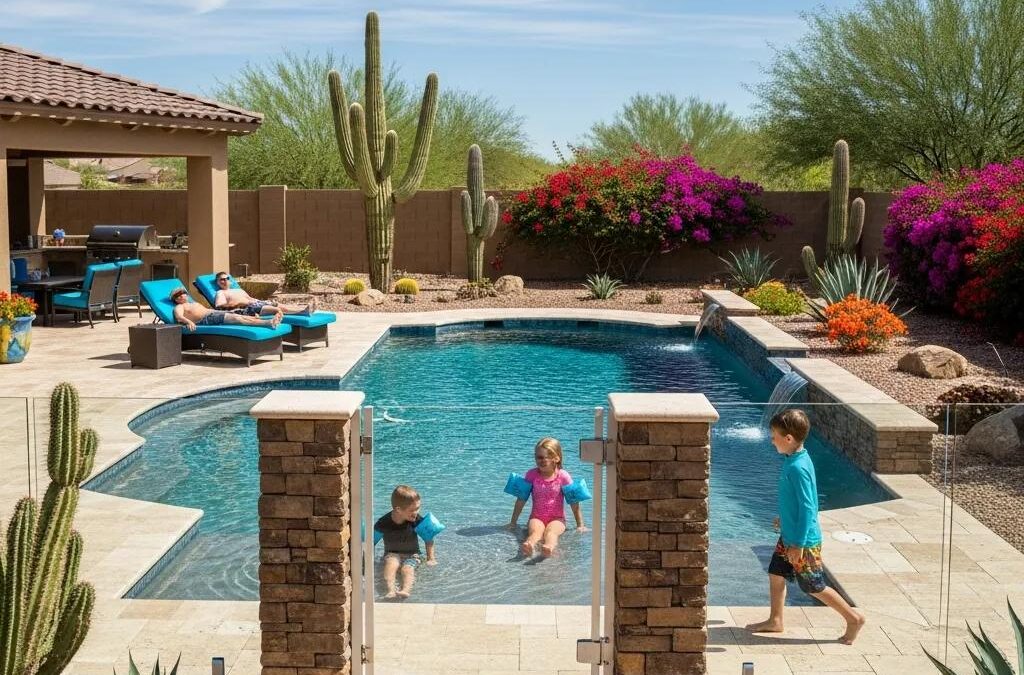
Arizona’s pool barrier rules require a clear, effective separation between a residential pool and spaces children or many pets can access. That usually means a minimum barrier height plus self-closing, self-latching gates to prevent unsupervised entry. Barriers work because physical separation delays or prevents accidental access, giving caregivers time to respond and greatly lowering drowning risk. Properly installed barriers measurably reduce unsupervised pool entries and improve safety outcomes. Treat state law as the foundation, then check city or municipal codes—especially in the Phoenix area—for additional requirements that affect luxury design and permitting. Addressing rules early avoids costly rework and lets you choose fences, gates, and covers that satisfy both safety and style goals.

Before we dive into the details, here’s a short checklist of homeowner responsibilities and typical permit steps. It highlights the hardware and siting concerns inspectors focus on and helps prepare conversations with designers and local building departments.

  • Install a barrier that meets minimum height and forms a continuous enclosure.
  • Fit gates with self-closing, self-latching hardware, and put latches out of children’s reach.
  • Avoid footholds or climbable elements and eliminate access paths from adjacent structures.

The checklist above frames the quick comparison below, which matches common barrier types to core Arizona requirements and typical municipal variations.

Arizona pool barrier comparison for quick compliance reference:

Barrier TypeRequired FeatureArizona Requirement / Common Municipal Note
Perimeter fence (opaque or decorative)Continuous enclosure; minimum heightMinimum 5 feet height; some local codes specify 60 inches (5 feet) or add visibility and spacing rules
Gate (pedestrian)Self-closing, self-latching hardware; latch out of reachLatches typically must be at least 54 inches above finished grade or otherwise inaccessible to small children
Pool cover / removable fenceSafety-rated, child-resistant locks or tested removable systemsCovers and removable barriers should meet ASTM F1346-91 or equivalent standards and be maintained to remain compliant

Which Pool Fence Requirements Must Arizona Homeowners Follow?

Fences must form a continuous, climb-resistant boundary around the pool with an effective minimum height and gate hardware that prevents young children from getting in unsupervised. A properly designed fence interrupts unsupervised approaches and gives caregivers time to intervene, which lowers accidental entries and strengthens legal defensibility after an incident. Popular materials for luxury residential pools include frameless glass, wrought iron, and removable mesh; each meets safety goals but differs in sightlines, upkeep, and climbability. Choose materials that balance aesthetic priorities, code compliance, and long-term maintenance.

Use this quick pros and cons list to compare common fence styles.

  • Glass pool fence: Clean sightlines and a premium look; requires regular cleaning and secure anchoring.
  • Wrought iron fence: Durable, decorative, and airflow-friendly; must be detailed to eliminate hand- and footholds.
  • Mesh removable fence: Versatile and effective when tensioned correctly; less integrated visually in high-end landscapes.

Those trade-offs make municipal variations important—local rules can change installation details and inspection expectations.

How Do Local Phoenix Regulations Impact Luxury Pool Safety Design?

Phoenix and nearby cities may layer extra rules on top of state law that influence fence height, gate placement, and allowed exceptions for integrated yards. Local ordinances often address visibility for inspectors, picket spacing, and how barriers interface with existing walls or structures—so early coordination with planners is essential. For luxury properties, designers translate safety hardware into refined details—hidden latches, integrated posts, and tempered glass—that satisfy inspectors while preserving the estate look. Permitting timelines and inspection schedules also affect project planning and cost, so engage your local building department early to reduce redesign risk. Knowing municipal nuances helps owners and designers plan fences and gates that are both code-compliant and visually cohesive.

Permitting coordination leads to practical design decisions: gate swing direction, sightlines for supervising adults, and landscaping that supports rather than undermines the barrier. Next, we cover premium safety features that blend into high-end pool design while protecting children.

How Can Luxury Pool Safety Features Protect Children in Arizona?

High-end pool safety draws on engineered barriers, smart detection, and thoughtful pool geometry to lower drowning risk without sacrificing style. These features either stop unsupervised access (barriers and gates), detect unexpected entries (alarms and sensors), or reduce harm when an entry happens (gradual entries, non-slip finishes). We recommend a layered approach—barriers plus detection plus safe pool geometry—so multiple systems back each other up. On remodels, integrate hardware, route alarms into home automation, and specify materials that meet both safety performance and the visual standards you expect. Treat safety as a design requirement, not an afterthought; that approach preserves beauty and peace of mind.

Use the table below to evaluate premium fence and gate options by appearance, upkeep, and safety value so your choices support your style goals.

Premium safety options for luxury pools:

Fence TypeAesthetic / MaterialSafety Benefit + Maintenance Consideration
Frameless glass panelsMinimal visual interruption; contemporary finishExcellent sightlines for supervision; needs regular cleaning and professional anchoring checks
Decorative wrought ironClassic, customizable stylesDurable and secure when vertical spacing meets code; periodic repainting or powder-coating recommended
Removable mesh barrierDiscreet when stored; flexible placementGood temporary protection; must be tensioned and inspected frequently

What Integrated Pool Fences and Gates Enhance Child Safety?

Integrated fences and gates blend permanent materials with architectural detailing to create barriers that are both effective and discreet. They protect by physically blocking access and by using managed-entry hardware—keyed locks or smart latches—to control who gets in. Benefits include clearer sightlines for supervision, fewer trip hazards at transition points, and dependable gate operation that keeps young children out. Design priorities include placing latches out of reach, using self-closing hinges, and avoiding horizontal rails that become footholds. Regular maintenance—weatherproofing metals, checking glass seals, and testing mechanical or magnetic latches—keeps these systems reliable.

Coordinate gate swing, adjacent planting, and interior sightlines so caregivers can monitor the pool from main living areas. Effective gating also complements electronic detection systems, which we cover next.

Which Smart Pool Alarms and Monitoring Systems Are Effective for Kids?

Smart alarms and monitoring systems use perimeter sensors, surface-wave detectors, wearable alerts, or sub-surface sensors to detect unauthorized pool entry and trigger local and remote alerts. They add value because barriers can be bypassed; detection systems provide a second line of defense that shortens response time. Benefits include instant notifications to phones or home hubs, integration with lighting and cameras, and a clear picture of system health. When choosing a system, prioritize sensor types with low false positives, reliable power (or battery backup), and straightforward maintenance protocols.

Integration tips: tie perimeter sensors into your home automation to flash lights and sound alarms, set geofenced alerts for caregivers, and test systems monthly to confirm responsiveness and reduce nuisance alarms. With alarms in place, let’s turn to pet-focused strategies that address different mobility and behavior patterns.

What Are Effective Pet Pool Drowning Prevention Strategies in Arizona?

Pet drowning prevention focuses on helping animals exit safely, reducing slip and heat hazards, and using detection tuned for pet size and movement. The strategy addresses how pets typically interact with water: provide easy exits (ramps or wide shallow entries), use cool, high-traction decking, and add pet-aware alarms or camera zones. The payoff is fewer emergency rescues and less owner stress—especially in Arizona heat, when pets may seek the pool to cool down. Specifying pet-friendly features during design ensures ramps, steps, and sensors are thoughtfully integrated instead of awkwardly retrofitted.

Match pet-focused features to your pet’s size and needs using the table below.

Pet safety feature comparison:

FeatureBest For (pet size/age)Benefit / Consideration
Low-gradient pet rampSmall to medium dogs, seniorsHelps pets exit independently; use textured, cool treads and keep the approach clear
Wide shallow entry (beach entry)All sizes, young petsNatural step-in lowers panic and aids training; uses more pool area
Pet-aware motion/alarm sensorActive outdoor petsNotifies owners of unexpected pool activity; requires sensitivity tuning to avoid wildlife triggers

How Do Custom Pet-Friendly Pool Exits and Ramps Improve Safety?

Custom ramps and exit points give animals a gradual, textured route out of the water so they don’t slide or struggle. This matters because many pet drownings occur when animals become exhausted or panic and cannot find a reliable exit; ramps change that outcome by creating an obvious escape. Benefits include greater independence for pets, fewer emergency interventions, and easier training so animals learn where exits are. Choose heat-resistant, coarse textures and cool composite treads to avoid paw burns in Phoenix temperatures.

Place ramps where they are visible from primary living spaces and away from steep drop-offs so pets naturally head toward safe exits. With ramps in place, landscape choices and alarms add another layer of protection.

Which Landscaping Choices and Pool Alarms Protect Pets from Drowning?

Pet-focused landscaping emphasizes non-toxic, drought-tolerant plants, cool high-traction decking, and shaded resting areas, combined with detection systems tuned for animal size. These measures reduce slips, overheating, and accidental pool entries by creating steady footing and comfortable relief spots. The result is calmer pets that are less likely to jump in impulsively. Recommended elements include pet-safe plantings, artificial turf with heat-reduction strategies, and textured decking that keeps paws cool and grippy.

Pair these landscape choices with pet-aware alarm zones and camera notification settings so you get early alerts for behavior that might lead to an accident. After physical and environmental protections, the human factor—supervision and training—remains critical.

How Does Adult Supervision and Education Reduce Pool Drowning Risks?

Supervision and education work because they provide continuous oversight, faster response, and trained eyes and hands during an emergency. Active supervision (no multitasking near water), designated water-watchers, and swim and CPR training for household members all reinforce one another. Trained supervisors spot hazards earlier, perform safer rescues, and activate emergency protocols more effectively—outcomes supported by drowning-prevention organizations. Embed supervision protocols into daily routines and pool rules to make safe behavior predictable for caregivers, guests, and older kids.

Here’s a short, memorable checklist—the “ABCs”—to help build a daily safety routine and training plan.

  1. Active Supervision: Assign a responsible adult whenever children or pets are near the pool.
  2. Barriers: Keep gates closed and covers in place when the pool isn’t in use; remove toys that attract children from the pool area.
  3. Classes & Emergency Prep: Enroll family members in swim lessons and CPR, and keep rescue gear easily accessible.

What Are the ABCs of Pool Safety for Children and Pets?

The ABCs—Active supervision, Barriers, and Classes/emergency readiness—address separate failure points in drowning prevention. Active supervision reduces unattended exposure, barriers block easy access, and classes plus emergency gear improve outcomes if an incident occurs. Put the ABCs into practice by assigning water-watchers, inspecting gates and latches regularly, keeping flotation and reaching tools near the pool, and scheduling swim and CPR refreshers. The result is a repeatable family safety routine that’s easy to share with caregivers and guests.

Using the ABCs as a baseline leads naturally to the next step: swim lessons and CPR training, which materially improve survival odds.

How Can Swim Lessons and CPR Training Prevent Drowning Accidents?

Swim lessons build water competency—floating, controlled breathing, and basic strokes—that reduce panic and increase the chance of self-rescue. CPR training gives family members the skills to respond immediately if someone is unresponsive. Together, these interventions significantly raise survival odds: research shows swim lessons lower drowning risk for young children and that prompt bystander CPR improves out-of-hospital survival. Look for age-appropriate swim programs and keep CPR/first-aid certifications current for primary caregivers.

Practically, combine formal lessons with family drills and store emergency gear where trained responders can grab it without delay. With human factors addressed, the right outdoor-living design further supports safety and comfort.

How to Design Safe Outdoor Living Spaces Around Pools in Arizona?

Safe outdoor living in Arizona depends on materials and layouts that reduce trip hazards, provide cool shaded zones, and preserve clear sightlines for supervision. The payoff is a yard that’s safer and more usable—caregivers can watch the pool easily and guests move confidently after dusk. Choose non-slip decking, cool-surface composites, and heat-mitigating turf to reduce paw and foot burns. Plan layouts so outdoor kitchens and fire features sit away from main pool edges, add barrier treatments around hazards, and keep pathways well lit and continuous to lower fall risk.

Design sightlines from primary living spaces and pool seating so supervising adults can see primary entry points at a glance. The following sections cover plant and surface choices and safety measures for outdoor hazards.

What Are Child and Pet-Safe Landscaping and Hardscape Options?

Safe landscaping and hardscaping prioritize drought-tolerant, non-toxic plants, cool surface materials, and turf alternatives that keep surfaces cooler and provide predictable footing. Non-slip finishes and shaded resting zones reduce slips and heat-related incidents for both kids and animals. Benefits include lower maintenance, longer-lasting materials under Arizona sun, and a more usable play area. Consider artificial turf with cooling strategies, stabilized decomposed granite walkways, and cool composite decking for high-end yards.

Choose native or adapted plants that avoid common pet toxins and provide shade and visual buffers. Once surfaces and plantings are settled, address fire and cooking areas near pools to remove secondary hazards.

How to Secure Outdoor Kitchens, Fire Features, and Pathways for Safety?

Keep heat and flame sources away from primary pool routes, use barriers or removable screens around open flames, and install clear, well-lit non-slip pathways to reduce trips near water. Many pool-area accidents start with slips or crowded entertainment zones; separating cooking and pool functions preserves sightlines and discourages running. Benefits include fewer falls, controlled access to hot surfaces, and safer movement during evening gatherings. Use paver transitions, raised beds as visual barriers, and targeted lighting to enhance safety without sacrificing outdoor living quality.

Design circulation so service routes and guest flow avoid pool edges, and add childproof storage for fuel or grill supplies. With outdoor living planned, the final section explains how Island Pools and Landscaping AZ embeds safety into luxury remodels.

How Does Island Pools and Landscaping AZ Integrate Safety in Luxury Pool Remodeling?

We build safety into luxury pool remodels from the first site visit through the final walkthrough. That means prioritizing safety during concept design, coordinating permits, and completing installations with client education so projects meet code and homeowner expectations. Our process treats safety as a design driver—selecting gate hardware, covers, alarms, and materials that support the luxury vision while satisfying inspectors. The practical benefit is a remodel that preserves aesthetics, avoids permit delays, and delivers a clear maintenance plan. Our team brings experience in custom pools, landscaping, and outdoor living with attention to detail and straightforward communication.

Here’s the typical project flow when safety is integrated from concept to completion:

  1. Design Assessment: We evaluate site conditions, family and pet needs, and local code constraints to prioritize safety features within the luxury plan.
  2. Documentation & Permitting: We prepare detailed plans and coordinate with local authorities to secure permits and clarify inspection requirements.
  3. Installation & Systems Integration: Our crew installs barriers, gates, alarms, and specified materials to professional standards and integrates smart monitoring when requested.
  4. Walkthrough & Education: We perform final inspections, demonstrate system operation, and leave a maintenance and safety guide with the homeowner.

What Is the Process for Incorporating Safety Features from Design to Build?

We start with an on-site assessment to map sightlines, likely child and pet access points, and landscape constraints. That assessment sets priorities for fence, ramp, and alarm placement. A smooth project depends on iterative coordination between the homeowner, designer, and permitting officials so design choices meet legal standards. The benefits are fewer surprises during inspections, integrated hardware that looks intentional, and a maintenance plan that keeps safety systems working. Expect permit-ready plan sets, scheduled inspections during construction, and a final walkthrough where we demonstrate gates, alarms, and covers.

These predictable steps simplify subcontractor handoffs and produce installations that meet both luxury expectations and safety codes. Next we outline how drought-friendly materials and smart tech improve safety while lowering environmental impact.

How Do Drought-Friendly Materials and Smart Technologies Enhance Safety?

Materials like cool-surface decking, low-heat artificial turf, and permeable pavers reduce surface temperatures, lower slip risk, and preserve sightlines—important safety factors in hot climates. Smart tech—integrated alarms, sensor-driven lighting, and home-automation links—provides immediate alerts and automated responses that help caregivers find and respond to incidents faster. Together, materials and tech deliver two benefits: physical comfort and traction plus rapid monitoring and notification. When specified thoughtfully during design, these choices create resilient, low-maintenance outdoor environments that reflect our approach to balancing hardscape, softscape, and climate-aware luxury.

If you’re ready to start, Island Pools and Landscaping AZ acts as a partner who integrates safety, aesthetics, and permitting from day one.

  1. Contact Island Pools and Landscaping AZ to request a safety-first remodel consultation and site assessment.
  2. Review design proposals that show integrated safety features, materials, and permit strategies.
  3. Schedule installation and walkthroughs so you understand system operation and recommended maintenance.

Frequently Asked Questions

What are the best practices for supervising children around pools?

Supervision is the single most important step to prevent pool accidents. Designate a focused adult as the “water-watcher” who avoids phones or distractions, rotate watchers during gatherings, and set a household rule that children must ask for permission before entering the pool. Regularly review pool rules with kids so expectations stay clear.

How can I choose the right pool alarm system for my home?

Match alarm technology to your property and habits. Consider perimeter sensors, surface-wave detectors, wearable alerts for children, and integration with your smart home. Prioritize systems with low false positives, reliable power (or backups), and clear maintenance schedules. Talk with professionals and read independent reviews to find a system that fits your needs and minimizes nuisance alerts.

What landscaping features can enhance pool safety for children and pets?

Choose non-toxic, drought-tolerant plants, add shaded resting spots, and use cool, high-traction surfaces near the pool. Artificial turf and cool composite decking reduce heat, and clear pathways and visual barriers help steer children and pets away from pool edges. Thoughtful planting can act as a natural deterrent without compromising design.

How often should pool safety equipment be inspected and maintained?

Inspect barriers, gates, and alarms at least monthly. Check that gates close and latch properly, test alarm responsiveness, and look for wear or corrosion. Schedule seasonal checks before peak swim months and keep a maintenance log to track inspections and repairs so safety measures remain reliable.

What role do swim lessons play in preventing drowning incidents?

Swim lessons build essential water skills and confidence, which lowers drowning risk. Children who learn to float and swim are less likely to panic. Look for age-appropriate programs and combine lessons with family practice and water-safety drills for the best results.

What are the benefits of using smart technology for pool safety?

Smart systems provide real-time monitoring and instant alerts, which shorten response time. Alarms, motion sensors, and automation integration can trigger lighting and cameras, notify caregivers, and give you remote visibility. That reduces anxiety and helps you manage safety even when you’re not on site.

How can I ensure my pool area is safe for pets?

Install low-gradient ramps or wide shallow entries, use non-slip, cool surfaces, and create shaded rest areas. Add pet-aware sensors or camera zones and choose non-toxic plants. Regularly inspect the area, supervise pets near water, and train them to use exit points so they can get out safely.

Conclusion

Protecting children and pets around luxury pools in Arizona is both a legal obligation and a core part of responsible ownership. By combining effective barriers, integrated smart technology, climate-aware materials, and consistent supervision and training, you can significantly reduce risk while preserving a beautiful outdoor space. If you’re planning a remodel or new pool, contact Island Pools and Landscaping AZ to discuss a safety-first design that balances code requirements with the luxury look you want.

Using Color Theory in Arizona Landscape Design

Using Color Theory in Arizona Landscape Design

Using Color Theory in Arizona Landscape Design: Creating Vibrant, Drought-Tolerant Outdoor Spaces

Color theory explains how hues, value, and saturation shape what we see and feel in a landscape. In Arizona’s bright light and dry climate, those principles help us choose plants, stone, and pool finishes that stay lively without wasting water. This guide covers the essentials—basic color relationships, drought-tolerant plant pairings, luxury palette templates for poolside living, and hardscape choices that boost perceived color and comfort. You’ll get step-by-step planning tips, side-by-side plant and material comparisons, and practical rules for coordinating furniture, stone, and water. Everything is aimed at creating cohesive, high-end outdoor rooms that perform in the desert, including short examples of how Island Pools and Landscaping AZ applies these ideas on real projects.

What Are the Basics of Color Theory for Arizona Desert Landscapes?

In desert landscapes, hue, saturation, and value behave differently under intense sun. Bright light can make colors read more saturated or, at times, wash out low-contrast schemes. Good desert palettes balance vivid blooms with textured foliage and shadow-casting forms so elements remain legible. The payoff is depth, clear focal points, and less reliance on thirsty annuals—using structural color and reflective materials to hold interest. Knowing when to use complementary contrast for drama or analogous groupings for calm helps you place plants and materials with purpose. The sections that follow translate the color wheel into practical plant pairings, scheme choices, and quick tips for xeric yards.

Research shows that applying core design principles—like line, form, texture, and color—directly affects public preference for arid-climate plantings.

Arid Climate Landscape Design: Color & Visual Preference

A study using 35mm slides of arid-plant compositions asked experts to rate designs based on line, form, texture, and color. Results showed a clear link between stronger design elements and higher public preference, supporting the idea that these principles shape attractive plantings in dry climates.

Aesthetic design using arid climate plants, 1988

The color wheel is a practical tool: it points out harmonious pairings and contrasts that will register under Arizona light. For example, cool blue-greens of agaves look striking next to warm orange blooms, while a yellow–orange–red progression reads as warm massing from a distance. Saturation matters as much as hue—highly saturated flowers pop at midday, so designers often pair them with muted foliage to rest the eye. Use these interactions to build palettes that hold up from poolside seating to distant mountain views.

Different scheme types—complementary, analogous, and monochromatic—serve distinct roles in desert gardens. Complementary pairings create bold focal points, analogous groups offer gentle transitions across long borders, and monochromatic schemes highlight texture and form when sculptural succulents dominate. In Arizona we typically use complementary palettes for entrybeds or focal islands, analogous schemes for linear plantings and slopes, and monochrome approaches when structure and shadow are the main show. These choices lead directly into seasonal planting strategies and hardscape coordination.

  • Core color concepts for Arizona desert landscapes:


    Hue, Saturation, Value

    : The three attributes that decide how color reads in bright sun and wind, and how strong a focal point will feel.


    Contrast vs Harmony

    : Complementary colors provide punch; analogous groupings create easy visual flow across long vistas.


    Material Reflection

    : Stone and pool finishes shift perceived plant color through reflection and undertone interaction.

Keep these takeaways handy as you move into plant choices that deliver color year-round with minimal irrigation.

How Can You Create Year-Round Color with Native and Drought-Tolerant Plants in Arizona?

Year-round color in Arizona comes from sequencing species with staggered bloom times, mixing evergreen foliage with seasonal flowerers, and using massings for sustained visual impact. The idea is straightforward: pair structural plants (agaves, grasses, evergreen shrubs) that provide constant form with seasonal bloomers that add accents, then layer them in foreground–midground–background compositions. The result is a low-water, high-impact landscape that reads as intentionally colorful through spring, summer, fall, and mild winters. Below are plant recommendations by season and use, followed by an at-a-glance comparison of key species.

PlantBloom SeasonPredominant ColorBest Use
Desert MarigoldSpring–FallBright yellowMass planting, groundcover accent
LantanaSpring–FallOrange to pink clustersMidground accents, pollinator attractor
PenstemonSpring–SummerRed to purple spikesVertical accent, borders
Agave (blue-gray)Year-round foliageBlue-greenStructural focal point, background
Red YuccaSpring–SummerCoral-red bloomsAccent near patios or walkways
Ornamental GrassesFall–WinterGold to tan seedheadsMovement and winter interest

This quick comparison makes selection easier: mass Desert Marigold and agave for enduring foundation color, add Lantana and Penstemon for seasonal highlights, and layer ornamental grasses for texture and late-season contrast. Next we explain how to combine these plant types into coherent palettes that stay healthy on minimal irrigation.

Combining succulents, cacti, and flowering shrubs requires attention to scale, spacing, and irrigation zones so colors remain distinct across seasons. Place sculptural succulents and agaves as strong anchors in the background, use mid-sized cacti and red yucca for vertical interest in the midground, and put low-growing flowering shrubs and groundcovers in the foreground to tie colors together. Separate hydrozones to match watering needs and prepare soils that suit both shallow-rooted succulents and deeper-rooting shrubs. Thoughtful placement and mixed textures reduce reliance on annuals while providing continuous seasonal highlights, which leads into material choices that complement these plantings.

  • Seasonal planting strategy checklist:


    Layer by form and water needs: Keep structural succulents and shrubs in separate irrigation zones.


    Mass for visual continuity: Plant groups of 5–20 of the same species to create readable color blocks.


    Accent sparingly: Reserve highly saturated flowers for focal nodes near seating and entries.

Use these practical rules to shape composition and prepare the site for hardscapes that amplify plant color.

Which Arizona Native Plants Provide Seasonal Color Interest?

Several native and well-adapted species give reliable seasonal color while tolerating arid soils and strong sun. Desert Marigold delivers long stretches of bright yellow, ideal for massing. Lantana offers steady clusters of color close to patios and attracts pollinators. Penstemon provides vertical color spikes in spring and early summer that contrast with rounded succulents, while red yucca brings vibrant coral flowers that draw hummingbirds. Ornamental grasses add movement and golden backdrops into winter. Plant each species with its scale in mind—use agave and yucca as anchors, Lantana and Penstemon in mid-elevation beds, and low groundcovers to soften hard edges. This choreography keeps color lively and maintenance low.

How to Combine Succulents, Cacti, and Flowering Shrubs for Vibrant Palettes?

Good combinations balance form, texture, and bloom timing. Pair a blue-gray agave with orange Lantana and golden grasses for a warm desert palette that reads from a distance. For cool poolside groupings, combine silver-leafed succulents, teal-toned Aloe, and purple Penstemon to underscore blue-green water. For planted islands or entry features, use a sculptural agave center, surround it with red yucca and low Desert Marigold, and finish with gravel mulch in a complementary tone to sharpen contrast. Allow enough spacing for mature forms, and use blended soils that provide drainage for succulents and enough depth for shrubs. These principles lead naturally into choosing hardscape colors that harmonize or deliberately contrast with planting palettes.

What Luxury Color Palettes Enhance Arizona Pool and Outdoor Living Spaces?

Luxury palettes link plant color to pool finish, coping, and fabrics so water, stone, and foliage read as a single composition. Pool finishes and paver undertones influence the perceived water color and adjacent plant hues; choosing them deliberately creates moods from calm spa retreats to lively entertainment yards. The result is a cohesive, high-end aesthetic that performs under desert light. Below are three palette templates with material suggestions and short project notes showing how subtle material tweaks amplify plant color.

Palette Name/ProjectPrimary ColorsAccents / MaterialsMood
Modern DesertBlue-green agave, muted sage foliageDark travertine, matte black fixturesSophisticated tranquility
Mediterranean-InspiredOlive foliage, lavender blooms, warm terracottaWeathered stone, terracotta potsWarm, convivial elegance
Contemporary CoolSilver succulents, deep blue pool finishLight gray pavers, stainless accentsCalm, refined resort feel

Use these templates as starting points and adjust scale and materials to your site. A Modern Desert palette with matte black fixtures and dark coping sharpens contrast around blue-green agaves, while Mediterranean choices—terracotta and lavender—lend a warm, welcoming tone.

At Island Pools and Landscaping AZ we translate these templates into built projects by coordinating sculptural succulents with specific coping and pool finishes to tune water color against plant hues. In one recent job, muted blue-green agaves and olive shrubs framed a dark-finish pool whose reflected depth made orange floral accents read richer at dusk. A short consultation with our design team helps adapt a template to your light, preferences, and maintenance goals.

  • Palette decision checklist for poolside design:


    Match pool finish to mood: Light finishes brighten and create turquoise water; dark finishes deepen reflection and add contrast.


    Coordinate coping and pavers: Pick undertones that either harmonize with or deliberately contrast foliage.


    Tie textiles to plant accents: Use cushion colors that echo seasonal blooms for visual cohesion.

These rules help you choose a luxury palette that feels intentional and stands up to Arizona’s climate.

How Do Modern Desert and Mediterranean-Inspired Palettes Differ?

Modern Desert palettes focus on muted foliage, sculptural succulents, and warm neutrals—often paired with dark travertine or textured concrete to ground clean lines. The look is refined and minimal, where form and shadow become the main attractions. Mediterranean-inspired palettes favor brighter flowering shrubs, olive tones, and terracotta, with weathered stone and ceramics creating a layered, lived-in warmth. You can move between these styles by changing plant density and a few material choices—swap dark coping for warm stone and add flowering shrubs to soften a Modern Desert scheme into Mediterranean territory. Recognizing this spectrum helps homeowners choose a direction and keep design consistent across plants and finishes.

How to Integrate Poolside Colors with Landscape Design?

Start by understanding how the pool finish reflects sky and plants, then select adjacent materials and plantings to complement that reflection. Light pool finishes reflect turquoise and aquas and pair well with silver foliage and cool succulents; dark finishes deepen blues and benefit from warm plant accents and lighter coping to maintain contrast. Frame pools with low massings so water views remain open and use vertical accents near seating to draw the eye without competing with the pool. Choose fade-resistant fabrics and accessories that echo plant accent hues for continuity. These coordination steps keep the pool the focal point while allowing plants and materials to reinforce the intended mood.

How Do Hardscape Colors Complement Softscape Elements in Arizona Landscapes?

Hardscape color affects how plant colors read through undertones and reflected light. When choosing stone, pavers, and water finishes, balance heat absorption, texture, and color temperature to support your plant palette. Warm earth-toned pavers enhance golden and warm-flowering plants; cool grays make blue-green succulents pop by contrast. The right hardscape choices reduce visual conflict and strengthen the desired mood—whether a peaceful oasis or an energetic entertainment area. The material comparison below helps you weigh color and functional trade-offs.

Recent work also highlights hardscape’s role in outdoor thermal comfort: surface materials and layout significantly affect heat absorption and reflected radiation in arid settings.

Hardscape Design for Thermal Comfort in Arid Climates

Research examining design layouts and surface materials shows how choices influence reflected solar energy and mean radiant temperature (MRT). Using Cairo as a case study, the work explores parametric and generative design methods to optimize microclimates—offering guidance for sustainable, climate-conscious outdoor spaces.

The effective landscape design parameters with high reflective hardscapes: guidelines for optimizing human thermal comfort in outdoor spaces by design-a case on …, RA Abdelwahab, 2025

MaterialColor / UndertoneHeat AbsorptionDesign Role
TravertineWarm beige with subtle veinsLow to moderatePool coping, terraced steps
Concrete PaversCool gray to warm taupeModerate to highPatios, seating platforms
Terracotta TileRich orange-redModerateAccent walls, planters
Dark SlateDeep charcoalHighModern edging, focal features

This table highlights trade-offs: travertine keeps surfaces cooler and suits warm palettes, while dark slate creates drama but raises surface heat. Choosing materials with complementary undertones preserves plant color legibility and helps with comfort.

For furniture and accessories, neutral fabrics work well as a durable base; add accent pillows and rugs that pick up seasonal plant colors to tie everything together. Metal finishes—bronze, matte black, or brushed steel—shift perceived warmth around plantings, so test finishes with planted samples when possible. Use UV-stable, colorfast textiles to keep colors true over time, and place seating to create shade that reveals richer tones in the evening. Thoughtful placement also frames important views and improves plant texture and color legibility throughout the day.

  • Hardscape selection rules:


    Match undertones to plant hues: warm stones with warm flowers, cool grays with blue-green foliage.


    Consider heat management: lighter surfaces reduce radiant heat in active zones.


    Use finishes to complement metalwork and fabrics: coordinate small accents to tie the composition together.

These practical rules reconnect material choices to plant color strategy and poolside comfort.

What Stone, Paver, and Water Feature Colors Work Best in Desert Settings?

Warm earth tones like buff travertine and warm taupes blend with native soils and enhance golden or orange accents; cool gray pavers contrast beautifully with blue-green succulents and silver foliage. Dark finishes—charcoal slate or deep concrete—raise contrast but also absorb more heat, so use them in shaded or low-traffic accent areas. For water features, light pool finishes produce bright turquoise reflections that suit cool palettes, while darker finishes yield deeper blues that make warm flowers pop. When choosing materials, balance color with texture and slip resistance—surface finish affects both safety and how color reads under sun and shadow.

How to Coordinate Outdoor Furniture and Accessories with Plant Colors?

Start with neutral upholstery for longevity, then introduce accent textiles that echo plant tones to unify the scene. Neutral linen sofas with rust or saffron pillows pick up orange Lantana blooms; muted teal cushions harmonize with blue agave. Test metal finishes—bronze, black, brushed steel—against planted samples to see how they shift perceived warmth. Choose UV-stable fabrics and fade-resistant finishes, and place textiles where evening shade reveals deeper tones. These steps keep accessories supportive, not competitive, with the planted palette.

How Do Warm and Cool Colors Evoke Moods in Your Arizona Outdoor Oasis?

Warm and cool colors trigger predictable emotional responses you can use to shape space: reds and oranges energize and draw attention; blues and greens calm and encourage lingering. Visually, warm hues advance and add perceived activity, while cool hues recede and soothe. This lets you create distinct zones—an energetic entertainment deck and a tranquil poolside retreat—by controlling dominant color temperature and using neutrals for balance. Below we outline emotional impacts for warm and cool palettes and how to apply them.

  • Mood-driven palette samples:


    Energizing Entertainment

    : Terracotta accents, red yucca blooms, warm pavers to encourage social energy.


    Tranquil Retreat

    : Silver succulents, blue pool finish, light-gray pavers to calm and center the space.


    Balanced Transitional

    : Olive shrubs with muted floral accents to create comfortable, multi-use zones.

These sample palettes show how color temperature maps to function and guide follow-up design choices, including on-site implementation steps.

What Emotional Effects Do Warm Colors Like Reds and Oranges Create?

Reds and oranges boost energy, focus attention on focal elements, and create a warm, welcoming feel—perfect near seating and dining areas. In desert sunlight, warm hues intensify, so use them as controlled accents—cushions, pots, or small massings—so they provide impact without visual fatigue. Pair warm accents with cool backgrounds to keep the energy readable and comfortable. That balance helps place warm colors where they best serve social or visual goals.

How Do Cool Colors Like Blues and Greens Promote Tranquility?

Cool colors reduce visual stimulation and encourage relaxation, making them ideal for pool surrounds and quiet nooks. Blue and green plantings paired with reflective water finishes create a cohesive field that supports restful moods and a perception of lower temperature. Use texture and sculptural forms—silver-leaf succulents, grasses, and agaves—to keep interest without breaking the calm. Small contrast accents and thoughtful lighting guide the eye at dusk while maintaining a tranquil atmosphere.

How Does Island Pools and Landscaping AZ Apply Color Theory in Their Design Process?

At Island Pools and Landscaping AZ we apply color theory through a clear, site-driven process that starts with a walkthrough and ends with a coordinated installation and handoff. Our focus is site-specific analysis—sun exposure, soil, existing plantings, and how you want to use the space—so palettes aren’t generic but tailored. The outcome is luxury outdoor rooms where plant choices, pool finishes, and hardscapes are selected to perform visually and functionally in Arizona. Below is our step-by-step process for crafting and implementing palettes.

  1. Discovery Walkthrough and Goal Setting
    : We walk the site with you to learn goals, priority views, and the mood you want—this sets palette direction and constraints.
  2. Site Analysis and Light Mapping
    : Designers map sun patterns, microclimates, and soil to predict how colors will read through the day and where plants will thrive.
  3. Palette Development and Material Selection
    : Using color principles, we propose plant lists, pool finishes, paver undertones, and accessory palettes for your review so every element works together.
  4. Samples, Mockups, and Client Approval
    : Physical samples and mockups let you see interactions between water, stone, and planting in real light before installation.
  5. Installation Oversight and Handoff
    : We coordinate plant placement, irrigation zones, and quality checks during construction and provide maintenance guidance and warranty info at handoff.

What Steps Are Involved in Crafting Custom Color Palettes for Clients?

Building a custom palette starts with discovery and finishes with installation oversight. We map light and sightlines to set color temperature and contrast needs, then select materials and plant species whose undertones and seasonal behavior align with the intended mood. On-site mockups and sample pockets let clients view colors in real conditions and refine choices based on maintenance and irrigation preferences. Final steps include coordinating installation timing, staking plants for composition, and confirming that pool finishes and paver samples work with the planted palette. This systematic approach keeps the realized space true to the design intent.

Can You See Examples of Successful Color Integration in Luxury Projects?

We document project snapshots that show palette logic, material trade-offs, and final visual impact in completed luxury installations. Case notes typically include the client goal (for example, a tranquil pool retreat), the color challenge (midday sun washing out delicate blooms), the design solution (higher-contrast foliage and a mid-tone pool finish), and the outcome (an outdoor room that reads well from multiple vantage points). Photo galleries of finished projects demonstrate how coordinated plant selection, coping, and textiles create cohesive, water-wise results. For homeowners who want similar outcomes, a consultation adapts those examples to your site and lifestyle.

  • How to request design input (summary):


    Prepare site notes

    : Note priority views, existing plants, and preferred materials.


    Discuss usage

    : Clarify entertainment, relaxation, and maintenance expectations.


    Schedule a walkthrough

    : Use our discovery process to get tailored palette recommendations.

These steps start a collaborative process that applies color theory practically while respecting Arizona’s climate constraints.

Frequently Asked Questions

What are the benefits of using native plants in Arizona landscape design?

Native plants cut water use, lower maintenance, and boost local biodiversity. They’re adapted to region-specific soils and climate, so they tolerate drought and local pests better than many exotics. Natives also support pollinators and other wildlife. By choosing them, homeowners create sustainable landscapes that thrive with less irrigation and contribute to the area’s ecological health.

How can color theory influence the perception of space in outdoor areas?

Color affects how we perceive scale and mood. Light colors can make areas feel larger and more open; darker tones create intimacy. Contrasting colors draw attention to features like a pool or planting bed, while harmonious palettes smooth transitions across views. Thoughtful color use lets designers shape atmosphere and guide sightlines in outdoor spaces.

What role does texture play in Arizona landscape design?

Texture adds depth and interest, especially where color is restrained. Smooth succulents versus rough stone or feathery grasses create contrast that holds the eye. Texture also changes how light reflects off surfaces, affecting perceived color. Mixing textures creates layered, engaging landscapes that stay appealing across seasons.

How can homeowners maintain color vibrancy in their desert landscapes?

Keep colors lively by matching irrigation to plant needs, choosing drought-tolerant species, and using mulch to retain soil moisture. Regular pruning and deadheading encourage blooms. Select hardscape tones that complement plants, and use UV-stable fabrics to maintain accessory color. These simple practices help landscapes look vibrant with less water and effort.

What are some common mistakes to avoid when designing with color in desert landscapes?

Avoid overloading a yard with overly bright colors that clash in strong sun, neglecting texture, and ignoring seasonal shifts in plant color. Overcrowding plants creates competition and dulls vibrancy. Make sure color choices align with your design direction and intended mood—consistency prevents visual chaos.

How does seasonal change affect color planning in Arizona landscapes?

Seasonal changes matter: different species bloom at different times. To keep color year-round, combine evergreens with seasonal bloomers so there’s always interest. Understanding bloom cycles and seasonal color shifts helps you layer plants strategically so the landscape remains engaging across the year.

Conclusion

Using color theory in Arizona landscapes improves aesthetics and supports sustainability when paired with drought-tolerant plants and mindful material choices. By thinking about hue, saturation, and undertones, homeowners can create vibrant outdoor rooms that perform in desert light while minimizing water use. If you want help translating these ideas to your property, schedule a consultation with our team—we’ll tailor a palette that fits your site and lifestyle.

Top Shade Trees for Arizona Landscapes

Top Shade Trees for Arizona Landscapes

Top Shade Trees for Arizona Landscapes: Smart Choices for Luxury Outdoor Living and Year‑Round Energy Savings

For Arizona homeowners building high-end outdoor spaces, shade trees are more than ornamentation — they create instant comfort, lower cooling costs, and complete pool-centered designs. This guide walks through the species that perform best in Arizona’s desert climate, explains how fast‑growing trees behave near pools and patios, and highlights drought‑tolerant and evergreen choices that deliver year‑round comfort and curb appeal. At Island Pools and Landscaping AZ we fold these tree selections into premium pool remodels and finished backyard landscapes, pairing functional shade with low‑maintenance choices and a results‑driven design approach. Homeowners often juggle canopy speed, root behavior, and leaf litter against strict water budgets; this article gives clear selection criteria, placement rules, and realistic benefits so you can make confident decisions. You’ll find species profiles, comparison tables for growth and water needs, poolside placement guidance, and measured energy and property‑value impacts that justify luxury‑grade investments in trees and hardscape. Finally, we explain how professional selection and installation reduce risk and document ROI for high‑end projects.

What Are the Best Shade Trees for Arizona's Desert Climate?

Shade trees in Arizona must balance heat tolerance, drought resilience, canopy density, and non‑invasive roots to suit luxury landscapes and poolside settings. The core selection criteria are drought tolerance, growth rate, canopy spread, root behavior, and seasonal litter — factors that determine whether a species works by pools, patios, or as a specimen. Top candidates include Arizona Ash, Desert Museum Palo Verde, Mesquite, Desert Willow, Chinese Elm, Southern Live Oak, Texas Ebony, and Chinese Pistache, each filling a distinct role in desert landscapes. Using these criteria helps homeowners match tree function — fast shade, long‑term screening, or year‑round canopy — to site limits and water goals, producing balanced, sustainable designs. The following sections highlight drought‑resilient species and explain how fast growers deliver usable shade quickly while bringing maintenance trade‑offs to consider.

Which Trees Offer Superior Drought and Heat Tolerance in Arizona?

Trees that thrive here rely on deep roots, small or reflective foliage, and growth patterns that limit water loss — all traits that drive drought and heat tolerance. Mesquite and Ironwood are classic long‑term performers, with deep roots and steady growth that favor landscape resilience. Desert Willow and Palo Verde keep foliage light and often enter summer dormancy or reduced growth to conserve moisture while still offering blooms and filtered shade. Selecting species with these physiological advantages cuts supplemental irrigation needs and improves survival during Arizona summers — a must for low‑maintenance, luxury projects. Understanding these tolerance mechanisms guides sustainable species choices and sets the stage for when faster‑growing options are preferable.

How Do Fast Growing Shade Trees Enhance Arizona Landscapes?

Fast growers establish usable canopy in roughly 3–8 years, noticeably improving outdoor comfort for patios and pool spaces. Trees such as Arizona Ash and some Chinese Elm varieties quickly produce wide crowns that drop local surface temperatures and expand usable outdoor living. That speed comes with tradeoffs: higher early maintenance, potential root conflicts with hardscape, and regular pruning to shape structure. With prudent species choice and root‑management techniques, designers can get quick shade without compromising long‑term stability. For luxury projects we balance the need for rapid canopy with predictable root behavior and recommended siting distances from pools and foundations — considerations outlined next for pool and patio applications.

Which Fast Growing Shade Trees Are Ideal for Arizona Pools and Patios?

Poolside trees should combine quick canopy development with predictable roots and minimal litter so water quality and maintenance remain manageable. Key selection factors include leaf and flower drop frequency, root aggressiveness, canopy form, and accessibility to service equipment; species that offer fast, dense shade with low debris are preferred for refined outdoor living. The table below compares commonly recommended fast‑growing species by growth rate, canopy, root behavior, water needs, and maintenance to help homeowners weigh tradeoffs for poolside planting.

SpeciesTypical Growth RateCanopy SpreadRoot BehaviorWater Needs
Arizona AshFast — 6–12 ft/yrBroad, denseModerate — manage near hardscapeModerate
Desert Museum Palo VerdeFast — 4–8 ft/yrOpen, filteredShallow-to-moderateLow
Chinese ElmFast — 5–10 ft/yrVase-shaped, denseSurface roots possibleModerate
Willow AcaciaFast — 4–9 ft/yrRounded, denseModerateLow-moderate

This comparison explains why Arizona Ash and Chinese Elm frequently serve rapid patio‑shade needs, while Desert Museum Palo Verde gives low‑water, filtered shade that keeps debris to a minimum. With tradeoffs clear, the next sections profile Arizona Ash and Palo Verde more closely, then quantify the comfort and value fast growers create.

What Are the Characteristics of Arizona Ash and Desert Museum Palo Verde?

Arizona Ash is prized for very rapid canopy growth and a dense, uniform crown that provides near‑instant relief for patios and decks — a strong choice when quick shade is a priority in luxury landscapes. Because of its vigor, careful siting and root barriers are wise to avoid conflicts with pool equipment and paving. Desert Museum Palo Verde offers a contrasting role: low‑water, filtered shade, striking green bark, and a prolific spring bloom that adds seasonal interest without heavy irrigation. Choose Arizona Ash for immediate, solid shade; choose Palo Verde when you want drought‑smart, floral interest and lighter debris near water features.

How Do Fast Growing Trees Improve Outdoor Comfort and Property Value?

Fast growers lower radiant heat and surface temperatures around pools and patios, producing immediate comfort gains and longer usable outdoor seasons. Studies and regional observations show tree canopies can reduce localized air temperatures by 5–15°F and cut direct solar gain on building exteriors — outcomes that support energy savings and make outdoor amenities more enjoyable. Those comfort and efficiency improvements enhance livability and can increase property value by expanding usable outdoor living and improving curb appeal on luxury homes. Quantifying these effects helps homeowners evaluate ROI for tree investments and points toward durable, drought‑tolerant species that sustain the benefits.

What Are the Top Drought Tolerant Desert Shade Trees for Sustainable Arizona Landscapes?

Drought‑tolerant desert shade trees prioritize low supplemental watering, adapted physiology, and ecological fit to create sustainable, long‑lived landscapes that suit Arizona’s climate. Selecting natives and well‑adapted exotics reduces irrigation demand, supports local ecology, and improves survival with minimal intervention — making these trees a core element of sustainable luxury designs. The table below compares several top desert‑tolerant species by drought tolerance, native status, landscape role, and maintenance to help homeowners pick the right long‑term specimens.

SpeciesDrought ToleranceNative StatusLandscape Role
MesquiteHighNativeShade, screening, specimen
Desert WillowHighNativeOrnamental shade, flowers
IronwoodHighNativeLong-lived specimen, wildlife value
Palo VerdeHighNativeFiltered shade, accent/tree line

This summary shows why Mesquite and Ironwood form the backbone of low‑water estates and directs attention to the benefits of Mesquite, Desert Willow, and Ironwood explored below.

Why Choose Mesquite, Desert Willow, and Ironwood for Desert Landscaping?

Mesquite brings deep roots, lasting shade, and excellent screening — it stabilizes soil and attracts wildlife while needing minimal irrigation. Desert Willow provides airy canopies and abundant blooms with modest water requirements, serving as a graceful ornamental near patios or as a specimen. Ironwood, slow‑growing and dense, rewards owners with decades of durable shade and ecological value. Used together, these species let designers layer canopy and function for both sustainability and the refined look expected in luxury backyards.

How Do Native Trees Support Water Conservation and Landscape Longevity?

Native trees have root systems and growth patterns tuned to local rainfall and soils, lowering the need for supplemental irrigation and improving long‑term survival through hot summers. Their co‑evolution with regional pests and microbes usually means fewer chemical inputs and lighter maintenance than poorly adapted exotics. For homeowners, native plantings translate into lower lifecycle water and upkeep costs, stronger ecosystem services, and a more resilient landscape that preserves mature canopy and property function for decades. Prioritizing natives in the design phase supports long‑term landscape longevity and aligns with water‑conservation programs many Arizona utilities promote.

Which Evergreen Shade Trees Provide Year-Round Comfort in Arizona?

Evergreen and semi‑evergreen trees maintain consistent canopy and visual continuity across seasons, offering privacy, wind buffering, and steady thermal benefits for luxury backyards and pool areas. Choosing evergreens requires weighing year‑round shade value against water use, mature size, and compatibility with poolside sightlines; the best options balance canopy density with desert‑adapted water habits. The table below compares evergreen choices by evergreen status, water needs, mature size, and recommended roles in high‑end landscapes to guide selection.

SpeciesEvergreen StatusWater NeedsMature Size / Role
Southern Live OakYesModerateLarge specimen, grand shade
Texas EbonyYesModerateDense canopy, privacy specimen
Ficus NitidaSemi-evergreenModerate-HighFormal hedging, specimen
Chinese PistacheSemi-deciduousLow-ModerateSeasonal color, shade

This comparison highlights tradeoffs between large, long‑lived evergreens and semi‑evergreens that add seasonal interest, setting up the profiles of Southern Live Oak and Texas Ebony below.

What Are the Benefits of Southern Live Oak and Texas Ebony in Luxury Backyards?

Southern Live Oak offers a sculptural, long‑lived canopy that anchors formal and estate landscapes with generous shade and a commanding specimen presence. Texas Ebony supplies dense, evergreen foliage for privacy, wind reduction, and screening around outdoor rooms or pool edges when space allows. Both demand moderate water compared with desert natives and benefit from thoughtful siting to avoid blocking solar features or concentrating litter near pool equipment. Because they give year‑round structure and mature aesthetic value, these evergreens often act as anchor specimens in upscale backyard compositions.

How Do Evergreen Trees Maintain Shade and Aesthetic Appeal All Year?

Evergreen canopies preserve daily shade patterns and visual continuity, so outdoor rooms stay usable through shoulder seasons. Their foliage also serves as windbreaks and screens, improving microclimates by lowering evaporative losses and protecting outdoor heating or cooling zones. Designers commonly pair evergreen specimens with drought‑tolerant understory or seasonal deciduous trees to create layered shade that balances privacy, summer cooling, and winter light. That layered approach informs practical placement when integrating trees with pool remodels and hardscape.

How Can Shade Trees Be Integrated into Luxury Outdoor Living and Pool Remodeling Designs?

Successful integration focuses on strategic siting, root mitigation, and canopy layering to shape seasonal shade patterns that boost comfort and pool performance. Core placement rules include siting trees at species‑appropriate distances from pools and foundations, using root‑control measures where needed, and organizing canopy layers to limit leaf drop into water features. The list below summarizes the key principles designers use to blend trees with pools, patios, and outdoor kitchens while keeping maintenance manageable.

  • Distance Planning: Site trees at recommended distances from pools and foundations based on mature root behavior and canopy spread to protect structures and equipment.
  • Canopy Layering: Combine tall shade trees with mid‑height and groundcover plants to create filtered shade while preserving sightlines.
  • Root Management: Install root barriers or select species with non‑aggressive roots to avoid damage to paving and pool plumbing.
  • Debris Minimization: Favor species with low litter or predictable leaf‑drop timing to reduce pool cleaning and filtration load.

Applied correctly, these principles let trees improve microclimate and aesthetics while minimizing operational issues. The following sections describe Island Pools and Landscaping AZ’s selection and installation process and how strategic placement boosts poolside comfort and energy efficiency.

What Is Island Pools and Landscaping AZ's Process for Selecting and Installing Shade Trees?

We follow a clear, client‑focused process for luxury projects: consultation, site analysis, species selection informed by local nursery expertise, placement planning, professional installation, and a final client walkthrough backed by our satisfaction assurance. During consultation and site analysis we evaluate soil, sun angles, existing hardscape, and pool proximity to recommend species that balance canopy speed with root safety and drought tolerance. We source healthy stock from trusted local growers and include root‑management measures and irrigation adjustments during installation so trees establish reliably. Communication matters to us — we aim to respond within 24 hours to calls and emails and document results with portfolio examples and an on‑site walkthrough to confirm your expectations are met.

How Does Strategic Tree Placement Enhance Poolside Comfort and Energy Efficiency?

Placement uses orientation and canopy timing to shade west and south exposures during peak heat, cutting direct solar gain on patios and pool decks and lowering indoor cooling demand. Trees that block late‑afternoon sun reduce radiant heat on slabs and decks, improving comfort into the evening. Thoughtful siting can also cast shade on west‑facing walls to reduce cooling loads while preserving southern exposure in winter for passive solar gain where desired. These placement strategies guide species and layout decisions and support measurable energy and property‑value benefits from well‑planned plantings.

What Are the Energy and Property Value Benefits of Planting Shade Trees in Arizona?

Shade trees deliver measurable energy savings, temperature moderation, and value uplift that make them strategic elements of luxury landscape investments when designed and documented correctly. Canopy cover can reduce local temperatures by 5–15°F and significantly cut building cooling loads depending on orientation and extent of shading, which translates into tangible reductions in air‑conditioning energy use. Beyond energy, mature tree plantings boost curb appeal, expand usable outdoor living areas, and strengthen resale perception for luxury homes. Below are the primary benefits we track when quantifying outcomes for clients.

  • Cooling Effect: Canopy shade lowers surface and air temperatures, immediately improving outdoor comfort.
  • Energy Savings: Properly placed trees can meaningfully reduce cooling energy use depending on orientation and home construction.
  • Value Uplift: Mature canopy, privacy, and extended outdoor living areas raise perceived and appraised value for high‑end properties.

Documenting these impacts supports ROI discussions; the next section outlines how shade trees reduce cooling costs in Arizona homes.

How Much Can Shade Trees Reduce Cooling Costs in Arizona Homes?

Well‑placed trees can lower localized temperatures by about 5–15°F under canopy, which often results in reduced cooling loads for nearby walls and windows and less AC runtime. Regional studies and simulation work suggest that correctly oriented shade trees can cut summer cooling energy use by a meaningful percentage — commonly in the mid‑teens, depending on insulation, HVAC efficiency, and shading extent. Accurate estimates require mapping sun paths, canopy size, and building orientation; our designers convert those factors into projected energy savings and dollar‑values over time to inform investment decisions.

Research and early simulations consistently demonstrate the energy‑saving potential of shade trees in Arizona’s desert environment.

Southwest Shade Trees: Energy Savings & Water Costs in Arizona

Shade trees in the Southwest can deliver substantial energy savings for cooling and improve outdoor comfort. At the same time, irrigation costs for trees can offset some cooling savings in water‑limited regions. Computer simulation was used to estimate residential heating and cooling savings from several shading scenarios in Tucson, Arizona; energy savings were compared with water costs to calculate net savings for six tree species commonly used in Southwest landscapes.

With that measurement approach in mind, the final section considers how shade trees translate into luxury property value.

In What Ways Do Shade Trees Increase Luxury Property Value?

Shade trees add luxury property value by improving curb appeal, enlarging usable outdoor living areas, providing privacy and screening, and signaling a mature, well‑maintained landscape — all signals buyers associate with quality. Appraisers and prospective buyers often value outdoor rooms and established canopy because they expand functional living space and reduce perceived future work. Documenting energy savings, maintenance plans, and professional installation — like the portfolio evidence and walkthroughs we provide — helps convert landscape improvements into appraised value and buyer confidence. With these valuation drivers defined, sophisticated homeowners can better assess ROI and determine when to engage professional design and installation services.

Island Pools and Landscaping AZ measures tree benefits through documented designs, client walkthroughs, and project case studies, and we invite property owners to consult about ROI and implementation.

We offer consultation appointments, full design and installation for pools and integrated landscapes, and a client walkthrough plus satisfaction assurance with timely communication. Our team specializes in luxury, pool‑centered landscapes, selecting drought‑tolerant species recommended by trusted local nurseries and balancing fast shade needs with long‑term water management and maintenance. Planning a pool remodel or new luxury landscape? Request a design consultation to review species selection, placement, and documented energy and property‑value outcomes — we prioritize clear communication, timely responses, and proof‑driven results to support high‑end homeowners. Island Pools and Landscaping AZ stands behind our work with a complete project walkthrough and responsive follow‑up to ensure installation meets design intent and performance goals.

Frequently Asked Questions

What factors should I consider when choosing shade trees for my Arizona landscape?

Focus on drought tolerance, growth rate, canopy spread, and root behavior. Choose species that tolerate intense heat and limited water, and consider litter production because it affects pool maintenance. Also check compatibility with existing structures and hardscape. These considerations help you build a beautiful, sustainable landscape that suits your outdoor lifestyle.

How can I ensure that my shade trees thrive in Arizona's climate?

Pick native or locally adapted species, prepare soil and planting holes properly, and space trees to encourage healthy root systems. Water appropriately during establishment, use mulch to retain moisture, and maintain routine pruning. These steps help your trees establish faster and stay healthy for years.

What are the best practices for maintaining shade trees near pools?

Select species with non‑aggressive roots and predictable leaf drop, prune to control canopy size, and site trees a safe distance from pool edges to reduce debris. Maintain access to pool equipment and monitor trees for pests and disease so they remain healthy and low‑maintenance.

How do shade trees impact energy efficiency in Arizona homes?

Shade trees cut direct sunlight on roofs and walls, lowering indoor temperatures and reducing AC runtime. Properly placed trees can reduce cooling energy use significantly — often by mid‑teens percentages depending on orientation and insulation — while also making outdoor spaces more comfortable during hot months.

What are the long-term benefits of planting native shade trees?

Native trees typically need less water and maintenance, resist local pests better, and support native wildlife. Over time they lower lifecycle costs, deliver reliable canopy, and enhance property value through mature shade and sustainable landscaping.

Can I plant shade trees in small backyards, and if so, which species are best?

Yes. Choose compact species or smaller cultivars with manageable root systems. Smaller Desert Willow varieties, Texas Ebony, or upright forms of Chinese Elm work well in tighter spaces. Proper placement and pruning keep the yard feeling open while still gaining shade.

How do I assess the return on investment (ROI) for planting shade trees?

Evaluate direct energy savings from reduced cooling costs, the increase in usable outdoor living area, and the potential uplift in property value. Subtract expected maintenance and irrigation costs to estimate net benefit. Documenting these factors and using local performance data helps make a clear business case for tree investments.

Conclusion

Planting the right shade trees in Arizona does more than cool your backyard — it improves outdoor comfort, trims energy costs, and raises property value. By choosing drought‑tolerant and appropriately fast‑growing species, homeowners achieve near‑term shade without sacrificing long‑term sustainability. Thoughtful integration of trees into luxury designs creates a balanced, beautiful outdoor living environment. Contact Island Pools and Landscaping AZ to explore tailored solutions for your property and review species, placement plans, and documented performance outcomes.