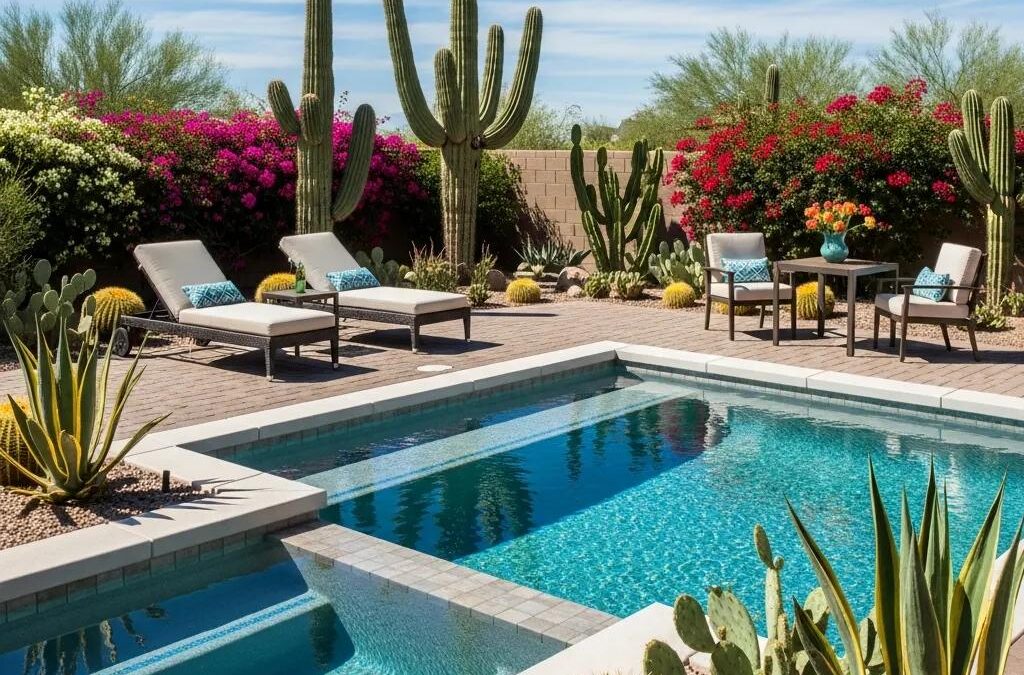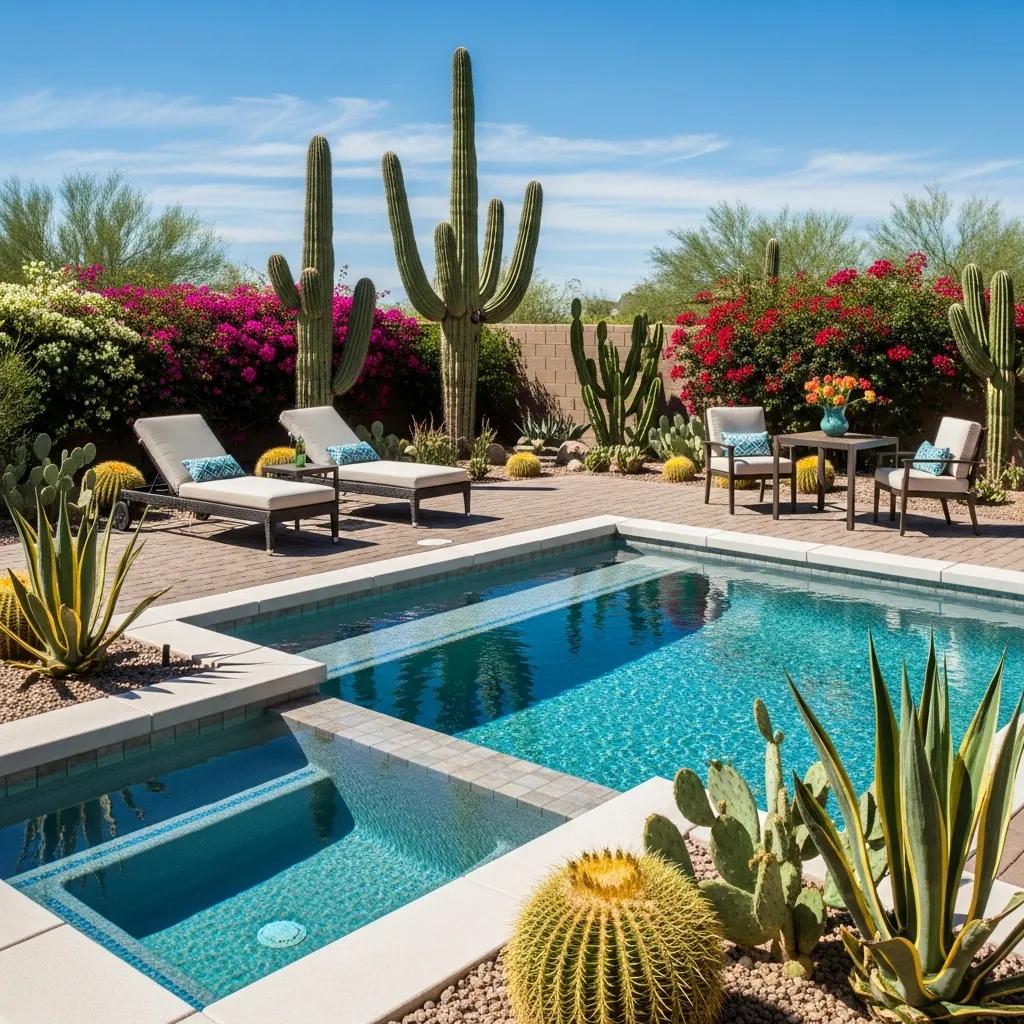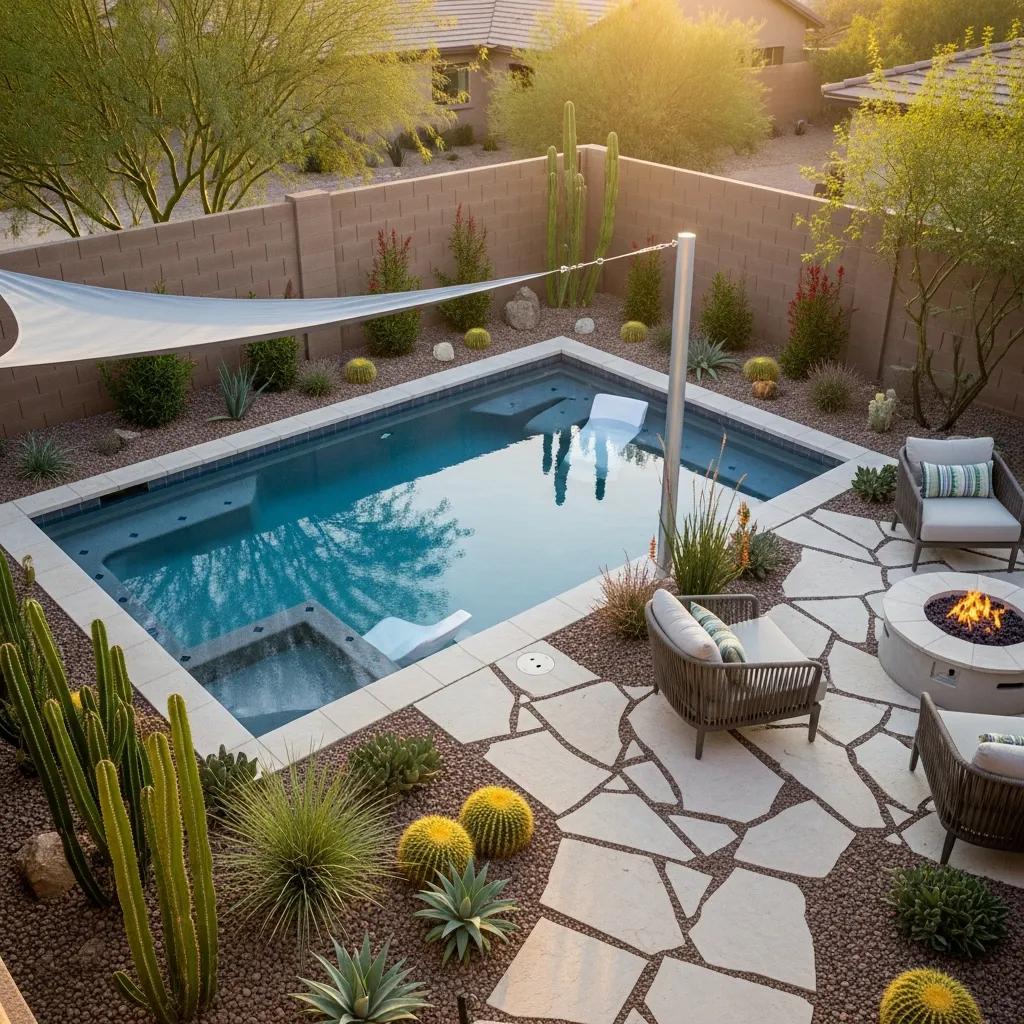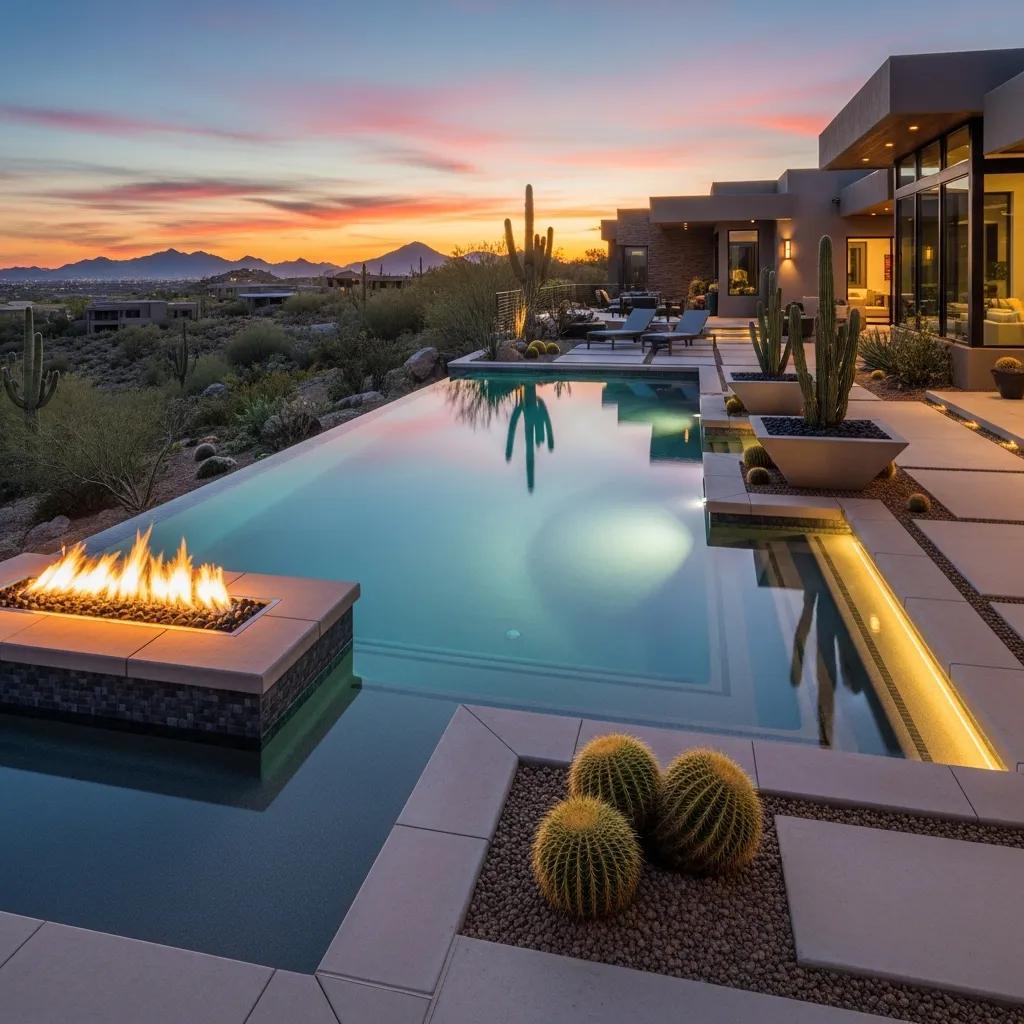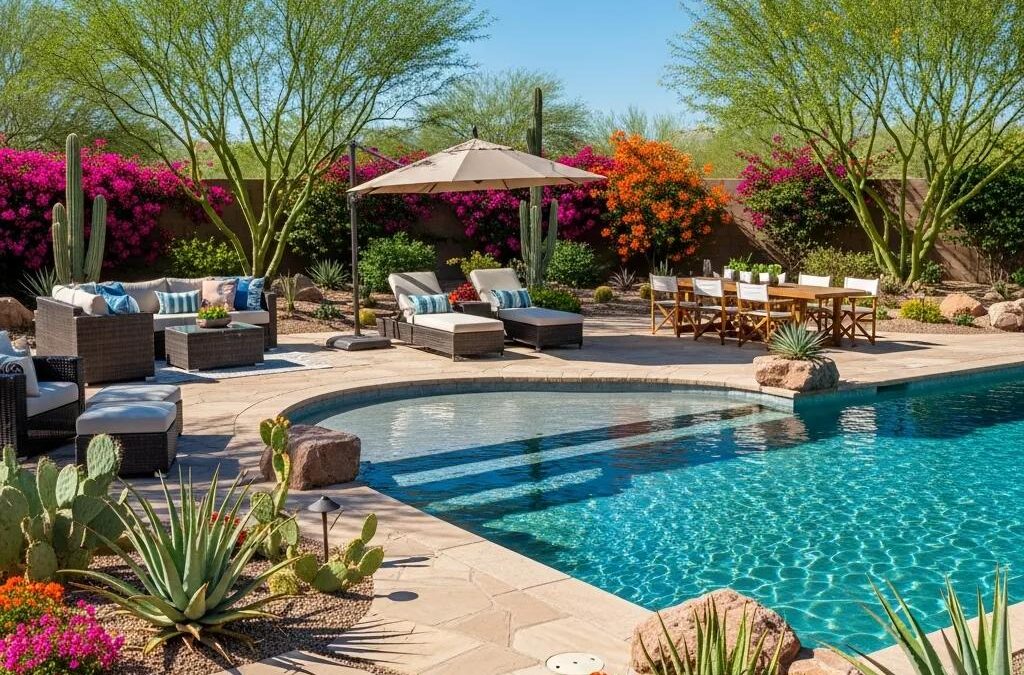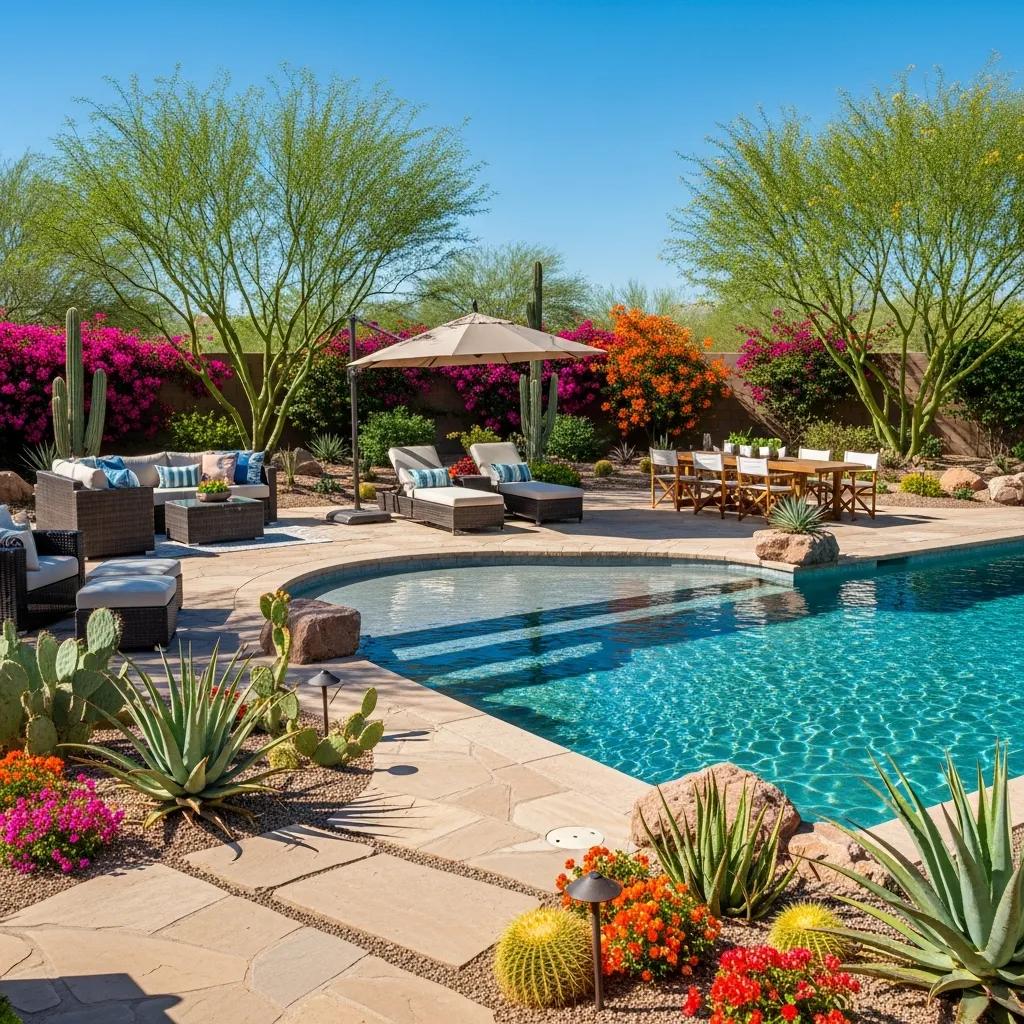
Custom Pool Building in Arizona: Design Your Dream Pool

Custom Pool Building in Arizona: Design Your Dream Pool
Custom Pool Building in Arizona: Design Your Dream Pool for Your Backyard Oasis

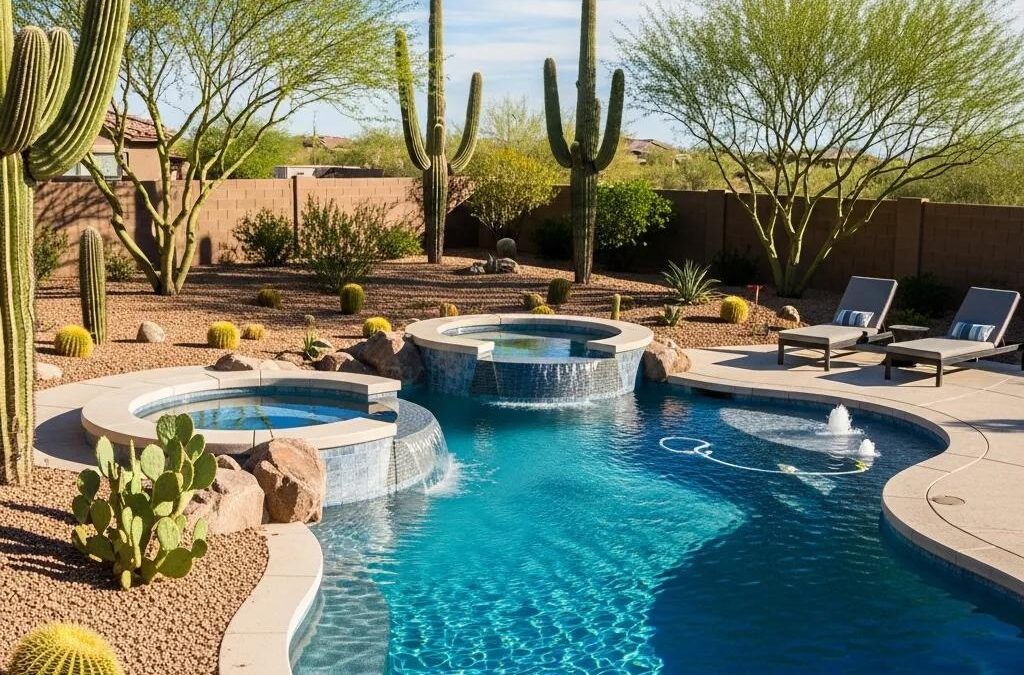
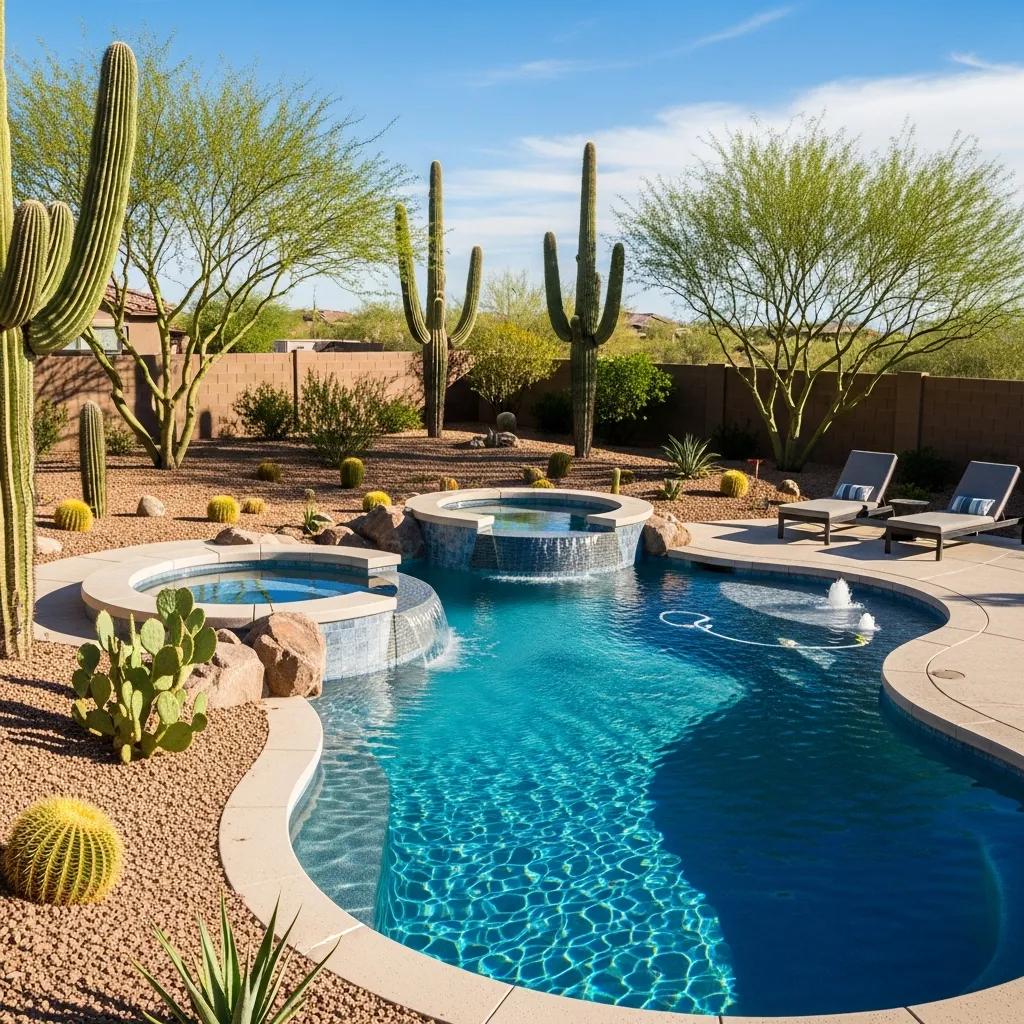
Creating a custom pool in Arizona is an exciting venture that transforms your backyard into a personal oasis. This guide will explore the essential aspects of custom pool building, including design options, construction processes, financing, and maintenance tips. Whether you’re looking to enhance your property value or create a space for family enjoyment, understanding the nuances of pool construction is crucial. Many homeowners face challenges in selecting the right design and builder, but with the right information, you can make informed decisions that lead to a stunning backyard retreat. This article will cover why custom inground pools are ideal for Arizona, popular styles and features, the construction process, financing options, and maintenance tips to keep your pool in pristine condition.

Why Choose Custom Inground Pools in Arizona?

Custom inground pools offer numerous advantages for Arizona homeowners, making them a popular choice for those looking to enhance their outdoor living spaces. These pools provide personalization options that cater to individual tastes and preferences, allowing homeowners to create a unique design that complements their property. Additionally, custom pools can increase property value, making them a wise long-term investment. The enhanced lifestyle that comes with having a pool—providing a space for relaxation, recreation, and entertainment—further solidifies their appeal.

What Are the Benefits of Custom Pool Design and Construction in Arizona?

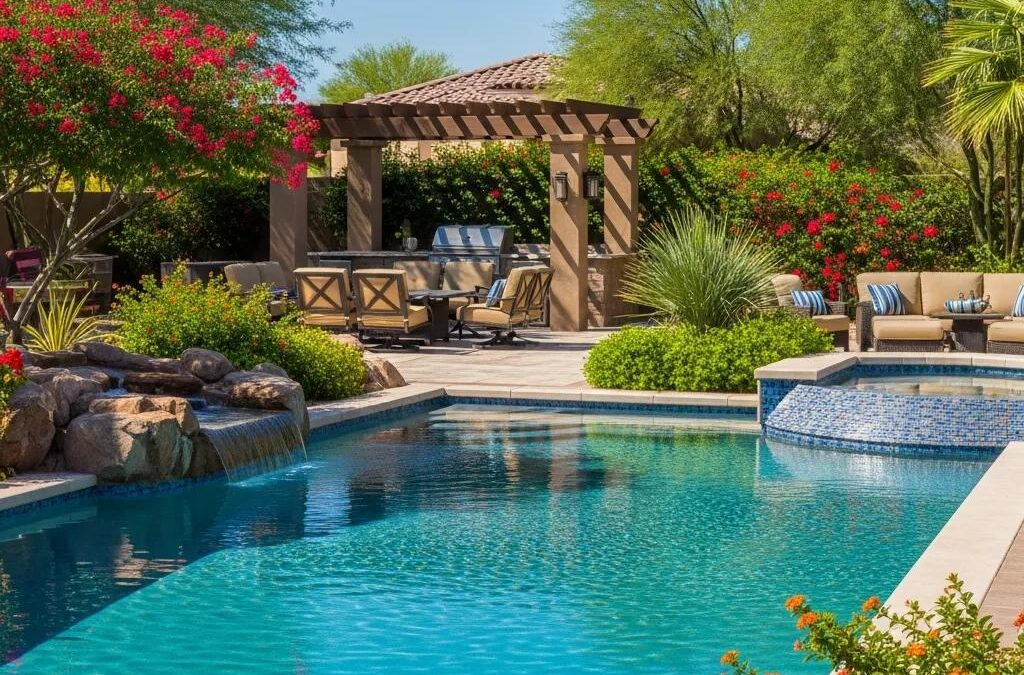
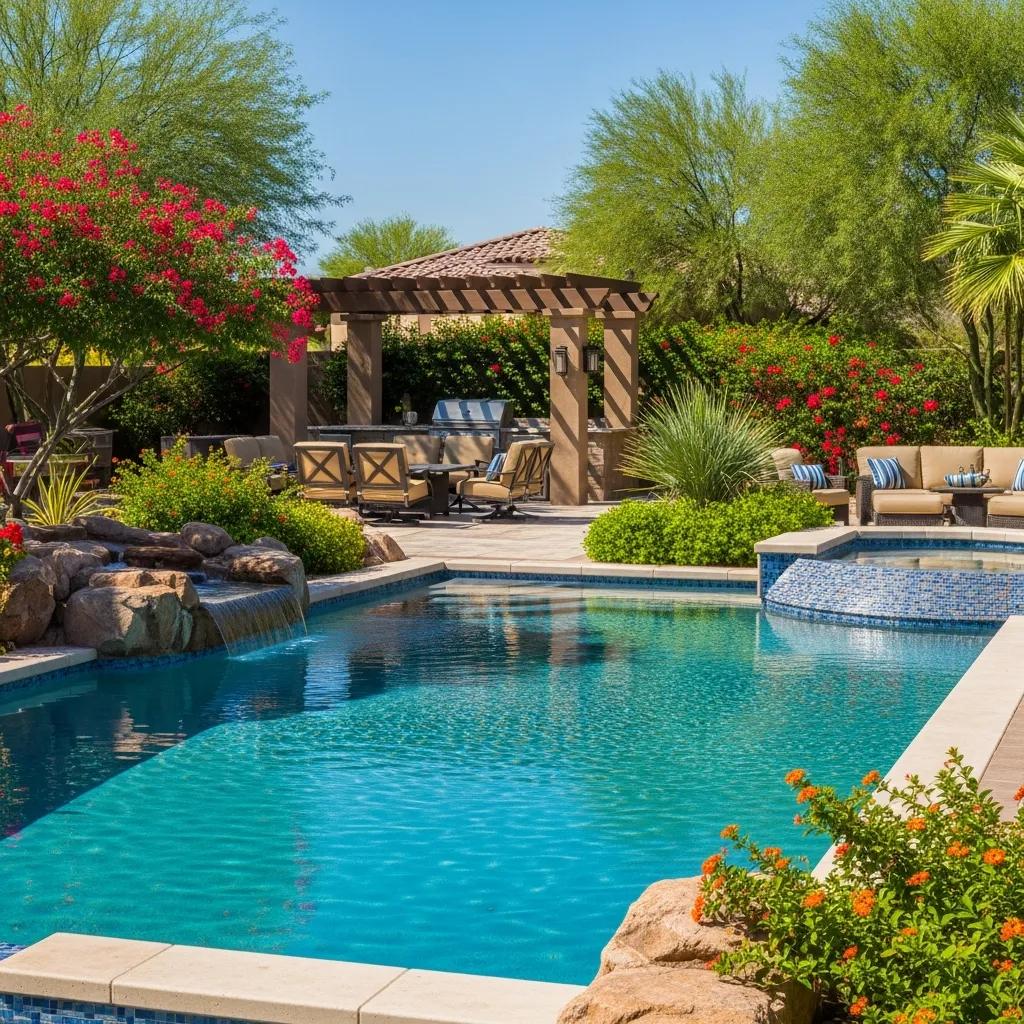
Custom pooldesign and construction in Arizona offer tailored solutions that meet the specific needs of homeowners. One of the primary benefits is the ability to create a pool that fits perfectly within the available space, maximizing both aesthetics and functionality. Homeowners can choose from various shapes, sizes, and features, ensuring that their pool aligns with their vision. Furthermore, custom pools often lead to increased enjoyment, as they can incorporate elements like waterfalls, lighting systems, and integrated spas that enhance the overall experience. This investment not only provides immediate enjoyment but also serves as a long-term asset that can appreciate in value.

How Do Luxury Pool Builders in Phoenix Ensure Quality and Satisfaction?

Luxury pool builders in Phoenix prioritize quality and client satisfaction through meticulous attention to detail and clear communication. They often employ skilled craftsmen who are experienced in various construction techniques, ensuring that every aspect of the pool is built to the highest standards. Client testimonials and case studies frequently highlight the satisfaction of homeowners who have worked with these builders, emphasizing the importance of a collaborative design process. By maintaining open lines of communication throughout the project, builders can address any concerns promptly, leading to a smoother constructionexperience and a final product that meets or exceeds expectations.

What Are the Popular Custom Pool Styles and Features in Arizona?

When it comes to custom pools in Arizona, several styles and features stand out due to their popularity and functionality. Homeowners often gravitate towards designs that not only look stunning but also withstand the local climate.

Which Pool Designs Best Suit Arizona’s Climate and Landscape?

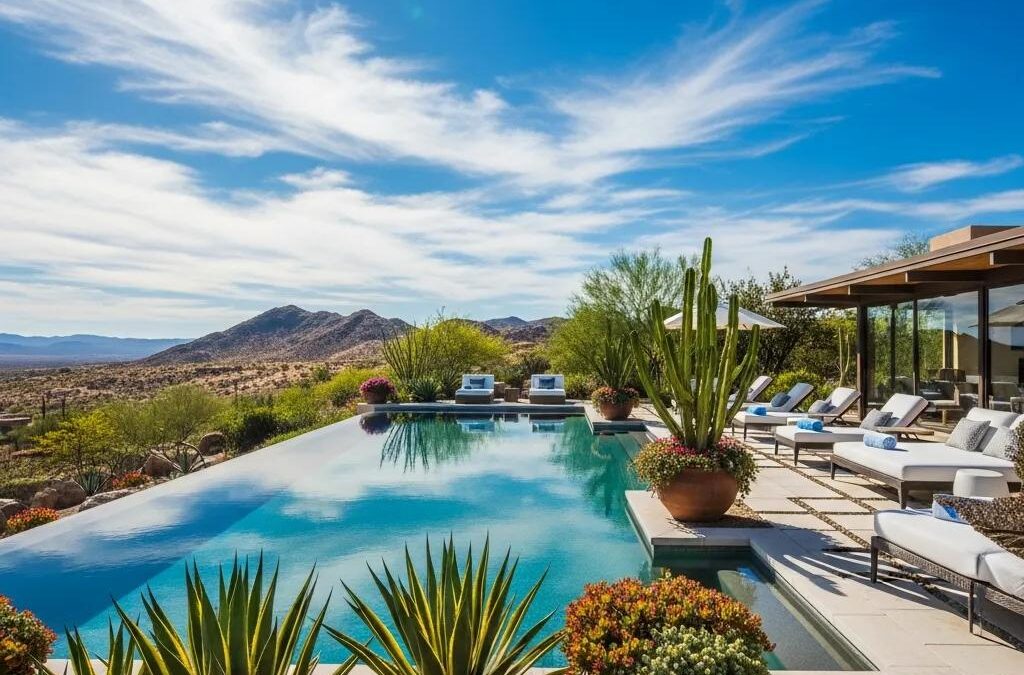
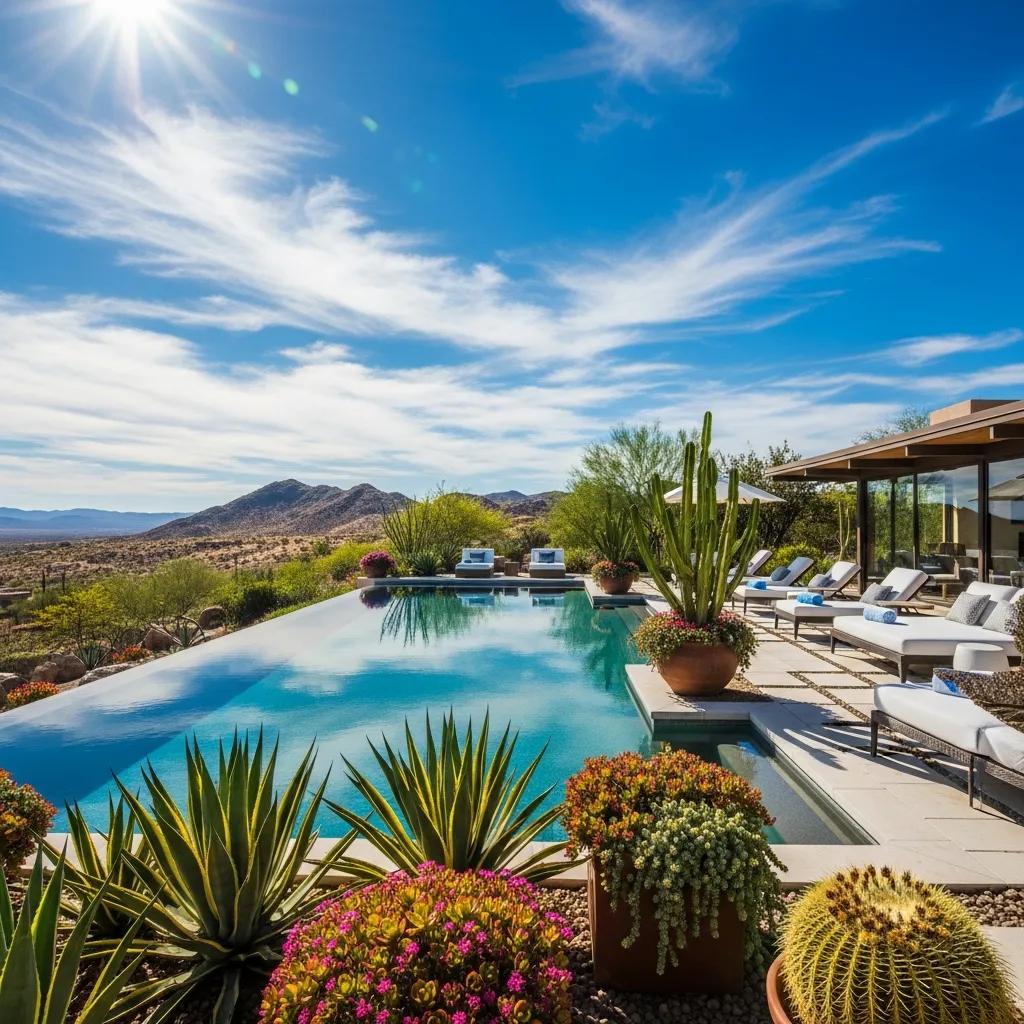
In Arizona, pool designs that prioritize heat resistance and water conservation are essential. Infinity pools, for instance, create a seamless visual connection with the landscape, enhancing the natural beauty of the surroundings. Freeform pools are also popular, as they can be designed to mimic natural bodies of water, providing a more organic feel. Additionally, incorporating energy-efficient features, such as variable-speed pumps and solar heating systems, can help homeowners save on utility costs while enjoying their pools year-round.

What Luxury Pool Features Enhance Your Backyard Oasis?
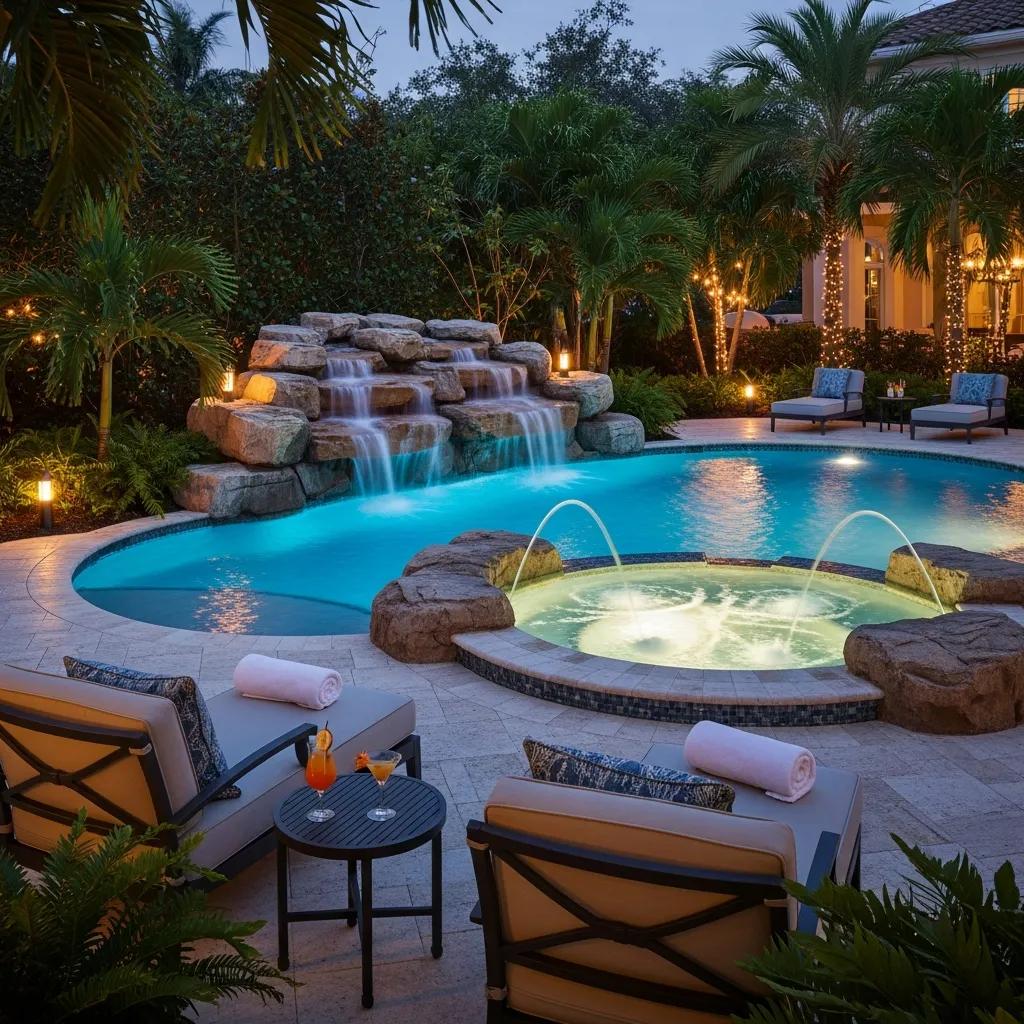
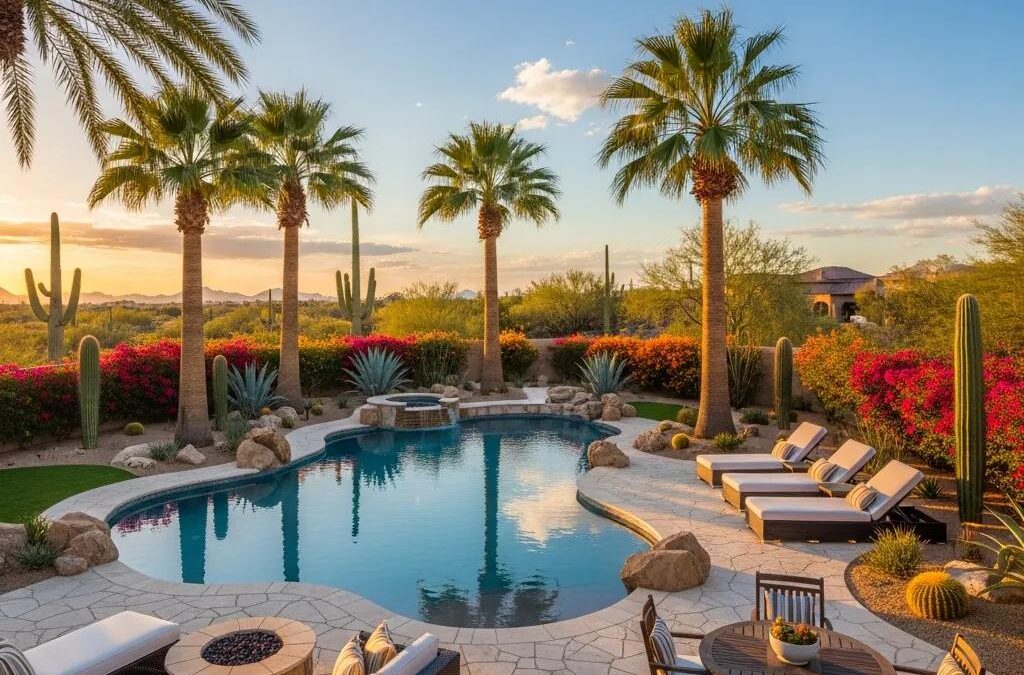
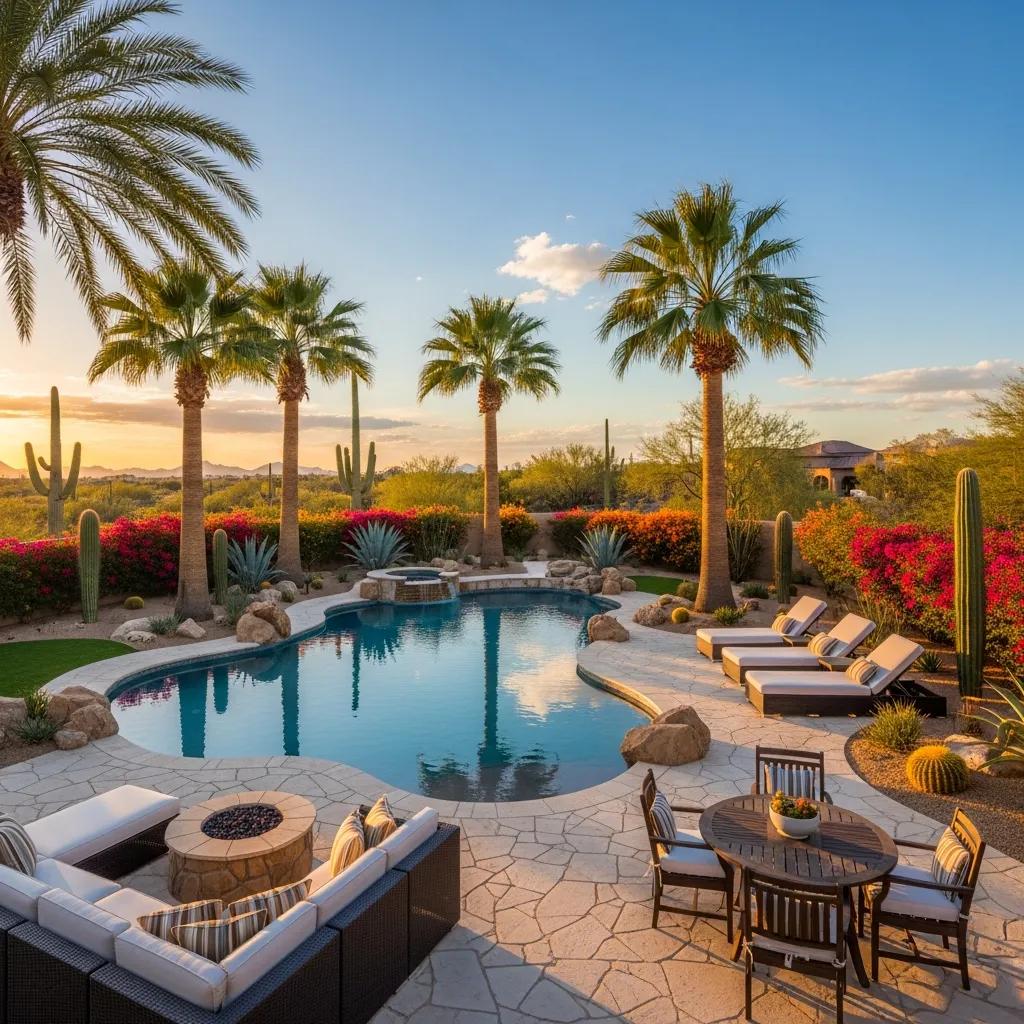
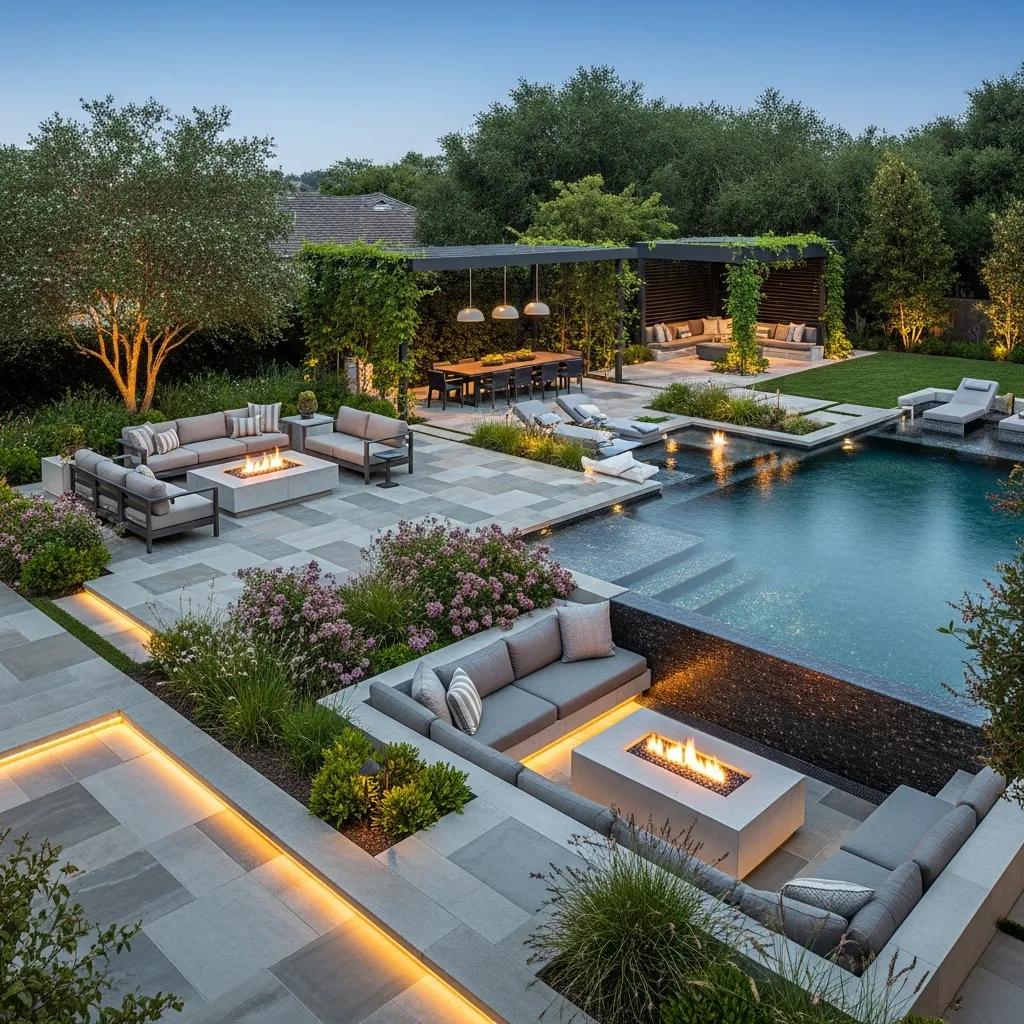
Luxury pool features can significantly enhance the overall experience of your backyard oasis. Integrated spas provide a relaxing retreat, while lighting options can create a stunning ambiance for evening gatherings. Waterfalls and water features not only add visual interest but also contribute to a soothing atmosphere. Homeowners may also consider adding pool decks and outdoor living spaces that complement the pooldesign, creating a cohesive environment for relaxation and entertainment.

How Does the Custom Pool Construction Process Work in Arizona?

Understanding the custom poolconstruction process is vital for homeowners looking to embark on this journey. The process typically involves several key steps, from initial planning to final installation.

What Are the Key Steps from Planning to Installation?

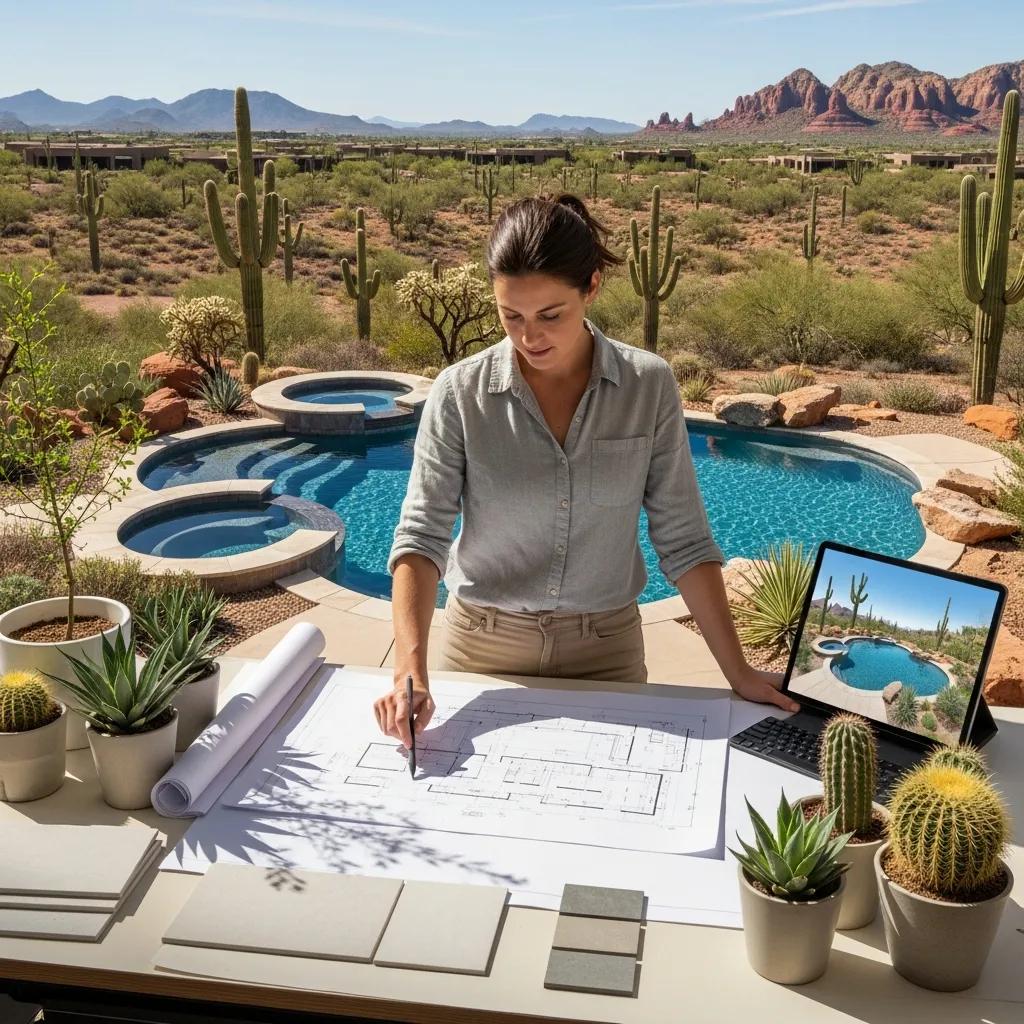
The construction process begins with an initial consultation, where homeowners discuss their vision and preferences with the builder. This is followed by a design phase, where detailed plans are created, including the pool’s shape, size, and features. Once the design is approved, the construction phase begins, which includes excavation, plumbing, and installation of the pool structure. Finally, a thorough inspection ensures that everything meets safety and quality standards before the pool is filled and ready for use.

How Long Does It Take to Build a Custom Swimming Pool in Arizona?

The timeline for building a custom swimming pool in Arizona can vary based on several factors, including the complexity of the design and weather conditions. On average, the construction process can take anywhere from 8 to 14 weeks. However, delays may occur due to permitting processes or unexpected weather events. Homeowners should communicate closely with their builders to stay informed about the timeline and any potential changes.

How Can You Finance Your Dream Pool in Arizona?

Financing a custom pool can be a significant consideration for many homeowners. Understanding the available options can help you make informed decisions that align with your budget.

What Financing Options Are Available for New Swimming Pool Installation in AZ?

Several financing options are available for new swimming pool installations in Arizona. Personal loans are a popular choice, offering flexibility in repayment terms. Home equity loans or home equity lines of credit (HELOCs) allow homeowners to borrow against their property’s equity, often at lower interest rates. Additionally, some builders may offer financing plans that allow for manageable monthly payments, making it easier to invest in a custom pool without straining your finances.

How to Choose the Best Pool Financing for Your Budget?

When selecting the best pool financing option, it’s essential to assess your financial health and understand the terms of each option. Consider factors such as interest rates, repayment periods, and any associated fees. Creating a budget that outlines your expected costs and potential monthly payments can help you determine which financing option aligns best with your financial situation. Consulting with a financial advisor may also provide valuable insights into making the right choice.

How Do Pool and Landscape Packages Create a Cohesive Backyard Oasis?

Combining pool building with landscaping services can create a harmonious and visually appealing outdoor space. This approach not only enhances the aesthetic appeal but also maximizes the functionality of the area.

What Are the Benefits of Combining Pool Building with Landscaping Services?

Integrating pool building with landscaping services offers several advantages. A streamlined process allows for better coordination between the pool and landscapedesign, ensuring that both elements complement each other. This synergy can lead to increased property value, as a well-designed outdoor space is often more attractive to potential buyers. Additionally, personalized designs that incorporate both the pool and landscaping can create a unique and inviting atmosphere for family and friends.

Which Desert Oasis Packages Are Popular in Arizona?

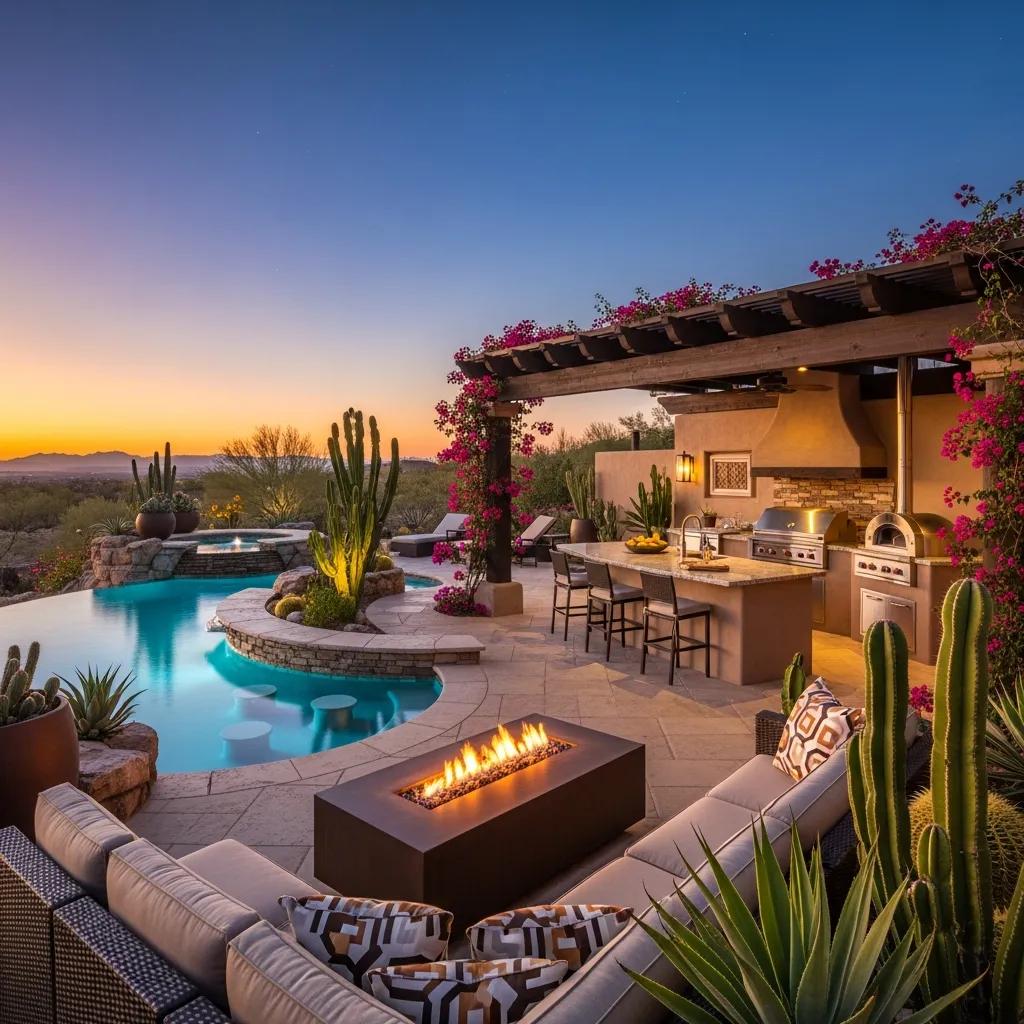
Desert oasis packages are increasingly popular among Arizona homeowners looking to create a complete outdoor experience. These packages often include features such as custom pools, outdoor kitchens, fire pits, and drought-tolerant landscaping that thrives in the desert climate. Family-friendly options may focus on safety features and shallow areas for children, while luxury packages might include high-end amenities like swim-up bars and integrated spas. Seasonal promotions can also provide opportunities for homeowners to invest in their dream backyard at a more affordable price.

What Maintenance and Care Tips Help Preserve Your Custom Pool in Arizona?
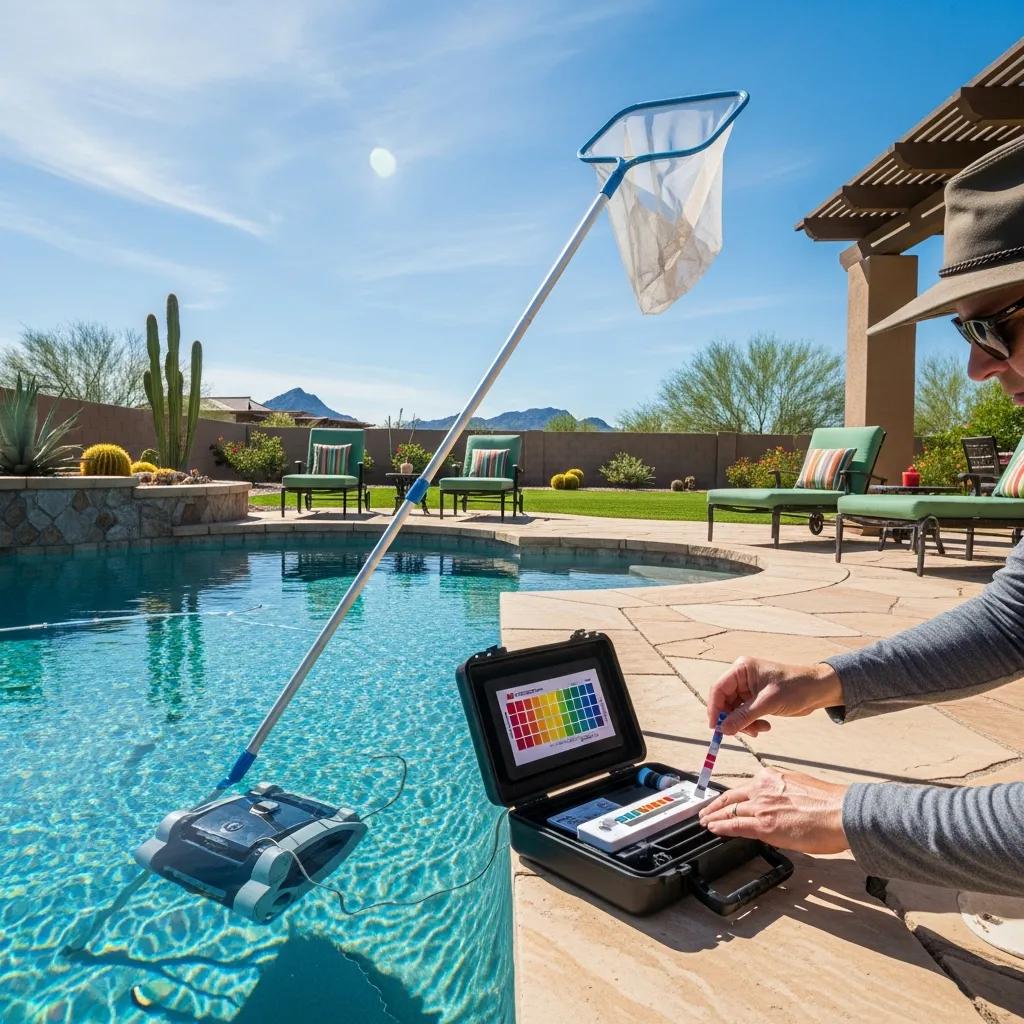
Maintaining a custom pool is essential for ensuring its longevity and enjoyment. Regular care can prevent costly repairs and keep the pool looking pristine.

How to Maintain Energy Efficiency and Water Conservation in Arizona Pools?

Energy efficiency and water conservation are critical considerations for pool maintenance in Arizona. Homeowners should invest in energy-efficient equipment, such as variable-speed pumps and LED lighting, to reduce energy consumption. Additionally, implementing water-saving features, like automatic pool covers and efficient filtration systems, can help minimize water loss. Routine checks for leaks and proper chemical balance are also vital for maintaining a healthy pool environment.

Understanding the local context of water usage further emphasizes the importance of these conservation efforts.

Residential Water Conservation in Phoenix, Arizona

A key strategy for sustainable water resource management in cities is enhancing water use efficiencies in the residential sector, which accounts for a significant portion of overall demand. We examine how residents’ perceptions about water consumption correspond to actual residential demand in Phoenix, Arizona neighborhoods, thereby informing conservation efforts. Of critical importance to water managers, we pinpoint areas where reducing high consumption rates are confounded by residents’ perceptions of low usage rates.

Identifying the water conservation potential of neighborhoods in Phoenix,

Arizona: An integrated socio-spatial approach, KL Larson, 2012

What Are Basic Pool Care Guidelines for Arizona Homeowners?

Basic pool care guidelines for Arizona homeowners include regular cleaning, chemical balancing, and seasonal preparations. Homeowners should establish a routine for skimming debris, vacuuming the pool, and checking chemical levels to ensure safe swimming conditions. Seasonal preparations may involve winterizing the pool or preparing it for summer use, depending on the time of year. By following these guidelines, homeowners can enjoy their custom pools for years to come.

Financing OptionDescriptionProsCons
Personal LoansUnsecured loans for various purposesFlexible terms, quick approvalHigher interest rates
Home Equity LoansLoans against home equityLower interest rates, potential tax benefitsRisk of foreclosure
Builder FinancingFinancing offered by pool buildersConvenient, tailored to projectMay have higher fees

This table outlines the various financing options available for homeowners considering a custom pool installation. Each option has its advantages and disadvantages, making it essential to evaluate which aligns best with your financial situation.

Creating a custom pool in Arizona is a rewarding investment that enhances your outdoor livingexperience. By understanding the design options, construction process, financing, and maintenance, you can ensure that your dream pool becomes a reality. With the right planning and execution, your backyard oasis will provide enjoyment for years to come.

Arizona Pool Remodeling & Renovation: Transform Your Backyard Into a Desert Oasis

Arizona Pool Remodeling & Renovation: Transform Your Backyard Into a Desert Oasis

Arizona Pool Remodeling & Renovation: Transform Your Backyard Into a Desert Oasis with Expert Design and Services

Transforming your backyard into a desertoasis through Arizonapoolremodeling and renovation is an exciting venture that can significantly enhance your outdoor living experience. This comprehensive guide will explore the various aspects of poolremodeling, including the benefits, services offered, and the latest design trends. Homeowners often seek to create a functional and aesthetically pleasing space that serves as a retreat from the Arizonaheat. By understanding the nuances of poolremodeling, you can make informed decisions that elevate your backyard into a stunning oasis. This article will cover essential topics such as the differences between remodeling and renovation, specific services offered by Island Pools and Landscaping AZ, and the costs associated with these transformations.

Indeed, studies show a strong preference among Arizona residents for this type of lush, inviting landscape.

Arizona Oasis Landscape Design Preferences

More homeowners identified their front yard landscapes as being a desert design type rather than an oasis or mesic design, with the percentage higher for homeowners living in neighborhoods with CC&Rs than for those in neighborhoods without CC&Rs. More homeowners preferred an oasis landscape design type to either desert or mesic designs, and roughly 70% of homeowners preferred a land

Residential landscaping in Phoenix, Arizona, US: Practices and preferences relative to covenants, codes, and restrictions, 2003

What Is Arizona Pool Remodeling and How Does It Enhance Your Backyard?

Arizonapoolremodeling involves updating and improving existing pool structures to enhance their functionality and aesthetics. This process can include resurfacing, tile replacement, and the addition of modern features that not only beautify the pool but also improve its longevity. Homeowners benefit from a remodeled pool through increased property value, enhanced enjoyment, and improved safety features. By investing in poolremodeling, you can create a stunning centerpiece for your backyard that complements your overall landscapedesign.

What Are the Differences Between Pool Remodeling and Renovation?

Poolremodeling and renovation are often used interchangeably, but they have distinct meanings. Remodeling refers to making significant changes to the pool‘s structure or design, such as altering its shape, adding new features, or upgrading materials. Renovation, on the other hand, typically involves restoring the pool to a good working condition, focusing on repairs and maintenance rather than major changes. Understanding these differences helps homeowners choose the right approach based on their goals and budget.

How Does Pool Resurfacing Improve Pool Longevity and Appearance?

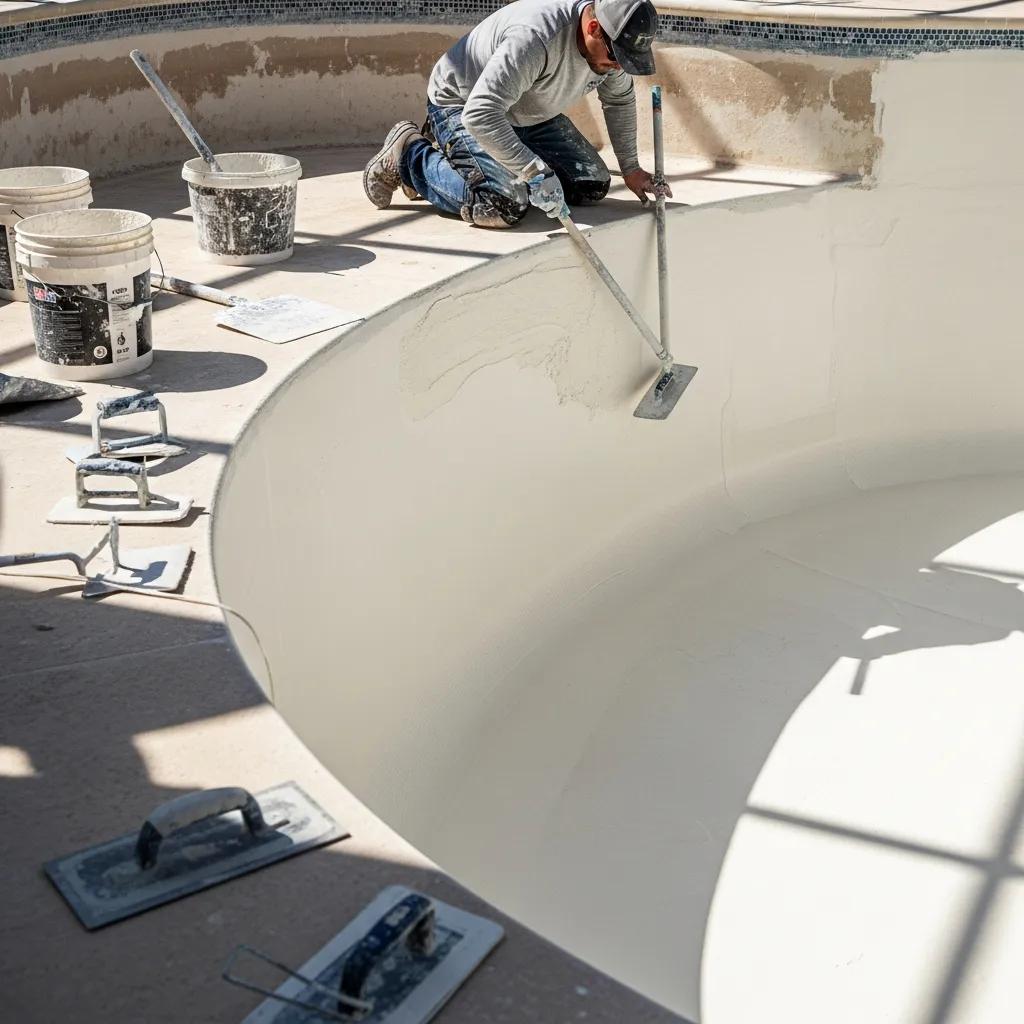
Poolresurfacing is a crucial aspect of poolremodeling that enhances both the longevity and appearance of the pool. By applying a new surface layer, such as plaster, pebble, or tile, homeowners can address issues like cracks, stains, and rough textures. This not only revitalizes the pool‘s look but also protects the underlying structure from further damage. Regular resurfacing is generally recommended every 10-15 years to maintain the pool’s condition, making it a worthwhile investment for any homeowner.

Which Pool Remodeling Services Does Island Pools and Landscaping AZ Offer in Phoenix?

Island Pools and Landscaping AZ provides a range of specialized poolremodeling services tailored to meet the unique needs of homeowners in Phoenix. Their expertise ensures that each project enhances the beauty and functionality of your outdoor space.

How Do Pool Tile Replacement and Coping Upgrades Transform Your Pool?

Pooltile replacement and coping upgrades can dramatically transform the look and feel of your pool. New tiles can introduce vibrant colors and patterns, while upgraded coping provides a polished edge that enhances safety and aesthetics. Homeowners can choose from various materials, including natural stone and ceramic, to achieve the desired look. These upgrades not only improve the visual appeal but also contribute to the pool‘s overall durability.

What Are the Benefits of Equipment Upgrades and Water Feature Installations?

Upgrading pool equipment and adding water features can significantly enhance the swimming experience. Modern pumps and filters improve energy efficiency and water quality, while features like waterfalls and fountains add a luxurious touch. These enhancements can increase property value and create a serene atmosphere, making your backyard a perfect retreat. Additionally, energy-efficient equipment can lead to lower utility bills, providing long-term savings for homeowners.

How Can Backyard Remodeling Create a Desert Oasis with Outdoor Living Spaces in Arizona?

Backyardremodeling goes beyond just the pool; it encompasses the entire outdoor living experience. By integrating landscaping, hardscaping, and functional outdoor spaces, homeowners can create a true desertoasis.

What Hardscaping and Softscaping Elements Are Ideal for Arizona’s Climate?

In Arizona‘s arid climate, selecting the right hardscaping and softscaping elements is crucial for creating a sustainable and beautiful outdoor space. Drought-resistant plants, such as succulents and native grasses, thrive in the heat while requiring minimal water. Hardscaping features like stone patios, walkways, and retaining walls not only enhance the landscape but also provide functional spaces for relaxation and entertainment. These elements work together to create a cohesive and inviting environment.

How Do Outdoor Kitchens, Fire Pits, and Artificial Turf Enhance Your Backyard?

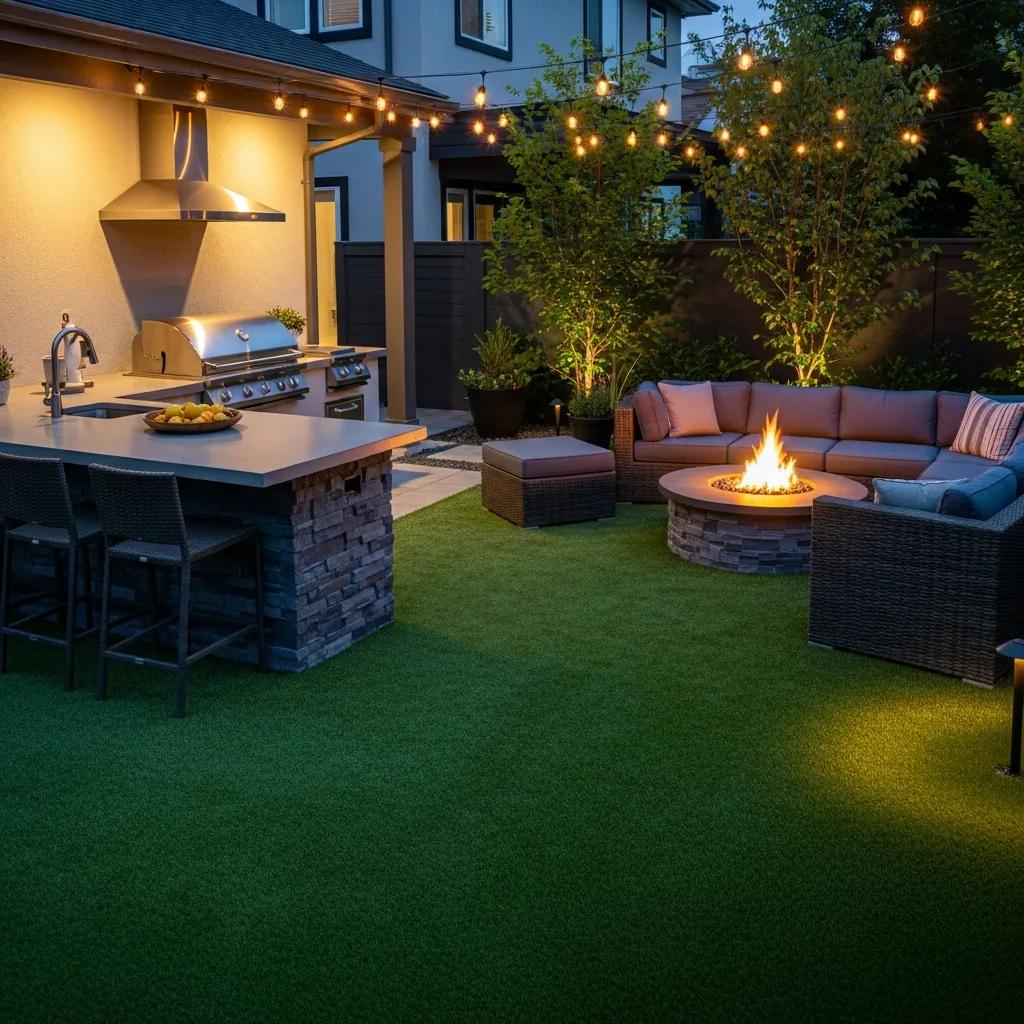
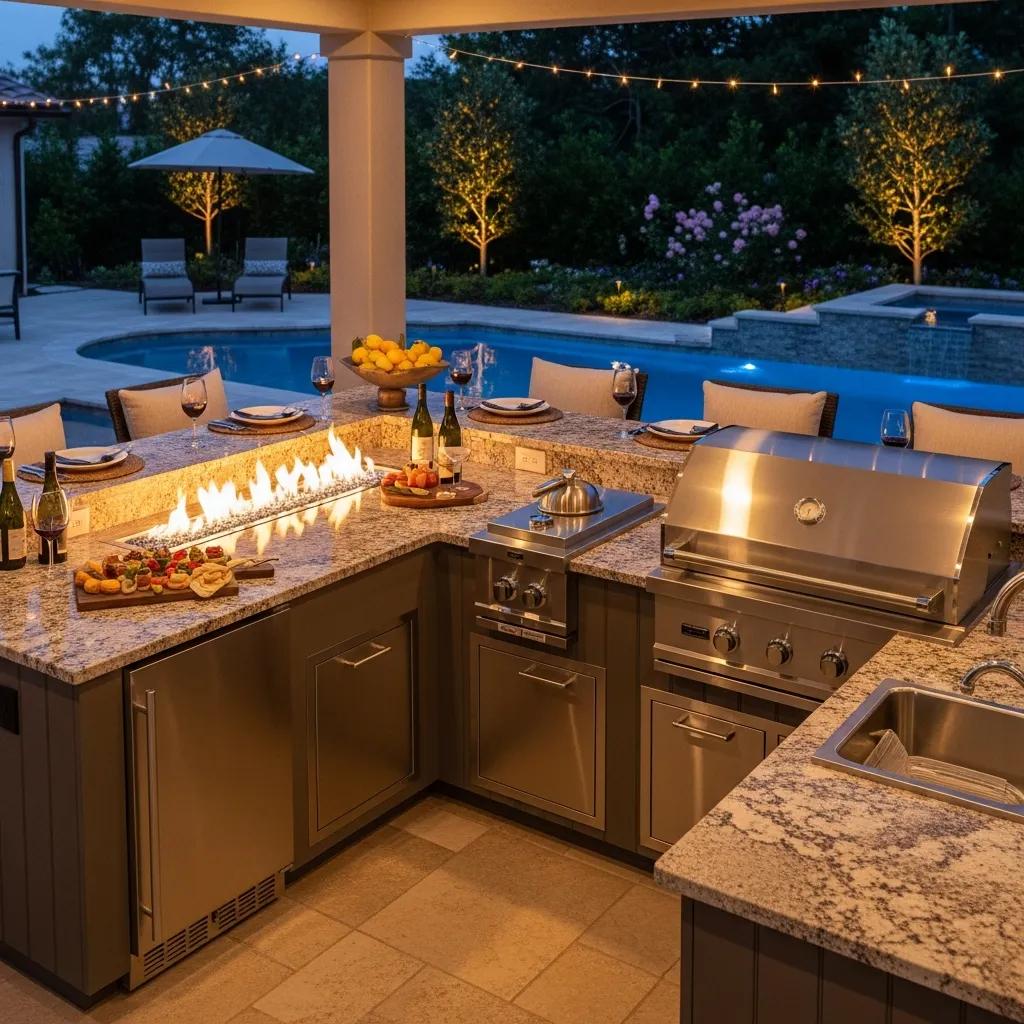
Incorporating outdoor kitchens, fire pits, and artificial turf can elevate your backyard experience. Outdoor kitchens provide a convenient space for cooking and entertaining, while fire pits create a cozy atmosphere for gatherings. Artificial turf offers a low-maintenance alternative to natural grass, ensuring a lush green space year-round without the hassle of watering and mowing. Together, these features enhance the usability and enjoyment of your outdoor area, making it a perfect spot for family and friends.

What Are the Typical Costs and Financing Options for Pool Remodeling in Arizona?

Understanding the costs associated with poolremodeling is essential for homeowners planning their projects. Various factors influence the overall expense, including the scope of work, materials used, and additional features.

How Much Does the Oasis Pool Package Cost and What Does It Include?

The OasisPool Package is a comprehensive offering that includes essential remodeling services such as resurfacing, tile replacement, and equipment upgrades. The cost of this package typically ranges from $15,000 to $30,000, depending on the specific features selected and the size of the pool. This package provides homeowners with a complete solution to transform their pool into a stunning oasis, ensuring that all aspects of the remodeling process are covered.

What Financing Solutions Are Available for Phoenix Pool Renovations?

For homeowners considering pool renovations, various financing options are available to make the process more manageable. Many companies offer flexible payment plans, personal loans, or home equity lines of credit to help finance the project. Understanding these options allows homeowners to choose a solution that fits their budget and financial situation, making it easier to achieve their dreambackyard.

What Are the Latest 2026 Arizona Pool Design Trends to Transform Your Backyard?

Staying updated on the latest design trends is essential for homeowners looking to create a modern and stylish pool area. The 2026 trends emphasize sustainability, functionality, and aesthetic appeal.

How Do Thoughtful Lighting and Fire Features Enhance Pool Ambiance?

Incorporating thoughtful lighting and fire features can significantly enhance the ambiance of your pool area. LED lighting can be strategically placed to highlight architectural features and create a magical atmosphere at night. Fire features, such as fire pits or torches, add warmth and a focal point for gatherings, making the outdoor space inviting and enjoyable. These elements not only improve aesthetics but also extend the usability of the pool area into the evening hours.

Why Are Safety-Forward Designs and Natural Stone Finishes Popular in Arizona?

Safety-forward designs and natural stone finishes are gaining popularity among Arizona homeowners. These designs prioritize safety features, such as non-slip surfaces and secure fencing, ensuring a safe environment for families. Natural stone finishes provide a timeless and elegant look while blending seamlessly with the desertlandscape. This combination of safety and aesthetics makes these design choices appealing for modern pool renovations.

How Does Island Pools and Landscaping AZ Ensure Customer Satisfaction and Quality?

Island Pools and Landscaping AZ is committed to delivering high-quality services and ensuring customer satisfaction throughout the remodeling process. Their approach focuses on clear communication and attention to detail.

What Is the Step-by-Step Process from Consultation to Completion?

The remodeling process begins with an initial consultation, where homeowners discuss their vision and requirements. Following this, a detailed design plan is created, incorporating the desired features and materials. Once approved, the construction phase begins, with regular updates provided to the homeowner. This structured approach ensures that each project is completed on time and to the highest standards, resulting in a beautiful and functional outdoor space.

How Does the Company Guarantee Satisfaction and Timely Communication?

Island Pools and Landscaping AZ prioritizes customer satisfaction by maintaining open lines of communication throughout the project. They provide regular updates and are always available to address any concerns or questions. This commitment to transparency and responsiveness ensures that homeowners feel confident and informed during the remodeling process, leading to a successful outcome.

ServiceCostDescription
Pool Resurfacing$3,000 - $7,000Refreshes the pool surface, improving aesthetics and longevity.
Tile Replacement$1,500 - $5,000Upgrades pool tiles for enhanced beauty and safety.
Equipment Upgrades$2,000 - $10,000Modernizes pool equipment for better efficiency and performance.

Creating a desertoasis in your backyard through Arizonapoolremodeling and renovation is an investment that pays off in both enjoyment and property value. By understanding the various services available, the costs involved, and the latest design trends, homeowners can make informed decisions that lead to a stunning outdoor space. With the expertise of Island Pools and Landscaping AZ, transforming your backyard into a beautiful oasis is within reach.

Pool & Landscaping Services in Carefree, Arizona

Pool & Landscaping Services in Carefree, Arizona

Luxury Pool & Landscaping Services in Carefree, Arizona — Design Your Custom Outdoor Oasis

Designing a custom outdoor oasis in Carefree, Arizona means balancing dramatic desert light, sensible water use, and the upscale amenities you want to enjoy year-round. This guide walks you through how luxury pool architecture and premium landscape design work together to create resort-style backyards. You’ll find practical definitions, the reasoning behind common choices (materials, systems, plant palettes), and clear steps for building or remodeling a pool and landscape. The article is organized into six focused sections: what luxury pool design looks like, how landscape architecture elevates yards, current outdoor living trends, remodeling best practices, retrofit options for resort-style upgrades, and what Island Pool & Landscaping brings to the table. Local search terms such as “carefree pool builder,” “luxury pool design carefree,” and “drought-tolerant landscapingcarefree” are included to help homeowners planning projects in our area.

What Defines Luxury Pool Design in Carefree, Arizona?

Luxury pool design here blends custom geometry, high-end materials, and systems that maximize views while conserving resources. The goal is intentional integration: the pool becomes the backyard’s centerpiece, linking indoor rooms, patios, plantings, and lighting into a single outdoor living area. In a desert setting, luxury also means water-wise equipment and finishes that stand up to intense sun and echo the local palette—so you get lasting beauty with lower upkeep. Below are the standout features you’ll find on high-end Carefree projects and why they matter for daily use and resale value.

Luxury pool features commonly chosen for desert-luxury homes:

  • Infinity edge pools: a seamless visual tie to distant views and sky.
  • Cold plunge basins: compact, temperature-controlled pools for contrast therapy.
  • Integrated spas and tanning ledges: versatile zones for relaxing and entertaining.
  • Smart pool automation: remote control of filtration, heating, and lighting for efficiency.

Each feature contributes to how a pool feels and performs. Choosing the right mix depends on site conditions and how you plan to use your outdoor space.

Below is a simple comparison of select features to help you weigh trade-offs before making design decisions.

FeatureCharacteristicBenefit
Infinity EdgeWater flows over a concealed lip to the horizonExpands perceived space and showcases views
Cold Plunge BasinSmall, deep, temperature-controlledDelivers wellness benefits in a compact footprint
Integrated SpaHeated seating and jetsExtends seasonal use and supports socializing
Smart AutomationApp or controller-managed systemsBoosts efficiency and cuts manual upkeep

Use this comparison to prioritize features that match your lifestyle and your site’s opportunities. From here, material choices and local conditions will guide long-term performance.

Which Custom Pool Features Elevate Your Backyard Experience?

Great custom features turn design ideas into lived moments. Natural stone and glass tile offer tactile, reflective surfaces that reduce glare and connect visually with native rock tones. Variable-speed pumps, salt-friendly sanitization, and other system choices lower operating costs while keeping water healthy. Design moves—negative-edge lines, raised spas with spillovers, and layered lighting—create atmosphere for evening gatherings and daytime relaxation. Proper scale and orientation relative to sun and views ensure each feature works as intended; finish and system choices then lock in maintenance expectations and longevity.

Picking the right finishes and equipment is both a performance and aesthetic decision, especially when adding specialty elements like cold plunges or vanishing edges.

How Do Infinity Edge and Cold Plunge Pools Enhance Luxury Living?

An infinity edge creates the illusion of water extending to the horizon by flowing over a hidden trough—perfect when a property has a strong view. Cold plunge pools are small, chilled basins used for contrast therapy and recovery; they’ve become common on wellness-focused projects. Together, these high-impact features offer visual drama and health benefits, but they also require careful structural, plumbing, and energy planning so the stunning result remains efficient and maintainable.

With those mechanics understood, the next question is how landscape architecture frames and supports these pool features.

How Does High-End Landscape Architecture Transform Carefree Backyards?

High-end landscape architecture organizes outdoor rooms, clarifies circulation, and selects plants and materials that both highlight the pool and perform well in desert conditions. The technique is layered design: durable hardscapes set thresholds and walkways, softscapes add texture, shade and seasonal interest, and lighting ties everything together for nighttime use and safety. Designers favor drought-tolerant palettes and native-inspired plantings to reduce irrigation needs while maintaining a sophisticated look—delivering a cohesive outdoor environment rather than a collection of isolated elements. The table below compares common landscape strategies and their impacts on water use and upkeep.

This table outlines landscape approaches well-suited to Carefree yards and the trade-offs homeowners should consider.

Plant/StrategyWater UseMaintenance
Native Arizona shrubsLowMinimal pruning and irrigation
Drought-tolerant perennialsLow–ModerateSeasonal cleanup, light feeding
Artificial turfNone for wateringLow upkeep, occasional brushing/infill
Mixed xeriscape bedsMinimalPeriodic weeding and mulching

These choices show how a desert-modern aesthetic can be achieved while cutting resource use—then hardscape and planting decisions refine microclimates and long-term performance.

What Are the Benefits of Drought-Tolerant and Desert Modern Landscaping?

Drought-tolerant, desert-modern landscapes lower potable water demand and deliver a refined look that pairs naturally with luxury pools. Water savings come from smart plant selection and efficient irrigation—drip systems and zoned controllers cut waste—while many desert-adapted plants need less pruning and fertilizing. The result is a textured palette of succulents, sculptural grasses, and native shrubs that changes with the seasons and fits Carefree’s architecture. Artificial turf can be added selectively where a green play surface matters but watering does not.

Those sustainability benefits inform how you choose hardscape materials and layout to optimize shade, flow, and comfort.

How Are Hardscape and Softscape Elements Integrated for Functionality and Beauty?

Successful integration focuses on circulation, sightlines, and compatible materials so patios, retaining walls, paths, and plantings form cohesive outdoor rooms. Pavers and retaining elements define activity zones; planting strategies reduce runoff and protect nearby structures. Lighting ties hard and soft elements together for safe, attractive evenings. Proper grading prevents erosion and keeps water moving away from structures. A short materials checklist—durable pavers, UV-resistant finishes, permeable surfaces, and native plant palettes—keeps the balance between performance and beauty.

With those integrations in place, let’s look at current trends shaping outdoor living in Carefree.

What Are the Latest Trends in Custom Outdoor Living Spaces in Carefree?

Modern outdoor living emphasizes wellness, seamless indoor-outdoor flow, and smart systems that cut maintenance while improving comfort. Designers mix concrete, stone, and responsibly sourced wood, and add automation for shading, pool chemistry, and lighting so outdoor spaces feel like true home extensions. Popular trends include cold plunge features, integrated smart controls, and low-maintenance, weatherproof finishes—choices driven by demand for health-focused amenities and long-term value. Below are the trends that matter most for Carefree properties.

Top trends shaping luxury outdoor living design:

  • Cold plunge and wellness features: compact, high-value wellness zones.
  • Smart technology integration: automates systems for convenience and savings.
  • Mixed-material durable finishes: resist sun exposure and minimize upkeep.
  • Indoor-outdoor continuity: consistent materials and large openings to unify spaces.

These directions influence decisions about outdoor kitchens, shade, and entertainment layouts.

How Do Luxury Outdoor Kitchens and Fire Features Add Value and Comfort?

Outdoor kitchens and fire features expand usable living space, create entertaining focal points, and can add measurable resale value when built with durable materials. Choose appliances and countertops rated for UV and heat exposure, and plan layouts for service flow and clear sightlines to the pool. Fire elements—linear fireplaces or built-in pits—extend evening use and add atmospheric light. Thoughtful, weather-ready specification makes these areas comfortable and low-maintenance, especially important in Arizona’s climate.

Next, consider shade structures and layouts that work best in the desert sun.

What Shade Structures and Entertainment Areas Suit Arizona’s Climate?

Shade solutions for Arizona prioritize UV-resistant materials and designs that promote airflow to cut radiant heat at the occupant level. Options include insulated covered patios, pergolas positioned for seasonal sun angles, and nylon or high-performance fabric shade sails oriented to prevailing breezes. Each approach has trade-offs in cost and permanence. Arrange seating and circulation to avoid afternoon glare and provide safe access to pools and service areas. Use materials that resist fading and thermal stress—performance fabrics, treated woods, and coated metals—to ensure long-lasting, low-maintenance outdoor rooms.

With smart shade planning, many homeowners then choose to update existing pools to match a resort-style vision.

How Does Pool Remodeling and Renovation Enhance Your Carefree Property?

Remodeling modernizes equipment, refreshes finishes, and adds high-impact features that increase usability and property value. The principle is selective retrofit—target the upgrades with the best return first—and the payoff is a pool that meets today’s expectations for looks, efficiency, and wellness. Typical interventions include resurfacing, new equipment and automation, and adding vanishing edges or tanning ledges. The table below compares common remodel options by lifespan and value to help prioritize scope.

InterventionLifespanCost / Value
Resurfacing8–15 years depending on materialModerate cost, immediate visual improvement
Equipment upgrade (pumps/automation)10–20 yearsStrong efficiency gains and operational savings
Feature add (vanishing edge)Lifetime of structureHigh visual impact, higher structural cost
Tile or coping replacement10–25 yearsMaterial-dependent, strong aesthetic ROI

This side-by-side helps you prioritize remodel work and clarify expected lifespan versus investment.

What Are the Key Steps in the Luxury Pool Remodeling Process?

A clear remodeling process reduces surprises and builds homeowner confidence. Typical phases are assessment, design, permitting, construction, and commissioning. The initial assessment documents structure, systems, and site constraints so designers can recommend targeted upgrades. Design produces detailed plans and finish selections for permitting. Construction proceeds with phased demolition, structural work, systems installation, and finishing. The project ends with system testing, client training on automation, and handover. The list below outlines the steps you can expect.

Key remodeling steps homeowners should expect:

  1. Initial assessment and visioning: site analysis and goal-setting.
  2. Design and materials selection: detailed plans and finish choices.
  3. Permitting and approvals: local compliance and documentation.
  4. Construction and quality checks: phased build with inspections.
  5. Testing and handover: system commissioning and homeowner orientation.

Those steps make it possible to add resort-style features incrementally without a full rebuild.

How Can Resort-Style Features Be Incorporated into Existing Pools?

Retrofitting focuses on high-impact changes that minimize structural upheaval. Common options include adding a tanning ledge, installing a raised spa with spillover, introducing focused water features, and upgrading finishes to premium tile or pebble surfaces—each requiring structural review and possible plumbing or electrical work. Less invasive moves—resurfacing with a reflective finish, adding LED lighting, and upgrading automation—can transform a pool’s look and feel with limited downtime. A phased retrofit plan balances client goals, structural feasibility, and expected disruption.

Once you know the retrofit path, selecting a qualified design-build team with proper licensing and process is the next step.

Why Choose Island Pool & Landscaping for Your Carefree Pool and Landscape Project?

Island Pool & Landscaping is a local design-build firm specializing in luxury custom pools and desert-modern landscapes for Carefree properties. We design with strong site awareness, build with attention to detail, and guide clients from concept through post-completion support. Our strengths include clear communication, homeowner-focused project management, and practical drought-friendly solutions—like efficient irrigation and selective turf alternatives—that reduce long-term maintenance while preserving luxury aesthetics. We hold ROC-341253 (B-4) licensing and manage each project to make complex work predictable and smooth. Below are the core value points that explain why a local, licensed design-build approach matters for high-end outdoor projects.

Managing design and construction under one roof is a hallmark of cohesive landscape architecture and fewer surprises for homeowners.

Design-Build Methodology for Landscape Architecture

An applied Design-Build approach — where the same interdisciplinary team handles design and construction — was used to complete the project. The team included four professors from three universities and 25 students from diverse programs, led by Prof. Daniel Winterbottom of the University of Washington.

Design-Build: Teaching Landscape Design Through Applied Theory and Practice, D. Grohmann, 2024

Island Pool & Landscaping’s distinguishing value propositions:

  • Creative design approach: custom solutions shaped by site and lifestyle.
  • Meticulous project management: coordinated trades, clear timelines, fewer surprises.
  • Drought-friendly expertise: efficient irrigation, smart plant palettes, and turf alternatives.
  • Client-focused communication: regular updates and collaborative decision-making.

These strengths reduce project risk and keep design intent aligned with execution. The next section explains our process and client touchpoints in practical terms.

What Unique Value Propositions Set Us Apart in Carefree, Arizona?

At Island Pool & Landscaping we combine creative landscape design with thorough project management so your project reflects both how you live and the site’s character. Our integrated approach ensures pools feel like central features, not isolated objects, while our drought-focused know-how balances luxury with conservation. Clear, consistent communication keeps homeowners informed and sets realistic quality expectations. Together with a portfolio of desert-modern work, these elements help homeowners make confident decisions about significant outdoor investments.

To understand how we deliver on these promises, read on for our process and client touchpoints.

How Does Our Proven Process Ensure Client Satisfaction and Quality?

Our process starts with a consultative design phase to capture goals, site constraints, and material preferences, then moves through transparent scheduling, permitting support, and phased construction with defined quality checkpoints. During construction, our project managers coordinate trades, manage timing, and conduct inspections. At completion we commission systems, show you how automation works, and provide homeowner training. Post-completion support and warranty response channels are available to address issues quickly. For consultations and follow-up, reach out by email or phone. This structure minimizes surprises, aligns expectations, and protects your investment in a luxury outdoor oasis.

If you’re ready to discuss a custom project or a remodel, contact Island Pool & Landscaping to begin the design conversation.

These contact points are the practical next step for homeowners ready to move forward while keeping this article focused on guidance rather than sales copy.

Frequently Asked Questions

What are the key considerations when selecting materials for a luxury pool in a desert climate?

Prioritize durability and heat resistance. Materials must handle intense sun and temperature swings while looking great. Natural stone, glass tile, and high-quality concrete are common for their longevity and low upkeep. Choose finishes that blend with the desert palette to reduce glare and enhance cohesion. Also factor in water-efficiency options—like efficient filtration and automation—to align with sustainable practices.

How can homeowners ensure their luxury pool design complements their landscape?

Start with a cohesive design strategy: match plant palettes to local flora, pick materials that echo the surrounding landscape, and orient the pool to capture views and sun patterns. Integrate features—spas, water elements, and layered lighting—that support the overall ambiance. Working with a landscape architect or a design-build team helps ensure the pool and landscape read as a single, unified space.

What maintenance practices are recommended for luxury pools in desert areas?

Regular water chemistry checks and balances are essential to prevent problems. Clean filters and skimmers frequently to maintain clarity, and inspect surfaces for heat-related wear. Scheduling seasonal equipment checks and using smart automation to monitor chemistry and run times will reduce manual tasks and keep the pool running efficiently year-round.

What are the benefits of integrating smart technology into outdoor living spaces?

Smart systems increase convenience, efficiency, and security. They let you control lighting, pool systems, and irrigation remotely, optimize water and energy use, and automate routine tasks. Smart shading and security add comfort and peace of mind, making your outdoor spaces easier to manage and more enjoyable.

How do outdoor kitchens and fire features enhance the outdoor living experience?

Outdoor kitchens and fire features create natural gathering spots and extend usable time outdoors. A well-designed kitchen enables seamless cooking and entertaining; fire elements add warmth and ambiance for evening use. Specifying weather-resistant materials ensures longevity and can also improve perceived home value.

What are the advantages of using drought-tolerant plants in landscaping?

Drought-tolerant plants reduce irrigation needs and maintenance while thriving in arid conditions. They’re often more heat-hardy and require less trimming and fertilizing, saving time and money. Visually, they offer distinctive textures and seasonal interest that complement the desert aesthetic and support sustainable landscaping practices.

Conclusion

Building a luxury outdoor oasis in Carefree, Arizona lets you blend striking design with practical performance. By combining premium pool features and drought-conscious landscapes, you can create a beautiful, sustainable outdoor living area that fits the desert climate. A local, experienced design-build partner makes the process predictable and ensures your vision is built with care. Contact Island Pool & Landscaping to start planning your custom retreat.

Spool Design Ideas: Small Pool & Spa Combos for Arizona

Spool Design Ideas: Small Pool & Spa Combos for Arizona

Spool Design Ideas: Small Pool & Spa Combos Built for Arizona Yards

A spool — a compact pool-and-spa hybrid — is a practical way for Arizona homeowners to add luxury, hydrotherapy, and year‑round comfort without giving up precious backyard space. This guide walks through what a spool is, how it differs from plunge and cocktail pools, and why its smaller footprint and efficient systems fit desert properties so well. You’ll find design tips, climate-smart landscaping ideas, cost ranges, financing options, and build steps that cut water use while boosting outdoor living value. From quick definitions to finish choices and local permitting, we cover the essentials (and include inspiration for modern geometric and natural freeform spools). Keywords like spool installation, small pool spa, compact pool design, and desert landscape spool integration are woven in to help Arizona homeowners plan a custom spool that suits their lot, lifestyle, and conservation goals.

What Is a Spool Pool and How It Enhances Small Arizona Backyards?

A spool is a compact pool‑spa hybrid that combines cooling swims and warm soaks in a much smaller footprint than a traditional pool—commonly about 6×10 feet up to 10×15 feet for residential installs. It mixes shallow swim areas, ergonomic seating, and a heating system so you can switch from a refreshing plunge to soothing hydrotherapy. Because spools have less surface area than full pools, they lose less water to evaporation and use smaller pumps and heaters, which lowers operating costs while delivering many of the same lifestyle benefits. Their size makes them easy to tuck into tight yards, pair with patios and outdoor kitchens, and anchor a compact outdoor living plan.

How Do Spool Pools Combine Features of Pools and Spas?

Spools borrow the best of both worlds: a swimable volume with space for short laps or resistance jets, plus spa elements like heated seating, hydrotherapy jets, and focused circulation. Typical components include built‑in benches for soaking, directional jets for muscle relief, LED lighting for evening ambiance, and a heater sized to warm the water quickly for year‑round use. With those elements combined, a single installation supports exercise, relaxation, and entertaining—no separate pool and spa required.

You can run resistance jets and keep water cooler for short workouts, then raise the temperature and engage stronger jets for recovery—making a spool a versatile option for wellness‑minded households.

What Makes Spools Ideal for Compact Spaces in Arizona?

Spools work well in compact yards because they use far less area than conventional pools while still delivering presence and function. Typical depths are around 3½ to 4½ feet for safe, comfortable use. Placed thoughtfully—tucked into a corner, aligned along a property edge, or shaded by a cantilever—spools preserve patio and dining space and can visually expand outdoor rooms through reflective water and clean sightlines. Smaller volume means lower water and chemical needs and simpler heating, and adding covers and automation helps reduce evaporation in Arizona’s dry heat. Vertical elements like raised walls or integrated steps give a sense of scale, making the spool feel larger than its footprint and freeing up adjacent hardscape for seating or cooking zones.

Why Are Luxury Spool Designs Perfect for Arizona's Desert Climate?

Luxury spool designs are tailored to desert conditions: they use finishes, equipment, and plant palettes that limit evaporation, reflect heat, and minimize irrigation while keeping an upscale look. Light‑colored plaster or high‑performance pebble finishes reduce surface heat and feel more comfortable to the touch. Efficient heaters and automation control energy use so you can enjoy the spool year‑round without runaway operating costs. Pairing spools with drought‑tolerant hardscapes—permeable pavers, decomposed granite, and engineered gravel—improves drainage and replaces thirsty lawns. When designers work within local water budgets and choose resilient materials, the result is a dramatic yet responsible outdoor feature that fits Arizona living.

Design ElementPerformance AttributeBenefit
High-performance pool finishesLower heat retention and smoother surfacesComfortable touch temps and lasting aesthetics
Efficient heaters & automationOn-demand heating and schedulingYear-round usability with controlled energy use
Permeable hardscapes & drip irrigationImproved drainage and targeted wateringReduced runoff and lower irrigation need

This comparison shows how material choices, equipment, and landscape design work together to lower maintenance while keeping a luxury look and desert resilience.

How Do Drought-Friendly Landscaping and Hardscapes Integrate with Spool Designs?

Drought‑friendly landscaping around a spool frames the water feature with texture and shade while cutting water use. Common choices include native shrubs, succulents, and clustered desert grasses in berms or pots to keep moisture away from the waterline. Permeable paving and strategic grading funnel stormwater into landscape basins, and drip irrigation with smart controllers waters plants only when needed. These tactics reduce maintenance and complement high‑end finishes by emphasizing form and contrast instead of turf. Adding shade—pergolas, shade sails, or strategic trees—also lowers pool surface temperature and evaporation, improving comfort and conservation.

What Custom Features Elevate Spool Pools for High-End Arizona Homes?

High‑end spools often include features that boost both performance and drama: raised infinity edges that blend with desert views, sheet waterfalls that mask mechanical noise, efficient heat pumps hidden from view, color‑changing LED lighting, and perimeter fire elements for warm evening ambiance. Custom tile or stonework creates a signature look, and choosing UV‑ and heat‑resistant materials ensures the design lasts in Arizona sun. Automation ties lighting, heating, and pumps together so homeowners can schedule warm‑soak sessions or start circulation remotely. Thoughtful feature mixes prioritize water conservation and sensory appeal so the spool performs as both a social centerpiece and a restorative retreat.

What Are the Typical Costs and Value of Spool Installation in Arizona?

Arizona spool installations span simple packages to fully customized luxury builds. Local ranges typically start around $25,000 for basic plunge‑style spools and can exceed $80,000 for premium designs with infinity edges, custom tile, and integrated hardscapes. Final cost depends on size, finish quality, mechanical systems (heater and automation), landscape integration, site access, and permits or site prep. Because spools use less water and heat, ongoing chemical and energy costs are lower, which helps the perceived value—especially when paired with drought‑friendly landscaping. For an accurate price and timeline, request a site‑specific estimate from a local builder.

Package TypeTypical SizeKey Finishes & FeaturesExpected Price Range
Basic Plunge6×10 to 8×12 ftSimple plaster, basic heater, standard LED$25,000–$40,000
Custom Luxury8×12 to 10×15 ftPremium pebble/aggregate finish, automation, lighting$40,000–$80,000+
Infinity/FeatureVariesInfinity edge, waterfalls, fire features, custom stone$70,000–$120,000+

This table illustrates how size and features influence cost and the outcomes homeowners can expect at each investment level.

Which Factors Influence Spool Pool Pricing in Arizona?

Key price drivers include the pool’s size and excavation difficulty, finish and tile choices, mechanical systems (efficient heat pumps or gas heaters), special features like infinity edges or waterfalls, and the scope of surrounding hardscape and landscaping. Site conditions—tight access, slope corrections, or buried utilities—can increase labor and equipment costs, and permits or inspections add time and fees. Homeowners can control budgets by simplifying finishes, limiting custom masonry, or phasing landscape work after the spool is usable. Early decisions about priority features and system efficiency often deliver the best balance of upfront cost and lifetime value.

Core pricing variables influence budgets in predictable ways:

  • Excavation complexity and site access can add substantial labor costs.
  • High‑end finishes and custom stonework increase material and installation time.
  • Mechanical upgrades, automation, and energy‑efficient equipment raise upfront spend but lower operating costs.

Managing cost while keeping luxury usually starts with prioritizing energy‑efficient equipment and durable finishes that reduce long‑term expenses.

What Financing Options Are Available for Compact Pool and Spa Combos?

Homeowners typically finance spools with options such as home equity loans or lines of credit, contractor financing when offered, and personal loans—each has trade‑offs in interest, term length, and qualification. Shorter contractor plans can help cash flow for a single project, while longer home equity products often come with lower interest but use your home as collateral. Many owners combine savings with staged upgrades—install the spool first, add custom landscaping later—to spread costs while enjoying the new space right away. For guidance tailored to your situation, talk with a local custom builder to match scope and financing.

How Does Island Pools and Landscaping AZ Customize and Build Spool Pools?

At Island Pools and Landscaping AZ we specialize in custom pool and landscape projects and tailor spool designs to each property through collaborative planning, close attention to detail, and clear project management. We start by listening to your goals, producing scaled drawings and renderings, and coordinating permitting and site logistics to keep surprises to a minimum. During construction we focus on skilled masonry, properly sized equipment, and thoughtful landscape sequencing so the outdoor living area integrates cleanly with the spool. We’re licensed and committed to clear communication—review our portfolio and ask about timelines during your initial consultation.

What Is the Step-by-Step Custom Spool Design and Build Process?

Our process begins with an on‑site consultation and site evaluation to capture dimensions, access, and your priorities. Designers then create schematic plans and 3D renderings for approval, showing placement, finishes, and hardscape concepts before permitting begins. Construction moves through defined phases—demolition/site prep, structural shell and plumbing, finish and equipment installation, then final hardscape and landscape installation—with milestone walkthroughs and a single point of contact for updates. At project close we provide system training and a final quality check. To start the conversation, request an estimate or call us—Island Pools and Landscaping AZ operates under license ROC#341253 (B-4) and handles permits for regulated pool construction and landscape work.

How Does Transparent Communication Ensure Customer Satisfaction?

Clear, scheduled communication reduces surprises by defining milestones, timelines, and approval points so you know when site activity will happen and when decisions are due. We assign a single project contact to streamline updates, handle change orders, and confirm sign‑offs at stages like finish selection and pre‑plumbing inspection. Regular progress updates—photos, schedule notes, and walkthroughs—keep expectations aligned and let us resolve questions quickly. This structure builds trust, keeps projects on schedule, and ensures the final handover includes system training and a documented checklist.

What Are the Benefits of Spool Pools for Year-Round Enjoyment and Water Conservation?

Spools deliver three big advantages for Arizona homeowners: efficient use of space, year‑round hydrotherapy through smart heating, and meaningful water savings compared with full‑size pools because of smaller surface area and volume. With properly sized heaters and automation, spools heat up quickly and remain useful in cooler months. Their reduced water volume means less frequent top‑offs and lower chemical use, and pairing spools with covers, targeted irrigation, and compact designs cuts evaporation in arid climates. Together, these benefits create a comfortable, lower‑maintenance outdoor feature that supports wellness and conserves resources without giving up luxury.

Beyond direct water savings, conservation measures in Arizona can also reduce energy demand—research highlights this connection.

Arizona Water Conservation & Energy Savings

Water conservation policies have the potential to reduce statewide electricity demand by 0.82–3.1%, satisfying 4.1–16% of the state’s mandated energy‑efficiency standard.

The conservation nexus: valuing interdependent water and energy savings in Arizona, MD Bartos, 2014

Spools offer these primary advantages:

  1. Space Efficiency: All the pool and spa functionality in a compact footprint that fits small lots.
  2. Year‑Round Use: Efficient heating and automation let you soak and recover comfortably through cooler months.
  3. Water & Energy Savings: Smaller surface area and volume reduce evaporation, chemical use, and heating energy.

Together, these make spools a strong choice for homeowners who want luxury and performance with a smaller environmental footprint.

How Do Spools Provide Hydrotherapy and Relaxation Features?

Hydrotherapy in spools centers on directional and rotary jets, ergonomic bench seating, and precise temperature control to target muscle groups and improve circulation. Jet layout and pump sizing control therapeutic intensity, while zoned controls let you run jets separately from circulation pumps to save energy. Programmable thermostats and remote automation keep temperatures consistent for regular use, and add‑ons like air blowers and variable‑speed pumps let you fine‑tune massage profiles. That combination makes spools appealing for wellness—reducing muscle soreness, easing stress, and improving circulation without needing a separate hot tub.

In What Ways Do Spools Conserve Water Compared to Full-Sized Pools?

A spool’s smaller surface area and volume mean lower evaporation and fewer top‑offs; a compact spool can use only a fraction of the water a full residential pool requires while delivering similar visual impact and social value. Water‑saving design strategies include using a cover to cut nightly evaporation, choosing finishes that absorb less heat, and automating circulation to avoid unnecessary pump run time. Efficient filtration and treatment reduce backwash frequency, and placing plants and hardscapes as windbreaks lowers evaporative loss. Together these tactics reduce water use and long‑term maintenance for desert properties.

Research supports the effectiveness of physical covers and other evaporation‑reduction methods.

Water Surface Evaporation Reduction Methods

Recent reviews summarize physical, chemical, and biological methods to reduce evaporation from open water surfaces. Physical approaches—like floating or suspended covers—can save a large share of water (reported ranges between about 70% and 95% for some methods).

A review of evaporation reduction methods from water surfaces, 2019

Conservation StrategyMechanismWater/Cost Impact
Pool coversLimits evaporation overnightSignificant reduction in refill frequency
Smaller volume designLess total water to heat and treatLower chemical and heating costs
Efficient filtration & automationReduces backwash and pump run timeLower water waste and energy use

The table outlines practical strategies that help spools stay efficient in arid settings while keeping their benefits intact.

Where Can Arizona Homeowners Find Inspiration from Luxury Spool Design Ideas?

Look for inspiration in modern geometric and natural freeform examples, paying attention to how material palettes, edge details, and integrated amenities shape mood. Modern geometric spools favor clean lines, rectangles, and linear water features—ideal for urban lots or contemporary homes—while freeform spools use irregular edges, boulders, and natural stone to blend into desert landscapes. Project galleries, renderings, and case studies help homeowners choose proportions and finishes that match their property. Considering integrated features like fire pits or smart controls early in design keeps the final result cohesive and on budget.

What Are Popular Modern Geometric and Natural Freeform Spool Designs?

Modern geometric spools emphasize symmetry, sharp edges, and restrained palettes—materials like honed tile, narrow infinity edges, and linear water blades create a refined architectural presence on small lots. Freeform spools use organic shapes, textured stone, and planted edges to blend seamlessly with the landscape—great for lots with irregular lines or natural shade. Match style to your property and sightlines so the spool feels built‑in, not bolted on, which improves curb appeal and daily enjoyment.

Style selection should match property context and homeowner goals:

  • Geometric designs suit contemporary architecture and compact modern patios.
  • Freeform designs complement naturalistic desert lots and irregular property lines.
  • Feature choices like waterfalls or raised planters further refine the chosen aesthetic.

Picking the right style early avoids costly changes during construction and ensures a cohesive end result.

How Do Integrated Features Like Fire Pits and Smart Controls Enhance Outdoor Living?

Integrated features turn a spool into a full outdoor room: a nearby fire pit or linear burner adds evening warmth and ambiance, while smart controls coordinate heating, lighting, and pumps for on‑demand comfort and energy management. Audio systems, automated shades, and coordinated materials—stone surrounds, matching coping, and consistent decking—tie the space together. Remote control and scheduling reduce manual tasks and let you preheat the spool before guests arrive. Thoughtful integration elevates the spool from a single feature to the heart of year‑round outdoor living.

We can help explore integrated systems, coordinate technical details, and match feature choices to your budget and site constraints while keeping conservation and durability top of mind.

Island Pools and Landscaping AZ offers design consultations and portfolio reviews by phone; call 602.818.1277 to begin discussing spool concepts, budgets, and timelines. Our licensed approach (ROC#341253 B-4) supports transparent project planning and permits coordination, helping Arizona homeowners turn small pool‑and‑spa combos into functional, water‑conscious outdoor living spaces.

Frequently Asked Questions

What maintenance is required for spool pools in Arizona?

Spool maintenance is straightforward but consistent: regular cleaning, weekly water testing, and chemical balancing keep water safe and comfortable. Check pH, chlorine, and alkalinity weekly during heavy use, and keep up with skimming, vacuuming, and filter cleaning. Because spools hold less water, maintenance tasks are typically quicker than for full pools—but routine care is essential to prevent algae and to keep heaters and filtration running efficiently.

Can spool pools be heated for year-round use?

Yes. Spools heat efficiently and can be used year‑round. Many owners choose energy‑efficient heat pumps or gas heaters with automation so the water is warm when needed. Automated schedules and remote controls make it easy to preheat the spool for occasional use or to maintain a comfortable soak temperature through cooler months.

What are the best landscaping options for spool pools?

Choose drought‑resistant plants and materials that frame the spool while minimizing water use. Native shrubs, succulents, and desert grasses work well; pair them with permeable paving and smart grading to manage stormwater. Shade structures like pergolas reduce evaporation and boost comfort. The goal is a low‑water, low‑maintenance palette that complements the pool’s finishes and overall aesthetic.

How do spool pools compare to traditional pools in terms of energy efficiency?

Spools are generally more energy efficient because they contain less water to heat and filter. That leads to lower heating and pump costs and quicker warm‑up times, which is convenient for spontaneous use. Using variable‑speed pumps, efficient heaters, and automation further improves energy performance and reduces operating costs.

What custom features can enhance the functionality of a spool pool?

Popular upgrades include hydrotherapy jets for massage, LED lighting for ambiance, automation systems for heating and pump control, and feature elements like infinity edges, waterfalls, or fire pits for visual drama. These additions increase usability for relaxation and entertaining while enhancing the spool’s overall impact.

Are there any specific permits required for installing a spool pool in Arizona?

Yes. Installing a spool usually requires permits to meet local building and safety codes. Requirements vary by city or county, so work with a licensed contractor who can guide you through permits, inspections, and any local regulations to avoid delays or fines.

What financing options are available for installing a spool pool?

Typical financing routes include home equity loans or lines of credit, personal loans, and contractor financing when available. Home equity products often offer lower rates but use your home as collateral; personal loans offer flexibility but may have higher rates. Many homeowners also choose phased projects—installing the spool first and adding landscaping later—to spread costs. Discuss financing with your contractor and lender to find the best fit for your situation.

Conclusion

Spools give Arizona homeowners a smart mix of luxury, efficiency, and year‑round enjoyment—ideal for compact outdoor spaces. They conserve water and energy while offering therapeutic benefits and strong curb appeal. By exploring custom designs and targeted features, you can create a striking centerpiece that fits your outdoor living vision. Ready to start? Contact Island Pools and Landscaping AZ to plan your perfect spool installation.

Navigating HOA Guidelines for Pools & Landscaping in Arizona

Navigating HOA Guidelines for Pools & Landscaping in Arizona

Navigating Arizona HOA Guidelines for Pools & Landscaping: A Luxury Homeowner's Compliance Guide

In Arizona, homeowners associations (HOAs) control exterior changes—like custom pools and upscale landscaping—through CC&Rs and architectural review to protect community character and safety. This guide walks you through how HOA approvals work, how municipal and state rules overlap with HOA standards, and practical ways to keep your luxury vision on track without unnecessary delays. You’ll get clear, step-by-step pool approval workflows, drought-smart plant and artificial turf guidance, insight into how Architectural Review Committees (ARCs) evaluate submissions, and the fence and barrier details that usually affect permit outcomes. Island Pools and Landscaping AZ positions itself as your compliance partner: we operate as a Design–Build–Landscape–Pools firm, prioritize drought-friendly solutions, back our work with a satisfaction guarantee, and return calls/emails within 24 hours Monday–Saturday. Ahead, we map the approval journey, landscaping limits and options, ARC submission best practices, relevant statutes and city nuances, our compliance process, and common pitfalls plus maintenance tips to avoid fines.

What is the Arizona HOA Pool Approval Process for Luxury Homes?

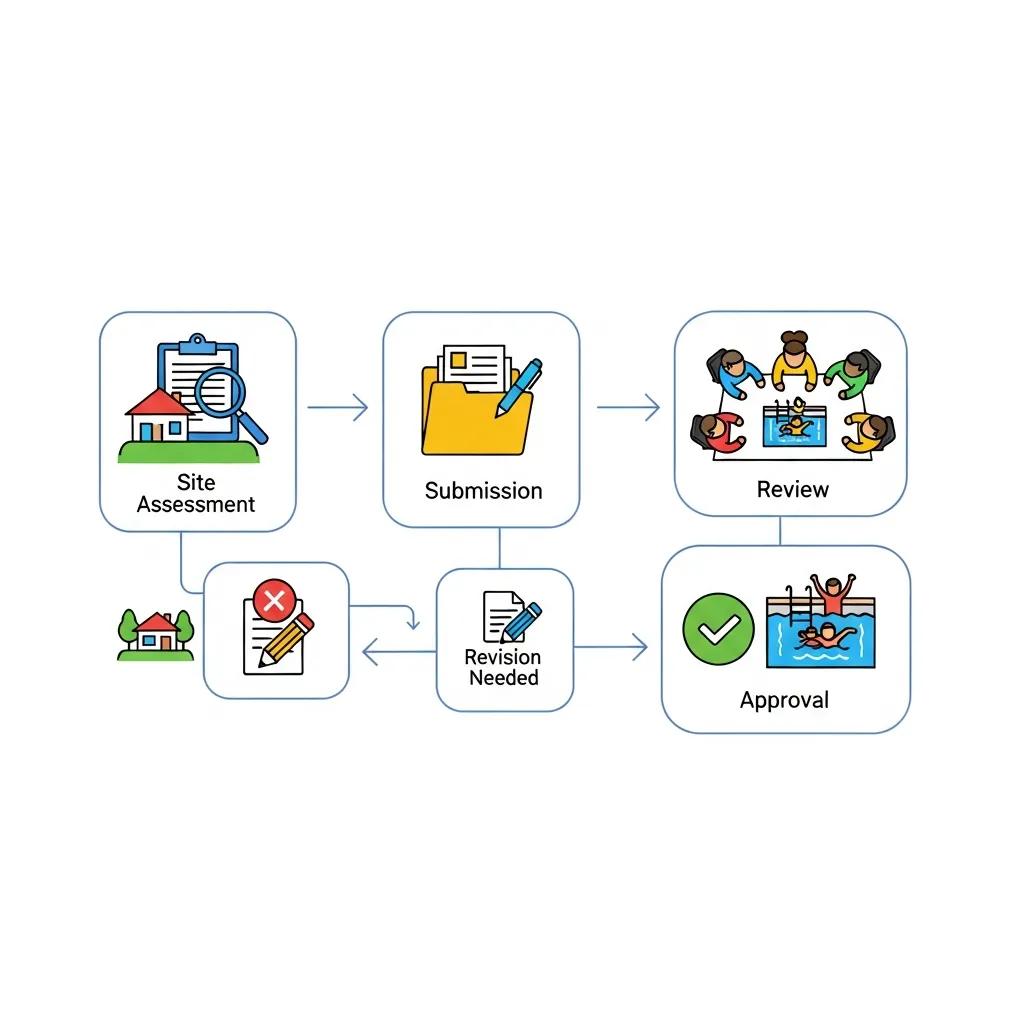
The HOA pool approval path in Arizona is a step-by-step process that turns design ideas into an approved build by meeting CC&Rs, ARC criteria, and local permitting rules. You typically submit scaled site plans, elevations, material lists, safety details and neighbor notices to the Architectural Review Committee, which checks aesthetics, setbacks, safety, and neighborhood fit. Submissions prepared with both HOA expectations and municipal codes in mind tend to reduce rounds of revisions and speed up permit alignment. For luxury homeowners, the main advantage is predictable timelines and fewer costly design changes during construction. Knowing the process up front helps owners and contractors plan for review windows and required documents, improving the chance of first-pass approvals and smoother sequencing with city building departments.

Below is a concise checklist of core submission steps for HOA approval and a table that links common submittals to likely outcomes and timelines.

  1. Pre-submission site assessment with survey and program goals to identify setbacks and utilities.
  2. Prepare drawings: scaled site plan, pool and hardscape elevations, materials/finish schedules, and landscape/irrigation plan.
  3. Safety documentation: pool barrier/fence details, gate hardware specs, and any alarm or safety-system descriptions.
  4. Submit to the ARC, notify immediate neighbors if required, and respond promptly to committee comments.
  5. File municipal permit applications in parallel when possible to avoid rework after HOA conditions are set.

The checklist above shows homeowner responsibilities and typical authorship; the table that follows maps each item to common HOA/permit results and realistic review times.

Submission DocumentTypical RequirementExpected HOA/Municipal Outcome
Scaled site planShows property lines, setbacks and pool footprintConfirms placement and avoids setback variances; 2–6 week review
Elevations & finishesDetails materials, coping, deck surfaces, visible equipmentReviewed for aesthetic compatibility; may request color samples
Safety & barrier detailsFence height, gate hardware, self-closing/latching specsVerifies ARS and local code alignment; conditional approval common
Landscape/irrigation planPlant species, turf choices and water-use strategyChecked for water restrictions and CC&R palettes; revise if non-compliant

This comparison highlights which deliverables usually trigger revisions and which drive first-pass approvals when prepared correctly. Aligning HOA aesthetic expectations with municipal safety requirements reduces duplicated work and speeds the path to permit-ready design.

What are the key steps to obtain HOA approval for a luxury pool?

A staged, compliance-first approach improves approval odds and cuts rework: start with a rules-aware concept and finish with documented ARC sign-off. First, order a site assessment and survey to confirm legal setbacks and locate utilities—this determines whether terraces, retaining walls or split-level pools are needed. Second, develop drawings and a refined materials palette that satisfy CC&R aesthetics and pool-safety requirements—include elevations, coping details, and equipment screening to show minimal visual impact. Third, compile safety documentation (fence specs showing minimum height, gate hardware, alarms or covers). Fourth, submit the complete package to the ARC, notify neighbors when required, and be ready to respond to conditional requests—professional, timely replies often shorten review cycles. Finally, after securing HOA conceptual approval, file municipal permits in parallel and track ARC conditions alongside building-department feedback to avoid conflicting requirements during construction.

How do setback rules and pool placement affect approval?

Setbacks define the buildable envelope and strongly influence pool layout, circulation and compliance risk. Typical setbacks from property lines or easements can limit pool length and orientation, prompting creative options like narrow lap pools, linear edges, or stepped terraces to keep a luxury feel while complying. Setback conflicts may require variances, which add time and often need neighbor notice or hearings—bringing a licensed surveyor and engineer in early reduces surprises. Screening—through plant massing, decorative fencing, or low walls—can reduce visibility and satisfy ARC concerns without changing the pool’s core design. Accurate stamped site plans prepared by professionals increase committee confidence and help reconcile setback limits with the homeowner’s design goals.

How Do HOA Landscaping Rules in Arizona Impact Luxury Outdoor Designs?

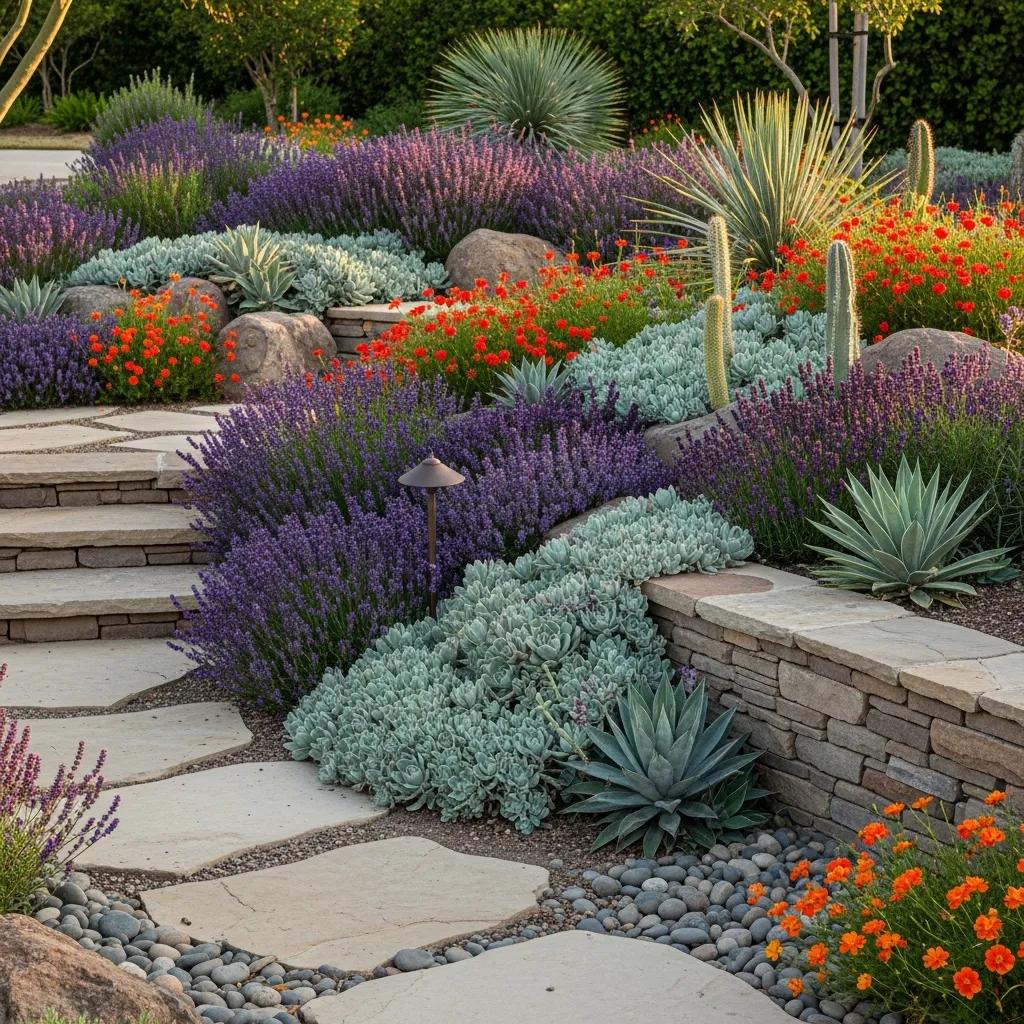
Arizona HOAs commonly regulate plant choices, turf alternatives, hardscape materials and irrigation to balance curb appeal with water conservation and property values. Rules usually list preferred palettes, restrict certain trees or high-water species, and set standards for lawn appearance, artificial turf use, or visible irrigation gear. For luxury homeowners who plan with these rules in mind, it’s possible to craft refined outdoor rooms that are both compliant and elegant—using xeriscape principles, high-quality artificial turf where allowed, and premium hardscapes that match CC&R finishes. Early alignment with HOA palettes and water-use guidelines simplifies approval and avoids costly late-stage substitutions.

Here’s a practical set of drought-friendly plants and turf options that tend to fare well with ARCs, followed by a quick comparison of plant and hardscape choices.

  • Layered xeriscape planting—canopy trees, shrubs and seasonal accents—creates depth and year-round interest.
  • Specify high-quality artificial turf only where CC&Rs allow it, and include physical samples for ARC review to show realistic look and drainage.
  • Choose permeable, natural-finish hardscapes and neutral-toned materials that fit community color palettes.

These choices preserve water efficiency while keeping a curated, upscale appearance; the table below compares typical landscape and hardscape components.

Landscape ComponentCharacteristicHOA Acceptance & Maintenance
Native / drought-tolerant treesLow water use, provides canopy shadeHigh acceptance; low maintenance
Xeriscape shrub mixesTexture and seasonal bloomHigh acceptance; reduced irrigation needs
High-quality artificial turfLow water, consistent green appearanceConditionally accepted; provide samples and drainage plan
Permeable pavers & natural stoneNeutral palette, long-lastingPreferred for upscale look; coordinate finishes with CC&Rs

Presenting these options with maintenance plans and irrigation strategies boosts ARC confidence and reduces negotiation around materials.

Which drought-tolerant plants and artificial turf comply with HOA guidelines?

ARCs typically approve native trees and low-water shrubs scaled to the yard, combined with seasonal perennials for color. Layered plantings—canopy, midsize shrubs and groundcovers—create a composed look that reads intentional rather than sparse. Artificial turf can be approved in many communities when high-quality products, proper infill and engineered drainage are documented; ARCs often request samples, warranties and a maintenance plan. Including a maintenance schedule and projected irrigation reductions with your submission strengthens the case for long-term viability.

What are the restrictions on hardscapes and outdoor features?

HOA rules around hardscapes focus on materials, visible equipment, structure heights and visual prominence to preserve neighborhood cohesion. Common limits include bans on bright or reflective finishes, maximum heights for detached structures, and restrictions on visible mechanical equipment like pool filters or evaporative coolers. For luxury projects, use subdued natural stone, integrated equipment screening and low-profile lighting to meet CC&R expectations while keeping premium aesthetics. When you submit hardscape plans, include material samples, color palettes and sections that show how features relate to neighboring properties to reassure the ARC and reduce requests for alternate finishes.

How to Navigate Arizona HOA Architectural Review Committees for Pools and Landscaping?

Architectural Review Committees judge proposals against written CC&Rs and community expectations, and they typically review packages at scheduled meetings where presentation quality matters. The ARC process usually requires a complete submission packet, a defined review period, possible conditional approvals and then final sign-off. Committees prioritize compatibility, safety and neighbor impact. Knowing ARC workflows ahead of time lets you prevent common objections with strong visuals, clear specifications and proactive neighbor outreach. Presentations that emphasize materials, plant palettes and screening reduce iterations and build committee trust in the project.

Below is a short checklist of required documents and a sample timeline to guide ARC submissions.

  1. Provide full-size scaled site plans, elevations and material schedules showing the proposal’s relation to existing structures.
  2. Include landscape and irrigation plans that demonstrate water efficiency and appropriate species selection.
  3. Attach pool safety documentation: barrier specs, gate hardware and any planned alarm systems.
  4. Supply photo simulations or renderings to show visual impact from adjacent lots and public views.
  5. Track ARC meeting schedules and submit before packet deadlines so your package is reviewed at the next meeting.

Submitting a complete package on time reduces the chance of deferral or denial; the table below lists commonly requested documents and likely ARC actions.

Document TypeTypical Detail RequiredARC Review Action
Site planProperty lines, pool footprint, setbacksVerify compliance; may request revisions
Elevations & materialsFinish schedules and color samplesAssess aesthetic compatibility
Landscape & irrigationPlant list, irrigation zones, water-use estimatesEvaluate sustainability and maintenance needs
Safety systemsFence details, gate hardware, alarm specsConfirm alignment with code and ARS

This table clarifies which documents carry the most weight in ARC review and which items to prioritize when preparing your submission.

What documents and plans are required for committee submissions?

ARCs expect a complete packet: a scaled site plan, elevations that show how the pool and hardscapes relate to the house, a materials and finish schedule, plus a landscape/irrigation plan that addresses water conservation. Safety documents—pool barrier specs, gate latching mechanisms and any cover or alarm systems—should be clear and easy to find. Photos of existing conditions and renderings or simulations illustrating the finished design help the ARC judge visual harmony with surrounding homes. Label files clearly, use the ARC’s preferred formats if provided, and include a brief narrative explaining how the design satisfies CC&R goals to speed review.

How to handle disputes and appeals with HOA committees?

If you hit a dispute, follow a documented, professional path to reduce escalation and protect your interests. Start by asking the ARC for a written reason for denial and any specific conditions needed for approval. Respond with a revised submission that addresses each item and include stamped drawings or expert letters from engineers or landscape architects when technical issues appear. If disagreement continues, review the HOA’s appeal or mediation procedures in the governing documents—these paths usually have strict timelines and steps. Keep careful records of all communications and revisions, and consider professional representation when technical evidence is required to rebut objections.

What Are the Arizona Pool and Landscape Regulations Affecting HOA Compliance?

State statutes and city building codes set baseline safety and permitting rules that HOAs cannot waive, so aligning ARC submissions with these regulations prevents contradicting conditions that cause delays or unsafe installations. Arizona law covers pool barrier and fencing standards, while cities such as Phoenix, Scottsdale and Tucson add local permit requirements and inspection sequencing. The main advantage for homeowners is clarity: mapping state and local codes to HOA expectations early lets designs meet both safety and aesthetic needs without expensive rework. Knowing who enforces each requirement and how inspections are sequenced helps coordinate permit applications and final approvals.

Regulatory SourcePrimary RequirementInteraction with HOA Rules
Arizona state codePool barrier/fence minimums and gate hardwareHOAs can add screening but cannot reduce safety minima
City building codesPermit plans, inspections, equipment setback requirementsMunicipal permits must be satisfied regardless of ARC conditions
CC&Rs / HOA rulesMaterial palettes, plant lists and aesthetic controlsRequired for ARC approval; must not conflict with safety codes

This map shows that safety law takes priority for health and hazard mitigation while HOAs retain authority over aesthetics—successful projects respect both areas.

What are the Arizona pool barrier and fencing requirements?

Arizona pool-safety statutes and common municipal codes require barriers that meet minimum heights, self-closing/self-latching gates, and construction that limits climbability to reduce child access. Practically, include documentation showing fence height, latch details and gate swing direction with your ARC submission, plus any decorative finishes the HOA requests. HOAs frequently ask for additional screening to visually integrate fences into the yard, but aesthetic treatments must never compromise safety. Coordinate barrier design with local inspectors so ARC-approved finishes also pass municipal safety inspections.

How do local city ordinances in Phoenix, Scottsdale, and Tucson influence HOA rules?

City ordinances can add local permit checklists, required inspections and specific constraints—like water-use rules or landscape incentives—that shape acceptable plant palettes. Permit timelines and inspection sequencing vary by city and may require pre-construction footing checks or final equipment inspections to be scheduled alongside HOA sign-off. Water-use ordinances or rebate programs influence turf replacement or irrigation upgrades. Coordinating ARC approval timing with municipal permit intake avoids delays caused by conflicting conditions and ensures inspections occur when the project is ready.

How Does Island Pools and Landscaping AZ Ensure Seamless HOA Compliance?

We provide an end-to-end, compliance-first service that begins with a focused consultation and site assessment, moves through design development that anticipates ARC and municipal needs, and continues with application management and construction oversight through final HOA walk-through. Our Design–Build–Landscape–Pools workflow embeds CC&R analysis into schematic design so submittals address both aesthetics and safety. Homeowners gain a single point of responsibility: we manage revisions, liaise with ARCs, and sequence municipal permit submissions to reduce rework and shorten timelines. Island Pools and Landscaping AZ emphasizes drought-friendly solutions, a satisfaction guarantee, and our promise to return calls/emails within 24 hours Monday–Saturday to keep you informed every step of the way.

Here’s our compliance process in five clear steps and the trust points that lower homeowner risk.

  1. Kickoff and site assessment to identify setbacks, easements and CC&R constraints that shape schematic design.
  2. Design with compliance: produce site plans, elevations and landscape/irrigation plans that anticipate ARC concerns.
  3. Application management: assemble submission packets, handle neighbor notifications and track ARC meeting schedules.
  4. Permit coordination: file municipal permit packages in parallel and manage revisions from building officials.
  5. Construction oversight: supervise installation, coordinate inspections and lead final HOA walkthroughs.

This coordinated, compliance-first approach minimizes iterations and aligns design intent with administrative realities. Our ROC#341253 licensure (B-4) gives homeowners added reassurance that licensed professionals manage technical and regulatory obligations.

What is the step-by-step HOA compliance process offered by Island Pools and Landscaping AZ?

Our process reduces approval cycles: a compliance-focused kickoff documents site constraints, a schematic and design phase integrates CC&Rs, an ARC submission and tracking phase follows, municipal permits are filed in parallel, and construction proceeds with inspection coordination and a final HOA walkthrough. Roles are defined at each stage—surveying and engineering as needed, our design deliverables, ARC packet assembly and homeowner approvals for materials and finishes. Timelines vary by scope, but our commitment to returning calls/emails within 24 hours Monday–Saturday and our satisfaction guarantee give homeowners predictable responsiveness during reviews and construction. ROC#341253 licensure ensures work is handled under the proper contractor classification and supports permit submittals.

How do luxury pool and landscaping designs integrate HOA guidelines from the start?

We treat CC&Rs and ARC palettes as design parameters, not afterthoughts—using them to guide material choices, screening strategies and spatial layout so the finished project feels cohesive with the neighborhood. Examples include hiding equipment behind custom screens that match approved finishes, selecting plant palettes that meet water-use limits, and specifying barrier systems that satisfy safety codes while using refined materials and integrated lighting. Early ARC-friendly visuals—renderings, sections and material boards—help committees picture the finished project and reduce subjective objections. Turning regulatory constraints into design opportunities keeps your luxury intent intact.

What Are Common HOA Compliance Pitfalls and How to Avoid Fines in Arizona?

Common pitfalls include incomplete submissions, mismatched materials, missing safety documentation and poor timing relative to ARC cycles—each can lead to denials, fines or costly rework. HOAs enforce CC&Rs and may fine for unapproved work or deviations from approved plans, so preventing violations through professional submissions and documented approvals protects your investment. The practical way to avoid fines is to hire licensed contractors who prepare full ARC packets, keep records of all communications, and begin work only after written ARC approval and required municipal permits are in hand. Professional management cuts administrative risk and helps preserve property values by ensuring work follows community standards.

Frequent causes of delays and denials include incomplete plans, failure to disclose safety systems, unapproved material changes and missing neighbor notifications. Below are prioritized mitigation tactics.

  1. Provide complete, stamped plans and include safety documentation to avoid initial deferrals.
  2. Present material samples and renderings to show visual compatibility before construction.
  3. Submit well in advance of ARC deadlines and track meeting dates to prevent holdovers.
  4. Keep records of all correspondence, revisions and approvals to document compliance.

Following this prioritized list removes common failure modes that lead to fines or forced remediation; timely, documented compliance is the most reliable prevention.

What are frequent reasons for HOA approval delays or denials?

Most delays and denials stem from incomplete plan sets, missing safety or barrier details, material choices that conflict with CC&Rs, and late submissions that miss ARC packet deadlines. Another common problem is discovering municipal code conflicts only after ARC approval, which forces rework—preparing submissions with municipal code awareness reduces that risk. Neighbor objections can also extend timelines when visibility or shading is at issue; proactive neighbor outreach and clear visualizations help avoid emotional pushback. Prioritizing completeness, authoritative technical documentation and early ARC engagement shortens review cycles.

How to maintain ongoing compliance after project completion?

Ongoing compliance needs scheduled maintenance, documentation of repairs or replacements, and proactive communication when you plan changes after initial approval. Create an annual checklist for the pool barrier, equipment, irrigation system and landscape to keep items in the condition approved by the ARC; keep photos and service records to simplify future inquiries. For upgrades—equipment swaps or plant changes—submit a brief ARC notification with specs to confirm continued compliance. If you want help, Island Pools and Landscaping AZ supports maintenance planning and post-construction service coordination while honoring our promise to return calls/emails within 24 hours Monday–Saturday and our satisfaction guarantee. Contact us to request a consultation with Paul Martin as your project liaison.

Frequently Asked Questions

What are the typical costs associated with HOA compliance for luxury pools and landscaping?

Costs vary widely depending on project size, location and HOA requirements. Budget for design fees, permit costs and the possibility of fines for non-compliance. Professional services—site assessments, architectural drawings and submission prep—add to the total but reduce risk of costly rework. We recommend getting a tailored estimate from local contractors or compliance specialists to understand likely expenses up front and avoid surprises during the approval process.

How can homeowners effectively communicate with their HOA during the approval process?

Clear, respectful communication speeds approvals. Start by reviewing the HOA’s guidelines and submission checklist. Include a concise cover letter with your plans that explains how the project meets community standards. Address ARC concerns promptly and professionally, and keep the tone cooperative. Maintaining open lines and responding quickly to requests builds good will and often leads to faster approvals.

What should homeowners do if their pool or landscaping proposal is denied?

If denied, request a written explanation of the reasons and required changes. Review the feedback carefully and submit a revised package that specifically addresses each concern—bring in stamped drawings or expert letters if technical issues are cited. If disagreements persist, follow the appeal or mediation steps in your HOA’s governing documents. Keep detailed records of all communications throughout the process.

Are there specific landscaping features that are commonly prohibited by Arizona HOAs?

Many HOAs restrict high-water-use plants, certain artificial turf types and invasive or non-native species that affect the community look. Visible irrigation equipment or mechanical gear that detracts from the neighborhood may also be limited. Check your HOA’s CC&Rs for precise prohibitions and favor drought-tolerant, native choices that are more likely to be accepted.

How can homeowners ensure their designs align with both HOA and municipal regulations?

Research local building codes and HOA CC&Rs before starting. Hire professionals familiar with both rule sets to streamline the process. Prepare detailed plans addressing safety, aesthetics and environmental factors, and consider submitting to the HOA and municipality in parallel. That proactive approach minimizes conflicting requirements and reduces delays.

What role do neighbor notifications play in the HOA approval process?

Neighbor notifications let nearby residents review and comment on proposed changes and are often required for larger projects like pools or major landscape work. Notifying neighbors early can diffuse concerns and build support. Share clear information about the project and be prepared to address questions—this transparency often leads to smoother ARC reviews.

Conclusion

Knowing Arizona HOA guidelines for pools and landscaping lets luxury homeowners move through compliance confidently while protecting design and value. With a structured, expert-led approach you can avoid costly delays and ensure both safety and aesthetic standards are met. Partnering with Island Pools and Landscaping AZ simplifies the process—we deliver tailored solutions that align with community expectations and handle the paperwork so you can enjoy the result. Contact us today to discuss how we can help you create the outdoor space you want while keeping full HOA and municipal compliance.

Why Choose Island Pool & Landscaping for Your Arizona Oasis

Why Choose Island Pool & Landscaping for Your Arizona Oasis

Why Island Pool & Landscaping Is Your Best Choice for an Arizona Oasis — Luxury Pools & Custom Outdoor Living

Creating an Arizona oasis means designing outdoor spaces that feel like a private resort, work year-round in desert heat, and stay low‑maintenance over time. Below we explain how premium pool and landscape design performs in Arizona, which features deliver real benefits, and how climate-smart materials and systems protect your investment. You’ll get clear guidance on shading and cooling strategies, water-wise planting and turf options, durable finishes, and smart equipment that cuts running costs and simplifies care. We also walk through our step‑by‑step process — from the first consult to the final walkthrough — so you know timelines, communication expectations, and warranty support. Finally, we show how integrated outdoor kitchens, fire and water features, and remodel options come together to create backyards built for entertaining and everyday life. Keywords like best pool builder arizona, custom backyard design Phoenix, and desert oasis backyard ideas are woven into practical advice for homeowners planning a luxury remodel or new pool.

What Makes Island Pool & Landscaping a Top Luxury Pool Builder in Arizona?

In Arizona, a truly premium pool builder combines desert‑aware design, resilient materials, and tight project coordination to deliver resort‑style pools that hold up to sun and low rainfall. We pair heat‑ and UV‑resistant finishes with correctly sized equipment so systems run efficiently, water chemistry stays stable, and long‑term maintenance is minimized — which lowers lifetime cost and keeps pools looking great. Thoughtful orientation, shade structures, and circulation design keep water comfortable and safe, while coordinated landscaping reduces evaporation and irrigation demand. Knowing these priorities helps homeowners choose what matters most in Arizona: cooling strategies, durable finishes, and low‑water landscapes. Below we detail how our desert experience shapes material and plant choices that balance form and function.

Island Pool & Landscaping brings practical client benefits that reflect these technical priorities. We specialize in custom resort‑style pools and a design‑build approach that ties pools, outdoor kitchens, and hardscapes together. Our communication standard commits to responding within 24 hours Monday through Saturday to keep projects moving. We’re licensed (ROC#341253 (B-4)), use quality materials, and back our work with a homeowner‑focused warranty approach to give you confidence during and after construction. Ready to explore ideas? Call (602) 818-1277 or email PoolConnect@gmail.com to schedule a free consultation and design review.

How Our Expertise Matches Arizona’s Desert Climate

Desert‑specific design starts with materials and plant palettes that tolerate intense sun, temperature swings, and limited water. We specify heat‑stable pool surfaces, non‑fading coping, and salt‑ or chemical‑resistant tile to reduce cracking and discoloration — choices that extend service life and cut upkeep. Planting plans focus on native and drought‑tolerant species that provide shade, buffer wind, and add seasonal interest with minimal irrigation. Smart irrigation uses targeted zones and schedules to conserve water. By analyzing microclimates — shade from structures, reflective surfaces, and prevailing winds — we place seating, pergolas, and plants to maximize passive cooling and comfort. Those climate‑driven decisions naturally inform the premium materials and craftsmanship that make a pool last.

Craftsmanship and Materials That Stand Up to the Desert

High quality starts with certified installers, well‑defined quality checks, and vendor relationships that supply durable, climate‑appropriate products. Our inspection points include pre‑pour checks, reinforced shell practices, and staged commissioning for filtration and automation systems to cut callbacks and performance issues. We source long‑wearing surface systems, corrosion‑resistant fixtures, and high‑grade pavers that stay cool underfoot. Careful tile alignment, crisp coping finishes, and concealed mechanics improve both the look and the ease of maintenance. These workmanship standards help homeowners choose finishes with confidence — see the comparison below to weigh durability, look, and upkeep.

Below is a comparison of premium finish options commonly chosen for Arizona pools, with durability, appearance, maintenance, and climate suitability in mind.

This table helps you compare finishes so you can prioritize performance and style.

Finish OptionCharacteristicArizona Suitability
PebbleTec finishExtremely durable, textured surface resists stainingExcellent — designed for UV and heat, long service life
Glass tile accentsBright, reflective accents with low porosityVery good — premium look when installed with thermal detailing
Plaster (modern blends)Clean, smooth appearance; economical; moderate upkeepGood — choose heat‑stable blends for better longevity
Aggregate blendsRich visual depth and good slip resistanceExcellent — durable and performs well when shaded

In short: PebbleTec and aggregate blends generally outlast basic plaster in Arizona, while glass tile adds a luxury finish when thermal movement is accounted for. Your best choice balances the look you want with maintenance and long‑term durability.

How We Design and Build Custom Outdoor Living Spaces in Arizona

Creating integrated outdoor living means blending landscape architecture, pool engineering, and outdoor‑room detailing into a cohesive backyard resort that functions as an extension of your home. Our design‑build process coordinates utilities, structure, and finishes so pools, kitchens, fire features, and planting work together — which reduces rework, shortens timelines, and produces consistent aesthetics. We stage approvals, permitting, and construction to minimize disruption and ensure items like outdoor kitchens and pergolas tie into mechanical and drainage systems. That coordination improves usability — placing shade, seating, and food‑prep areas to support entertaining flow — and lowers maintenance by consolidating irrigation and service access. The sections that follow break down signature features and how kitchens, fire, and water elements are integrated in practice.

For homeowners who want a turn‑key solution, our integrated portfolio approach manages pool construction, hardscaping, outdoor kitchens, and landscape installation so everything arrives as a finished, usable space. Our design‑build model keeps design intent intact and reduces mismatched materials or scheduling conflicts. If you need inspiration, request a concept meeting to review gallery examples and initial layouts that show how features can fit together.

Signature Features That Define Our High‑End Backyard Remodels

Luxury remodels combine visual impact, useful amenities, and low‑maintenance details so the yard is beautiful and easy to live with. Popular elements include infinity edges that blend with the view, integrated spas with separate temperature control, swim‑up bars and lounging ledges, and custom coping and tile for a tailored finish. Pergolas, built‑in seating, and raised planters connect pool areas to garden rooms while adding shade and structure; layered LED lighting extends use into the evening safely and attractively. We select each feature for both form and homeowner priorities — entertaining, low upkeep, or energy efficiency — and coordinate materials and circulation so everything flows together.

Common luxury features and why homeowners pick them:

  1. Infinity edge / vanishing rim: Creates a resort‑style transition to views and landscape.
  2. Integrated spa systems: Year‑round comfort with independent temperature control.
  3. Swim‑up bars & ledges: Great for socializing and shallow lounging areas.
  4. Customcoping & tile: Personalized look and durable edge protection.

Together, these features deliver a resort‑like backyard and inform material and mechanical decisions during construction.

How We Integrate Outdoor Kitchens, Fire, and Water Features

Successful integration starts early — we coordinate utilities, structural loads, and durable material choices during design to avoid costly changes later. Layouts account for gas lines, dedicated circuits, drainage for sinks and refrigeration, and ventilation for covered cooking. We favor stainless appliances, weather‑rated cabinetry, and non‑porous countertops that resist heat and pool chemistry for low long‑term maintenance. Fire and water features are placed to support sightlines and social zones while meeting safety clearances and local codes. A utility‑first approach saves time in construction and helps finishes across kitchens, coping, and pavers align for a cohesive look and function.

The rising popularity of sophisticated outdoor living — especially outdoor kitchens — reflects broader shifts in luxury home design and how people use their backyards.

The Rise of Luxury Outdoor Kitchens in Upscale Housing

One notable trend in design has been the growing role of the “outdoor kitchen” — a flexible, wall‑less living space shaped by owner needs and site possibilities. By the late 2000s these installations were increasingly common in higher‑end homes, signaling a shift toward fully outfitted backyard rooms that extend the home’s living space.

Making the Great Outdoors Better: the outdoor kitchen and the changing design of American luxury, 2009

Why Our Landscape Design Works Best for Arizona Homeowners

Good Arizona landscape design balances curb appeal, water efficiency, and ease of upkeep. We combine drought‑tolerant plant palettes, targeted irrigation, and permeable hardscapes to lower water use and routine maintenance while keeping outdoor spaces attractive and usable year‑round. Plant choices focus on shade, seasonal interest, and native pollinator support while minimizing thirsty turf and using artificial turf selectively where it makes sense. Hardscape selections — light‑colored, permeable pavers and modular systems — reduce heat and improve comfort. The sections below dig into plant and turf strategies plus hardscaping benefits.

Below is a side‑by‑side look at groundcover options for Arizona, showing water use, upkeep, look, and lifespan so you can choose what fits your priorities.

This table compares plant and turf options for desert landscaping.

Groundcover OptionWater UsageMaintenance LevelTypical Lifespan
Native drought‑tolerant plantsLowLowHigh (decades)
Drought‑tolerant ornamentalsModerate‑lowModerateMedium‑high
Artificial turfVery lowLowMedium (≈10–15 years)
Traditional cool‑season turfHighHighVariable (requires irrigation)

In practice, native and drought‑tolerant plantings combined with selective artificial turf deliver the best long‑term water savings and lowest upkeep for Arizona homes. A mix of these options gives you usable lawn without excessive watering.

Using Drought‑Tolerant Plants and Artificial Turf the Right Way

Successful planting and turf work begins with a site analysis and proper soil prep to ensure establishment and appearance over time. We rely on deep‑rooted natives and Mediterranean‑adapted shrubs that need little supplemental water once established, and we place them to create shade and windbreaks that reduce evaporation. Artificial turf is reserved for high‑use zones or visual lawn areas; modern turf systems with correct infill and base layers perform and stay cooler. Irrigation uses zoned controllers and efficient emitters; initial hand‑watering during establishment transitions to reduced schedules as plants mature. These planting choices tie directly into hardscaping and overall project coordination.

Benefits of Desert‑Friendly Hardscaping

Desert‑friendly hardscapes focus on cooling performance, longevity, and visual harmony with pool finishes. Light‑colored or permeable pavers reduce heat gain and aid drainage; well‑detailed joints and subbases prevent settling and cracking. We design slopes, expansion joints, and drainage swales to manage runoff and avoid pooling near buildings, protecting finishes and landscape health. Coordinating coping profiles, tile accents, and planter edges creates cohesive sightlines that feel intentional and reduce the need for future retrofits. These hardscape decisions link directly to project timelines and on‑site communication during construction.

Our Proven Process for Building Your Personalized Arizona Oasis

We follow a clear, phased process — consultation, design, permitting, construction, and final walkthrough — with estimated timeframes and defined responsibilities to produce predictable outcomes. This documented workflow sequences approvals, utility coordination, and quality checks to avoid rework and improve schedule certainty. Regular touchpoints cover design decisions, material selection, and staged inspections so you can plan around seasons and construction. The subsections below explain consultation, project management, and our post‑completion guarantees.

Our client‑facing process starts with a free consultation to establish goals and site constraints, moves to detailed concept and construction documents, and advances through permitting and phased construction with quality inspections at key milestones. We commit to responding within 24 hours Monday–Saturday and assign a single point of contact to coordinate subcontractors and vendors, reducing homeowner confusion. This predictable approach supports timely permits and efficient onsite sequencing. At project close you’ll receive a final walkthrough that documents systems and maintenance needs. To begin, call (602) 818-1277 or email PoolConnect@gmail.com to schedule your free consultation.

How We Manage Consultation, Design, and Construction Smoothly

Smooth project management depends on clear milestones, documented approvals, and proactive change‑order practices to minimize surprises and protect design intent. Milestones include concept approval, construction‑document sign‑off, pre‑pour structural inspection, equipment rough‑in sign‑off, and final commissioning — each one triggers a progress update and schedule confirmation. Your project manager is a single point of contact who coordinates permits, subcontractors, and quality‑control checklists. Change orders include clear cost and schedule impacts so decisions stay transparent and scope creep is avoided. These methods also shape warranty and post‑completion support.

Warranties and Post‑Completion Support

After completion we offer workmanship warranties, manufacturer equipment warranties, and optional maintenance plans to protect your investment and keep systems running as intended. Warranties cover defined construction defects and mechanical commissioning for specified periods, and maintenance plans can include regular pool service, equipment checks, and seasonal irrigation or automation tuning. You’ll receive documentation that outlines coverage, recommended service intervals, and how to request support under our communication standards. This framework reduces long‑term risk and clarifies routine care responsibilities.

How Our Portfolio and Client Stories Show Trusted Results

Portfolio examples and client stories demonstrate the outcomes we deliver, common design solutions, and how we tackled site‑specific challenges without compromising quality. We present short case synopses and gallery sequences that show before/after conditions, feature decisions, and measurable results to help prospective clients visualize possibilities and trust our delivery. Galleries organized by project type let homeowners compare finishes, layouts, and plant palettes that match their goals. Below are concise case formats that focus on challenge, solution, and outcome while respecting client privacy.

Project highlights follow a problem → solution → outcome format, emphasizing tangible results like reduced water use, improved entertaining flow, or faster permitting. A few short callouts show how constraints were resolved and which features delivered the most homeowner value. If you’re ready to discuss a project, schedule a gallery review or concept meeting; call (602) 818-1277 or email PoolConnect@gmail.com.

Success Stories That Reflect Our Focus on Customer Satisfaction

Typical mini case studies include: a narrow lot turned into a resort‑style courtyard with integrated spa and pergola; a backyard remodel that replaced thirsty turf with artificial turf and native plantings to cut irrigation; and a luxury update that modernized finishes and automation to improve energy use and ease of operation. Each story lists the client challenge, our design response, and measurable outcomes — for example, irrigation reductions, better entertaining zones, or shorter timelines thanks to coordinated permitting. These brief examples help future clients picture real results and build confidence in working with us.

How Our Gallery Shows Luxury Backyard Transformations

Our gallery is sorted by project type and signature features so you can quickly find infinity‑edge pools, outdoor kitchens, or drought‑tolerant palettes that match your goals. Alt‑text suggestions for images include finish type, key feature (for example, swim‑up bar), and dominant plant species to support accessibility and SEO while communicating design intent. Reviewing curated examples helps you identify preferred materials and layouts and speeds the concept phase. Next step: schedule a concept meeting to review gallery selections and translate them into a site‑specific plan.

Sustainable and Smart Technologies We Use in Arizona Projects

We prioritize sustainable and smart technologies that lower energy and water use while improving convenience and safety. That means high‑efficiency pumps, LED lighting, solar heating options, and pool automation that optimizes runtime and chemical dosing. Systems are chosen for compatibility with Arizona conditions and homeowner habits, then calibrated at commissioning to deliver expected savings. The comparisons below outline typical energy‑ and water‑saving impacts and practical automation features to help you decide which investments make sense.

Compare common sustainable and smart options by savings, cost, and convenience so you can prioritize upgrades.

TechnologyExpected Energy/Water SavingsCost Consideration
High‑efficiency variable‑speed pumps30–70% energy savings vs. single‑speedModerate upfront cost, quick payback
LED pool & landscape lighting70–90% energy reductionLow–moderate upfront cost
Solar pool heatingSeasonal energy offset (varies)Moderate upfront cost, long‑term savings
Pool automation systemsOptimize run times and chemical dosingModerate cost, improves convenience

Variable‑speed pumps and LED lighting typically deliver the strongest immediate savings, while automation magnifies efficiency through scheduling and remote control. The right mix depends on how you use your pool and which paybacks matter most.

How Energy‑Efficient and Water‑Saving Solutions Improve Your Oasis

Energy measures like variable‑speed pumps and LED lighting lower operating costs by trimming runtime and reducing peak electrical draw. Water savings come from efficient irrigation controllers, smart watering schedules, and covers or turf alternatives that cut evaporation. Together these upgrades can significantly reduce annual water and energy use. For example, switching to a variable‑speed pump and optimizing schedules often produces measurable electrical savings within the first year; irrigation upgrades yield immediate water reductions. Quantifying expected savings during design helps you prioritize investments with the fastest payback.

Smart Pool Tech That Boosts Convenience and Efficiency

Smart pool systems let you control pumps, heaters, lights, and chemical monitors remotely and set schedules that keep systems running only when needed. Features like geofencing, scheduling, and leak detection improve safety and reduce waste by alerting you or shutting systems down when something’s off. Integration with home automation creates scenes (for example: evening lights + heater + music) for seamless use. Homeowners who want low‑touch operation and predictable costs benefit most from automation; pairing it with high‑efficiency equipment maximizes savings.

  1. Automated scheduling: Runs equipment only when needed to save energy.
  2. Remote monitoring: Sends alerts for faults or chemical imbalances.
  3. Leak detection: Prevents water loss and triggers prompt service.

We calibrate these systems during commissioning so routine maintenance is predictable and performance is optimized.

Frequently Asked Questions

What is the typical timeline for a pool and landscaping project in Arizona?

Timelines vary with scope and complexity. Small updates can take a few weeks; full pool builds or major remodels often take several months. Time includes consultation, design, permitting, and construction. We use structured project management and regular updates to keep work on schedule and help you plan around key milestones.

How do you ensure water efficiency in your landscaping designs?

We combine drought‑tolerant plant selections, smart irrigation, and permeable hardscapes to reduce water use. Native plants that need little supplemental watering are emphasized, irrigation is zoned and targeted to roots, and permeable surfaces manage runoff and cut evaporation. The result is attractive landscapes that thrive in Arizona with much lower water demand.

What types of warranties do you offer on your pool and landscaping projects?

We provide workmanship warranties and coordinate manufacturer warranties for equipment and materials. Workmanship coverage protects against defined construction defects for specified periods, and you can add maintenance plans for ongoing service. We give clear documentation on what’s covered and how to request service.

Can you customize features in my outdoor living space?

Absolutely. We design around your lifestyle and preferences, tailoring pools, kitchens, fire features, and landscapes to your needs. Whether you want a specific aesthetic, functional amenities, or energy‑saving systems, our team creates a personalized plan that fits your goals.

What are the benefits of using smart technologies in pool management?

Smart tech brings convenience, efficiency, and safety. Automation lets you schedule equipment, control systems remotely, and monitor chemicals with fewer manual adjustments. Leak detection and alerts prevent waste and costly damage. Overall, smart systems cut operating costs and simplify pool ownership.

How do you handle project communication and updates during construction?

We assign a dedicated project manager as your single point of contact and provide milestone updates throughout construction. Our policy is to respond within 24 hours Monday–Saturday, keeping communication timely and transparent so you always know progress and upcoming decisions.

Conclusion

Turning your backyard into a lasting Arizona oasis is practical with Island Pool & Landscaping. We combine thoughtful design, durable materials, and proven project management to deliver beautiful, low‑maintenance outdoor living spaces that add value and daily enjoyment. If you’re ready to get started, schedule a free consultation — call (602) 818-1277 or email PoolConnect@gmail.com — and let’s plan the backyard you’ll use for years to come.