Landscaping San Tan Valley: Complete Guide to Desert-Appropriate Designs

Landscaping San Tan Valley: Complete Guide to Desert-Appropriate Designs
Landscaping San Tan Valley: Complete Guide to Desert-Appropriate Designs

Landscaping in desert regions like San Tan Valley requires a unique approach that emphasizes sustainability and water conservation. This comprehensive guide will explore the principles of xeriscaping, the best native and drought-tolerant plants, and how to effectively integrate pools with landscaping. Many homeowners face challenges in creating beautiful outdoor spaces that thrive in arid conditions. By understanding desert-appropriate designs, you can create a stunning landscape that is both functional and environmentally friendly. This article will cover key principles of xeriscape landscaping, suitable plants for the region, creative pool landscaping ideas, and effective irrigation tips.

Indeed, the xeriscape approach is widely recognized as a fundamental strategy for sustainable water management in arid regions.

Xeriscape Approach for Sustainable Water Management

Xeriscape (drought-adaptive landscaping) provides an integrated design-and-management framework to reduce irrigation demand through climate-appropriate planning, hydro zoning, soil improvement, mulching, efficient irrigation, and maintenance practices. This review synthesizes international and Turkish evidence on xeriscape within sustainable urban water management and water-sensitive city (WSC) agendas.

Evaluation of The Xeriscape Approach in The Context of Sustainable Water Management, 2025

What Are the Key Principles of Xeriscape Landscaping in San Tan Valley?

Xeriscape landscaping is a design approach that focuses on water conservation through the use of drought-tolerant plants and efficient irrigation techniques. This method is particularly relevant in San Tan Valley, where water scarcity is a significant concern. By implementing xeriscaping principles, homeowners can create beautiful landscapes that require minimal water and maintenance. The primary benefits include reduced water usage, lower maintenance costs, and enhanced aesthetic appeal.

How Does Xeriscape Design Conserve Water in Desert Landscapes?

Xeriscape design conserves water by utilizing specific techniques that promote efficient water use. These techniques include selecting drought-tolerant plants, grouping plants with similar water needs, and using mulch to retain soil moisture. Additionally, proper soil improvement and the use of efficient irrigation systems further enhance water conservation efforts. By adopting these strategies, homeowners can significantly reduce their water consumption while maintaining a vibrant landscape.

Experts further elaborate on these techniques by outlining seven core principles that guide the creation of water-efficient desert landscapes.

Seven Xeriscape Principles for Water-Efficient Desert Landscapes

The following are the seven Xeriscape principles as they might apply to water efficient landscapes: 1) Planning and Design, 2) Soil Improvement, 3) Efficient Irrigation, 4) Appropriate Plant Selection, 5) Mulch, 6) Turf Areas, and 7) Maintenance. To achieve this, Xeriscape principles are applied through an integrated approach to landscape design, installation, and management.

Selecting and Maintaining Trees for Urban Desert Landscapes: A Mojave Desert Water Conservation Perspective, DA Devitt, 2020

Which Xeriscape Styles Suit San Tan Valley Homes Best?

Several xeriscape styles are particularly well-suited for homes in San Tan Valley. Popular styles include desert gardens, rock gardens, and native plant gardens. Each style offers unique aesthetic considerations and maintenance requirements. For instance, desert gardens often feature a mix of cacti and succulents, while rock gardens incorporate various stones and gravel to create a natural look. Homeowners should consider their personal preferences and the specific conditions of their property when choosing a xeriscape style.

Which Native and Drought-Tolerant Plants Thrive in San Tan Valley?
Selecting the right plants is crucial for successful desert landscaping. Native and drought-tolerant plants are well-adapted to the local climate and require less water than traditional landscaping options. These plants not only thrive in arid conditions but also support local wildlife and promote biodiversity.

The critical role of Arizona native plants in creating ecologically sound and water-efficient urban landscapes is well-documented.

Arizona Native Plants for Desert Landscaping & Water Conservation

This paper explores how Arizona landscape architects have promoted the use of Sonoran native plants in Phoenix, Tucson, and surrounding desert cities and examines their strategies to create ecologically minded communities in challenging surroundings. In promoting native plants, landscape architects have not only created a vernacular landscape for Arizona’s cities, but have helped find solutions to rising summer temperatures and excessive use of borrowed water.

Arizona native plants and the urban challenge, 2014

What Are the Best Drought-Tolerant Plants for Arizona Desert Landscaping?

Some of the best drought-tolerant plants for Arizona desert landscaping include:

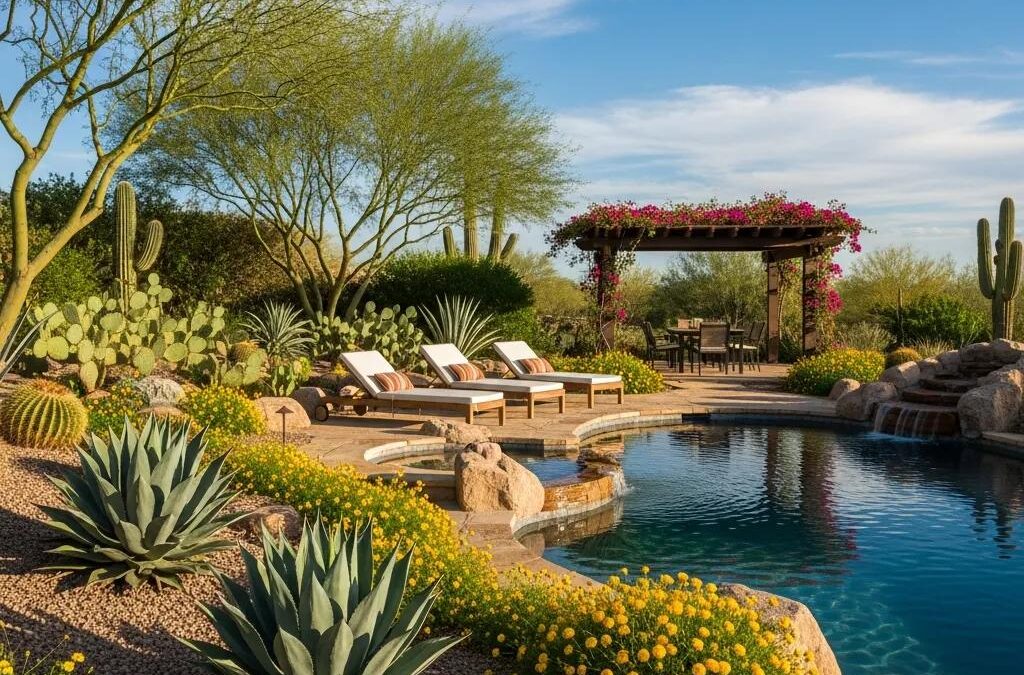
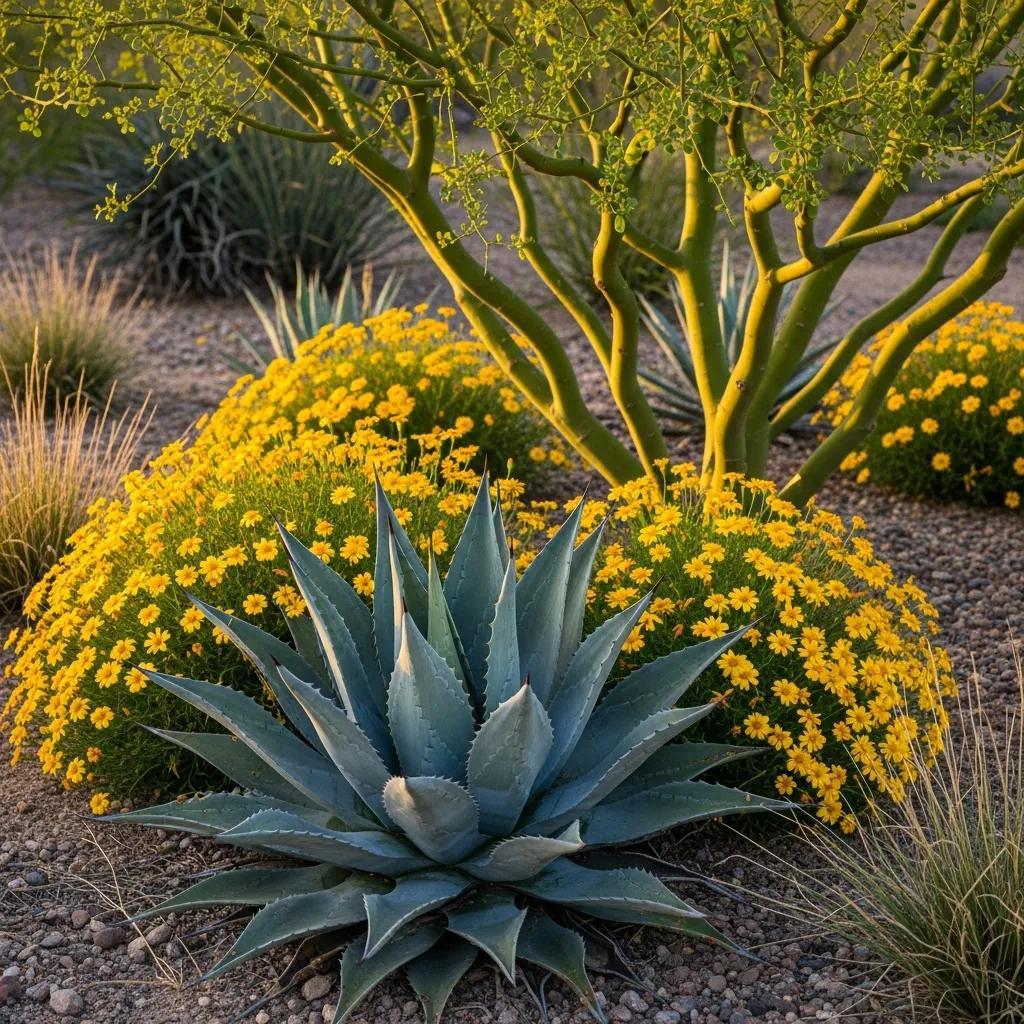
  1. Agave: Known for its striking appearance and low water needs, agave is a popular choice for desert gardens.
  2. Desert Marigold: This vibrant yellow flower adds color to landscapes and thrives in dry conditions.
  3. Palo Verde Trees: These native trees provide shade and are well-suited for the desert environment.

Incorporating these plants into your landscape can enhance its beauty while minimizing water usage.

How to Incorporate Desert Marigold, Agave, and Palo Verde Trees Effectively?

When integrating desert marigold, agave, and palo verde trees into your landscaping, consider the following tips:

  • Plant Spacing: Ensure adequate spacing between plants to allow for growth and airflow.
  • Design Integration: Use agave as focal points in garden beds, while desert marigold can be planted in clusters for a vibrant display.
  • Visual Appeal: Combine these plants with rocks and gravel to create a visually appealing and low-maintenance landscape.

How Can Pool and Landscape Integration Enhance Desert Outdoor Spaces?

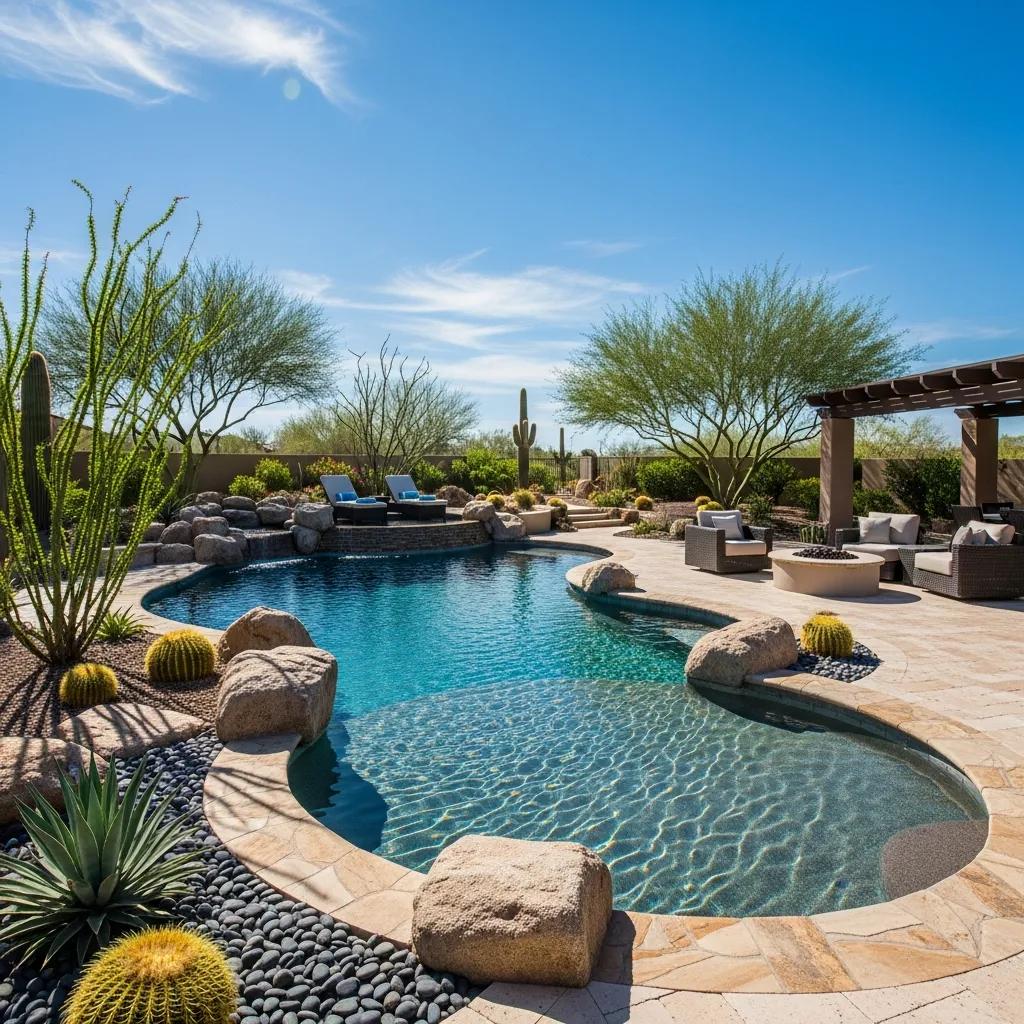
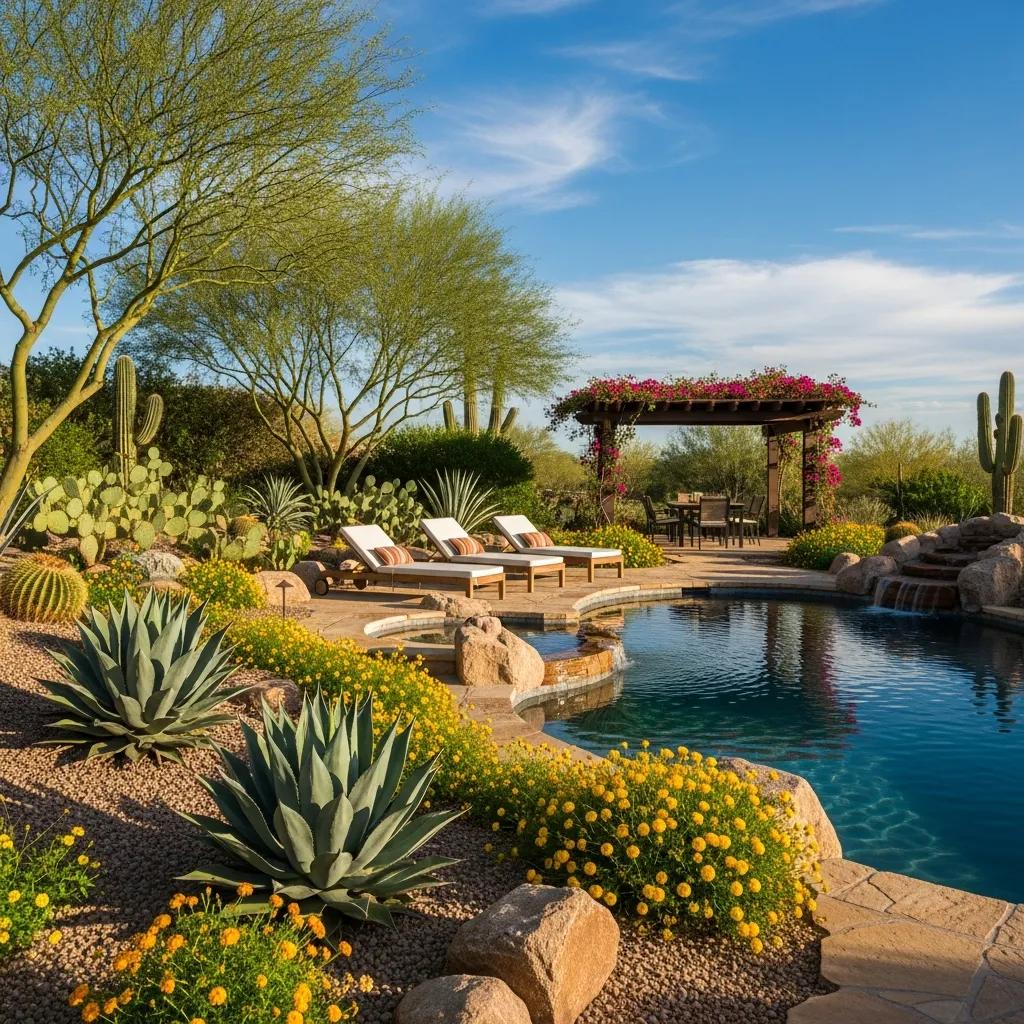
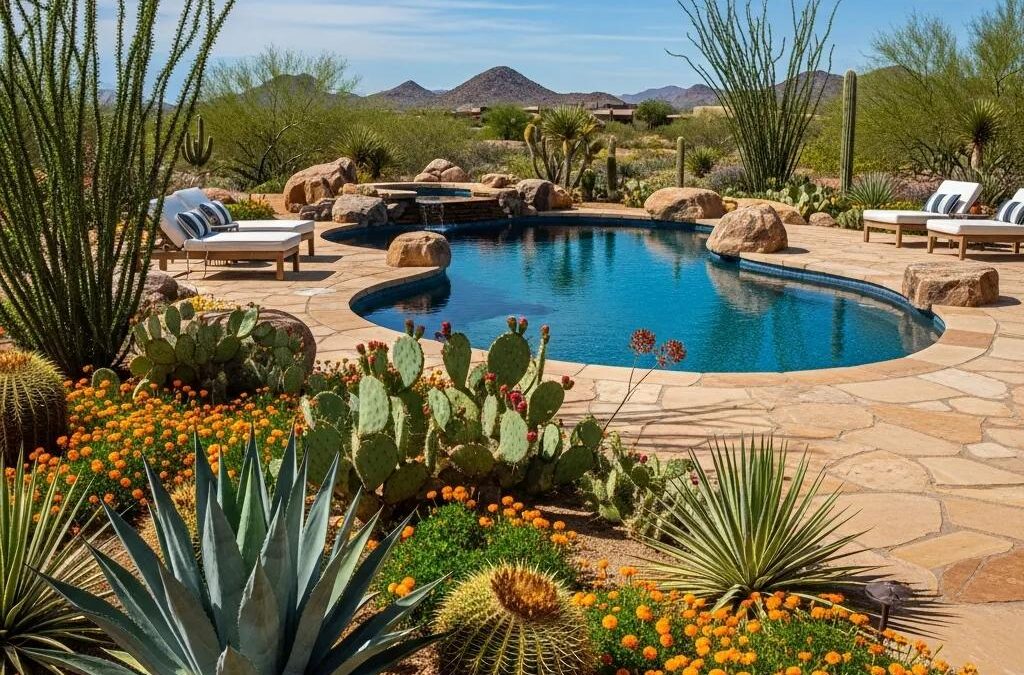
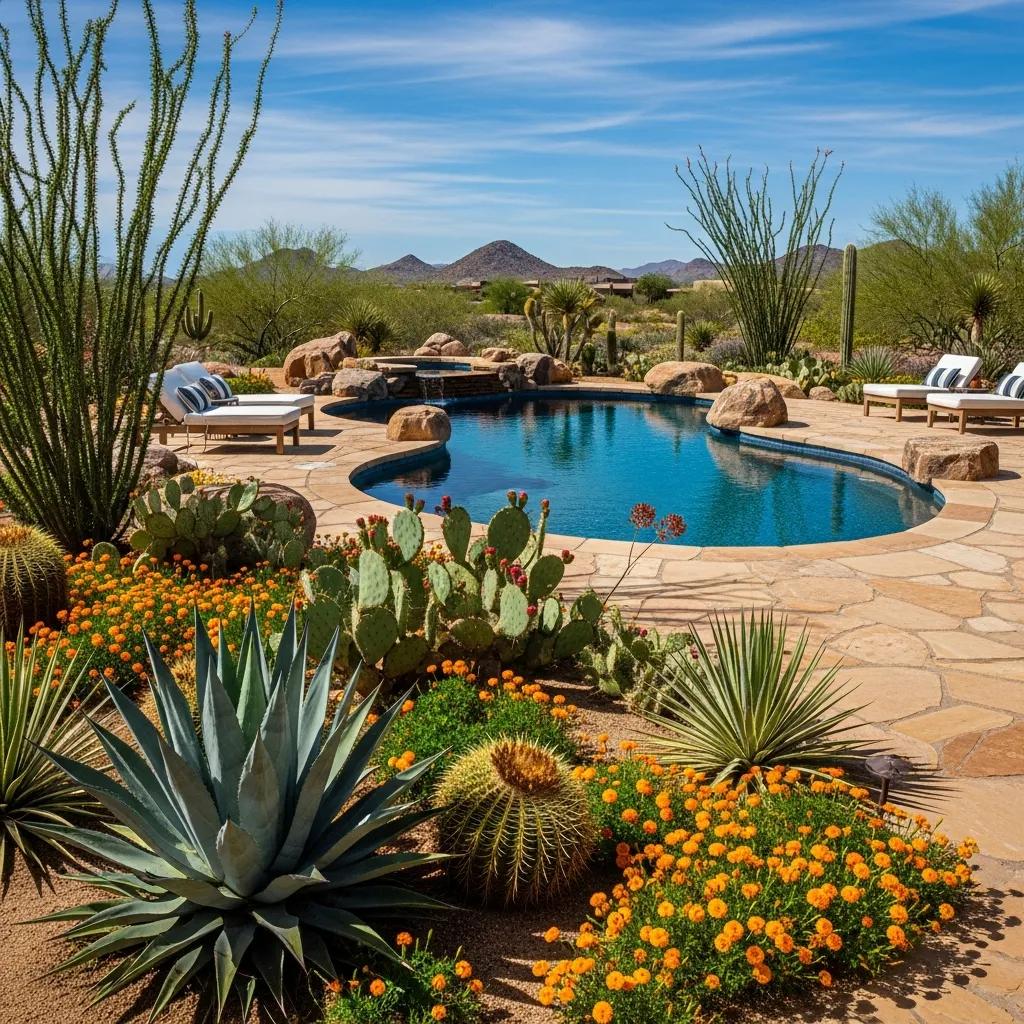
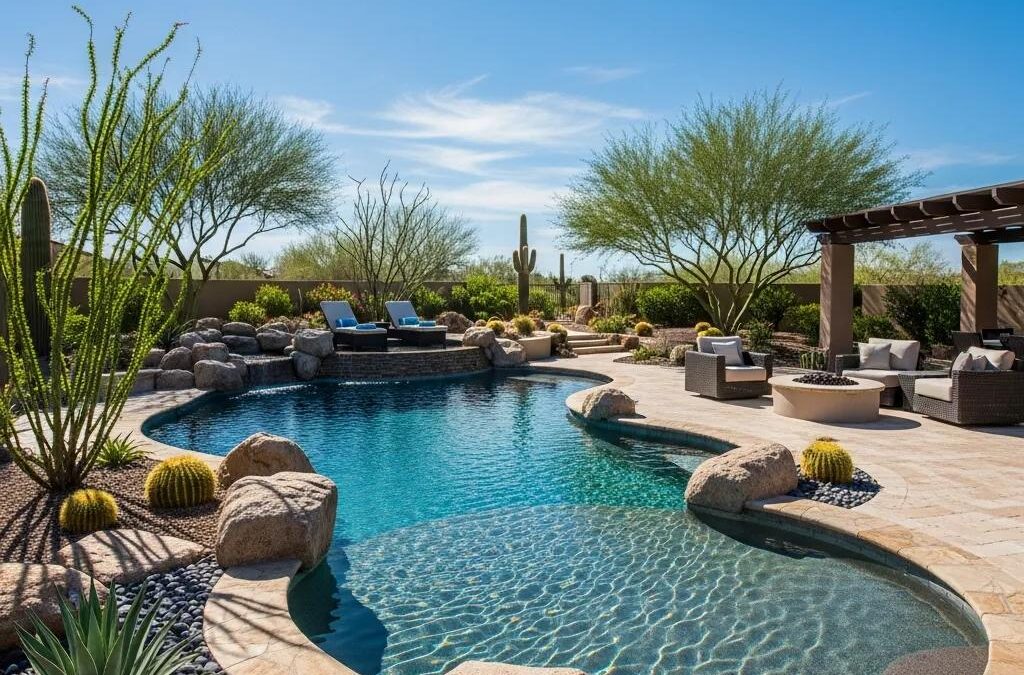
Integrating pools with landscaping can significantly enhance the aesthetic and functional aspects of outdoor spaces in San Tan Valley. A well-designed pool area can serve as a focal point, providing a refreshing retreat from the desert heat. Additionally, thoughtful landscaping around the pool can create a cohesive and inviting environment.

For inspiration and examples of stunning pool and landscape integrations, consider exploring “pool landscaping” ideas.

What Are Creative Pool Landscaping Ideas for San Tan Valley Homes?

Creative pool landscaping ideas include:

  1. Natural Stone Features: Incorporating natural stone around the pool can create a seamless transition between the water and the surrounding landscape.
  2. Desert Plants: Using drought-tolerant plants like agave and succulents around the pool area can enhance the desert theme while minimizing water usage.
  3. Water Features: Adding fountains or waterfalls can create a soothing ambiance and enhance the overall aesthetic of the pool area.

How to Design Low-Maintenance Pool Surroundings with Desert Plants?

To design low-maintenance pool surroundings, consider the following strategies:

  • Select Drought-Tolerant Plants: Choose plants that require minimal watering and care, such as desert marigold and palo verde.
  • Use Mulch: Applying mulch around plants can help retain moisture and reduce the need for frequent watering.
  • Efficient Irrigation: Implementing a drip irrigation system can ensure that plants receive the necessary water without over-saturating the area.

What Are Effective Water-Efficient Irrigation and Maintenance Tips for Desert Gardens?

Implementing effective irrigation and maintenance strategies is essential for maintaining a healthy desert garden. These practices not only conserve water but also promote the longevity of your plants.

Which Irrigation Systems Maximize Water Efficiency in San Tan Valley?

Several irrigation systems can maximize water efficiency in San Tan Valley, including:

Irrigation SystemDescriptionEfficiency Level
Drip IrrigationDelivers water directly to the plant roots, minimizing evaporation.High
Soaker HosesAllows water to seep slowly into the soil, providing consistent moisture.Medium
Sprinkler SystemsCovers larger areas but may lead to water loss through evaporation and wind drift.Low

These systems can be tailored to fit the specific needs of your landscape, ensuring optimal water usage.

How to Maintain Xeriscape Gardens for Year-Round Beauty and Sustainability?

Maintaining xeriscape gardens involves regular care to ensure plants remain healthy and vibrant. Key maintenance tips include:

  • Seasonal Care: Adjust watering schedules based on seasonal changes and plant needs.
  • Weed Control: Regularly remove weeds to prevent competition for water and nutrients.
  • Mulching: Reapply mulch as needed to retain soil moisture and suppress weed growth.
By following these maintenance tips, homeowners can enjoy beautiful and sustainable xeriscape gardens throughout the year.

Custom Pool Design in Arizona: Ultimate Guide to Creating Your Dream Backyard Oasis

Custom Pool Design in Arizona: Ultimate Guide to Creating Your Dream Backyard Oasis

Custom Pool Design in Arizona: Ultimate Guide to Creating Your Dream Backyard Oasis with Expert Pool Contractors

Creating a custom pool design in Arizona is an exciting venture that transforms your backyard into a personal oasis. With the right design, you can enhance your outdoor living space, making it a perfect spot for relaxation and entertainment. This guide will explore essential aspects of custom pool design, including popular ideas, choosing the right builder, landscaping options, and energy-efficient technologies. Many homeowners face challenges in selecting the right features and builders, but with the right information, you can make informed decisions that lead to a stunning pool that complements your lifestyle. We will cover top design ideas, criteria for selecting a builder, effective landscaping strategies, and the latest in energy-efficient pool technologies.

What Are the Top Backyard Pool Design Ideas for Arizona Homes?

When designing a pool in Arizona, it’s crucial to consider the unique climate and lifestyle of the region. Here are some popular pool design ideas that cater to the desert environment:

  1. Infinity Pools: These pools create a stunning visual effect by blending seamlessly with the horizon, making them ideal for homes with scenic views.
  2. Natural Pools: These eco-friendly options use plants and natural filtration systems, providing a beautiful and sustainable swimming experience.
  3. Lap Pools: Perfect for fitness enthusiasts, lap pools are long and narrow, allowing for swimming exercises while occupying less space.

These designs not only enhance the aesthetic appeal of your backyard but also provide functional benefits tailored to the Arizona climate.

How Do Desert Climate Considerations Influence Pool Design?

Desert climates present unique challenges that influence pool design. High temperatures and limited water resources necessitate specific adaptations:

  • Heat-Resistant Materials: Using materials that withstand extreme heat, such as stone or tile, ensures durability and comfort.
  • Water Conservation Techniques: Incorporating features like automatic covers and efficient filtration systems helps minimize water loss and maintain pool quality.

Understanding these factors is essential for creating a pool that remains functional and beautiful throughout the year.

Which Luxury Pool Features Enhance Arizona Outdoor Living Spaces?

Luxury features can elevate your pool experience, making it a centerpiece of outdoor living. Consider these enhancements:

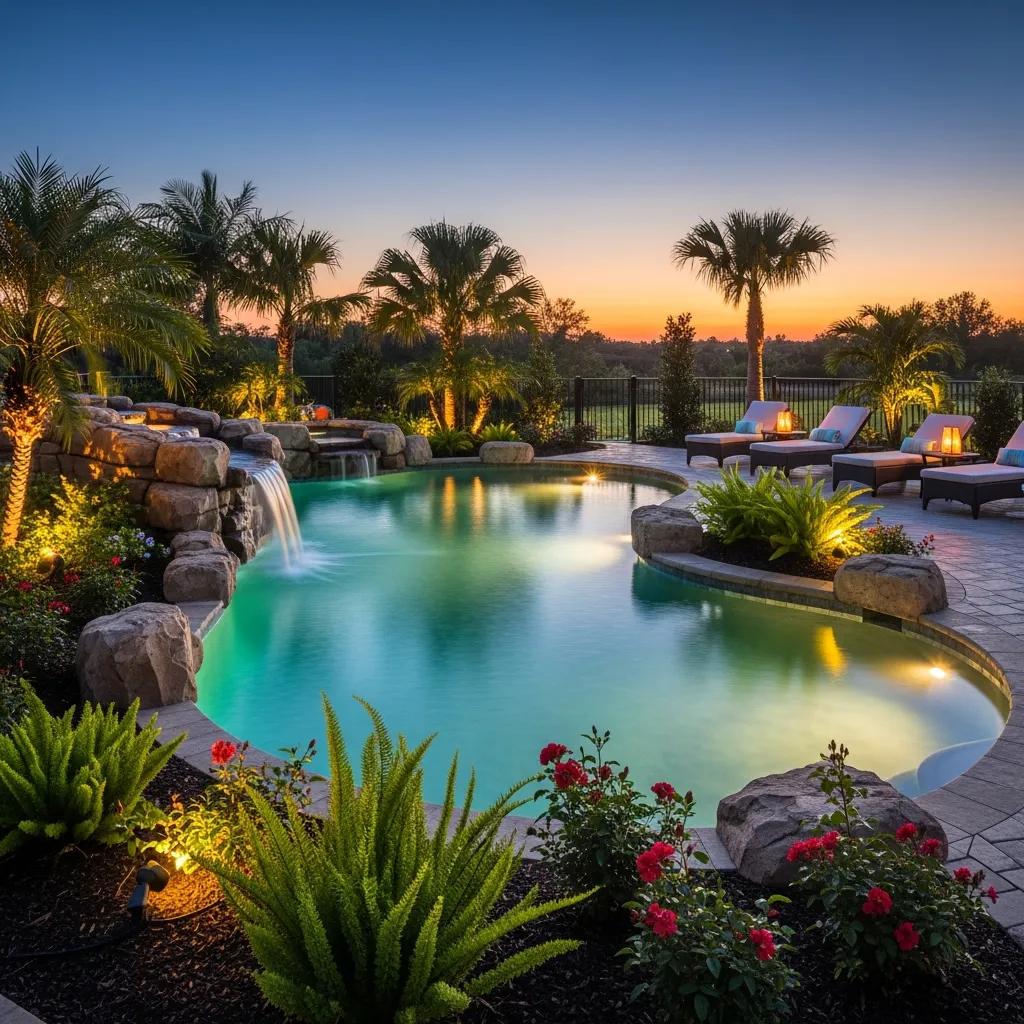
  1. Waterfalls: Adding a waterfall feature not only enhances the visual appeal but also provides soothing sounds that create a tranquil atmosphere.
  2. Lighting Systems: Strategically placed lighting can transform your pool area into a stunning nighttime retreat, perfect for evening gatherings.
  3. Integrated Landscaping: Combining your pool with lush landscaping creates a cohesive look that enhances both aesthetics and privacy.

These features not only improve the functionality of your pool but also contribute to a luxurious outdoor environment.

How to Choose the Best Custom Swimming Pool Builder in Arizona?

Selecting the right custom swimming pool builder is crucial for ensuring your vision comes to life. Here are key considerations to keep in mind:

  • Experience and Expertise: Look for builders with a proven track record in designing pools that suit Arizona's unique climate and regulations.
  • Portfolio of Work: Reviewing past projects can give you insight into the builder's style and capabilities.
  • Customer Reviews: Feedback from previous clients can provide valuable information about the builder's reliability and quality of work.

Choosing a builder who understands the local landscape and climate will help you achieve the best results for your custom pool.

What Criteria Define Professional Pool Contractors in Arizona?

When evaluating pool contractors, consider the following criteria:

  1. Licensing and Insurance: Ensure the contractor is licensed and carries liability insurance to protect you from potential issues.
  2. Experience: Look for contractors with extensive experience in custom pool design and construction.
  3. Portfolio: A strong portfolio showcasing previous work can help you assess the contractor's style and quality.

These criteria will help you identify qualified professionals who can bring your pool vision to life.

How Does the Consultation Process Work with Arizona Pool Builders?

The consultation process is a critical step in designing your custom pool. Here’s what to expect:

  • Initial Meeting: During the first meeting, you will discuss your ideas, budget, and timeline with the builder.
  • Design Proposals: The builder will present design options based on your preferences and the site’s characteristics.
  • Revisions and Finalization: You can request changes to the design until it meets your satisfaction before moving forward with construction.

This collaborative process ensures that your pool design aligns with your vision and needs.

What Are Effective Pool Landscaping Ideas for Desert Backyards?

Landscaping plays a vital role in enhancing the beauty and functionality of your pool area. Here are some effective ideas:

  1. Native Plants: Incorporating drought-resistant plants can create a lush environment while conserving water.
  2. Hardscaping Elements: Features like stone pathways and patios can enhance the usability of your outdoor space.
  3. Shade Structures: Adding pergolas or shade sails can provide relief from the sun, making your pool area more comfortable.

These landscaping strategies not only beautify your pool area but also improve its overall functionality.

Which Native Plants and Materials Complement Custom Pools in Arizona?

Using native plants and materials is essential for creating a sustainable pool environment. Consider these options:

  • Drought-Resistant Plants: Species like agave and desert marigold thrive in Arizona's climate, requiring minimal water.
  • Natural Stone: Utilizing local stone for decking and landscaping can create a cohesive look that blends with the natural surroundings.

These choices enhance the aesthetic appeal of your pool while promoting environmental sustainability.

How Does Landscaping Enhance Pool Functionality and Aesthetics?

Effective landscaping can significantly improve both the functionality and aesthetics of your pool area. Key benefits include:

  • Privacy: Strategic plant placement can create natural barriers, enhancing privacy for your pool.
  • Visual Appeal: Thoughtful landscaping design can transform your pool area into a stunning focal point in your backyard.
  • Microclimate Creation: Landscaping can help regulate temperature around the pool, making it more comfortable for swimming.

These enhancements contribute to a more enjoyable and visually appealing outdoor space.

How Can Energy Efficient Pool Technologies Benefit Arizona Pool Owners?

Energy-efficient pool technologies are becoming increasingly important for Arizona homeowners. These innovations offer several benefits:

  1. Cost Savings: Energy-efficient systems can significantly reduce utility bills by minimizing energy consumption.
  2. Environmental Impact: Using less energy contributes to a lower carbon footprint, making your pool more sustainable.
  3. Enhanced Comfort: Technologies like variable-speed pumps and solar heating systems improve the overall swimming experience.

Investing in these technologies not only benefits your wallet but also the environment.

What Are the Latest Energy Saving Innovations for Custom Pools?

Recent innovations in pool technology focus on energy efficiency. Some notable advancements include:

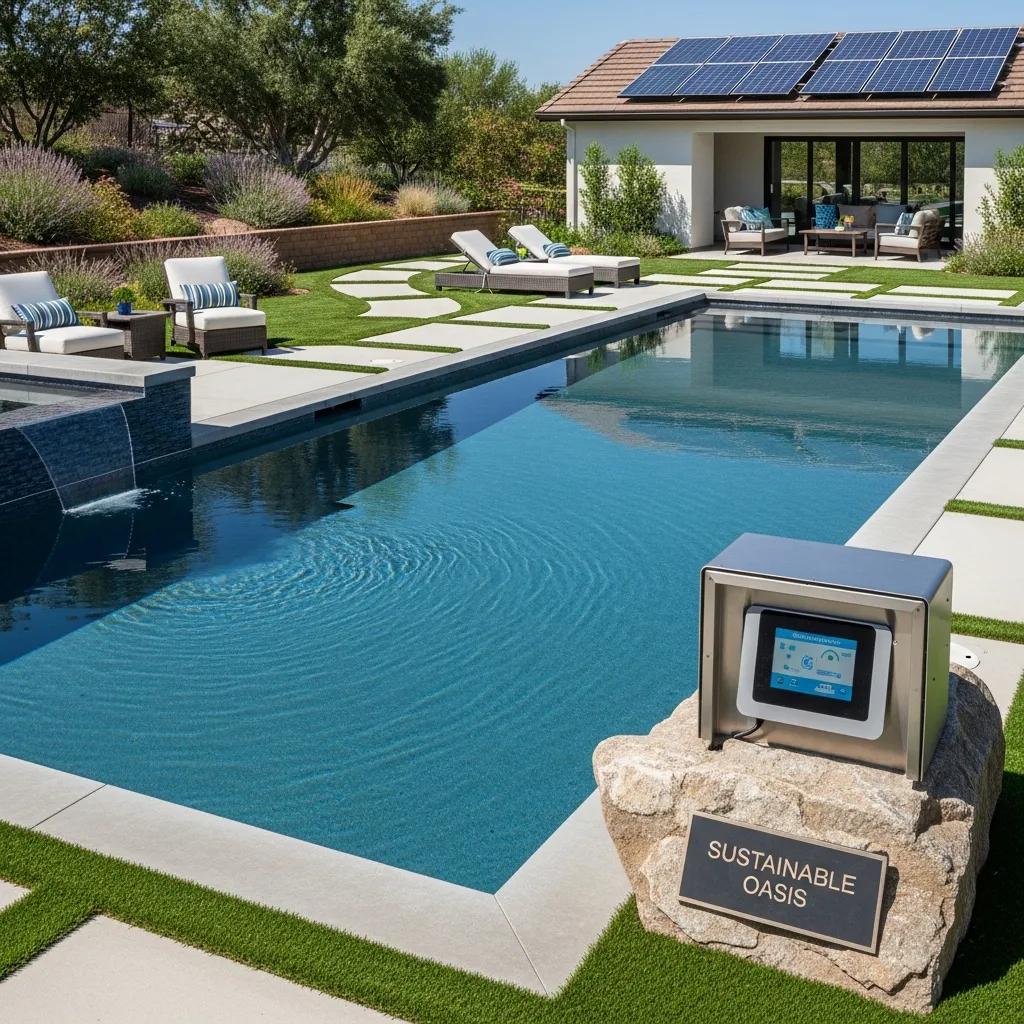
  • Variable-Speed Pumps: These pumps adjust their speed based on the pool's needs, reducing energy consumption significantly.
  • Solar Heating Systems: Utilizing solar panels to heat your pool can provide a sustainable and cost-effective heating solution.
  • LED Lighting: Energy-efficient LED lights consume less power and have a longer lifespan compared to traditional lighting options.

These innovations can enhance your pool’s efficiency while providing a more enjoyable swimming experience.

How Do Energy Efficient Designs Reduce Costs and Environmental Impact?

Energy-efficient pool designs contribute to both cost savings and environmental sustainability. Key aspects include:

  • Lower Energy Bills: By using energy-efficient technologies, homeowners can see a significant reduction in monthly utility costs.
  • Sustainable Practices: Implementing eco-friendly practices, such as rainwater harvesting where permitted, for pool filling can further reduce environmental impact.
  • Long-Term Savings: While the initial investment may be higher, the long-term savings on energy and maintenance costs make these designs worthwhile.

Adopting energy-efficient practices not only benefits your finances but also supports a healthier planet.

To see examples of custom pool designs, you can view an online gallery.

Desert Landscaping Phoenix: Complete Design and Plant Guide

Desert Landscaping Phoenix: Complete Design and Plant Guide

Desert Landscaping Phoenix: Complete Design and Plant Guide for Sustainable Outdoor Spaces

Desert landscaping in Phoenix presents unique challenges and opportunities for creating sustainable outdoor spaces. With the region’s arid climate, understanding the principles of xeriscape design is essential for conserving water while enhancing the beauty of your garden. This guide will explore the key elements of desert landscaping, including drought-tolerant plants, effective pool integration, and maintenance tips tailored to the Phoenix environment. By implementing these strategies, homeowners can create vibrant, water-efficient landscapes that thrive in the desert. We will cover the principles of xeriscaping, suitable plants, pool integration techniques, and essential maintenance practices to ensure your garden remains lush and sustainable.

What Are the Key Principles of Xeriscape Design in Phoenix?

Xeriscape design is a landscaping approach that emphasizes water conservation through the use of drought-resistant plants and efficient irrigation techniques. This method is particularly beneficial in Phoenix, where water scarcity is a significant concern. By incorporating xeriscaping principles, homeowners can create beautiful outdoor spaces that require minimal water while maximizing aesthetic appeal. The primary benefits of xeriscaping include reduced water usage, lower maintenance costs, and enhanced environmental sustainability.

How Does Xeriscaping Save Water in Desert Landscapes?

Xeriscaping saves water by utilizing native and drought-tolerant plants that are well-adapted to the local climate. These plants require less irrigation compared to traditional landscaping, significantly reducing water consumption. Techniques such as grouping plants with similar water needs and using mulch to retain soil moisture further enhance water efficiency. Homeowners can expect to see a reduction in their water bills while contributing to the conservation of this precious resource.

Which Xeriscape Design Elements Enhance Phoenix Outdoor Living?

Incorporating specific design elements can enhance outdoor living spaces in xeriscape gardens. Features such as decorative gravel, stone pathways, and strategically placed boulders not only add visual interest but also help with water drainage and soil retention. Additionally, incorporating shaded areas with pergolas or shade trees can create comfortable outdoor spaces for relaxation and entertainment. These design elements work together to create a harmonious and functional landscape that thrives in the Phoenix climate.

Understanding the specific impact of various ground covers, such as gravel, on the microclimate is crucial for optimizing plant health and overall xeriscape performance.

Phoenix Xeriscape Microclimate: Ground Cover Impact

We assessed how small patches of contrasting urban ground cover [mesiscape (turf), xeriscape (gravel), concrete, and asphalt] altered the microclimate and performance of adjacent oleander (Nerium oleanderL.) plants in Phoenix, Arizona during fall/winter (September–February) and spring/summer (March–September). Ground-cover and oleander canopy surface temperatures, canopy air temperatures and pot soil temperatures tended to be lowest in the mesiscape and highest in the asphalt and concrete.

The effect of urban ground cover on microclimate, growth and leaf gas exchange of oleander in

Phoenix, Arizona, 2005

Which Drought Tolerant Plants Thrive in Phoenix Desert Gardens?

Selecting the right plants is crucial for successful desert landscaping. Drought-tolerant plants not only survive but thrive in the harsh conditions of Phoenix, providing color and texture to your garden. Native plants are particularly well-suited for this environment, as they have adapted to the local climate and soil conditions over time.

Research further emphasizes the critical role of native plants in creating sustainable and ecologically sound landscapes in the challenging desert environment.

Phoenix Native Plants: Sustainable Desert Landscaping

This paper explores how Arizona landscape architects have promoted the use of Sonoran native plants in Phoenix, Tucson, and surrounding desert cities and examines their strategies to create ecologically minded communities in challenging surroundings. In promoting native plants, landscape architects have not only created a vernacular landscape for Arizona’s cities, but have helped find solutions to rising summer temperatures and excessive use of borrowed water.

Arizona native plants and the urban challenge, 2014

What Are the Best Low Water Xeriscaping Plants for Phoenix?

Some of the best low water xeriscaping plants for Phoenix include:

  1. Agave: This succulent requires minimal water and adds striking architectural interest to gardens.
  2. Desert Marigold: A vibrant yellow flower that blooms primarily in spring and fall, attracting pollinators while thriving in dry conditions.
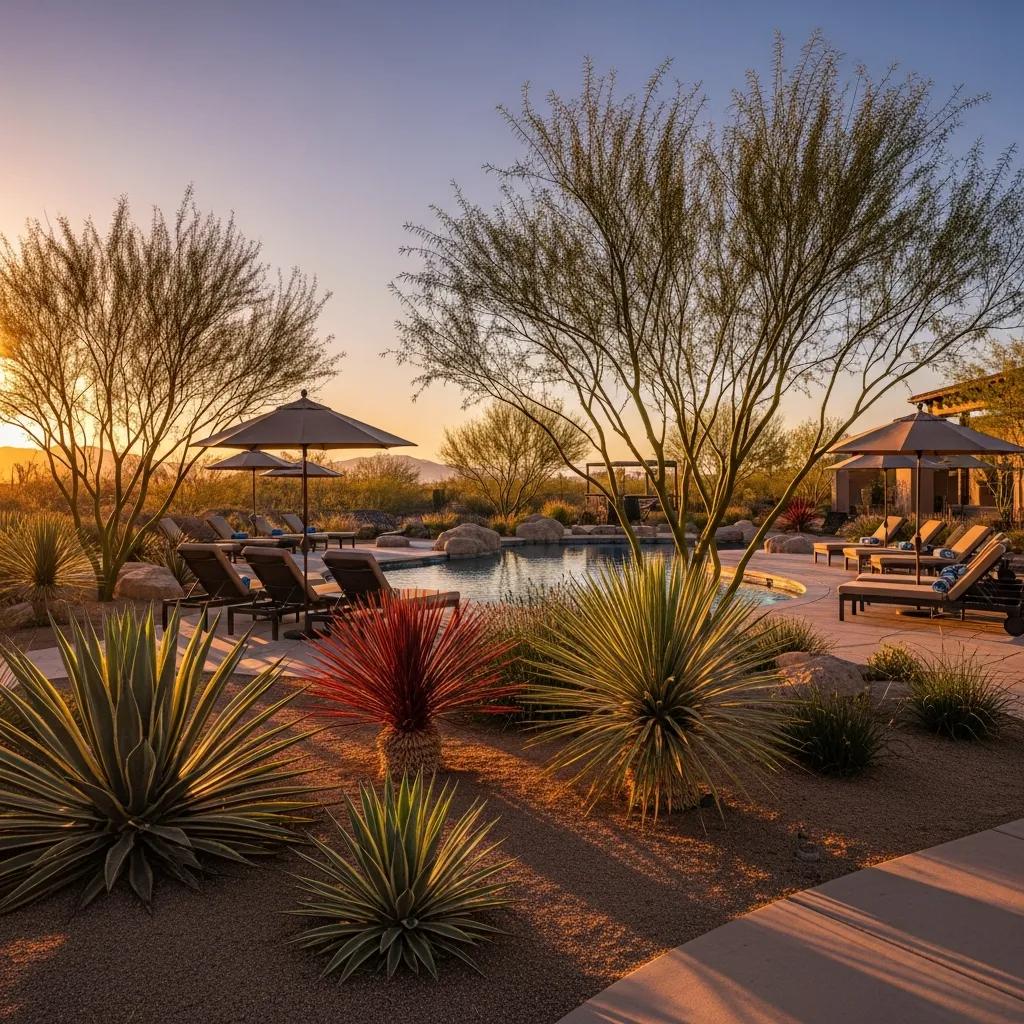
  3. Red Yucca: Known for its tall, arching flower spikes, this plant is drought-resistant and provides a beautiful focal point in any landscape.

These plants not only conserve water but also enhance the visual appeal of desert gardens.

How to Choose Native Arizona Plants for Sustainable Landscaping?

When selecting native Arizona plants for sustainable landscaping, consider the following criteria:

  1. Adaptability: Choose plants that are well-suited to the local climate and soil conditions.
  2. Water Requirements: Opt for species that require minimal irrigation once established.
  3. Aesthetic Appeal: Select plants that offer visual interest through flowers, foliage, or unique growth forms.

By focusing on these criteria, homeowners can create a sustainable landscape that thrives in the desert environment.

How Can You Integrate Pools with Desert Landscaping in Phoenix?

Integrating pools with desert landscaping can enhance both the aesthetic and functional aspects of your outdoor space. A well-designed pool can serve as a focal point while complementing the surrounding xeriscape garden. Key considerations include the pool’s shape, materials, and surrounding landscaping to ensure a cohesive design.

What Are Effective Pool Design Tips for Xeriscape Gardens?

When designing a pool for a xeriscape garden, consider the following tips:

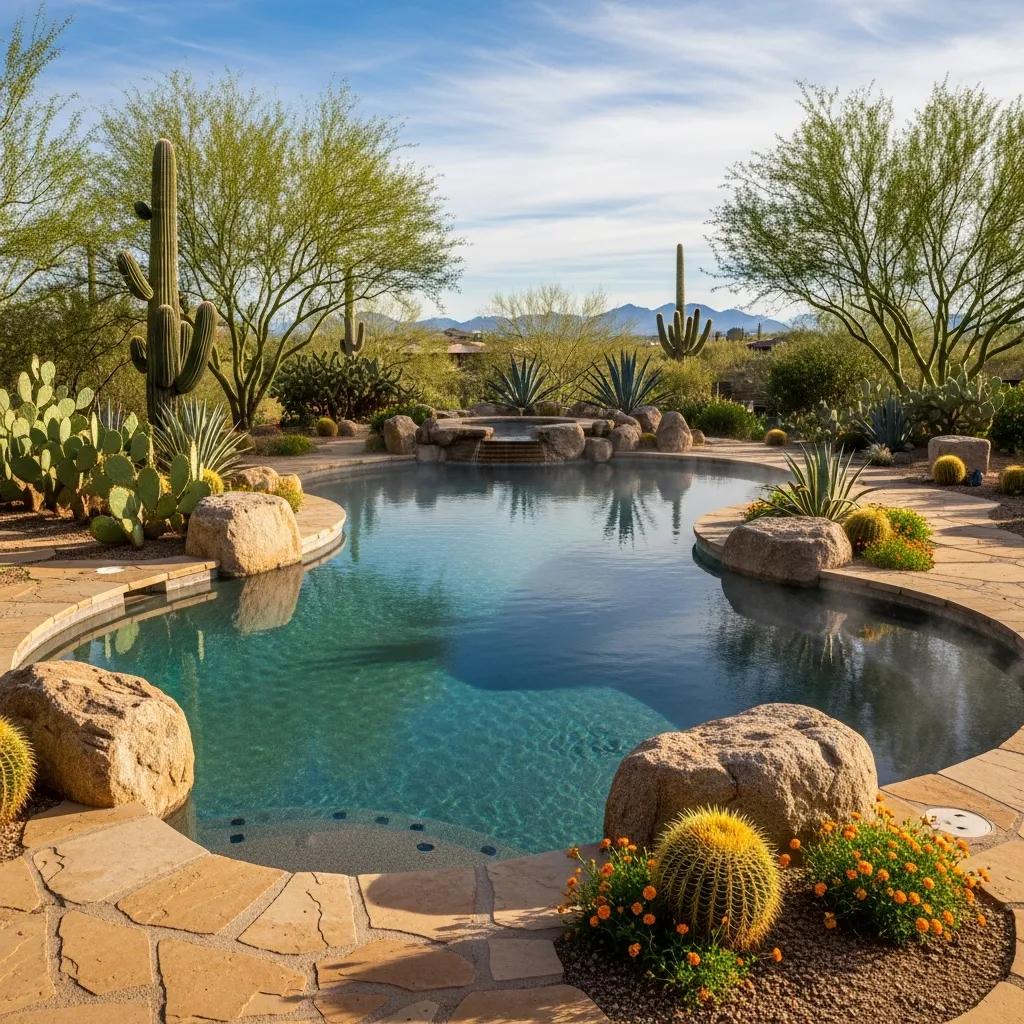
  1. Natural Shapes: Opt for organic, freeform shapes that mimic natural water bodies, blending seamlessly with the landscape.
  2. Surrounding Plants: Use drought-tolerant plants around the pool area to create a lush environment without excessive water use.
  3. Water Features: Incorporate features like waterfalls or fountains that enhance the visual appeal while may slightly increase evaporation.

These design elements can create a stunning oasis that complements the desert landscape.

How Does Pool Landscaping Improve Water Efficiency and Aesthetics?

Landscaping around pools can significantly improve water efficiency and aesthetics. By using native plants and xeriscaping techniques, homeowners can create a beautiful environment that requires less water. Additionally, strategic placement of plants can provide shade, reducing evaporation from the pool and helping to maintain water levels. This approach not only enhances the overall look of the pool area but also contributes to sustainable water management practices.

For inspiration and professional assistance, consider exploring desert landscaping projects.

What Are Essential Maintenance and Water Conservation Tips for Phoenix Desert Gardens?

Maintaining a desert garden requires specific practices to ensure its longevity and health. Regular maintenance tasks, such as pruning and mulching, can help keep plants thriving while conserving water.

How Do You Maintain a Xeriscape Garden in the Phoenix Climate?

To maintain a xeriscape garden in the Phoenix climate, follow these essential tips:

  1. Regular Pruning: Trim dead or overgrown branches to promote healthy growth and airflow.
  2. Mulching: Apply a layer of mulch around plants to retain moisture and suppress weeds.
  3. Seasonal Adjustments: Adjust watering schedules based on seasonal rainfall and temperature changes.

These practices will help ensure that your xeriscape garden remains vibrant and sustainable.

What Water Conservation Techniques Are Recommended for Desert Landscaping?

Implementing effective water conservation techniques is crucial for desert landscaping. Consider the following methods:

  1. Drip Irrigation: Use drip systems to deliver water directly to plant roots, minimizing waste.
  2. Rainwater Harvesting: Collect rainwater from roofs and surfaces to irrigate gardens when feasible.
  3. Soil Amendments: Incorporate organic matter into the soil to improve moisture retention.

By adopting these techniques, homeowners can significantly reduce water usage while maintaining a healthy landscape.

Pool and Landscape Design: Complete Integration Guide for Arizona Homes

Pool and Landscape Design: Complete Integration Guide for Arizona Homes

Custom Pool Builders Arizona: Complete Integration Guide for Pool and Landscape Design in Arizona Homes

Designing a pool and landscape that harmonizes with Arizona’s unique climate is essential for creating an inviting outdoor space. This guide will explore the intricacies of pool and landscape design, focusing on how to integrate these elements effectively. Readers will learn about the best practices for custom pool design, effective desert landscaping ideas, and maintenance tips to ensure longevity. The integration of these elements not only enhances the aesthetic appeal of a home but also increases its value. This article will cover key topics, including how to design custom pools for Arizona’s climate, effective desert landscaping ideas, and maintenance strategies for pools and landscapes.

How to Design Custom Pools for Arizona's Unique Climate?

Designing custom pools in Arizona requires an understanding of the local climate, which is characterized by high temperatures and low humidity. This climate impacts the materials used, the pool’s orientation, and the overall design. A well-designed pool can provide a refreshing escape from the heat while complementing the surrounding landscape.

What Pool Types Best Suit Arizona Homes?

When considering pool types for Arizona homes, several options stand out:

  1. Infinity Pools: These pools create a stunning visual effect by blending seamlessly with the horizon, making them ideal for homes with scenic views.
  2. Plunge Pools: Perfect for smaller yards, plunge pools offer a compact solution for cooling off without requiring extensive space.
  3. Lap Pools: Designed for fitness enthusiasts, lap pools provide a long, narrow space for swimming laps, making them a practical choice for active homeowners.

These pool types not only cater to the aesthetic preferences of homeowners but also align with the functional needs dictated by Arizona’s climate.

What Are Effective Desert Landscaping Ideas for Integrated Outdoor Spaces?

Desert landscaping is crucial for creating a cohesive outdoor space that complements a pool. Effective landscaping ideas include the use of native plants, xeriscaping techniques, and thoughtful design elements that enhance the overall aesthetic.

Which Native and Drought-Resistant Plants Enhance Pool Surroundings?

Incorporating native and drought-resistant plants can significantly enhance the beauty of pool areas while conserving water. Some excellent choices include:

  • Agave: This succulent is not only drought-tolerant but also adds a striking architectural element to the landscape.
  • Desert Willow: Known for its beautiful flowers, this tree provides shade and attracts pollinators, enhancing the outdoor environment.
  • Red Yucca: This plant offers vibrant blooms and requires minimal water, making it a perfect choice for desert landscapes.

These plants thrive in Arizona’s climate and contribute to a sustainable landscape design.

How Does Xeriscape Landscaping Save Water in Arizona Gardens?

Xeriscaping is a landscaping method that reduces or eliminates the need for supplemental irrigation. It involves using drought-resistant plants, efficient irrigation systems, and mulching techniques. The benefits of xeriscaping include:

  • Water Conservation: By selecting plants that require less water, homeowners can significantly reduce their water usage.
  • Lower Maintenance: Xeriscaped gardens require less upkeep, allowing homeowners to enjoy their outdoor spaces without extensive labor.
  • Environmental Benefits: This approach supports local ecosystems by promoting the use of native plants.

Implementing xeriscaping techniques can lead to a beautiful, sustainable landscape that complements a custom pool.

Research further supports the economic and environmental advantages of xeriscaping over less sustainable alternatives in Arizona’s climate.

Arizona Xeriscape vs. Zeroscape: Water & Energy Savings

Summertime temperatures have increased 1°F to 2°F per decade in Tucson and Phoenix, Arizona, during the past forty years. At the same time, vegetated land cover in Tucson has diminished by 9 percent, as lush landscapes were replaced with gravel and fewer plants to reduce water and maintenance costs. Water conservation policies and landscape ordinances can exacerbate urban warming by encouraging this replacement of vegetated surfaces with rock. Data derived from computer simulations using three full-sized landscapes around identical buildings in Phoenix and Tucson indicated that these “zeroscapes” were uneconomical compared with “xeriscapes,” which use low-water-use plants located for summer shade. Projected total energy-water savings for the xeriscapes ranged from $117 to $124 (15 to 22 percent) in Phoenix and $38 to $59 (8 to 15 percent) in Tucson, compared with the zeroscapes.

Modeling residential landscape water and energy use to evaluate water conservation policies, EG McPherson, 1990

How to Integrate Pool and Garden Design for Cohesive Backyard Living?

Integrating pool and garden design is essential for creating a harmonious outdoor living space. This involves considering the layout, materials, and plant selections that work together to enhance the overall aesthetic.

What Water Conservation Strategies Improve Pool and Landscape Integration?

Effective water conservation strategies can enhance the integration of pools and landscapes. Some strategies include:

  1. Efficient Irrigation Systems: Utilizing drip irrigation can minimize water waste and ensure that plants receive the necessary moisture.
  2. Drought-Resistant Plant Selection: Choosing plants that thrive in arid conditions reduces the need for supplemental watering.
  3. Rainwater Harvesting: Collecting rainwater for irrigation can provide an eco-friendly water source for landscaping, though it is less common in Arizona due to low rainfall.

These strategies not only promote sustainability but also create a visually appealing outdoor environment.

How to Use Outdoor Lighting and Ambiance to Enhance Pool Areas?

Outdoor lighting plays a crucial role in enhancing the ambiance of pool areas. Thoughtful lighting design can create a welcoming atmosphere for evening gatherings. Key considerations include:

  • Pathway Lighting: Illuminating walkways ensures safety and guides guests to the pool area.
  • Accent Lighting: Highlighting water features or landscaping elements can create a stunning visual effect at night.
  • Underwater Lighting: Installing lights within the pool enhances its beauty and provides a magical glow during evening swims.

By incorporating these lighting techniques, homeowners can transform their pool areas into enchanting spaces for relaxation and entertainment.

What Maintenance and Seasonal Care Tips Ensure Longevity of Pools and Landscapes?

Maintaining pools and landscapes in Arizona’s desert environment requires specific strategies to ensure their longevity. Regular maintenance practices are essential for keeping both elements in optimal condition.

How to Maintain Pools Efficiently in Arizona's Desert Environment?

Efficient pool maintenance in Arizona involves:

  1. Regular Cleaning: Keeping the pool free of debris and maintaining proper chemical balance is crucial for water quality.
  2. Equipment Maintenance: Regularly checking and servicing pool equipment ensures efficient operation and extends its lifespan.
  3. Water Level Management: Monitoring water levels helps reduce evaporation loss, which is significant in hot climates, through measures like pool covers when not in use.

These practices help maintain a clean and inviting pool environment.

What Seasonal Care Practices Support Desert Landscaping Health?

Seasonal care for desert landscapes includes:

  • Spring Planting: Early spring is the best time to plant new vegetation, allowing them to establish before the heat of summer.
  • Summer Watering: Adjusting watering schedules during the hottest months ensures plants receive adequate moisture without waste.
  • Fall Cleanup: Removing dead plant material and preparing gardens for winter helps maintain health and aesthetics.

Implementing these seasonal care practices supports the health of desert landscapes and enhances their beauty throughout the year.

For more inspiration, you might want to view some pool and landscape design ideas.