Financing Options for Your Arizona Pool & Landscape Project

Financing Options for Your Arizona Pool & Landscape Project
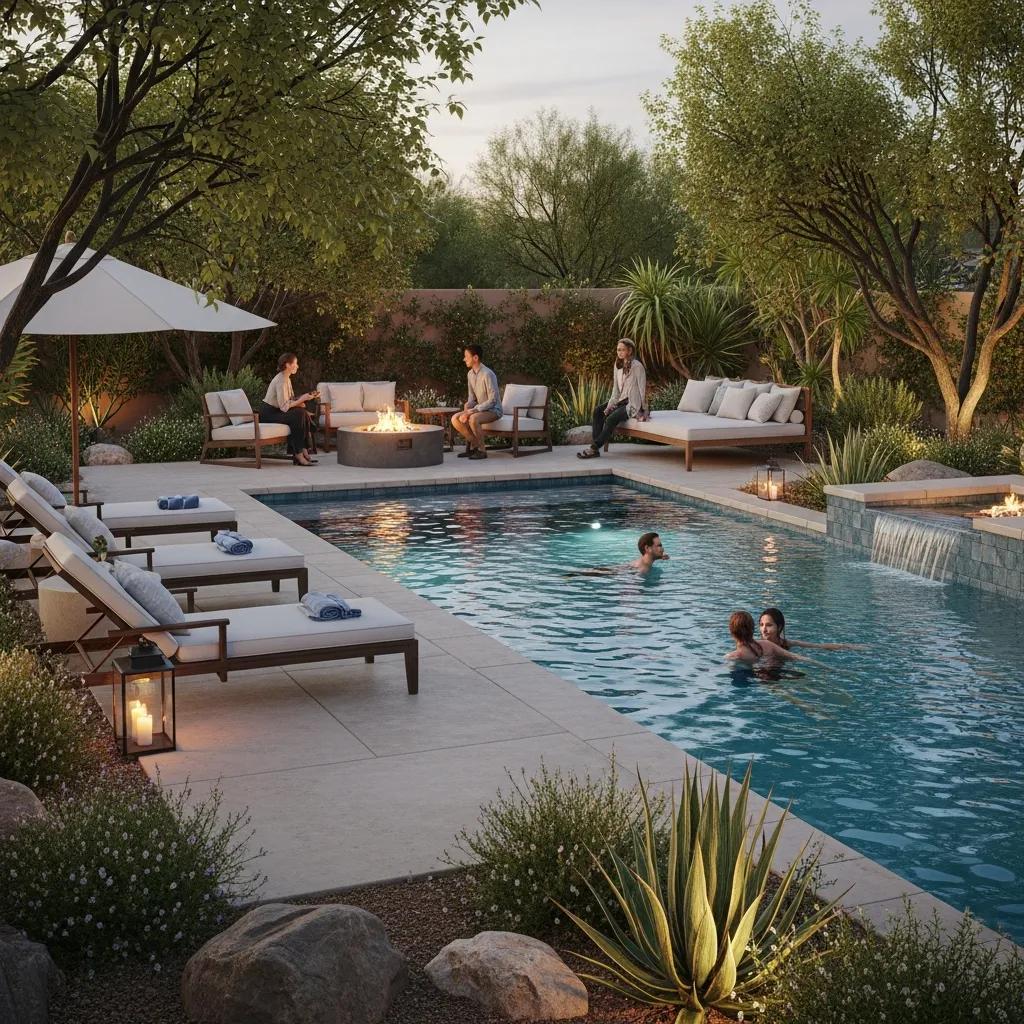
Financing Options for Your Arizona Pool & Landscape Project: Comprehensive Guide to Luxury Outdoor Living Loans

Building a luxury pool and landscape in Arizona is as much about planning the financing as it is about the design. The right loan preserves your cash flow, protects your investment, and gets construction started when you’re ready. This guide walks through practical financing choices—home equity loans and HELOCs, unsecured personal loans, cash‑out refinances, and programs like the FHA 203(k)—so you can match your project goals to the best funding path. You’ll learn how rates, terms, and credit thresholds shape monthly payments and overall budgets, how to evaluate lenders and partner programs, and how to coordinate financing with your builder to avoid costly delays. Throughout, we focus on clear, actionable steps, real examples, and checklists to help you prepare before you apply.

What Are the Best Financing Options for Pool and Landscape Projects in Arizona?

For Arizona homeowners, pool and landscape financing usually falls into five buckets: Home Equity Loan, HELOC, Personal Loan, Cash‑Out Refinance, and FHA 203(k). Each balances cost, speed, and security differently—mortgage‑backed products often offer lower APRs but use your home as collateral, while unsecured loans are faster to get but cost more. Knowing these tradeoffs helps you choose the right fit for project size, timeline, and comfort with risk. Below is a quick summary of common loan types and the situations where they typically work best.

Common loan categories and ideal use-cases:

  1. Home EquityLoan: Best for larger, fixed‑price projects when steady, predictable payments matter.
  2. HELOC: Best for phased builds or when you want flexible draws during construction.
  3. Personal Loan: Best for smaller upgrades or when you prefer not to tie funding to your mortgage.
  4. Cash-Out Refinance: Best when mortgage rates are attractive and you want one loan for the home and project.
  5. FHA203(k): Best for qualified borrowers who need renovation financing rolled into an FHA mortgage.

The table below puts these options side‑by‑side so you can compare expected rates, terms, and key pros and cons for Arizona homeowners.

Loan TypeTypical APR (AZ)Common TermProsCons
Home Equity Loan5–8% (varies)5–15 yearsFixed payments; predictable budgetingUses home as collateral; closing costs
HELOC4–9% (variable)Draw 5–10 yrs / Repay 10–20 yrsFlexible draws; pay interest only during drawVariable rates; payment uncertainty
Personal Loan7–15%+2–7 yearsFast approval; unsecuredHigher APR; lower limits for large builds
Cash-Out Refinance4–7% (depends)15–30 yearsConsolidates mortgage + project; may lower rateReclosing costs; extends mortgage timeline
FHA 203(k)Variable (mortgage)15–30 yearsRehab financing for qualifying buyersCaps on scope; FHA eligibility rules

That comparison shows where terms like HELOC and cash‑out refinance sit under the broader category of home improvementfinancing. With predictability, flexibility, and speed in mind, the next sections explain the mechanics and practical tradeoffs of the most common options for Arizona projects.

How Do Home Equity Loans and HELOCs Work for Arizona Homeowners?

Home equity products let you tap the difference between your home’s market value and the outstanding mortgage balance. Lenders use loan‑to‑value (LTV) rules to limit borrowing to a portion of that equity. A home equity loan gives a lump sum with a fixed rate and steady monthly payments, while a HELOC acts like a revolving credit line during a draw period and usually moves to a variable rate later. For example, if you’ve built 30% equity, you might access funds up to a 70% combined LTV. Typical paperwork includes proof of income, an appraisal, and title checks; approval timelines often run two to six weeks and can stretch if the appraisal or underwriting drags. Understanding these steps helps you weigh the affordability tradeoffs between secured and unsecured choices.

What Are the Benefits and Drawbacks of Personal Loans for Outdoor Living?

Unsecured personal loans are a fast way to cover smaller landscape upgrades or pool accessories without using your home as collateral—approvals can happen in days depending on your credit and the lender. The downside is a higher APR and shorter terms compared with mortgage‑secured options, which can push monthly payments up on larger projects. Personal loans make sense when speed and minimal paperwork are priorities or when you don’t want to increase your mortgage balance. For bigger scopes, you may combine a personal loan with staged payments—or choose a secured product instead. Before applying, weigh whether the faster access is worth the added cost.

How Can You Understand Loan Rates, Terms, and Eligibility for Arizona Pool Financing?

Knowing how APR differs from a nominal rate and how term length affects monthly payments is essential for budgeting a pool and landscape project. APR includes interest and fees, so it gives a clearer picture of total borrowing cost. Fixed rates offer payment certainty; variable rates can save money up front but add future risk. Eligibility largely depends on credit score, documented income, and combined LTV—lenders also check debt‑to‑income (DTI) and may ask for reserves on construction loans. The table below shows typical Arizona ranges and examples to help estimate monthly payments and qualifying thresholds.

Key definitions and metrics to watch when evaluating offers:

  • APR: The all‑in annual percentage rate that combines interest and fees for easy comparison.
  • Fixed vs Variable: Fixed stays the same; variable can move with market indexes.
  • LTV & DTI: Loan‑to‑Value and Debt‑to‑Income determine how much you can reasonably borrow.
MetricAttributeTypical AZ Range / Example
APR (secured)All-in borrowing cost4–8% for mortgage-based products
APR (unsecured)Personal loan cost7–15%+ depending on credit
Credit ScoreQualification indicator620+ improves access; 740+ secures best rates
LTVMax financed share of home value70–80% combined LTV typical for cash-out

What Credit Scores and Income Requirements Are Needed for Pool and Landscape Loans?

Lenders group applicants by credit bands—fair, good, excellent—and higher scores usually mean lower APRs and more options. For mortgage‑based financing, scores above 620 can gain eligibility, but competitive pricing commonly requires mid‑700s. Personal loans may be available with lower scores, but at higher rates. Income verification typically includes recent pay stubs, tax returns, and employment history; lenders calculate DTI to ensure new payments fit. Taking steps now—lowering credit utilization, fixing errors, and building on‑time payment history—can reduce your borrowing costs and broaden the loans available for a luxury outdoor project.

How Do Fixed and Variable Interest Rates Affect Your Loan Payments?

Fixed rates give predictable monthly payments that simplify budgeting across design, construction, and ownership. Variable rates can start lower, but payments may rise if market indexes go up. For example, a $100,000 loan at a fixed 5% over 10 years produces a stable monthly payment, while a variable product tied to an index could change that amount by several percentage points over time. If your project is phased or multi‑year, weigh your tolerance for rate shifts against possible initial savings; use rate caps, short‑term locks, or later refinancing to manage volatility. Running amortization comparisons for both scenarios makes the tradeoffs clear.

What Is the Financing Process with Island Pools and Landscaping AZ?
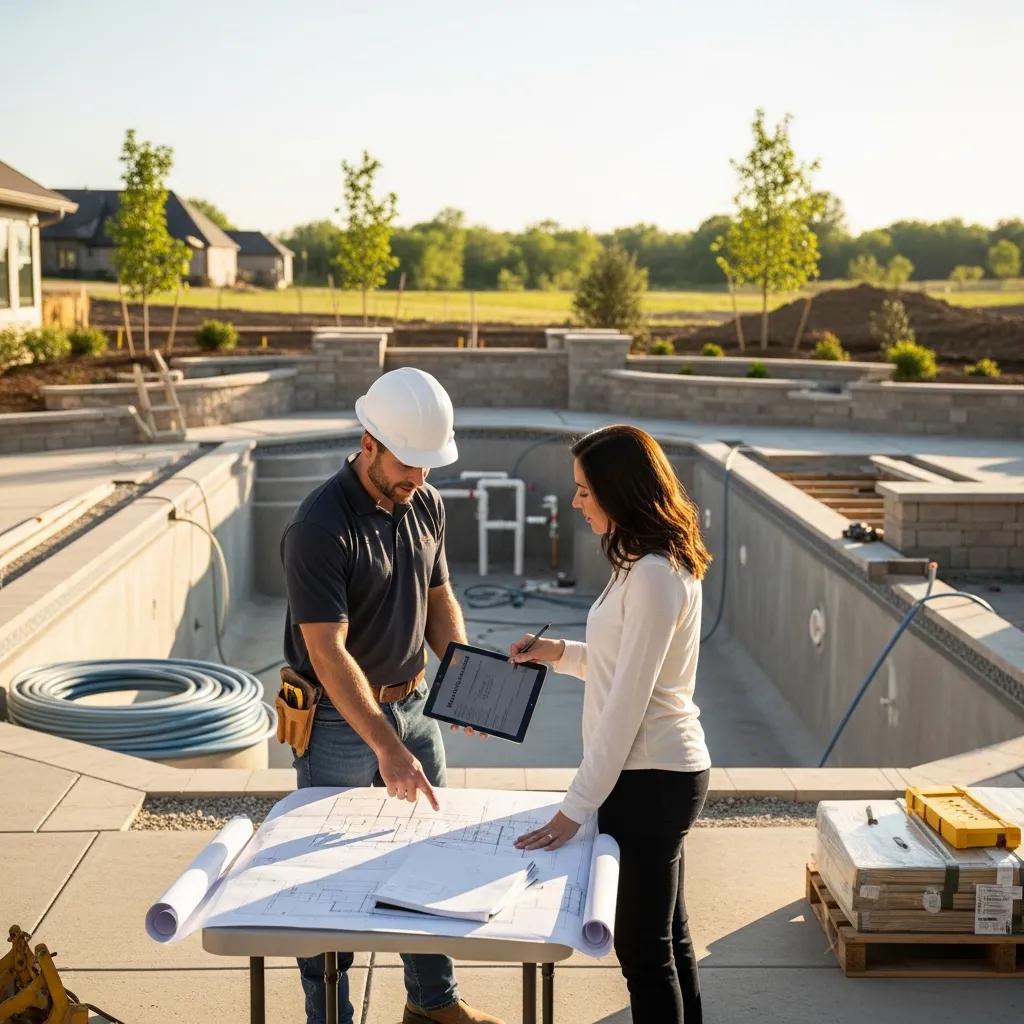
Financing a luxury outdoor living project works best when design, lender coordination, and construction draws are aligned from the start. Island Pools and Landscaping AZ acts as your design‑and‑build partner: we help define scope, create accurate estimates, and coordinate with lenders so approvals and draw schedules match construction milestones. That planning reduces administrative friction, lowers the chance of change orders, and keeps funds flowing so trades and materials aren’t delayed. The timeline below outlines typical steps from initial consultation through project closeout so you know what to expect and when.

Island Pools and Landscaping AZ is a licensed contractor (ROC#341253) that helps homeowners understand financing options and integrates lender requirements directly into contracts and draw schedules. We work with vetted partners to streamline approvals and make sure each work phase aligns with funding availability. Having one point of contact to track approvals, inspections, and draw requests reduces surprises and helps keep your project on budget and on schedule.

What Steps Are Involved from Consultation to Project Completion?

A predictable timeline usually begins with an on‑site consultation to set design goals, budget expectations, and financing preferences. That meeting produces a detailed estimate you can use for loan applications. Next, homeowners get pre‑approved or apply, submit documents (income, assets, title), and wait for underwriting and appraisal. While underwriting runs, your contractor readies permits and trade scheduling. After closing, construction moves forward on a draw schedule tied to milestones, with inspections at key stages and final withholding until punch‑list items are resolved. Clear, ongoing communication between homeowner, lender, and builder reduces delays; preparing documentation up front speeds underwriting.

  1. Consultation & scope definition: Align design priorities and budget.
  2. Estimate & financingselection: Choose a loan product and apply.
  3. Underwriting & approval: Submit documents and complete appraisal.
  4. Construction draws & inspections: Funds released by scheduled disbursements.
  5. Final inspection & closeout: Confirm completion and release remaining funds.

Seeing financing as part of the construction plan—rather than an afterthought—keeps work moving and helps avoid costly pauses. The next section explains how integrated financing reduces administrative complexity on luxury projects.

How Does Integrated Financing Simplify Your Luxury Pool and Landscape Build?

Integrated financing brings the pool and landscape scope under one loan or a coordinated draw schedule so payments move smoothly between trades and contract phases. That avoids juggling multiple loan accounts and reconciliations. When funding is synchronized to construction phases, subcontractors get paid on time, materials are ordered confidently, and scheduling bottlenecks are less likely. Projects using integrated financing often close faster and see fewer change orders because the scope and draws are clear. Our team communicates lender expectations to subcontractors and adjusts schedules when approvals shift—helpful for complex, high‑finish builds.

Which Specialized Loan Programs Support Luxury Pool Remodeling and Outdoor Living in Arizona?

Specialized programs can fit when conventional loans don’t match your project’s needs. FHA 203(k) loans combine mortgagefinancing with renovation dollars for eligible borrowers; cash‑out refis convert equity into funds for large builds. Other niche renovation products from specialty lenders may offer underwriting tailored to high‑end landscaping and pool features. Below are the most common specialized options and when they tend to make sense for luxury backyard remodels.

The following list summarizes specialized programs and when they fit luxury scopes:

  • FHA 203(k) — for qualified buyers who need rehab financing wrapped into an FHAmortgage.
  • Cash‑out refinance — for homeowners who prefer a single loan and potentially lower long‑term rates.
  • Niche renovation products from specialty lenders — for unique scopes or phased work that standard products won’t cover.

These routes address different outcomes—front‑loading funds for major structural work versus staged financing for luxury features—and the next subsections unpack FHA mechanics and cash‑out tradeoffs in more detail.

How Do FHA 203(k) Loans Facilitate Home Improvement Projects?

FHA 203(k) loans let eligible borrowers roll certain renovation costs into an FHA‑backed mortgage, which can simplify funding when the project qualifies under FHA rules. Eligible work generally covers repairs and renovations that add value; very high‑end discretionary features can exceed FHA caps or program limits, so 203(k) often suits moderate to significant remodels rather than ultra‑luxury overhauls. Borrowers must meet FHA credit and income rules and work with FHA‑approved consultants and lenders, which adds administrative steps. When it fits, 203(k) removes the need for separate construction loans and is useful for owners who also need mortgagefinancing.

At Island Pools and Landscaping AZ, we’ve worked with FHA consultants and lenders to present clear, line‑item estimates and schedules so luxury components are understood during underwriting. That level of detail improves the chance renovation funds are released on time during construction, which is important when you’re balancing mortgage changes with backyard upgrades.

What Are Cash-Out Refinance Options for Backyard Renovations?

Cash‑out refinance replaces your existing mortgage with a larger loan and returns the difference in cash to you for renovations—effectively turning equity into liquid funds for a high‑value pool and landscape. Benefits include possible access to lower mortgage rates and the convenience of a single monthly payment; drawbacks include closing costs and the chance of lengthening your mortgage. Lenders commonly limit extraction to 70–80% combined LTV depending on the program and your credit, which affects how much you can allocate to the build. Timing matters: doing a cash‑out when rates are favorable and equity is strong usually gives the best result.

How Can Partner Financing Solutions Enhance Your Arizona Pool and Landscape Project?

Partner financing widens your options beyond big banks by tapping local lenders, national specialty lenders, and loan marketplaces—each brings different underwriting styles and turnaround speeds. Local credit unions and community banks often offer relationship‑based flexibility; specialty lenders provide construction and renovation products designed for projects like pools; marketplaces let you compare offers quickly. The table below summarizes partner types and the benefits they bring so you can pick the right path for your timeline and project complexity.

Partner TypePartner RoleBenefit
Local Credit UnionRelationship underwritingFlexible terms and local market knowledge
National Specialty LenderRenovation & construction loansStreamlined construction draws and expertise
Loan MarketplaceComparative shoppingFaster rate/term comparisons across lenders
Community BankLocal decision-makingPersonalized program structuring for unique scopes

Choosing a partner depends on whether you prioritize speed, custom terms, or the lowest rate—Island Pools and Landscaping AZ coordinates these relationships so homeowners can make confident choices without juggling multiple lenders.

What Financing Partnerships Does Island Pools and Landscaping AZ Offer?

We work with vetted lenders and marketplaces to give homeowners financing options that match luxury project size and timing. Our process pairs borrower profiles with the lender types that fit best, then converts detailed estimates into lender‑ready packages and aligns draw schedules with permits and inspections. Acting as an intermediary reduces friction in multi‑party transactions and helps you compare offers without managing every communication. That support is especially useful if you’d rather focus on design while we handle the practical financing logistics.

How Do Local Lenders Support Customized Outdoor Living Financing?

Local lenders often offer underwriting flexibility because they understand regional construction costs, permitting timelines, and market values—useful for bespoke pools and landscapes that don’t fit standard templates. Relationship lenders may weigh stable local employment or long banking history as compensating factors when evaluating LTV and DTI, and they can offer tailored amortization or draw arrangements for complex phases. When you engage local lenders, present a clear scope, contractor estimates, and a realistic schedule to support creative structuring. Organized documentation and time for local underwriting conversations increase the odds of favorable, tailored loan terms that protect your project quality.

What Are the Most Common Financing FAQs for Arizona Homeowners?

Homeowners frequently ask about credit thresholds, financing both pool and landscape together, approval timelines, and how to estimate total project costs. Short, practical answers set expectations before you contact lenders. Below are the top quick questions and direct guidance to help you get started.

Common quick answers:

  1. What Credit Score Is Needed for a Pool Loan in Arizona?: Requirements vary by product—mortgage‑based loans commonly require 620+ for basic approval, while the best rates usually need 720–740+. Improving your score and cutting debts can lower APRs and expand options.
  2. Can You Finance Both Pool and LandscapingTogether?: Yes. Integrated financing or a single renovation loan can cover both scopes, simplifying draws and reducing admin compared with multiple loans.
  3. How Long Does Approval Typically Take?: Personal loans can be completed in days; HELOCs and home equity loans often take 2–6 weeks; cash‑out refinances depend on mortgage processing and appraisal timing.
  4. Should I Get Pre‑Approval Before Design Finalization?: Yes—pre‑approval narrows your realistic budget and speeds the transition from design to construction once plans are finalized.
Those answers provide a starting point; the H3 items below briefly expand on credit and combined financing with practical next steps.

What Credit Score Is Needed for a Pool Loan in Arizona?

Credit standards differ by lender and product. Mortgage‑secured programs usually favor scores above 620 for basic eligibility and 720+ for the most competitive APRs. Unsecured personal loans may accept lower scores but at higher costs. Lenders also look at recent payment behavior, utilization ratios, and credit history length when pricing loans. To strengthen your application, pay down balances, correct credit report errors, and build steady on‑time payments. If your score is below target, options include adding a cosigner, choosing a longer term to lower monthly strain, or financing a smaller initial phase while you improve credit for later work.

Can You Finance Both Pool and Landscaping Together?

Combining pool and landscape under one loan simplifies billing, preserves design continuity, and lets you use a consolidated draw schedule tied to unified milestone inspections and invoices. Single‑loan integration cuts administrative overhead and reduces scheduling conflicts between separate lenders, while improving transparency over total costs and contingencies. Very large or highly specialized scopes may require staged financing or supplemental products, so present a comprehensive, itemized budget and phased schedule to increase the chance of approval for combined financing.

If you’re ready to move forward, Island Pools and Landscaping AZ offers a design consultation and lender coordination to turn your priorities into lender‑ready documents while keeping the project momentum. Our experience with luxury pool and landscape builds—and our licensed contractor status (ROC#341253)—helps streamline approvals, draws, and on‑site coordination. To start, request a design consultation to align scope, budget, and financing strategy with your timeline and desired finishes.

Frequently Asked Questions

What factors should I consider when choosing a financing option for my pool and landscape project?

Focus on total project cost, your credit score, and the loan’s interest rate and terms. Decide if you need fixed payments for budgeting or are comfortable with a variable rate that could start lower. Consider project timing—some loans release funds faster—and weigh whether you want to use your home as collateral or prefer unsecured credit with higher rates.

How can I improve my chances of loan approval for a pool and landscape project?

Improve loan odds by lowering credit card balances, making on‑time payments, and gathering complete documentation (pay stubs, tax returns, and a detailed project estimate). Getting pre‑approved narrows your budget and speeds construction once designs are ready. Speak with a lender or financial advisor early to identify product fits for your profile.

What are the typical closing costs associated with pool financing?

Closing costs vary by loan type and lender. Expect appraisal, title insurance, and origination fees that often total 2%–5% of the loan amount. Home equity loans and cash‑out refinances may include attorney or recording fees. Ask lenders for a full fee breakdown so you can factor closing costs into your budget.

Can I use a personal loan for larger pool and landscape projects?

Personal loans work well for smaller upgrades because they’re unsecured and faster to fund, but they usually have higher rates and lower limits. For larger projects, consider combining a personal loan with other financing or choose a secured product like a home equity loan or cash‑out refinance to access greater capital at a lower rate.

What should I do if my loan application is denied?

If denied, ask the lender for specific reasons. Common issues include low credit scores, high DTI, or incomplete documentation. Address those items—pay down debt, correct credit report errors, and gather full paperwork. You can also explore alternative lenders, add a cosigner, or reapply after improving your financial profile.

How does the timing of my loan application affect my project schedule?

When you apply matters: secure financing early in planning so funds are ready when construction begins. Approval delays can push back start dates and affect contractor availability. Aim to have financing lined up before finalizing design and scheduling major milestones.

Conclusion

Choosing the right financing for your luxury pool and landscape in Arizona protects your budget and keeps the build moving. By understanding different loan types, eligibility factors, and partner options, you can match your project goals to a funding strategy that fits your timeline and risk tolerance. Island Pools and Landscaping AZ streamlines the process from design through lender coordination so your backyard vision becomes a reality without unnecessary pauses. Ready to begin? Request a design consultation and we’ll help you align scope, budget, and financing for a smooth build.

Pool & Landscaping Services in Cave Creek, Arizona

Pool & Landscaping Services in Cave Creek, Arizona

Transform Your Backyard Into a Desert Oasis

Building a luxury backyard in Cave Creek starts with designing for the Sonoran Desert — choosing hardy plants, minimizing water use, and selecting finishes that endure sun and heat. This guide walks homeowners through how integrated pool and landscape design transforms dry, exposed yards into resort-style outdoor living. We cover pool types and drought-wise planting palettes, the trade-offs between hardscape and turf, and amenities that extend outdoor use year-round. You’ll also find local permitting basics, material and equipment recommendations suited for desert conditions, and realistic timelines and financing options. The goal is straightforward, site-specific guidance for anyone planning a backyard remodel in Cave Creek — from new pools and xeriscaping to artificial turf, lighting, automation, and how everything works together for low-maintenance, high-impact results.

Why Island Pool and Landscaping Is the Go-To Luxury Pool Builder in Cave Creek

A top luxury builder pairs thoughtful landscape design with desert-aware engineering and rigorous on-site quality control to create cohesive backyard transformations. In Cave Creek, that means picking pool styles, finishes, and irrigation methods that conserve water while keeping a refined, resort look. Skilled builders translate a homeowner’s priorities — entertaining, low maintenance, pet-friendly areas — into durable solutions that balance materials, equipment, and native plantings. The result is a private retreat that complies with local codes and HOA rules and is effortless to live with.

Island Pool and Landscaping brings local experience and three clear differentiators to every Cave Creek project. We highlight Creative Landscape Designers, We Care About The Details, and Satisfaction Always Guaranteed, and we maintain local licensing (ROC#341253 (B-4)). Those commitments guide our work while keeping your priorities front and center.

We provide three consistent advantages:

  • Creative Landscape Designers: a design-first process that integrates pools with desert landscaping.
  • We Care About The Details: scheduled on-site quality checks and client walkthroughs to catch issues early.
  • Satisfaction Always Guaranteed: a formal promise focused on your outcome and final acceptance.

How Our Attention to Detail Fulfills the Satisfaction Always Guaranteed Promise

Our quality workflow uses documented checkpoints at every construction milestone. We verify excavation stability, rebar placement, plumbing penetrations, and finish adhesion before proceeding to plaster, tile, or aggregate. This step-by-step verification reduces rework and keeps schedules predictable. We keep you informed with staged approvals and regular updates, and our final walkthroughs cover equipment operation, warranty handoffs, and punch-list closure — all part of our Satisfaction Always Guaranteed commitment.

Consistent oversight prevents surprises during construction and improves long-term performance. Early issue detection makes maintenance easier and gives homeowners greater confidence in their investment.

Why Work with Our Creative Landscape Designers for Your Backyard Remodel?

Our designers prioritize site-specific composition — massing, form, and plant selection — so pools, terraces, and shade structures read as one intentional space. We begin with concept plans and renderings that show how hardscape edges, pool geometry, and planting zones perform in summer shade and winter light. Collaboration refines materials, plant palettes, and circulation to match lifestyle needs like low maintenance, pet-friendly areas, or large-scale entertaining. Deliverables include scaled plans, planting schedules, and material boards so you clearly understand aesthetic and maintenance trade-offs before construction begins.

This design-led approach produces cohesive desert-modern results and practical decisions — for example, grouping drought-tolerant plants to simplify irrigation — so your backyard performs beautifully in Cave Creek’s climate and matches your vision.

How We Design and Build Custom Luxury Pools in Cave Creek

Designing a custom pool here starts with a clear brief, a site survey, and a construction-aware concept that blends aesthetics with desert engineering. We determine pool orientation, evaluate whether a spillover or infinity edge is feasible, plan efficient equipment locations, and integrate terraces and planting. Proper sequencing — concept, drawings, permitting, structural work, MEP, finishes, and commissioning — reduces delays and keeps systems reliable in hot, dry conditions. Choosing rugged equipment and finishes lengthens service life and keeps operating costs down while preserving the upscale look homeowners expect.

Below is a concise comparison of common luxury pool types and finishes to guide your selection based on visual impact, durability, and site needs.

Pool Type / FinishCharacteristicBest Use
Resort-style poolLarge footprint, varied depths, integrated features like Baja shelves and spasHomes focused on entertaining, lounging, and family use
Infinity edgeSeamless visual edge; requires proper grading and a catch basinSloped lots where the view is the focal point
Pebble/aggregate finishTextured and durable; hides minor wearHigh-use pools where longevity matters

This comparison helps you balance visual goals against structural and maintenance realities for a Cave Creek backyard.

Typical project phases are straightforward:

  1. Concept & site survey: define scope, sightlines, and constraints.
  2. Design development & engineering: finalize structure, equipment, and materials.
  3. Permitting & approvals: submit plans and secure local permits.
  4. Construction & commissioning: build, test systems, and complete finishes.

These steps frame decisions and help you anticipate schedule and budget. If you’d like a portfolio review or a site-specific consultation for Cave Creek, our design-build conversations focus on features and solutions tailored to your yard.

Features of Our Resort-Style and Infinity Edge Pools

Resort-style pools combine shallow lounging areas, integrated spas, Baja shelves, water features, and gradual depth transitions to create flexible family and entertaining spaces. We use textured finishes and submerged seating and orient features to take advantage of summer shade and airflow for comfort. Infinity-edge pools offer a dramatic visual connection to distant views but require precise grading, a separate catch basin, and additional circulation to manage flow and evaporation. Material choices matter: pebble and aggregate finishes are durable and slip-resistant; tile accents refine waterlines and steps for a polished look.

Choosing a pool balances aesthetics, site constraints, and maintenance appetite. Our engineered approach ensures the features you want will perform reliably in Cave Creek’s arid climate.

How Our Pool Remodeling Process Improves Your Outdoor Living

Remodels begin with a full assessment of the shell, equipment, and landscape context to identify high-impact upgrades. Common goals include installing energy-efficient equipment, converting shallow areas into Baja shelves, updating finishes to pebble or tile, and improving deck circulation and safety. We sequence remodels to minimize downtime: inspection, design, phased demolition, structural remediation, and modern systems installation. Remodeling is also an opportunity to coordinate landscape upgrades — low-water plantings and new hardscape — so the yard becomes a cohesive, lower-maintenance living space.

A well-planned remodel modernizes systems and improves spatial flow so your backyard becomes a unified spot for relaxation and entertaining.

Custom Landscape Solutions for Functional Desert Backyards in Cave Creek

Functional desert yards emphasize water efficiency, smart shade strategies, and materials that resist UV and thermal movement while presenting an elevated look.

Common approaches include xeriscaping with native and drought-tolerant species, targeted use of artificial turf for activity areas, and durable hardscaping that defines outdoor rooms without extra irrigation.

Layering these strategies creates low-maintenance landscapes that support pools and outdoor living. Thoughtful irrigation design — drip systems, smart controllers, and hydrozoning — further reduces water use while keeping plants healthy and attractive.

ApproachWater UseMaintenance & Aesthetic Benefit
XeriscapingLowAuthentic desert look; minimal irrigation after establishment
Artificial turfNoneDurable play surface; consistent green appearance year-round
Hardscaping (pavers/stone)NoneDefines outdoor rooms; very low maintenance

Many homeowners choose a hybrid plan: xeriscaped beds for continuity, artificial turf for play zones, and solid hardscapes for entertaining platforms. That mix supports sustainability while preserving the polished look of a premium backyard.

How We Use Drought-Tolerant Plants and Xeriscaping for Long-Term Sustainability

Xeriscaping relies on climate-appropriate species — native shrubs, succulents, and groundcovers — that need little water once established. We hydrozone and cluster plants by water requirement to simplify irrigation and create strong visual massing. Mulch, permeable paving, and shaded microclimates reduce soil moisture loss and lower cooling loads. This plant-first approach boosts biodiversity, resists heat stress, and meets Cave Creek’s water-conscious expectations while delivering seasonal color and texture.

Understanding the broader ecological context of landscape sustainability is important when designing in the Sonoran Desert.

Sonoran Desert Landscape Sustainability

This paper discusses landscape sustainability issues in the Phoenix metropolitan area, located in the lower Sonoran Desert. It frames landscape sustainability using ecosystem services and resiliency as metrics to guide design and planning in arid urban environments.

Landscape sustainability in a Sonoran Desert city, 2008

Thoughtful plant and irrigation choices work together to lower long-term costs and create resilient landscapes suited to local climate realities.

Hardscaping and Artificial Turf Choices That Complement a Luxury Pool

Hardscape options — pavers, natural stone, and textured concrete — define pool edges, circulation paths, and entertaining surfaces that resist weathering. Pavers offer easy repairability and slip resistance; natural stone brings upscale, varied texture. High-end artificial turf systems use shock-absorbing infill and durable backing for pets and play, require no watering, and need minimal upkeep. Proper detailing at pool edges prevents turf migration and reduces heat buildup so safety and aesthetics remain intact.

Choosing materials that balance comfort, longevity, and style creates a cohesive, low-maintenance poolscape that performs well year after year.

Outdoor Living Features That Elevate High-End Backyards in Cave Creek

Outdoor living features expand usable hours and return on investment by turning yards into practical extensions of the home. High-impact elements include outdoor kitchens, fire features, shade structures, and integrated lighting and automation. These components increase entertaining capacity, extend evening use, and improve comfort during warm months through well-placed shade and airflow. Planning them during the design phase ensures utilities and structural supports are in place, avoiding costly retrofits and keeping the finished look seamless with pool and landscape materials.

FeatureTypical Cost RangeEntertainment Capacity & Resale Impact
Outdoor KitchenMid-HighEnables full meal prep outdoors; strong appeal for entertainers
Fire Pit / FireplaceLow-MidExtends evening use; creates a cozy focal point
Pergola / Shade StructureMidImproves daytime comfort; defines outdoor rooms

Consider these outdoor living elements:

  1. Outdoor kitchens and bars for full-service entertaining.
  2. Fire pits and fireplaces to lengthen evening use and create gathering spots.
  3. Pergolas, ramadas, and shade sails to manage sun exposure and define rooms.

How Outdoor Kitchens, Fire Pits, and Pergolas Improve Entertainment Spaces

Outdoor kitchens keep hosts connected to guests while cooking, fire pits add ambient heat for longer evenings, and pergolas create shaded dining and seating zones that anchor outdoor rooms. Choose weather-resistant countertops, durable cabinetry, and low-maintenance finishes to reduce lifecycle costs. Plan clear circulation between kitchen, pool, and dining areas to maintain safety and comfort during events.

When these features are integrated into a unified design, they increase usable hours, support varied activities, and elevate the guest experience.

Smart Lighting and Automation Options for Your Backyard Oasis

Smart lighting and automation coordinate pool lights, landscape scenes, and equipment schedules to enhance mood, safety, and efficiency. Program scenes for entertaining, set pumps on energy-saving schedules, and add motion sensors for nighttime safety. Energy-efficient LED fixtures and zoned controls reduce power use while offering flexible color and intensity options. Automation also simplifies routine tasks and enables remote monitoring of equipment and diagnostics for peace of mind.

Adding smart systems improves daily convenience and long-term operational efficiency in a luxury backyard.

How Our Design-Build Process Creates a Smooth Luxury Pool and Landscape Remodel

Our disciplined design-build workflow aligns design intent, construction sequencing, and client communication to reduce risk and accelerate decisions. Core phases include an initial consultation and site assessment, detailed design and engineering, permitting, phased construction with quality checkpoints, and final commissioning and handover. Clear roles — designers, project managers, and craftsmen working together — keep submittals timely and workmanship consistent. We also share realistic timelines and financing options so homeowners can plan budgets and expectations without sacrificing quality.

This structured approach minimizes surprises and protects the visual and functional goals set during design.

Typical design-build steps are:

  1. Consultation & site analysis: gather goals and constraints.
  2. Design development & approvals: finalize choices and secure permits.
  3. Construction & oversight: phased work with quality inspections.
  4. Commissioning & handover: systems testing and client walkthrough.

From Consultation to Project Completion — What to Expect

We start with a site survey and a conversation about lifestyle priorities to shape conceptual sketches and align budgets. Once the concept is approved, engineers produce permit-ready drawings that translate design into buildable details that meet local codes. Construction phases are scheduled to manage key tasks like excavation, structural shell, MEP systems, and finishes, and include required inspections. Final commissioning covers equipment tuning, safety checks, and homeowner training so you understand operation and maintenance before final acceptance.

This step-by-step process reduces risk and keeps you informed at every decision point, making project delivery smoother.

Financing Options and Timelines That Support Your Investment

Practical financing and timeline planning help homeowners match scope to budget and schedule, often by phasing elements like pools and outdoor kitchens. Options include project loans, home equity solutions, or staged payment plans tied to milestones. Timelines depend on permit cycles, scope, and material lead times, so realistic planning accounts for permit turnaround and seasonal windows. Discussing financing early lets you choose materials and features that fit your budget while preserving the overall design intent.

Good financial planning reduces surprises and helps you make informed trade-offs between features, timing, and ongoing maintenance.

What Our Clients Say About Their Luxury Pool and Landscaping Projects in Cave Creek

Client feedback and portfolio highlights show how design choices hold up over time in Cave Creek’s climate. Before-and-after galleries with concise challenge/solution/outcome notes demonstrate benefits like reduced water use, expanded entertaining capacity, and simpler maintenance. Testimonials and project summaries often emphasize the value of coordinated design and dependable construction oversight for long-term satisfaction in desert conditions.

If you’re considering a high-end backyard remodel in Cave Creek, schedule a luxury consultation with Island Pool and Landscaping to review portfolio examples and discuss site-specific strategies. Our past projects show how design, materials, and systems combine to create durable, low-maintenance desert oases.

Recent Projects That Showcase Our Craftsmanship and Desert Oasis Creations

Project highlights describe the initial challenge — for example, an inefficient pool or awkward yard circulation — the tailored solution such as new pool geometry, xeriscape planting, and integrated shade, and the outcomes like extended evening use and easier care.

These examples show how pairing a resort-style pool or an infinity edge with water-wise planting and sturdy hardscape produces more enjoyment and lower maintenance demands. Visual documentation emphasizes material choices and spatial relationships that deliver lasting curb and backyard appeal.

Reviewing similar project profiles helps homeowners understand which upgrades offer the best lifestyle and operational value in Cave Creek.

What Client Testimonials Reveal About Our Commitment to Quality and Service

Testimonials typically highlight clear design direction, timely responsiveness during construction, and meticulous attention during final walkthroughs and warranty periods — all aligned with our core values. They serve as social proof that a coordinated design-build approach delivers predictable, high-quality results and builds homeowner confidence. Testimonials also call out our communication rhythm and post-completion support, which matter when tuning equipment, scheduling irrigation, or helping plantings establish after handover.

Together, project evidence and client feedback show how careful design, desert-appropriate plant and material choices, and quality construction create backyard transformations that perform well in Cave Creek’s environment.

Frequently Asked Questions

What types of plants are best for a desert landscape?

Choose native and drought-tolerant plants that thrive in arid conditions. Good options include succulents, cacti, and native shrubs like desert marigold and palo verde. These plants need minimal water once established and tolerate extreme temperatures. Mixing textures and seasonal color keeps the landscape interesting while staying sustainable. A local landscape designer can recommend species best suited to your microclimate and soil.

How can I ensure my pool is energy efficient?

Start with a variable-speed pump to cut energy use compared to single-speed models. Add a solar cover to retain heat and reduce evaporation, choose energy-efficient LED lighting, and insulate heating systems where applicable. Regular maintenance — cleaning filters, checking for leaks, and keeping equipment tuned — also preserves efficiency. These steps lower utility costs and extend equipment life.

What are the advantages of using artificial turf in my backyard?

Artificial turf delivers a green, usable surface year-round without watering, mowing, or fertilizing — a major benefit in desert climates. High-quality turf withstands UV exposure and heavy use, and modern systems include shock-absorbing infill for safety. Turf is especially useful for play areas and pet zones, and proper installation details prevent heat buildup and edge migration.

How do I integrate outdoor living features into my backyard design?

Start by defining how you’ll use the space. Position features for natural flow between the house, pool, and dining areas. Plan utilities and structural supports during design to avoid expensive retrofits later. A cohesive design ensures cooking, seating, and shade areas feel connected and perform well for entertaining and everyday use.

What should I consider when planning for shade in my backyard?

Consider the sun’s path through the year and where you need relief during peak heat. Use pergolas, shade sails, ramadas, or strategic tree placement to create comfortable outdoor rooms. Choose durable materials that match your aesthetic and provide the right amount of coverage. Proper shade planning also reduces heat on decks and adjacent interiors.

How can I maintain my luxury pool throughout the year?

Regular care includes skimming, vacuuming, and brushing weekly; testing and adjusting pH and sanitizer levels every few days; and checking filters and pumps regularly. Seasonal tasks and professional inspections catch issues early. A maintenance plan keeps systems efficient and the pool ready for use year-round.

What are the key elements of a successful backyard remodel?

A successful remodel begins with a clear vision, thorough site assessment, and careful planning. Define goals — better flow, more entertaining space, or lower water use — and work with experienced designers and builders to create a cohesive plan that integrates pools, landscape, and outdoor living features. Regular communication keeps the project on budget and on schedule.

What are the benefits of adding smart lighting to outdoor spaces?

Smart lighting adds flexible ambiance, improves safety, and saves energy. Set scenes for entertaining, dim or change color remotely, and use motion sensors to limit run time. Beyond aesthetics, smart lighting makes outdoor spaces more usable and efficient.

How can I make my pool and landscaping design more environmentally responsible?

Begin with xeriscaping and drought-tolerant plants, choose energy-efficient pool equipment, and install smart irrigation that reacts to weather. Select sustainable hardscape materials and finishes that minimize runoff. Working with a designer experienced in desert sustainability will help you create an attractive, eco-friendly outdoor space.

What maintenance should I perform on a luxury pool?

Routine care: skim, vacuum, and brush weekly; test and adjust pH and sanitizer every few days; inspect filters, pumps, and heaters regularly. Professional service twice a year helps spot issues early and keeps systems efficient.

Which outdoor features most improve backyard usability?

Outdoor kitchens, fire pits, and shaded seating areas are high-impact additions. Kitchens enable full meal prep outside, fire features extend evening use, and pergolas or shade structures make daytime enjoyment comfortable. These elements add function and increase how much you use the yard.

How do I choose the right materials for a desert landscape?

Choose materials that tolerate intense sun and temperature swings: natural stone or quality pavers for hardscapes, and native or drought-tolerant plants for beds. Permeable surfaces help with drainage. A designer familiar with desert conditions will help you pick materials that look great and perform well.

What financing options exist for luxury pool and landscaping projects?

Common options include home equity loans, personal loans, project-specific financing, and contractor payment plans tied to milestones. Discuss financing early so design and scope match your budget and timeline. Factor in ongoing maintenance and operating costs when planning the overall investment.

How can I maximize the value of my outdoor living investment?

Prioritize durable, high-use features like well-designed hardscapes, outdoor kitchens, and smart landscaping that reduces maintenance and water use. Keep the design cohesive with your home’s architecture and choose quality materials and workmanship to protect value over time.

Conclusion

Turning your Cave Creek yard into a luxury oasis increases property value, expands living space, and can reduce long-term upkeep when you choose climate-smart materials and systems. With thoughtful design, durable materials, and energy-efficient equipment, homeowners can create outdoor environments that thrive in the desert. Ready to explore ideas? Schedule a consultation with our team to discuss tailored solutions and see how Island Pool and Landscaping can bring your backyard vision to life.

Conclusion

Transforming your Cave Creek yard into a luxury oasis not only enhances property value but also produces a sustainable outdoor living space suited to the desert climate. By combining climate-smart materials and energy-efficient systems, homeowners enjoy a beautiful, low-maintenance environment year-round. If you’re ready to move forward, schedule a consultation with our expert team today. Let Island Pool and Landscaping help you realize your vision for a stunning outdoor retreat.

Understanding Arizona Pool Safety Regulations & Fencing Laws

Understanding Arizona Pool Safety Regulations & Fencing Laws

Arizona Pool Safety & Fencing Laws — A Practical Guide for Homeowners

Arizona’s pool safety rules set a minimum standard for barriers, gate hardware, and supplemental devices to reduce child drownings and limit homeowner exposure. This guide breaks down what the statutes and common local ordinances mean in plain language: how measurements like the 4‑inch sphere test apply, when dwelling walls count as part of the barrier, and what to watch for in Phoenix, Scottsdale, and Maricopa County. You’ll get clear checks for fence height, gate mechanics, alarms and covers, a straightforward maintenance cadence, and practical behavioral safeguards—supervision and swim lessons—to layer protection. We reference ARS §36‑1681, Arizona Department of Health Services guidance, ASTM standards, and typical building-code requirements so you can confirm specifics with local regulators. If you want help blending code compliance with thoughtful design, Island Pools and Landscaping AZ offers compliance-minded consultations — email PoolConnect@Gmail.com or call 602.818.1277. Below we map fence minimums, gate rules, additional safety devices, prevention steps, local variations, penalties, and maintenance guidance.

Key Arizona Pool Fence Height and Barrier Requirements

State rules require an effective barrier around residential pools focused on keeping young children from gaining unsupervised access. That means a continuous perimeter at a minimum height, gaps small enough to stop a child from squeezing through, and fence designs that discourage climbing. Measurements are taken from the finished ground on the outside face of the barrier and, when a home wall acts as part of the enclosure, doors and windows are treated as potential openings that may need alarms or additional barriers. Practical compliance centers on three measurable features: a baseline 5‑foot (60″) height, openings small enough to fail the 4‑inch sphere test, and no horizontal footholds that make scaling easy. Older pools often need retrofits — extensions, mesh inserts, or upgraded gates — to meet today’s expectations.

Research consistently shows that a proper pool fence is one of the most effective layers for preventing child drownings.

Pool Fencing Reduces Drowning Risk in Young Children

ABSTRACT: Drowning is a leading cause of unintentional death among children, especially those under five. Pool fencing is a passive, environmental intervention aimed at keeping preschool‑age children from unsupervised pool access. Given the high stakes, studies have evaluated fencing as a key strategy to reduce drowning in this age group.

Different materials perform differently for height, gap control, and climb resistance. Use the table below to match a fence type to its practical strengths and what to watch for when installing or inspecting.

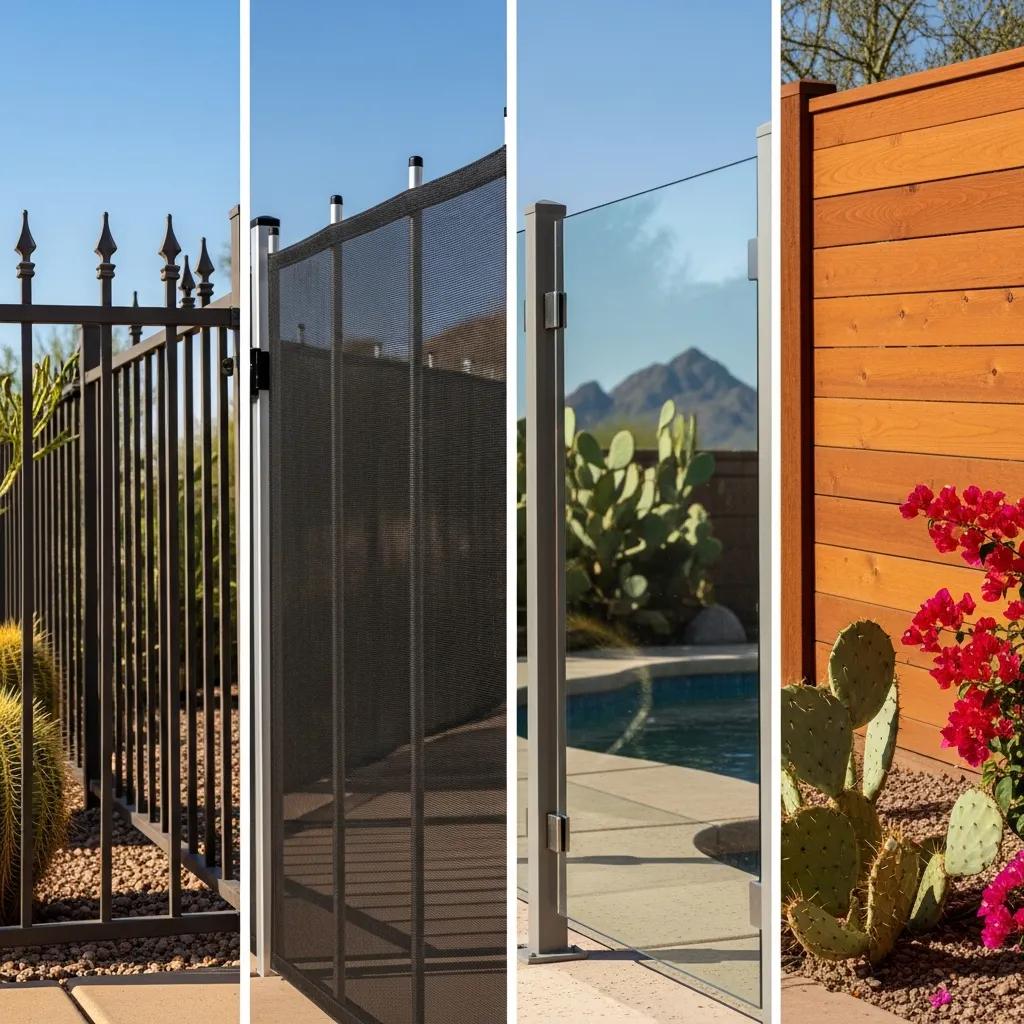
Fence TypeKey AttributePractical Value
Wrought ironMeets 60" easily; vertical pickets limit horizontal openingsDurable, upscale look; verify picket spacing to pass the 4‑inch sphere test
Mesh safety fenceRemovable, low climbability when tautGreat temporary option for families with young kids; anchors and tension are critical
Glass panelSolid, minimal gaps; height measurement is straightforwardHigh‑end, low maintenance, excellent sightlines for supervision
Wood privacySolid panels reduce openings but may have climbable railsGood for privacy—design posts and rails to avoid toe/handholds

Minimum Height for Residential Pool Fences in Arizona

Arizona sets a practical baseline: fences should be at least 5 feet (60 inches) high, measured from finished ground on the outside face of the barrier to the top. That outside measurement prevents interior grade or raised terraces from masking climbable access. When a home wall is part of the barrier, openings like doors and windows are controlled with alarms, self‑closing devices, or other measures to preserve effectiveness. On properties with terraces, retaining walls, or complex grades, coordinate barrier placement with landscape and pool design so the fence remains compliant and sightlines for supervision are preserved.

How the 4‑Inch Sphere Rule Works

The 4‑inch sphere test is a simple, physical check: if a 4‑inch diameter sphere can pass through an opening, the opening is too large for a compliant barrier. It’s a practical proxy for a young child’s head and helps inspectors and homeowners evaluate vertical gaps, decorative openings, and bottom clearances. Common problems include decorative rail patterns, stacked horizontal rails that create footholds, and wide bottom gaps. Fixes are usually straightforward — add vertical infill, reduce picket spacing, or attach a lower kickboard. If you want compliance plus curb appeal, glass or narrowly spaced vertical pickets meet the rule while keeping a refined look.

How Arizona Pool Gate Laws Keep Access Secure

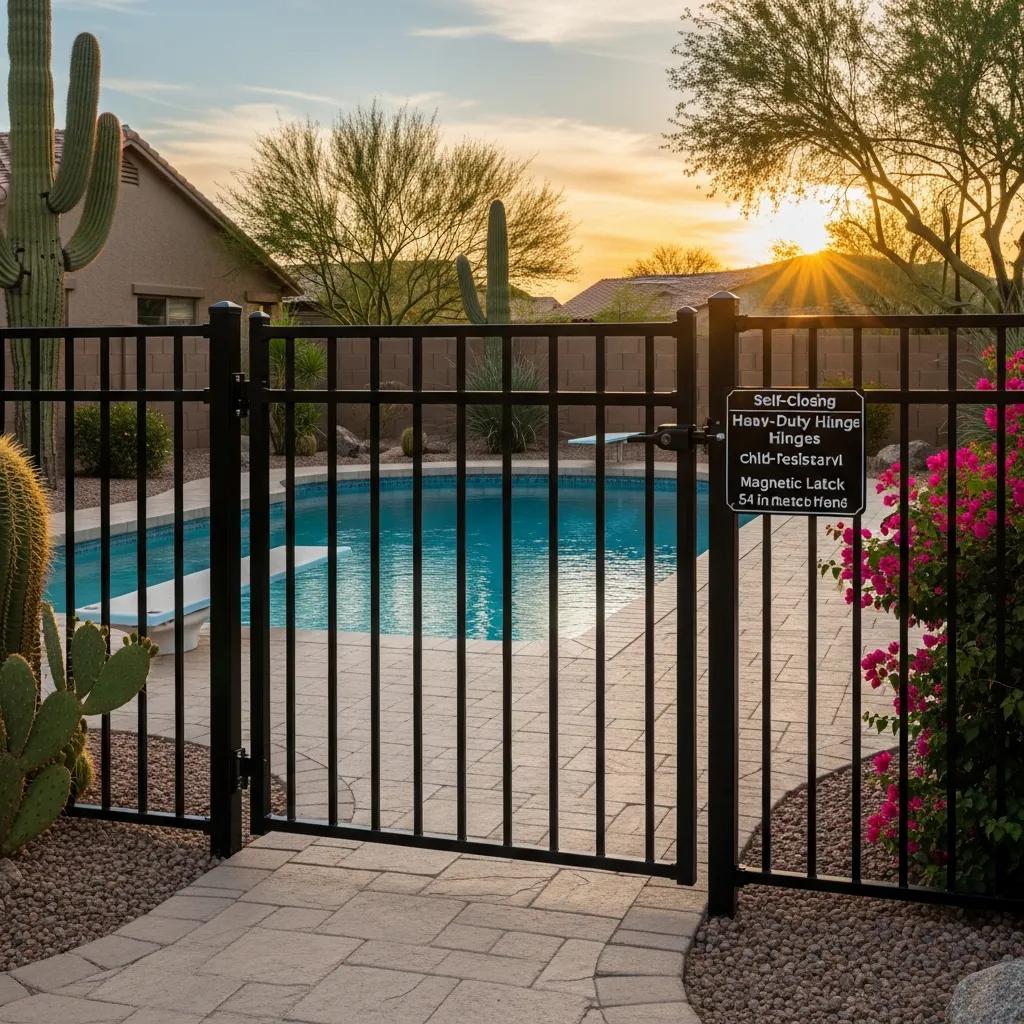
Gate rules focus on hardware and operation so the most common weak point in a barrier — the gate — stays secure. Expect requirements for self‑closing hinges, self‑latching hardware, outward opening direction where practical, and latch placement out of easy reach of small children. Gates are used often and are sometimes propped open, so reliable hardware and routine testing are part of everyday compliance. Proper installation covers mounting, gap control at hinges and latch points, and ensuring the gate resists deformation that could create new openings.

This table summarizes common gate mechanism attributes to help you select durable, code‑friendly hardware.

Gate MechanismRequired AttributeValue for Compliance
Self‑closing hingesClosing force and speedGate must return to closed from 90° without obstruction
Self‑latching mechanismAutomatic latch engagementLatch should engage on closing and resist easy bypass
Keyed lockOptional secondary controlUseful for multi‑family or where extra security is desired
Magnetic latchAlternative, non‑mechanical optionAcceptable if it meets self‑latching and reach requirements

Requirements for Self‑Closing and Self‑Latching Pool Gates

Gates must automatically close and latch after each use so brief lapses in supervision don’t leave an opening. Installers should set mechanisms so the gate closes reliably from any open angle and the latch locks without extra manipulation. Acceptable hardware includes spring hinges or concealed self‑closing systems and tamper‑resistant latches. Regular homeowner checks — opening the gate fully and confirming it returns and latches — plus periodic lubrication and spring replacement preserve function and compliance.

Why Gates Often Open Outward and Use a 54‑Inch Latch Height

Outward opening gates reduce the chance that someone falling against the gate will push it into the pool area, and they make it easier to close the gate when leaving the pool enclosure. A typical latch height of 54 inches places the release point beyond the reach of small children while keeping it accessible to adults. Some sites make outward opening impractical; in those cases, expect compensating measures such as additional latches or secondary barriers. Good designers balance these safety needs with the overall aesthetic so the latch and swing direction feel intentional, not tacked on.

Additional Safety Devices That Complement Fencing

Fences are the foundation, but alarms, motorized safety covers, and door/window sensors add layers of protection. Surface‑displacement alarms detect unexpected motion on the water, gate and door sensors alert to unauthorized openings, and wearable alarms can give child‑specific alerts. Motorized covers that meet ASTM standards provide a physical block when closed and can be integrated cleanly into high‑end designs. National guidance—ASTM and CPSC recommendations—helps you choose devices with verifiable performance and clear maintenance instructions.

Use the comparison below to decide which devices make sense for your property and lifestyle.

Safety DeviceStandard / GuidanceRecommended Use‑Case
Surface‑displacement pool alarmCPSC guidance; manufacturer specsGood for open pools to detect unexpected water entry
Motorized safety coverASTM standards for coversBest for high‑end pools that need a strong, discreet physical barrier
Gate/door sensorsIndustry alarm standardsEffective for preventing access from the house into the pool yard
Wearable alarmsSupplemental useAdds immediate alerting for a child’s presence—never a standalone solution

How Alarms and Covers Improve Compliance

Alarms and motorized covers add detection and physical blocking to passive barriers. Alarms alert caregivers to potential water entry but rely on prompt response and can have false positives from wind or animals. Motorized covers that meet ASTM testing can support some loads and deny access when closed, making them a strong complement for families who want both safety and a clean look. Every device requires maintenance — batteries, calibration, and operational checks — so factor upkeep into your plan. Together with a compliant fence and gate, these devices create a layered, resilient safety system.

Which ASTM Standards Matter for Pool Safety Equipment?

ASTM standards define objective tests for covers, alarms, and related equipment, covering strength, entrapment resistance, and motor reliability. Ask manufacturers for specific ASTM designations and keep the product literature as part of your maintenance records. Using ASTM‑compliant products reduces uncertainty about real‑world performance and can be useful evidence you took recognized steps to protect your family if questions arise later.

Preventing Child Drowning: A Layered Safety Strategy

Stopping drownings takes layers: engineering controls, focused supervision, and education. Our simple ABCs—Adult supervision, Barriers, Classes—captures those layers. Engineering controls are compliant fences, self‑latching gates, alarms, and covers; behavioral controls are deliberate, undistracted supervision and clear pool rules; education is swim lessons for kids and CPR training for caregivers. For homeowners who want safety without sacrificing design, Island Pools and Landscaping AZ helps integrate barrier placement and layered protections into remodeling or outdoor living projects — email PoolConnect@Gmail.com or call 602.818.1277 to schedule a compliance‑focused consultation.

Below are practical steps you can start using right away to improve pool safety.

  1. The ABCs of Water Safety summarize three core actions you can implement immediately:
  2. Adult Supervision: Keep a focused adult within arm’s reach of young children when they’re near water.
  3. Barriers: Install and maintain a continuous, compliant fence with self‑latching gates.
  4. Classes: Enroll children in age‑appropriate swim lessons and ensure caregivers are CPR certified.

ABCs of Water Safety: What They Mean in Practice

The ABCs create redundancy: supervision prevents immediate incidents, barriers stop unsupervised access, and classes build life‑saving skills. Supervision means a designated, undistracted adult who knows to avoid phones or chores while watching children and who has basic rescue tools nearby. Barriers should be continuous, at least 5 feet high, and free of climbable features. Classes should be progressive and appropriate for the child’s age, while caregivers refresh CPR skills periodically. Combining these practices with alarms and covers gives you a robust safety posture that aligns with Arizona requirements and modern prevention strategies.

How Swim Lessons and CPR Training Lower Risk

Swim lessons improve a child’s water competence and CPR equips caregivers with immediate response skills — both reduce the chance of a fatal outcome if an incident occurs. Look for credentialed programs and certified instructors who teach progressive skills: floating, breathing, and basic strokes for children, and hands‑on CPR practice for adults. Regular refresher training keeps skills sharp; run mock drills at home so everyone knows how to respond quickly.

Local Ordinances: Phoenix, Scottsdale, and Maricopa County

Local rules can be stricter than state law. Cities may require different materials, latch types, setbacks, or inspection schedules, so confirming municipal requirements early avoids costly rework. Typical local requirements include specific gate hardware, fenced enclosures for spas, and plan review steps tied to property lines and easements. Always check with the local building department during design, and verify your contractor’s ROC# before work starts to ensure they’re licensed for pool construction and safety retrofits.

Here’s what to expect in the permit and inspection workflow in many Arizona jurisdictions.

  1. Submit a permit with a site plan that shows barrier locations and gate swing.
  2. Include product data for fences, gates, alarms, or covers if requested by the reviewer.
  3. Schedule inspections at milestones — footing, barrier installation, and final device testing.

How City and County Codes Add to State Law

City and county codes often add stricter material specs, latch requirements, or more frequent inspections to reflect local concerns. Compliance with state law alone doesn’t always guarantee local approval. For example, some jurisdictions mandate setback distances, require fences around spas, or limit decorative openings in fences. Confirm local code text early and factor it into plans to avoid on‑site changes that add cost and delay.

Typical Permit and Inspection Requirements

Expect to submit a detailed site plan, manufacturer specs for barrier components, and schedule inspections to verify fence continuity, gate operation, and device function. Review times and steps vary by municipality, but common documentation requests include proof of a licensed contractor, hardware specifications, and final operational testing of alarms and covers. Providing complete documents and working with a contractor who has a validated ROC# usually speeds the process.

Penalties for Non‑Compliance and Maintenance Best Practices

Failing to follow pool safety rules can lead to corrective orders, fines, and greater liability if an incident occurs. Enforcement varies by jurisdiction and severity, but treating compliance as essential risk management is the best approach. Keep a documented inspection and maintenance schedule — quarterly visual checks, monthly device tests, and annual professional inspections — to show you’ve taken reasonable steps to maintain safety. If you’d like help with a compliance audit or updates, Island Pools and Landscaping AZ performs consultative reviews that blend design and regulatory needs — contact PoolConnect@Gmail.com or call 602.818.1277 to book a review tailored to your property.

Use this maintenance cadence to balance homeowner checks with professional evaluations.

  • Quarterly: Visual check of posts, picket spacing, and bottom clearances.
  • Monthly: Test self‑closing/self‑latching gates, check alarm batteries, and operate motorized covers.
  • Annually: Professional inspection for structural issues, device calibration, and code updates.

Legal Consequences for Pool Safety Violations

Consequences may include municipal fines, correction orders, and civil liability where neglect is shown. ARS §36‑1681 and local codes guide enforcement actions and public‑health responses. Maintaining records — purchase receipts, inspection logs, and service reports — demonstrates reasonable care and can be important if liability questions arise. For case‑specific legal advice after an incident, consult official sources or an attorney.

Inspection and Update Frequency

Combine homeowner checks with professional reviews: quarterly visual inspections, monthly functional tests of latches and alarms, and an annual professional inspection. Update components promptly after severe weather, hardware failure, or code changes. Replace worn items — springs, corroded fasteners, failing motors — before they compromise function. Keep dated photos and notes to build a solid maintenance record.

  1. Quarterly homeowner checks: inspect fence integrity and gate alignment.
  2. Monthly device tests: alarms, latches, and cover operation.
  3. Annual professional inspection: full system evaluation and documentation.

Frequently Asked Questions

What happens if I don't follow Arizona pool safety rules?

Local authorities can issue correction orders, fines, or other administrative actions for non‑compliance. Beyond fines, failing to maintain required barriers or devices can increase civil liability if an incident occurs. Treating safety as part of home maintenance — and keeping records of inspections and repairs — helps reduce both risk and potential penalties.

How can I be sure my pool safety devices actually work?

Test devices monthly and perform routine maintenance: replace batteries, clean sensors, and exercise motorized covers. Annual professional inspections verify calibration and structural condition. Keep documentation — model numbers, installation dates, and maintenance notes — so you can track performance and address issues quickly.

Can pool safety be elegant in a luxury home?

Yes. Materials like glass panels, tightly spaced vertical pickets, and integrated motorized covers let you meet code without sacrificing design. We recommend planning barrier placement and hardware selection early so safety elements are integrated, not tacked on.

What should I check about local ordinances?

Confirm local setback rules, permitted materials, required latch types, and any extra inspection steps. Contact your city or county building department during design and verify permit requirements so you avoid costly changes later. A licensed contractor familiar with local codes can help navigate the process.

Are commercial pool rules different from residential?

Yes. Commercial pools usually face stricter requirements for barriers, devices, and inspections because of higher use and liability. They may also need staffing or lifeguard provisions. If you manage a commercial property, check both state and local commercial pool standards.

How do community resources help with pool safety?

Health departments, safety councils, and local organizations offer workshops, materials, and training on pool safety. These resources help homeowners stay current on best practices, local code changes, and training opportunities like CPR and swim lessons.

Can technology improve pool safety?

Smart alarms, automated covers, and remote monitoring add valuable layers — they can send alerts to phones and automate secure covers. Technology helps but is not a replacement for barriers, supervision, and training. Use tech alongside physical and behavioral protections for the best results.

Conclusion

Arizona pool safety rules are straightforward once you know what to look for: continuous barriers, self‑latching gates, and sensible device selection paired with regular maintenance and active supervision. Combine engineering controls with swim lessons and focused adult supervision to build a layered defense that protects your family and reduces liability. If you want a professional review that balances code compliance with great design, contact Island Pools and Landscaping AZ at PoolConnect@Gmail.com or 602.818.1277. We’ll help you make safety practical and visually seamless in your outdoor living space.

Transform Your Backyard into an Arizona Oasis: Design Ideas

Transform Your Backyard into an Arizona Oasis: Design Ideas

Create Your Arizona Backyard Oasis: Luxury Ideas for Resort-Style Outdoor Living

Designing an Arizona backyard oasis means building a resort‑style outdoor living area that performs in desert heat while feeling comfortable, effortless, and beautiful. This guide walks Arizona homeowners through practical luxury ideas—how to form a clear vision, choose resilient materials, and add high‑end pool and landscape features that stand up to intense sun and low rainfall. You’ll learn how to prioritize features, compare pool styles like infinity edges and baja shelves, plan outdoor kitchens and entertainment zones, and pick drought‑wise plant palettes and hardscapes that lower maintenance. We also map the step‑by‑step design‑build path to transform a yard and share seasonal care tips to keep a resort‑style backyard Arizona‑ready year round. Smart pool tech, xeriscape strategies, travertine pavers, and artificial turf considerations are woven throughout to help you balance looks, durability, and water efficiency.

How do you define a vision for a luxury Arizona backyard oasis?

Start by naming what “oasis” means for your household—entertaining, family play, quiet retreat—and match that vision to your site and budget. In Arizona, good design prioritizes shade, water‑wise plantings, and surfaces that stay cool underfoot while delivering a resort feel. Ask focused questions about how you use outdoor space, then translate those answers into practical priorities—pool type, outdoor kitchen, fire feature, or lighting plan. That clarity prevents scope creep, highlights key cost drivers, and keeps every choice working toward a cohesive resort‑style result.

What climate factors are unique to Arizona backyard design?

Arizona brings intense sun, long, hot summers, and limited rainfall—conditions that shape plant selection, material performance, and irrigation strategy. High UV speeds up fading and wear, so choose UV‑stable finishes and long‑lasting sealants. High evaporation and water scarcity make efficient irrigation, mulching, and drought‑adapted plant palettes essential. Orientation and smart shade placement determine how much of the yard you can use comfortably. Tackling these constraints early helps you plan a durable layout and set realistic maintenance expectations for a successful oasis.

Which luxury elements give an Arizona yard a resort‑style feel?

A resort‑style backyard layers standout features—a thoughtfully designed pool, water features, an outdoor kitchen, fire elements, layered lighting, and curated planting—to create immersive outdoor living. Pools with elegant edges, tanning ledges, and integrated spas act as the focal point. Spillways and waterfalls add sound and motion for relaxation. Covered dining and outdoor kitchens enable year‑round entertaining, and fire pits extend evenings. Professional lighting and plant placement tie everything together so the yard reads as a single, intentional composition.

What are the best luxury pool design ideas for Arizona backyards?

In Arizona, luxury pool design balances dramatic visuals with systems that hold up to desert conditions. Popular elements include infinity edges that frame views, baja shelves for shallow lounging, integrated spas for year‑round comfort, and heat‑resistant finishes. Equipment and material choices affect water use, energy costs, and maintenance, so experienced designers weigh aesthetics against durable, energy‑efficient systems. Thoughtful sightlines and landscape integration let the pool read as the heart of a resort‑style backyard while minimizing ongoing upkeep.

How do infinity edge pools enhance an Arizona oasis?

Infinity edges blur the line between pool and view, creating a signature resort look that complements desert panoramas. The effect depends on site slope and sightlines, so feasibility and neighbor views are key. Infinity designs require careful structural work and attention to water return and spillway finishes to limit evaporation and splash in windy conditions. When sited well, an infinity edge delivers a high‑impact statement that ties pool water to the surrounding landscape.

What are the benefits of baja shelves and custom water features?

Baja shelves (tanning ledges) add shallow lounging space, safer play zones for kids, and tiered visual interest between pool depths. Custom water features—spillways, waterfalls, sculpted spill stones—bring sound and motion that elevate ambiance and can mask street noise. Maintenance varies with plumbing complexity and finishes; good design minimizes splash and recirculation loss while maximizing visual effect. Together, baja shelves and water features broaden how you use the pool, turning it from a swim space into a true resort experience.

Quick comparison of common luxury pool features—cost drivers, maintenance notes, and visual impact:

FeaturePrimary Cost DriverMaintenance NotesVisual Impact
Infinity EdgeSite grading, structural work, elevationCareful water return, regular skimmer careHigh — seamless horizon effect
Baja Shelf (Tanning Ledge)Additional shallow shelf constructionMore surface cleaning, filtration adjustmentsMedium — great for lounging and families
Integrated SpaMechanical integration and finish choicesHeater and circulation maintenanceHigh — comfortable year‑round

How can smart pool technology improve your outdoor experience?

Smart pool systems automate routine tasks, trim energy use, and simplify seasonal upkeep by remotely controlling pumps, heaters, lights, and chemical systems. Smart schedules cut pump and heater runtime during off‑peak hours, improving efficiency and helping manage evaporation. Remote monitoring spots leaks, tracks chemistry trends, and flags equipment issues before they become costly. Tying pool controls into home automation lets you set scenes—temperature, lighting, and music—that make entertaining seamless.

Island Pool and Landscaping installs many of these luxury pool features as part of our design‑build services. The next section outlines how that process typically moves from concept to completion.

How can outdoor living spaces extend your Arizona backyard oasis?

Well‑designed outdoor living zones extend the day and year you use your yard—supporting cooking, dining, relaxing, and playing. Core zones include outdoor kitchens with rugged appliances, shaded dining and lounge areas for daytime comfort, and fire features for evening ambiance. Weatherproof audio/video and smart lighting create a resort atmosphere and support different moods for gatherings. When circulation, shade, and materials are planned together, each zone complements the pool and landscape while staying practical for Arizona conditions.

What features make outdoor kitchens great for entertaining in Arizona?

Outdoor kitchens here prioritize durable, heat‑tolerant materials and layouts that promote airflow and efficient service during warm months. Essentials include a built‑in grill, refrigeration, prep counters, and a covered dining area; UV‑stable finishes and stainless or stone surfaces resist fading and warping. Orient work zones out of direct sun and add passive ventilation or fans to keep cooks comfortable. Thoughtful storage and flow make hosting easier and keep upkeep low so the space works year‑round.

How do fire pits and shade structures improve comfort and style?

Fire pits create warmth and a social focal point, extending outdoor use into cooler evenings. Shade structures—pergolas, ramadas, or retractable canopies—offer daytime relief from harsh sun, making dining and lounging usable during peak UV hours. Choose heat‑resistant, durable materials and confirm local permitting and clearances for safe placement and fuel options. Combining layered seating around a fire pit with nearby shade gives you a backyard that’s comfortable from midday through night.

What outdoor entertainment systems work best for resort‑style yards?

Durable outdoor entertainment pairs weatherproof audio, purposeful lighting, and rugged displays to host movies, music, and events. Use exterior‑rated speakers, concealed conduit for wiring, and adjustable lighting scenes that coordinate with pool colors and landscape accents. Place speakers and screens to avoid glare and tie control into pool automation so lights and sound activate together. A planned system turns the backyard into a true destination for quiet nights and lively celebrations alike.

To see real examples and discuss custom concepts, Island Pool and Landscaping invites homeowners to review project photos and schedule a consultation. Seeing materials and completed work helps translate ideas into a plan that fits your site and lifestyle.

Which desert landscaping and hardscaping ideas suit Arizona oases?

Desert landscaping and hardscaping blend drought‑tolerant plant palettes, water‑wise layouts, and cool, durable paving to create elegant, low‑maintenance yards. Choose succulents, native trees, and shrubs that offer texture and seasonal interest with minimal irrigation. Hardscape options like travertine and natural stone stay comfortable underfoot and support a luxury look. Xeriscape principles—soil improvement, mulch, and efficient irrigation zoning—cut water use and upkeep while delivering a refined, desert‑appropriate aesthetic.

What are top drought‑tolerant plants for Arizona backyards?

Standouts include native and adapted plants like palo verde, agave, desert willow, and a variety of succulents that give year‑round structure and seasonal color with low water needs. Group plants by water requirement and place them according to sun exposure and root behavior. Adding evergreen shrubs and seasonal accents maintains color through the year while keeping water use down. Proper placement, mulching, and an attentive establishment period ensure long‑term success and reduce replacement costs.

That said, “drought‑tolerant” can be a broad label—some horticultural classifications don’t always match a plant’s real water needs, so choose carefully.

Drought‑Tolerance and Plant Classification

Water availability is the main driver of plant performance. In some horticultural classifications, species labeled “drought‑tolerant” have shown sensitivity under certain conditions, so selection should consider local water availability and site specifics.

Assessing the relationship between trait‑based and horticultural classifications of plant responses to drought, S. Tabassum, 2021

How does artificial turf benefit Arizona outdoor spaces?

Artificial turf is a water‑saving alternative to grass that stays green with little irrigation and no mowing. Modern turf systems use fiber and infill choices that reduce surface heat, drain well, and feel realistic. For active families, turf provides durable play areas next to pools and patios with minimal upkeep. Routine brushing, debris removal, and occasional sanitizing keep turf looking and performing well for years.

Quick comparison of hardscape materials commonly used in luxury Arizona yards:

MaterialHeat PerformanceSlip ResistanceMaintenance
TravertineHigh — remains cool underfootMedium‑HighLow — periodic sealing recommended
Porcelain PaversMediumHigh (textured options available)Low — easy to clean
Natural StoneVaries by typeVaries — choose textured optionsModerate — joint care and sealing may be needed

Why choose travertine and natural stone for hardscaping?

Travertine and natural stone deliver thermal comfort and an upscale look that suits luxury backyard designs. Travertine’s porous structure and lighter tones help keep decks cooler than many alternatives, making it a popular pool‑deck material. Natural stone offers custom textures and patterns but requires attention to slip resistance and sealing. Proper installation and scheduled maintenance keep surfaces safe and beautiful for years.

What principles define sustainable xeriscape design?

Sustainable xeriscaping groups plants by water need, targets irrigation to root zones, and uses soil amendments and mulch to hold moisture. It relies on efficient drip systems, grading that captures runoff, and native species that lower pest and water stress. Permeable hardscapes support groundwater recharge. Together, these practices achieve a refined look while conserving water and reducing maintenance.

Research supports xeriscaping as an effective water‑conservation strategy in arid and semi‑arid environments.

Xeriscaping and Water Conservation

This study supports xeriscaping as an effective retrofit strategy to reduce water consumption in desert and semi‑arid settings.

Assessing xeriscaping as a retrofit sustainable water consumption approach for a desert university campus, E.M.H. Ismaeil, 2022

What is the process to transform your backyard with Island Pool and Landscaping?

Our design‑build process streamlines turning an Arizona oasis idea into a finished space by aligning vision, permitting, and construction under one team. Typical phases include discovery and visioning, schematic and permitting design, construction scheduling and build, then final walkthrough and handover. This single‑team approach reduces coordination friction, shortens timelines, and keeps communication consistent so homeowners see steady progress and predictable quality. Below is a concise step list for quick reference.

  1. Discovery and Visioning: We define goals, budget, and site constraints with you.
  2. Design & Approvals: We produce concepts, refine material selections, and secure permits.
  3. Construction & Implementation: We coordinate trades, manage the schedule, and execute the build.
  4. Final Walkthrough & Handover: We inspect finishes, train owners on systems, and confirm satisfaction.

How does the design‑build approach bring your Arizona oasis to life?

Design‑build gives you one point of accountability—design and construction under the same roof—which speeds decisions and reduces delays from disconnected contractors. Our team can iterate on budgets and systems quickly because we evaluate cost and constructability together. Clients get clearer schedules, consolidated communication, and coordinated quality control. Expect collaborative meetings, milestone approvals, and a final walkthrough that ensures systems work and your expectations are met.

What do client testimonials say about our backyard transformations?

Clients consistently highlight our design creativity, attention to detail, and prompt communication. They value realistic renderings and material samples that reduce uncertainty and align expectations before construction begins. Case studies show projects that balance visual impact with desert‑appropriate materials and efficient irrigation—delivering durable, resort‑style backyards that reflect the original vision.

Island Pool and Landscaping focuses on custom luxury pool construction and integrated outdoor living through our full “Design – Build – Landscape – Pools” service. We pair creative landscape design with hands‑on project management, clear communication (including a 24‑hour response line for inquiries), and a satisfaction guarantee with thorough walkthroughs. Ready to start? Schedule a consultation to review your site, priorities, and tailored concepts with our design team.

How can you maintain and enhance your Arizona backyard oasis over time?

Keeping an Arizona oasis looking and working great requires seasonal planning for pools, routine irrigation checks for landscapes, and periodic care for hardscapes and outdoor systems. Regular maintenance prevents small problems from becoming costly repairs and keeps equipment efficient under high UV and heat. Use a seasonal checklist for water chemistry, pump and filter inspections, landscape pruning, and hardscape sealing to extend the life of materials and plantings. The table below helps set priorities and budget expectations.

SystemTypical FrequencySeasonal NotesEstimated Cost Range
Pool CareWeekly chemical checks; quarterly equipment inspectionsMore evaporation in summer; use covers during shoulder seasonsModerate (depends on pool size)
Artificial TurfMonthly brushing and debris removalCheck infill and seams after extreme heat eventsLow‑Moderate
Drought‑Tolerant PlantsMonthly irrigation audits; seasonal pruningCut back watering in winter; monitor for heat stress during spikesLow

What are best practices for maintaining luxury pools in desert climates?

Desert pool care focuses on steady water balance, evaporation control, and equipment upkeep to avoid corrosion and material stress from UV exposure. Test chemistry weekly and schedule seasonal equipment checks. Use efficient pump schedules to save energy and limit unnecessary turnover during extreme heat. Covers reduce evaporation and keep debris out during windy periods. Proactive maintenance saves water, extends equipment life, and keeps the pool ready for resort‑style use.

Research also highlights the role passive measures—like solar control and natural ventilation—in managing heat and improving pool energy efficiency in warm, dry climates.

Solar Control and Pool Efficiency

Studies show that passive measures such as solar control and natural ventilation help reduce heat gain and improve energy efficiency in pools located in warm, semi‑arid climates.

… and solar control strategies to improve energy efficiency and environmental quality in glazed heated swimming pools in a dry Mediterranean climate, 2022

How do you care for drought‑tolerant landscaping and hardscaping?

Maintain drought‑wise landscapes with irrigation audits, seasonal pruning, and soil improvements to keep plants healthy on minimal water. Check drip lines for clogs, adjust schedules seasonally, and prune to preserve airflow and plant shape. Hardscapes benefit from cleaning and resealing—travertine and other natural stones may need resealing to prevent staining. Simple seasonal routines protect curb appeal and stop small issues from growing into bigger repairs.

What are cost considerations and financing options for backyard renovations?

Major cost drivers include pool complexity (features like infinity edges and integrated spas), premium materials (travertine, natural stone, high‑end appliances), and site work such as grading or difficult access. Budgets vary widely by scope, so identify which features deliver the most value and prioritize accordingly. Common financing routes include home improvement loans and payment plans through design‑build firms. Discuss financing early in the design phase to align scope with budget.

  1. Major Cost Drivers: Pool features, premium hardscape materials, and site work.
  2. Budget Tip: Prioritize signature features and choose durable finishes to lower lifetime costs.
  3. Financing Path: Ask about payment plans and loan options during the design phase.

This planning approach helps homeowners preserve the core resort‑style vision while staying financially realistic.

Frequently Asked Questions

What should I consider when selecting materials for an Arizona backyard oasis?

Choose materials that resist heat, require little maintenance, and age well. Travertine and many natural stones stay cooler underfoot and tolerate strong sun, making them popular for pool decks. Look for UV‑stable finishes to prevent fading and pick materials that match your design while handling high temperatures and low rainfall.

How can I incorporate sustainable practices into my Arizona backyard?

Use drought‑tolerant plants, efficient drip irrigation, and permeable hardscapes. Apply xeriscape principles by grouping plants with similar water needs and using mulch to retain moisture. Consider rainwater harvesting where feasible. These steps reduce water use while keeping a polished, luxury look.

What are the advantages of artificial turf in an Arizona backyard?

Artificial turf cuts water use dramatically and eliminates mowing and fertilizing, giving you a consistently green look with less upkeep. Modern turf systems reduce surface heat and offer realistic texture and drainage, making them a practical choice for play areas and poolside lawns.

How can I make outdoor living spaces usable year‑round?

Add shade structures, fire features, and outdoor heating to extend comfort through seasons. Pergolas, ramadas, or retractable awnings protect from the sun; fire pits and patio heaters make evenings cozy. Weather‑rated furniture and a thoughtfully equipped outdoor kitchen increase functionality for every season.

What maintenance is essential to keep a luxury pool in top condition?

Regular water chemistry checks, routine equipment inspections, and evaporation management are key. Test pH and sanitizer weekly, schedule seasonal checks for pumps and heaters, and use covers to reduce evaporation and debris. A consistent maintenance routine preserves water quality and system longevity.

How do I integrate technology into my outdoor living space?

Install smart lighting, weatherproof audio, and automated irrigation to boost convenience and enjoyment. Smart lighting scenes and linked audio enhance entertaining; remote irrigation control optimizes water use. Integrating systems with pool automation creates coordinated scenes for a seamless outdoor experience.

Conclusion

Turning your backyard into a luxury Arizona oasis delivers comfort, curb appeal, and a functional outdoor living space tailored to your lifestyle. By combining thoughtful materials, smart technology, and drought‑aware landscaping, you can build a sustainable, low‑maintenance yard that thrives in the desert. Ready to explore options? Schedule a consultation with our design team to review your site and start shaping a resort‑style backyard that matches your vision and needs.

Designing Outdoor Entertainment Areas in Arizona

Designing Outdoor Entertainment Areas in Arizona

Luxury Outdoor Entertainment in Arizona — The Complete Guide for Upscale Homeowners

A thoughtfully designed luxury outdoor entertainment area blends durable materials, purposeful systems, and refined landscaping to create a resort-quality backyard that performs in Arizona’s extreme sun and heat. This guide defines what luxury outdoor living looks like here, explains how heat, UV exposure and water scarcity influence design, and shows how smart choices keep spaces cool, conserve resources, and simplify upkeep. You’ll find practical features—pools, kitchens, fire and water elements, AV systems, and shade structures—along with plant palettes, maintenance tips, and a step‑by‑step build process from visualization through aftercare. Throughout, we offer actionable lists and clear comparisons to help you plan pool parties, movie nights, and year‑round dining while prioritizing drought‑smart landscaping and integrated controls.

What Are the Essential Features of Luxury Outdoor Entertainment Design in Arizona?

In Arizona, luxury outdoor design focuses on longevity, comfort, and striking moments that still work under intense sun. Key elements include resort‑style pool features, a fully equipped outdoor kitchen and bar, well‑placed fire and water accents, engineered shade, integrated AV and lighting, and drought‑aware planting that maintains curb appeal with less water. Each choice reduces heat exposure, lowers maintenance, and supports a smooth entertaining flow—together they make the yard more usable and more valuable. Below we break down how pools, landscape, kitchens, and gathering zones shape the backyard experience.

This section lists top features and why they matter in Arizona:

  1. Resort‑style pools (infinity edges, spas): Add visual depth and cooling focal points while enabling evening entertaining.
  2. Custom outdoor kitchen and bar: Support food‑forward gatherings with durable appliances and shaded service flow.
  3. Fire and water features: Create atmosphere for evenings while prioritizing low‑maintenance designs for desert conditions.
  4. Shade structures and pergolas: Cut UV exposure and form comfortable microclimates for seating and dining.
  5. Integrated outdoor AV and layered lighting: Extend usable hours and deliver cinematic, memorable experiences.
  6. Drought‑tolerant landscaping and artificial turf: Keep a luxurious look with far less irrigation need.
  7. Smart controls and pool automation: Improve energy and water efficiency while simplifying operation.

These features guide every major design decision; next we look at how custom pools anchor and elevate outdoor living.

How Do Custom Backyard Pools Enhance Outdoor Living Spaces?

A custom pool becomes the visual and functional centerpiece of a luxury Arizona yard, shaping circulation, sightlines, and entertainment zones. Elements like infinity edges, swim‑up bars, and integrated spas layer experiences—daytime cooling, evening social zones, and dramatic night lighting. Finish and material choices favor thermal performance and low upkeep; light‑colored aggregates and tile reduce heat retention and stand up to UV. Smart pool controls manage chemistry, lighting, and heating to conserve water and simplify seasonal care. Knowing pool types and technical integrations helps homeowners prioritize features that match lifestyle and entertaining goals.

Which High‑End Landscape Design Elements Suit the Arizona Climate?

High‑end desert landscapes balance refined aesthetics with drought resilience: native plant palettes, strategic turf placement, and hardscapes that limit evaporation create comfortable outdoor rooms. Xeriscape principles group plants by water needs and use mulch, rock accents, and selective artificial turf to preserve green visuals without heavy irrigation. Light‑colored pavers, textured stone, and permeable surfaces reduce heat radiation and support passive cooling. Low‑profile drip irrigation and smart controllers target root zones efficiently, and microclimates under pergolas or trees let you expand plant variety in protected pockets. These choices produce a durable, entertaining landscape with lower long‑term maintenance and water use.

This approach reflects a wider design shift: sustainability and climate adaptation are now central to outdoor planning.

Sustainable & Climate‑Adaptive Outdoor Landscape Design

Growing interest in sustainable outdoor design and using landscape planning to visualize climate‑adapted responses is shaping the way designers and planners work.

Adaptive design and green building approach for the city of the future, F Tucci, 2020

How to Create Custom Outdoor Kitchens and Bars for Arizona Backyards?

A successful luxury outdoor kitchen in Arizona organizes service flow, durability, and comfort so large gatherings work smoothly despite sun and dust. Layouts follow a work‑triangle between cooking, refrigeration, and cleanup, while bar seating and pass‑through counters encourage interaction. Durable materials—stainless finishes, sealed stone, and purpose‑built enclosures—resist dust and UV; refrigeration and ice systems perform best in shaded, ventilated housings. Adding shade, misters or fans, and smart refrigeration controls keeps guests comfortable and lowers energy use. Below is a concise comparison of high‑end appliances focused on desert durability and maintenance to guide selection.

The outdoor kitchen has evolved into a defining luxury amenity for modern homes.

The Rise of Luxury Outdoor Kitchens in Upscale Homes

The outdoor kitchen has become a mainstream luxury feature—an outdoor, wall‑less room with customized appliances and layouts that extend the home’s living space into the backyard.

Making the Great Outdoors Better: The outdoor kitchen and the changing design of American luxury, 2009

Intro to kitchen appliance comparison table: The table compares common outdoor kitchen appliances by durability and desert suitability to help prioritize purchases and maintenance.

ApplianceCharacteristicDesert Suitability
Built‑in GrillStainless construction, sealed ignitionsHigh — best in covered enclosure to limit dust
Pizza OvenHeat‑retaining refractory or stainlessMedium — perform well under partial shelter
Outdoor RefrigeratorInsulated cabinet, active ventingHigh — needs shaded placement for efficiency
Ice MakerHigh output, water filtrationMedium — routine maintenance needed to avoid mineral buildup
Wine FridgeTemperature zones, UV‑resistant doorHigh — keep in shaded, insulated cabinet

This comparison clarifies trade‑offs: prioritize shaded installs and sealed enclosures to keep appliances efficient and low‑maintenance. Next we cover appliance selection and service planning.

What Are the Must‑Have High‑End Appliances for Outdoor Kitchens?

High‑end outdoor kitchens in Arizona typically include a built‑in gas or hybrid grill, a covered pizza oven, insulated refrigeration, an ice maker, and a dedicated beverage or wine fridge. Choose stainless or sealed finishes, accessible service panels, and enclosures that shield electronics from dust and heat. Refrigeration should be rated for outdoor use or installed inside ventilated, insulated cabinetry. Utility planning requires dedicated circuits, code‑compliant gas shutoffs, and proper drainage for ice and refrigeration lines. A documented maintenance schedule—filter replacements, gasket checks, and seasonal calibrations—keeps equipment running and preserves warranties.

How to Design Functional and Elegant Outdoor Dining Areas?

Elegant outdoor dining balances circulation, sightlines, and guest comfort so service flows from kitchen to table without disruption. Allow at least 36 inches of circulation behind chairs and keep clear service paths for staff. Select weather‑resistant furniture—UV‑stable frames, quick‑dry cushions, and easy‑clean textiles—to stay refined with minimal upkeep. Layered lighting—task lights for prep, softer ambient fixtures over dining areas, and accent lighting near fire or pool features—extends usability after dark. Integrated shade and microclimates ensure year‑round comfort and a polished atmosphere.

What Are the Best Fire and Water Features for Arizona Outdoor Entertainment Areas?

Fire and water features add drama and atmosphere but must be chosen to limit evaporation and simplify maintenance in the desert. Favor gas linear fireplaces, built‑in fire bowls, and low‑maintenance gas fire pits to avoid ash and reduce fire risk. For water, use recirculating systems—small cascades, bubblers, and reflecting basins—that minimize open surface area. Sit fire features near seating but away from overhangs; place water elements in sheltered locations or adjacent to pools so systems can share filtration. The table below compares common options for visual impact, upkeep, and desert suitability.

Intro to fire and water comparison table: This table compares fire and water feature options by maintenance, visual impact, and desert suitability to help homeowners weigh aesthetics and operational needs.

Feature TypeMaintenanceDesert Suitability
Gas Linear FireplaceLow — periodic burner inspectionHigh — clean flame, minimal ash
Fire Bowl (Gas)Low — protected connectionsHigh — sculptural, compact footprint
Wood Fire PitHigh — ash removal, smoke concernsLow — often restricted locally
Recirculating WaterfallMedium — pump and filter careHigh — conserves water when closed loop
Reflecting PoolLow–medium — filtration requiredMedium — smaller surfaces preferred

That comparison shows gas fire and closed‑loop water elements match Arizona needs best. Next we cover selection, safety, and value considerations.

How Do Custom Fire Pits and Fireplaces Add Ambiance and Value?

Custom fire pits and fireplaces anchor gatherings, extend outdoor use into cooler months, and boost curb appeal. Gas options deliver clean, controllable flames without ash, reduce maintenance versus wood, and simplify permitting. Durable materials—concrete, natural stone, or weather‑tolerant metals—stand up to desert conditions. Prioritize safety: maintain required clearances, install non‑combustible hearth zones, and include shutoff valves. Local codes will guide allowable fuels and placement. Well‑designed fire features increase usable evenings and are a recognizable value add for future buyers.

What Decorative Water Features Complement Desert Landscaping?

In desert gardens, decorative water features emphasize recirculation, compact surfaces, and visual contrast over large open pools. Bubblers, narrow cascading walls, and small reflecting basins pair well with xeric plantings and closed recirculation systems to conserve water. Materials like basalt, textured tile, and dark stone create strong reflections and work with drought‑tolerant palettes; locate water features near shaded seating to reduce evaporation. Maintenance focuses on pump service, filtration, and covering during the hottest months to limit mineral buildup and water loss. Thoughtful design adds sensory richness without sacrificing sustainability.

How Can Advanced Outdoor Sound and Visual Systems Elevate Your Backyard Experience?

Outdoor AV turns the backyard into a cinematic living room—perfect for movies, poolside playlists, or synchronized lighting effects. Core components include weather‑resistant speakers, outdoor‑rated subwoofers, and retractable screens or sheltered projectors; smart control systems manage zones, schedules, and privacy. Sound placement and acoustic planning ensure even coverage without disturbing neighbors: buried subs add low end, distributed speakers balance coverage, and directional arrays limit spill. Below is a comparison of common outdoor AV hardware by weather resistance, integration, and typical cost considerations.

Intro to outdoor AV comparison table: This table evaluates outdoor AV elements for weather resistance, integration and typical cost to help plan a high‑end backyard cinema or music setup.

AV ComponentWeather ResistanceControl/Integration
Weatherproof SpeakersHigh — sealed enclosures, IP‑ratedExcellent — integrates with zone controllers
In‑ground SubwooferHigh — buried enclosuresGood — plan access for service
Retractable Screen & ProjectorMedium — projector needs shelterExcellent — pairs with smart home AV
Outdoor Amplifier/ControllerMedium–high — ventilated enclosuresEssential — central hub for zones

Choosing IP‑rated speakers and sheltered projectors maximizes longevity. Below we outline speaker benefits and system integration strategies.

What Are the Benefits of Weather‑Resistant Outdoor Speakers?

Weather‑resistant speakers keep clarity and life expectancy up by using sealed enclosures, corrosion‑resistant components, and IP ratings that block dust and moisture. They offer consistent coverage across terraces and pool decks, resist distortion from heat‑related expansion, and come in discreet forms—in‑ground, rock‑style, or flush‑mounted—to preserve landscape aesthetics. Placement should provide spread for even sound pressure while keeping lower volumes near property lines. Properly specified speakers connect to outdoor‑grade amplifiers and smart controllers so you can switch between party mode, background music, or synchronized audio with lighting and pool features.

How to Integrate Smart Home AV Systems for Seamless Control?

Integrating outdoor AV with whole‑home automation uses a central hub to manage zones, sources, schedules and user access via mobile or voice. Common protocols—Wi‑Fi, low‑latency audio networks, and smart‑home ecosystems—let outdoor zones mirror indoor content or run independently. Zone profiles let you tailor sound for pool parties versus intimate dinners, and weather or security sensors can automatically protect equipment during storms. Choosing open‑integration systems reduces vendor lock‑in and makes future upgrades easier, creating a flexible, dependable entertainment backbone for your yard.

Which Luxury Landscape Designs and Shade Structures Are Ideal for Arizona?

Luxury landscape design in Arizona combines engineered shade with plantings that create comfortable outdoor rooms, cut heat, and deliver elevated aesthetics. Structural shade—pergolas, ramadas, and retractable systems—forms microclimates and protects furniture and appliances, while trees and vertical screens soften sun and wind. Plant palettes prioritize native and low‑water species grouped by need; artificial turf or gravel paths add green contrast without large water demands. Smart irrigation and task lighting complete usable spaces for daytime comfort and nighttime ambiance. Below we compare common shade solutions and their benefits.

This section lists practical shade structure types and their advantages:

  • Pergolas: Provide permanent architectural definition and filtered shade, with options for climbing plantings.
  • Ramadas: Heavier, full‑coverage structures ideal for integrated lighting and durable shade.
  • Retractable Shades: Motorized flexibility for variable sun, offering on‑demand protection when you need it.

How to Choose Drought‑Tolerant Plants for Sustainable Luxury Landscaping?

Choose drought‑tolerant plants by emphasizing natives, grouping by water needs, and layering textures for year‑round interest with minimal irrigation. Flowering shrubs, sculptural succulents, and ornamental grasses provide seasonal color and contrast; grouping plants with similar evapotranspiration rates reduces waste. Smart irrigation—drip lines, moisture sensors, and timers—targets root zones and pairs with soil amendments to boost moisture retention in planting pockets. Consider bloom sequence for visual rhythm, scale to match hardscape proportions, and place plants under shade structures where appropriate to capitalize on lower water demands.

What Are the Advantages of Custom Pergolas and Retractable Shades?

Custom pergolas and motorized shades add comfort and lifestyle flexibility: fixed pergolas give lasting architectural presence, while retractable systems allow precise sun control and protect sensitive equipment. Materials such as powder‑coated aluminum, thermally treated wood, or composite lumber deliver durability and aesthetic warmth suited to desert exposure. Motorized options integrate with smart controls to adjust shading by sun angle or user preference, improving comfort and protecting finishes. These structures expand usable hours and reduce weather wear on furniture and kitchen equipment.

What Is the Island Pools and Landscaping AZ Process for Designing Outdoor Entertainment Areas?

Island Pools and Landscaping AZ uses an integrated Design‑Build approach that coordinates pools, landscape, hardscape, and outdoor living systems into a single cohesive plan. We start with an on‑site consultation to define goals, budget, and constraints, then move to concept design and 3D visualization to confirm sightlines, materials, and circulation before permitting and construction. During the build, clear communication and attention to detail keep the project aligned with approved plans; after handover we provide warranty support and aftercare to maintain performance. We emphasize drought‑friendly options—artificial turf and native plant palettes—alongside a satisfaction guarantee and defined client touchpoints through every phase.

How Does 3D Design and Visualization Enhance Project Planning?

3D renderings and virtual walkthroughs turn sketches into realistic views that show materials, lighting and spatial relationships before construction. These tools reveal sightlines, solar impacts, and scale so homeowners can make confident decisions about pool edges, pergola locations, and furniture layouts — reducing surprises during build. For contractors, models help detect clashes between plumbing, electrical, and structure and improve budget accuracy by clarifying quantities and finishes. Using renderings for approvals speeds decision‑making and sets clear expectations for the final result.

If you’re weighing aesthetic, water‑use, and technology trade‑offs, a tailored 3D design can make choices obvious. Island Pools and Landscaping AZ specializes in integrated design‑build solutions that focus on meticulous detailing, transparent communication during construction, and drought‑friendly options like artificial turf and native plants. Our process is collaborative and backed by warranty and aftercare to support long‑term performance.

What Are the Steps from Concept to Completion Including Warranty and Aftercare?

Projects follow clear milestones: initial consultation and site assessment, concept design and budgeting, detailed 3D design and client approvals, permitting and site preparation, construction with scheduled inspections, final walkthrough and commissioning, and warranty‑backed aftercare. Timelines vary with complexity, but each phase defines client decisions and deliverables—for example, 3D approval signals the move to permitting and procurement. After handover we recommend seasonal equipment checks, pool chemistry services, and irrigation audits to preserve performance. Clear communication at every milestone reduces delays and aligns expectations between client and contractor.

  • Initial Consultation: Define goals, constraints, and a preliminary budget.
  • Design & 3D Visualization: Finalize materials, layout, and system integrations.
  • Permitting & Construction: Execute the build with scheduled inspections.
  • Handover & Warranty: Commission systems and provide post‑build maintenance guidance.

This stepwise process clarifies responsibilities, timelines, and the warranty/aftercare needed to sustain a luxury outdoor entertainment area.

Frequently Asked Questions

What are the best materials for outdoor furniture in Arizona's climate?

Pick materials that stand up to intense sun and heat. Aluminum, teak, and high‑quality synthetic wicker resist fading and hold up well. Use UV‑stabilized fabrics for cushions and quick‑dry foam to limit moisture retention. Weather‑resistant finishes and removable cushion covers make cleaning easier and extend the life of your pieces, keeping the space looking polished with low maintenance.

How can I maintain my outdoor kitchen appliances in Arizona?

Regular cleaning and protection are key. Wipe stainless steel surfaces with recommended cleaners to prevent staining, inspect seals and gaskets on refrigerators and ice makers, and keep appliances covered when not in use. Schedule seasonal servicing for grills and ovens and follow manufacturer maintenance guidelines to extend equipment life and ensure safe, reliable performance during gatherings.

What are the benefits of using smart irrigation systems in desert landscaping?

Smart irrigation saves water and supports healthier plants by using soil moisture sensors and local weather data to adjust watering. Remote control via phone apps makes on‑the‑go adjustments simple. These systems reduce overwatering, lower utility costs, and help maintain attractive landscapes with less manual effort.

How do I choose the right shade structure for my outdoor space?

Consider how much shade you need, where sun exposure is strongest, and the look you want. Pergolas offer a permanent architectural statement; ramadas provide full coverage and integrated lighting; retractable shades give on‑demand control. Choose materials like aluminum or treated wood that resist Arizona conditions, and ensure the structure coordinates with your overall design for a cohesive result.

What are the advantages of incorporating fire features in outdoor entertainment areas?

Fire features enhance ambiance and extend comfortable outdoor evenings. Gas fire pits and fireplaces offer controllable heat without the ash or smoke of wood, making them lower maintenance and easier to permit. They create natural gathering spots and visually anchor seating areas while complementing lighting and landscape design.

How can I ensure my outdoor AV system is weather‑resistant?

Select outdoor‑rated components—IP‑rated speakers, weatherproof enclosures, and sheltered electronics. Protect wiring from moisture and UV exposure, and use retractable screens or covered housings for projectors. Regular inspections and cleaning help preserve performance so you can enjoy your system year‑round.

What are the key considerations for lighting in outdoor entertainment areas?

Plan layered lighting: task lighting for cooking and prep, ambient lighting for dining and lounging, and accent lighting for pools and landscape features. Use weather‑rated fixtures and energy‑efficient LEDs. Consider motion sensors for security and convenience, and design lighting to create atmosphere while keeping pathways and entries safe.

Conclusion

Designing a luxury outdoor entertainment area in Arizona means balancing beauty, durability, and climate‑smart performance. By pairing long‑lasting materials, thoughtful systems, and drought‑wise planting, you can enjoy a backyard that looks like a resort and performs reliably year‑round. Ready to transform your outdoor space? Reach out to Island Pools and Landscaping AZ to discuss a tailored design that fits your lifestyle and budget.