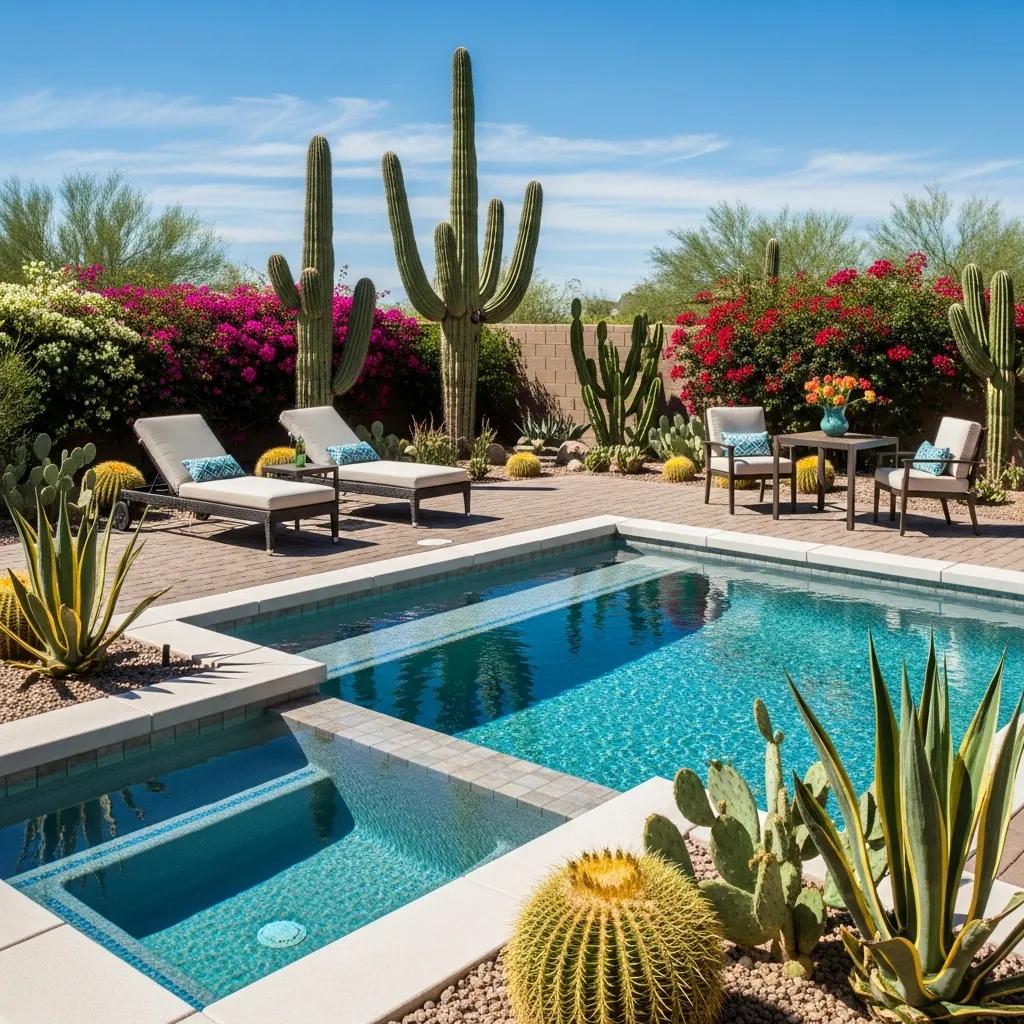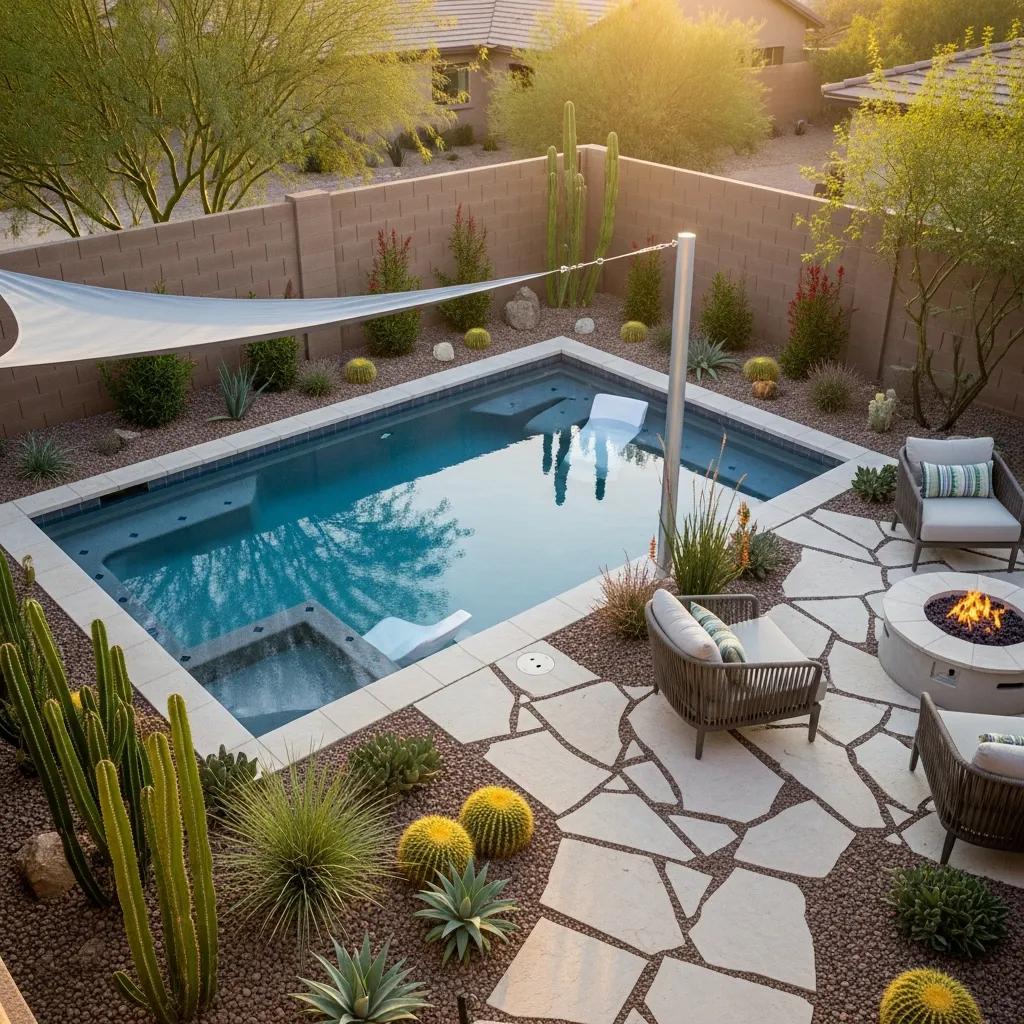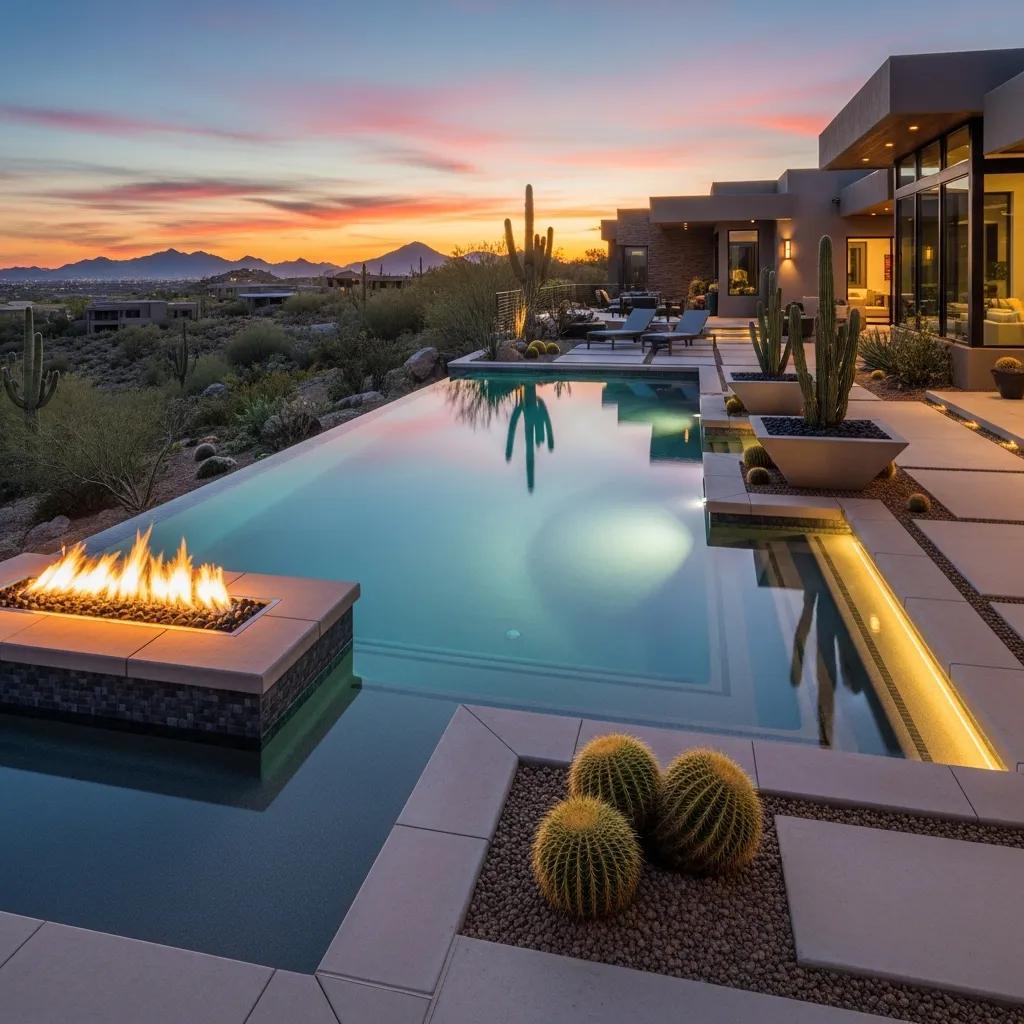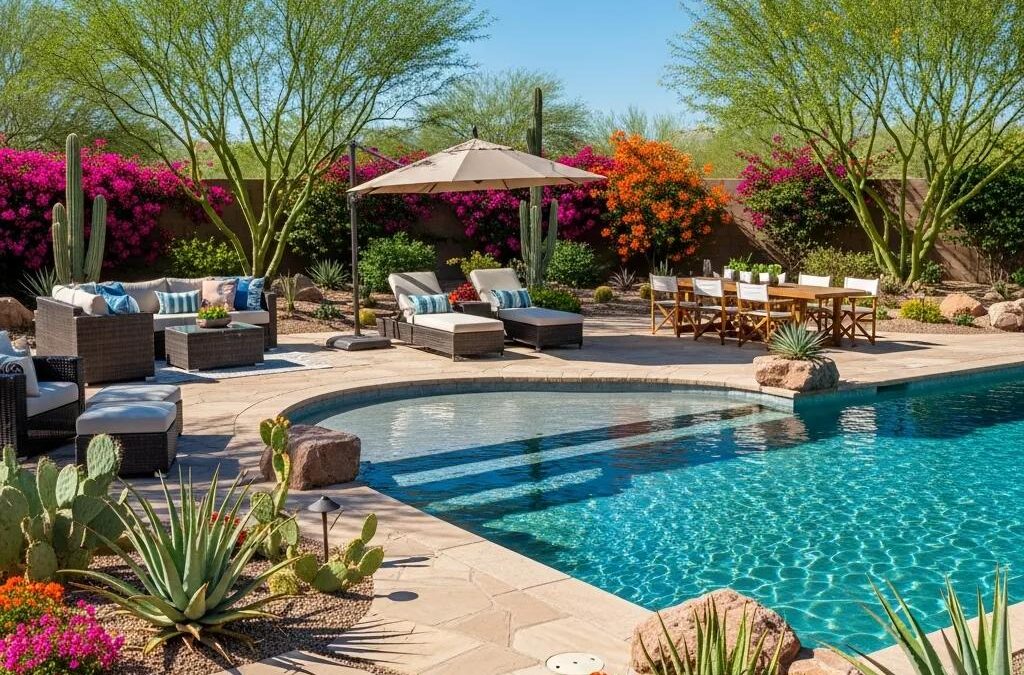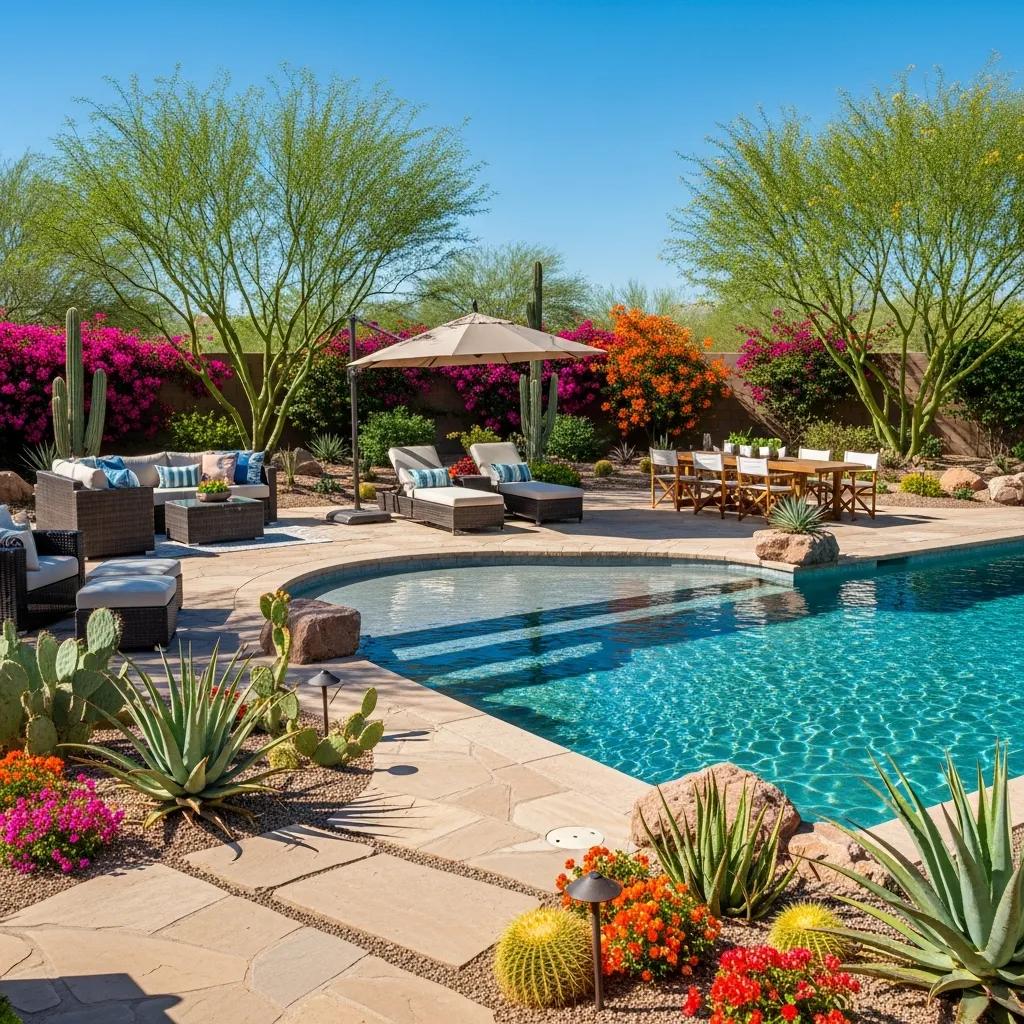
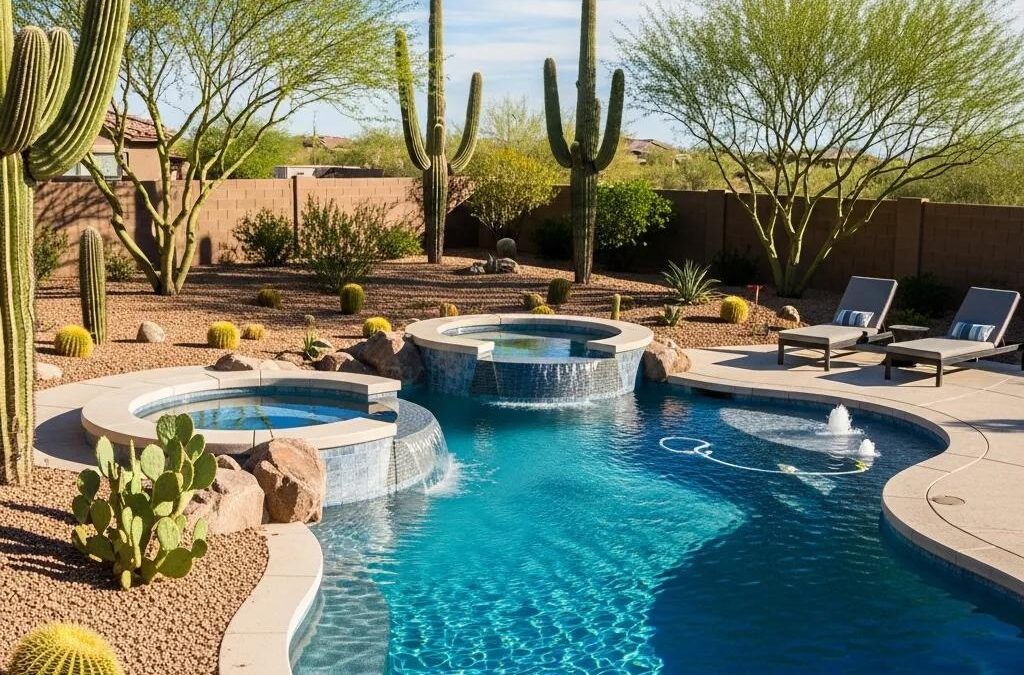
Pool & Landscaping Services in Glendale, Arizona

Pool & Landscaping Services in Glendale, Arizona

Pool & Landscape Financing in Arizona: Island Pools and Landscaping AZ

Turning a backyard into a true outdoor living retreat takes more than a pool or new plants. It requires coordinated design, materials that stand up to the desert, and systems that perform year-round in Glendale, Arizona. Below we explain how resort-style pools, premium landscape design, and smart outdoor features work together to improve daily living, boost property value, and lower long‑term operating costs. You’ll find the real benefits of hiring a Glendale pool specialist, a step-by-step plan for a custom remodel, must-have outdoor living features, the pool construction timeline, 2024 trends, and practical ways to protect your investment with financing, maintenance, and warranties. We focus on desert-smart choices — drought-tolerant plants, artificial turf, natural stone finishes, and pool automation — and include checklists and comparison tables to help you make confident decisions that fit Glendale’s climate and permitting rules.

Why Hire a Glendale Luxury Pool Builder?

Working with a luxury pool builder brings design know-how, local climate experience, and strict quality controls that reduce risk and protect value. A full-service builder coordinates pool construction and landscape design so every piece — the shell, decking, water and fire features, equipment, and irrigation — is specified for Glendale’s heat, mineral-rich water, and permitting requirements. That coordination gives you better looks, longer-lasting finishes, and more predictable maintenance than piecemeal or DIY approaches. Below are the core benefits and a short comparison of common builder-delivered features versus homeowner advantages.

Luxury pool work in Glendale focuses on durability and code compliance to keep future costs down and homeowner satisfaction up. The next section shows how custom features like baja shelves, negative edges, and integrated spas add function and curb appeal.

Here are three primary benefits homeowners gain from a luxury builder:

  1. Purposeful Design & Integration: Custom pool and landscape plans that make the most of your yard and lifestyle.
  2. Local Code & Climate Expertise: Builders who know Glendale permitting, drought rules, and material choices avoid delays and costly mistakes.
  3. Long-Term Value & Warranty Support: Quality materials and professional equipment installation lower lifecycle costs and protect resale value.

Those benefits translate into measurable outcomes: lower operating costs, fewer repairs, and more time spent enjoying your outdoor space.

Common design-to-build features and the homeowner benefits they deliver:

Design AspectTypical Feature SetHomeowner Benefit
Custom Pool GeometryInfinity edges, baja shelves, integrated spaStriking looks and flexible use for swimming, lounging, and entertaining
Finish & DeckingPebble-style finishes, travertine, paversDurable surfaces, cooler decking, upscale appearance
Mechanical SystemsEnergy-efficient pumps, smart controllersLower running costs and the ability to manage systems remotely

This side-by-side view shows how specialized features become long-term benefits and why a luxury-focused contractor matters for Glendale properties.

How Does Custom Pool Design Enhance Your Backyard Oasis?

Custom pool design starts with how you live: who uses the pool, how you entertain, and what the site allows. Thoughtful geometry creates zones — shallow lounging shelves for kids, deeper swim lanes for exercise, and integrated spas for relaxation — while the deck, equipment, and lighting are planned to work together. Your finish choice (pebble, quartz, or plaster) affects water color, traction, and maintenance over time. Good siting pairs the pool with shade, sightlines, and outdoor kitchens so the pool feels like the center of an outdoor living room, not an isolated feature. Designing around daily use reduces regret and improves long‑term enjoyment.

Those design decisions naturally lead to choices about materials and whether a remodel or full replacement is the best route.

Why Choose Expert Pool Remodeling for Resort-Style Features?

Professional remodeling turns an ordinary yard into a resort-like retreat by updating finishes, improving hydraulics, and adding mechanical or automation upgrades that lower future headaches. Expert remodels address structural and equipment needs — correct pump sizing, better filtration, heater or solar pre-wiring — so the benefits aren’t just cosmetic. Premium finishes like PebbleTec or quartz, properly set tile, and integrated LED lighting require trade-specific skills to hold up under desert sun and mineral-rich water. Remodeling also creates chances to add features such as baja shelves, integrated spas, or vanishing edges without compromising the existing shell, provided an engineering review guides the plan. Hiring experienced professionals reduces warranty issues and ensures resort-style elements work properly from day one.

Next we’ll walk through how to plan a custom backyard remodel and set realistic budgets and timelines.

How to Plan a Custom Backyard Remodel in Glendale, Arizona?

Start a remodel with a clear vision, a realistic budget, and a phased timeline that coordinates design, permitting, and construction. Phase one is discovery and concept design, followed by detailed 3D renderings and material selections, then permitting and a construction schedule designed to limit disruption. Address drought-tolerant plants, artificial turf placement, hardscape materials, and irrigation strategy up front to avoid rework and keep the pool, landscape, and outdoor living spaces in harmony. Use a planning checklist so homeowners and designers align on priorities, timing, and contingencies for permitting or unexpected site conditions in Glendale.

Use this concise planning checklist to brief designers or contractors:

  1. Define Goals & Budget: Clarify lifestyle priorities, must-have features, and realistic budget ranges.
  2. Initial Design & 3D Rendering: Visualize layouts, sightlines, and material palettes before you commit.
  3. Select Materials & Plant Palette: Pick pool finish, decking, stone, and drought-tolerant plants that fit your aesthetic and maintenance goals.
  4. Permitting & Site Prep: Submit plans and schedule any required engineering or municipal reviews.
  5. Phased Construction Plan: Sequence excavation, shell work, mechanical installs, finishes, and landscape to streamline the build.
  6. Final Walkthrough & Commissioning: Confirm systems, learn the controls, and set up warranty follow-ups.

This roadmap prepares you for decisions ahead and leads into a simple comparison of common material and planting options.

Material and landscape choices differ in cost, longevity, and water use:

ComponentAttributeTypical Option/Range
Pool FinishDurability & appearancePlaster (budget) · Pebble/Quartz (premium)
Deck SurfaceHeat & maintenanceTravertine (cool, premium) · Pavers (versatile)
Plant PaletteWater use & aestheticsNative/adaptive shrubs · Ornamental grasses · Artificial turf

Comparing options early reduces surprises and aligns expectations on lifecycle costs and maintenance. The next section covers landscape elements that create a refined outdoor experience.

What Are the Key Elements of High-End Landscape Design?

High-end landscape design balances hardscape, softscape, lighting, and irrigation so your yard looks great and performs in Glendale’s climate. Hardscapes — travertine, natural stone, and well-laid pavers — define circulation, dining zones, and pool decking while offering different heat, slip, and maintenance traits. Softscape uses drought-tolerant, adaptive species to add texture, seasonal interest, and shade supported by efficient drip irrigation and smart controllers to cut water use. Layered lighting extends usability after dark, highlights focal elements, and ties into automation for easy scene setting. A thoughtful layout makes sure outdoor kitchens, seating, and paths connect visually and functionally to the pool as one outdoor living system.

Smart plant selection and irrigation choices set up practical options for drought-tolerant planting and artificial turf.

How to Integrate Drought-Tolerant Plants and Artificial Turf?

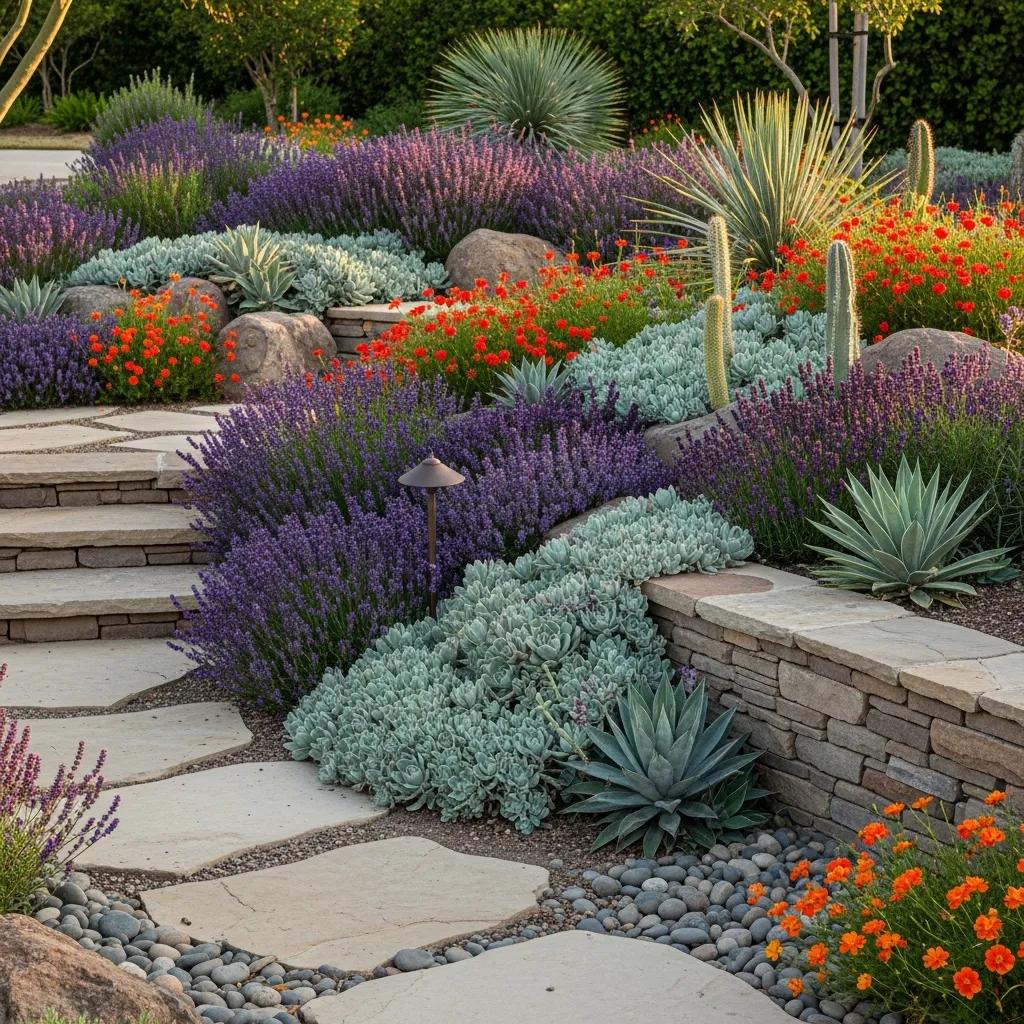
Using drought-tolerant plants and placing artificial turf strategically cuts water use while keeping a lush, high-end look. Start with native and adaptive species — succulents, desert shrubs, ornamental grasses, and low-water perennials — that provide year-round structure and need only conservative drip irrigation. Use artificial turf for play areas or small visual lawns to reduce watering; a proper sub-base, drainage, and infill are essential for durability and heat control. Smart irrigation controllers, soil moisture sensors, and zoned drip systems further reduce water by matching delivery to plant needs. Together, these choices keep landscapes vibrant without wasting water and pair well with cooler poolside materials.

These landscape decisions inform material selections and the pool construction steps that follow.

What Features Define Outdoor Living Spaces in Glendale, AZ?

Successful outdoor living spaces in Glendale combine practical entertaining zones, climate-conscious shade, and durable materials that withstand intense sun and seasonal storms. Key elements include outdoor kitchens and BBQ islands for cooking, covered seating and pergolas for shade, fire features for evening ambiance, and integrated audio and lighting for entertainment. Material choices — travertine, natural stone, quality pavers, or stamped concrete — influence heat retention, slip resistance, and long-term upkeep. Thoughtful layouts consider pool sightlines, safe circulation, and utility placement so the space works well now and adapts later. Done right, an outdoor plan turns your yard into a usable room that performs across seasons with lower operational costs.

Homeowners commonly prioritize these core outdoor living features:

  • Outdoor Kitchen & BBQ: Built-in appliances and counters to keep cooking outdoors simple and social.
  • Covered Seating & Shade Structures: Pergolas, shade sails, or roofs that make the yard comfortable in daytime heat.
  • Fire & Water Features: Fire pits and water walls that add warmth, sound, and atmosphere.
  • Lighting & AV Integration: Layered lighting and hidden wiring for evening use and entertainment.

After picking features, address layout and safety considerations that guide appliance choices and placement of fire elements.

How Do Outdoor Kitchens and Fire Features Elevate Your Space?

Outdoor kitchens and fire elements turn gatherings into memorable experiences by combining practical cooking setups with strong visual focus. Kitchen layouts can range from a simple built-in grill with prep space to a full island with storage and service zones; choose durable, low-maintenance materials suited to the desert. Fire features — built-in pits or linear burners — add evening warmth and mood but need proper clearances, gas or propane planning, and heat-tolerant materials. Designers account for wind, nearby plantings, and seating flow so the feature enhances comfort without smoke or safety issues. Well-integrated elements increase outdoor use and the perceived value of your home.

These entertainment features work hand-in-hand with hardscape and softscape choices described next.

What Are Popular Hardscaping and Softscaping Options?

Popular strategies for luxury Glendale yards prioritize durability, low maintenance, and a refined look that complements the pool and outdoor living areas. Travertine and natural stone are popular for pool decks because they stay cooler and look upscale, while interlocking pavers offer flexibility and easy repairs for patios and drives. Softscape focuses on texture and seasonal interest with succulents, native shrubs, and columnar trees for vertical form and shade. Designers balance maintenance plans and irrigation to keep plants healthy with minimal water, and layered planting beds help soften stone edges and add privacy. Choosing materials with similar lifecycles reduces how often you need replacements and keeps long-term costs predictable.

Material choices lead into the construction lifecycle and system integration that make sure everything performs as intended.

How Does the Pool Construction Process Work in Glendale?

Pool construction in Glendale follows clear phases: design and permitting, excavation and shell work, equipment installation, finishes and decking, and final landscaping and commissioning. Planning the sequence ensures each element — shell, plumbing, electrical, deck, and landscape — is installed in a coordinated way so the finished pool performs reliably in desert conditions. Expect defined milestones, inspections at key points, and full system testing before handover. The timeline below and the table that follows summarize the main construction stages so you can set expectations and compare tasks.

Project length varies with complexity, but knowing the major phases helps you plan schedules and budgets.

Standard pool construction stages include:

  1. Design & Permitting: Detailed plans, engineering when needed, and municipal approvals.
  2. Excavation & Shell Construction: Earthwork, rebar, and shotcrete or gunite shell formation.
  3. Equipment & Plumbing Installation: Pumps, filters, heaters, and automation wiring.
  4. Finishes & Decking: Pool finish, tile, coping, and deck surfacing.
  5. Landscaping& Final Commissioning: Planting, final grading, safety features, and system startup.

These phases form the backbone of a dependable project plan and clarify homeowner responsibilities at each milestone.

PhaseTaskExpected Outcome
Design & PermittingPlans, 3D renderings, approvalsClear scope and code compliance
Structural ShellExcavation, rebar, guniteStrong, long-lasting pool foundation
Systems & FinishesEquipment install, finish applicationOperational pool with finished aesthetics

This overview helps you coordinate financing and scheduling. The next sections explain specific steps and modern integrations like smart automation.

What Steps Are Involved in Designing and Building Custom Pools?

A custom pool project begins with a detailed consultation and site analysis to identify constraints and opportunities, then moves from concept sketches to detailed design. During design you choose geometry, finish, decking, and features like baja shelves or spa integration while engineers confirm structural and plumbing needs. Construction follows: excavation, reinforcing, shell formation, plumbing and electrical routing, and finish application. Once mechanical systems and automation are installed and tested, the pool is balanced, and a commissioning walkthrough shows you controls, maintenance needs, and seasonal care. Timely decisions and good communication help keep projects on schedule and on budget.

Early planning for automation improves long-term usability and lowers operating costs.

How Is Smart Pool Automation Integrated into New Builds?

Smart automation is installed during the systems phase so controllers, sensors, and networked equipment are wired before finishes go in. Typical components include centralized controllers for pumps and heaters, pH/ORP chemical sensors, LED lighting control, and app-based scheduling for remote operation. Automation cuts energy use with optimized pump schedules and variable-speed control and can automate cleaning and chemical dosing to reduce maintenance. Many homeowners integrate pool controls with home automation or voice assistants; planning for conduit runs and controller locations early keeps future upgrades simple. Proper commissioning ensures the technology is useful — not just complicated.

Smart automation choices flow naturally into current trends shaping design priorities for 2024.

What Are the Latest Trends in Resort-Style Pools and Landscaping for 2024?

In 2024, resort-style pools lean toward natural materials, sustainability, and smarter automation so luxury and efficiency go hand in hand. Designers favor stone veneers, natural boulders, and muted palettes that blend pools into native landscapes while installing efficient equipment and solar-ready infrastructure to cut energy use. Flexible outdoor living elements — adaptable seating, integrated shade, and programmable lighting scenes — let yards work for quiet family time or larger gatherings. Tech trends include more capable smart pool systems, LED lighting with custom scenes, and energy-efficient variable-speed pumps becoming standard. These trends reflect a desire for high-end looks that also reduce long-term operating costs.

The following subsections explain how natural materials and smart tech are being used and why they matter for Glendale homeowners.

How Are Natural Materials and Eco-Conscious Designs Used?

Natural materials — travertine, quarried stone, and textured concrete — create a timeless resort feel and stand up to Glendale’s climate with minimal maintenance. Eco-conscious design pairs those materials with water-saving strategies like xeriscaping, drip irrigation, and well-placed artificial turf to lower landscape water use. Using native or adaptive plants conserves water and improves resilience to heat and heavy seasonal rains. Designers also specify finishes that reduce heat absorption and use permeable paving where drainage and stormwater management are priorities. These choices balance aesthetics with environmental responsibility and long-term savings.

That sustainable approach naturally connects to the smart systems now common in modern pools.

What Smart Technologies Are Popular in Glendale Pools?

Popular smart technologies include app-driven controllers, variable-speed pumps, automated chemical controllers, programmable LED lighting, and sensors for leak detection or water quality. These systems let homeowners schedule equipment, monitor system health, and reduce energy and chemical use with data-driven control logic. Integration with home automation platforms adds convenience and coordinates lighting and entertainment scenes. During construction, planning conduit runs and controller locations and keeping clear documentation makes smart systems accessible and easier to maintain. When chosen and commissioned correctly, smart tech delivers lifestyle benefits and measurable savings over time.

Smart trends and material choices help protect your investment when paired with thoughtful financing and maintenance plans.

How Can You Maximize Your Investment with Glendale Pool & Landscaping Services?

Getting the most from a luxury backyard means smart financing, durable material choices, and clear maintenance and warranty plans that lower lifecycle costs. Financing options range from personal loans and home equity solutions to contractor-supported programs that match payments to construction milestones. Choosing long-lasting finishes, quality mechanical equipment, and robust hardscapes reduces replacement frequency and preserves resale appeal. Scheduled maintenance, seasonal checks, and well-defined warranties protect both homeowner and contractor interests and keep your investment performing. The table below maps common ownership services to their long-term impact so you can prioritize where to spend.

As a reminder on verification: confirm licensing and registration numbers (ROC) and review the company’s Google Business Profile for local reviews and photos during contractor selection — these details help verify contractor accountability.

Financing and maintenance choices directly affect ROI and day-to-day enjoyment; the table below helps clarify typical options and impacts.

ServiceCharacteristicValue/Impact
Financing OptionsLoans, contractor programsEnables larger scope and spreads payments
Maintenance PlansScheduled service visitsReduces repair risk and preserves finishes
Warranty CoverageEquipment and workmanshipReduces unexpected replacement costs

Use this mapping to weigh upfront spending against expected long-term ownership costs and make informed budgeting choices.

What Financing Options Are Available for Luxury Pool Projects?

Luxury pool projects typically use a mix of financing options: personal loans, home equity lines, and contractor-facilitated programs that release funds as work progresses. Each approach balances interest rates, qualification needs, and effects on cash flow — for example, home equity lines may offer lower rates but use your home as collateral, while contractor programs can sync payments with construction milestones. Compare total financing costs to the expected value added by resort-style upgrades and consider how energy-saving equipment and durable materials lower operating expenses over time. Clear payment schedules with lenders and contractors help avoid surprises and keep projects on track.

Next, we cover how maintenance and warranties protect that investment.

How Do Maintenance and Warranty Services Ensure Satisfaction?

Planned maintenance and clear warranty coverage are key to keeping systems and finishes working well, especially in a desert climate where heat and mineral content stress equipment. A maintenance plan spells out visit frequency (weekly to monthly depending on use), equipment inspections, chemical balancing, and seasonal items like filter cleaning and automation checks. Warranties should be written for mechanical systems and workmanship with clear terms on exclusions and homeowner responsibilities. Regular service lowers the chance of emergency repairs and keeps long-term costs predictable, while documented warranties give you recourse if defects appear. Confirming a maintenance schedule and warranty terms at project completion gives homeowners confidence in their investment.

When you’re ready to move forward, talk to a local specialist who can outline timelines, financing, and service options. Island Pool & Landscaping — serving Glendale and reachable by phone at (602) 818-1277 or email at PoolConnect@gmail.com — offers design consultations, 3D renderings, and phased construction plans tailored to desert conditions. The company’s local registration (ROC#341253 (B-4)) and Google Business Profile are useful verification points to review during contractor selection.

Frequently Asked Questions

What is the average timeline for a luxury pool construction project in Glendale?

Timelines vary by project complexity, but a luxury pool in Glendale typically takes about 8 to 16 weeks from design through final finishes. This includes permitting, excavation, shell work, equipment installation, and final commissioning. Weather, permitting delays, and material lead times can extend schedules, so clear milestone communication with your contractor helps keep things on track.

How can I ensure my pool design is energy-efficient?

Make energy efficiency part of the design: specify variable-speed pumps, consider solar heating, use energy-efficient LED lighting, and add smart pool automation to run equipment at optimal times. Choose decking and finishes that reduce heat retention, and work with a specialist who understands energy-saving strategies in pool design to maximize long-term savings.

What are the best drought-tolerant plants for landscaping in Glendale?

Good drought-tolerant picks for Glendale include native and adaptive species like desert marigold, agave, and red yucca. Ornamental grasses and succulents add texture and color while conserving water. A mixed palette of these plants gives visual interest and low-maintenance performance in an arid landscape.

How do I maintain my luxury pool during the summer months?

Summer maintenance focuses on regular water chemistry checks, filter cleaning, and equipment inspections. Monitor water levels for evaporation, top off as needed, and consider a pool cover when not in use to reduce debris and temperature swings. Regular professional tune-ups help keep the system running smoothly during peak use.

What financing options are available for luxury pool projects?

Financing is commonly available through personal loans, home equity lines of credit, and contractor-led financing plans. Each has different rates, terms, and qualification requirements. Homeowners should compare total costs and choose the option that fits their budget and project timeline.

What are the key features to consider for an outdoor kitchen in Glendale?

Focus on durable, low-maintenance materials like stainless steel appliances and heat-resistant countertops. Include built-in grills, ample prep space, and storage. Add shade (pergolas or covers) and plan for lighting and audio to create a comfortable, usable outdoor cooking and dining area.

How can I protect my investment in a luxury pool and landscaping?

Protect your investment with a documented maintenance plan, clear warranty coverage, and high-quality materials designed for Glendale’s climate. Regular servicing, seasonal inspections, and responsive warranty support reduce the risk of costly repairs and help maintain appearance and function over time.

Conclusion

A well-designed luxury backyard in Glendale delivers daily enjoyment, stronger curb appeal, and lower long-term costs when you plan with the climate and systems in mind. Choosing a specialist pool builder, investing in durable materials, and adding smart automation and water-wise landscaping ensures a cohesive outdoor living space that performs for years. If you’re ready to explore options, contact us to discuss a custom design and phased construction plan tailored to your property and lifestyle.

Pool Safety Tips for Children & Pets in Arizona

Pool Safety Tips for Children & Pets in Arizona

Comprehensive Pool Safety for Children and Pets in Arizona — Luxury Design That Meets Code

Owning a pool in Arizona means balancing a hot climate, high-end outdoor living, and serious safety responsibilities. Protecting children and pets around luxury pools calls for smart design decisions plus strict adherence to local rules. This guide walks through Arizona pool barrier laws, elegant safety features that preserve a refined look, pet-focused drowning-prevention ideas, and human-centered measures like supervision, swim lessons, and CPR readiness. You’ll get practical advice on fences, gates, alarms, ramps, landscape choices, and outdoor-living layouts that reduce risk without compromising style. We also explain how designers and builders can bake safety into a project from concept to permit to handoff, and where homeowners should coordinate with local authorities and trainers. Throughout, we use local terms—Arizona pool barrier laws, child pool fence, pet pool safety, smart pool safety systems Phoenix, pool alarms for kids—so you can match solutions to code and modern tech.

What Are the Arizona Pool Barrier Laws for Child and Pet Safety?

Arizona’s pool barrier rules require a clear, effective separation between a residential pool and spaces children or many pets can access. That usually means a minimum barrier height plus self-closing, self-latching gates to prevent unsupervised entry. Barriers work because physical separation delays or prevents accidental access, giving caregivers time to respond and greatly lowering drowning risk. Properly installed barriers measurably reduce unsupervised pool entries and improve safety outcomes. Treat state law as the foundation, then check city or municipal codes—especially in the Phoenix area—for additional requirements that affect luxury design and permitting. Addressing rules early avoids costly rework and lets you choose fences, gates, and covers that satisfy both safety and style goals.

Before we dive into the details, here’s a short checklist of homeowner responsibilities and typical permit steps. It highlights the hardware and siting concerns inspectors focus on and helps prepare conversations with designers and local building departments.

  • Install a barrier that meets minimum height and forms a continuous enclosure.
  • Fit gates with self-closing, self-latching hardware, and put latches out of children’s reach.
  • Avoid footholds or climbable elements and eliminate access paths from adjacent structures.

The checklist above frames the quick comparison below, which matches common barrier types to core Arizona requirements and typical municipal variations.

Arizona pool barrier comparison for quick compliance reference:

Barrier TypeRequired FeatureArizona Requirement / Common Municipal Note
Perimeter fence (opaque or decorative)Continuous enclosure; minimum heightMinimum 5 feet height; some local codes specify 60 inches (5 feet) or add visibility and spacing rules
Gate (pedestrian)Self-closing, self-latching hardware; latch out of reachLatches typically must be at least 54 inches above finished grade or otherwise inaccessible to small children
Pool cover / removable fenceSafety-rated, child-resistant locks or tested removable systemsCovers and removable barriers should meet ASTM F1346-91 or equivalent standards and be maintained to remain compliant

Which Pool Fence Requirements Must Arizona Homeowners Follow?

Fences must form a continuous, climb-resistant boundary around the pool with an effective minimum height and gate hardware that prevents young children from getting in unsupervised. A properly designed fence interrupts unsupervised approaches and gives caregivers time to intervene, which lowers accidental entries and strengthens legal defensibility after an incident. Popular materials for luxury residential pools include frameless glass, wrought iron, and removable mesh; each meets safety goals but differs in sightlines, upkeep, and climbability. Choose materials that balance aesthetic priorities, code compliance, and long-term maintenance.

Use this quick pros and cons list to compare common fence styles.

  • Glass pool fence: Clean sightlines and a premium look; requires regular cleaning and secure anchoring.
  • Wrought iron fence: Durable, decorative, and airflow-friendly; must be detailed to eliminate hand- and footholds.
  • Mesh removable fence: Versatile and effective when tensioned correctly; less integrated visually in high-end landscapes.

Those trade-offs make municipal variations important—local rules can change installation details and inspection expectations.

How Do Local Phoenix Regulations Impact Luxury Pool Safety Design?

Phoenix and nearby cities may layer extra rules on top of state law that influence fence height, gate placement, and allowed exceptions for integrated yards. Local ordinances often address visibility for inspectors, picket spacing, and how barriers interface with existing walls or structures—so early coordination with planners is essential. For luxury properties, designers translate safety hardware into refined details—hidden latches, integrated posts, and tempered glass—that satisfy inspectors while preserving the estate look. Permitting timelines and inspection schedules also affect project planning and cost, so engage your local building department early to reduce redesign risk. Knowing municipal nuances helps owners and designers plan fences and gates that are both code-compliant and visually cohesive.

Permitting coordination leads to practical design decisions: gate swing direction, sightlines for supervising adults, and landscaping that supports rather than undermines the barrier. Next, we cover premium safety features that blend into high-end pool design while protecting children.

How Can Luxury Pool Safety Features Protect Children in Arizona?

High-end pool safety draws on engineered barriers, smart detection, and thoughtful pool geometry to lower drowning risk without sacrificing style. These features either stop unsupervised access (barriers and gates), detect unexpected entries (alarms and sensors), or reduce harm when an entry happens (gradual entries, non-slip finishes). We recommend a layered approach—barriers plus detection plus safe pool geometry—so multiple systems back each other up. On remodels, integrate hardware, route alarms into home automation, and specify materials that meet both safety performance and the visual standards you expect. Treat safety as a design requirement, not an afterthought; that approach preserves beauty and peace of mind.

Use the table below to evaluate premium fence and gate options by appearance, upkeep, and safety value so your choices support your style goals.

Premium safety options for luxury pools:

Fence TypeAesthetic / MaterialSafety Benefit + Maintenance Consideration
Frameless glass panelsMinimal visual interruption; contemporary finishExcellent sightlines for supervision; needs regular cleaning and professional anchoring checks
Decorative wrought ironClassic, customizable stylesDurable and secure when vertical spacing meets code; periodic repainting or powder-coating recommended
Removable mesh barrierDiscreet when stored; flexible placementGood temporary protection; must be tensioned and inspected frequently

What Integrated Pool Fences and Gates Enhance Child Safety?

Integrated fences and gates blend permanent materials with architectural detailing to create barriers that are both effective and discreet. They protect by physically blocking access and by using managed-entry hardware—keyed locks or smart latches—to control who gets in. Benefits include clearer sightlines for supervision, fewer trip hazards at transition points, and dependable gate operation that keeps young children out. Design priorities include placing latches out of reach, using self-closing hinges, and avoiding horizontal rails that become footholds. Regular maintenance—weatherproofing metals, checking glass seals, and testing mechanical or magnetic latches—keeps these systems reliable.

Coordinate gate swing, adjacent planting, and interior sightlines so caregivers can monitor the pool from main living areas. Effective gating also complements electronic detection systems, which we cover next.

Which Smart Pool Alarms and Monitoring Systems Are Effective for Kids?

Smart alarms and monitoring systems use perimeter sensors, surface-wave detectors, wearable alerts, or sub-surface sensors to detect unauthorized pool entry and trigger local and remote alerts. They add value because barriers can be bypassed; detection systems provide a second line of defense that shortens response time. Benefits include instant notifications to phones or home hubs, integration with lighting and cameras, and a clear picture of system health. When choosing a system, prioritize sensor types with low false positives, reliable power (or battery backup), and straightforward maintenance protocols.

Integration tips: tie perimeter sensors into your home automation to flash lights and sound alarms, set geofenced alerts for caregivers, and test systems monthly to confirm responsiveness and reduce nuisance alarms. With alarms in place, let’s turn to pet-focused strategies that address different mobility and behavior patterns.

What Are Effective Pet Pool Drowning Prevention Strategies in Arizona?

Pet drowning prevention focuses on helping animals exit safely, reducing slip and heat hazards, and using detection tuned for pet size and movement. The strategy addresses how pets typically interact with water: provide easy exits (ramps or wide shallow entries), use cool, high-traction decking, and add pet-aware alarms or camera zones. The payoff is fewer emergency rescues and less owner stress—especially in Arizona heat, when pets may seek the pool to cool down. Specifying pet-friendly features during design ensures ramps, steps, and sensors are thoughtfully integrated instead of awkwardly retrofitted.

Match pet-focused features to your pet’s size and needs using the table below.

Pet safety feature comparison:

FeatureBest For (pet size/age)Benefit / Consideration
Low-gradient pet rampSmall to medium dogs, seniorsHelps pets exit independently; use textured, cool treads and keep the approach clear
Wide shallow entry (beach entry)All sizes, young petsNatural step-in lowers panic and aids training; uses more pool area
Pet-aware motion/alarm sensorActive outdoor petsNotifies owners of unexpected pool activity; requires sensitivity tuning to avoid wildlife triggers

How Do Custom Pet-Friendly Pool Exits and Ramps Improve Safety?

Custom ramps and exit points give animals a gradual, textured route out of the water so they don’t slide or struggle. This matters because many pet drownings occur when animals become exhausted or panic and cannot find a reliable exit; ramps change that outcome by creating an obvious escape. Benefits include greater independence for pets, fewer emergency interventions, and easier training so animals learn where exits are. Choose heat-resistant, coarse textures and cool composite treads to avoid paw burns in Phoenix temperatures.

Place ramps where they are visible from primary living spaces and away from steep drop-offs so pets naturally head toward safe exits. With ramps in place, landscape choices and alarms add another layer of protection.

Which Landscaping Choices and Pool Alarms Protect Pets from Drowning?

Pet-focused landscaping emphasizes non-toxic, drought-tolerant plants, cool high-traction decking, and shaded resting areas, combined with detection systems tuned for animal size. These measures reduce slips, overheating, and accidental pool entries by creating steady footing and comfortable relief spots. The result is calmer pets that are less likely to jump in impulsively. Recommended elements include pet-safe plantings, artificial turf with heat-reduction strategies, and textured decking that keeps paws cool and grippy.

Pair these landscape choices with pet-aware alarm zones and camera notification settings so you get early alerts for behavior that might lead to an accident. After physical and environmental protections, the human factor—supervision and training—remains critical.

How Does Adult Supervision and Education Reduce Pool Drowning Risks?

Supervision and education work because they provide continuous oversight, faster response, and trained eyes and hands during an emergency. Active supervision (no multitasking near water), designated water-watchers, and swim and CPR training for household members all reinforce one another. Trained supervisors spot hazards earlier, perform safer rescues, and activate emergency protocols more effectively—outcomes supported by drowning-prevention organizations. Embed supervision protocols into daily routines and pool rules to make safe behavior predictable for caregivers, guests, and older kids.

Here’s a short, memorable checklist—the “ABCs”—to help build a daily safety routine and training plan.

  1. Active Supervision: Assign a responsible adult whenever children or pets are near the pool.
  2. Barriers: Keep gates closed and covers in place when the pool isn’t in use; remove toys that attract children from the pool area.
  3. Classes & Emergency Prep: Enroll family members in swim lessons and CPR, and keep rescue gear easily accessible.

What Are the ABCs of Pool Safety for Children and Pets?

The ABCs—Active supervision, Barriers, and Classes/emergency readiness—address separate failure points in drowning prevention. Active supervision reduces unattended exposure, barriers block easy access, and classes plus emergency gear improve outcomes if an incident occurs. Put the ABCs into practice by assigning water-watchers, inspecting gates and latches regularly, keeping flotation and reaching tools near the pool, and scheduling swim and CPR refreshers. The result is a repeatable family safety routine that’s easy to share with caregivers and guests.

Using the ABCs as a baseline leads naturally to the next step: swim lessons and CPR training, which materially improve survival odds.

How Can Swim Lessons and CPR Training Prevent Drowning Accidents?

Swim lessons build water competency—floating, controlled breathing, and basic strokes—that reduce panic and increase the chance of self-rescue. CPR training gives family members the skills to respond immediately if someone is unresponsive. Together, these interventions significantly raise survival odds: research shows swim lessons lower drowning risk for young children and that prompt bystander CPR improves out-of-hospital survival. Look for age-appropriate swim programs and keep CPR/first-aid certifications current for primary caregivers.

Practically, combine formal lessons with family drills and store emergency gear where trained responders can grab it without delay. With human factors addressed, the right outdoor-living design further supports safety and comfort.

How to Design Safe Outdoor Living Spaces Around Pools in Arizona?

Safe outdoor living in Arizona depends on materials and layouts that reduce trip hazards, provide cool shaded zones, and preserve clear sightlines for supervision. The payoff is a yard that’s safer and more usable—caregivers can watch the pool easily and guests move confidently after dusk. Choose non-slip decking, cool-surface composites, and heat-mitigating turf to reduce paw and foot burns. Plan layouts so outdoor kitchens and fire features sit away from main pool edges, add barrier treatments around hazards, and keep pathways well lit and continuous to lower fall risk.

Design sightlines from primary living spaces and pool seating so supervising adults can see primary entry points at a glance. The following sections cover plant and surface choices and safety measures for outdoor hazards.

What Are Child and Pet-Safe Landscaping and Hardscape Options?

Safe landscaping and hardscaping prioritize drought-tolerant, non-toxic plants, cool surface materials, and turf alternatives that keep surfaces cooler and provide predictable footing. Non-slip finishes and shaded resting zones reduce slips and heat-related incidents for both kids and animals. Benefits include lower maintenance, longer-lasting materials under Arizona sun, and a more usable play area. Consider artificial turf with cooling strategies, stabilized decomposed granite walkways, and cool composite decking for high-end yards.

Choose native or adapted plants that avoid common pet toxins and provide shade and visual buffers. Once surfaces and plantings are settled, address fire and cooking areas near pools to remove secondary hazards.

How to Secure Outdoor Kitchens, Fire Features, and Pathways for Safety?

Keep heat and flame sources away from primary pool routes, use barriers or removable screens around open flames, and install clear, well-lit non-slip pathways to reduce trips near water. Many pool-area accidents start with slips or crowded entertainment zones; separating cooking and pool functions preserves sightlines and discourages running. Benefits include fewer falls, controlled access to hot surfaces, and safer movement during evening gatherings. Use paver transitions, raised beds as visual barriers, and targeted lighting to enhance safety without sacrificing outdoor living quality.

Design circulation so service routes and guest flow avoid pool edges, and add childproof storage for fuel or grill supplies. With outdoor living planned, the final section explains how Island Pools and Landscaping AZ embeds safety into luxury remodels.

How Does Island Pools and Landscaping AZ Integrate Safety in Luxury Pool Remodeling?

We build safety into luxury pool remodels from the first site visit through the final walkthrough. That means prioritizing safety during concept design, coordinating permits, and completing installations with client education so projects meet code and homeowner expectations. Our process treats safety as a design driver—selecting gate hardware, covers, alarms, and materials that support the luxury vision while satisfying inspectors. The practical benefit is a remodel that preserves aesthetics, avoids permit delays, and delivers a clear maintenance plan. Our team brings experience in custom pools, landscaping, and outdoor living with attention to detail and straightforward communication.

Here’s the typical project flow when safety is integrated from concept to completion:

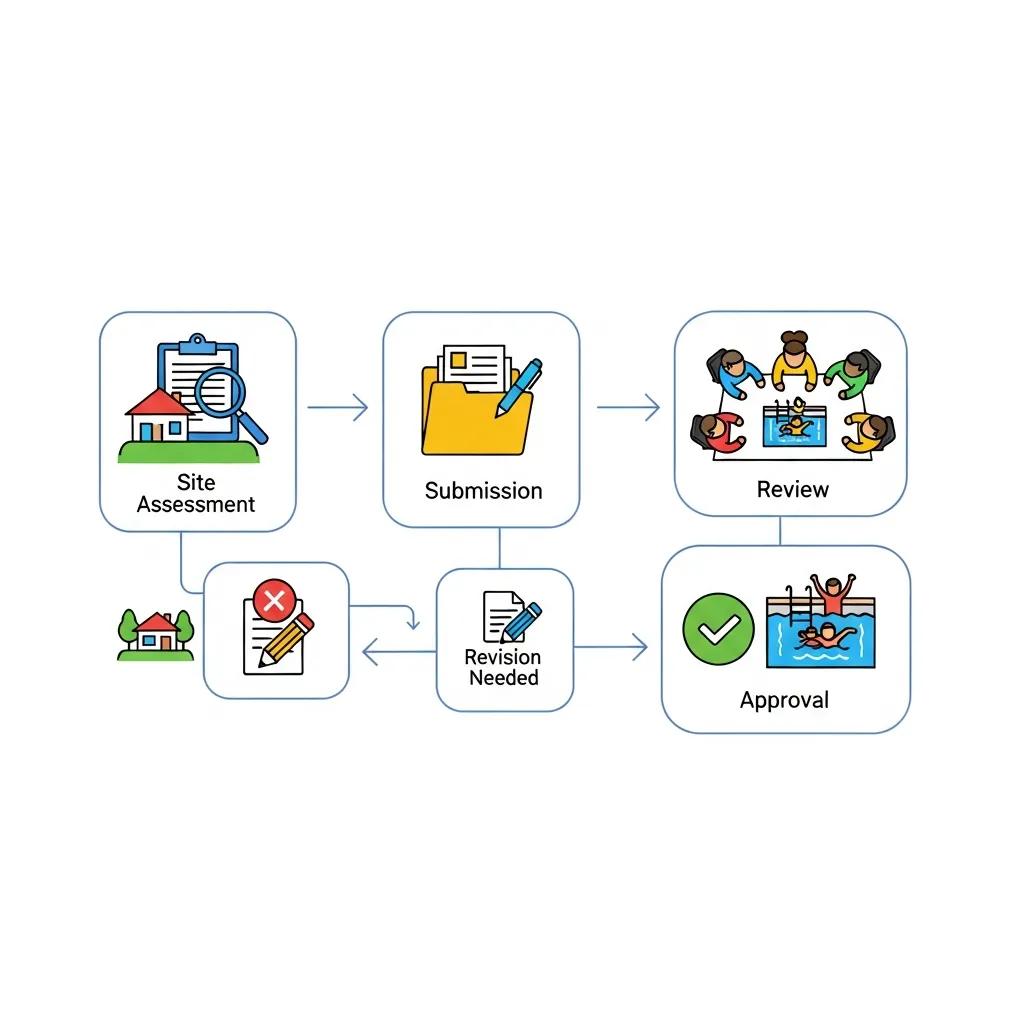
  1. Design Assessment: We evaluate site conditions, family and pet needs, and local code constraints to prioritize safety features within the luxury plan.
  2. Documentation & Permitting: We prepare detailed plans and coordinate with local authorities to secure permits and clarify inspection requirements.
  3. Installation & Systems Integration: Our crew installs barriers, gates, alarms, and specified materials to professional standards and integrates smart monitoring when requested.
  4. Walkthrough & Education: We perform final inspections, demonstrate system operation, and leave a maintenance and safety guide with the homeowner.

What Is the Process for Incorporating Safety Features from Design to Build?

We start with an on-site assessment to map sightlines, likely child and pet access points, and landscape constraints. That assessment sets priorities for fence, ramp, and alarm placement. A smooth project depends on iterative coordination between the homeowner, designer, and permitting officials so design choices meet legal standards. The benefits are fewer surprises during inspections, integrated hardware that looks intentional, and a maintenance plan that keeps safety systems working. Expect permit-ready plan sets, scheduled inspections during construction, and a final walkthrough where we demonstrate gates, alarms, and covers.

These predictable steps simplify subcontractor handoffs and produce installations that meet both luxury expectations and safety codes. Next we outline how drought-friendly materials and smart tech improve safety while lowering environmental impact.

How Do Drought-Friendly Materials and Smart Technologies Enhance Safety?

Materials like cool-surface decking, low-heat artificial turf, and permeable pavers reduce surface temperatures, lower slip risk, and preserve sightlines—important safety factors in hot climates. Smart tech—integrated alarms, sensor-driven lighting, and home-automation links—provides immediate alerts and automated responses that help caregivers find and respond to incidents faster. Together, materials and tech deliver two benefits: physical comfort and traction plus rapid monitoring and notification. When specified thoughtfully during design, these choices create resilient, low-maintenance outdoor environments that reflect our approach to balancing hardscape, softscape, and climate-aware luxury.

If you’re ready to start, Island Pools and Landscaping AZ acts as a partner who integrates safety, aesthetics, and permitting from day one.

  1. Contact Island Pools and Landscaping AZ to request a safety-first remodel consultation and site assessment.
  2. Review design proposals that show integrated safety features, materials, and permit strategies.
  3. Schedule installation and walkthroughs so you understand system operation and recommended maintenance.

Frequently Asked Questions

What are the best practices for supervising children around pools?

Supervision is the single most important step to prevent pool accidents. Designate a focused adult as the “water-watcher” who avoids phones or distractions, rotate watchers during gatherings, and set a household rule that children must ask for permission before entering the pool. Regularly review pool rules with kids so expectations stay clear.

How can I choose the right pool alarm system for my home?

Match alarm technology to your property and habits. Consider perimeter sensors, surface-wave detectors, wearable alerts for children, and integration with your smart home. Prioritize systems with low false positives, reliable power (or backups), and clear maintenance schedules. Talk with professionals and read independent reviews to find a system that fits your needs and minimizes nuisance alerts.

What landscaping features can enhance pool safety for children and pets?

Choose non-toxic, drought-tolerant plants, add shaded resting spots, and use cool, high-traction surfaces near the pool. Artificial turf and cool composite decking reduce heat, and clear pathways and visual barriers help steer children and pets away from pool edges. Thoughtful planting can act as a natural deterrent without compromising design.

How often should pool safety equipment be inspected and maintained?

Inspect barriers, gates, and alarms at least monthly. Check that gates close and latch properly, test alarm responsiveness, and look for wear or corrosion. Schedule seasonal checks before peak swim months and keep a maintenance log to track inspections and repairs so safety measures remain reliable.

What role do swim lessons play in preventing drowning incidents?

Swim lessons build essential water skills and confidence, which lowers drowning risk. Children who learn to float and swim are less likely to panic. Look for age-appropriate programs and combine lessons with family practice and water-safety drills for the best results.

What are the benefits of using smart technology for pool safety?

Smart systems provide real-time monitoring and instant alerts, which shorten response time. Alarms, motion sensors, and automation integration can trigger lighting and cameras, notify caregivers, and give you remote visibility. That reduces anxiety and helps you manage safety even when you’re not on site.

How can I ensure my pool area is safe for pets?

Install low-gradient ramps or wide shallow entries, use non-slip, cool surfaces, and create shaded rest areas. Add pet-aware sensors or camera zones and choose non-toxic plants. Regularly inspect the area, supervise pets near water, and train them to use exit points so they can get out safely.

Conclusion

Protecting children and pets around luxury pools in Arizona is both a legal obligation and a core part of responsible ownership. By combining effective barriers, integrated smart technology, climate-aware materials, and consistent supervision and training, you can significantly reduce risk while preserving a beautiful outdoor space. If you’re planning a remodel or new pool, contact Island Pools and Landscaping AZ to discuss a safety-first design that balances code requirements with the luxury look you want.

Luxurious Arizona backyard pool with outdoor living space, featuring lounging chairs, a fire pit, and people enjoying swimming and conversation, highlighting landscaping and design for pool and landscape projects.

Financing Options for Your Arizona Pool & Landscape Project

Luxurious Arizona backyard with a modern pool, fire pit seating area, and lush landscaping, showcasing outdoor living options for pool and landscape projects.

Financing Options for Your Arizona Pool & Landscape Project: Comprehensive Guide to Luxury Outdoor Living Loans

Building a luxury pool and landscape in Arizona is as much about planning the financing as it is about the design. The right loan preserves your cash flow, protects your investment, and gets construction started when you’re ready. This guide walks through practical financing choices—home equity loans and HELOCs, unsecured personal loans, cash‑out refinances, and programs like the FHA 203(k)—so you can match your project goals to the best funding path. You’ll learn how rates, terms, and credit thresholds shape monthly payments and overall budgets, how to evaluate lenders and partner programs, and how to coordinate financing with your builder to avoid costly delays. Throughout, we focus on clear, actionable steps, real examples, and checklists to help you prepare before you apply.

What Are the Best Financing Options for Pool and Landscape Projects in Arizona?

For Arizona homeowners, pool and landscape financing usually falls into five buckets: Home Equity Loan, HELOC, Personal Loan, Cash‑Out Refinance, and FHA 203(k). Each balances cost, speed, and security differently—mortgage‑backed products often offer lower APRs but use your home as collateral, while unsecured loans are faster to get but cost more. Knowing these tradeoffs helps you choose the right fit for project size, timeline, and comfort with risk. Below is a quick summary of common loan types and the situations where they typically work best.

Common loan categories and ideal use-cases:

  1. Home EquityLoan: Best for larger, fixed‑price projects when steady, predictable payments matter.
  2. HELOC: Best for phased builds or when you want flexible draws during construction.
  3. Personal Loan: Best for smaller upgrades or when you prefer not to tie funding to your mortgage.
  4. Cash-Out Refinance: Best when mortgage rates are attractive and you want one loan for the home and project.
  5. FHA203(k): Best for qualified borrowers who need renovation financing rolled into an FHA mortgage.

The table below puts these options side‑by‑side so you can compare expected rates, terms, and key pros and cons for Arizona homeowners.

Loan TypeTypical APR (AZ)Common TermProsCons
Home Equity Loan5–8% (varies)5–15 yearsFixed payments; predictable budgetingUses home as collateral; closing costs
HELOC4–9% (variable)Draw 5–10 yrs / Repay 10–20 yrsFlexible draws; pay interest only during drawVariable rates; payment uncertainty
Personal Loan7–15%+2–7 yearsFast approval; unsecuredHigher APR; lower limits for large builds
Cash-Out Refinance4–7% (depends)15–30 yearsConsolidates mortgage + project; may lower rateReclosing costs; extends mortgage timeline
FHA 203(k)Variable (mortgage)15–30 yearsRehab financing for qualifying buyersCaps on scope; FHA eligibility rules

That comparison shows where terms like HELOC and cash‑out refinance sit under the broader category of home improvementfinancing. With predictability, flexibility, and speed in mind, the next sections explain the mechanics and practical tradeoffs of the most common options for Arizona projects.

How Do Home Equity Loans and HELOCs Work for Arizona Homeowners?

Family discussing home equity loan options in a cozy living room with financial documents and a laptop displaying loan information.

Home equity products let you tap the difference between your home’s market value and the outstanding mortgage balance. Lenders use loan‑to‑value (LTV) rules to limit borrowing to a portion of that equity. A home equity loan gives a lump sum with a fixed rate and steady monthly payments, while a HELOC acts like a revolving credit line during a draw period and usually moves to a variable rate later. For example, if you’ve built 30% equity, you might access funds up to a 70% combined LTV. Typical paperwork includes proof of income, an appraisal, and title checks; approval timelines often run two to six weeks and can stretch if the appraisal or underwriting drags. Understanding these steps helps you weigh the affordability tradeoffs between secured and unsecured choices.

What Are the Benefits and Drawbacks of Personal Loans for Outdoor Living?

Unsecured personal loans are a fast way to cover smaller landscape upgrades or pool accessories without using your home as collateral—approvals can happen in days depending on your credit and the lender. The downside is a higher APR and shorter terms compared with mortgage‑secured options, which can push monthly payments up on larger projects. Personal loans make sense when speed and minimal paperwork are priorities or when you don’t want to increase your mortgage balance. For bigger scopes, you may combine a personal loan with staged payments—or choose a secured product instead. Before applying, weigh whether the faster access is worth the added cost.

How Can You Understand Loan Rates, Terms, and Eligibility for Arizona Pool Financing?

Knowing how APR differs from a nominal rate and how term length affects monthly payments is essential for budgeting a pool and landscape project. APR includes interest and fees, so it gives a clearer picture of total borrowing cost. Fixed rates offer payment certainty; variable rates can save money up front but add future risk. Eligibility largely depends on credit score, documented income, and combined LTV—lenders also check debt‑to‑income (DTI) and may ask for reserves on construction loans. The table below shows typical Arizona ranges and examples to help estimate monthly payments and qualifying thresholds.

Key definitions and metrics to watch when evaluating offers:

  • APR: The all‑in annual percentage rate that combines interest and fees for easy comparison.
  • Fixed vs Variable: Fixed stays the same; variable can move with market indexes.
  • LTV & DTI: Loan‑to‑Value and Debt‑to‑Income determine how much you can reasonably borrow.
MetricAttributeTypical AZ Range / Example
APR (secured)All-in borrowing cost4–8% for mortgage-based products
APR (unsecured)Personal loan cost7–15%+ depending on credit
Credit ScoreQualification indicator620+ improves access; 740+ secures best rates
LTVMax financed share of home value70–80% combined LTV typical for cash-out

What Credit Scores and Income Requirements Are Needed for Pool and Landscape Loans?

Lenders group applicants by credit bands—fair, good, excellent—and higher scores usually mean lower APRs and more options. For mortgage‑based financing, scores above 620 can gain eligibility, but competitive pricing commonly requires mid‑700s. Personal loans may be available with lower scores, but at higher rates. Income verification typically includes recent pay stubs, tax returns, and employment history; lenders calculate DTI to ensure new payments fit. Taking steps now—lowering credit utilization, fixing errors, and building on‑time payment history—can reduce your borrowing costs and broaden the loans available for a luxury outdoor project.

How Do Fixed and Variable Interest Rates Affect Your Loan Payments?

Fixed rates give predictable monthly payments that simplify budgeting across design, construction, and ownership. Variable rates can start lower, but payments may rise if market indexes go up. For example, a $100,000 loan at a fixed 5% over 10 years produces a stable monthly payment, while a variable product tied to an index could change that amount by several percentage points over time. If your project is phased or multi‑year, weigh your tolerance for rate shifts against possible initial savings; use rate caps, short‑term locks, or later refinancing to manage volatility. Running amortization comparisons for both scenarios makes the tradeoffs clear.

What Is the Financing Process with Island Pools and Landscaping AZ?

Contractor and homeowner discussing financing options over blueprints for a luxury pool and landscape project, construction site in the background.

Financing a luxury outdoor living project works best when design, lender coordination, and construction draws are aligned from the start. Island Pools and Landscaping AZ acts as your design‑and‑build partner: we help define scope, create accurate estimates, and coordinate with lenders so approvals and draw schedules match construction milestones. That planning reduces administrative friction, lowers the chance of change orders, and keeps funds flowing so trades and materials aren’t delayed. The timeline below outlines typical steps from initial consultation through project closeout so you know what to expect and when.

Island Pools and Landscaping AZ is a licensed contractor (ROC#341253) that helps homeowners understand financing options and integrates lender requirements directly into contracts and draw schedules. We work with vetted partners to streamline approvals and make sure each work phase aligns with funding availability. Having one point of contact to track approvals, inspections, and draw requests reduces surprises and helps keep your project on budget and on schedule.

What Steps Are Involved from Consultation to Project Completion?

A predictable timeline usually begins with an on‑site consultation to set design goals, budget expectations, and financing preferences. That meeting produces a detailed estimate you can use for loan applications. Next, homeowners get pre‑approved or apply, submit documents (income, assets, title), and wait for underwriting and appraisal. While underwriting runs, your contractor readies permits and trade scheduling. After closing, construction moves forward on a draw schedule tied to milestones, with inspections at key stages and final withholding until punch‑list items are resolved. Clear, ongoing communication between homeowner, lender, and builder reduces delays; preparing documentation up front speeds underwriting.

  1. Consultation & scope definition: Align design priorities and budget.
  2. Estimate & financingselection: Choose a loan product and apply.
  3. Underwriting & approval: Submit documents and complete appraisal.
  4. Construction draws & inspections: Funds released by scheduled disbursements.
  5. Final inspection & closeout: Confirm completion and release remaining funds.

Seeing financing as part of the construction plan—rather than an afterthought—keeps work moving and helps avoid costly pauses. The next section explains how integrated financing reduces administrative complexity on luxury projects.

How Does Integrated Financing Simplify Your Luxury Pool and Landscape Build?

Integrated financing brings the pool and landscape scope under one loan or a coordinated draw schedule so payments move smoothly between trades and contract phases. That avoids juggling multiple loan accounts and reconciliations. When funding is synchronized to construction phases, subcontractors get paid on time, materials are ordered confidently, and scheduling bottlenecks are less likely. Projects using integrated financing often close faster and see fewer change orders because the scope and draws are clear. Our team communicates lender expectations to subcontractors and adjusts schedules when approvals shift—helpful for complex, high‑finish builds.

Which Specialized Loan Programs Support Luxury Pool Remodeling and Outdoor Living in Arizona?

Specialized programs can fit when conventional loans don’t match your project’s needs. FHA 203(k) loans combine mortgagefinancing with renovation dollars for eligible borrowers; cash‑out refis convert equity into funds for large builds. Other niche renovation products from specialty lenders may offer underwriting tailored to high‑end landscaping and pool features. Below are the most common specialized options and when they tend to make sense for luxury backyard remodels.

The following list summarizes specialized programs and when they fit luxury scopes:

  • FHA 203(k) — for qualified buyers who need rehab financing wrapped into an FHAmortgage.
  • Cash‑out refinance — for homeowners who prefer a single loan and potentially lower long‑term rates.
  • Niche renovation products from specialty lenders — for unique scopes or phased work that standard products won’t cover.

These routes address different outcomes—front‑loading funds for major structural work versus staged financing for luxury features—and the next subsections unpack FHA mechanics and cash‑out tradeoffs in more detail.

How Do FHA 203(k) Loans Facilitate Home Improvement Projects?

FHA 203(k) loans let eligible borrowers roll certain renovation costs into an FHA‑backed mortgage, which can simplify funding when the project qualifies under FHA rules. Eligible work generally covers repairs and renovations that add value; very high‑end discretionary features can exceed FHA caps or program limits, so 203(k) often suits moderate to significant remodels rather than ultra‑luxury overhauls. Borrowers must meet FHA credit and income rules and work with FHA‑approved consultants and lenders, which adds administrative steps. When it fits, 203(k) removes the need for separate construction loans and is useful for owners who also need mortgagefinancing.

At Island Pools and Landscaping AZ, we’ve worked with FHA consultants and lenders to present clear, line‑item estimates and schedules so luxury components are understood during underwriting. That level of detail improves the chance renovation funds are released on time during construction, which is important when you’re balancing mortgage changes with backyard upgrades.

What Are Cash-Out Refinance Options for Backyard Renovations?

Cash‑out refinance replaces your existing mortgage with a larger loan and returns the difference in cash to you for renovations—effectively turning equity into liquid funds for a high‑value pool and landscape. Benefits include possible access to lower mortgage rates and the convenience of a single monthly payment; drawbacks include closing costs and the chance of lengthening your mortgage. Lenders commonly limit extraction to 70–80% combined LTV depending on the program and your credit, which affects how much you can allocate to the build. Timing matters: doing a cash‑out when rates are favorable and equity is strong usually gives the best result.

How Can Partner Financing Solutions Enhance Your Arizona Pool and Landscape Project?

Partner financing widens your options beyond big banks by tapping local lenders, national specialty lenders, and loan marketplaces—each brings different underwriting styles and turnaround speeds. Local credit unions and community banks often offer relationship‑based flexibility; specialty lenders provide construction and renovation products designed for projects like pools; marketplaces let you compare offers quickly. The table below summarizes partner types and the benefits they bring so you can pick the right path for your timeline and project complexity.

Partner TypePartner RoleBenefit
Local Credit UnionRelationship underwritingFlexible terms and local market knowledge
National Specialty LenderRenovation & construction loansStreamlined construction draws and expertise
Loan MarketplaceComparative shoppingFaster rate/term comparisons across lenders
Community BankLocal decision-makingPersonalized program structuring for unique scopes

Choosing a partner depends on whether you prioritize speed, custom terms, or the lowest rate—Island Pools and Landscaping AZ coordinates these relationships so homeowners can make confident choices without juggling multiple lenders.

What Financing Partnerships Does Island Pools and Landscaping AZ Offer?

We work with vetted lenders and marketplaces to give homeowners financing options that match luxury project size and timing. Our process pairs borrower profiles with the lender types that fit best, then converts detailed estimates into lender‑ready packages and aligns draw schedules with permits and inspections. Acting as an intermediary reduces friction in multi‑party transactions and helps you compare offers without managing every communication. That support is especially useful if you’d rather focus on design while we handle the practical financing logistics.

How Do Local Lenders Support Customized Outdoor Living Financing?

Local lenders often offer underwriting flexibility because they understand regional construction costs, permitting timelines, and market values—useful for bespoke pools and landscapes that don’t fit standard templates. Relationship lenders may weigh stable local employment or long banking history as compensating factors when evaluating LTV and DTI, and they can offer tailored amortization or draw arrangements for complex phases. When you engage local lenders, present a clear scope, contractor estimates, and a realistic schedule to support creative structuring. Organized documentation and time for local underwriting conversations increase the odds of favorable, tailored loan terms that protect your project quality.

What Are the Most Common Financing FAQs for Arizona Homeowners?

Homeowners frequently ask about credit thresholds, financing both pool and landscape together, approval timelines, and how to estimate total project costs. Short, practical answers set expectations before you contact lenders. Below are the top quick questions and direct guidance to help you get started.

Common quick answers:

  1. What Credit Score Is Needed for a Pool Loan in Arizona?: Requirements vary by product—mortgage‑based loans commonly require 620+ for basic approval, while the best rates usually need 720–740+. Improving your score and cutting debts can lower APRs and expand options.
  2. Can You Finance Both Pool and LandscapingTogether?: Yes. Integrated financing or a single renovation loan can cover both scopes, simplifying draws and reducing admin compared with multiple loans.
  3. How Long Does Approval Typically Take?: Personal loans can be completed in days; HELOCs and home equity loans often take 2–6 weeks; cash‑out refinances depend on mortgage processing and appraisal timing.
  4. Should I Get Pre‑Approval Before Design Finalization?: Yes—pre‑approval narrows your realistic budget and speeds the transition from design to construction once plans are finalized.

Those answers provide a starting point; the H3 items below briefly expand on credit and combined financing with practical next steps.

What Credit Score Is Needed for a Pool Loan in Arizona?

Credit standards differ by lender and product. Mortgage‑secured programs usually favor scores above 620 for basic eligibility and 720+ for the most competitive APRs. Unsecured personal loans may accept lower scores but at higher costs. Lenders also look at recent payment behavior, utilization ratios, and credit history length when pricing loans. To strengthen your application, pay down balances, correct credit report errors, and build steady on‑time payments. If your score is below target, options include adding a cosigner, choosing a longer term to lower monthly strain, or financing a smaller initial phase while you improve credit for later work.

Can You Finance Both Pool and Landscaping Together?

Combining pool and landscape under one loan simplifies billing, preserves design continuity, and lets you use a consolidated draw schedule tied to unified milestone inspections and invoices. Single‑loan integration cuts administrative overhead and reduces scheduling conflicts between separate lenders, while improving transparency over total costs and contingencies. Very large or highly specialized scopes may require staged financing or supplemental products, so present a comprehensive, itemized budget and phased schedule to increase the chance of approval for combined financing.

If you’re ready to move forward, Island Pools and Landscaping AZ offers a design consultation and lender coordination to turn your priorities into lender‑ready documents while keeping the project momentum. Our experience with luxury pool and landscape builds—and our licensed contractor status (ROC#341253)—helps streamline approvals, draws, and on‑site coordination. To start, request a design consultation to align scope, budget, and financing strategy with your timeline and desired finishes.

Frequently Asked Questions

What factors should I consider when choosing a financing option for my pool and landscape project?

Focus on total project cost, your credit score, and the loan’s interest rate and terms. Decide if you need fixed payments for budgeting or are comfortable with a variable rate that could start lower. Consider project timing—some loans release funds faster—and weigh whether you want to use your home as collateral or prefer unsecured credit with higher rates.

How can I improve my chances of loan approval for a pool and landscape project?

Improve loan odds by lowering credit card balances, making on‑time payments, and gathering complete documentation (pay stubs, tax returns, and a detailed project estimate). Getting pre‑approved narrows your budget and speeds construction once designs are ready. Speak with a lender or financial advisor early to identify product fits for your profile.

What are the typical closing costs associated with pool financing?

Closing costs vary by loan type and lender. Expect appraisal, title insurance, and origination fees that often total 2%–5% of the loan amount. Home equity loans and cash‑out refinances may include attorney or recording fees. Ask lenders for a full fee breakdown so you can factor closing costs into your budget.

Can I use a personal loan for larger pool and landscape projects?

Personal loans work well for smaller upgrades because they’re unsecured and faster to fund, but they usually have higher rates and lower limits. For larger projects, consider combining a personal loan with other financing or choose a secured product like a home equity loan or cash‑out refinance to access greater capital at a lower rate.

What should I do if my loan application is denied?

If denied, ask the lender for specific reasons. Common issues include low credit scores, high DTI, or incomplete documentation. Address those items—pay down debt, correct credit report errors, and gather full paperwork. You can also explore alternative lenders, add a cosigner, or reapply after improving your financial profile.

How does the timing of my loan application affect my project schedule?

When you apply matters: secure financing early in planning so funds are ready when construction begins. Approval delays can push back start dates and affect contractor availability. Aim to have financing lined up before finalizing design and scheduling major milestones.

Conclusion

Choosing the right financing for your luxury pool and landscape in Arizona protects your budget and keeps the build moving. By understanding different loan types, eligibility factors, and partner options, you can match your project goals to a funding strategy that fits your timeline and risk tolerance. Island Pools and Landscaping AZ streamlines the process from design through lender coordination so your backyard vision becomes a reality without unnecessary pauses. Ready to begin? Request a design consultation and we’ll help you align scope, budget, and financing for a smooth build.

Luxury pool winterization with automatic cover, surrounded by snowy landscape and illuminated pathway, emphasizing off-season care for Arizona pools.

Pool Winterization & Off-Season Care in Arizona

Luxury pool covered for winter in snowy setting, showcasing off-season care and maintenance for Arizona homes, with surrounding landscape lighting and snow-covered patio.

Winterize Your Luxury Pool — Start Today

Winterizing a high‑end Arizona pool is a tailored blend of deep cleaning, equipment protection, and water management designed for our region’s off‑season realities. This guide explains why premium pools need a different approach than standard installations, walks through a practical step‑by‑step winterization checklist, and shows how homeowners protect delicate finishes, integrated systems, and landscape work. Arizona properties face wide temperature swings, dust intrusion, and rapid evaporation — all of which increase the risk of staining, mechanical wear, and water loss if left unaddressed. The solution is precision cleaning, stabilized chemistry, mechanical isolation, and the right cover plus monitoring so your pool is spring‑ready without costly repairs. Below we cover Phoenix and Scottsdale microclimates, a numbered checklist with ideal chemistry targets, equipment protection tactics including smart integration, a comparison of premium covers and safety features, and a realistic timeline for scheduling professional closings. We also highlight drought‑aware water conservation and energy‑efficient options and explain how Island Pool and Landscaping’s premium process protects high‑value outdoor living investments while keeping practical homeowner guidance front and center.

Why Luxury Pools in Arizona Need a Specialized Winterization Plan

Luxury pools demand a focused winterization plan because their finishes, automation, and integrated systems are more sensitive to environmental stress. A correct program combines debris management, chemical stabilization, mechanical isolation, and the proper cover to cut evaporation, prevent staining, and protect electronics. The payoff: fewer spring repairs and longer equipment life for complex builds. Features like automation, heaters, water displays, and premium tile are more vulnerable to pH swings, gritty debris, and intermittent circulation — so a specialized process isn’t optional, it’s essential. Recognizing these higher‑value risks informs every winterization decision for high‑end properties.

What Winter Challenges Are Unique to Arizona Pools?

Arizona brings specific off‑season stressors that change how pools should be cared for. Dust storms and seasonal pollen settle quickly on surfaces and in skimmers, so early debris removal is critical to avoid staining and circulation problems. Large day‑to‑night temperature swings weaken sanitizer effectiveness and raise algae risk when circulation is reduced; some elevated or exposed lots can also see nights near freezing that threaten exposed plumbing and equipment. Evaporation concentrates minerals, increasing the chance of calcium scaling and staining when turnover is low. To reduce these risks, keep covers free of abrasive debris, maintain baseline circulation when practical, and test chemistry periodically so small imbalances don’t damage finishes — measures that fit neatly into a professional winterization plan.

How Winterization Protects High‑Value Pool Investments

A proper winterization program protects luxury pools by cutting common failure modes, preserving finishes that define the outdoor space, and creating service records that support warranties and resale. Mechanically, isolating and draining vulnerable components prevents freeze cracks and seal failures; chemically, stabilization prevents algae, scale, and discoloration that can require expensive surface work. Keeping pH, alkalinity, and calcium hardness in range preserves plaster, tile, and stone coping from etching and staining. Regular service notes and chemistry logs also give homeowners and builders a clear record of care that helps with warranty claims or maintenance decisions. These outcomes lead into the practical checklist below.

Essential Steps for Arizona Pool Winterization

Homeowner performing essential winterization steps on a luxury pool, using a skimmer to remove debris, with cleaning equipment and chemical supplies nearby, showcasing a well-maintained outdoor space.

Arizona winterization follows a straightforward sequence: targeted cleaning, precise chemical balancing, equipment isolation, and cover installation — all carried out with luxury finishes and automation in mind. The order is simple: remove debris, stabilize chemistry to winter targets, protect mechanical systems, then install a cover to reduce evaporation. The reward is a smoother spring reopening with preserved finishes and maintained warranties. Use the checklist below to guide a DIY close or to scope a professional service.

  1. Perform advanced debris and surface cleaning to remove leaves, dust, and biofilm.
  2. Balance pH (see targets below), total alkalinity, calcium hardness, and residual sanitizer.
  3. Apply long‑lasting oxidizers and preventative algaecide when circulation will be reduced.
  4. Drain or isolate pumps, heaters, and automation peripherals per manufacturer guidelines.
  5. Install an appropriate premium cover and document the closing with photos and chemistry logs.

This sequence is the framework; the sections that follow expand on cleaning techniques and the precise chemistry ranges needed to execute each step correctly.

Before you start cleaning and dosing, Island Pool and Landscaping offers a premium winterization service that blends design awareness with field precision. We prioritize protecting luxury finishes and automation through documented procedures and an owner‑ready report. For homeowners who want a consultative close, a professional process closes the gap between DIY checklists and fully documented care.

Chemical parameters play distinct roles during winterization — the quick reference table below makes those roles easy to compare for decision‑making.

ParameterIdeal Winter RangeRationale
pH7.4 – 7.6Keeps sanitizer effective while minimizing surface etching
Total Alkalinity80 – 120 ppmBuffers pH swings during temperature changes
Calcium Hardness200 – 400 ppmPrevents plaster etching and scale formation
Free Chlorine (Residual)1 – 3 ppm (stabilized)Maintains residual protection without over‑chlorination
Cyanuric Acid (stabilizer)30 – 50 ppmProtects chlorine from UV degradation while avoiding clouding

This chemistry snapshot highlights how each parameter reduces specific risks and helps owners or technicians choose the right interventions for a pool’s finish and equipment profile.

How to Perform Advanced Cleaning and Debris Removal

Advanced cleaning is the first defensive step and pairs bulk debris removal with gentle surface care suited to premium materials. Start by skimming and emptying skimmer and pump baskets, then vacuum settled debris with a low‑abrasion head to avoid grit‑driven wear on tile and stone coping. For waterline buildup, use pH‑neutral cleaners or manufacturer‑recommended products and soft brushes rather than aggressive scrubbing. For stubborn stains or organic films, schedule professional stain treatment or pressure washing that respects finish tolerances. Proper cleaning reduces finish wear and sets the stage for stable chemistry.

Tools and sequence for a pro‑level clean:

  • Skimmer net and routine basket maintenance to remove floating debris.
  • Low‑abrasion vacuum and soft‑bristled brushes for floors and walls.
  • pH‑neutral tile cleaners and targeted stain treatments, used sparingly and rinsed thoroughly.

Consistent use of these tools and methods prevents surface damage and reduces the need for reactive restoration, which leads directly into precision chemical balancing.

Process for Precision Chemical Balancing

Precision balancing stabilizes water so finishes and equipment remain protected through cooler temperatures and lower turnover. Start with a full water test for pH, alkalinity, calcium hardness, free chlorine, and cyanuric acid, then adjust alkalinity before pH so buffers work correctly — that order protects finishes. In Arizona winters, use long‑lasting oxidizers and moderated algaecides to maintain residual protection when pumps run less often, and consider phosphate control where dust and landscape runoff increase nutrient loads. Test chemistry every 2–4 weeks during the off‑season or use remote monitoring if available; keeping records also supports warranties and resale. The table below restates winter targets with practical dosing notes.

Winter dosing reference:

Chemical MetricWinter TargetImplementation Note
pH7.4–7.6Adjust with small doses; retest after mixing
Alkalinity80–120 ppmUse sodium bicarbonate to raise; aeration to lower
Calcium Hardness200–400 ppmTreat high hardness conservatively to avoid precipitation
Free Chlorine1–3 ppmUse stabilized chlorine or a slow‑release oxidizer
Algaecide / Phosphate ControlPreventive dosingApply per label to limit algal blooms during low circulation

Keeping chemistry in these ranges reduces staining and microbial risk while protecting finishes and mechanical components; the next priority is safeguarding the pool’s equipment.

How Arizona Homeowners Can Protect Pool Equipment Over Winter

Protecting equipment on luxury pools blends correct shutdown sequences, targeted drainage, and weatherproofing electronics to prevent freeze, dust, and corrosion damage. The approach uses mechanical isolation, controlled draining or desiccation, and protective coverings to extend pump and heater life and avoid seal or diaphragm failures. The homeowner benefit is fewer emergency repairs, lower spring commissioning costs, and reliable performance from integrated systems. Below is a practical breakdown of common equipment, failure modes, and recommended protection frequency.

Equipment table — risks and protection:

EquipmentRisk / Failure ModeProtection Method / Frequency
PumpSeal/shaft corrosion from stagnationDrain strainer, remove baskets, cover (annual)
FilterResidual debris, freeze crackingBackwash/clean, depressurize, dry‑lid (annual)
HeaterCorrosion and freeze damageIsolate, drain water‑side, professional service (annual)
Automation ControllerDust and moisture damageRemove batteries, install weatherproof cover, monitor remotely (seasonal)
Plumbing LinesLow‑point freeze and crackingBlow out lines or install low‑point drains (seasonal)

These protection methods clarify the effort and ROI for each system and lead into step‑by‑step techniques for pumps, filters, and heaters.

Techniques to Safeguard Pumps, Filters, and Heaters

Start equipment protection with a correct shutdown sequence: power down, isolate valves, relieve pressure, then drain low points. Remove and store detachable parts like pump baskets, and clean filter grids or DE elements to avoid trapped organic matter that can corrode components or cause odors. For heaters, follow the manufacturer’s instructions: isolate fuel or electrical supplies, drain water‑side components, and schedule a professional inspection to check seals and combustion chambers. Protect electronic controllers and variable‑speed drives with weatherproof covers and desiccants, or remove them if they’re exposed to dust storms. Record serial numbers and service steps to support warranty claims. These precautions lower mechanical failure risk and prepare the system for smart monitoring options.

How Smart Pool Technology Strengthens Winter Protection

Smart pool technology interface displaying pH and chlorine levels for luxury pool maintenance, with a serene poolside setting featuring lounge chairs and tropical plants.

Smart controllers and sensors add an important layer of protection by sending remote temperature alerts, reporting chemistry, and enabling automated dosing so sanitizer and pH stay within targets during reduced circulation. These systems can detect steep overnight temperature drops and trigger circulation cycles or heater thresholds to avoid localized freezing or chemistry collapse. Automated dosing preserves residual sanitizer and adjusts pH, reducing manual testing and curbing algae risk in low‑use months. Smart logs also create a digital record of chemistry and runtime that supports warranty documentation and service decisions on complex builds. Remote monitoring reduces site visits while keeping mechanical and finish protections active.

Best Luxury Pool Covers and Safety Features for Arizona Winters

Choosing the right premium cover protects water, finishes, and people — and it should balance appearance, automation compatibility, and environmental performance. A well‑chosen cover blocks debris, reduces evaporation, and helps stabilize temperature; thermal and automated systems further cut energy use and chemical loss. Covers also serve safety and landscape integration roles on luxury properties. The comparison below helps homeowners decide which premium cover type best fits an estate‑scale pool.

Premium cover comparison:

Cover TypeMaterial / R‑value / SafetyBest Use Case / Pros & Cons
Automatic Rolling CoverPolypropylene or vinyl solid panels; moderate to high R‑value; good safetyIdeal for estates needing convenience and clean aesthetics; higher cost but excellent for frequent use
Thermal BlanketLightweight polymer; moderate R‑value; limited safetyCost‑effective for evaporation and heat retention; less debris and safety protection
Solid Safety CoverHeavy‑duty reinforced fabric; high safetyMaximum debris and child‑safety protection; requires anchors and a professional install
Designer‑Integrated CoverCustom materials and finishes; variable R‑valueSeamlessly matches landscape design; premium aesthetic for showpiece pools

Comparing these attributes clarifies trade‑offs between convenience, energy savings, and safety, and leads into how covers specifically conserve water and energy in Arizona.

Which Premium Pool Covers Are Available?

Premium covers range from automatic reel systems and solid safety covers to thermal blankets and bespoke designer solutions that conceal hardware in the landscape. Automatic covers are the most convenient for high‑traffic estates and integrate with pool automation to close on schedule. Solid safety covers offer the best debris exclusion and child‑safety protection. Thermal blankets are a lower‑cost option that reduce evaporation and heat loss but usually require a reel or manual handling. Designer‑integrated covers use custom materials and concealed hardware to preserve the look of a high‑end yard. Match the cover type to use patterns, aesthetic priorities, and your water‑conservation goals.

How Covers Help Save Energy and Water

Covers cut evaporation and heat loss, reducing daily water top‑offs and heater run time — that translates to measurable energy and water savings in Arizona’s dry climate. Thermal covers commonly reduce heat loss by roughly 30–50% depending on conditions, so heaters run less and pools retain temperature with less energy. Reduced evaporation also slows chemical depletion, lowering sanitizer and pH adjustments and conserving treatment chemicals. In drought‑sensitive areas, fewer refills support local conservation goals and reduce utility costs. Paired with proper winterization, a premium cover is a cost‑effective investment.

When and How to Schedule Professional Pool Closings in Phoenix & Scottsdale

Schedule a professional closing when nightly lows show a sustained trend near or below about 40°F — typically mid‑December through January in many neighborhoods, though higher‑elevation or exposed lots may need an earlier close. Timing should be risk‑based: act when temperature swings and weather patterns raise freeze or contamination risk so you’re ahead of potential damage. A professional closing delivers documented chemistry stabilization, equipment isolation, and cover installation that reduce spring reopening work and protect warranties. The short timeline below helps homeowners decide when to book service.

  1. Watch forecast trends in late November and early December; schedule a closing when sustained cooler nights begin.
  2. Arrange a site assessment to document equipment, finish materials, and any special conditions before the appointment.
  3. Expect on‑site chemistry testing, mechanical shutdown and drain, cover installation, and a post‑service report.

This timeline explains when to act, what a professional scope should include, and how to prepare for a consultation.

Benefits of Expert Winterization Services

Professional winterization lowers repair risk, creates documented records for warranties and resale, and saves homeowners time and uncertainty over the off‑season. Certified technicians follow manufacturer shutdown sequences for pumps and heaters, apply precision chemical programs, and install covers correctly for durable protection. Service records and chemistry logs build a defensible trail that can simplify warranty claims and provide accountability for quality. In short, expert service converts technical complexity into homeowner peace of mind and a lower total cost of ownership at spring commissioning.

Preparing for a Consultation with Island Pool and Landscaping

Before your consultation, gather clear photos of the pool and equipment pad, note equipment make and model numbers if visible, and list finish materials, cover preferences, or automation platforms you have or want. Share details about water features, fountains, or integrated landscape elements that affect draining and cover installs, and have any warranty or builder documentation handy. The consultation will include a site assessment, a written estimate outlining chemistry targets and mechanical actions, and a recommended timeline for closing. Scheduling early in the cooler season helps secure priority service and keeps your luxury pool protected through Arizona’s variable winters.

Frequently Asked Questions

1. What specific maintenance tasks should I perform during the winter months?

During winter, check your pool’s chemistry regularly to keep pH, alkalinity, and chlorine within target ranges. Clear debris from covers and skimmers to prevent staining and circulation issues, monitor water level, and inspect equipment for signs of wear. Address irregularities quickly to avoid costly spring repairs. Regular, simple checks help maintain the pool’s condition and make reopening easier.

2. How can I tell if my pool cover is suitable for winter conditions?

Evaluate your cover’s material and R‑value to understand insulation performance. A good winter cover should be durable, weather‑resistant, and fit securely to prevent debris buildup. Look for UV resistance and safety ratings if children or pets are present. Inspect the cover regularly for wear and ensure it’s properly installed to maximize protection over winter.

3. Are there any eco-friendly options for winterizing my pool?

Yes. Consider biodegradable cleaners and natural algaecides where appropriate, and use a solar or thermal cover to retain heat and reduce evaporation. Smart monitoring systems also optimize chemical use and reduce waste. These choices protect your pool while supporting sustainable water use in our region.

4. What should I do if I missed the ideal winterization window?

If you missed the ideal window, assess the pool’s current condition: check chemistry, look for algae or stains, and clear debris. You can still perform winterization tasks, but if freezing is likely, consider professional help to ensure proper protection. Acting late is usually better than not acting at all.

5. How does winterization affect my pool's energy efficiency?

Proper winterization improves energy efficiency by stabilizing water chemistry and using a high‑quality cover to reduce heat loss and evaporation. That lowers heater runtime and the need for chemical top‑ups, saving on utilities and extending equipment life. A well‑winterized pool is easier and less energy‑intensive to reopen in spring.

6. What are the benefits of using a professional service for winterization?

Professional winterization brings specialist knowledge of complex systems and finishes. Technicians ensure steps are performed correctly — from chemical balancing to equipment protection — minimizing damage risk. They also provide documentation that supports warranties and resale value, and save you time and uncertainty during the off‑season.

7. Can winterization help with pool resale value?

Yes. Comprehensive winterization preserves finishes and equipment, preventing costly damage and maintaining the pool’s appearance. Documented winterization records reassure potential buyers about maintenance history, making the pool a stronger selling point when it’s time to list the property.

1. What is the best time to winterize a luxury pool in Arizona?

Plan to winterize when nighttime temperatures consistently trend near or below 40°F — typically mid‑December through January in many Phoenix and Scottsdale neighborhoods. Monitor forecasts and schedule a closing as soon as sustained cooler nights appear, and move earlier for high‑elevation or exposed lots.

2. How can homeowners ensure their pool cover is effective?

Choose a cover that suits your needs — consider material, R‑value, and safety features — and maintain it regularly. Keep the cover clear of debris, inspect for wear, and ensure proper installation and fastening to prevent water pooling and damage. A quality cover installed correctly will cut evaporation and protect the pool.

3. What are the signs that a luxury pool needs winterization?

Watch for increasing debris, fluctuating water levels, persistent chemistry imbalances, or equipment strain (unusual pump or heater noises). If temperatures are falling or you see algae growth, it’s time to winterize. Regular checks catch small issues before they become expensive.

4. Can I winterize my pool myself, or should I hire a professional?

Some owners can handle basic winterization, but for luxury pools with complex systems and sensitive finishes we recommend a professional. Certified technicians perform advanced cleaning, precise chemical balancing, and proper equipment protection — and they provide documentation that supports warranties and resale value.

5. What are the risks of not winterizing a luxury pool in Arizona?

Skipping winterization can result in equipment damage from freezing or dust, staining from debris buildup, and algae growth from poor chemistry — all of which may require costly repairs. Unprotected finishes can etch or discolor, raising spring reopening costs and risking long‑term value.

6. How does smart technology improve winterization processes?

Smart systems deliver remote alerts for temperature and chemistry, automate dosing and circulation, and maintain a digital log of runtime and water readings. That leads to faster responses to temperature drops or chemistry shifts, fewer site visits, and clearer service records to support warranty and maintenance decisions.

7. What should I do if I notice issues with my pool during winter?

If you see unusual water levels, debris buildup, or equipment problems, start by checking chemistry and clearing visible debris. If problems persist, contact a professional for assessment. Early intervention prevents larger issues and protects your investment.

Conclusion

Winterizing a luxury pool in Arizona is a practical investment in longevity, curb appeal, and peace of mind. A comprehensive winterization plan — combining targeted cleaning, precise chemistry, equipment protection, and the right cover — reduces repair costs and extends the life of your pool’s finishes and systems. Professional service delivers meticulous care and documentation so you can enjoy a worry‑free spring reopening. Schedule your winterization consultation with Island Pool and Landscaping to protect your outdoor investment this season.

Conclusion

Winterizing your luxury pool in Arizona is essential for keeping its beauty and performance through the off‑season. A tailored plan of thorough cleaning, accurate chemical balancing, and careful equipment protection lowers repair risk and extends your investment’s lifespan. Professional services ensure meticulous execution and provide documentation that supports warranties, giving you confidence for a smooth spring reopening. Contact Island Pool and Landscaping today to schedule your winterization consultation and safeguard your outdoor oasis.