
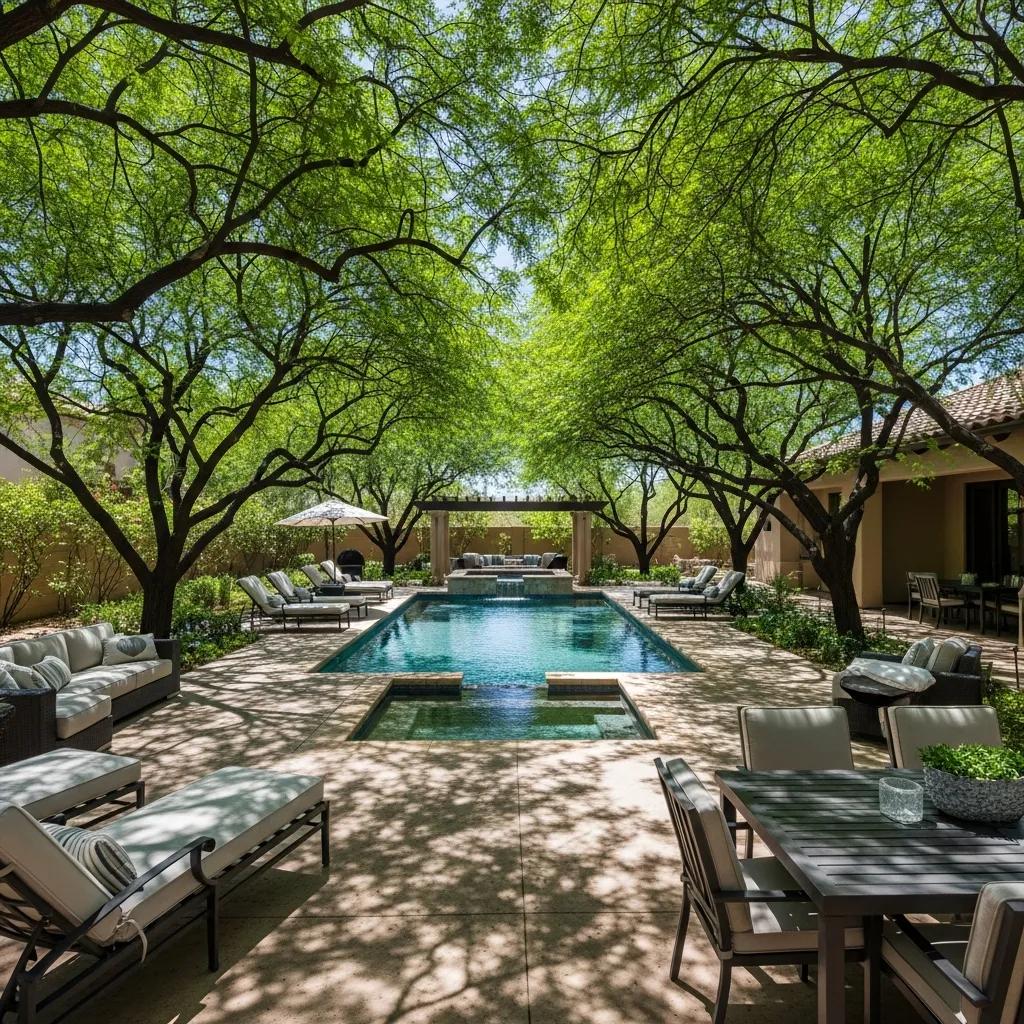
Top Shade Trees for Arizona Landscapes: Smart Choices for Luxury Outdoor Living and Year‑Round Energy Savings

For Arizona homeowners building high-end outdoor spaces, shade trees are more than ornamentation — they create instant comfort, lower cooling costs, and complete pool-centered designs. This guide walks through the species that perform best in Arizona’s desert climate, explains how fast‑growing trees behave near pools and patios, and highlights drought‑tolerant and evergreen choices that deliver year‑round comfort and curb appeal. At Island Pools and Landscaping AZ we fold these tree selections into premium pool remodels and finished backyard landscapes, pairing functional shade with low‑maintenance choices and a results‑driven design approach. Homeowners often juggle canopy speed, root behavior, and leaf litter against strict water budgets; this article gives clear selection criteria, placement rules, and realistic benefits so you can make confident decisions. You’ll find species profiles, comparison tables for growth and water needs, poolside placement guidance, and measured energy and property‑value impacts that justify luxury‑grade investments in trees and hardscape. Finally, we explain how professional selection and installation reduce risk and document ROI for high‑end projects.

What Are the Best Shade Trees for Arizona's Desert Climate?

Shade trees in Arizona must balance heat tolerance, drought resilience, canopy density, and non‑invasive roots to suit luxury landscapes and poolside settings. The core selection criteria are drought tolerance, growth rate, canopy spread, root behavior, and seasonal litter — factors that determine whether a species works by pools, patios, or as a specimen. Top candidates include Arizona Ash, Desert Museum Palo Verde, Mesquite, Desert Willow, Chinese Elm, Southern Live Oak, Texas Ebony, and Chinese Pistache, each filling a distinct role in desert landscapes. Using these criteria helps homeowners match tree function — fast shade, long‑term screening, or year‑round canopy — to site limits and water goals, producing balanced, sustainable designs. The following sections highlight drought‑resilient species and explain how fast growers deliver usable shade quickly while bringing maintenance trade‑offs to consider.

Which Trees Offer Superior Drought and Heat Tolerance in Arizona?

Trees that thrive here rely on deep roots, small or reflective foliage, and growth patterns that limit water loss — all traits that drive drought and heat tolerance. Mesquite and Ironwood are classic long‑term performers, with deep roots and steady growth that favor landscape resilience. Desert Willow and Palo Verde keep foliage light and often enter summer dormancy or reduced growth to conserve moisture while still offering blooms and filtered shade. Selecting species with these physiological advantages cuts supplemental irrigation needs and improves survival during Arizona summers — a must for low‑maintenance, luxury projects. Understanding these tolerance mechanisms guides sustainable species choices and sets the stage for when faster‑growing options are preferable.

How Do Fast Growing Shade Trees Enhance Arizona Landscapes?

Fast growers establish usable canopy in roughly 3–8 years, noticeably improving outdoor comfort for patios and pool spaces. Trees such as Arizona Ash and some Chinese Elm varieties quickly produce wide crowns that drop local surface temperatures and expand usable outdoor living. That speed comes with tradeoffs: higher early maintenance, potential root conflicts with hardscape, and regular pruning to shape structure. With prudent species choice and root‑management techniques, designers can get quick shade without compromising long‑term stability. For luxury projects we balance the need for rapid canopy with predictable root behavior and recommended siting distances from pools and foundations — considerations outlined next for pool and patio applications.

Which Fast Growing Shade Trees Are Ideal for Arizona Pools and Patios?
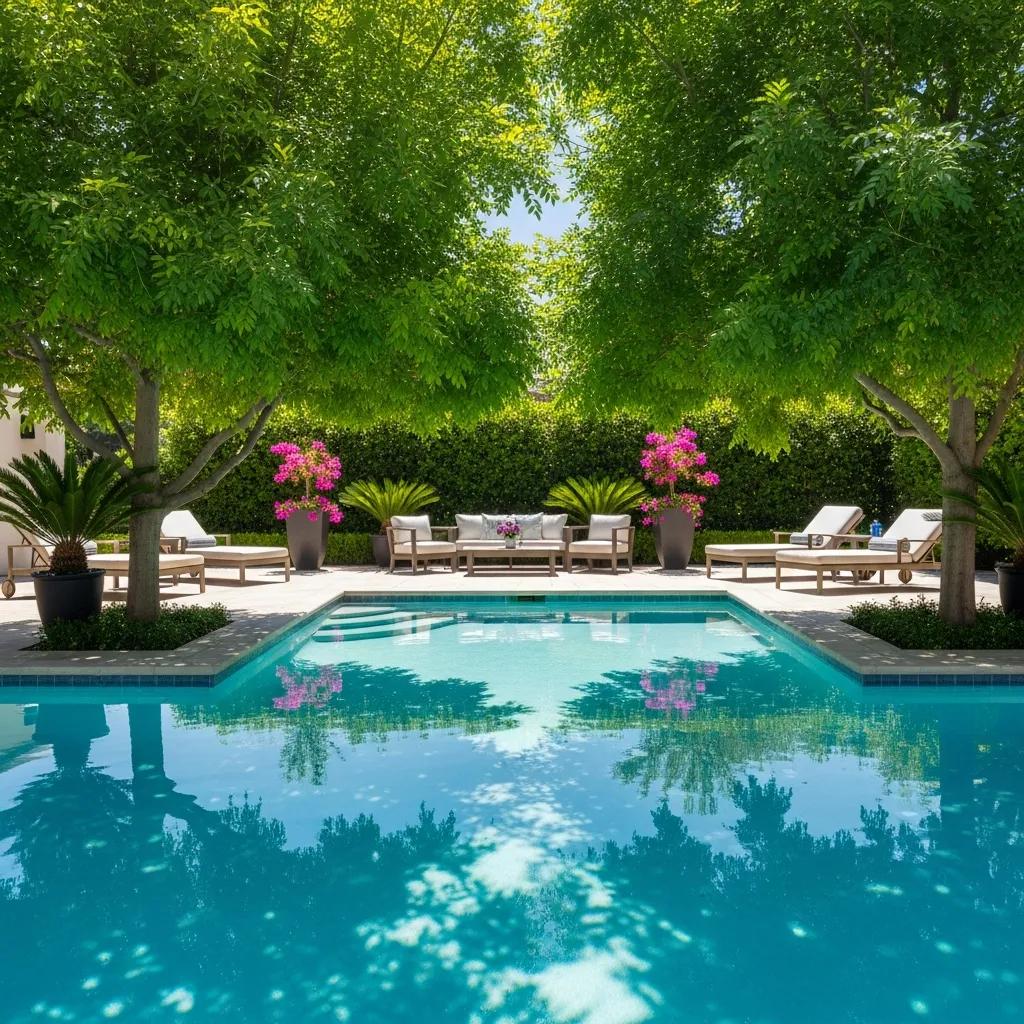
Poolside trees should combine quick canopy development with predictable roots and minimal litter so water quality and maintenance remain manageable. Key selection factors include leaf and flower drop frequency, root aggressiveness, canopy form, and accessibility to service equipment; species that offer fast, dense shade with low debris are preferred for refined outdoor living. The table below compares commonly recommended fast‑growing species by growth rate, canopy, root behavior, water needs, and maintenance to help homeowners weigh tradeoffs for poolside planting.

SpeciesTypical Growth RateCanopy SpreadRoot BehaviorWater Needs
Arizona AshFast — 6–12 ft/yrBroad, denseModerate — manage near hardscapeModerate
Desert Museum Palo VerdeFast — 4–8 ft/yrOpen, filteredShallow-to-moderateLow
Chinese ElmFast — 5–10 ft/yrVase-shaped, denseSurface roots possibleModerate
Willow AcaciaFast — 4–9 ft/yrRounded, denseModerateLow-moderate

This comparison explains why Arizona Ash and Chinese Elm frequently serve rapid patio‑shade needs, while Desert Museum Palo Verde gives low‑water, filtered shade that keeps debris to a minimum. With tradeoffs clear, the next sections profile Arizona Ash and Palo Verde more closely, then quantify the comfort and value fast growers create.

What Are the Characteristics of Arizona Ash and Desert Museum Palo Verde?

Arizona Ash is prized for very rapid canopy growth and a dense, uniform crown that provides near‑instant relief for patios and decks — a strong choice when quick shade is a priority in luxury landscapes. Because of its vigor, careful siting and root barriers are wise to avoid conflicts with pool equipment and paving. Desert Museum Palo Verde offers a contrasting role: low‑water, filtered shade, striking green bark, and a prolific spring bloom that adds seasonal interest without heavy irrigation. Choose Arizona Ash for immediate, solid shade; choose Palo Verde when you want drought‑smart, floral interest and lighter debris near water features.

How Do Fast Growing Trees Improve Outdoor Comfort and Property Value?

Fast growers lower radiant heat and surface temperatures around pools and patios, producing immediate comfort gains and longer usable outdoor seasons. Studies and regional observations show tree canopies can reduce localized air temperatures by 5–15°F and cut direct solar gain on building exteriors — outcomes that support energy savings and make outdoor amenities more enjoyable. Those comfort and efficiency improvements enhance livability and can increase property value by expanding usable outdoor living and improving curb appeal on luxury homes. Quantifying these effects helps homeowners evaluate ROI for tree investments and points toward durable, drought‑tolerant species that sustain the benefits.

What Are the Top Drought Tolerant Desert Shade Trees for Sustainable Arizona Landscapes?
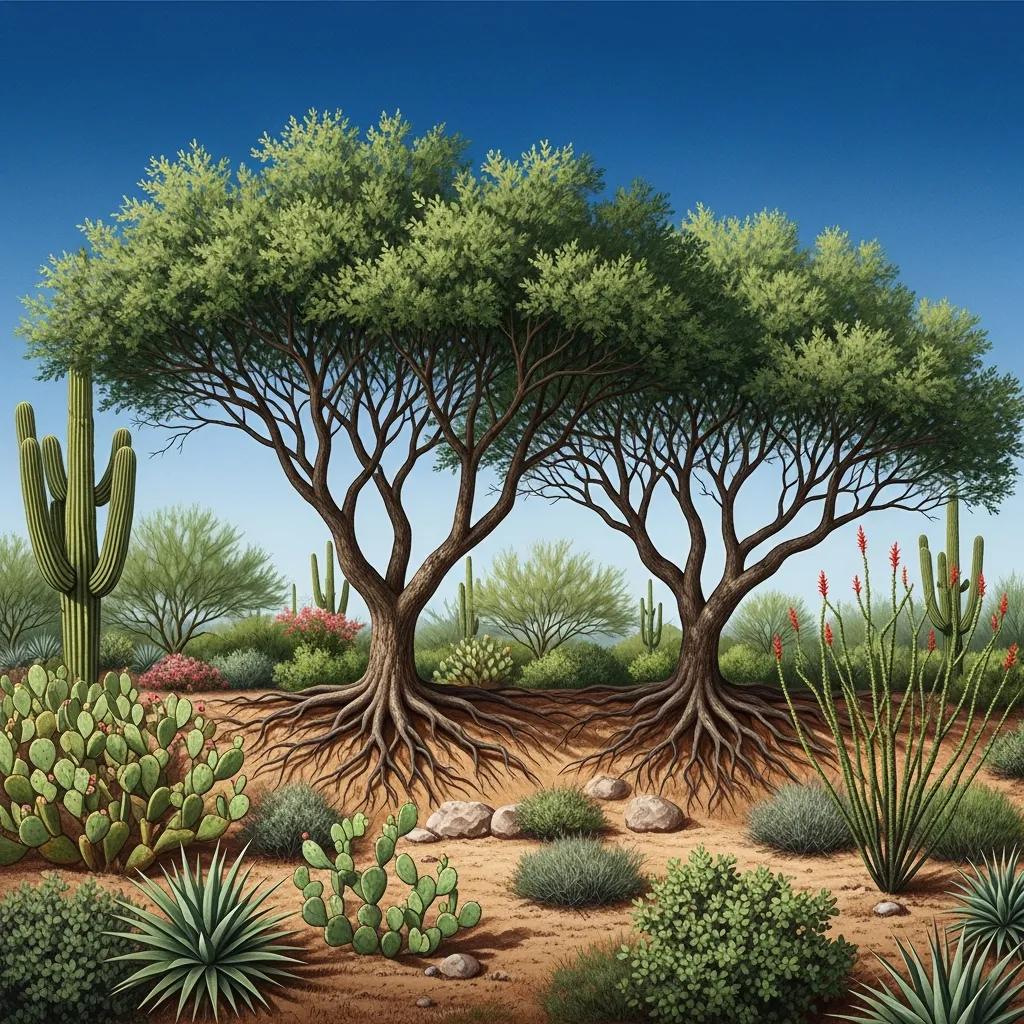
Drought‑tolerant desert shade trees prioritize low supplemental watering, adapted physiology, and ecological fit to create sustainable, long‑lived landscapes that suit Arizona’s climate. Selecting natives and well‑adapted exotics reduces irrigation demand, supports local ecology, and improves survival with minimal intervention — making these trees a core element of sustainable luxury designs. The table below compares several top desert‑tolerant species by drought tolerance, native status, landscape role, and maintenance to help homeowners pick the right long‑term specimens.

SpeciesDrought ToleranceNative StatusLandscape Role
MesquiteHighNativeShade, screening, specimen
Desert WillowHighNativeOrnamental shade, flowers
IronwoodHighNativeLong-lived specimen, wildlife value
Palo VerdeHighNativeFiltered shade, accent/tree line

This summary shows why Mesquite and Ironwood form the backbone of low‑water estates and directs attention to the benefits of Mesquite, Desert Willow, and Ironwood explored below.

Why Choose Mesquite, Desert Willow, and Ironwood for Desert Landscaping?

Mesquite brings deep roots, lasting shade, and excellent screening — it stabilizes soil and attracts wildlife while needing minimal irrigation. Desert Willow provides airy canopies and abundant blooms with modest water requirements, serving as a graceful ornamental near patios or as a specimen. Ironwood, slow‑growing and dense, rewards owners with decades of durable shade and ecological value. Used together, these species let designers layer canopy and function for both sustainability and the refined look expected in luxury backyards.

How Do Native Trees Support Water Conservation and Landscape Longevity?

Native trees have root systems and growth patterns tuned to local rainfall and soils, lowering the need for supplemental irrigation and improving long‑term survival through hot summers. Their co‑evolution with regional pests and microbes usually means fewer chemical inputs and lighter maintenance than poorly adapted exotics. For homeowners, native plantings translate into lower lifecycle water and upkeep costs, stronger ecosystem services, and a more resilient landscape that preserves mature canopy and property function for decades. Prioritizing natives in the design phase supports long‑term landscape longevity and aligns with water‑conservation programs many Arizona utilities promote.

Which Evergreen Shade Trees Provide Year-Round Comfort in Arizona?

Evergreen and semi‑evergreen trees maintain consistent canopy and visual continuity across seasons, offering privacy, wind buffering, and steady thermal benefits for luxury backyards and pool areas. Choosing evergreens requires weighing year‑round shade value against water use, mature size, and compatibility with poolside sightlines; the best options balance canopy density with desert‑adapted water habits. The table below compares evergreen choices by evergreen status, water needs, mature size, and recommended roles in high‑end landscapes to guide selection.

SpeciesEvergreen StatusWater NeedsMature Size / Role
Southern Live OakYesModerateLarge specimen, grand shade
Texas EbonyYesModerateDense canopy, privacy specimen
Ficus NitidaSemi-evergreenModerate-HighFormal hedging, specimen
Chinese PistacheSemi-deciduousLow-ModerateSeasonal color, shade

This comparison highlights tradeoffs between large, long‑lived evergreens and semi‑evergreens that add seasonal interest, setting up the profiles of Southern Live Oak and Texas Ebony below.

What Are the Benefits of Southern Live Oak and Texas Ebony in Luxury Backyards?

Southern Live Oak offers a sculptural, long‑lived canopy that anchors formal and estate landscapes with generous shade and a commanding specimen presence. Texas Ebony supplies dense, evergreen foliage for privacy, wind reduction, and screening around outdoor rooms or pool edges when space allows. Both demand moderate water compared with desert natives and benefit from thoughtful siting to avoid blocking solar features or concentrating litter near pool equipment. Because they give year‑round structure and mature aesthetic value, these evergreens often act as anchor specimens in upscale backyard compositions.

How Do Evergreen Trees Maintain Shade and Aesthetic Appeal All Year?

Evergreen canopies preserve daily shade patterns and visual continuity, so outdoor rooms stay usable through shoulder seasons. Their foliage also serves as windbreaks and screens, improving microclimates by lowering evaporative losses and protecting outdoor heating or cooling zones. Designers commonly pair evergreen specimens with drought‑tolerant understory or seasonal deciduous trees to create layered shade that balances privacy, summer cooling, and winter light. That layered approach informs practical placement when integrating trees with pool remodels and hardscape.

How Can Shade Trees Be Integrated into Luxury Outdoor Living and Pool Remodeling Designs?

Successful integration focuses on strategic siting, root mitigation, and canopy layering to shape seasonal shade patterns that boost comfort and pool performance. Core placement rules include siting trees at species‑appropriate distances from pools and foundations, using root‑control measures where needed, and organizing canopy layers to limit leaf drop into water features. The list below summarizes the key principles designers use to blend trees with pools, patios, and outdoor kitchens while keeping maintenance manageable.

  • Distance Planning: Site trees at recommended distances from pools and foundations based on mature root behavior and canopy spread to protect structures and equipment.
  • Canopy Layering: Combine tall shade trees with mid‑height and groundcover plants to create filtered shade while preserving sightlines.
  • Root Management: Install root barriers or select species with non‑aggressive roots to avoid damage to paving and pool plumbing.
  • Debris Minimization: Favor species with low litter or predictable leaf‑drop timing to reduce pool cleaning and filtration load.

Applied correctly, these principles let trees improve microclimate and aesthetics while minimizing operational issues. The following sections describe Island Pools and Landscaping AZ’s selection and installation process and how strategic placement boosts poolside comfort and energy efficiency.

What Is Island Pools and Landscaping AZ's Process for Selecting and Installing Shade Trees?

We follow a clear, client‑focused process for luxury projects: consultation, site analysis, species selection informed by local nursery expertise, placement planning, professional installation, and a final client walkthrough backed by our satisfaction assurance. During consultation and site analysis we evaluate soil, sun angles, existing hardscape, and pool proximity to recommend species that balance canopy speed with root safety and drought tolerance. We source healthy stock from trusted local growers and include root‑management measures and irrigation adjustments during installation so trees establish reliably. Communication matters to us — we aim to respond within 24 hours to calls and emails and document results with portfolio examples and an on‑site walkthrough to confirm your expectations are met.

How Does Strategic Tree Placement Enhance Poolside Comfort and Energy Efficiency?

Placement uses orientation and canopy timing to shade west and south exposures during peak heat, cutting direct solar gain on patios and pool decks and lowering indoor cooling demand. Trees that block late‑afternoon sun reduce radiant heat on slabs and decks, improving comfort into the evening. Thoughtful siting can also cast shade on west‑facing walls to reduce cooling loads while preserving southern exposure in winter for passive solar gain where desired. These placement strategies guide species and layout decisions and support measurable energy and property‑value benefits from well‑planned plantings.

What Are the Energy and Property Value Benefits of Planting Shade Trees in Arizona?

Shade trees deliver measurable energy savings, temperature moderation, and value uplift that make them strategic elements of luxury landscape investments when designed and documented correctly. Canopy cover can reduce local temperatures by 5–15°F and significantly cut building cooling loads depending on orientation and extent of shading, which translates into tangible reductions in air‑conditioning energy use. Beyond energy, mature tree plantings boost curb appeal, expand usable outdoor living areas, and strengthen resale perception for luxury homes. Below are the primary benefits we track when quantifying outcomes for clients.

  • Cooling Effect: Canopy shade lowers surface and air temperatures, immediately improving outdoor comfort.
  • Energy Savings: Properly placed trees can meaningfully reduce cooling energy use depending on orientation and home construction.
  • Value Uplift: Mature canopy, privacy, and extended outdoor living areas raise perceived and appraised value for high‑end properties.

Documenting these impacts supports ROI discussions; the next section outlines how shade trees reduce cooling costs in Arizona homes.

How Much Can Shade Trees Reduce Cooling Costs in Arizona Homes?

Well‑placed trees can lower localized temperatures by about 5–15°F under canopy, which often results in reduced cooling loads for nearby walls and windows and less AC runtime. Regional studies and simulation work suggest that correctly oriented shade trees can cut summer cooling energy use by a meaningful percentage — commonly in the mid‑teens, depending on insulation, HVAC efficiency, and shading extent. Accurate estimates require mapping sun paths, canopy size, and building orientation; our designers convert those factors into projected energy savings and dollar‑values over time to inform investment decisions.

Research and early simulations consistently demonstrate the energy‑saving potential of shade trees in Arizona’s desert environment.

Southwest Shade Trees: Energy Savings & Water Costs in Arizona

Shade trees in the Southwest can deliver substantial energy savings for cooling and improve outdoor comfort. At the same time, irrigation costs for trees can offset some cooling savings in water‑limited regions. Computer simulation was used to estimate residential heating and cooling savings from several shading scenarios in Tucson, Arizona; energy savings were compared with water costs to calculate net savings for six tree species commonly used in Southwest landscapes.

With that measurement approach in mind, the final section considers how shade trees translate into luxury property value.

In What Ways Do Shade Trees Increase Luxury Property Value?

Shade trees add luxury property value by improving curb appeal, enlarging usable outdoor living areas, providing privacy and screening, and signaling a mature, well‑maintained landscape — all signals buyers associate with quality. Appraisers and prospective buyers often value outdoor rooms and established canopy because they expand functional living space and reduce perceived future work. Documenting energy savings, maintenance plans, and professional installation — like the portfolio evidence and walkthroughs we provide — helps convert landscape improvements into appraised value and buyer confidence. With these valuation drivers defined, sophisticated homeowners can better assess ROI and determine when to engage professional design and installation services.

Island Pools and Landscaping AZ measures tree benefits through documented designs, client walkthroughs, and project case studies, and we invite property owners to consult about ROI and implementation.

We offer consultation appointments, full design and installation for pools and integrated landscapes, and a client walkthrough plus satisfaction assurance with timely communication. Our team specializes in luxury, pool‑centered landscapes, selecting drought‑tolerant species recommended by trusted local nurseries and balancing fast shade needs with long‑term water management and maintenance. Planning a pool remodel or new luxury landscape? Request a design consultation to review species selection, placement, and documented energy and property‑value outcomes — we prioritize clear communication, timely responses, and proof‑driven results to support high‑end homeowners. Island Pools and Landscaping AZ stands behind our work with a complete project walkthrough and responsive follow‑up to ensure installation meets design intent and performance goals.

Frequently Asked Questions

What factors should I consider when choosing shade trees for my Arizona landscape?

Focus on drought tolerance, growth rate, canopy spread, and root behavior. Choose species that tolerate intense heat and limited water, and consider litter production because it affects pool maintenance. Also check compatibility with existing structures and hardscape. These considerations help you build a beautiful, sustainable landscape that suits your outdoor lifestyle.

How can I ensure that my shade trees thrive in Arizona's climate?

Pick native or locally adapted species, prepare soil and planting holes properly, and space trees to encourage healthy root systems. Water appropriately during establishment, use mulch to retain moisture, and maintain routine pruning. These steps help your trees establish faster and stay healthy for years.

What are the best practices for maintaining shade trees near pools?

Select species with non‑aggressive roots and predictable leaf drop, prune to control canopy size, and site trees a safe distance from pool edges to reduce debris. Maintain access to pool equipment and monitor trees for pests and disease so they remain healthy and low‑maintenance.

How do shade trees impact energy efficiency in Arizona homes?

Shade trees cut direct sunlight on roofs and walls, lowering indoor temperatures and reducing AC runtime. Properly placed trees can reduce cooling energy use significantly — often by mid‑teens percentages depending on orientation and insulation — while also making outdoor spaces more comfortable during hot months.

What are the long-term benefits of planting native shade trees?

Native trees typically need less water and maintenance, resist local pests better, and support native wildlife. Over time they lower lifecycle costs, deliver reliable canopy, and enhance property value through mature shade and sustainable landscaping.

Can I plant shade trees in small backyards, and if so, which species are best?

Yes. Choose compact species or smaller cultivars with manageable root systems. Smaller Desert Willow varieties, Texas Ebony, or upright forms of Chinese Elm work well in tighter spaces. Proper placement and pruning keep the yard feeling open while still gaining shade.

How do I assess the return on investment (ROI) for planting shade trees?

Evaluate direct energy savings from reduced cooling costs, the increase in usable outdoor living area, and the potential uplift in property value. Subtract expected maintenance and irrigation costs to estimate net benefit. Documenting these factors and using local performance data helps make a clear business case for tree investments.

Conclusion

Planting the right shade trees in Arizona does more than cool your backyard — it improves outdoor comfort, trims energy costs, and raises property value. By choosing drought‑tolerant and appropriately fast‑growing species, homeowners achieve near‑term shade without sacrificing long‑term sustainability. Thoughtful integration of trees into luxury designs creates a balanced, beautiful outdoor living environment. Contact Island Pools and Landscaping AZ to explore tailored solutions for your property and review species, placement plans, and documented performance outcomes.