Finding Balance: Hardscape & Softscape for Luxury Outdoor Living in Arizona
Design Principles for Sustainable Luxury Landscape Architecture
This study examines which architectural and landscape choices shape luxury homes, using case studies to identify key design elements. The authors break luxury design into seven components—security, spatial volume, materials, façade, interiors, courtyards, and landscape—and highlight how sustainable approaches increase both environmental performance and property value. The research underscores that integrating sustainability into landscape design is central to long-term luxury home planning.
The effective landscape design parameters with high reflective hardscapes: guidelines for optimizing human thermal comfort in outdoor spaces by design-a case on …, RA Abdelwahab, 2025
What Are Hardscape and Softscape Elements in Landscape Design?
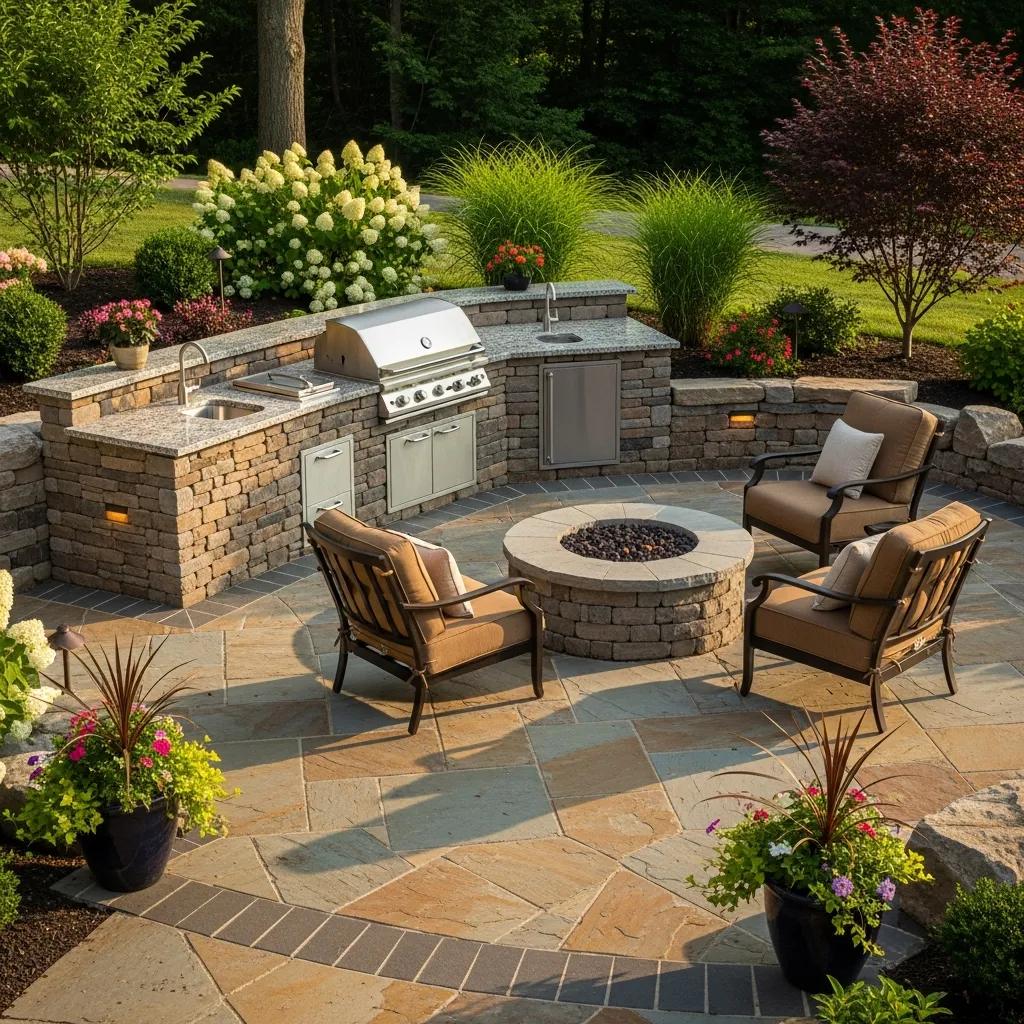
- Patios and terraces laid in natural stone or permeable pavers that define outdoor rooms and circulation.
- Pathways, steps, retaining walls, and pool coping that control elevation and provide durable surfaces.
- Outdoor kitchens, fire features, and driveways that anchor social areas and serve specific functions.
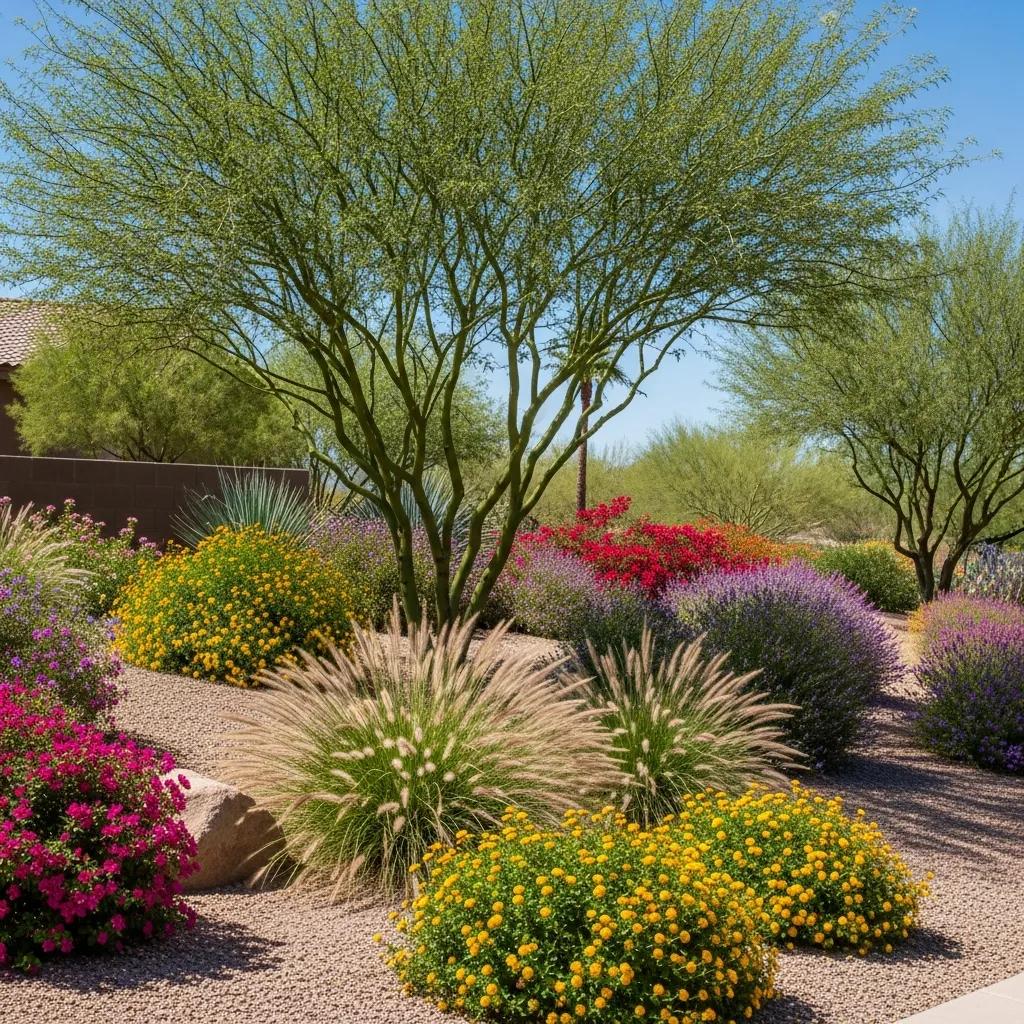
- Shade trees and structural shrubs that add vertical form and reduce heat near living areas.
- Drought-tolerant flowering plants, ornamental grasses, and groundcovers chosen for seasonal interest and low water use.
- Planting beds, mulch, and artificial turf options that keep a living layer while limiting upkeep.
Which Features Define Hardscape in Luxury Outdoor Spaces?
What Living Components Constitute Softscape in Arizona Landscapes?
Luxury Hardscape & Softscape Balance Island Pools and Landscaping AZ
- Visual cohesion: A considered mix of materials and plants creates rhythm, contrast, and a refined sense of place.
- Usability: Durable surfaces support dining and circulation while plantings define rooms and provide comfort.
- Value & sustainability: Proper proportions lower maintenance needs and improve water efficiency, protecting long-term value.
How Does Balance Enhance Aesthetic Appeal and Visual Harmony?
In What Ways Does Balance Improve Functionality and Outdoor Living Use?
What Are the Ideal Hardscape to Softscape Ratio Guidelines for High-End Arizona Homes?
| Yard Type | Recommended Hardscape : Softscape | Typical Materials / Maintenance Notes |
|---|---|---|
| Entertainment-focused | 60 : 40 | Generous patio with pavers and outdoor kitchen; moderate irrigation for surrounding plantings |
| Low-water / xeriscape | 40 : 60 | Gravel paths and clustered natives; minimal turf, low irrigation, seasonal pruning |
| Family-friendly | 50 : 50 | Durable pavers, optional artificial turf, shaded play areas; medium maintenance and safety surfaces |
Arizona Residential Landscape Preferences & Desert Design
Research in the Phoenix metro area examined homeowner preferences and common practices, finding that neighborhoods with CC&Rs tended to have fewer trees, more shrubs and groundcovers, and less turf. More homeowners described their front yards as “desert” rather than “oasis” or “mesic,” especially where covenants are strict, though many homeowners still prefer oasis-style yards when given the choice. The study highlights how local rules and preferences shape residential landscape choices in the desert Southwest.
Residential landscaping in Phoenix, Arizona, US: Practices and preferences relative to covenants, codes, and restrictions, 2003
How Do Luxury Homeowners Customize Ratios for Personal Outdoor Living Styles?
Which Factors Influence Ratio Decisions in Desert Climate Landscapes?
Optimizing Hardscape & Softscape for Outdoor Thermal Comfort
The study finds that landscape patterns can significantly influence mean radiant temperature (MRT) by managing solar absorption and reflection. Smaller, scattered hardscape layouts, together with a mix of light and dark surfaces, wood, and vegetated areas, reduce reflected solar energy. The authors recommend balanced hardscape/softscape layouts, integrated vegetation and water features, and the use of lighter materials in dispersed patterns to improve outdoor thermal comfort and sustainability.
The effective landscape design parameters with high reflective hardscapes: guidelines for optimizing human thermal comfort in outdoor spaces by design-a case on …, RA Abdelwahab, 2025
How Can You Integrate Pools and Water Features with Balanced Hardscape and Softscape?
- Choose edge treatments and coping that visually connect pool decks with patio materials and the home’s architecture.
- Create transition planting zones with low-litter, drought-tolerant species that tolerate occasional splash and pool chemicals.
- Arrange sightlines and focal points so the pool becomes an integrated part of the garden composition rather than an endpoint.
| Pool Edge Treatment | Maintenance | Best Plant Types |
|---|---|---|
| Natural stone coping | Moderate sealing; higher thermal mass | Agave, yucca, ornamental grasses (low litter) |
| Concrete / porcelain pavers | Low maintenance; choose slip-resistant finishes | Mediterranean salvias, tidy low-mess shrubs |
| Raised beam / retaining coping | Requires structural upkeep | Columnar trees with high canopies and sparse underplanting |
What Design Principles Ensure Harmony Between Pools and Surrounding Elements?
Which Materials and Plants Complement Pool Areas in Arizona Outdoor Living?
What Principles Guide Harmonious Hardscape and Softscape Integration?
| Principle | Practical Application | Expected Visual Effect |
|---|---|---|
| Proportion | Size patios for group seating and clear circulation paths | Comfortable, human-scaled spaces |
| Scale | Match plant and wall heights to the architecture | Balanced vertical relationships |
| Transition Zones | Create gradual changes from deck to planting beds | Smoother flow and softer edges |
How Do Proportion, Scale, and Transition Zones Create Visual Flow?
Why Are Color, Texture, and Focal Points Vital for Outdoor Design Balance?
How Does Island Pools and Landscaping AZ Craft Balanced Outdoor Living Spaces?
What Is Our Proven Process for Achieving Hardscape and Softscape Harmony?
How Do We Incorporate Drought-Tolerant Plants and Sustainable Materials?
- Planning: Detailed site survey and client briefing to set program and ratio targets.
- Design: Scaled plans with material palettes, planting lists, and phased construction scheduling.
- Build: Coordinated construction focused on drainage, soil prep, and finish details.
- Closeout: Final walkthrough, maintenance guidance, and project handover.