
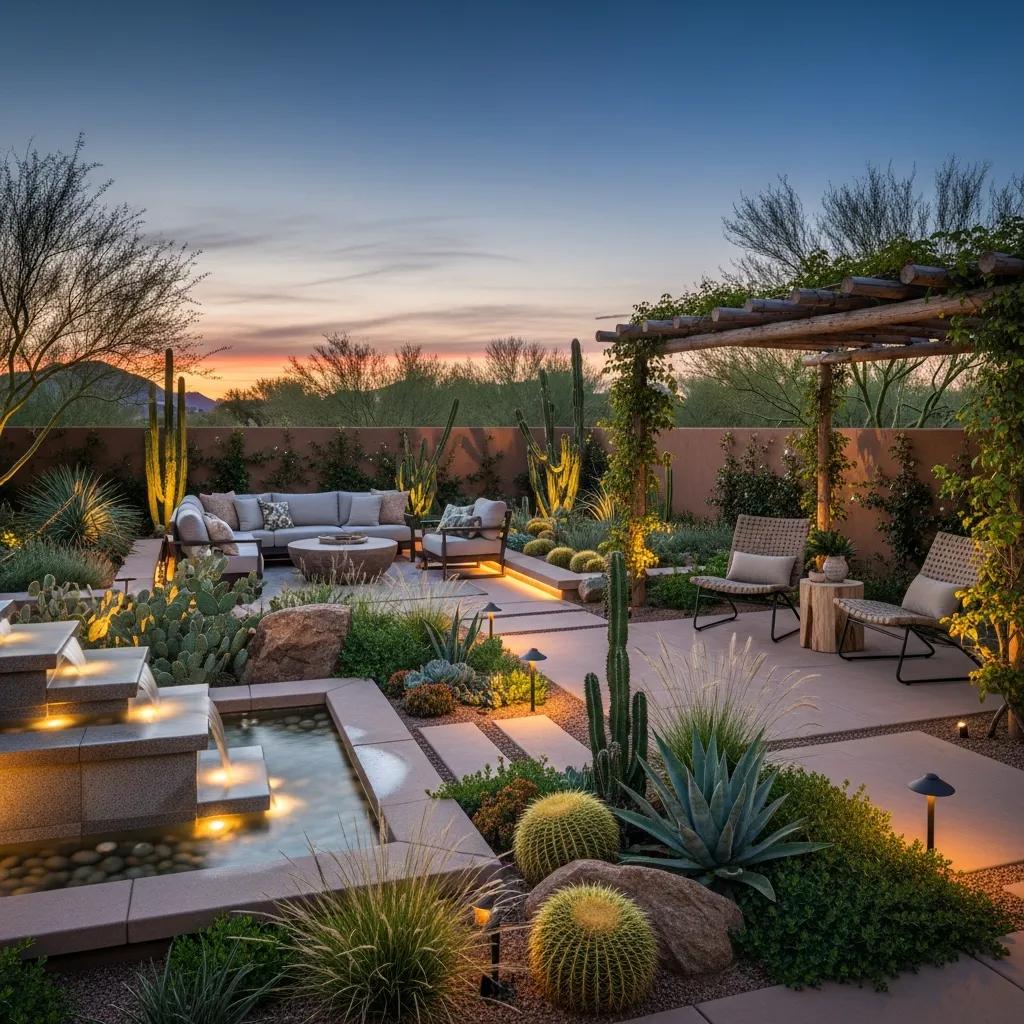
Designing Luxury Backyard Wellness Spaces in Arizona: Your Guide to an Outdoor Retreat

A luxury backyard wellness space in Arizona is thoughtful design made for the desert — purposeful layouts, climate-smart materials, and sensory details that invite rest, movement, and everyday recovery. Below we walk through how to plan meditation gardens, outdoor yoga platforms, and high-end backyard spas that account for Arizona heat, sun angles, and water limits while staying comfortable year-round and looking exceptional. You’ll find clear feature lists, a step-by-step plan for a Phoenix meditation garden, best practices for yoga areas, and a practical comparison of spa types built for the desert. We also cover plant palettes, surface choices, shade strategies, and sensory techniques so you can prioritize wellbeing, low maintenance, and resale value. Whether you’re phasing a remodel or planning a full pool-and-landscape overhaul, these strategies help you build an outdoor living space that improves daily life and increases property appeal.

What Makes a Luxury Backyard Wellness Space in Arizona?

A luxury backyard wellness space in Arizona is a carefully composed outdoor room that balances comfort, sensory design, and durable, low-maintenance materials to support health and relaxation. The best designs combine water, shade, privacy, and movement areas so each element — a quiet fountain, shaded lounge, or fragrant planting — actively contributes to wellbeing and usability. The main payoff is a private outdoor retreat that reduces stress, encourages activity, and extends your living area for both gatherings and quiet recovery. That definition points us to the high-end features and climate-driven adjustments that make a wellness landscape both beautiful and practical in the desert. Below are the core characteristics to prioritize.

Luxury backyard wellness spaces typically emphasize five priorities:

  • Thoughtful water elements that cool the air and create calming sound.
  • Purpose-built shade and orientation to control sun and heat.
  • Privacy screening with living and built elements for restorative calm.
  • Durable, low-heat surfaces and efficient irrigation for long-term sustainability.
  • Sensory layering — lighting, scent, texture, and soft acoustics — to enhance wellbeing.

Together, these priorities shape material and plant choices; the next section explains key features in more detail so you can apply them across Arizona microclimates.

Key Features of High-End Wellness Landscapes in Arizona
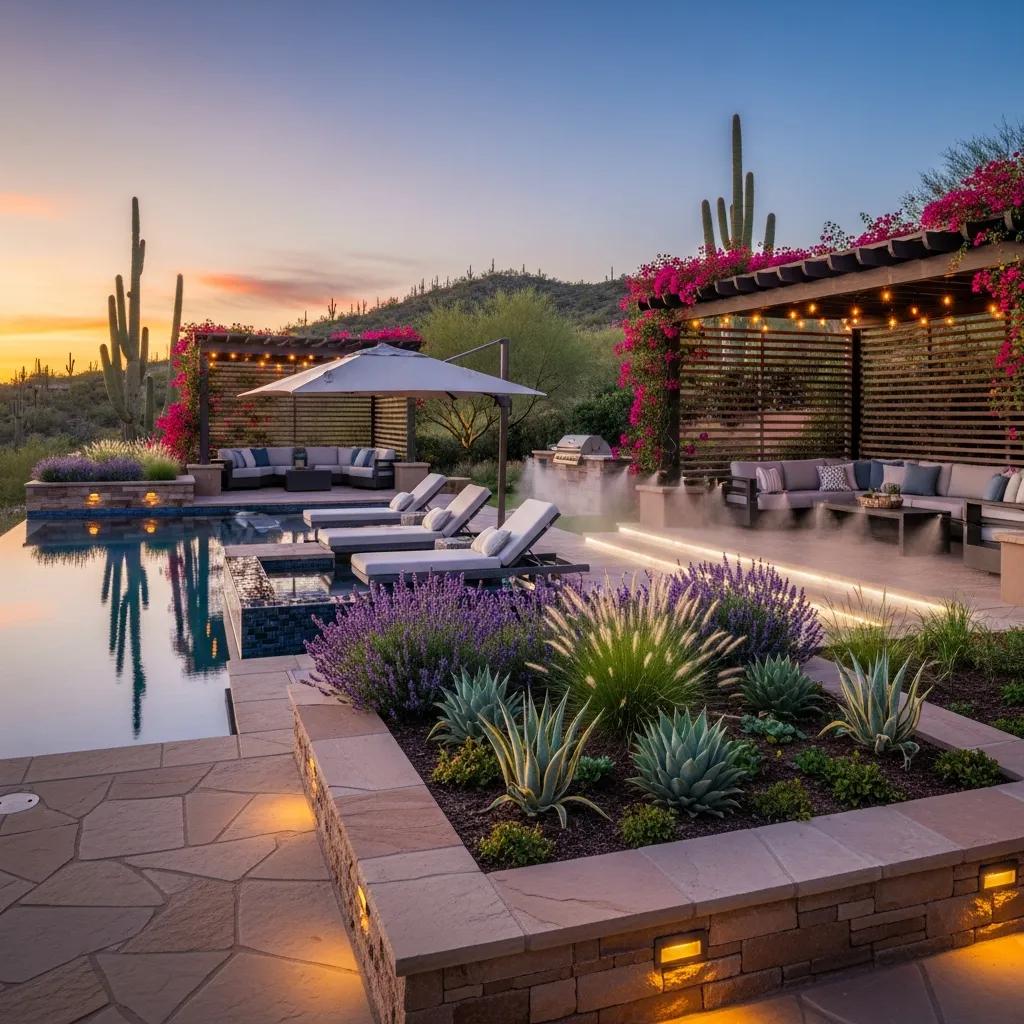
High-end wellness landscapes pair premium hardscapes, refined water features, integrated lighting, and resilient softscapes to create distinct outdoor rooms. Custom pool finishes and heated plunge pools act as focal points that offer visual luxury and hydrotherapy benefits. Shade — pergolas, tensile sails, or well-placed trees — reduces solar gain and extends usable hours for morning meditation or evening yoga. Low-heat decking, textured paving, and native stone create slip-resistant movement zones that are both elegant and practical. Lighting uses soft uplights, path lights, and hidden fixtures to build night-time ambiance while keeping areas safe and inviting.

Each element supports wellness by improving thermal comfort, encouraging movement, or promoting relaxation. Choose materials for low maintenance and low heat retention so the space remains usable in summer. Those choices lead directly into climate-driven strategies for deployment across Arizona’s varied microclimates.

How Arizona's Climate Shapes Wellness Design

Arizona’s strong sun, large day–night temperature swings, and seasonal monsoons demand intentional decisions about orientation, shade, and plant selection to make wellness spaces comfortable and resilient. Cooling strategies include placing seating to catch prevailing breezes and shading areas used during peak sun to lower surface temperatures and UV exposure. Monsoon season requires sound drainage details, robust materials, and irrigation that pairs drought-tolerant plants with the ability to survive heavy rainfall. Water-conscious landscapes do best with grouped, drip-irrigated palettes that put limited water where it delivers the most comfort and sensory value.

These climate realities inform material choices — light-reflective finishes, insulated spa covers, and permeable paving — to cut heat retention and runoff. With those constraints in mind, the next section shows how to site and build a meditation garden tailored to Phoenix conditions.

How to Design a Phoenix Meditation Garden for Deep Relaxation

A Phoenix meditation garden is a compact outdoor room that combines sheltered seating, sensory plantings, and subtle shelter to support a daily restorative routine. The design principle is straightforward: orient the space for cooler morning or evening use, add sound-masking elements like a small water feature or textured planting, and provide comfortable seating that invites repeat use. The outcome is a low-maintenance sanctuary where scent, texture, and calm visuals help focus the mind. Below is a practical checklist plus plant and material guidance to make a resilient meditation garden in a Phoenix microclimate.

Inspired by centuries-old traditions, Zen garden principles offer useful guidance for crafting calm, intentional outdoor rooms.

Zen Garden Design Principles for Luxury Wellness Spaces

This research examines Zen aesthetics as applied in temple garden layouts, tracing origins and core concepts of Zen-inspired landscapes. It summarizes practical elements and techniques found in historical examples and discusses how Zen philosophy informs spatial decisions, plant placement, and aesthetic choices. The study highlights cultural themes and offers practical recommendations for adapting Zen principles to contemporary wellness gardens.

The aesthetics of temple gardens: research on the application of Zen philosophical principles in the design of Zen-inspired landscapes, 2024

Use this practical checklist to lay out your meditation garden:

  1. Choose a sheltered orientation that captures morning or evening light while blocking the harsh afternoon sun.
  2. Place a simple focal point — a small fountain, sculpture, or framed view — where it’s visible from seating.
  3. Provide intimate, durable seating designed with thermal comfort in mind for hot months.
  4. Layer low-water, scented plantings and sound-masking textures to engage the senses gently.
  5. Add low-voltage, warm lighting for safe evening use and keep irrigation simple with zoned drip lines.

This checklist focuses on comfort, sensory balance, and easy upkeep, which sets up the plant and material choices discussed below.

Essential Ingredients for a Tranquil Meditation Garden

A tranquil meditation garden brings together comfortable seating, a quiet focal point, gentle approach paths, soft water sounds, and warm, low-level lighting to create a dependable setting for practice. Seat your benches or low walls so they face the focal point and benefit from shade; options include built benches, integrated seating walls, or low platform pads. Focal points — a bubbling fountain, an art piece, or a framed view — help train the eye and settle attention. Paths of compacted decomposed granite or smooth stone invite quiet approaches without loud footsteps. Low-voltage, warm-toned lighting extends evening use while keeping the mood calm.

Focusing on these essentials keeps the garden both restorative and low-maintenance. Next we compare plants and materials suited to Phoenix’s heat and water realities.

Selecting Plants and Materials for Phoenix

Pick drought-adapted plants that provide scent, texture, and seasonal blooms to enrich practice with minimal irrigation. Native and desert-adapted choices — ornamental grasses for movement, small shrubs for fragrance, and flowering perennials for seasonal color — deliver sensory benefits while conserving water. For paths and seating, favor materials that stay cool: light-colored pavers, composite decking, or shaded gravel. Drip irrigation paired with smart controllers focuses water to root zones and cuts waste, aligning plant selection with your maintenance expectations.

Match maintenance level to lifestyle: choose tough native shrubs for very low care, or add ornamental grasses and perennials if you’re willing to maintain a bit more texture and seasonal variety. These choices create the sensory backbone for meditation and broader wellness uses.

Best Practices for an Outdoor Yoga Space in Arizona
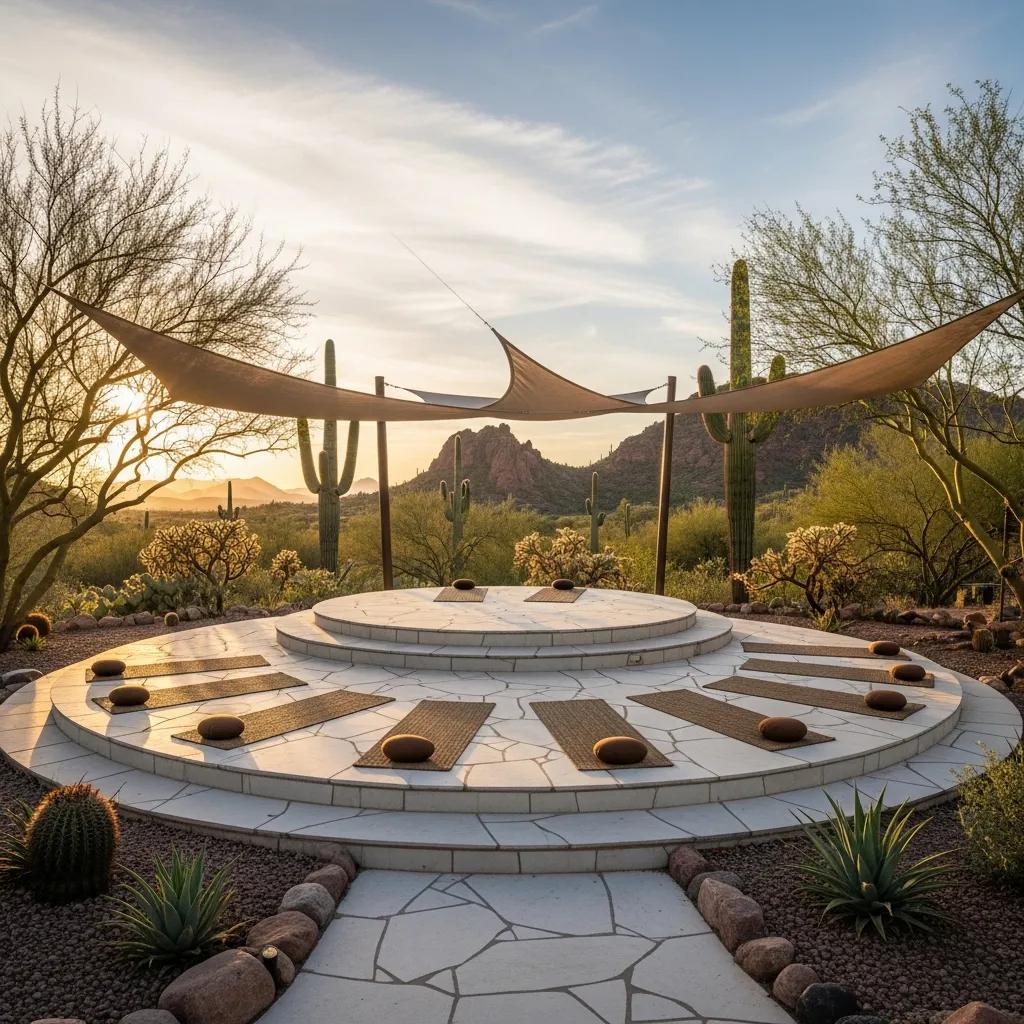
An outdoor yoga area in Arizona is a level, shaded platform built for movement, breath work, and grounding with the landscape. Good design provides a cool, non-reflective surface, clear movement zones, and visual privacy so practitioners can hold poses and breathe without overheating or slipping. The benefit is a dedicated spot that encourages regular practice and connects your routine to the outdoors. Below are practical guidelines and a brief surface comparison to help you pick a durable, comfortable solution.

Key guidelines for outdoor yoga spaces:

  • Choose a stable, low-heat surface that’s safe for barefoot practice and gentle on joints.
  • Orient and shade the area for cooler morning and evening sessions.
  • Include nearby storage for mats and props and easy access to water and towels.
  • Build visual and acoustic screening to reduce distractions and increase privacy.
  • Use soft lighting and subtle sound masking to support evening practice without disruption.

These practices help the yoga area remain usable and long-lasting. The section below compares common surface materials to help you decide.

Design Tips for Comfortable, Functional Yoga Areas

Pick surfaces that balance grip, comfort, and heat management for barefoot practice. Wood decking feels warm and slightly forgiving but can heat up unless shaded and finished in light tones; composite decking cuts maintenance but varies by product for heat retention. Compacted decomposed granite gives natural cushioning and breathability, while broom-finished or aggregate concrete can be tuned for cooler tones and anti-slip texture. Shade — pergolas, shade sails, or deciduous trees — lowers surface temperatures and expands usable hours.

Include nearby storage for mats, blocks, and towels to encourage regular use, and orient sightlines toward calming plantings or a water feature for focus. Those layout and material choices shape the sensory quality of practice and lead into how natural elements support yoga performance.

Using Natural Elements to Support Yoga Practice

Natural elements — plantings, gentle water features, and textured surfaces — enhance breath work and mindfulness by engaging the senses without overwhelming focus. Low, fragrant shrubs or ornamental grasses add subtle scent and soft rustle that aid grounding; a small white-noise water element behind the platform masks distant traffic and steadies auditory focus. Living screens and layered planting create soft visual boundaries that reduce distraction and foster enclosure. Choose low-maintenance species and place misters or targeted water features to cool the microclimate around the practice area.

These sensory strategies make the yoga space restorative and inviting across seasons. Next we cover spa features and mechanical planning for high-end backyard spas in Arizona.

How to Build a High-End Backyard Spa in Arizona

Building a high-end backyard spa in Arizona starts with integrated site planning, careful systems selection, and layered privacy so the feature offers thermal comfort, year-round use, and manageable maintenance. Match the spa type — plunge pool, hot tub, or wet deck — with heating, filtration, and cover systems to reach your seasonal comfort goals while keeping operations straightforward. Well-executed, a spa delivers hydrotherapy benefits and becomes a luxurious focal point for outdoor living, recovery, and social routines. Below we compare common spa features and then discuss privacy and comfort strategies.

The table below summarizes popular backyard spa options, focusing on complexity, maintenance, and seasonal comfort.

Feature TypeOperational ComplexityMaintenance LevelSeasonal Comfort in Arizona
Plunge PoolModerate (cooling + optional heater)Moderate (water balance)Excellent for cooling; can be heated for year-round use
Traditional Hot TubHigher (dedicated heating systems)Higher (chemical management)Very comfortable in cooler months; needs an insulated cover
Wet Deck / Shallow SpaModerate (shared pool systems)Moderate (shared filtration)Versatile for cooling and shallow soaking throughout the year

Choosing Spa Features That Fit Arizona Outdoors

Pick spa types and mechanical systems that balance thermal aims with water efficiency and straightforward maintenance. Plunge pools are great for cooling and recovery and, if designed with a heater, can provide seasonal warmth while using less energy than larger, warm-volume tubs. Traditional hot tubs deliver warm hydrotherapy but require good insulation, efficient heaters, and routine chemical care to stay cost-effective. Wet decks or shallow spa areas integrated into pools share filtration and offer flexible temperature use with cohesive visual flow across the yard.

Plan systems around efficient heaters, insulated covers, and serviceable filtration to minimize upkeep. Those equipment choices inform layout decisions for privacy and thermal performance, which we discuss next.

Intro to EAV table: The table below offers a quick comparison of spa feature options by complexity and maintenance implications to aid decision-making.

Spa FeatureComplexityMaintenance Implication
Plunge PoolModerate installation, optional heaterRegular water balance; lower heating demand than large hot tubs
Hot TubComplex (dedicated heater, controls)Frequent chemical and filter maintenance
Wet DeckIntegrated with pool systemsShared filtration simplifies some tasks but requires coordinated management

Adding Privacy and Comfort to Your Spa Area

Privacy and thermal comfort are central to a spa’s restorative value. Combine living screens, wind breaks, and solar control to enjoy the spa year-round without sacrificing views or design. Rows of narrow trees or tall shrubs provide soft enclosure and sound buffering; built elements like pergolas or privacy walls offer immediate separation. Wind mitigation using masonry screens or strategic planting reduces heat loss when the spa is heated and improves comfort. Use insulated covers, smart heaters, and pergolas with retractable shade to lower operating costs and improve comfort.

Layered, glare-free lighting creates a soothing evening atmosphere, and textured paving improves traction around wet edges. Applied together, these strategies produce a spa that prioritizes comfort, privacy, and efficient systems operation. After the spa discussion, we’ll outline the broader benefits custom wellness landscapes bring to homeowners.

What Benefits Do Custom Wellness Landscapes Deliver in Arizona?

Custom wellness landscapes provide measurable lifestyle, health, and property-value advantages by aligning outdoor design with how homeowners live and with local climate realities. When landscapes are designed around wellness goals — meditation, movement, recovery, or socializing — they encourage daily healthy habits, lower stress, and expand usable living space. From a market perspective, integrated, low-maintenance systems and high-quality materials appeal to buyers looking for turnkey outdoor living, which can strengthen resale positioning. The end result is a tailored outdoor environment that improves daily life and communicates clear value at sale time.

Primary benefits of a wellness-focused landscape include:

  • Better daily wellbeing through spaces designed for relaxation and movement.
  • Stronger lifestyle amenities that support entertaining and family routines.
  • Improved curb and market appeal from integrated, low-water designs.
  • Lower long-term maintenance and water costs when using drought-wise systems.

Personalizing Your Outdoor Space for Health and Lifestyle

Personalization begins by naming your primary wellness goals — quiet meditation, regular yoga, hydrotherapy recovery, or social entertaining — and matching features to those goals. For recovery-focused yards, prioritize a heated plunge or spa, shaded recovery seating, and low-impact movement surfaces. For quiet retreats, emphasize dense sensory plantings, a small water element, and intimate lighting for evening use. Align material and irrigation choices with your preferred maintenance level so the space stays inviting without excess upkeep.

This alignment between intent and features increases the chance you’ll actually use and benefit from the space every day. Next, we’ll connect these personal gains to property value and resale messaging. How custom designs improve property value and lifestyle

Custom wellness landscapes don’t just improve daily life — they create compelling selling points by showcasing integrated outdoor living that functions year-round in Arizona’s climate. Quality materials, seamless integration with the house, and low-water plant palettes signal a thoughtful investment attractive to buyers seeking move-in-ready outdoor amenities. Keeping thorough documentation — before-and-after photos, maintenance plans, and clear system descriptions — makes it easier to communicate value to prospective buyers. The lifestyle story — daily wellness, outdoor entertaining, and low-maintenance luxury — often translates into stronger market interest.

When you’re ready to move from idea to execution, professional consultation helps translate wellness goals into a phased remodel or full backyard transformation. Island Pools and Landscaping offers consultation services and serves as an information resource for luxury pool remodeling and wellness landscape planning; homeowners are encouraged to request a consultation to review portfolios and timelines tailored to Arizona conditions. That next step turns design guidance into a practical plan for a lasting backyard wellness space.

Frequently Asked Questions

What should I consider when maintaining a luxury backyard wellness space in Arizona?

Maintenance focuses on durable materials and water-wise planting. Choose drought-tolerant species, use zoned drip irrigation with a smart controller, and select hardscape materials that resist heat and fading. Keep water features clean and free of debris, and verify drainage and anchors before monsoon season. Periodic checks of shade structures and seating will prevent small issues from becoming costly repairs.

How can I make my backyard wellness design more sustainable?

Use native and drought-adapted plants, install rainwater catchment where practical, and choose permeable paving to reduce runoff. Add solar-powered or low-voltage lighting and consider energy-efficient heating for spas. These choices reduce water and energy use while keeping your outdoor space comfortable and resilient.

Which plants work best in an Arizona wellness garden?

Pick low-water, heat-tolerant plants that offer scent and seasonal interest: native wildflowers, agave, desert-adapted shrubs, and aromatic herbs like rosemary or lavender. Ornamental grasses add movement, while flowering perennials provide color and pollinator value. Group plants by water need and use drip irrigation to keep roots healthy with minimal waste.

How can I enhance the sensory experience in my outdoor wellness area?

Add small water features for steady, calming sound; mix textures with soft grasses and rough stone; and incorporate scented plants for subtle aroma. Layer warm, low-level lighting for evening use and use living screens or sound-masking elements to reduce noise from nearby streets. These details make the space feel inviting and restorative.

What are the benefits of adding a meditation garden?

A meditation garden creates a dedicated spot for mindfulness and daily restoration, helping reduce stress and improve focus. It also serves as a beautiful landscape element that boosts curb appeal. With the right plantings and a small water element, it becomes a reliable place for quiet practice and emotional recovery.

How can I ensure privacy in my outdoor wellness area?

Use living screens—rows of tall shrubs or narrow trees—or build pergolas and privacy walls to block sightlines. Raised beds, trellises with climbing plants, and layered planting beds add depth while increasing seclusion. Combining living and built elements gives privacy without sacrificing style.

Conclusion

Designing a luxury backyard wellness space in Arizona delivers lasting benefits: better relaxation, more movement, and added property value. Thoughtful choices that respond to local climate — shade, plant selection, efficient irrigation, and durable materials — let you create an outdoor sanctuary you’ll use every day. When you’re ready to turn ideas into plans, a professional consultation can clarify scope, phasing, and costs. Explore our services to begin transforming your yard into a comfortable, healthy, and beautiful outdoor retreat.