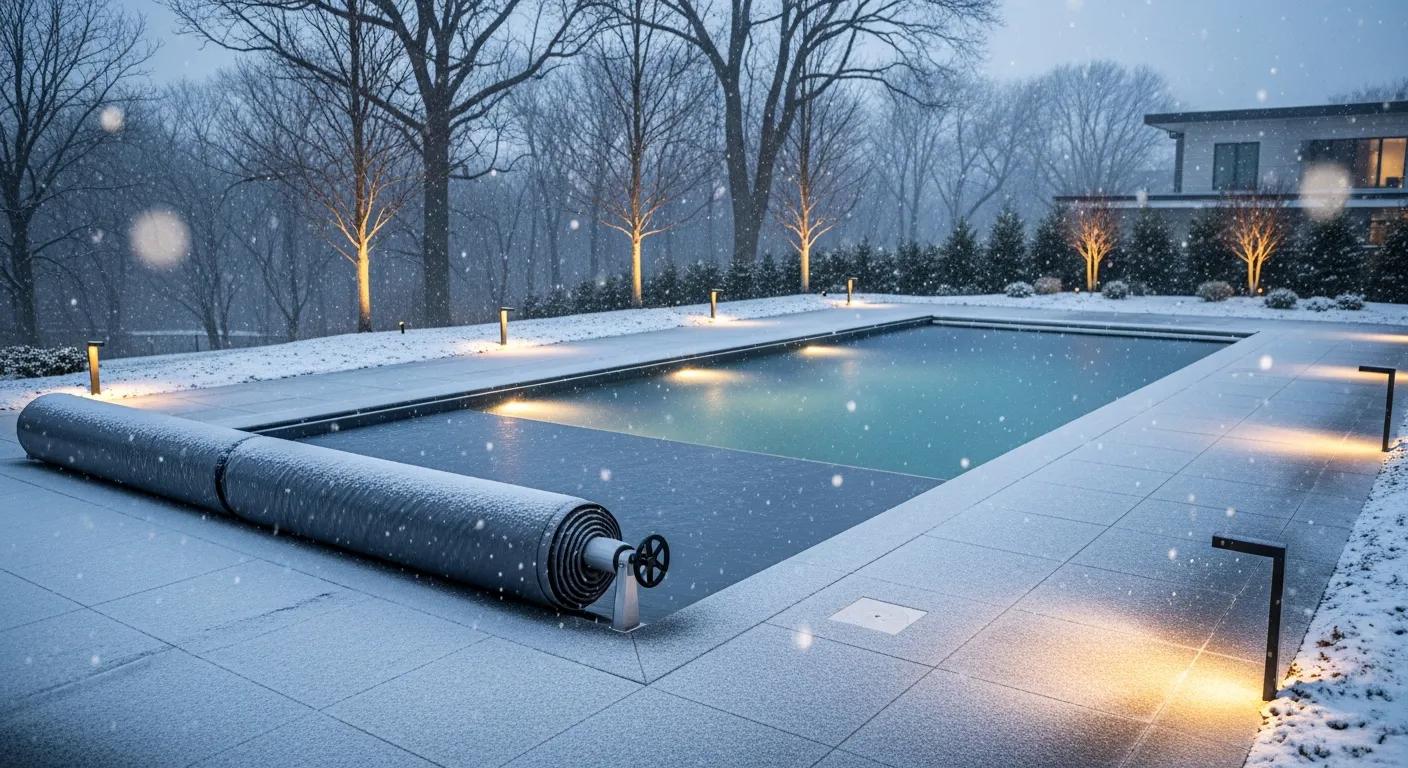
Luxury pool covered for winter in snowy setting, showcasing off-season care and maintenance for Arizona homes, with surrounding landscape lighting and snow-covered patio.

Winterize Your Luxury Pool — Start Today

Winterizing a high‑end Arizona pool is a tailored blend of deep cleaning, equipment protection, and water management designed for our region’s off‑season realities. This guide explains why premium pools need a different approach than standard installations, walks through a practical step‑by‑step winterization checklist, and shows how homeowners protect delicate finishes, integrated systems, and landscape work. Arizona properties face wide temperature swings, dust intrusion, and rapid evaporation — all of which increase the risk of staining, mechanical wear, and water loss if left unaddressed. The solution is precision cleaning, stabilized chemistry, mechanical isolation, and the right cover plus monitoring so your pool is spring‑ready without costly repairs. Below we cover Phoenix and Scottsdale microclimates, a numbered checklist with ideal chemistry targets, equipment protection tactics including smart integration, a comparison of premium covers and safety features, and a realistic timeline for scheduling professional closings. We also highlight drought‑aware water conservation and energy‑efficient options and explain how Island Pool and Landscaping’s premium process protects high‑value outdoor living investments while keeping practical homeowner guidance front and center.

Why Luxury Pools in Arizona Need a Specialized Winterization Plan

Luxury pools demand a focused winterization plan because their finishes, automation, and integrated systems are more sensitive to environmental stress. A correct program combines debris management, chemical stabilization, mechanical isolation, and the proper cover to cut evaporation, prevent staining, and protect electronics. The payoff: fewer spring repairs and longer equipment life for complex builds. Features like automation, heaters, water displays, and premium tile are more vulnerable to pH swings, gritty debris, and intermittent circulation — so a specialized process isn’t optional, it’s essential. Recognizing these higher‑value risks informs every winterization decision for high‑end properties.

What Winter Challenges Are Unique to Arizona Pools?

Arizona brings specific off‑season stressors that change how pools should be cared for. Dust storms and seasonal pollen settle quickly on surfaces and in skimmers, so early debris removal is critical to avoid staining and circulation problems. Large day‑to‑night temperature swings weaken sanitizer effectiveness and raise algae risk when circulation is reduced; some elevated or exposed lots can also see nights near freezing that threaten exposed plumbing and equipment. Evaporation concentrates minerals, increasing the chance of calcium scaling and staining when turnover is low. To reduce these risks, keep covers free of abrasive debris, maintain baseline circulation when practical, and test chemistry periodically so small imbalances don’t damage finishes — measures that fit neatly into a professional winterization plan.

How Winterization Protects High‑Value Pool Investments

A proper winterization program protects luxury pools by cutting common failure modes, preserving finishes that define the outdoor space, and creating service records that support warranties and resale. Mechanically, isolating and draining vulnerable components prevents freeze cracks and seal failures; chemically, stabilization prevents algae, scale, and discoloration that can require expensive surface work. Keeping pH, alkalinity, and calcium hardness in range preserves plaster, tile, and stone coping from etching and staining. Regular service notes and chemistry logs also give homeowners and builders a clear record of care that helps with warranty claims or maintenance decisions. These outcomes lead into the practical checklist below.

Essential Steps for Arizona Pool Winterization

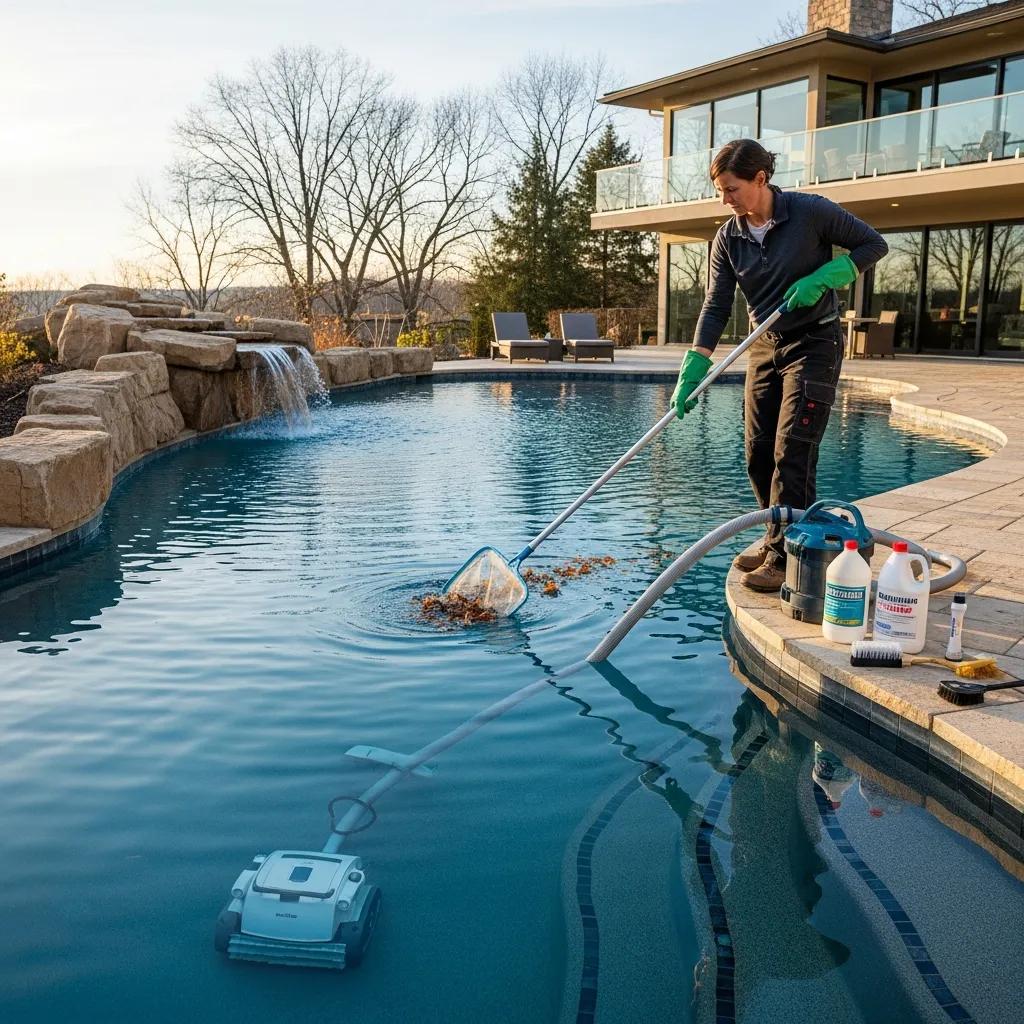
Homeowner performing essential winterization steps on a luxury pool, using a skimmer to remove debris, with cleaning equipment and chemical supplies nearby, showcasing a well-maintained outdoor space.

Arizona winterization follows a straightforward sequence: targeted cleaning, precise chemical balancing, equipment isolation, and cover installation — all carried out with luxury finishes and automation in mind. The order is simple: remove debris, stabilize chemistry to winter targets, protect mechanical systems, then install a cover to reduce evaporation. The reward is a smoother spring reopening with preserved finishes and maintained warranties. Use the checklist below to guide a DIY close or to scope a professional service.

  1. Perform advanced debris and surface cleaning to remove leaves, dust, and biofilm.
  2. Balance pH (see targets below), total alkalinity, calcium hardness, and residual sanitizer.
  3. Apply long‑lasting oxidizers and preventative algaecide when circulation will be reduced.
  4. Drain or isolate pumps, heaters, and automation peripherals per manufacturer guidelines.
  5. Install an appropriate premium cover and document the closing with photos and chemistry logs.

This sequence is the framework; the sections that follow expand on cleaning techniques and the precise chemistry ranges needed to execute each step correctly.

Before you start cleaning and dosing, Island Pool and Landscaping offers a premium winterization service that blends design awareness with field precision. We prioritize protecting luxury finishes and automation through documented procedures and an owner‑ready report. For homeowners who want a consultative close, a professional process closes the gap between DIY checklists and fully documented care.

Chemical parameters play distinct roles during winterization — the quick reference table below makes those roles easy to compare for decision‑making.

ParameterIdeal Winter RangeRationale
pH7.4 – 7.6Keeps sanitizer effective while minimizing surface etching
Total Alkalinity80 – 120 ppmBuffers pH swings during temperature changes
Calcium Hardness200 – 400 ppmPrevents plaster etching and scale formation
Free Chlorine (Residual)1 – 3 ppm (stabilized)Maintains residual protection without over‑chlorination
Cyanuric Acid (stabilizer)30 – 50 ppmProtects chlorine from UV degradation while avoiding clouding

This chemistry snapshot highlights how each parameter reduces specific risks and helps owners or technicians choose the right interventions for a pool’s finish and equipment profile.

How to Perform Advanced Cleaning and Debris Removal

Advanced cleaning is the first defensive step and pairs bulk debris removal with gentle surface care suited to premium materials. Start by skimming and emptying skimmer and pump baskets, then vacuum settled debris with a low‑abrasion head to avoid grit‑driven wear on tile and stone coping. For waterline buildup, use pH‑neutral cleaners or manufacturer‑recommended products and soft brushes rather than aggressive scrubbing. For stubborn stains or organic films, schedule professional stain treatment or pressure washing that respects finish tolerances. Proper cleaning reduces finish wear and sets the stage for stable chemistry.

Tools and sequence for a pro‑level clean:

  • Skimmer net and routine basket maintenance to remove floating debris.
  • Low‑abrasion vacuum and soft‑bristled brushes for floors and walls.
  • pH‑neutral tile cleaners and targeted stain treatments, used sparingly and rinsed thoroughly.

Consistent use of these tools and methods prevents surface damage and reduces the need for reactive restoration, which leads directly into precision chemical balancing.

Process for Precision Chemical Balancing

Precision balancing stabilizes water so finishes and equipment remain protected through cooler temperatures and lower turnover. Start with a full water test for pH, alkalinity, calcium hardness, free chlorine, and cyanuric acid, then adjust alkalinity before pH so buffers work correctly — that order protects finishes. In Arizona winters, use long‑lasting oxidizers and moderated algaecides to maintain residual protection when pumps run less often, and consider phosphate control where dust and landscape runoff increase nutrient loads. Test chemistry every 2–4 weeks during the off‑season or use remote monitoring if available; keeping records also supports warranties and resale. The table below restates winter targets with practical dosing notes.

Winter dosing reference:

Chemical MetricWinter TargetImplementation Note
pH7.4–7.6Adjust with small doses; retest after mixing
Alkalinity80–120 ppmUse sodium bicarbonate to raise; aeration to lower
Calcium Hardness200–400 ppmTreat high hardness conservatively to avoid precipitation
Free Chlorine1–3 ppmUse stabilized chlorine or a slow‑release oxidizer
Algaecide / Phosphate ControlPreventive dosingApply per label to limit algal blooms during low circulation

Keeping chemistry in these ranges reduces staining and microbial risk while protecting finishes and mechanical components; the next priority is safeguarding the pool’s equipment.

How Arizona Homeowners Can Protect Pool Equipment Over Winter

Protecting equipment on luxury pools blends correct shutdown sequences, targeted drainage, and weatherproofing electronics to prevent freeze, dust, and corrosion damage. The approach uses mechanical isolation, controlled draining or desiccation, and protective coverings to extend pump and heater life and avoid seal or diaphragm failures. The homeowner benefit is fewer emergency repairs, lower spring commissioning costs, and reliable performance from integrated systems. Below is a practical breakdown of common equipment, failure modes, and recommended protection frequency.

Equipment table — risks and protection:

EquipmentRisk / Failure ModeProtection Method / Frequency
PumpSeal/shaft corrosion from stagnationDrain strainer, remove baskets, cover (annual)
FilterResidual debris, freeze crackingBackwash/clean, depressurize, dry‑lid (annual)
HeaterCorrosion and freeze damageIsolate, drain water‑side, professional service (annual)
Automation ControllerDust and moisture damageRemove batteries, install weatherproof cover, monitor remotely (seasonal)
Plumbing LinesLow‑point freeze and crackingBlow out lines or install low‑point drains (seasonal)

These protection methods clarify the effort and ROI for each system and lead into step‑by‑step techniques for pumps, filters, and heaters.

Techniques to Safeguard Pumps, Filters, and Heaters

Start equipment protection with a correct shutdown sequence: power down, isolate valves, relieve pressure, then drain low points. Remove and store detachable parts like pump baskets, and clean filter grids or DE elements to avoid trapped organic matter that can corrode components or cause odors. For heaters, follow the manufacturer’s instructions: isolate fuel or electrical supplies, drain water‑side components, and schedule a professional inspection to check seals and combustion chambers. Protect electronic controllers and variable‑speed drives with weatherproof covers and desiccants, or remove them if they’re exposed to dust storms. Record serial numbers and service steps to support warranty claims. These precautions lower mechanical failure risk and prepare the system for smart monitoring options.

How Smart Pool Technology Strengthens Winter Protection

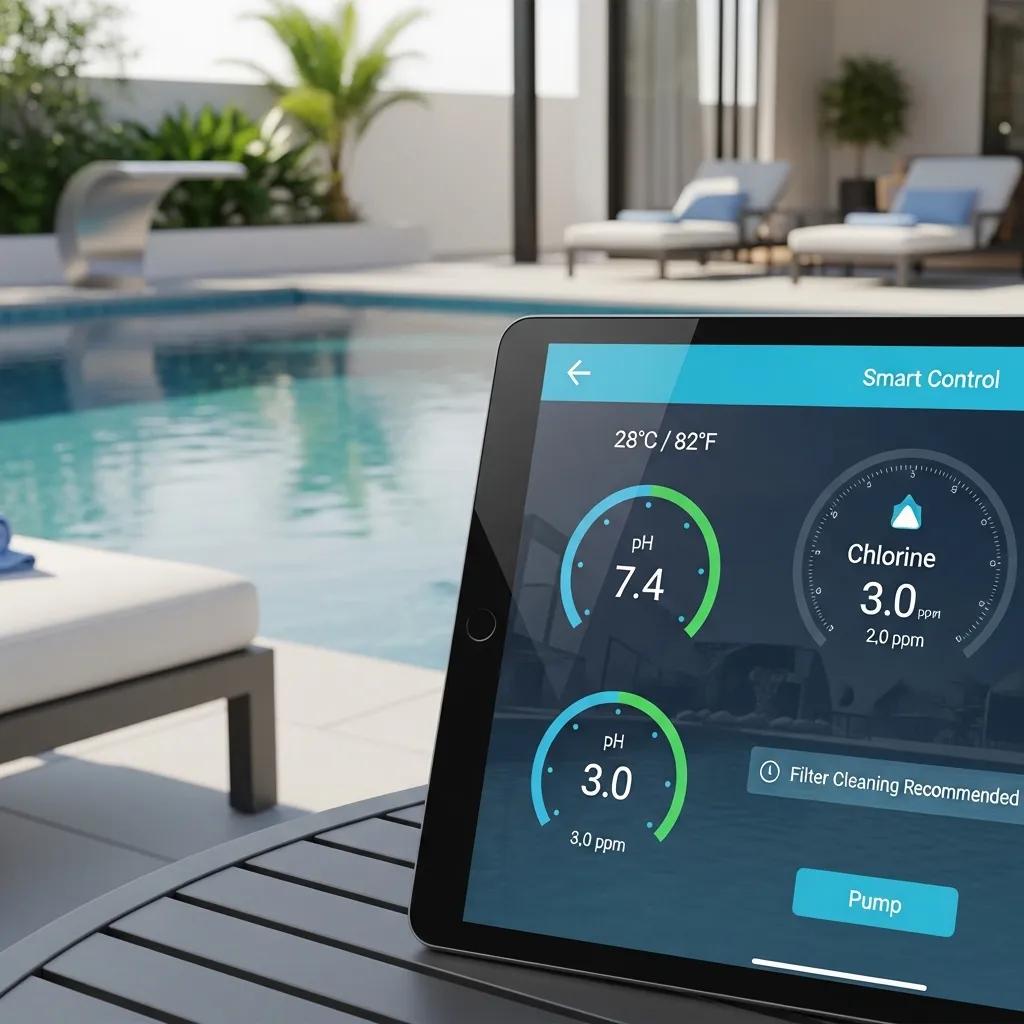
Smart pool technology interface displaying pH and chlorine levels for luxury pool maintenance, with a serene poolside setting featuring lounge chairs and tropical plants.

Smart controllers and sensors add an important layer of protection by sending remote temperature alerts, reporting chemistry, and enabling automated dosing so sanitizer and pH stay within targets during reduced circulation. These systems can detect steep overnight temperature drops and trigger circulation cycles or heater thresholds to avoid localized freezing or chemistry collapse. Automated dosing preserves residual sanitizer and adjusts pH, reducing manual testing and curbing algae risk in low‑use months. Smart logs also create a digital record of chemistry and runtime that supports warranty documentation and service decisions on complex builds. Remote monitoring reduces site visits while keeping mechanical and finish protections active.

Best Luxury Pool Covers and Safety Features for Arizona Winters

Choosing the right premium cover protects water, finishes, and people — and it should balance appearance, automation compatibility, and environmental performance. A well‑chosen cover blocks debris, reduces evaporation, and helps stabilize temperature; thermal and automated systems further cut energy use and chemical loss. Covers also serve safety and landscape integration roles on luxury properties. The comparison below helps homeowners decide which premium cover type best fits an estate‑scale pool.

Premium cover comparison:

Cover TypeMaterial / R‑value / SafetyBest Use Case / Pros & Cons
Automatic Rolling CoverPolypropylene or vinyl solid panels; moderate to high R‑value; good safetyIdeal for estates needing convenience and clean aesthetics; higher cost but excellent for frequent use
Thermal BlanketLightweight polymer; moderate R‑value; limited safetyCost‑effective for evaporation and heat retention; less debris and safety protection
Solid Safety CoverHeavy‑duty reinforced fabric; high safetyMaximum debris and child‑safety protection; requires anchors and a professional install
Designer‑Integrated CoverCustom materials and finishes; variable R‑valueSeamlessly matches landscape design; premium aesthetic for showpiece pools

Comparing these attributes clarifies trade‑offs between convenience, energy savings, and safety, and leads into how covers specifically conserve water and energy in Arizona.

Which Premium Pool Covers Are Available?

Premium covers range from automatic reel systems and solid safety covers to thermal blankets and bespoke designer solutions that conceal hardware in the landscape. Automatic covers are the most convenient for high‑traffic estates and integrate with pool automation to close on schedule. Solid safety covers offer the best debris exclusion and child‑safety protection. Thermal blankets are a lower‑cost option that reduce evaporation and heat loss but usually require a reel or manual handling. Designer‑integrated covers use custom materials and concealed hardware to preserve the look of a high‑end yard. Match the cover type to use patterns, aesthetic priorities, and your water‑conservation goals.

How Covers Help Save Energy and Water

Covers cut evaporation and heat loss, reducing daily water top‑offs and heater run time — that translates to measurable energy and water savings in Arizona’s dry climate. Thermal covers commonly reduce heat loss by roughly 30–50% depending on conditions, so heaters run less and pools retain temperature with less energy. Reduced evaporation also slows chemical depletion, lowering sanitizer and pH adjustments and conserving treatment chemicals. In drought‑sensitive areas, fewer refills support local conservation goals and reduce utility costs. Paired with proper winterization, a premium cover is a cost‑effective investment.

When and How to Schedule Professional Pool Closings in Phoenix & Scottsdale

Schedule a professional closing when nightly lows show a sustained trend near or below about 40°F — typically mid‑December through January in many neighborhoods, though higher‑elevation or exposed lots may need an earlier close. Timing should be risk‑based: act when temperature swings and weather patterns raise freeze or contamination risk so you’re ahead of potential damage. A professional closing delivers documented chemistry stabilization, equipment isolation, and cover installation that reduce spring reopening work and protect warranties. The short timeline below helps homeowners decide when to book service.

  1. Watch forecast trends in late November and early December; schedule a closing when sustained cooler nights begin.
  2. Arrange a site assessment to document equipment, finish materials, and any special conditions before the appointment.
  3. Expect on‑site chemistry testing, mechanical shutdown and drain, cover installation, and a post‑service report.

This timeline explains when to act, what a professional scope should include, and how to prepare for a consultation.

Benefits of Expert Winterization Services

Professional winterization lowers repair risk, creates documented records for warranties and resale, and saves homeowners time and uncertainty over the off‑season. Certified technicians follow manufacturer shutdown sequences for pumps and heaters, apply precision chemical programs, and install covers correctly for durable protection. Service records and chemistry logs build a defensible trail that can simplify warranty claims and provide accountability for quality. In short, expert service converts technical complexity into homeowner peace of mind and a lower total cost of ownership at spring commissioning.

Preparing for a Consultation with Island Pool and Landscaping

Before your consultation, gather clear photos of the pool and equipment pad, note equipment make and model numbers if visible, and list finish materials, cover preferences, or automation platforms you have or want. Share details about water features, fountains, or integrated landscape elements that affect draining and cover installs, and have any warranty or builder documentation handy. The consultation will include a site assessment, a written estimate outlining chemistry targets and mechanical actions, and a recommended timeline for closing. Scheduling early in the cooler season helps secure priority service and keeps your luxury pool protected through Arizona’s variable winters.

Frequently Asked Questions

1. What specific maintenance tasks should I perform during the winter months?

During winter, check your pool’s chemistry regularly to keep pH, alkalinity, and chlorine within target ranges. Clear debris from covers and skimmers to prevent staining and circulation issues, monitor water level, and inspect equipment for signs of wear. Address irregularities quickly to avoid costly spring repairs. Regular, simple checks help maintain the pool’s condition and make reopening easier.

2. How can I tell if my pool cover is suitable for winter conditions?

Evaluate your cover’s material and R‑value to understand insulation performance. A good winter cover should be durable, weather‑resistant, and fit securely to prevent debris buildup. Look for UV resistance and safety ratings if children or pets are present. Inspect the cover regularly for wear and ensure it’s properly installed to maximize protection over winter.

3. Are there any eco-friendly options for winterizing my pool?

Yes. Consider biodegradable cleaners and natural algaecides where appropriate, and use a solar or thermal cover to retain heat and reduce evaporation. Smart monitoring systems also optimize chemical use and reduce waste. These choices protect your pool while supporting sustainable water use in our region.

4. What should I do if I missed the ideal winterization window?

If you missed the ideal window, assess the pool’s current condition: check chemistry, look for algae or stains, and clear debris. You can still perform winterization tasks, but if freezing is likely, consider professional help to ensure proper protection. Acting late is usually better than not acting at all.

5. How does winterization affect my pool's energy efficiency?

Proper winterization improves energy efficiency by stabilizing water chemistry and using a high‑quality cover to reduce heat loss and evaporation. That lowers heater runtime and the need for chemical top‑ups, saving on utilities and extending equipment life. A well‑winterized pool is easier and less energy‑intensive to reopen in spring.

6. What are the benefits of using a professional service for winterization?

Professional winterization brings specialist knowledge of complex systems and finishes. Technicians ensure steps are performed correctly — from chemical balancing to equipment protection — minimizing damage risk. They also provide documentation that supports warranties and resale value, and save you time and uncertainty during the off‑season.

7. Can winterization help with pool resale value?

Yes. Comprehensive winterization preserves finishes and equipment, preventing costly damage and maintaining the pool’s appearance. Documented winterization records reassure potential buyers about maintenance history, making the pool a stronger selling point when it’s time to list the property.

1. What is the best time to winterize a luxury pool in Arizona?

Plan to winterize when nighttime temperatures consistently trend near or below 40°F — typically mid‑December through January in many Phoenix and Scottsdale neighborhoods. Monitor forecasts and schedule a closing as soon as sustained cooler nights appear, and move earlier for high‑elevation or exposed lots.

2. How can homeowners ensure their pool cover is effective?

Choose a cover that suits your needs — consider material, R‑value, and safety features — and maintain it regularly. Keep the cover clear of debris, inspect for wear, and ensure proper installation and fastening to prevent water pooling and damage. A quality cover installed correctly will cut evaporation and protect the pool.

3. What are the signs that a luxury pool needs winterization?

Watch for increasing debris, fluctuating water levels, persistent chemistry imbalances, or equipment strain (unusual pump or heater noises). If temperatures are falling or you see algae growth, it’s time to winterize. Regular checks catch small issues before they become expensive.

4. Can I winterize my pool myself, or should I hire a professional?

Some owners can handle basic winterization, but for luxury pools with complex systems and sensitive finishes we recommend a professional. Certified technicians perform advanced cleaning, precise chemical balancing, and proper equipment protection — and they provide documentation that supports warranties and resale value.

5. What are the risks of not winterizing a luxury pool in Arizona?

Skipping winterization can result in equipment damage from freezing or dust, staining from debris buildup, and algae growth from poor chemistry — all of which may require costly repairs. Unprotected finishes can etch or discolor, raising spring reopening costs and risking long‑term value.

6. How does smart technology improve winterization processes?

Smart systems deliver remote alerts for temperature and chemistry, automate dosing and circulation, and maintain a digital log of runtime and water readings. That leads to faster responses to temperature drops or chemistry shifts, fewer site visits, and clearer service records to support warranty and maintenance decisions.

7. What should I do if I notice issues with my pool during winter?

If you see unusual water levels, debris buildup, or equipment problems, start by checking chemistry and clearing visible debris. If problems persist, contact a professional for assessment. Early intervention prevents larger issues and protects your investment.

When to Schedule AZ Pool Closings - Island Pools and Landscaping AZ

Winterizing a luxury pool in Arizona is a practical investment in longevity, curb appeal, and peace of mind. A comprehensive winterization plan — combining targeted cleaning, precise chemistry, equipment protection, and the right cover — reduces repair costs and extends the life of your pool’s finishes and systems. Professional service delivers meticulous care and documentation so you can enjoy a worry‑free spring reopening. Schedule your winterization consultation with Island Pool and Landscaping to protect your outdoor investment this season.

When to Schedule AZ Pool Closings - Island Pools and Landscaping AZ

Winterizing your luxury pool in Arizona is essential for keeping its beauty and performance through the off‑season. A tailored plan of thorough cleaning, accurate chemical balancing, and careful equipment protection lowers repair risk and extends your investment’s lifespan. Professional services ensure meticulous execution and provide documentation that supports warranties, giving you confidence for a smooth spring reopening. Contact Island Pool and Landscaping today to schedule your winterization consultation and safeguard your outdoor oasis.