
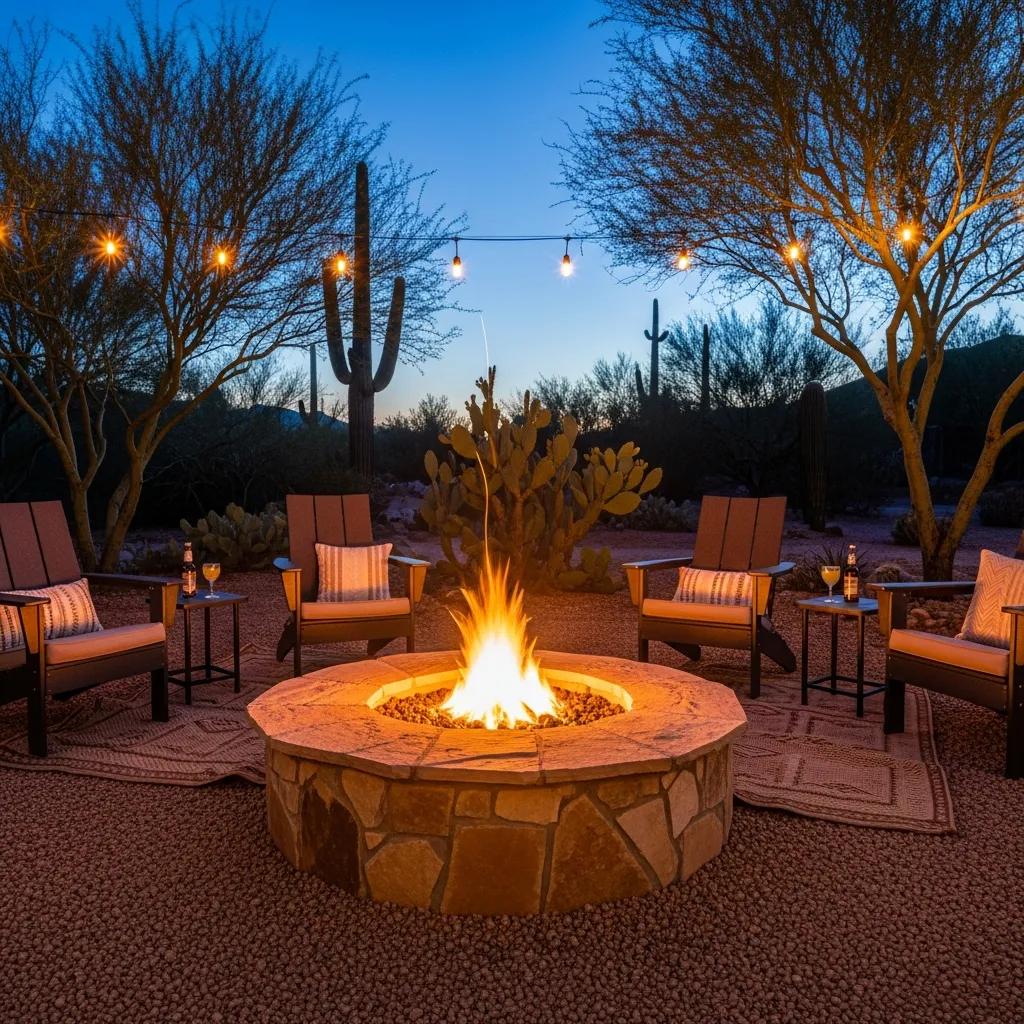
Outdoor Fire Pits & Fireplaces: Practical Safety Guidelines for Arizona Homeowners

Outdoor fire pits and fireplaces—whether built-in or portable—add warmth, atmosphere, and a gathering spot to your backyard. In Arizona’s dry climate, even a few drifting embers can ignite mulch or nearby plants and raise wildfire risk. This guide lays out clear, practical steps so homeowners can enjoy their fire features while minimizing liability and property damage. You’ll find placement rules, approved fuel choices, supervision tips for children and pets, local permitting notes, and simple extinguishing and maintenance routines tailored for residential settings. We also cover Arizona-specific permit and burn-ban issues, a city reference table, and how professional design and installation fold safety into luxury outdoor living. Use the checklists and tables here to make safe, repeatable decisions.

Key Outdoor Fire Pit Safety Guidelines Every Homeowner Should Know

Fire pits and fireplaces are intentional sources of heat and light that need careful siting, construction, and operation to prevent ember spread, structural ignition, and injury. The main risks come from ember transport and radiant heat reaching combustible materials. Following basic guidelines reduces wildfire risk, limits insurance exposure, and extends the life of the feature. Start by confirming clearances from structures and vegetation, installing a non-combustible base and perimeter, supervising all burns, and keeping tested extinguishing tools nearby. Local codes and seasonal restrictions can change what fuels are allowed and whether a permanent installation needs a permit, so include a permit check in your planning. The checklist below summarizes these core practices and connects to the fuel, maintenance, and supervision recommendations that follow.

Understanding wildfire prevention—especially where homes meet wildlands—reinforces why local safety rules matter.

WUI Fire Hazard Guidelines: Planning & Defensible Space

Wildland-Urban Interface (WUI) fires are a growing global concern due to climate change and expanding development. Jurisdictions publish standards and codes for planning, prevention, and protection against wildfires. This review summarizes WUI hazard guidance, including defining risk zones, defensible-space practices, and material and protection requirements for the built environment.

Guidance on design and construction of the built environment against wildland urban interface fire hazard: a review, P Intini, 2020

This numbered checklist highlights the most actionable safety rules you can apply right away.

  1. Maintain minimum clearances: Keep flames at least 10 feet from structures and about 25 feet from large trees or combustible hedges whenever practical.
  2. Use non-combustible bases: Place fire pits on concrete, pavers, stone, or compacted gravel instead of wood or combustible decking.
  3. Control embers and sparks: Fit spark screens or arrestors and clear the surrounding area of loose mulch and dry leaves.
  4. Supervise at all times: Never leave an active fire unattended—assign a responsible adult to monitor conditions and wind changes.
  5. Keep extinguishing tools ready: Have a Class ABC extinguisher, a metal shovel, and a bucket of water or sand within reach.
  6. Avoid accelerants and banned materials: Never use gasoline, lighter fluid, treated wood, plastics, or household trash as fuel.

Choosing a Safe Location for Your Fire Pit or Fireplace
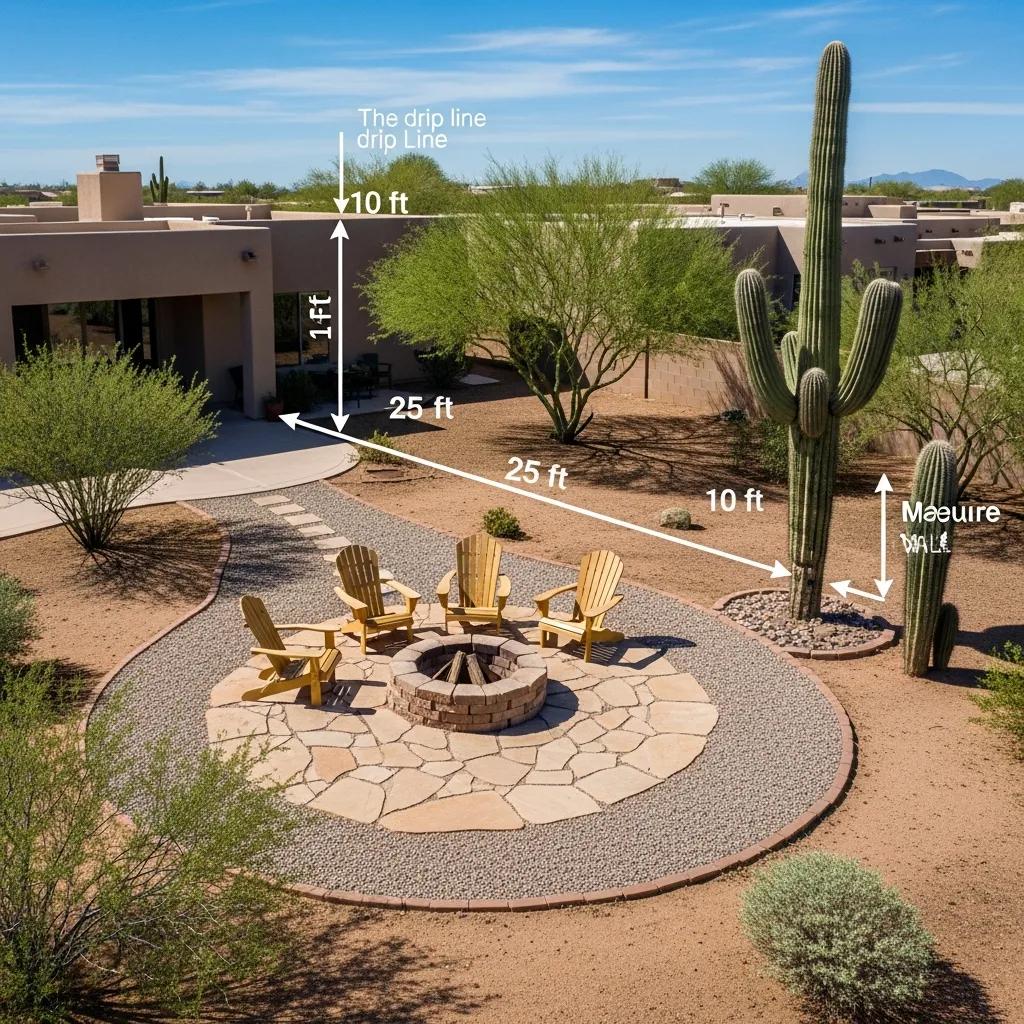
Pick a location by measuring horizontal and vertical clearances, checking prevailing winds, and planning sightlines to pools, patios, and walkways. Start with at least 10 feet horizontally from house eaves, overhangs, and utility lines, and increase distance when dense shrubs or combustible landscaping are present. Confirm there are no tree limbs, pergolas, or rooflines overhead—embers can travel up and ignite higher combustibles. Note wind patterns throughout the day and orient seating so smoke drifts away from the home and neighbors. A well-sited pit keeps sightlines clear for supervision, preserves safe walkways, and uses non-slip approaches to reduce trip hazards and ember contact.

Non-Combustible Materials for Safe Fire Pit Bases

Non-combustible bases limit heat transfer and stop direct contact between embers and combustible surfaces. Good options include poured concrete pads, interlocking pavers on compacted aggregate, natural stone slabs, or a compacted gravel bed with a steel burn ring. Don’t place pits directly on wooden decks unless an engineered heat shield and certified installation are used—extra clearance, a protective barrier, and frequent inspection are still required. For built-in pits, a metal burn ring or insert inside the masonry protects mortar and stone from cyclic heating and spalling. The right base also simplifies maintenance and cuts the chance of settling or cracks that create ember traps later on.

How Arizona Regulations and Permits Affect Outdoor Fire Features

Permit rules in Arizona vary by city and county and can determine whether a permanent masonry pit, a gas fireplace, or a portable wood unit needs a permit or inspection. Differences come from local building codes and wildfire risk assessments. Seasonal burn bans and air-quality advisories also affect what fuels and recreational fire times are allowed, so always check local rules before installing or using a fire feature. Common permit triggers include permanent gas hookups, built-in masonry work, and any changes to structural or utility systems; portable units used occasionally generally face fewer permit requirements but still must follow burn-ban rules. Preparing permit paperwork, following inspection checklists, and scheduling work around regulatory windows reduces delays and rework. If this feels complex, a professional can streamline approvals for homeowners aiming for compliant, high-end outdoor living.

Island Pools and Landscaping AZ designs luxury outdoor living spaces and routinely handles permit coordination as part of our installation process. We work with local authorities so safety and aesthetics align with construction milestones and inspection timelines.

Which Arizona Cities Typically Require Permits?

Permit requirements depend on whether the feature is permanent, tied into utilities, or part of a larger hardscape. Generally, permanent masonry fireplaces, built-in gas burners, and work involving gas-line extensions or structural changes will require a permit and often an inspection. Portable, freestanding units that aren’t attached to fuel lines may not need construction permits but still must meet setback and burn-ban rules. Processing times, required documents (plans, site sketches, gas specs), and inspection checklists vary by jurisdiction, so contact your city or county early to avoid surprises. When unsure, plan as if the feature is permanent—this conservative approach favors safety and compliance.

Remember: burn bans and seasonal restrictions can override typical permit allowances—check both permit rules and current burn status.

City/CountyPermit Required?Notes
Phoenix (Maricopa area jurisdictions vary)Often yes for permanent installationsPermanent fireplaces and gas-line hookups generally trigger permits and inspections
Tucson / Pima CountyYes for built-in or gas-connected featuresPortable units may be allowed with setbacks; confirm seasonal bans
Flagstaff / Coconino CountyFrequently yes, with wildfire-focused restrictionsHigher elevations and forested areas have stricter burn rules and shorter seasons

This matrix shows how requirements vary—verify both permit thresholds and seasonal restrictions locally.

Permit rules work alongside burn bans and wildfire alerts, which are the next operational step owners should check.

Current Burn Bans and Restrictions in Arizona

Burn bans are determined by local fire districts, county air-quality advisories, and statewide drought and wildfire alerts, and they directly affect whether wood-burning features are allowed. During high-risk periods, authorities may prohibit open burning and recreational fires, restrict charcoal and wood use, or permit only certified gas appliances with spark control. Always check alerts from your local fire department, county office, or the state forestry service before lighting a fire to avoid fines and reduce wildfire risk. If a ban is active, delay wood-burning activities or switch to approved gas or propane options that meet local rules. Carry a simple decision checklist—permit status, burn-ban status, and available extinguishing equipment—to keep outdoor living legal and safe.

Best Practices for Fuel Selection and Ember Prevention

Fuel choice has a big impact on ember production, smoke, and chemical hazards. Use well-seasoned hardwoods and manufactured logs rated for outdoor use when burning wood. Gas and propane systems produce fewer embers and are easier to control. Store fuels in a cool, dry spot away from structures and check moisture content before burning to avoid excessive smoke and hard-to-control fires. Combine good fuel choices with physical ember controls—spark screens, burn rings, and perimeter gravel—to reduce ember travel. The table below compares common fuel options to help you choose safely.

Below is a quick comparison of common fuel options and precautions.

Fuel TypeSafe to Burn?Notes/Precautions
Seasoned hardwood (oak, mesquite)YesLow moisture (<20%), high heat, fewer sparks; store dry and split
Manufactured fire logsYes, if rated for outdoor useConsistent burn and reduced sparks; follow manufacturer guidelines
Propane/gasYes (with certified installation)Clean burn, minimal embers; requires proper gas-line installation and shutoff

After choosing fuel, follow operational do’s and don’ts to further reduce risk and neighbor impacts.

Safe Wood and Fuel Choices for Outdoor Pits

Seasoned hardwoods like oak or native mesquite are preferred because lower moisture yields hotter, cleaner combustion with fewer sparks and less smoke. Manufactured logs made for outdoor use burn predictably and produce fewer embers when used per instructions. Professionally installed gas or propane systems produce minimal airborne embers and are often allowed during higher-risk periods when wood burning is restricted. Confirm wood is well-seasoned (ideally below 20% moisture) before burning, and store it off the ground under breathable cover to prevent mold. Fuel choice affects safety and neighbor comfort—consider smoke profile and scent, especially near pools and seating areas.

Materials You Should Never Burn

Do not burn treated, painted, or pressure-treated lumber, plywood, or particleboard—these release toxic fumes and can produce hot, unpredictable embers. Avoid plastics, glossy or coated paper, cardboard, yard trash, and household waste; they emit toxic smoke and can create molten droplets that start secondary fires. Never use accelerants like gasoline, lighter fluid, or alcohol to start or speed a fire—these cause explosive flare-ups and unpredictable heat. For yard waste, use municipal green-waste pickup, chipping, or composting instead of burning to protect air quality and reduce fire risk. Substitute seasoned wood or approved manufactured logs for safer burning.

Supervision and Safety Around Fire Pits for Children and Pets

Active supervision and physical separation are the best protections against burns and accidental contact. Create a clear safety zone with defined boundaries and seating placement, and enforce supervision whenever a fire is lit. Teach household members and guests simple rules—no running near the fire, keep flammable clothing away, and assign an adult to watch the burn. For pets, use training, leashes, or temporary gates to keep curious animals at a safe distance; pet fur and synthetic bedding can ignite quickly if embers land. Temporary barriers and clear signage help during gatherings or when alcohol is present.

Recommended Safe Zones and Distances

Set measurable safe distances by activity: seated adults should stay at least three feet from the pit edge; for active children and pets increase that to six to ten feet depending on fire size and wind. Arrange seating in a circular pattern with clear paths and keep play areas well outside the active zone. Consider a raised curb or low decorative wall as a visual and physical barrier. In windy conditions, increase clearances or switch to gas appliances to reduce ember travel. Temporary baby gates, outdoor safety screens, or marked rope lines add protection during events and can be removed afterward. These simple spatial rules give supervisors predictable boundaries to enforce.

Essential Safety Equipment for Outdoor Fire Pits

Keep a Class ABC fire extinguisher sized for residential outdoor use (a 2A:10B:C or larger is recommended), a metal shovel for spreading coals, a metal ash container with a lid for cooled ash, and a spark screen or arrestor sized to the pit opening. Store extinguishers and ash tools in a clearly marked, weather-protected spot within arm’s reach of the fire area and make sure household members know how to use them. A fire blanket helps with small clothing ignitions, and a bucket of sand or water can quickly suppress small embers. Inspect equipment regularly—check extinguisher pressure, screen mesh, and tool condition—so the right tools are ready if needed.

Proper Steps for Extinguishing and Maintenance

Thorough extinguishing removes residual heat that can smolder and spread, while regular maintenance prevents degradation that leads to unsafe conditions. For wood fires, let flames die down to embers, spread them to speed cooling, and slowly apply water or sand while stirring until no hot spots remain. Verify by cautiously checking for heat from a safe distance. For gas systems, shut off the fuel at the source and follow manufacturer cool-down guidance, and schedule periodic professional gas-line inspections. Regular tasks—ash removal, screen cleaning, mortar checks, and gas-valve inspections—prevent buildup and hidden hazards. The maintenance table below gives a simple schedule and tools so homeowners can adopt a repeatable routine.

Use this maintenance schedule and tool list to keep your fire feature safe and long-lasting.

TaskFrequencyTools/Method
Ash removalAfter each significant useMetal shovel and metal ash container with lid; ensure ash is cold before storage
Spark-screen and grate inspectionMonthly during seasonWire brush, heat-resistant gloves; replace screens with damaged mesh
Gas-line inspection and testingAnnually or after serviceLicensed technician, gas leak detector, pressure test per code

Following this schedule helps prevent hazards and extends the life of your fire feature.

How to Safely Extinguish Your Fire Pit or Fireplace

Follow a controlled sequence: reduce the flames, separate embers, cool, and verify. For wood fires, let flames fade until mostly coals remain, then spread the coals with a metal shovel to expose hotspots. Gradually add water or sand while stirring—avoid dumping large volumes that scatter ash and create steam. Continue until there’s no steam, sizzling, or glowing embers, then check for residual heat from a safe distance. Once cool, move ashes to a metal container with a lid for disposal or cold storage. For gas systems, turn off the control valve and main supply, follow manufacturer cool-down steps, and inspect fittings for leaks before the next use.

Routine Maintenance to Prevent Hazards and Damage

Routine maintenance stops structural decline and hidden risks—address ash buildup, mortar deterioration, creosote (in enclosed fireplaces), and gas-line integrity. Remove cooled ash after use to prevent moisture retention and corrosion. During heavy use, inspect screens, grates, and burn rings monthly for warping or cracks and replace worn parts. Annually, schedule a full inspection: check mortar joints, clean chimneys or flues where applicable, and have a licensed technician test gas lines. Repair structural damage—large cracks, spalling stone, or persistent odors—promptly to prevent worsening issues. Regular upkeep reduces fire risk and keeps the finish and value of your luxury outdoor space intact.

How Island Pools and Landscaping AZ Builds Safety into Luxury Fire Features

At Island Pools and Landscaping AZ we design and build luxury outdoor living spaces with safety integrated from concept to handover. Our process includes clearance modeling, specifying non-combustible surrounds, and coordinating with permitting authorities so installations meet both design and code requirements. In design we model radial clearances, sightlines to pools and structures, and wind patterns to optimize placement. We choose heat-resistant finishes, plan for drainage, and add ember-control details that protect aesthetics without compromising safety. Installation covers professional gas-line testing, proper foundations and anchoring, and a post-installation walkthrough that reviews operation, maintenance, and safety equipment placement. This methodical approach reduces liability, improves longevity, and delivers the high-quality finishes our clients expect.

Design Elements That Improve Safety in Custom Fire Features

Design choices that lower risk include raised hearths to limit direct contact, non-combustible surrounds like stone or concrete, integrated gravel or paver setbacks, and built-in ember-control screens or wind breaks. Designers balance comfort and clearance with raised planters or low walls to create visual separation while maintaining required distances. Specify finishes with high thermal tolerance and minimal spalling, and use a metal burn ring or stainless steel insert for wood-burning installations. Include drainage and clean-out access to prevent water retention and freeze/thaw damage in colder microclimates, and design for easy replacement of wear items like grates or screens. These details preserve a luxury look while keeping safety straightforward and maintainable.

Why Professional Installation Matters for Safety

Professional installation enforces quality checks that DIY projects can miss: correct foundation compaction, proper burner and gas-line sizing, certified gas connections with leak testing, secure anchoring, and documented inspections with local officials. Licensed installers confirm combustion air and venting for enclosed fireplaces and run post-installation combustion and leak tests for gas systems. A professional handover includes homeowner training on operation, extinguishing, and basic maintenance, plus a checklist of items that need scheduled professional service. Working with licensed professionals also streamlines permitting because they know local documentation and inspection requirements, reducing rework and ensuring code compliance. That discipline protects homeowners and preserves the value and beauty of luxury outdoor installations.

To request a consultation or see visual examples, ask us for a design review that covers clearance modeling, material samples, and photo callouts of completed projects showing how safety and luxury come together. Island Pools and Landscaping AZ focuses on detail, clear communication, and top-quality materials and installation—contact us to discuss site-specific safety and design options.

Frequently Asked Questions

What should I do if I notice a burn ban in my area?

If a burn ban is in effect, follow local rules to avoid fines and reduce wildfire risk. During bans, recreational fires may be prohibited. Consider using gas or propane appliances that comply with local standards if permitted. Always confirm current restrictions with your local fire department or county office before using any outdoor fire feature.

How can I safely store firewood for my outdoor fire pit?

Store firewood in a cool, dry place away from structures and combustible materials. Stack wood off the ground on a rack to promote airflow and speed drying. Use a breathable cover over the top of the pile to protect from rain but allow moisture to escape. Aim for well-seasoned wood—ideally below 20% moisture—to reduce smoke and sparks.

What are the signs that my outdoor fire pit needs maintenance?

Look for visible cracks or spalling in masonry, rusted metal components, or heavy ash and debris buildup that blocks airflow. Excessive smoke or difficulty keeping a flame can indicate a blockage or structural issue. Inspect spark screens for damage and have gas lines checked if you suspect leaks. Address issues promptly to prevent hazards and costly repairs.

How can I create a safe environment for children around fire pits?

Set a clear safety zone of at least six to ten feet for active children, use physical barriers like baby gates or low walls, and keep seating arrangements away from the fire edge. Teach children fire safety rules—no running near the fire—and always assign an adult to supervise when the fire is lit. Non-combustible seating and visible boundaries help reduce accidental access.

What should I do if my fire pit produces excessive smoke?

Check your fuel first: wet or unseasoned wood produces more smoke. Use well-seasoned hardwood or approved manufactured logs. Inspect the pit for restricted airflow or chimney blockages and rearrange the wood to improve ventilation. If the issue continues, call a professional for a thorough inspection and maintenance.

Are there specific materials I should avoid when building a fire pit?

Avoid combustible materials such as wood or treated lumber and materials that emit toxic fumes when heated—plastics, painted wood, or particleboard. Use non-combustible materials like stone, brick, or concrete for longevity and safety. Proper material choice is essential for a durable, safe fire feature.

How often should I inspect my outdoor fire pit for safety?

Inspect your fire pit at least monthly during the burning season and after each heavy use. Check for structural cracks, damaged spark screens, and secure, leak-free gas lines. Clean out ash and debris to maintain airflow. A consistent inspection routine helps you catch problems early and keeps operation safe.

Conclusion

Following these safety guidelines helps reduce wildfire risk while letting you enjoy your outdoor space. By matching local rules with good practices—proper siting, sensible fuel choice, regular maintenance, and responsible supervision—you create a safer backyard for family and friends. Ready to combine safety and luxury? Contact a professional to plan and install a fire feature that fits your site and meets local codes. Explore our services to bring safe, beautiful outdoor living to your home.