
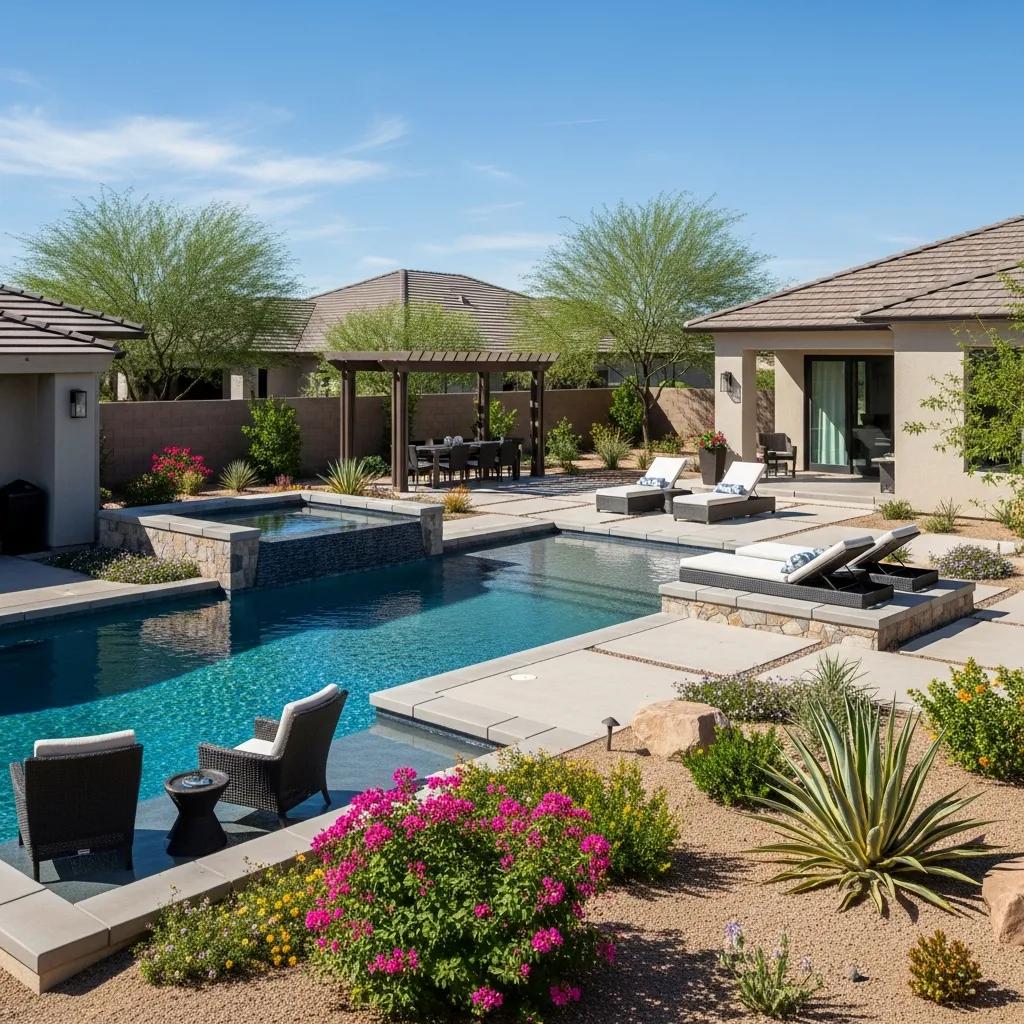
Phoenix Luxury Backyard Transformation — Custom Pool & Landscape Case Study for Upscale Outdoor Living

Combining bespoke pool architecture with climate-smart landscaping turns an underused Phoenix yard into a year-round outdoor living area built for entertaining, health, and long-term value. This case-study style article walks through how custom pools and integrated landscapes create distinct living zones, handle desert climate limits, and raise resale appeal through smart material and layout choices. You’ll find the signature elements of high-end remodels, a step-by-step look at how projects move forward in Phoenix, measurable homeowner benefits, common challenges and how to avoid them, guidance for selecting a luxury landscape architect, and the design trends shaping upscale backyards today. Practical outcomes — more usable outdoor space, energy and water savings, and an improved lifestyle — are emphasized throughout with project examples and comparison notes. For homeowners ready to explore options, a local Phoenix pool and landscape firm can provide a consultation and portfolio review to define next steps. First, let’s outline the key features that define a luxury Phoenix backyard transformation.

Sustainable practices and climate-resilient design are now central to what buyers and homeowners consider true luxury in outdoor projects.

Luxury Home Design: Sustainable Landscape & Climate Resilience

This study reviews design features found in contemporary luxury houses using case-study analysis. It highlights seven key elements—security, spatial volume, material selection, façade and interior design, courtyards, and landscape—showing how careful detail and sustainable strategies shape both aesthetics and livability. The research underscores that sustainable, passive design approaches improve environmental performance and help luxury homes withstand extreme weather over time.

Applicability of Architectural Design Features in Contemporary Luxury Houses, MWH Jyi, 2023

What Are the Key Features of a Phoenix Luxury Backyard Transformation?

A luxury Phoenix backyard centers on a set of signature features that deliver comfort, function, and visual drama in a desert setting. Expect purpose-built pool types and water elements, full outdoor living areas like kitchens and fire features, plant palettes and materials chosen for heat and UV resistance, layered lighting and automation for evening use, and a smooth hardscape-to-softscape flow that maximizes usable square footage. Designers pick features — an infinity edge, integrated spa, or plunge pool — to craft sightlines and multiuse zones that make the yard feel like an extension of the home. The list below highlights the defining components and how each supports both lifestyle and marketability.

The outdoor kitchen has become a defining feature in upscale backyards, turning yards into true extensions of the home.

Outdoor Kitchens: Luxury Backyard Remodeling & Living Spaces

In recent decades, homeowners have embraced outdoor kitchens as a way to expand living space and entertain outdoors. Once an occasional upgrade, the outdoor kitchen is now common in high-end projects—customized to each site with appliances and work areas that suit the owner’s lifestyle. These open-air cooking spaces reclaim underused backyard areas and make outdoor living more practical and social.

Making the Great Outdoors Better:: the outdoor kitchen and the changing design of American luxury, 2009

Typical elements of a luxury Phoenix backyard include:

  1. Signature Pool Types: Custom geometry, negative-edge (infinity) pools, or plunge pools that anchor the design and support diverse activities.
  2. Outdoor Living Amenities: Built-in kitchens, covered lounges, and fire features that extend entertaining and everyday comfort.
  3. Climate-Adapted Landscaping: Drought-tolerant plantings, shade trees, and permeable surfaces to cut water use and lower heat gain.
  4. Lighting & Automation: Layered LED lighting and pool automation that allow safe, energy-aware night use.
  5. Integrated Hardscape/Softscape Flow: Coordinated paving, retaining walls, and plantings that guide movement and create outdoor “rooms.”

These elements form the structural and experiential framework; next we look at how custom pool design specifically expands outdoor living through shape, materials, and function.

How Does Custom Pool Design Enhance Outdoor Living Spaces?
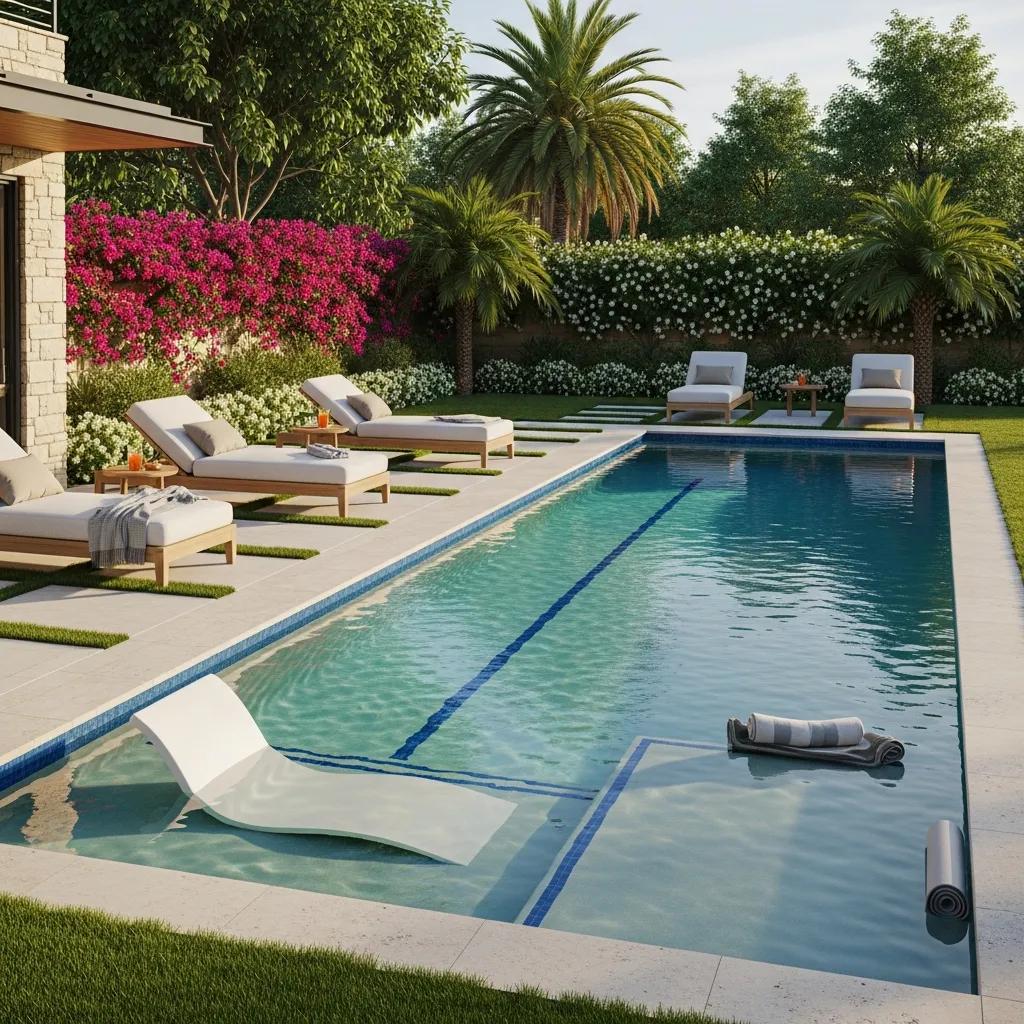
A thoughtful pool design creates layered zones for relaxation, exercise, and entertaining by varying shape, depth, and adjacency to activity areas. Shallow tanning ledges invite lounging, a lap lane supports fitness, and a connected spa adds year-round comfort — together they let a backyard serve multiple purposes. Pool shell and interior finishes influence the water’s color and thermal behavior, while decking and coping define circulation and furniture placement to extend living space. Good sightline planning ties pool edges to gathering areas and landscape focal points, and automation ties lights and water features together so the mood shifts easily from daytime calm to evening entertaining. These design links naturally lead into the landscape choices that support pool comfort and performance.

What Landscape Elements Complement a High-End Pool Remodel?
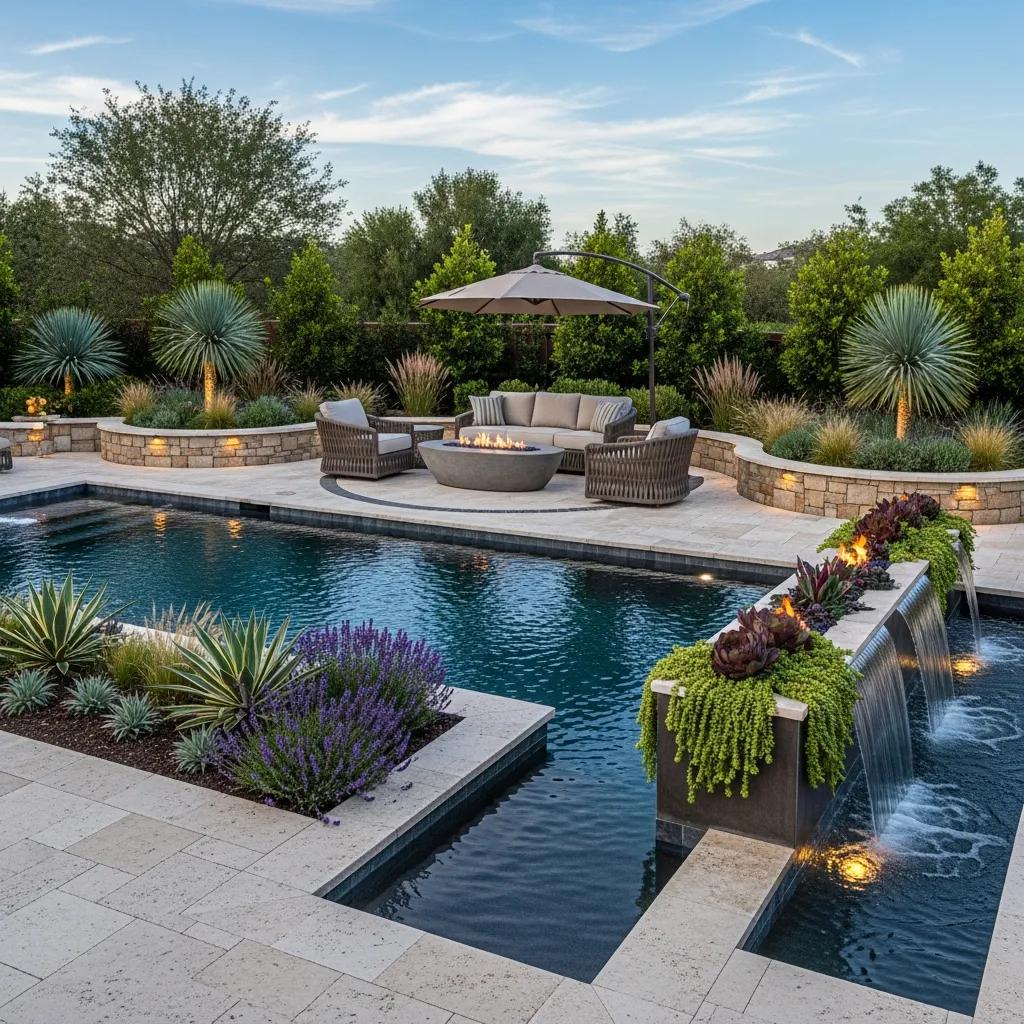
Complementary landscape elements focus on water-wise planting, durable heat-resistant hardscapes, and well-placed shade that increase comfort without competing with the architecture. Drought-tolerant palettes — native shrubs, succulents, and strategically sited shade trees — reduce irrigation needs while adding texture through the seasons and working with the pool’s microclimate. Hardscape options like natural stone, textured pavers, or composite decking are chosen for lower heat retention and long life in intense sun, and they coordinate visually with coping and pool finishes. Shade structures — pergolas, cantilevered roofs, or deciduous trees — are placed to give afternoon relief and lower solar gain on adjacent living areas. Choosing materials and plants with maintenance and sightlines in mind yields a resilient, usable luxury backyard.

How Is a Custom Pool and Landscape Design Executed in Phoenix?

A Phoenix pool and landscape build follows clear phases: on-site assessment, design development, permitting, construction, and commissioning — each stage tuned to local climate, utilities, and HOA rules. Early site analysis documents solar orientation, existing shade, drainage, and utility conflicts so concept options match homeowner goals and realistic budgets. Design development refines pool types (infinity, lap, plunge), materials, and systems — filtration, heating, automation — while permitting coordinates with local authorities and utility locates. Construction moves from excavation to shell installation, finishes, hardscape, planting, and system commissioning; warranties and maintenance planning round out the handover. The table below summarizes typical phases, core activities, and the main time/cost drivers owners should expect.

PhaseKey ActivitiesEstimated Time / Cost Drivers
Pre-Design & Site SurveyProgram definition, site analysis, solar/orientation study2–4 weeks; site complexity, surveys
Design & PermittingConcept design, detailed plans, HOA/permit approvals4–10 weeks; permit lead times, revisions
Construction & CommissioningExcavation, shell, finishes, systems, landscaping8–20+ weeks; scope, materials, subcontractor scheduling

Knowing this end-to-end flow helps homeowners plan realistic timelines and contingencies; below we break the planning steps into actionable items.

What Are the Steps in Planning a Phoenix Pool Remodel?

Planning a Phoenix pool remodel follows a clear checklist: site evaluation, concept exploration, budget alignment, and milestone decisions that move the project from idea to permit-ready drawings. Start with a detailed site survey and an interview to capture your priorities — entertaining, wellness, or low-maintenance — and to document constraints like existing structures or easements. Concept design explores pool types and landscape strategies with schematic options and preliminary cost estimates so scope and budget match. Detailed design and engineering produce the construction drawings for permits. Final homeowner choices cover pool finishes, coping, decking, plant palettes, and mechanical systems — all of which shape cost and schedule. Following this roadmap reduces surprises and clarifies decision points before construction begins.

This checklist summarizes planning priorities:

  1. Conduct a site survey and stakeholder interview to define program and constraints.
  2. Develop concept designs with rough cost estimates to align scope and budget.
  3. Finalize detailed design, engineering, and prepare permit-ready drawings.

Sticking to these steps smooths permitting and construction by resolving technical questions early.

Which Materials and Styles Are Popular Among Luxury Landscape Architects in Phoenix?

Landscape architects here favor materials and styles that marry modern aesthetics with heat resistance and low maintenance. Popular directions include modern desert, Mediterranean, and resort-inspired palettes using natural stone, exposed aggregate concrete, and durable composite decking. Pool interior finishes — smooth plaster, quartz, or pebble — affect water color, longevity, and maintenance intervals; coping is chosen for thermal comfort and slip resistance. Designers often use mixed-material hardscapes, integrated fire elements, and restrained plant palettes that provide year-round structure with seasonal accents. The table below compares common options for durability, upkeep, and suitability in Phoenix’s intense sun.

Material / StyleDurability / Sun & Heat PerformanceMaintenance / Cost / Suitability for Phoenix
Natural Stone (flagstone)High UV and heat resistanceModerate maintenance, higher cost, very suitable
Exposed Aggregate ConcreteDurable, moderate heat retentionLow maintenance, mid-range cost, widely used
Composite DeckingLow heat uptake variants availableLow maintenance, variable cost, good for shaded areas

Picking the right mix lowers long-term upkeep and supports the project’s visual goals; next we explore homeowner benefits in greater detail.

What Benefits Does a Phoenix Backyard Transformation Offer Homeowners?

A Phoenix backyard transformation delivers measurable lifestyle and financial benefits by increasing usable living area, boosting resale appeal, and weaving in energy- and water-efficient systems that reduce operating costs. Thoughtful pools and outdoor kitchens expand entertaining capacity and daily wellness options, while drought-tolerant plantings and smart irrigation cut water use and maintenance. Buyers often perceive high-quality design and smooth indoor-outdoor flow as premium features, which can improve market positioning and shorten time on market. The table below links common design features to homeowner benefits and tangible outcomes so you can see how decisions translate to real value.

Feature (Benefit)How AchievedTangible Homeowner Outcome
Outdoor Kitchen (Entertaining)Built-in appliances, covered prep areaExpanded entertaining space and reduced indoor kitchen load
Drought-Tolerant Landscaping (Water Efficiency)Native plant palette, smart irrigationLower annual water bills and maintenance time
Integrated Lighting & Automation (Usability)LED lighting, pool automationExtended hours of use and improved energy management

These mapped outcomes show clear returns; below we look at how a custom pool can influence property value.

How Does a Custom Pool Increase Property Value?

A thoughtfully executed custom pool can increase property value by improving usability, aesthetic appeal, and perceived lifestyle — but the impact depends on design quality, landscape integration, and local market tastes. Value drivers include durable, low-maintenance finishes, multiuse pool layouts that appeal to families and fitness-minded buyers, and cohesive hardscape that creates outdoor rooms rather than an isolated water feature. By contrast, a poorly integrated pool or one with high upkeep needs can be a liability. Evidence from similar projects shows that high-end details and efficient operation often change buyer perceptions, which can speed up listings and support stronger offers in competitive Phoenix neighborhoods.

Next, we look at the everyday lifestyle benefits homeowners see after a luxury backyard remodel.

What Lifestyle Improvements Result from High-End Outdoor Living Spaces?

High-end outdoor living areas expand routines by adding spaces for fitness, socializing, relaxation, and family time — increasing time spent outside and supporting healthier habits. Lap lanes make daily exercise convenient, tanning ledges and spas create calm zones, and outdoor kitchens with covered seating encourage regular entertaining without relying on interior rooms. Owners report better seasonal use thanks to shading and heating options, which stretches enjoyment year-round in desert climates. These changes often translate to measurable quality-of-life gains: more activity, more social time, and lower stress — common motivators for backyard investments.

With benefits in mind, homeowners should also be prepared for common project challenges; the following section covers those and practical mitigations.

What Challenges Are Common in Phoenix Backyard Transformations?

Common challenges include climate-driven factors (extreme heat, UV exposure, and limited water), budget increases from scope changes or unexpected site conditions, and permitting or HOA rules that can extend timelines. Climate constraints drive material and plant choices that resist UV damage and reduce thermal mass in areas where people gather; water-wise design is necessary both for regulation and practical operating costs. Budget surprises are often handled with clear contingencies and phased approaches, and getting permits lined up early helps avoid schedule setbacks. The list below summarizes typical issues and straightforward mitigations to set realistic expectations.

Key challenges and mitigations include:

  • Climate Constraints: Add shade structures, specify heat-resistant materials, and use reflective or lighter finishes to reduce surface temperatures.
  • Water Use & Sustainability: Choose drought-tolerant plant palettes, smart irrigation, and efficient pool systems to cut consumption.
  • Budget & Timeline Risks: Define scope clearly, budget contingencies, and consider phased builds to manage surprises and contractor schedules.

Addressing these concerns leads to practical design responses, which the next section details.

How Do Designers Address Climate Considerations in Pool and Landscape Design?

Designers respond to Phoenix climate by orienting outdoor living to limit midday sun on seating areas, specifying materials with low heat retention, and choosing plantings and irrigation systems that reduce water demand. Shade solutions combine permanent structures like pergolas with carefully placed trees to lower radiant heat and improve afternoon comfort. Material choices — lighter paving tones, stone with lower thermal mass, and UV-stable composites — keep walking surfaces safer in bare feet. Water-wise tactics, including drip irrigation, hydrozoning, and high-efficiency pool equipment, reduce operating costs while maintaining healthy landscapes. Together these strategies extend comfortable use and protect installed materials, which feeds into realistic budgeting and scheduling.

What Are Typical Budget and Timeline Factors in Phoenix Projects?

Budget and timeline drivers include site access, degree of customization, permit lead times, and seasonal contractor availability. Major cost items are custom pool geometry, premium finishes, structural walls, and integrated systems like automation, heating, and outdoor kitchens. Permit reviews and HOA approvals can add weeks to pre-construction, so schedules usually include buffers for documentation and revisions. Construction timing is also affected by peak-season demand for trades; building in off-peak months can ease scheduling pressure. Clear scope, realistic contingencies, and early permit coordination reduce the chance of costly overruns.

How Can Homeowners Choose the Right Luxury Landscape Architect in Phoenix?

Selecting the right luxury landscape architect means checking credentials, reviewing relevant portfolio work, confirming a transparent process, and verifying aftercare commitments so the team can deliver on sophisticated backyard builds. Look for portfolios that show projects with similar budgets, styles, and desert-specific solutions — proof the designer understands Phoenix microclimates and local HOA dynamics. A documented process that covers site analysis, design milestones, permit handling, and phased implementation signals project management strength, and clear warranty and maintenance plans show long-term care. The checklist below helps guide interviews and selection; the following sections outline credentials to prioritize.

Selection criteria checklist:

  1. Portfolio Relevance: Project examples in desert climates with integrated pools and outdoor living.
  2. Process Transparency: Written phases, deliverables, and permit handling explained up front.
  3. Aftercare & Maintenance Plans: Warranties and service options for mechanical systems and landscape upkeep.

These criteria narrow candidates to firms most likely to meet expectations; next we describe the experience and credentials that matter.

What Credentials and Experience Should Be Considered?

Look for a proven track record on luxury projects, knowledge of local permitting and HOA protocols, professional affiliations, and verifiable client references. Relevant experience shows the architect can solve Phoenix-specific challenges — heat mitigation, water-wise planting, and material selection — while references and case studies reveal delivery and responsiveness. Ask for detailed timelines, change-order histories, and maintenance guidance to surface patterns like frequent delays or scope creep. Before-and-after photos and measured results provide tangible evidence of quality and help set realistic expectations for your project.

Client testimonials and case studies add practical insight; the section below explains how to evaluate them.

How Do Client Testimonials and Case Studies Inform Selection?

Testimonials and case studies reveal the on-the-ground experience that images alone can’t show. Good case studies include before-and-after photos, scope descriptions, timelines, budget ranges, and measurable outcomes like water-use reductions or extended outdoor usage. Testimonials that mention communication, problem solving during construction, and post-handover service give confidence in a firm’s operations. When reviewing materials, verify dates, speak with references, and look for repeated strengths — timely delivery, clear budgeting, or strong communication — that match your priorities.

With selection guidance in place, we turn to the trends shaping luxury backyard design in Phoenix.

What Are the Latest Trends in Phoenix Custom Pool and Landscape Design?

Current trends emphasize sustainability, smart automation, mixed-material modern aesthetics, and multi-season adaptability to increase value and usability in desert environments. High-efficiency pool equipment, solar integration for pumps and heating, and low-water plant palettes are becoming standard. Automation enables energy optimization and remote control, while mixed materials — stone, textured concrete, warm woods or composites — create layered, resort-like settings that read well in desert light. AV systems, concealed heaters, and adjustable shade structures extend comfortable use and reflect homeowner demand for low-operating-cost luxury and tech-enabled convenience.

Which Innovative Features Are Popular in Luxury Outdoor Living?

Popular innovations include app-based pool automation, adjustable shading (motorized louvers or retractable canopies), hidden heating for shoulder-season use, and integrated audiovisual systems for outdoor entertainment. Automation schedules pumps, heaters, and lighting for efficiency and convenience, while adjustable shading adapts the environment seasonally. Hidden heaters extend pool use beyond summer, and AV systems deliver high-quality sound and media without compromising design. Knowing the complexity and costs helps homeowners prioritize which features fit their lifestyle and budget.

How Are Sustainable Practices Integrated into Phoenix Backyard Transformations?

Sustainability shows up in water-wise plant choices, smart irrigation controls, high-efficiency pool equipment, and permeable surfaces that reduce runoff and help recharge soil. Smart controllers and ET sensors tune irrigation by weather, hydrozoning groups plants by water needs to avoid waste, and variable-speed pumps, LED landscape lighting, and selective solar use lower energy use. Permeable paving and thoughtful grading manage stormwater and help reduce heat-island effects — benefits for both the environment and long-term homeowner costs.

Research highlights the cost-effectiveness of integrating advanced energy solutions, such as photovoltaic-driven pool pumping, into desert home designs.

Integrated Desert Home Design: Cost-Effective Pool Pumping

This analysis evaluates the cost-effectiveness of four energy efficiency measures at a new-build in Palm Desert, California. Measures like improved cooling systems, duct work adjustments, and photovoltaic pool pumping were found to be cost-effective under the study’s performance and market cost assumptions, demonstrating the value of integrated energy strategies in desert homes.

Implementation and operation of an” integrated design” desert house., 1996

This blend of sustainability and technology completes the case-study narrative and gives homeowners the practical knowledge to plan their own Phoenix backyard transformation.

Frequently Asked Questions

What is the average cost of a luxury backyard transformation in Phoenix?

Costs vary widely with scope and finishes, but most luxury backyard projects in Phoenix range from about $50,000 to well over $200,000. Key cost drivers are custom pool complexity, outdoor kitchens, landscaping choices, and automation or specialty systems. For an accurate estimate, consult local landscape architects who can price your site-specific needs.

How long does a typical backyard transformation project take?

Timelines typically span 10 to 30 weeks, depending on project complexity. Phases include site assessment, design, permitting, and construction. Permitting can be the longest variable, so plan for possible delays and keep open communication with your design and construction team.

What maintenance is required for a luxury pool and landscape?

Maintenance includes regular pool cleaning, chemical balancing, and equipment checks — typically weekly for skimming and monitoring pH/chlorine — plus seasonal inspections. Landscaping needs pruning, irrigation tuning, and seasonal plant care. Many homeowners hire professional maintenance services to protect their investment and reduce upkeep time.

Are there specific plants recommended for desert landscaping?

Yes. Desert-friendly options like agave, yucca, desert marigold, and a variety of succulents thrive in Phoenix and minimize water needs while adding visual interest. Shade trees like mesquite or palo verde improve comfort. A landscape designer can tailor plant mixes for microclimates and maintenance preferences.

What are the benefits of integrating smart technology in outdoor spaces?

Smart tech adds convenience, energy savings, and better usability. You can control lighting, irrigation, and pool systems from your phone, schedule equipment for efficiency, and monitor systems in real time. Automation also improves security and makes outdoor living easier to manage year-round.

How can homeowners ensure their project is environmentally sustainable?

Prioritize water-efficient design, native plants, and durable, sustainable materials. Use smart irrigation that adjusts to weather, choose permeable paving to manage runoff, and consider energy-efficient pool equipment and solar solutions. Working with a landscape architect experienced in sustainable design helps maximize eco-friendly choices.

Conclusion

A luxury backyard transformation in Phoenix blends striking design, practical outdoor living, and improved property value when guided by thoughtful, climate-smart choices. Custom pools, outdoor kitchens, and climate-adapted landscaping create a lasting outdoor oasis that suits your lifestyle while addressing local environmental realities. Talk with qualified landscape architects to explore personalized options and start planning your backyard transformation today.