
Arizona Vegetable Gardening — A Practical Guide to Heat-Tolerant, Water-Smart Planting
What Are the Best Heat-Tolerant Vegetables for Arizona Desert Gardens?
Developing Heat-Tolerant Vegetable Varieties
Rising global temperatures threaten vegetable yields because many crops are sensitive to heat. Heat tolerance is a complex trait governed by physiological and molecular responses, and higher temperatures can impair growth and reduce harvests. Developing varieties with improved heat resilience will be essential to sustain vegetable production as climates warm.
Influence of permanent raised bed planting and residue management on physical and chemical soil quality in rain fed maize/wheat systems, 2007
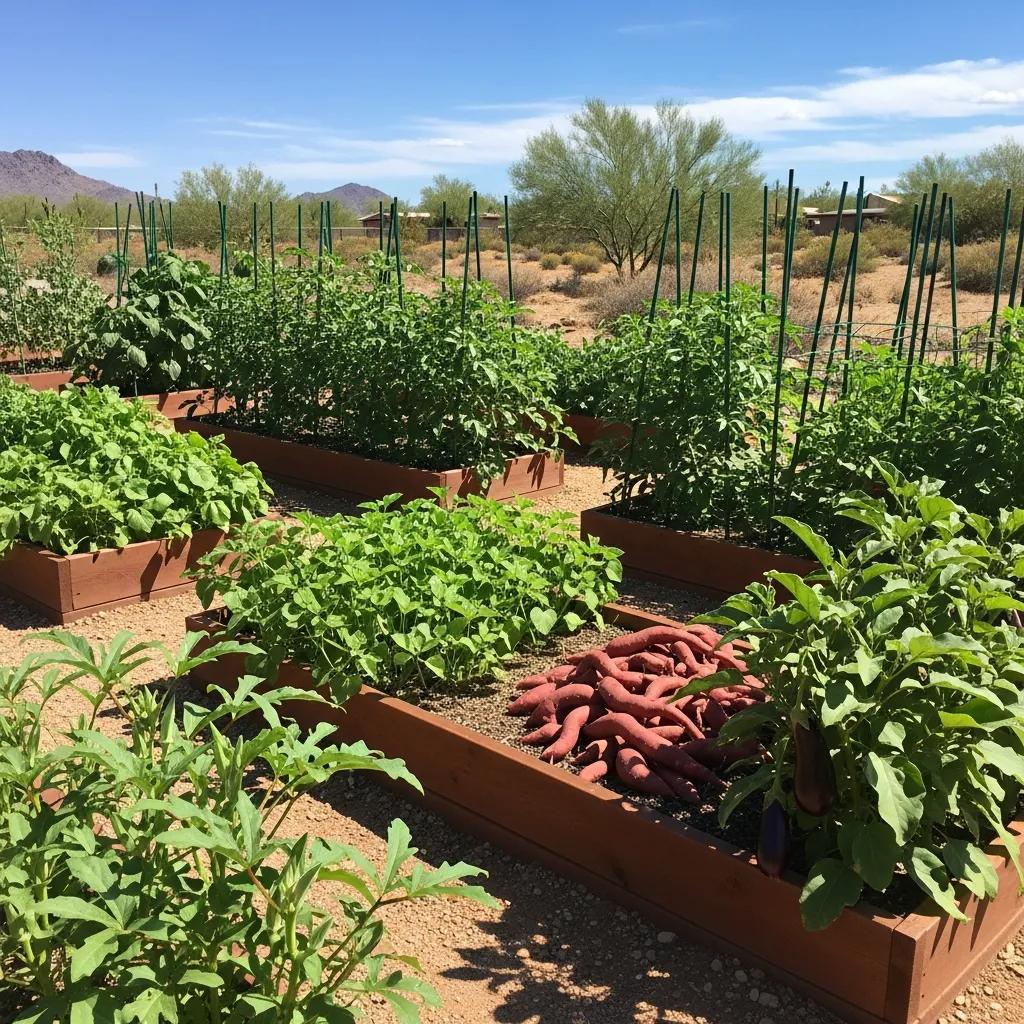
- Okra: Loves heat, tolerates alkaline soil, and needs little extra water.
- Sweet potato: Deep roots find moisture; performs well through long warm seasons.
- Eggplant: Warm-season solanaceous varieties set fruit when nights stay warm.
- Cowpea (black-eyed pea): Drought-hardy legume that also helps fix nitrogen.
- Heat-tolerant tomatoes: Choose cultivars bred to set fruit at higher temperatures.
Which vegetables thrive in Arizona's extreme heat and alkaline soil?
How to select gourmet and drought-resistant vegetable varieties for luxury edible gardens?
| Vegetable | Heat Tolerance | Best Planting Window | Typical Water Needs |
|---|---|---|---|
| Okra | High | Late spring → summer | Low to moderate |
| Sweet potato | High | Late spring transplant | Moderate (deep infrequent) |
| Eggplant | High | Late spring → summer | Moderate |
| Cowpea (black-eyed pea) | High | Late spring → summer | Low |
| Heat-tolerant tomatoes | Moderate-High | Early spring and late summer | Moderate (consistent) |
How to Design and Build Custom Raised Garden Beds for Arizona Vegetable Gardening?
Enhancing Soil Quality with Permanent Raised Beds
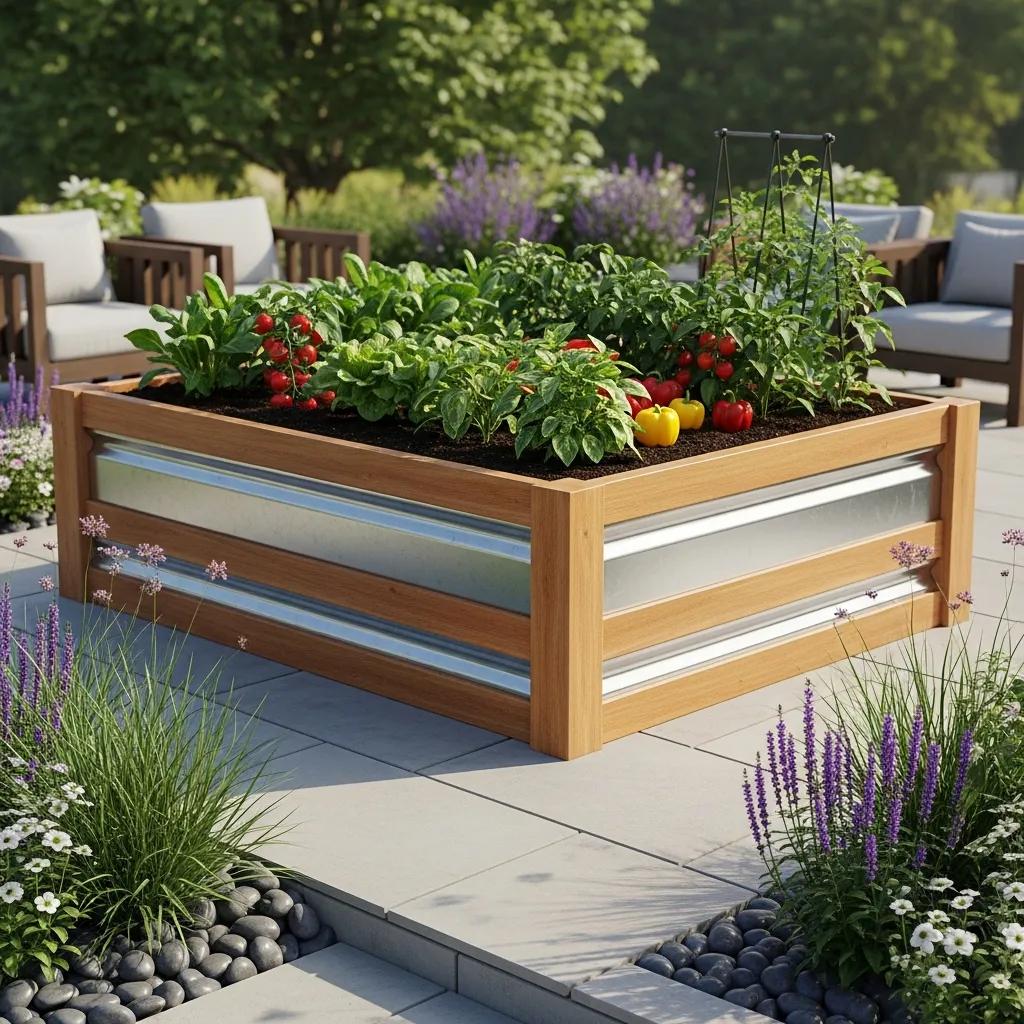
Permanent raised beds with full residue retention have been shown to increase soil organic matter and improve aggregate stability compared with conventionally tilled systems. Retaining surface residues and minimizing disturbance supports better soil structure and longer-term soil health.
Influence of permanent raised bed planting and residue management on physical and chemical soil quality in rain fed maize/wheat systems, 2007
What materials and dimensions optimize raised beds for desert soil control?
| Material | Durability | Aesthetic Fit | Recommended Depth |
|---|---|---|---|
| Cedar | Moderate-High | Warm/natural | 12–18 in |
| Galvanized steel | High | Modern/industrial | 12–24 in |
| Composite decking | High | Low-maintenance luxury | 12–24 in |
| Stone/block | Very High | Matches hardscapes | 12–24 in |
How to integrate raised beds seamlessly into luxury outdoor living spaces?
What Are Effective Watering Techniques and Smart Irrigation Systems for Desert Gardens?
Smart Drip Irrigation for Arid Region Crops
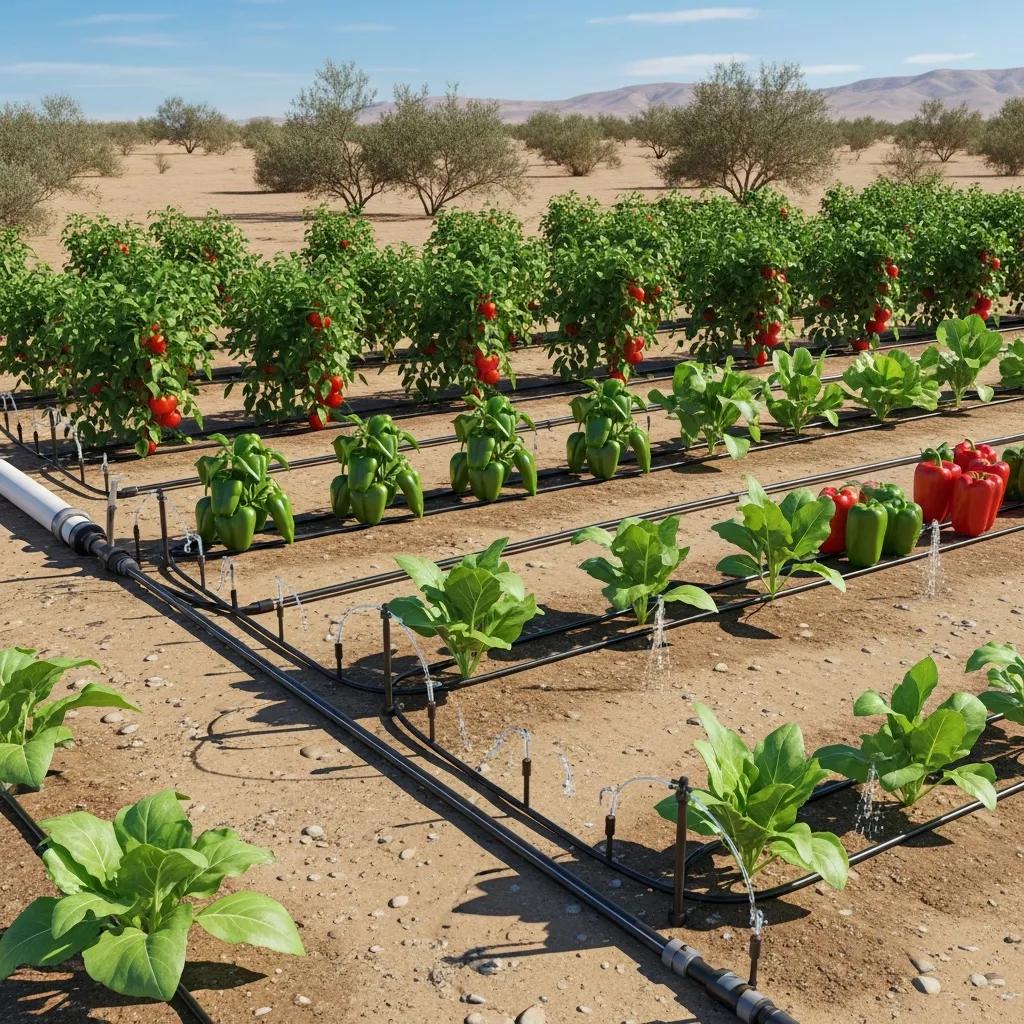
Smart irrigation systems tested under drip and subsurface irrigation for tomato production in arid regions showed measurable benefits compared with conventional scheduling methods, demonstrating the value of responsive control and targeted delivery.
Assessment of smart irrigation controllers under subsurface and drip-irrigation systems for tomato yield in arid regions, HM Al-Ghobari, 2015
- Design and zoning: Break beds into zones by plant type and sun exposure so emitters match crop needs.
- Emitter selection and spacing: Use 1–4 GPH emitters; space them 6–18" based on root spread and crop type.
- Scheduling and pressure regulation: Fit pressure regulators and run deep, infrequent irrigation in the early morning to reduce evaporation.
| Irrigation Option | Water Efficiency | Installation Complexity | Controller Compatibility |
|---|---|---|---|
| Drip irrigation | High | Moderate | High |
| Soaker hose | Moderate | Low | Moderate |
| Hand watering | Low | Low | Low |
How does drip irrigation conserve water and support vegetable growth in arid climates?
What are the benefits of automated and smart irrigation controllers for desert vegetable gardens?
Why Is Shade Important and How to Use Shade Cloth and Structures in Arizona Gardens?
- Shade cloth: Flexible, cost-effective seasonal protection for beds.
- Pergolas and awnings: Durable architectural shade that elevates outdoor living.
- Living shade (trees/vines): Ecological and attractive but requires long-term planning and root management.
What types of architectural shade solutions protect vegetables from intense sun?
How to choose and install shade cloth for optimal plant health and aesthetic appeal?
When Is the Best Time to Plant Vegetables in Arizona? Understanding the Arizona Planting Calendar
| Crop Category | Low Desert Planting Window | High Desert Planting Window |
|---|---|---|
| Cool-season greens | Oct–Feb | Sept–Mar |
| Root crops (carrots, beets) | Oct–Jan | Sept–Feb |
| Warm-season crops (tomatoes, eggplant) | Mar–May & Aug–Sept | May–June & Aug |
| Succession plantings | Every 4–8 weeks during cool season | Every 4–8 weeks during cool season |
How to plan year-round vegetable planting for continuous harvests in the desert?
What are the key planting seasons and cool-season crops for Arizona gardeners?
How to Improve Desert Soil Quality with Organic Amendments and Mulching for Vegetable Gardens?
- Compost: Builds organic matter and microbial life to improve moisture retention.
- Well-aged manure or composted amendments: Offer slow-release nutrients and better tilth.
- Gypsum (where appropriate): Can improve structure in some alkaline clay soils.