
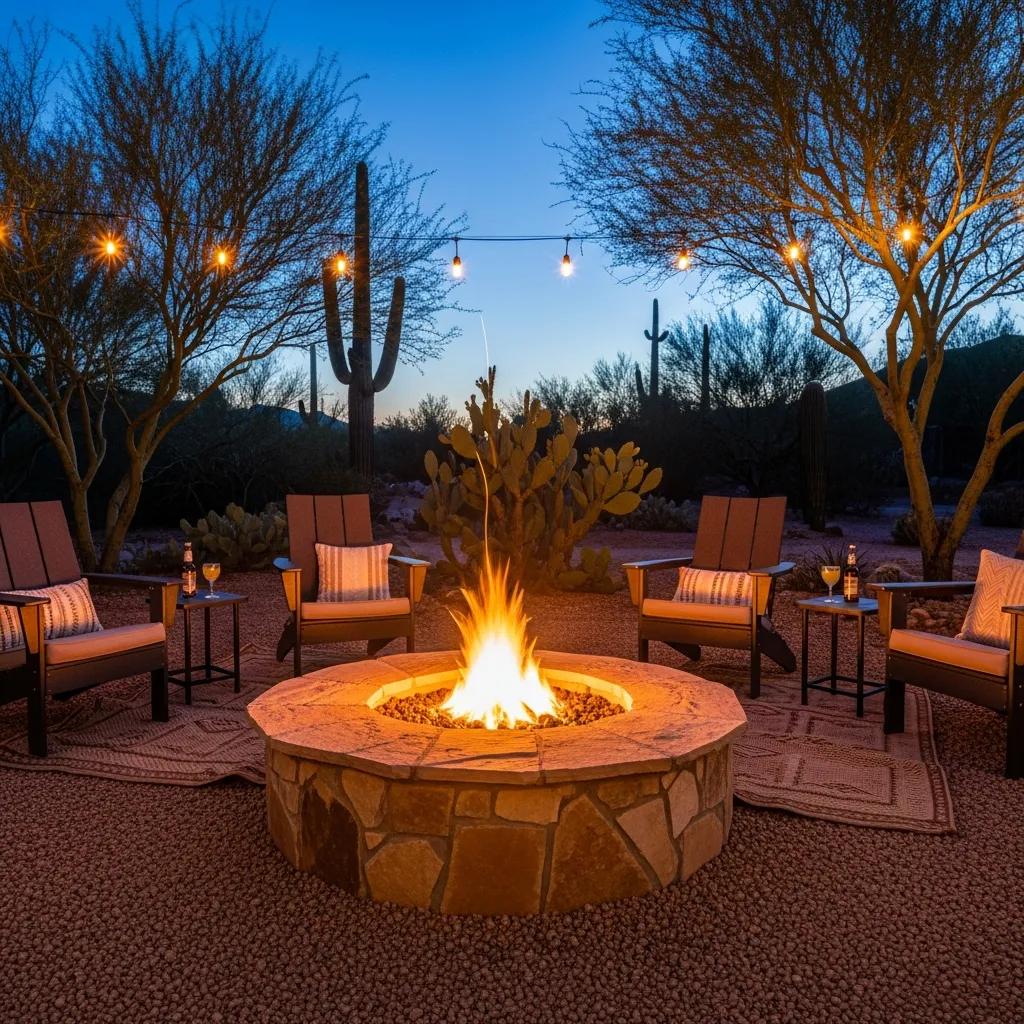
Essential Arizona Fire Pit Safety – Island Pools and Landscaping AZ
Key Outdoor Fire Pit Safety Guidelines Every Homeowner Should Know
WUI Fire Hazard Guidelines: Planning & Defensible Space
Wildland-Urban Interface (WUI) fires are a growing global concern due to climate change and expanding development. Jurisdictions publish standards and codes for planning, prevention, and protection against wildfires. This review summarizes WUI hazard guidance, including defining risk zones, defensible-space practices, and material and protection requirements for the built environment.
Guidance on design and construction of the built environment against wildland urban interface fire hazard: a review, P Intini, 2020
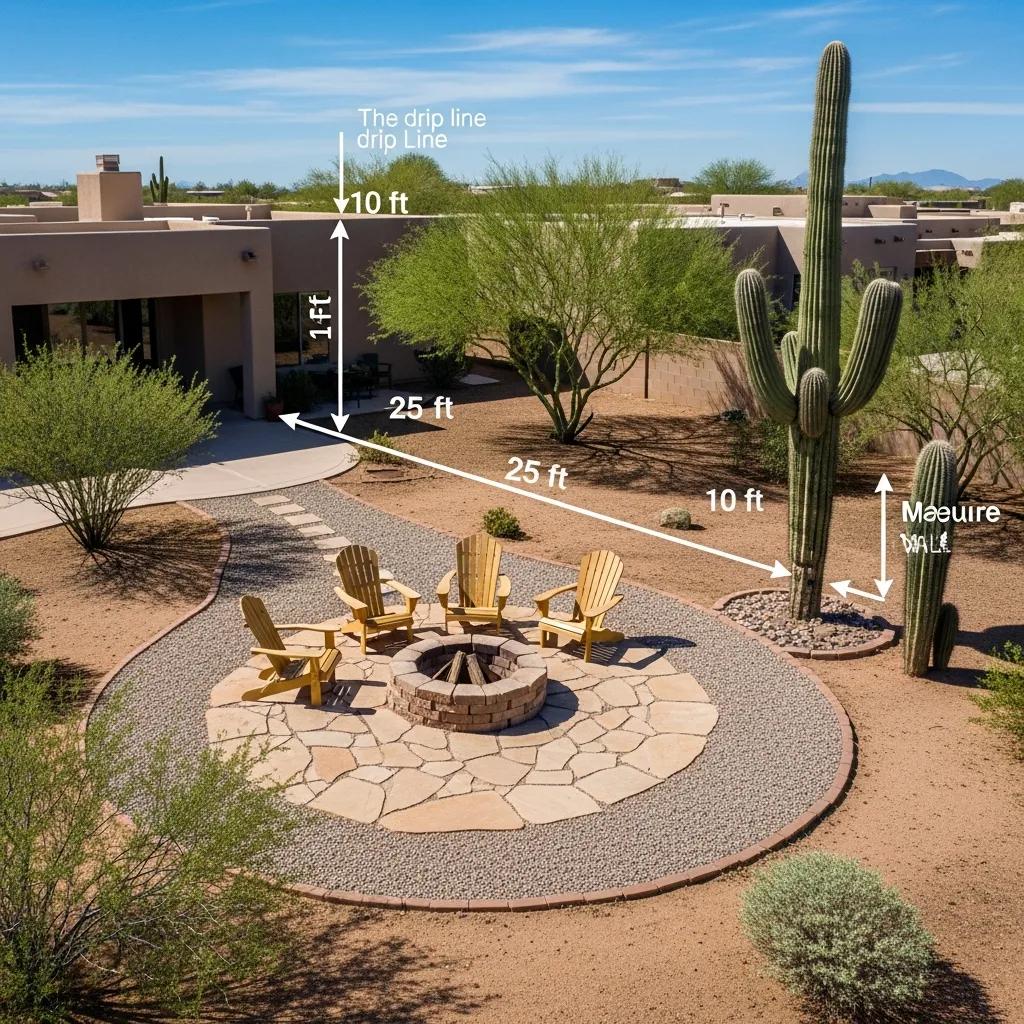
- Maintain minimum clearances: Keep flames at least 10 feet from structures and about 25 feet from large trees or combustible hedges whenever practical.
- Use non-combustible bases: Place fire pits on concrete, pavers, stone, or compacted gravel instead of wood or combustible decking.
- Control embers and sparks: Fit spark screens or arrestors and clear the surrounding area of loose mulch and dry leaves.
- Supervise at all times: Never leave an active fire unattended—assign a responsible adult to monitor conditions and wind changes.
- Keep extinguishing tools ready: Have a Class ABC extinguisher, a metal shovel, and a bucket of water or sand within reach.
- Avoid accelerants and banned materials: Never use gasoline, lighter fluid, treated wood, plastics, or household trash as fuel.
Choosing a Safe Location for Your Fire Pit or Fireplace
Non-Combustible Materials for Safe Fire Pit Bases
How Arizona Regulations and Permits Affect Outdoor Fire Features
Which Arizona Cities Typically Require Permits?
| City/County | Permit Required? | Notes |
|---|---|---|
| Phoenix (Maricopa area jurisdictions vary) | Often yes for permanent installations | Permanent fireplaces and gas-line hookups generally trigger permits and inspections |
| Tucson / Pima County | Yes for built-in or gas-connected features | Portable units may be allowed with setbacks; confirm seasonal bans |
| Flagstaff / Coconino County | Frequently yes, with wildfire-focused restrictions | Higher elevations and forested areas have stricter burn rules and shorter seasons |
Current Burn Bans and Restrictions in Arizona
Best Practices for Fuel Selection and Ember Prevention
| Fuel Type | Safe to Burn? | Notes/Precautions |
|---|---|---|
| Seasoned hardwood (oak, mesquite) | Yes | Low moisture (<20%), high heat, fewer sparks; store dry and split |
| Manufactured fire logs | Yes, if rated for outdoor use | Consistent burn and reduced sparks; follow manufacturer guidelines |
| Propane/gas | Yes (with certified installation) | Clean burn, minimal embers; requires proper gas-line installation and shutoff |
Safe Wood and Fuel Choices for Outdoor Pits
Materials You Should Never Burn
Supervision and Safety Around Fire Pits for Children and Pets
Recommended Safe Zones and Distances
Essential Safety Equipment for Outdoor Fire Pits
Proper Steps for Extinguishing and Maintenance
| Task | Frequency | Tools/Method |
|---|---|---|
| Ash removal | After each significant use | Metal shovel and metal ash container with lid; ensure ash is cold before storage |
| Spark-screen and grate inspection | Monthly during season | Wire brush, heat-resistant gloves; replace screens with damaged mesh |
| Gas-line inspection and testing | Annually or after service | Licensed technician, gas leak detector, pressure test per code |