Popular Landscaping Styles for Arizona Homes — A Practical Guide to Luxury and Water‑Smart Outdoor Living

Arizona homeowners are choosing landscape styles that pair bold desert character with water‑wise design and resort‑level amenities. This guide breaks down the region’s most popular approaches—Desert Modern, Mediterranean, Southwestern, resort‑style, and contemporary desert—showing how plant choices, hardscape materials, and luxury touches like pools and outdoor kitchens combine to create year‑round outdoor living. You’ll learn which styles suit different climates and maintenance preferences, which plants and materials perform best in Phoenix‑area conditions, and practical ways to blend drought‑tolerant strategies with high‑end features. If you’re planning a custom pool or a backyard remodel, deciding on a style early keeps design cohesive, protects your budget, and maximizes curb appeal. Later sections include plant recommendations, hardscape comparisons, drought‑smart practices (including artificial turf), and a clear design‑build process to help bring a luxury landscape to life.

What Are the Most Popular Landscaping Styles for Arizona Homes?

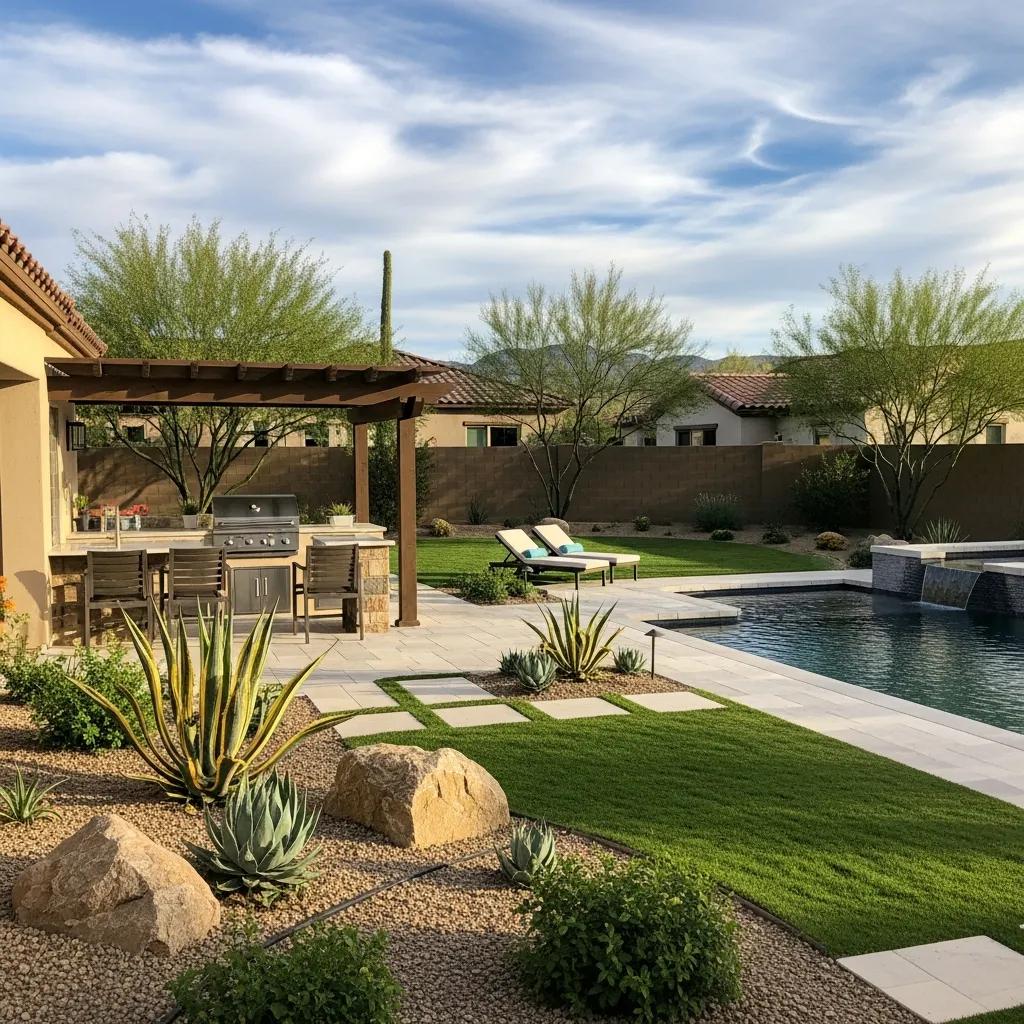
Arizona landscape styles translate traditional garden ideas into climate‑adapted compositions that emphasize texture, shade and efficient water use while delivering luxurious outdoor living. Desert Modern relies on minimalist planting and strong geometry; Mediterranean gardens layer fragrant shrubs with stone patios and shaded dining areas; Southwestern design celebrates native, sculptural plants and warm, aged stone; resort‑style yards revolve around pools with integrated lounges and water features; and contemporary desert blends native species with clean materials and subtle lighting. Each style favors specific hardscape choices—broom‑finished concrete and steel accents fit Desert Modern, while tumbled stone and terracotta suit Mediterranean—and those choices shape circulation and sightlines for year‑round use. Knowing these signature elements helps homeowners pick a direction that aligns with their aesthetic goals, maintenance tolerance and water budget.

Island Pools and Landscaping AZ designs and builds custom pools alongside full landscape plans, making us a practical partner for homeowners who want pools, hardscapes and outdoor living amenities executed together. We focus on creating functional backyard oases where pool features and surrounding landscape are coordinated from the start, simplifying decisions for homeowners seeking cohesive, luxury results. That integrated perspective informs the style recommendations below and how to implement them effectively.

This quick reference summarizes each style and its defining traits for homeowners narrowing direction:

  1. Desert Modern: Minimal plantings, geometric hardscapes, sculptural succulents.
  2. Mediterranean Garden: Layered shrubs, stone patios, shaded alfresco rooms.
  3. Southwestern Landscape: Native plant forms, warm stonework, rustic fire features.
  4. Resort‑Style Backyard: Pool‑focused layouts, built‑in amenities, lounge zones.
  5. Contemporary Desert: Native palette with modern materials and accent lighting.

That overview highlights each style’s visual cues and priorities; the sections that follow dig into Desert Modern and Mediterranean details, including plant palettes and hardscape recommendations.

How Does Desert Modern Landscaping Define Arizona Luxury Yards?
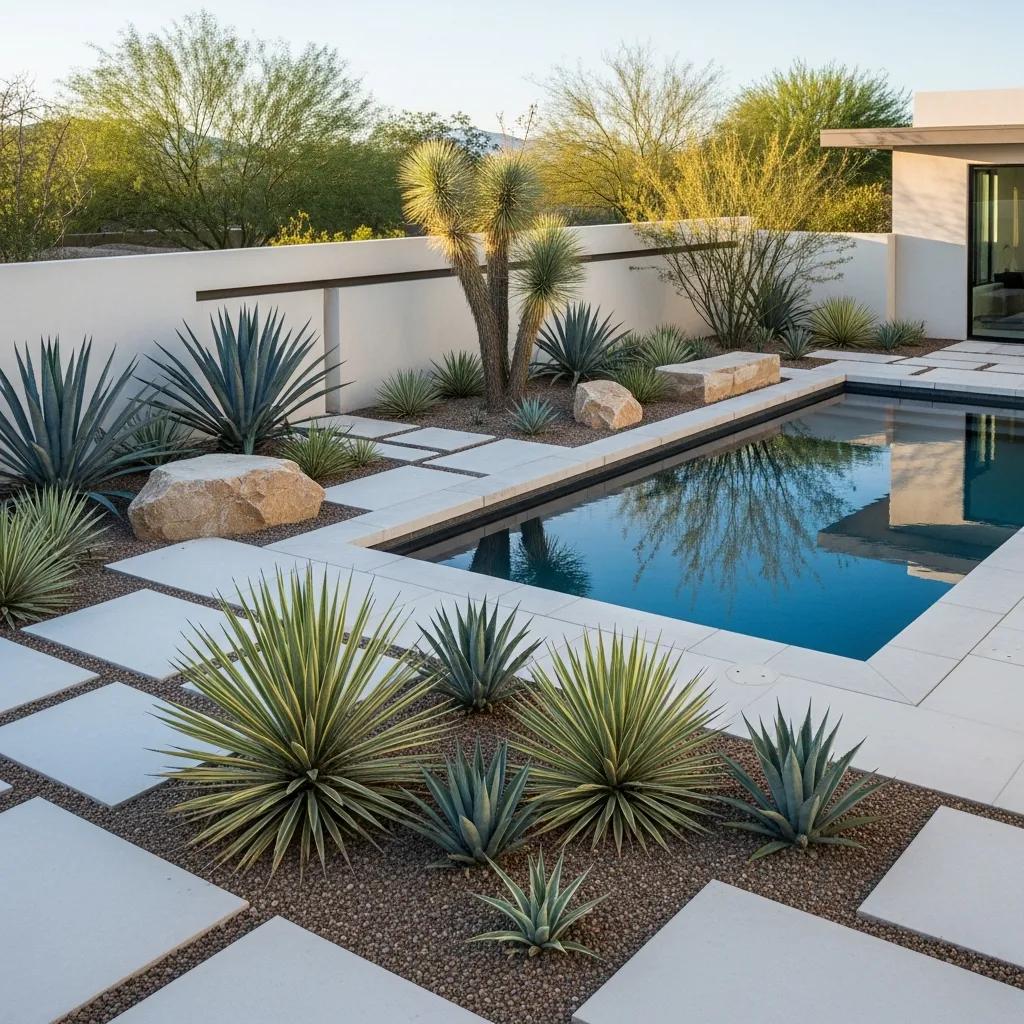
Desert Modern creates luxury yards through a restrained plant palette, crisp geometry and high‑quality materials that emphasize strong architectural lines and easy upkeep. Expect sculptural agave and yucca paired with specimen trees and low groundcovers, set against materials like broom‑finished concrete, corten planters and honed stone that form clean edges and low terraces. A modern pool—typically rectangular with a sun shelf and subtle waterline finish—reinforces the linear aesthetic and becomes a resort‑like focal point. Thoughtful lighting and hidden irrigation hardware preserve the minimalist look while keeping plants healthy and the space usable after dark, delivering a refined, low‑clutter luxury experience.

What Features Characterize Mediterranean Landscape Design in Arizona?
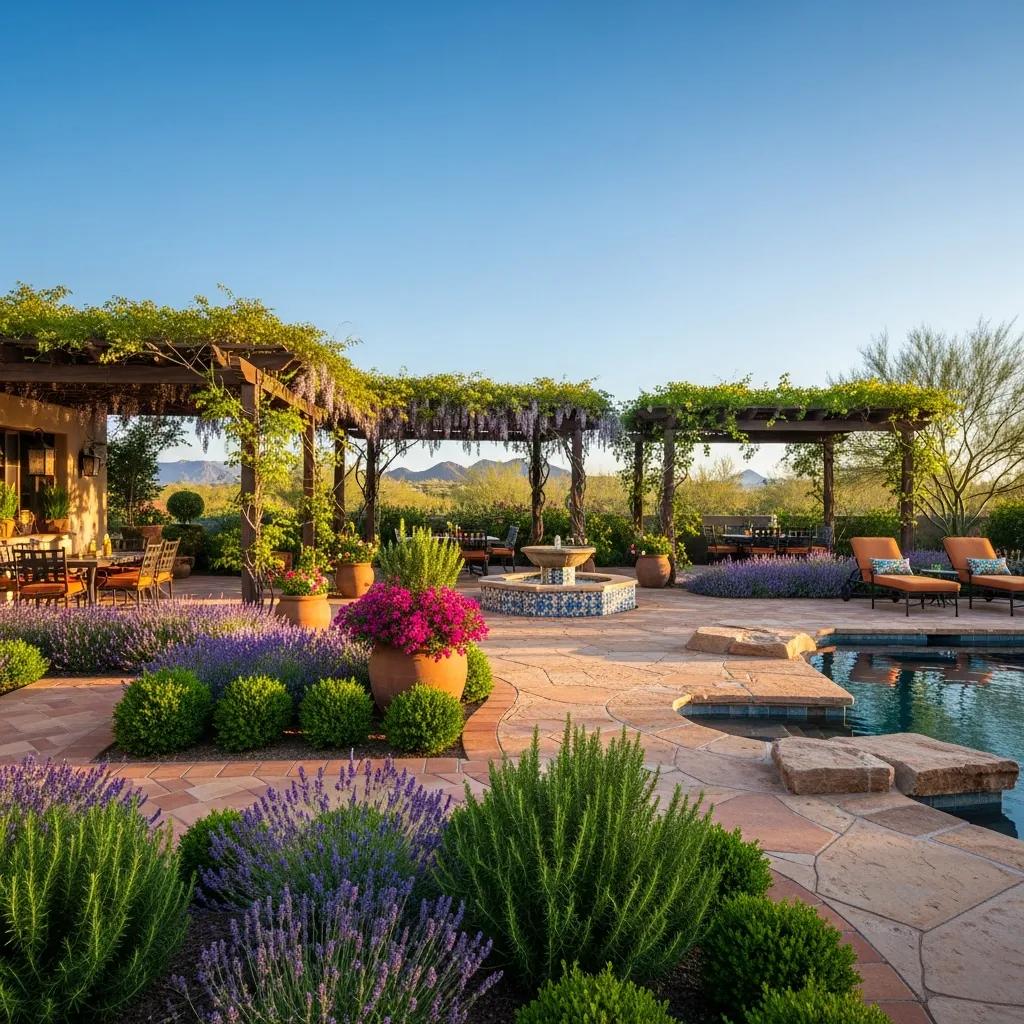
Mediterranean design in Arizona adapts classic elements—lavender, rosemary, bougainvillea and olive‑like forms—into a dry‑climate palette that still feels warm and welcoming. Key features include terracotta or natural stone paving, small fountains to add cooling sound, pergolas or trellises for shaded dining, and layered plantings that combine fragrant shrubs with seasonal color. Pools in Mediterranean settings often use natural stone coping and organic shapes, paired with outdoor kitchens and dining terraces for alfresco entertaining. By choosing drought‑adapted cultivars and durable materials, Mediterranean gardens can deliver lush, sensory appeal while using water responsibly—ideal for high‑end yards focused on hospitality and timeless finishes.

How Can Southwestern Backyard Ideas Enhance High‑End Arizona Properties?

Southwestern design lifts upscale properties by using regional materials, native plant silhouettes and handcrafted hardscape details that create a warm, site‑specific sense of place. Sculptural native trees, textured stonework and custom masonry seating yield yards that feel rooted in the desert while accommodating luxury amenities like custom fire pits, covered lounges and integrated poolscapes. Careful circulation and grading make patios, terraces and pool edges relate visually so outdoor “rooms” flow from the interior without feeling disconnected. High‑end builds emphasize premium materials, tailored lighting and irrigation tuned for native species—choices that extend longevity and preserve the handcrafted aesthetic of upscale Southwestern landscapes.

Use the table below to compare hardscape materials commonly used in luxury Southwestern projects.

MaterialDurability / Cost / Visual EffectBest Use for Luxury Installations
Natural FlagstoneHigh durability, moderate‑to‑high cost, rich texture and color variationPrimary patios and pool copings where an organic, upscale surface is desired
Poured Concrete with StainVery durable, cost‑effective, contemporary appearanceModern pathways and coordinated terraces that need a uniform, clean look
Custom Pavers (tumbled)Durable, mid‑cost, classic patterningCourtyards and circulation areas that benefit from formal patterns
Tile and Mosaic AccentsModerate durability, higher cost, decorative focal pointsAccent water features, pool benches and entry thresholds for refined detail

This comparison clarifies how material choices affect appearance and maintenance, helping homeowners decide where to invest in premium finishes. Next, native and drought‑tolerant plants strengthen the Southwestern look while cutting irrigation needs.

Which Native and Drought‑Tolerant Plants Thrive in Southwestern Landscapes?

Native and drought‑tolerant plants give Southwestern luxury landscapes sculptural form, seasonal interest and low water demands when placed correctly. Look to palo verde for filtered shade and architectural branching, agave and yucca for dramatic focal points, ocotillo for vertical accents, and desert shrubs like salvia and penstemon for color and pollinator value. Grouping plants by water needs and root depth simplifies irrigation zones and reduces long‑term upkeep, while specimen placement and layered understory plantings create the depth expected in high‑end yards. Pairings—such as agave with low groundcovers and gravel mulch—deliver refined contrast and texture that keep the Southwest identity while supporting sustainable irrigation strategies.

What Hardscape Elements Complement Southwestern Backyard Designs?

Hardscapes that complement Southwestern gardens balance rustic character with precise execution to achieve luxury results through material choice, clean edges and careful detailing. Raised planters with corten caps, sintered stone patios, decomposed granite paths and masonry fire pits form durable frameworks that visually tie planting and pool areas together. Subtle grading for drainage, recessed step and wall lighting, and joint patterns that align with paving maintain function and longevity while keeping a handcrafted feel. In upscale projects, built‑in seating nooks, planters near pool edges and textured plaster finishes elevate the tactile quality of exterior rooms and make the yard feel intentionally curated.

Why Is Luxury Outdoor Living a Growing Trend in Arizona?

Luxury outdoor living is rising in Arizona because the climate allows extended outdoor seasons, homeowners want experience‑driven spaces, and pools with integrated amenities add lifestyle value and resale appeal. Popular trends include resort‑style pools, outdoor kitchens, fire features and smart irrigation that reduce upkeep while boosting comfort. High‑end clients want integrated design—where pool, hardscape and planting are planned together—so outdoor areas act as true extensions of the interior rather than afterthoughts. That coordination, done early, produces cohesive, low‑maintenance luxury landscapes that perform in hot, dry conditions.

Commonly requested luxury features include:

  • Outdoor kitchens with premium appliances and shaded prep zones.
  • Fire pits and fireplaces sited for evening ambiance and comfortable seating flow.
  • Resort‑style pool elements like tanning ledges, integrated spas and negative edges.

Because these amenities require structural, mechanical and aesthetic coordination, experienced design‑build teams who manage pools and landscapes together produce more reliable outcomes. Island Pools and Landscaping AZ lists luxury pool remodeling, outdoor living, hardscaping and softscaping among our core services—matching homeowner demand for integrated, detail‑oriented delivery. Pairing pool builders with landscape designers early helps avoid costly rework and yields longer‑lasting results.

How Do Outdoor Kitchens and Fire Pits Elevate Arizona Backyards?

Outdoor kitchens and fire pits turn yards into programmed outdoor rooms for entertaining, cooking and relaxing across seasons—improving daily use and long‑term property value. Outdoor kitchens typically include durable countertops, integrated appliances and shaded dining areas placed near indoor access to encourage flow. Fire pits and fireplaces add warmth, light and a gathering focal point; materials like natural stone, concrete or corten should tie to the surrounding paving and seating. Proper placement accounts for wind, smoke and circulation, while planning utility runs and access panels during construction keeps maintenance simple and preserves clean sightlines.

What Role Do Pools Play in Creating Resort‑Style Outdoor Spaces?

Pools anchor resort‑style yards by organizing sightlines, defining activity zones and adding sensory features like moving water and reflected light. Luxury pool options—vanishing edges, integrated spas, tanning shelves and water blades—create diverse experiences for lounging, swimming and visual drama while syncing with surrounding hardscapes and lighting. Designing smooth pool‑to‑patio transitions with consistent materials and coordinated levels ensures safe circulation and a unified look, and nearby planting and shade structures moderate the microclimate for year‑round use. Integrating pools early in the design process prevents costly changes to equipment placement, drainage and utilities and promotes long‑term performance and visual harmony.

How to Incorporate Drought‑Tolerant Landscape Practices in Phoenix Homes?

Bringing drought‑tolerant practices into Phoenix landscapes combines xeriscape principles with upscale design so you conserve water without sacrificing aesthetics or amenities. Core tactics include grouping plants by water need, choosing drought‑adapted species that still have strong visual appeal, amending soils and using targeted irrigation, and substituting artificial turf or decomposed granite for high‑use lawn areas. Premium artificial turf with careful edge details works well around pools and cuts irrigation, while smart controllers and drip zones optimize water use. The table below compares drought‑tolerant plants with attributes that matter for high‑end yards to help with material selection.

PlantWater Use / Maintenance / Mature Size / Luxury AppealRecommendation for High‑End Yards
Agave (architectural)Very low water, low maintenance, 3–5 ft, bold focal appealPlace as sculptural specimens near paths or pool corners
Palo Verde (tree)Low–medium water, moderate maintenance, 20–30 ft, provides filtered shadeUse to shade patios and reduce solar gain on hardscapes
Salvia / Leucophyllum (shrubs)Low water, low maintenance, 3–6 ft, seasonal color and fragranceMass in beds for texture and pollinator value in formal layouts
Ocotillo (accent)Very low water, low maintenance, 6–15 ft, striking vertical formUse as vertical punctuation along walls or drive entries

This comparison helps prioritize species that deliver sculptural form and luxury while minimizing irrigation. Next, consider plant lists and artificial turf specifics to complete drought‑friendly plans.

Before choosing turf or alternatives, follow these core drought strategies:

  1. Group plants by irrigation zones to prevent overwatering.
  2. Use drip irrigation for shrubs and trees; reserve spray heads for turf or high‑use areas.
  3. Choose premium artificial turf where you want green, usable spaces without water use.
  4. Incorporate soil amendments and mulch to retain moisture and reduce evaporation.

These steps create layered water efficiency that protects plant health while supporting sophisticated outdoor living.

What Are the Best Drought‑Resistant Plants for Luxury Arizona Landscapes?

High‑end, drought‑resistant selections favor species that combine strong form, seasonal color and low water needs to build refined compositions. Recommended choices include agave and yucca for sculptural focus, palo verde and ironwood for shade where appropriate, rosemary and lavender for fragrant hedging, and native salvias and penstemons for blooms and pollinator support. Pair large architectural plants with textural groundcovers and meandering decomposed granite paths to preserve flow while minimizing turf. For privacy or screening, columnar mesquites or clumping ornamental grasses create layered backdrops requiring little supplemental water once established—ideal for luxury yards that want structure without high irrigation bills.

How Does Artificial Turf Benefit Sustainable Arizona Landscaping?

Artificial turf offers the look and function of lawn without ongoing watering, fertilizing or mowing—dramatically cutting water use and maintenance. High‑quality turf mimics natural grass color and blade variation and performs well around pools when installed with the right subbase and drainage. Combining turf with decomposed granite, pavers or planting beds creates intentional contrast so drought measures read as design, not compromise. For luxury installs, specify UV‑stable turf, a well‑draining subbase and clean transition details to adjacent planting and hardscape so the result remains polished and natural in appearance.

What Is the Process for Designing and Building Custom Luxury Landscapes in Arizona?

Designing and building a custom luxury landscape in Arizona follows a coordinated, multi‑phase process: site evaluation, concept design, technical drawings, permitting, construction and client walkthroughs. Early work focuses on site assessment, grading and utility coordination so pool placement, drainage and hardscape tie back to the overall concept. Construction typically sequences hardscape, pool build, systems (irrigation and lighting) and then planting, with final walkthroughs to confirm performance before handoff. Clear communication, detailed deliverables and staged client touchpoints minimize surprises and help deliver premium finishes on time and on budget.

The project checklist below shows typical deliverables, timelines and why each phase matters for luxury outcomes.

PhaseDeliverables / Client Touchpoints / Typical TimelineWhy it Matters for Luxury Outcomes
Consultation & Site AssessmentGoals review, site measurements, budget guidance, initial sketches / 1–2 weeksSets expectations and identifies constraints early to protect design intent
Schematic DesignConcept plans, material palettes, amenity placement / 2–4 weeksAligns aesthetic direction and coordinates pool‑landscape relationships
Construction Documentation & ApprovalsTechnical drawings, irrigation plans, equipment specs / 2–6 weeksEnsures buildability, compliance and accurate costing for premium finishes
Construction & InstallationHardscape, pool build, systems, planting / 6–16 weeks depending on scopeSequenced coordination achieves high craftsmanship and integrated systems
Final Walkthrough & SupportClient walkthrough, irrigation tuning, punch list, maintenance guidance / 1 weekConfirms performance and trains homeowners for long‑term success

This checklist explains expectations and how each phase protects quality in luxury projects. If you want a partner who emphasizes coordination and clear communication, look for firms that offer integrated pool and landscape services for a smoother delivery.

How Does Island Pools and Landscaping AZ Ensure Client Satisfaction?

We prioritize client satisfaction through clear goal‑setting, detail‑oriented design and responsive communication throughout design and construction. Our process begins with thorough walkthroughs to capture homeowner priorities, then coordinates pool and landscape work so systems and finishes align. We document handoffs and follow up promptly on calls and emails to resolve questions during and after construction. For homeowners who want a single team managing pools, hardscapes and softscapes, our client‑focused approach reduces coordination gaps and supports a polished final result.

What Steps Are Involved in Integrating Pools with Landscape Designs?

Integrating pools with landscapes requires coordinated grading, equipment siting, structural detailing at hardscape interfaces and plant selection that accounts for maintenance and access. The process starts with a site assessment and grading plan to set proper drainage and pool elevation relative to patios, then specifies pool finishes and edge materials that transition cleanly to surrounding paving. Mechanical equipment and access panels are located for serviceability without disrupting sightlines, and planting plans favor low‑sap, low‑decay species near equipment and root systems that won’t damage structures. Coordinated lighting and carefully detailed joints complete the integration so pool and landscape function together as a single, usable outdoor environment.

How to Choose the Right Landscaping Style for Your Arizona Home?

Pick a landscaping style based on how you want to use the yard, your maintenance tolerance, budget and how the landscape will work with pools and outdoor amenities. Decide if you prefer minimalist geometry and low upkeep (Desert Modern), fragrant, social outdoor rooms (Mediterranean) or regional character with native materials (Southwestern). Then evaluate irrigation budgets and HOA rules. Comparing maintenance, water use and cost across styles clarifies trade‑offs—for example, Mediterranean plantings often need more water than Desert Modern palettes but reward with softer textures and scent. Use the short checklist below to weigh priorities and reach a confident selection that fits your lifestyle and long‑term maintenance plan.

  1. Define primary use: entertaining, family play, quiet retreat or visual impact.
  2. Assess maintenance tolerance: weekly gardening, seasonal pruning or minimal upkeep.
  3. Set a water budget: low, moderate or flexible for lush plantings and pools.
  4. Match materials and finishes to your home’s architecture for cohesion and resale value.

Use this checklist to narrow choices, then request concept plans that show pool and hardscape integration to finalize selections. The comparison below highlights differences between two commonly chosen high‑end styles.

What Are the Benefits of Desert Modern vs. Mediterranean Styles?

Desert Modern and Mediterranean styles answer different homeowner priorities: Desert Modern minimizes water use and maintenance while making a crisp, contemporary statement; Mediterranean creates layered, sensory outdoor rooms that support hospitality and dining. Desert Modern advantages include clear geometry, strong specimen plants and materials that age gracefully with little upkeep—pairs naturally with rectangular pools and minimalist kitchens. Mediterranean advantages include layered planting, stone patios and shaded pergolas that encourage comfortable outdoor living and work beautifully with curved pools and tile accents. Choose based on whether you prefer low water, clean lines and simplicity or textured planting and shaded social spaces; both styles integrate luxury pool features when coordinated early in design.

How Do Climate and Maintenance Influence Style Selection?

Climate and maintenance expectations strongly influence which landscape style will thrive in Arizona. Microclimates, shade patterns and available irrigation capacity determine plant selection and material performance. Properties with full sun and limited irrigation often benefit from Desert Modern palettes and artificial turf, while homes with mature shade trees or dedicated irrigation can support Mediterranean plantings with more seasonal color. HOA rules and local codes may limit materials or plant choices, so confirm constraints early to avoid rework. Finally, realistic maintenance planning—whether homeowner‑managed or contracted—keeps the chosen style looking intentional and well cared for, protecting daily enjoyment and long‑term value.

Frequently Asked Questions

What are the key considerations when selecting plants for Arizona landscapes?

Choose plants based on water needs, heat tolerance and maintenance requirements. Favor native and drought‑tolerant species that thrive locally—agave, palo verde and desert marigold are good examples. Group plants by irrigation requirements to create efficient zones, and consider seasonal interest and texture so species complement the overall design while providing year‑round visual appeal.

How can homeowners effectively integrate hardscapes with their landscaping?

Plan hardscape and planting together so materials and circulation work as one. Select materials that match your chosen style—natural stone for Southwestern looks, concrete for Desert Modern—and design pathways, patios and pool edges to encourage smooth flow between zones. Use raised planters, built‑in seating and consistent materials to blend hardscape with planting for both aesthetic cohesion and practicality.

What maintenance practices are essential for luxury Arizona landscapes?

Essential practices include monitoring irrigation to avoid overwatering, seasonal pruning to shape plants and encourage vigor, and mulching to retain moisture and suppress weeds. Use organic amendments to improve soil health and follow a maintenance schedule tailored to your plant list and hardscapes to preserve a polished, long‑lasting landscape.

How do outdoor features like fire pits and kitchens enhance outdoor living?

Fire pits and outdoor kitchens create programmed spaces for cooking, entertaining and relaxing—extending the home’s living area. Fire features add warmth and ambiance for evening use; kitchens support alfresco dining and keep gatherings convenient. When designed to match the landscape style, these features boost usability and property value while reinforcing a cohesive look.

What are the benefits of using artificial turf in Arizona landscapes?

Artificial turf eliminates irrigation, mowing and many ongoing maintenance tasks—great for drought‑prone areas. High‑quality turf looks realistic year‑round and performs well around pools when installed with proper drainage and edges. It lets you preserve usable green space without the water or upkeep of natural lawn, making it a practical, attractive option for families and entertainers.

How can homeowners ensure their landscaping design is sustainable?

Prioritize native and drought‑tolerant plants, group species by water needs, and use efficient irrigation systems. Incorporate permeable surfaces to improve drainage and reduce runoff, and use compost and mulch to build soil health. These strategies deliver attractive, resilient landscapes that conserve resources and lower long‑term costs.

Conclusion

Choosing the right landscaping style can turn your Arizona property into a luxurious, water‑smart outdoor oasis. Whether you lean toward Desert Modern, Mediterranean or Southwestern, understanding each style’s benefits helps you make informed choices that balance beauty, function and maintenance. Working with an experienced design‑build team early ensures pools, hardscapes and planting are coordinated for lasting performance and visual harmony. Ready to elevate your outdoor living? Explore our expert services and let’s start designing a backyard you’ll enjoy year‑round.