Peoria Luxury Pools & Landscaping — Bespoke Backyard Design for Elevated Outdoor Living

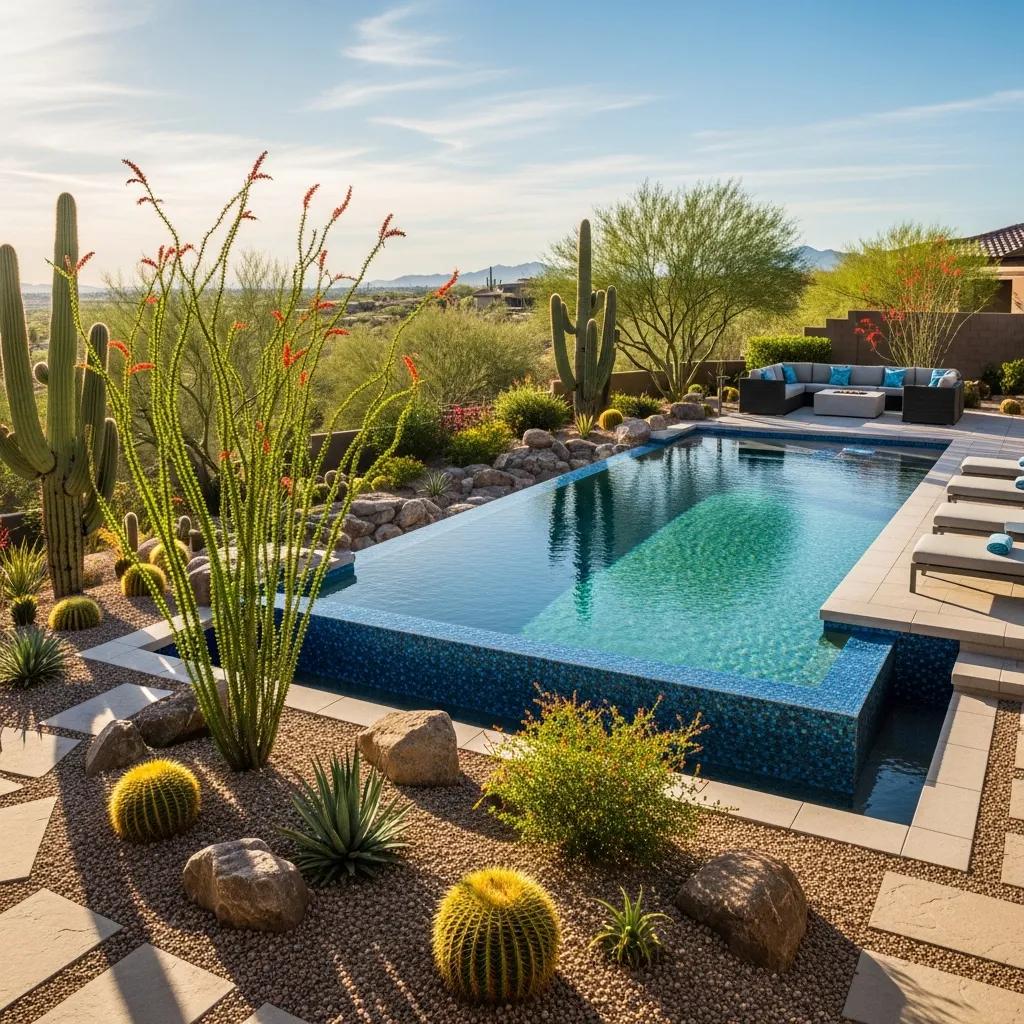
In Peoria, a genuine luxury backyard combines custom pool architecture, refined landscape design, and systems engineered for the Sonoran Desert — giving you a resort atmosphere at home. This guide explains what makes a pool and yard feel “luxury” here, why a design‑build approach delivers predictable results, and which materials and features balance style with low‑maintenance performance. You’ll get practical guidance on finishes and smart controls, water‑wise planting, and the steps for remodeling or building a backyard oasis. The content is organized into five focused sections: defining luxury pool design, custom landscape construction, must‑have backyard elements, why local remodelers matter, and the design‑build workflow with climate‑specific tactics. Throughout, our advice stays practical, realistic, and tuned to Peoria conditions.

What Makes a Pool “Luxury” in Peoria, AZ?

Luxury pool design in this region pairs high‑quality materials, thoughtful geometry, integrated planting, and tech that reduces upkeep while increasing enjoyment. The difference is coordination — glass tile or pebble finishes, striking water‑edge details, and automation for sanitation and circulation that together create strong visuals and dependable water quality. When finishes, hardscape, lighting, and shade are designed as one system, homeowners get a resort feel that’s easier to maintain and adds lasting value. The sections below walk through the signature features and smart systems that elevate a pool to “luxury” in Peoria.

Which features perform best here comes down to material choices and system design. The table below compares common luxury features, their technical attributes, and the homeowner benefits to help you prioritize based on looks and maintenance expectations.

This table outlines common luxury pool elements, what they offer technically, and the value they add for owners.

FeatureAttributeBenefit/Value
Glass tile accentsUV‑stable, reflective surfaceLong‑lasting color and resistance to fading
Infinity / vanishing edgeNeeds precise grading and plumbingCreates seamless views and strong landscape integration
Pebble and aggregate finishesDurable, textured surface that hides wearPremium look with improved slip resistance and low staining
Automated filtration & controlsRemote monitoring, variable‑speed pumpsLower energy use and less hands‑on maintenance

Use this comparison to match features to your lot, lifestyle, and how much maintenance you want to manage. Next, we’ll highlight high‑end elements and when they’re worth the investment.

Which Custom Features Give Peoria Pools Their “Wow” Factor?
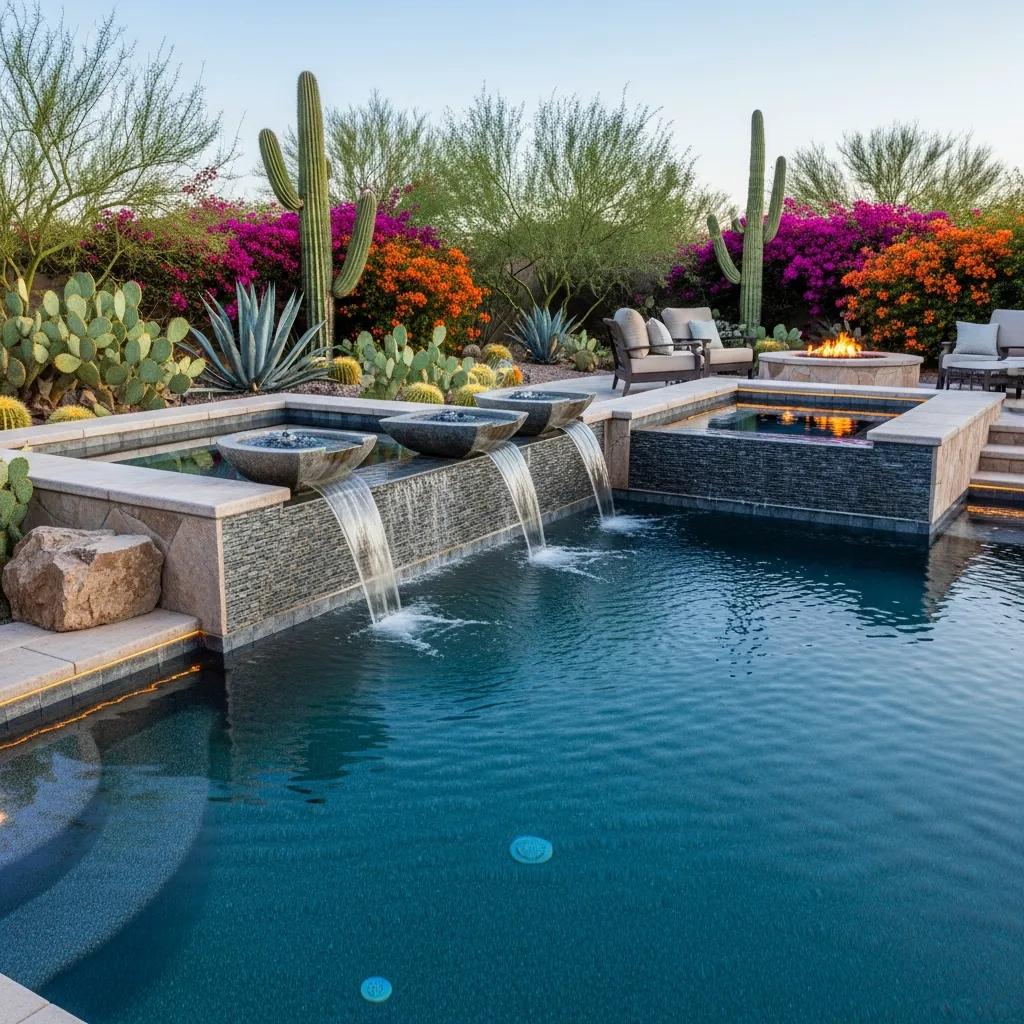
Signature elements deliver visual impact while respecting desert constraints. A vanishing edge works well on sloped sites, raised spas and grottos add vertical interest and sound separation, and glass tile mosaics stay vibrant under strong sun. Pebble or aggregate finishes provide a textured, non‑slip surface that endures heat. Prioritize features that suit your property’s grade, sightlines, and circulation so you avoid costly rework and get the most daily use and resale value.

Those features also require correct mechanical sizing — pumps, skimmers, and heaters must match the pool geometry and automation you select — so resolving equipment relationships early saves time and money on a remodel or new build.

How Smart Pool Technology Improves Outdoor Living

Smart pool technology removes the routine hassle and extends how much you enjoy your yard. Variable‑speed pumps, automated chemical controllers, and integrated lighting and audio let you set energy‑efficient filtration, keep sanitizer levels steady, and program ambiance for gatherings. Remote monitoring alerts you to leaks or equipment faults quickly, reducing downtime and service calls. These systems can tie into home automation so pool heating, landscape lighting, and outdoor kitchens operate together for a seamless outdoor experience.

Configured with sensible schedules and sensors, smart components deliver convenience and measurable energy savings — key considerations for any luxury project.

How Island Pool & Landscaping Builds Custom Landscapes in Peoria

We start every custom landscape with a site‑first design that respects microclimates, solar orientation, and water budgets while organizing spaces and materials. Our crew coordinates hardscapes, retaining elements, turf or synthetic surfaces, and plant groupings so each piece supports circulation, shade, and outdoor living zones. Construction focuses on durable paving, integrated drainage, and irrigation zoning to match the aesthetic and maintenance level a luxury homeowner expects. Below is a practical mapping of common design elements to materials and climate considerations.

The table below links design elements with appropriate materials, plant choices, and the climate considerations that matter in Peoria.

Design ElementMaterial/Plant ChoiceClimate/Water Consideration
Hardscape (patios, paths)Natural stone, permeable paversCuts heat absorption and improves drainage
Turf / play surfacesArtificial turf or drought‑tolerant grass blendsReduces irrigation needs while staying durable
Plant palettesAgave, palo verde, native shrubsLow water use and strong sun tolerance
Water featuresClosed‑loop recirculation systemsMinimizes water loss and evaporation in arid climates

This mapping shows how smart material choices translate to reliable performance in the Sonoran Desert and how landscape elements can support — not compete with — a luxury pool. The next subsection outlines core landscape features that shape cohesive outdoor rooms.

Key Elements of High-End Landscape Design

High‑end landscapes depend on clear circulation, layered plantings, strong focal points, and intentional night lighting so the yard works just as well after dark. Paver patterns and subtle grading define arrival sequences, pool edges, and seating areas while sculptural plants or a feature anchor sightlines. Balancing hard and soft surfaces, plus well‑placed shade, creates comfortable microclimates during peak heat. Lighting highlights texture, ensures safe movement, and defines entertainment zones without glare, creating a cohesive evening environment.

These elements add depth and rhythm to the yard and directly influence how pool features are experienced and used.

How We Integrate Drought-Tolerant, Sustainable Planting

Smart, sustainable planting groups species by water needs, uses drip‑irrigated zones, and combines complementary textures for a refined palette. We often pair structural succulents with flowering low‑water shrubs and native groundcovers for seasonal interest with minimal irrigation. Shade trees are placed near living areas, and more water‑dependent accents go in microclimates where runoff or greywater can be reused. Maintenance remains straightforward: seasonal pruning, light feeding when required, and mulching to retain moisture.

Research consistently shows that thoughtful plant selection and efficient irrigation are the best tools for conserving water in arid landscapes.

Drought-Resilient Landscape Design for Water Conservation

Urban landscapes face rising water demand, so modern designs favor drought‑tolerant species to keep yards attractive during dry periods. Irrigating to the plant’s actual needs — the minimum rate that maintains acceptable appearance — is a practical way to conserve water without sacrificing landscape quality.

These planting strategies reduce long‑term water use and upkeep while preserving the refined look that complements premium pool finishes and hardscape choices.

Essential Components of a Backyard Oasis in Peoria, Arizona
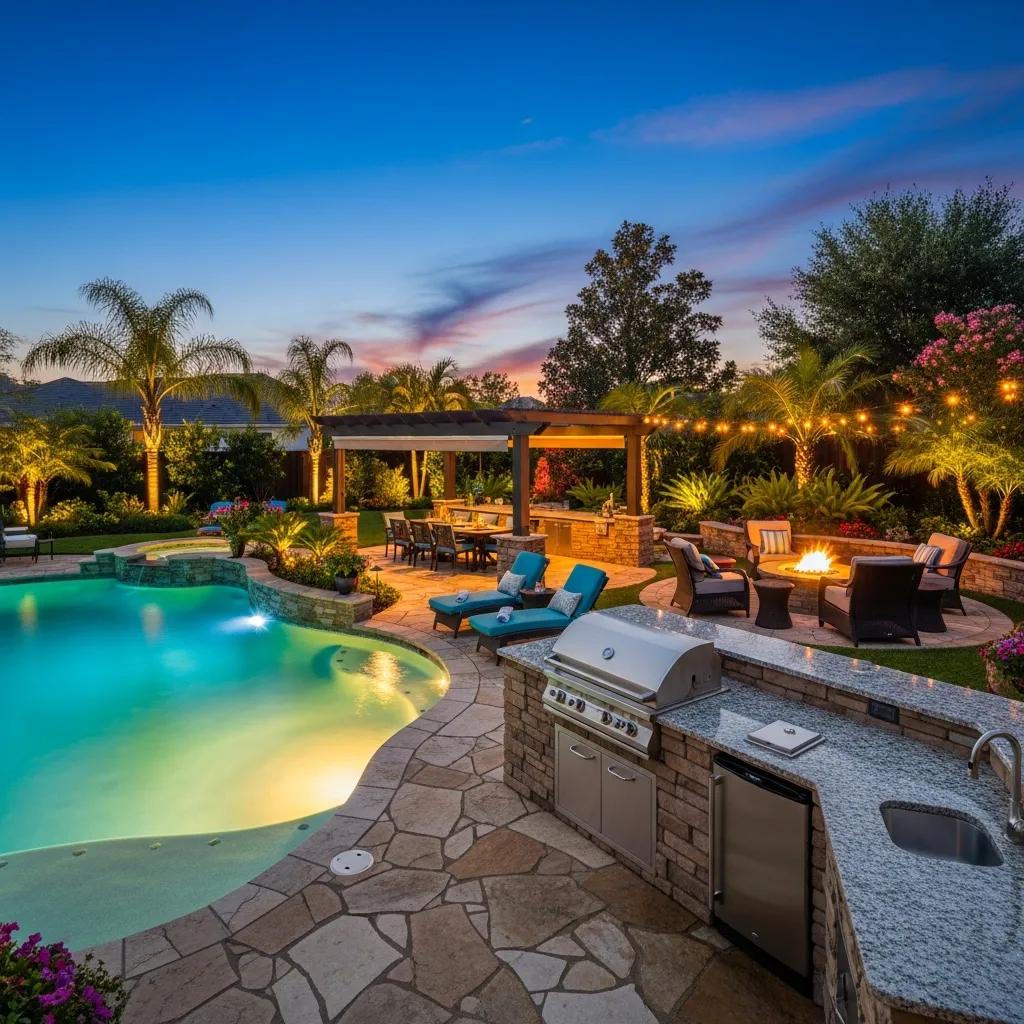
A backyard oasis pairs pools and spas with outdoor kitchens, fire features, well‑scaled seating, and layered lighting so the space supports quiet relaxation and lively gatherings alike. The secret is spatial layering — separate noisy cooking areas from quiet lounges and align pool sightlines with landscape focal points. High‑value components include durable paving, water‑wise planting, shade structures, and integrated systems that lower upkeep. Below is a concise checklist to guide your planning.

These essentials form the backbone of both function and atmosphere in a luxury yard.

  1. Pool and spa with integrated water features: Provide recreation and calming soundscapes.
  2. Outdoor kitchen or cooking center: Expands entertaining and supports flow.
  3. Covered seating and shade structures: Improve comfort during peak sun.
  4. Fire feature or fireplace: Extends use into cooler evenings.
  5. Landscape lighting and audio: Set mood and lengthen usable hours.
  6. Privacy screening and strategic planting: Define intimate zones and preserve views.

Use this list to prioritize based on how you live outdoors; next we cover the features Peoria homeowners choose most often.

Most Popular Outdoor Living Features in Peoria

Locally, homeowners most often invest in outdoor kitchens, covered patios, and low‑maintenance turf or artificial turf for entertaining and family activities. Water features and fire pits remain favorites for evening ambiance. Outdoor kitchens commonly include built‑in grills and serving counters as social hubs, while pergolas and patio covers add shade to extend seasonal use. Artificial turf is chosen for active zones where irrigation and mowing are concerns, and water features are designed to recirculate. Because budgets vary, many owners phase projects — starting with core hardscape and utilities, then adding decorative amenities over time.

Knowing these local priorities helps set realistic budgets and phased plans for a complete outdoor living concept.

How Outdoor Kitchens, Fire Pits, and Water Features Change a Yard

These amenities define activity zones, extend evening use, and add sensory layers that engage sight, sound, and scent. Outdoor kitchens make hosting simpler with prep space near dining areas and coordinated hookups. Fire pits become natural gathering points, while water features add motion and acoustic buffering for perceived privacy. Durable material choices — stainless appliances, concrete counters, sealed stone — reduce long‑term maintenance, so investing in robust finishes up front lowers lifecycle costs.

These features elevate the overall experience of the yard and inform decisions about circulation, lighting, and landscape screening.

Why Work with a Peoria Pool Remodeling Contractor for Your Luxury Yard?

Working with a local Peoria remodeler brings experience with permits, climate‑appropriate materials, and the sequencing needed to retrofit without harming the landscape. Local teams understand municipal plumbing and electrical standards, which finishes resist UV and mineral buildup, and which equipment balances performance with efficiency. Remodeling often offers a cost‑effective path to modern features — automating systems, resurfacing with pebble finishes, or reworking decks for better flow — without a full rebuild. Below is a short summary of the remodeling benefits homeowners should expect.

  1. Faster timelines: Existing shells and utilities shorten construction.
  2. Cost-effective upgrades: New finishes and automation modernize performance without full replacement.
  3. Permitting and code compliance: Local pros manage approvals and inspections.
  4. Improved functionality: Reconfigured layouts and systems simplify maintenance and boost use.

These advantages show why targeted remodels are a practical route to contemporary performance and a refined look. The sections that follow outline the typical process and expected outcomes.

The Typical Remodeling Process for Luxury Pools

A luxury pool remodel generally follows clear phases: assessment, design and budgeting, permitting, selective demolition, equipment and finish upgrades, and commissioning with homeowner training. The assessment documents shell condition, plumbing, and electrical capacity so you can decide whether resurfacing, replumbing, or reshaping is needed. Design and permitting combine aesthetic changes with technical upgrades — for example, adding automation or variable‑speed pumps — and schedule work to limit landscape disturbance. Commissioning covers water balancing, system programming, and owner training so systems operate reliably from day one.

Defined milestones and quality checks keep projects on track and ensure the finished pool meets both performance and luxury expectations.

How Remodeling Improves Function and Look

Remodeling improves function by replacing outdated pumps with variable‑speed units, adding automated chemical controllers, and optimizing circulation for better water quality. It refreshes aesthetics through new finishes like glass tile accents or pebble aggregate that restore color and texture. Functional upgrades reduce energy use and maintenance time, while aesthetic updates immediately raise visual appeal and perceived value. Even modest layout tweaks or new coping materials can change how a space feels and is used.

Those combined benefits explain why many owners choose targeted remodels to modernize performance and achieve a refined look.

How the Design-Build Process Delivers Better Outdoor Living Results

Design‑build delivers more consistent outcomes by keeping design and construction under one roof, reducing miscommunication and speeding decisions. The model’s strength is an integrated team that iterates in 3D, selects materials early, and sequences trades to avoid costly changes. That approach supports tighter cost control, single‑point accountability for quality, and faster delivery because the same team manages revisions and logistics. Below is a simple process outline showing typical steps, deliverables, and timeframes for a design‑build luxury outdoor project.

  1. Consultation & site analysis (1–2 weeks): Define goals, constraints, and budget.
  2. Concept design & 3D rendering (2–4 weeks): Create visuals and schematic plans to align the vision.
  3. Detailed design & engineering (3–6 weeks): Finalize materials, structures, and mechanical systems.
  4. Permitting & procurement (2–6 weeks): Submit plans and order long‑lead items.
  5. Construction & installation (4–12+ weeks): Coordinate trades, manage timelines, and complete the build.
  6. Commissioning & handover (1 week): Program systems, test performance, and walk through with the owner.

Following these steps reduces surprises and improves satisfaction by clarifying trade‑offs and costs early. The next subsection explains how 3D landscape design tightens alignment between owners and builders.

Steps from Consultation to Completion

The workflow begins with a discovery meeting and site survey to capture constraints and goals, then moves to schematic design and iterative 3D renderings so scale and materials are confirmed. After client sign‑off, we produce construction documents and engineering for permitting, then sequence procurement and construction while managing change requests. Regular site reviews and milestone approvals maintain quality, and a formal commissioning phase hands over systems and trains owners so they can operate equipment confidently.

This sequence ensures major decisions are vetted visually and technically before installation, minimizing rework and keeping the final result true to the original vision.

How 3D Landscape Design Improves Visualization

3D design closes the expectation gap by translating plan views into realistic perspectives that reveal textures, shadows, and sightlines at different times of day. Renderings let clients test materials, lighting, and furniture layouts virtually, resolving selections before ordering long‑lead items and reducing costly on‑site changes. Visual models also help subcontractors align on grading, drainage, and hardscape tolerances, improving build accuracy and cutting rework. In short, 3D tools speed approvals and increase client confidence.

Using 3D shortens decision cycles and makes construction more predictable, which boosts overall satisfaction.

With the benefits of design‑build and 3D visualization explained, it’s helpful to see how local climate considerations influence material and system choices — and how Island Pool & Landscaping applies those choices in practice.

If you’re ready to discuss a tailored design‑build approach, Island Pool & Landscaping treats design and construction as a single service that aligns proof, process, and portfolio in every proposal. We deliver luxury remodels, custom resort‑style pools, outdoor living areas, hardscapes, artificial turf, water features, and outdoor kitchens — all with Peoria climate and permitting know‑how. To request a project review, call us at (602) 818-1277 or email PoolConnect@gmail.com.

Peoria Climate Expertise from Island Pool & Landscaping

Local expertise centers on UV‑stable finishes, smart shade and orientation, and water‑wise systems that keep spaces usable while preserving a luxury look. Practical tactics include specifying finishes that resist mineral staining, siting shade structures to reduce afternoon heat on pool decks, and grouping plants into hydrozones for efficient irrigation. The table below summarizes techniques, typical applications, and measurable water or comfort benefits so homeowners can compare options.

TechniqueApplicationWater Savings/Benefit
Drip irrigation + smart controllersZone‑based watering tailored to plant groupsReduces runoff and overwatering; up to 30–50% water savings vs spray systems
Variable-speed pumpsSized to hydraulic demand and automation schedulesLower energy consumption and optimized run time while maintaining turnover
Pool covers & efficient heatersRetain heated water and reduce evaporationPreserve heat and reduce how often you top off water
Xeriscaping & mulchLow‑water plant palettes with soil amendmentsMinimizes supplemental irrigation and stabilizes soil moisture

How Design Responds to the Sonoran Desert

Design strategies for the Sonoran Desert prioritize shade, reflective and UV‑stable materials, and plantings that tolerate heat and sun. We add pergolas, umbrellas, and canopy trees to block afternoon sun while maintaining views. Light‑toned pavers reduce heat absorption, and UV‑stable tiles and sealants slow premature wear. Plant selections favor species that handle heat cycles and poor soils so landscapes last without excessive irrigation.

Those choices increase comfort and reduce replacement frequency, improving both aesthetic and economic outcomes for luxury projects.

Water Conservation in Pools and Landscaping

We use drip zoning with smart controllers, pool covers to limit evaporation, variable‑speed pumps on off‑peak schedules, and low‑evaporation water features where appropriate. Grouping plants by need and using mulch and soil amendments further reduces irrigation events and supports root health. Combined, these measures lower operating costs and align a luxury landscape with environmental responsibility — a priority for many Peoria homeowners.

Adopting these approaches produces measurable savings and supports a resilient, low‑maintenance pool and landscape system.

For personalized advice on climate‑appropriate finishes, systems, and staged implementation of a luxury backyard in Peoria, Island Pool & Landscaping offers design‑build consultations and project planning. To schedule a consultation or request a portfolio review, call (602) 818-1277 or email PoolConnect@gmail.com.

  1. Schedule a consultation: Begin with a site review and scope conversation.
  2. Review tailored proposals: Receive options for design and phased build plans.
  3. Approve scope and begin: Move from design into permitting and construction.

Frequently Asked Questions

What are the key considerations when planning a luxury pool in Peoria?

Start with site grading, sun exposure, and how the local climate affects materials. Choose finishes and tiles rated for high UV and mineral exposure, and plan systems — pumps, filtration, and automation — that reduce energy and maintenance. A local pro helps align aesthetic goals with practical constraints so your investment performs well over time.

How can I enhance the privacy of my outdoor living space?

Privacy comes from a mix of strategy and materials: layered planting, screens, and carefully placed hardscape. Tall hedges, decorative screens, or trellises with climbers create visual barriers without feeling closed in. You can also use landscape elements — water walls or pergolas — to define intimate seating areas while preserving airflow and views.

What are the best practices for maintaining a luxury pool in a desert climate?

Maintain consistent water chemistry, clean filters regularly, and monitor evaporation. A pool cover dramatically reduces water loss and heat loss. Installing a variable‑speed pump and automated chemical control cuts energy use and simplifies upkeep. Regular equipment inspections and seasonal tune‑ups keep systems efficient and extend service life.

How do I choose the right outdoor kitchen features for my space?

Match features to how you cook and entertain. Essential items include a reliable grill, prep counter, and a sink; extras like a fridge or pizza oven depend on your habits. Plan for generous counter space and seating that keeps guests close without crowding the cook. Consider weather protection — a pergola or roof — to make the kitchen usable year‑round.

What role does lighting play in luxury outdoor spaces?

Lighting shapes safety, mood, and usability. Combine task lighting for cooking and dining with ambient illumination for relaxation and accent lights to showcase focal points. Smart lighting systems let you program scenes for different occasions, extending usable hours and enhancing nighttime appeal without harsh glare.

How can I incorporate sustainable practices into my luxury landscape design?

Sustainability starts with plant selection and efficient irrigation. Choose drought‑tolerant and native species, use drip irrigation with smart controllers, and specify permeable paving to reduce runoff. These choices conserve resources and create a low‑maintenance landscape that still looks intentional and refined.

What are the benefits of using 3D design in landscaping projects?

3D design improves visualization and communication. Photoreal renderings show materials, shadows, and sightlines so you can make confident choices before construction. They also help subcontractors understand grading and tolerances, reducing on‑site changes and speeding approvals. The result is fewer surprises and a smoother build.

Conclusion

Turning your outdoor space into a luxury oasis in Peoria delivers everyday enjoyment, stronger property value, and a tailored retreat for family and friends. By combining high‑quality materials, smart technology, and water‑wise landscaping, you can create a beautiful, functional environment built for the desert. When you’re ready to elevate your outdoor living, Island Pool & Landscaping provides design‑build solutions shaped by local experience. Reach out to start the conversation and move toward a backyard you’ll use and love for years.