Luxury Pools & Landscapes in Fountain Hills, AZ — A Practical Guide to Custom Outdoor Living

Luxury outdoor living in Fountain Hills blends high-performance pool construction, thoughtful landscape design, and well-planned entertaining spaces to create private, resort-like backyards. In our desert environment that means designing for intense sun, sweeping mountain and valley views, and water-wise planting — while delivering engineered pool systems, refined finishes, and integrated hardscape that hold up year-round. This guide explains how luxury pool builders differ from typical contractors, how to plan a backyard remodel that marries pool and garden, what premium landscape architects provide, how to compare local full-service firms, and the seasonal maintenance that preserves value and performance. If you’re researching “backyard remodel Fountain Hills” or searching for a “Fountain Hills pool builder,” you’ll find practical checklists, feature comparisons, and clear service descriptions to help move a project forward. Read on for design trends, technical choices, vendor-vetting steps, and maintenance calendars that turn a vision into a durable, low-water outdoor living space.

What Makes a Pool Builder “Luxury” in Fountain Hills?
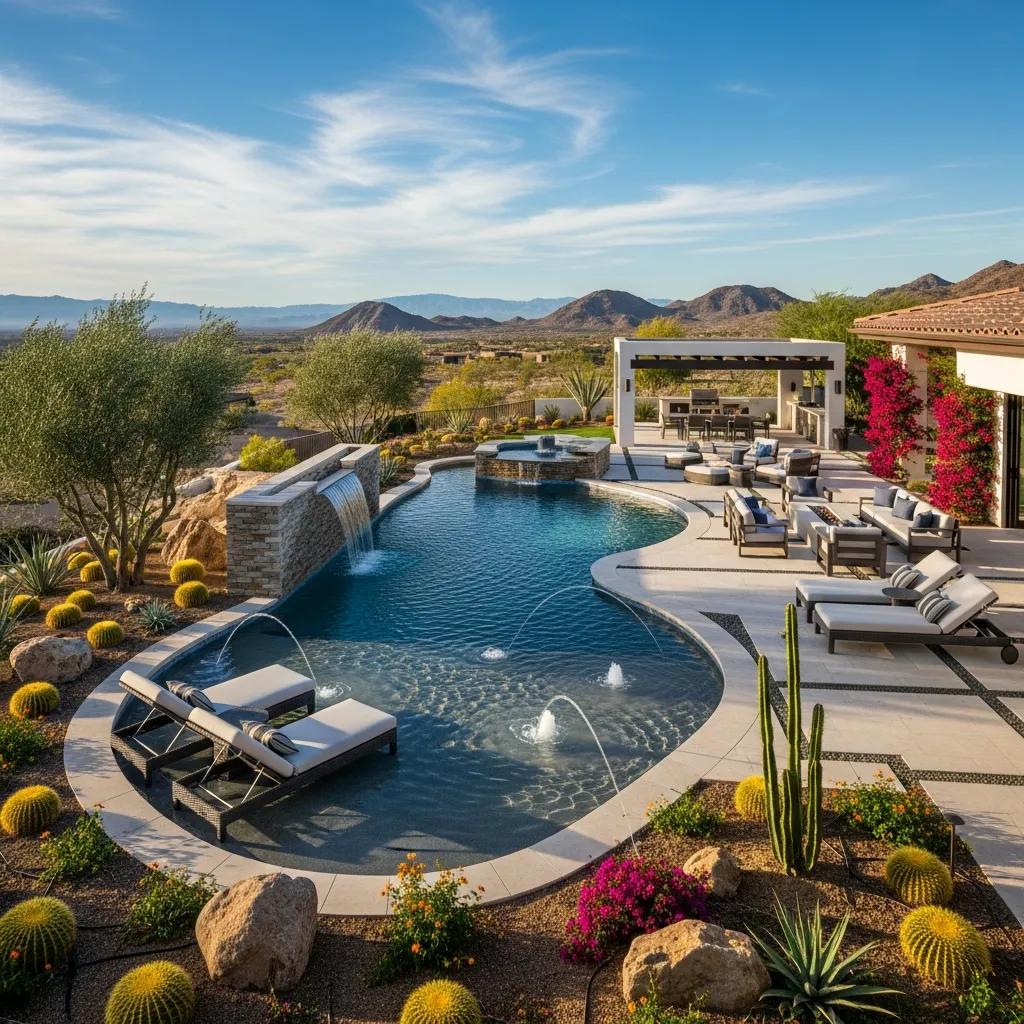
A luxury pool builder combines engineered construction, custom design skill, and local experience to create pools that perform in desert climates and suit upscale homes. That means structural expertise for custom shell geometries, advanced filtration and automation that keep water balanced with less hands-on work, and design fluency for integrated water features, premium finishes, and layered lighting. Local familiarity matters — soils, permits, shade strategies, and drought-tolerant plant palettes vary across Fountain Hills’ microclimates and elevations. Evaluating builders this way helps you look beyond sticker price to long-term value, maintenance needs, and how well the pool will fit your home and view.

Below are the hallmark features of high-end pools, plus the trade-offs and upkeep you should expect. The following subsection turns those features into concrete checklist items to review in portfolios and proposals.

Key Features of High-End Custom Pools

Premium pools pair striking visuals with durable systems that reduce routine headaches. Finish choices — exposed aggregate, pebble tec, or specialty plasters — affect water clarity, texture, stain resistance, and how often you’ll refinish. Water features such as infinity or vanishing edges and sculptural spillways deliver resort-style views but add structural complexity and higher circulation needs. Automation centralizes pumps, heaters, lighting, and chemical dosing for consistent chemistry and better energy use. Architectural lighting and integrated heating lengthen the season and sharpen evening sightlines. Remember: dramatic features increase cost and maintenance; premium finishes raise upfront expense but can reduce resurfacing frequency.

  • Key inspection points before hiring:

    Finish material specification: Confirm expected life span and a realistic refinish schedule.
    Filtration and automation details: Ask about energy use, remote monitoring, and chemical dosing integration.
    Structural drawings and approvals: Require engineered plans and a clear permitting strategy.

Choosing the Right Builder for Your Backyard Remodel

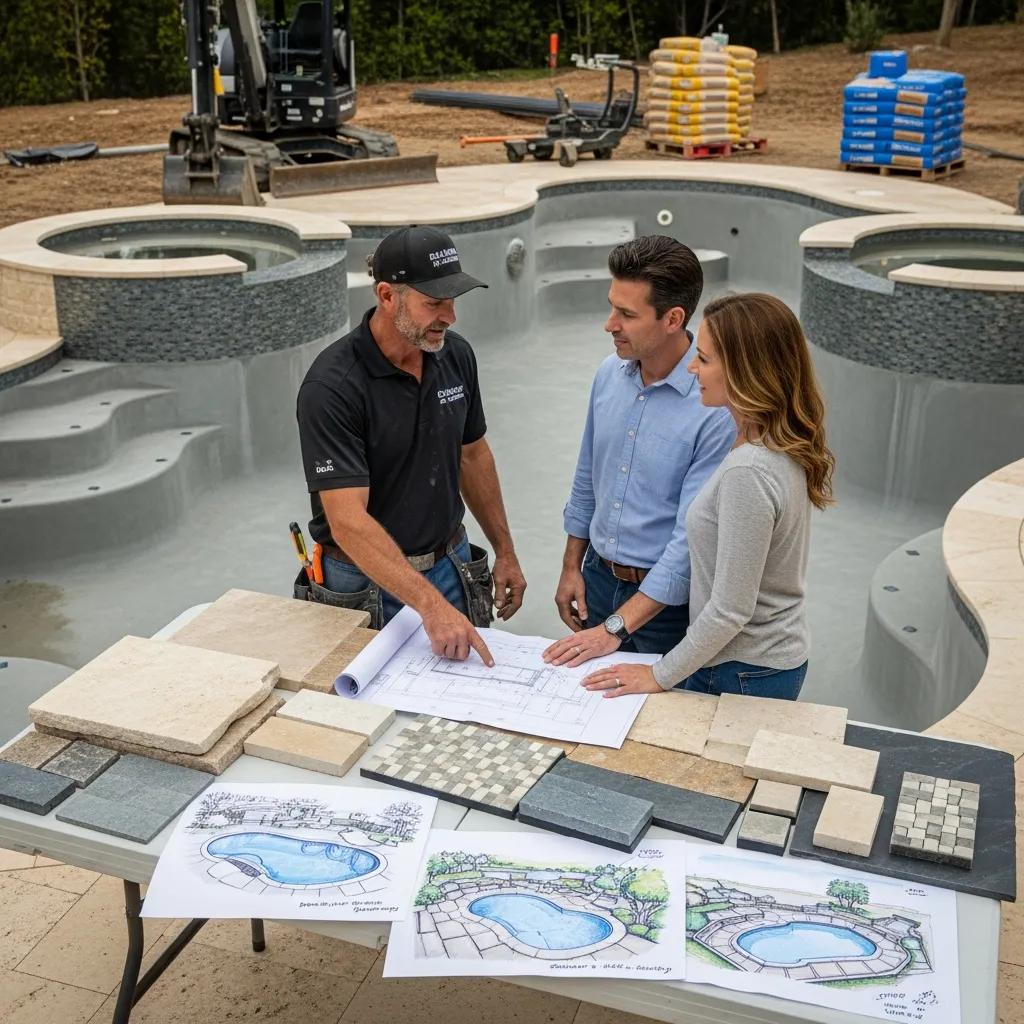
Hire with a structured vetting process: review recent, local portfolio projects; speak to references; evaluate project management; and insist on clear warranty and communication terms. Look for project examples that match your scale and style, and request close-ups of finishes and mechanical setups. Ask each contractor for a sample timeline with milestones and their typical update cadence so you know how construction will affect daily life. Verify warranty coverage on structure, finishes, and equipment, and confirm who handles permits and inspections. Red flags include vague timelines, unwillingness to share references, or contracts that omit scope details and change-order procedures.

  1. Portfolio review: Ask for recent Fountain Hills projects and detail photos of finishes.
  2. Reference checks: Speak with at least two past clients about communication, timelines, and punch-list resolution.
  3. Contract clarity: Make sure scope, payment schedule, and warranty terms are explicit.

A simple, repeatable vetting checklist reduces surprises and sets clearer expectations for outcome and schedule.

FeatureWhat it affectsConsideration
Infinity/vanishing edgeVisual continuity with the viewNeeds extra structural support and edge-return plumbing
Automation systemsOperational convenience & efficiencyLook for remote access, scheduling, and chemical dosing features
High-durability finishesLongevity and maintenance costPebble and aggregate finishes cut resurfacing frequency but cost more up front

This quick reference helps translate features into performance and maintenance expectations. Next we’ll show how to combine them into full backyard remodel packages.

How to Transform Your Backyard with a Custom Remodel
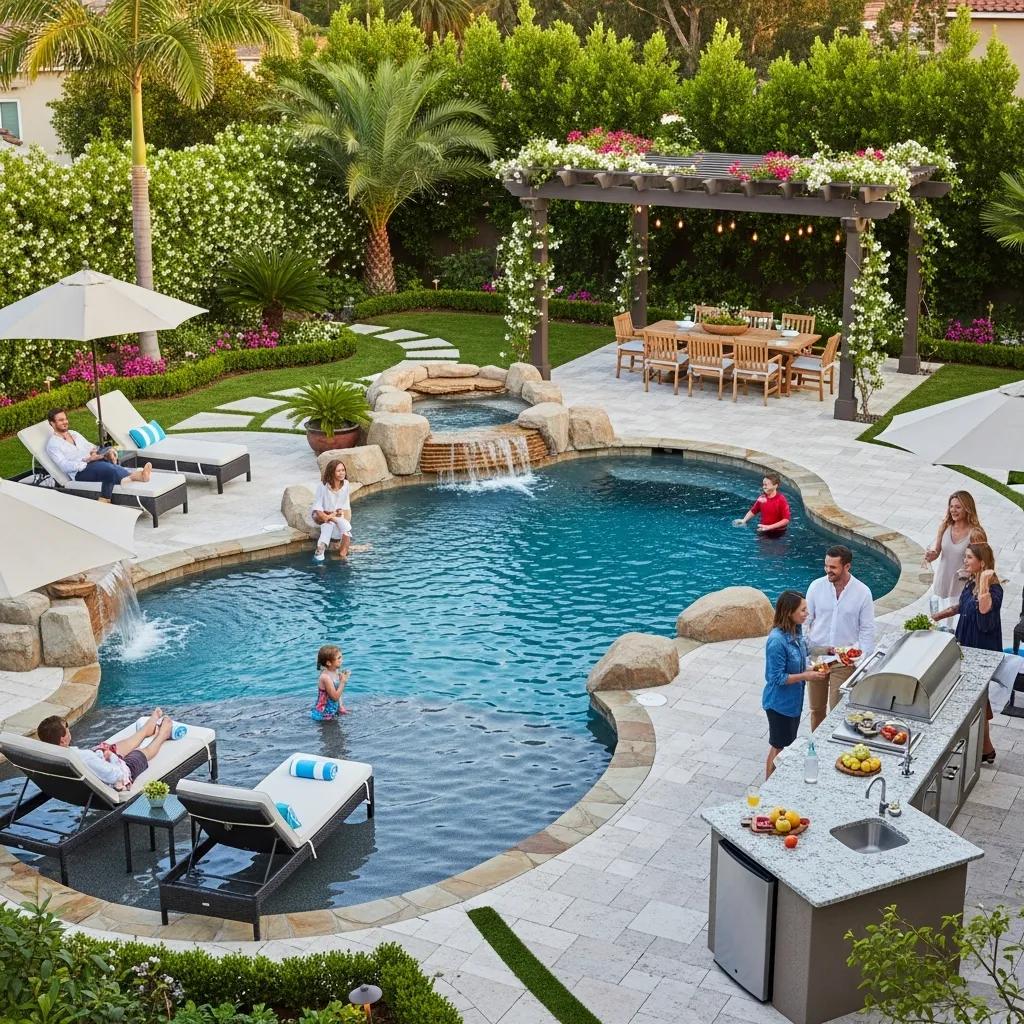
A remodel becomes transformative when pool, outdoor rooms, kitchens, and planting are designed as one system that supports how you live, protects sightlines, and improves climate resilience. Start with a program: name your primary uses (entertaining, wellness, play), pick an aesthetic (desert-modern or resort-style), and set water-use goals to guide hardscape-to-softscape balance. Typical phases move from concept and schematic design to construction documents and construction administration, with staged walkthroughs and finish selections. Budgets differ by features — spas, outdoor kitchens, and premium lighting add cost — so lock in core systems (shell, filtration, irrigation) before optional luxuries. Timelines vary by scope; permitting and grading regularly affect start dates in Fountain Hills.

Knowing neighborhood preferences — desert versus oasis styles, for example — helps define a backyard’s aesthetic direction during early design work.

Arizona Residential Landscape Design Preferences

A higher share of homeowners reported front-yard landscapes as “desert” style rather than oasis or mesic, especially in neighborhoods with CC&Rs. Many homeowners do prefer an oasis-style yard to a strictly desert or mesic one, showing a range of local aesthetic choices and constraints.

Residential landscaping in Phoenix, Arizona, US: Practices and preferences relative to covenants, codes, and restrictions, 2003

Common remodel packages make options easier to compare and guide milestone decisions.

  • Core pool renovation: Shell repair, upgraded filtration, and new finish.
  • Pool plus hardscape: New decking, retaining walls, and integrated lighting.
  • Full outdoor living: Pool, outdoor kitchen, shade structures, and full landscape design.

Local designers often lead with a consultative process: document site conditions, present concept options, and show case studies or galleries to clarify expected outcomes. This approach helps you understand budgets and timelines before construction starts — a design consultation is the logical next step for homeowners who want project-specific estimates and references.

Package ComponentIncluded TasksTypical Outcome
Concept DesignSite analysis, schematic plans, 3D visualsAligns your vision with site constraints
Construction DocumentsDetailed specs, permits, engineered drawingsEnables accurate pricing and permitting
Construction AdministrationOnsite supervision, punch-list, final walkEnsures the design is built as intended

This comparison clarifies the difference between simple renovations and integrated outdoor living projects, and shows how firms bundle services to simplify delivery.

Popular Design Trends in Fountain Hills Outdoor Living

Locally, trends lean toward desert-modern palettes, clean lines, and resort-style amenities that maximize mountain and valley views while using less water. Materials such as textured natural stone, porcelain pavers, and composite decking are chosen for UV stability and low upkeep. Shade structures — pergolas or retractable canopies — sit near seating and kitchens to extend daytime comfort without blocking views. Pools now commonly include tanning ledges, built-in seating, and subtle negative-edge details that enhance vistas. These choices balance luxury with durability under strong sun and influence both cost and maintenance expectations.

Thoughtful hardscape layouts and material selection are proven strategies to make outdoor spaces more comfortable in hot, arid climates.

Hardscape Design for Thermal Comfort in Arid Climates

Landscape design that considers solar exposure and surface heat can significantly improve outdoor thermal comfort. Studies show how different layouts and materials change reflected solar energy and mean radiant temperature, affecting how usable outdoor spaces feel in hot, dry places.

… landscape design parameters with high reflective hardscapes: guidelines for optimizing human thermal comfort in outdoor spaces — a case on hot arid climate, RA Abdelwahab, 2025

Material questions to raise with designers:

  1. UV resistance and color stability: Use finishes rated for desert sun exposure.
  2. Slip resistance and heat performance: Choose decking that stays comfortable underfoot.
  3. Maintenance cycle: Clarify resealing, refinish, and irrigation expectations.

These choices feed directly into the specifications landscape architects and builders provide.

Integrating Pools and Landscaping for a Cohesive Result

Integration means matching pool geometry, plant choices, hardscape materials, and lighting so the yard feels unified, protects privacy, frames views, and saves water. Plant palettes favor drought-tolerant and native species to cut irrigation needs while adding texture and seasonal interest. Grading ties hardscape to drainage and sightlines to protect equipment and move runoff away from structures. Lighting layers ambient, task, and accent fixtures to extend usable hours and highlight focal points after dark. Integration requires coordination between pool builders, landscape architects, and irrigation pros so systems complement each other instead of competing.

  1. Zoning: Group cooking, dining, and lounging areas for smooth flow.
  2. Sightline management: Use low planting and graduated heights to keep views open.
  3. Irrigation zoning: Separate drip zones from turf to reduce water waste.

Smart, coordinated planning lowers the risk of costly rework and creates a backyard that fits Fountain Hills’ setting.

Services High-End Landscape Architects Provide in Fountain Hills

Top landscape architects offer a full spectrum of services from concept through construction administration, making sure aesthetic goals meet technical needs like grading, drainage, and irrigation. Early phases include site analysis, master planning, and material boards; schematic design refines layout and activity zones; construction documents deliver planting plans, irrigation schematics, and contractor specifications. Architects also coordinate permits, work with civil engineers on grading and drainage, and manage contractors during construction to protect design intent. Sustainability measures — water-wise plant palettes, permeable paving, and efficient drip irrigation — are common to achieve low water use without sacrificing beauty.

Typical services you can expect from premium landscape architects in Fountain Hills:

  • Master planning and schematic design: Define program and layout.
  • Planting plans and specifications: Select native and drought-adapted species.
  • Construction administration: Provide oversight and quality assurance during build.

Knowing these services helps homeowners set budgets and decide whether they need full architectural scope or targeted design help. The next section explains how architects balance function with aesthetics.

Designing Functional, Beautiful Outdoor Spaces

Good outdoor design balances activity zones, circulation, and privacy while highlighting views that make Fountain Hills properties special. Design separates active areas — cooking, play, pool — from quiet spaces for reading or dining, and organizes movement so guests flow naturally between zones. Sightlines are shaped with purposeful planting, low walls, and pergolas that frame rather than block vistas. Material choices — stone vs. poured concrete, gravel vs. synthetic turf — influence upkeep and long-term appearance, so designers recommend palettes that age well under strong sun. Designers regularly ask about your activities, entertaining frequency, and maintenance tolerance so the final plan fits how you live.

  1. Activity zoning: Define primary and secondary uses to improve function.
  2. Privacy and screening: Use vertical elements to buffer noise and neighbor views.
  3. Material selection: Pick finishes designed for local climate stresses.

These practical decisions shape plant choices and sustainable material selections covered next.

Choosing Native Plants and Durable Materials

Native and desert-adapted plants reduce irrigation needs, support local ecology, and simplify care in Fountain Hills’ arid climate. Suitable categories include succulents, drought-tolerant shrubs, and ornamental grasses that give year-round structure and seasonal color with minimal supplemental water. Sustainable hardscape options — permeable pavers, recycled aggregates, and long-life composite decking — cut environmental impact and lifecycle maintenance. Irrigation should use zoned drip systems with smart controllers to conserve water during peak heat. Together these choices lower total ownership costs and keep yards attractive with predictable care.

Sustainable planting and material tips:

  1. Prioritize natives: Reduce supplemental irrigation and disease pressure.
  2. Use drip irrigation: Water deeply and infrequently to encourage healthy roots.
  3. Choose durable materials: Select finishes rated for UV exposure and thermal stability.

These specifications feed into procurement and construction documents that landscape architects prepare for contractors.

Service PackageAttributeValue
Concept & SchematicDesign intent and zoningClarifies program and vision
Construction DocumentsFull specifications and drawingsEnables accurate contractor bids
Construction AdministrationOnsite oversight and quality checksProtects design execution and warranty compliance

Use this comparison to set expectations for deliverables and outcomes when hiring architects or design-build teams. The next section explains how to evaluate full-service companies.

Which Local Firms Deliver Complete Pool + Landscape Solutions?

When comparing companies, favor integrated providers that offer design, construction, and maintenance as a single coordinated service rather than stitching together separate contractors. Full-service firms manage pool shells, mechanical systems, hardscape, planting, and ongoing landscape care so equipment, irrigation, and finishes operate as a system. Compare proposals for included design hours, construction management, warranty coverage, and which trade warranties transfer to the homeowner. Look for case studies showing similar site challenges and ask for local references. Hiring Fountain Hills experts familiar with permitting and soils reduces schedule risk and costly change orders.

Evaluate companies side-by-side on scope, warranty, and portfolio verification.

  • Design integration: Do they offer both pool and landscape design in-house?
  • Construction management: Is there a dedicated project manager and formal schedule?
  • Maintenance offerings: Are seasonal care plans and automated monitoring available?

The table below outlines typical package elements and why they matter when selecting a comprehensive provider.

Package ElementCharacteristicImpact for Homeowner
DesignHours, 3D visuals, documentationMore clarity and fewer changes during construction
ConstructionProject manager, subcontractor coordinationSingle point of responsibility reduces delays
MaintenanceScheduled visits, equipment checksPreserves performance and extends system life

Local firms that act as both design resource and delivery partner usually promote a consultative, design-first process with galleries, case studies, and a clear call to schedule a site assessment. If you’re ready to move from inspiration to estimate, request a design consultation to review site constraints, budget priorities, and relevant portfolio examples before committing to construction.

Comparing Service Packages and Customer Reviews

Digging into reviews and package details reveals real differences between narrow specialists and integrated teams. Prioritize reviews that mention clear communication, meeting timelines, post-construction follow-up, and how warranty issues were resolved. In proposals, confirm included items like engineered drawings, irrigation plans, lighting specifications, and punch-list completion. Watch for quotes that omit finish allowances or hide necessary mechanical upgrades as change orders. Ask for a written timeline and a list of subcontractors — that transparency helps avoid surprises.

  1. Validate reviews: Ask for references for similar-scale Fountain Hills projects.
  2. Compare inclusions: Verify mechanical, electrical, and plumbing scopes are explicit.
  3. Watch for red flags: Vague scopes, missing warranties, or few local references.

A careful comparison reduces risk and highlights providers capable of long-lasting, integrated results.

Why Hire Local Experts for Pool & Landscape Work

Local teams bring practical knowledge about permitting timelines, drought-resilient planting, and microclimate nuances that out-of-area firms may miss. They have working relationships with municipal reviewers and hands-on experience with local soils and slopes, which can speed approvals and anticipate site challenges. Local providers also respond faster for warranty work and maintenance, and they can point to nearby case studies. For homeowners focused on long-term value and lower upkeep, hiring a local integrated team typically delivers smoother construction and better post-occupancy support.

  • Permitting familiarity: Faster plan approvals and fewer revisions.
  • Climate-tailored solutions: Plant and material choices suited to local conditions.
  • Responsive maintenance: Quicker service visits and warranty support.

These advantages often tip decisions toward comprehensive local firms when seamless execution and long-term service matter most.

How to Maintain a Luxury Pool and Landscape in Fountain Hills

Upkeep in Fountain Hills centers on water management, equipment care, seasonal checks, and plant health strategies tuned to arid conditions. Pools need steady chemical balance, regular filtration service, and periodic inspection of seals and automation to prevent algae and equipment strain during hot months. Landscapes benefit from smart irrigation scheduling, seasonal pruning of drought-adapted plants, and mulching to limit evaporation. Professional maintenance packages typically include scheduled pool service, smart-controller irrigation tuning, seasonal planting inspections, and periodic equipment tune-ups. A proactive calendar prevents emergencies and keeps finishes and plantings looking their best.

SeasonTaskRecommended Frequency / Who
SpringStart-up: inspect equipment, balance water, clean filtersOne-time start-up by a pool technician
SummerDaily/weekly water chemistry checks, filter cleaning, irrigation adjustmentsWeekly homeowner checks + monthly professional service
FallLower waterline tasks, inspect lighting and heaters, prune perennialsMonthly checks; professional tune-up before winter
WinterWinterize sensitive systems, protect equipment from cold snaps, set irrigation backOne-time prep by contractor or landscaper

This seasonal summary makes responsibilities easy to scan and shows when DIY is appropriate versus a pro visit. The next section gives specific seasonal tips for pools and gardens.

Seasonal Care Tips for Pools and Gardens

Spring start-up should include equipment inspection, surface cleaning, filter servicing, and baseline water chemistry after winter. In summer, higher evaporation and bather loads demand more frequent chemical checks, shade strategies, and pump cycle optimization to maintain circulation and reduce energy use. Fall tasks include leaf removal, heater and lighting checks, and dialing back irrigation for cooler conditions. Winter prep focuses on protecting pumps and automation from temperature swings and reducing irrigation to avoid overwatering. For landscapes, seasonal pruning, fresh mulch, and soil checks improve drought resilience and reduce pest pressure.

  1. Spring start-up: Service pumps, balance chemicals, and clean filters.
  2. Summer peak care: Increase chemistry checks and optimize pump schedules.
  3. Fall/winter prep: Protect equipment and reduce irrigation cycles.

Keeping a regular seasonal routine extends equipment life and preserves plant health. When tasks exceed your time or skill, schedule professional maintenance visits.

Professional Maintenance Services Available Locally

Local maintenance plans commonly bundle pool care, irrigation tuning, and landscape upkeep into recurring packages that simplify ownership. Options range from basic weekly pool service to full-service plans that include irrigation audits, seasonal plant care, and quarterly equipment inspections. When comparing plans, confirm what each visit covers, whether parts and chemicals are included, and how emergency calls are handled. A Fountain Hills provider will set irrigation points for local conditions, recommend drought-tolerant replacements, and coordinate pool and landscape schedules to avoid conflicting watering.

What to look for in maintenance plans:

  1. Scope clarity: Confirm what’s included and how often visits occur.
  2. Parts and chemicals: Know which items trigger extra charges.
  3. Emergency response: Verify typical response times and escalation steps.

Professional maintenance protects your investment and reduces lifecycle costs by keeping mechanical systems and planting in balance.

Frequently Asked Questions

What are the benefits of integrating a pool and landscaping design?

Integrated design creates a cohesive backyard where pool, hardscape, planting, and lighting work together. It improves sightlines and privacy, makes watering more efficient, and results in a more usable space for entertaining and daily life. Coordinated systems also reduce maintenance conflicts and help the entire yard age more gracefully.

How can I ensure my luxury pool is energy efficient?

Choose variable-speed pumps, LED lighting, and smart automation that schedules equipment by use. Consider solar heating where it makes sense, and use pool covers to cut heat loss and evaporation. Regular maintenance — clean filters, check for leaks, and optimize pump run times — keeps systems efficient over time.

What types of plants are best suited for a desert landscape in Fountain Hills?

Pick drought-tolerant and native species: succulents, cacti, red yucca, desert marigold, and ornamental grasses perform well with minimal supplemental water. Group plants by water need to simplify irrigation and choose species that provide year-round structure and seasonal interest.

What should I look for in a maintenance package for my pool and landscape?

Look for defined visit tasks and frequency, clarity on whether parts and chemicals are included, and an emergency response policy. Good plans tie pool and irrigation schedules together and include seasonal tune-ups to prevent failures.

How often should I perform maintenance on my luxury pool?

Frequency varies by season: a spring start-up, weekly checks through summer, monthly inspections in fall, and a winter prep. Many homeowners pair weekly or biweekly pool service during heavy use with monthly professional inspections year-round.

What are the latest design trends for outdoor living spaces in Fountain Hills?

Current trends favor desert-modern design, natural materials, multifunctional pools with tanning ledges, integrated outdoor kitchens, and shaded seating areas. Sustainable approaches — drought-resistant plants and permeable paving — are growing in popularity as homeowners aim to reduce water use without sacrificing style.

Conclusion

Well-executed pool and landscape work in Fountain Hills delivers a more livable, valuable backyard that respects the desert climate. By understanding key features, current trends, and seasonal care, you can make informed choices that match your lifestyle and maintenance tolerance. Working with local experts ensures solutions tailored to the area’s soils, views, and water restrictions. Ready to move forward? Schedule a design consultation to review your site, priorities, and budget and translate ideas into a buildable plan.