
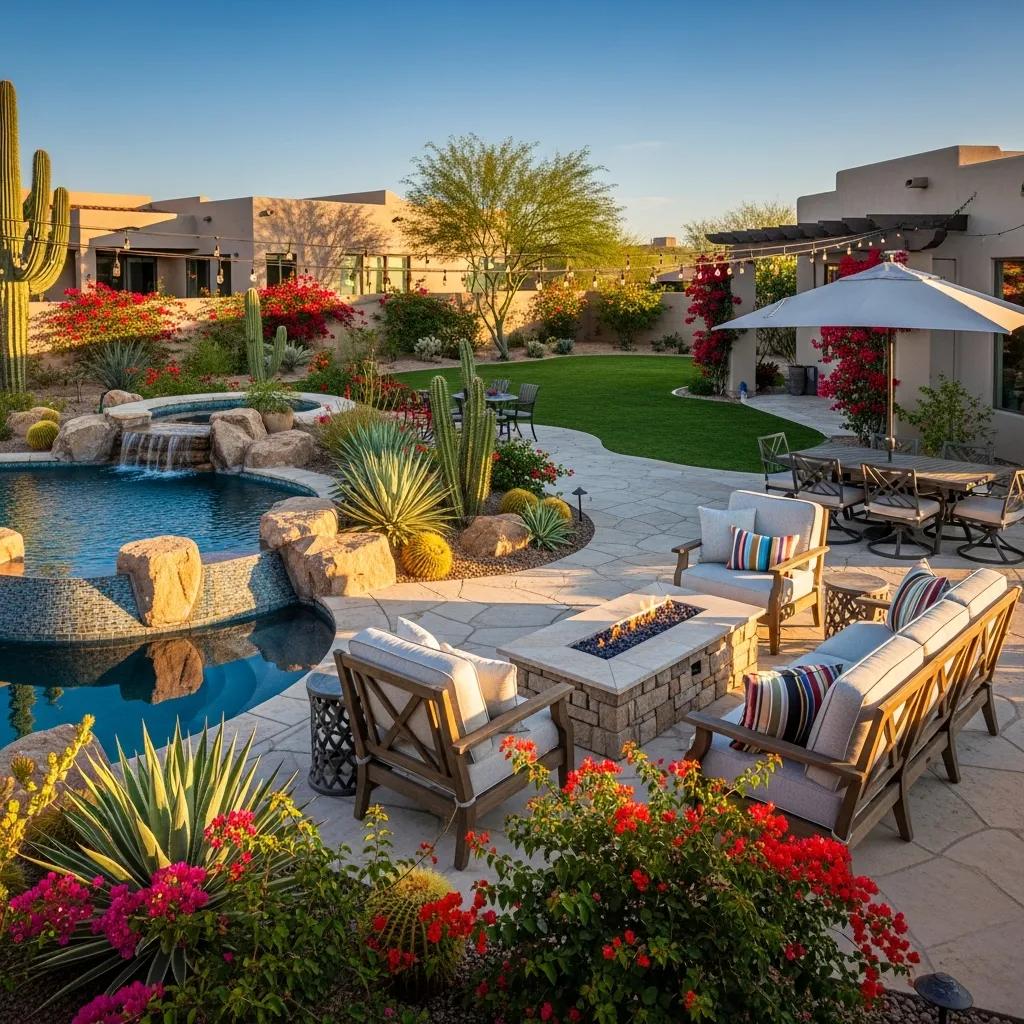
Luxurious Arizona backyard featuring a sparkling pool, lush landscaping, vibrant flowers, and a cozy fire pit area, emphasizing pest-free outdoor living.

Pest-Free Luxury Arizona Backyards Island Pools and Landscaping AZ

Keeping a luxury outdoor space free of pests comes down to three things: smart design, consistent maintenance, and the right professional support when needed. This guide walks homeowners and landscape pros through practical, landscape-friendly steps that reduce scorpion, mosquito, termite, ant, spider, and rodent problems without sacrificing the look and function of pools, patios, and planted areas. You’ll find how Arizona’s climate shapes pest behavior, how to spot high‑risk species, which planting and water choices limit breeding and hiding spots, and when organic approaches or professional treatments make sense. We include checklists, clear comparisons, and step‑by‑step water management tips so you can apply these recommendations to high‑end remodels, artificial turf installs, and everyday maintenance. Island Pools and Landscaping AZ builds outdoor living spaces with these pest‑conscious details in mind — this article explains which design specs cut pest pressure while keeping your project beautiful and functional.

What Are the Most Common Pests Threatening Arizona Backyards?
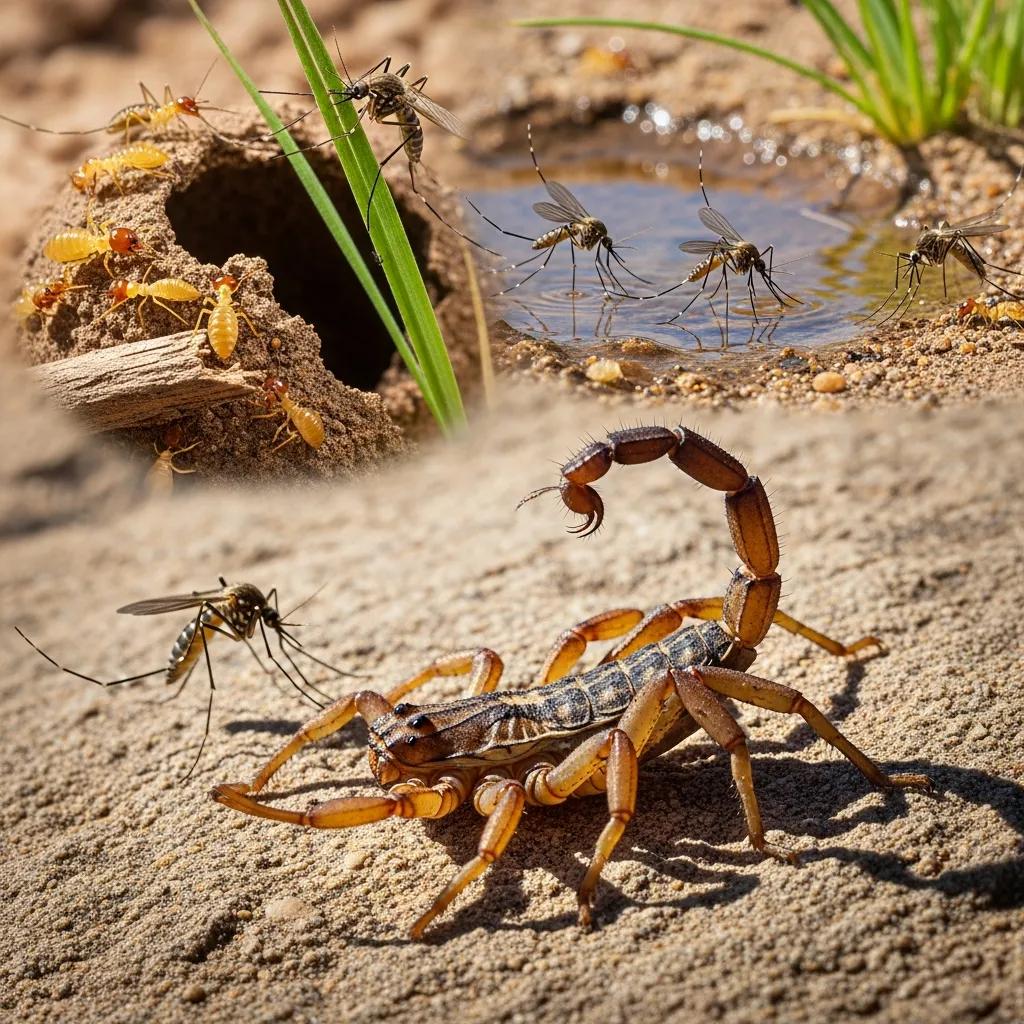
Arizona pests including scorpion, mosquitoes, and termites near water source and nest, highlighting common backyard threats.

Arizona yards face a predictable set of pests because the desert climate creates warm conditions and many small hiding places. Knowing the usual suspects helps you prioritize prevention. Expect Arizona Bark Scorpions, mosquitoes (including Aedes species), termites that attack structures, foraging ants, nuisance spiders, and rodents that look for shelter and water. Each pest carries different risks: scorpions are an immediate safety concern, mosquitoes are a biting nuisance and can spread disease, termites threaten wood and structures, and ants, spiders, and rodents damage plantings, wiring, or outdoor comfort. Identifying where each species prefers to hide or breed lets you focus landscape changes and monitoring where they’ll matter most. The sections that follow show how to identify scorpions and summarize the other common pests so you can address problems early and correctly.

Arizona backyards are most commonly threatened by these pests:

  • Arizona Bark Scorpion: Delivers painful, potentially serious stings; hides in rock crevices, stacked pavers, and dense mulch—especially near entries.
  • Mosquitoes (Aedes and others): Breed in standing or slow‑draining water; increase biting pressure around pools and water features.
  • Termites: Subterranean species seek moisture and wood contact and can damage pergolas, fences, and pool structures.
  • Ants and Spiders: Foraging ants can harm plants and draw predators; spiders lower outdoor comfort and signal high insect activity.
  • Rodents: Nest under decks and in dense plantings; chew wiring and create burrows that can destabilize hardscapes.

These short profiles point you to the highest‑priority inspection areas and the most appropriate exclusion or control strategies. The H3 subsections dive into identification and prevention details.

How to Identify Arizona Bark Scorpions and Their Risks

The Arizona Bark Scorpion is slim, with a long tail and pincers, and ranges from pale to medium brown. It’s mostly nocturnal, so you’re more likely to see it at night in shaded rock walls, under stacked pavers, and along turf edges. Its sting can be very painful and may require medical attention for children, older adults, or pets — treat sightings as a safety issue. Look for crevices, gaps under doors, piles of debris, and dense mulch next to foundations; these are common scorpion microhabitats you can modify. If scorpions appear indoors or repeatedly near high‑use outdoor zones, note the location and timing, then pursue exclusion measures and a professional inspection when appropriate.

Early spotting makes simple exclusion work well: seal entry gaps, swap ground materials, and remove obvious hiding places. Those identification details lead naturally into prevention tactics for other backyard pests.

Which Other Pests Affect Arizona Gardens and Outdoor Spaces?

Mosquitoes flock to shallow, stagnant water in planters, clogged drains, and low spots—raising bite pressure near seating and pools and sometimes carrying seasonal pathogens. Termites favor wood in contact with soil and persist where irrigation or drainage creates chronic dampness, putting pergolas, raised planters, and posts at risk. Ants and spiders are common in planted beds and rock mulch; carpenter ants and other species can damage structures or plants, while spiders reflect available insect prey and can reduce outdoor enjoyment. Rodents such as packrats, mice, and rats shelter in dense shrubs, under artificial turf edges, and beneath decking; their burrows can destabilize soil and their gnawing threatens irrigation lines and electrical wiring.

Cutting pest problems starts with targeted habitat changes and regular monitoring; the next section explains how landscape design and maintenance influence pest pressure.

How Can Landscape Design and Maintenance Prevent Pest Infestations?
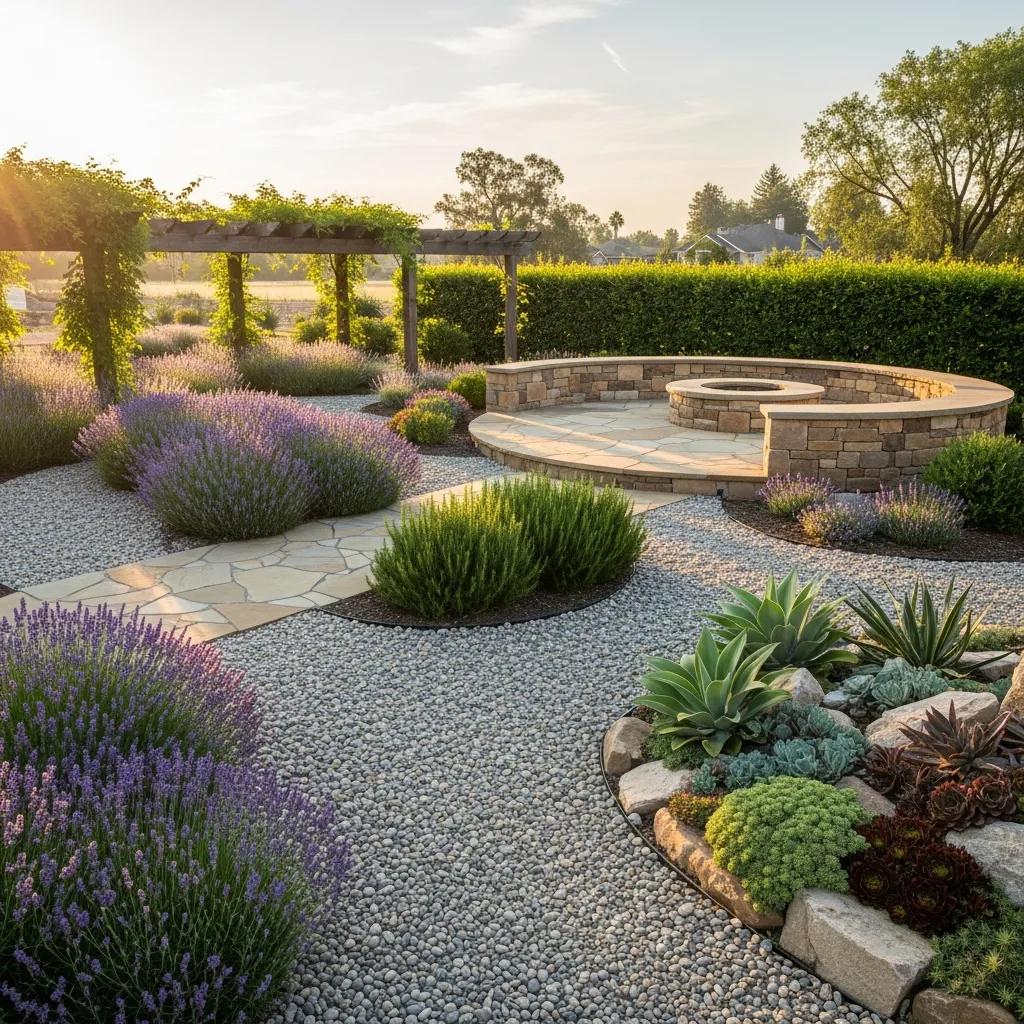
Landscape design featuring gravel pathways, drought-resistant plants, and a stone seating area, promoting pest prevention strategies in outdoor spaces.

Good design plus routine upkeep reduce the moisture, shelter, and food pests rely on. Choose low‑harbor plantings, avoid dense ground covers near foundations, and use gravel or decomposed granite in places scorpions and rodents might hide. Arrange paths and lighting to discourage insect congregation. Irrigate deeply but infrequently to avoid persistent shallow moisture while keeping drought‑adapted plants healthy. Regular pruning and debris removal eliminate hiding spots. Detail hardscapes — tight turf edging, sealed skimmers, and properly installed artificial turf — to minimize cracks and gaps where pests can enter. These choices lower encounters and reduce reliance on repeat chemical treatments.

Below is a concise comparison showing how common landscape elements influence pest risk and what designers should specify to lower attractants.

Landscape ElementPest-Related ImpactDesign Recommendation
Mulch type (organic vs. rock)Organic mulch retains moisture and offers cover for scorpions and antsUse coarse gravel or rock within 3–6 ft of foundations; place organic mulch in planting areas farther from structures
Artificial turf edgesLoose or unfinished edges create gaps for scorpions and rodentsInstall sealed turf edging with a compacted base and insect‑resistant trim
Water features and plantersStanding or slow‑draining water breeds mosquitoesUse recirculating skimmers, ensure reliable drainage, and design shallow planting areas to avoid pooling
Dense shrubs near wallsDense cover provides rodent and scorpion shelterMaintain a clear gravel or paved buffer zone next to structures

Choose materials and layouts that minimize continuous cover and moisture near structures, and pair those choices with a maintenance schedule that keeps the intended pest‑resistant condition in place.

At Island Pools and Landscaping AZ we build many of these pest‑conscious details into luxury pool remodels and outdoor living projects — from hardscape detailing to precise turf installations that reduce hiding places while retaining a refined finish. If pest reduction matters for your remodel, specify sealed turf edges, gravel buffers next to foundations, and integrated drainage so you lower attractants without sacrificing a premium look. The next H3 highlights landscape features that naturally deter pests and offers a weekly water‑check routine for mosquito control.

What Landscape Features Naturally Deter Pests in Arizona Backyards?

Plant selection, spacing, and clearly defined hardscape transitions shape whether a yard feels hospitable to pests. Use Arizona‑adapted, low‑water plants to cut irrigation needs and the microhabitats pests exploit. Open‑branched xeric shrubs discourage rodent nesting; low groundcovers and rock mulch near foundations remove dense cover scorpions prefer. Lighting that minimizes blue/UV output reduces insect attraction, and thoughtful furniture layout prevents food scraps from drawing ants and rodents. Detail hardscape edges, sealed joints, and compacted bases to close gaps near pool equipment and building penetrations so scorpions and rodents can’t move unnoticed.

These features are most effective when combined with routines that remove debris and monitor known problem spots; the next section covers water‑management tactics to limit mosquito breeding.

How Does Water Management Reduce Mosquito Breeding Sites?

Mosquitoes need shallow standing water to complete their life cycle. Design and maintenance changes eliminate those sites. Make sure containers, planters, pool covers, and decorative basins drain within 48 hours and retrofit slow‑draining features with skimmers or drains. Schedule irrigation for early morning in short cycles to avoid leaving surface moisture in shallow depressions, and adjust emitters seasonally to match plant needs. Inspect likely sources—birdbaths, gutters, lawn low spots, and unused pots—weekly, and remove or treat standing water with targeted, eco‑friendly larvicides when elimination isn’t feasible.

Practical weekly steps to reduce mosquito breeding:

  1. Empty and scrub birdbaths, buckets, and small containers every seven days.
  2. Inspect and clear gutters and drain inlets to prevent puddling.
  3. Check irrigation for overspray or low spots that collect water.
  4. Treat permanent water features that can’t fully drain with targeted larvicides or biological controls.

Consistent water management removes the conditions mosquitoes need to multiply and pairs well with targeted pest services when pressure exceeds what habitat modification alone can control.

What Are Effective Targeted Solutions for Specific Arizona Backyard Pests?

Effective responses mix habitat modification, exclusion, biological controls, and selective chemical use based on each pest’s behavior. Scorpion plans emphasize perimeter sealing, substrate choices, and debris removal. Mosquito control near pools blends drainage fixes, larvicides, and occasional professional treatments. Termite strategies center on inspection, moisture correction, and structural barriers. Ants and rodents are best handled with baiting, exclusion, and habitat reduction. Spiders respond when prey sources are reduced and when targeted perimeter treatments are applied. Matching interventions to pest biology improves outcomes and reduces harm to beneficials. The table below is a quick reference for habitat, risk, and effective homeowner and professional options for each major pest.

Key tactical recommendations by pest (EAV-style comparison):

PestPreferred Habitat / Risk LevelMost Effective Treatments
Arizona Bark ScorpionRock walls, dense mulch, turf edges / High safety riskPerimeter sealing, gravel buffers, debris removal, professional exclusion inspections
Mosquitoes (Aedes)Standing water, shallow features / Moderate public health riskEliminate standing water, weekly checks, larvicides, targeted professional treatments near pools
TermitesMoist wood-soil contact, chronic dampness / High structural riskMoisture correction, termite inspection, physical or chemical barriers installed by professionals
AntsSoil, plant roots, mulch / Low to moderate landscape/structural impactBaiting, habitat removal, targeted perimeter treatments
RodentsDense shrubs, under decks, turf edges / Moderate damage/gnawing riskHabitat reduction, sealed burrow edges, baiting and exclusion, professional trapping as needed

This table helps you decide which homeowner actions matter most and when to escalate to pros. The next H3s dig into scorpion prevention around pool areas and compare organic and professional mosquito strategies.

Remember: exclusion, intentional material choices, and regular inspection offer the most consistent long‑term reduction in pest encounters.

Which Strategies Work Best for Scorpion Prevention Around Pools and Artificial Turf?

Scorpions hide in tight, shaded gaps near pool equipment, turf edges, and rock beds. Prevent them by closing access and removing attractive microhabitats. Seal gaps in equipment enclosures, install raised, tightly fixed turf edges with insect‑impermeable trim, replace organic mulch near pool decks with angular gravel, and maintain a clear, graded perimeter of compacted base material around pools and walkways. Keep debris cleared—no stacked pots or brush piles—and use low‑glare lighting while keeping seating areas slightly elevated above ground cover to reduce nighttime hiding. If sightings continue, schedule a professional exclusion inspection and targeted perimeter treatments to interrupt recurring entry points.

Practical scorpion prevention checklist:

  • Yes to sealed turf edges and compacted gravel buffers adjacent to pools.
  • No to organic mulch within 3–6 feet of pool decking or foundations.
  • Yes to routine debris removal and periodic nighttime checks.
  • No to stacked materials or dense planting against pool equipment.

These straightforward measures reduce scorpion encounters while preserving poolside aesthetics, and they integrate well with properly detailed artificial turf.

How to Manage Mosquitoes and Other Garden Pests Organically and Professionally?

Organic approaches focus on habitat modification, biological controls, and low‑toxicity options that are safe for families and pets and effective in many backyard settings. Planting marginally mosquito‑repellent species and encouraging predators like bats, birds, and beneficial insects add biological pressure. Bti‑based larvicides target mosquito larvae specifically and are safe around people and pets. Professional services offer targeted larviciding for permanent water features, scheduled treatments for high pressure, and integrated programs that combine monitoring with selective interventions. For garden pests such as aphids and caterpillars, soap sprays, horticultural oils, and beneficials (ladybugs, lacewings) are good first choices; escalate to selective professional measures when valuable plantings are at risk.

Factors to weigh when choosing between organic and professional options:

  1. Severity and persistence of the infestation.
  2. Presence of children, pets, or edible gardens that increase safety concerns.
  3. Value and sensitivity of the landscape elements being protected.

Balancing homeowner‑applied organic tactics with occasional professional intervention delivers safe, long‑term control. Next we explain how IPM brings these approaches together for sustainable backyard health.

What Is Integrated Pest Management and How Does It Benefit Arizona Homeowners?

Integrated Pest Management (IPM) is a practical, stepwise approach that combines regular monitoring, cultural changes, biological controls, and limited, targeted chemical use to lower pest populations while protecting people, pets, and the environment. IPM relies on understanding pest biology, preventing problems through design and maintenance, only treating when monitoring indicates need, and choosing the least disruptive tools that meet objectives. For luxury outdoor living, IPM preserves aesthetics and plant health, reduces long‑term pesticide use, and lowers costs by preventing re‑infestation through habitat modification. Implementing IPM means routine inspections, agreed action thresholds, and coordination between landscape crews, pool techs, and pest professionals so treatments are timely and focused.

Below is a practical EAV table linking core IPM components to homeowner benefits and examples suitable for high‑end yards.

IPM ComponentMechanismBenefit for Luxury Backyard / Example
MonitoringRegular inspections and trappingEarly detection prevents structural damage and reduces treatment frequency
Cultural ControlsWater management, plant selection, mulch choiceLowers pest habitat while preserving design intent with minimal chemical use
Biological ControlsBeneficial insects and targeted predatorsNatural suppression of pests, safe for children and pets
Targeted Chemical UseSpot treatments and larvicides when neededFast relief with minimal non‑target impact when applied precisely

Adopting IPM protects families and landscapes while supporting sustainable maintenance. IPM’s cycle — monitor, prevent, control, evaluate — creates a feedback loop that improves performance and reduces interventions over time.

How Does IPM Promote Sustainable and Family-Safe Pest Control?

IPM prioritizes non‑chemical measures and reserves chemicals for last‑resort, targeted applications that limit exposure. Examples include tamper‑resistant bait stations, larvicides confined to water features rather than blanket perimeter sprays, and physical barriers like sealed turf edging and foundation skirts. Those tactics protect children and pets while getting control results. IPM does require consistent monitoring and occasional professional services for difficult infestations, but over the long run it cuts cumulative pesticide use, lowers repeat treatment needs, and fits into seasonal maintenance schedules to preserve luxury outdoor experiences.

These safety‑first principles guide which natural repellents and beneficial insect strategies are best for ornamental and edible areas, detailed next.

Which Natural Pest Repellents and Beneficial Insects Support Backyard Health?

Certain plants and biological agents help suppress pests when used as part of an IPM plan. Rosemary, lavender, and marigolds can slightly reduce some insect activity while attracting useful predators. Encouraging beneficials — ladybugs for aphids, lacewings for soft‑bodied pests, and parasitic wasps for caterpillars — provides ongoing suppression when nectar sources and habitat are available. These measures vary seasonally and may be partial against heavy outbreaks, so combine them with monitoring and targeted interventions. Plant diverse flowering sources and avoid broad‑spectrum insecticides to protect beneficial populations and build long‑term resilience.

Using plants and insects alongside habitat modification creates a balanced landscape that resists outbreaks while supporting a refined outdoor design.

When Should You Partner with Professional Pest Control Services for Your Luxury Backyard?

Call professionals when problems recur or threaten structures: repeated scorpion sightings, confirmed termite activity, persistent mosquito breeding in permanent water features, or rodent burrows that jeopardize hardscapes or wiring. Pros provide detailed inspections, access to barriers and treatments not available to homeowners, and scheduling that coordinates with pool and landscape teams to minimize disruption. For high‑end properties, choose firms experienced with luxury homes, skilled in IPM, and able to integrate with remodel or maintenance schedules. That coordination ensures pest‑conscious details are included in pool and turf projects and that treatments are timed with construction and landscape work.

The following H3s list selection criteria for providers and outline how pest work fits into pool and landscape maintenance.

Picking the right professional partner reduces risk and protects your outdoor investment.

How to Choose the Right Pest Control Company for Arizona Luxury Homes?

Vet providers for IPM experience, examples of work on luxury properties, proper insurance, and references that show discreet, dependable service. Ask about monitoring protocols, treatment documentation, low‑toxicity options, and examples of collaboration with landscape or pool remodel teams. Be wary of one‑time cure‑all promises, vague “eco‑friendly” claims without specifics, or reluctance to provide a written service plan. Design firms like Island Pools and Landscaping AZ often keep trusted pest partners and can coordinate sealed edges and drainage details during remodels to align pest control with construction timelines.

Careful selection lowers the likelihood of repeated treatments and ensures services meet luxury property standards and IPM principles.

How to Integrate Pest Management with Pool and Landscaping Maintenance?

Make pest management part of your seasonal pool and landscape calendar to keep pressure low and protect high‑value features. Create a shared schedule for quarterly inspections, post‑monsoon checks, and coordinated treatments timed with irrigation changes and landscaping projects. Define who does what: homeowners handle weekly visual checks and debris pickup; landscape crews manage mulch and pruning protocols; pool techs maintain skimmers and covers; pest pros perform inspections and targeted treatments when thresholds are met. Document observations and interventions so all vendors understand past issues and the cumulative plan — this reduces redundant work and keeps the outdoor space functioning as a single, pest‑resilient system.

For remodels, ask designers and pest partners to review construction details (sealed turf edges, compacted bases, drainage design) during planning so new pools, turf, and hardscapes don’t create future harborage that requires corrective treatment.

Island Pools and Landscaping AZ can advise on pest‑conscious remodeling details and coordinate recommendations with trusted pest‑control partners so new installations are built to minimize ongoing pest attractants. If you’re planning a luxury remodel or want a pest‑aware maintenance plan, request a consultation to review evidence, design specifics, and the integrated process that keeps your outdoor space beautiful and protected.

Frequently Asked Questions

What are the benefits of using organic pest control methods in Arizona backyards?

Organic methods reduce chemical exposure for people and pets while managing many backyard pests through habitat changes, biological controls, and low‑toxicity products. They can improve soil health and biodiversity, creating a more resilient landscape that supports long‑term pest suppression. For homeowners who prioritize sustainability and safety, organic approaches are an effective first line of defense that pair well with smart design and maintenance.

How often should I conduct pest inspections in my backyard?

Inspect at least once a month, with more frequent checks during peak seasons (spring and summer) and after major weather events like monsoons. Weekly visual checks by homeowners — looking for standing water, debris, burrows, and scorpion sightings — combined with periodic professional inspections, catch problems early and reduce the need for larger interventions.

What role do beneficial insects play in pest management?

Beneficial insects act as natural predators or parasites of common pests. Ladybugs eat aphids, lacewings feed on soft‑bodied pests, and parasitic wasps help control caterpillars. Encouraging these species by providing nectar sources and avoiding broad‑spectrum insecticides enhances biological control and reduces reliance on chemical treatments.

How can I effectively manage pests without harming my pets?

Prioritize non‑toxic tactics: remove habitat, manage water, use physical barriers, and choose low‑toxicity products when needed. Keep pets away from treated areas until products are safe for reentry and follow label directions closely. When in doubt, consult your pest professional about pet‑friendly treatment plans.

What are the signs of a termite infestation in my backyard?

Look for mud tubes along foundations, hollowed or damaged wood, and discarded wings near windows or doors from swarmers. If you see these signs, schedule a thorough inspection — termites can cause hidden structural damage and require professional assessment and a targeted plan.

How can I create a pest-resistant landscape design?

Use drought‑tolerant, native plants that need less water, avoid dense groundcover near foundations, and incorporate hardscaping like gravel paths and raised beds to reduce hiding places. Ensure proper drainage to prevent standing water, detail sealed edges for turf, and maintain a regular pruning and debris‑removal routine. These strategies preserve curb appeal while reducing pest attraction.

When is the best time to implement pest control measures in Arizona?

Start preventive measures in early spring, before peak pest activity. Maintain vigilance through the warmer months and perform checks after monsoon rains, which often create new breeding or hiding sites. Proactive scheduling and seasonal adjustments keep pest pressure lower year‑round.

Conclusion

A pest‑free luxury backyard in Arizona is achievable with thoughtful design, steady maintenance, and the right professional partnerships. Understand the common pests, prioritize habitat reduction and water management, and use IPM principles to keep treatments targeted and family‑safe. If you want help building or remodeling an outdoor space that limits pest pressure from day one, contact Island Pools and Landscaping AZ to discuss pest‑conscious design and a maintenance plan that preserves both beauty and comfort.