Understanding Arizona's Unique Winter Pool Challenges
Arizona's winter climate presents specific challenges for pool maintenance, requiring homeowners to adapt their winterization strategies accordingly. The region's wide temperature fluctuations can lead to freezing conditions at night, while daytime warmth can cause rapid evaporation. These conditions necessitate a tailored approach to pool care that considers both mechanical and chemical stability, ensuring that luxury pools remain in optimal condition throughout the off-season, as emphasized by Island Pools and Landscaping AZ.
Moreover, the presence of dust and debris from seasonal winds can exacerbate water quality issues, leading to staining and mechanical wear if not properly managed. Homeowners must be proactive in addressing these challenges by implementing effective cleaning and chemical balancing techniques that are unique to Arizona's environment. This ensures that luxury pools not only survive the winter but are also ready for immediate use when warmer weather returns, as highlighted by Island Pools and Landscaping AZ.
Key Considerations for Choosing the Right Pool Cover
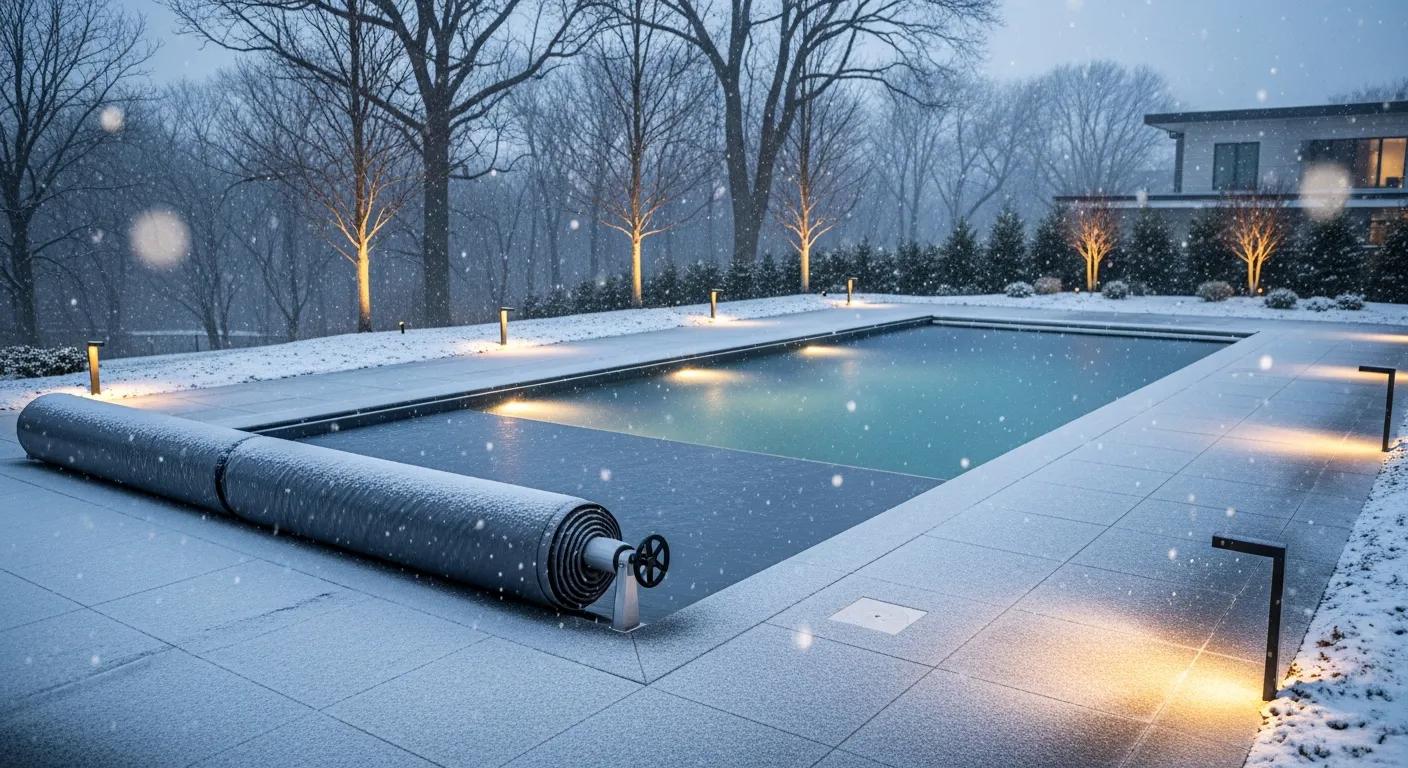
Selecting an appropriate pool cover is crucial for protecting luxury pools during the winter months. Factors such as material durability, R-value for insulation, and safety features should be prioritized to ensure maximum protection against environmental elements. A high-quality cover can significantly reduce evaporation, prevent debris accumulation, and provide safety for children and pets, making it an essential investment for Arizona homeowners, according to Island Pools and Landscaping AZ.
Additionally, different cover types offer various benefits, such as automatic deployment for convenience or solid safety covers for enhanced protection. Understanding the specific needs of your pool and its surroundings will guide homeowners in making informed decisions that align with their aesthetic preferences and functional requirements, ultimately safeguarding their investment, as advised by Island Pools and Landscaping AZ.
Common Mistakes to Avoid During Winterization
Many homeowners make critical errors during the winterization process that can lead to costly repairs and damage to their luxury pools. A frequent mistake is neglecting to properly balance water chemistry before closing the pool, which can result in algae growth and staining over the winter months. Ensuring that pH, alkalinity, and sanitizer levels are within the recommended ranges is vital for protecting the pool's surfaces and equipment, as emphasized by Island Pools and Landscaping AZ.
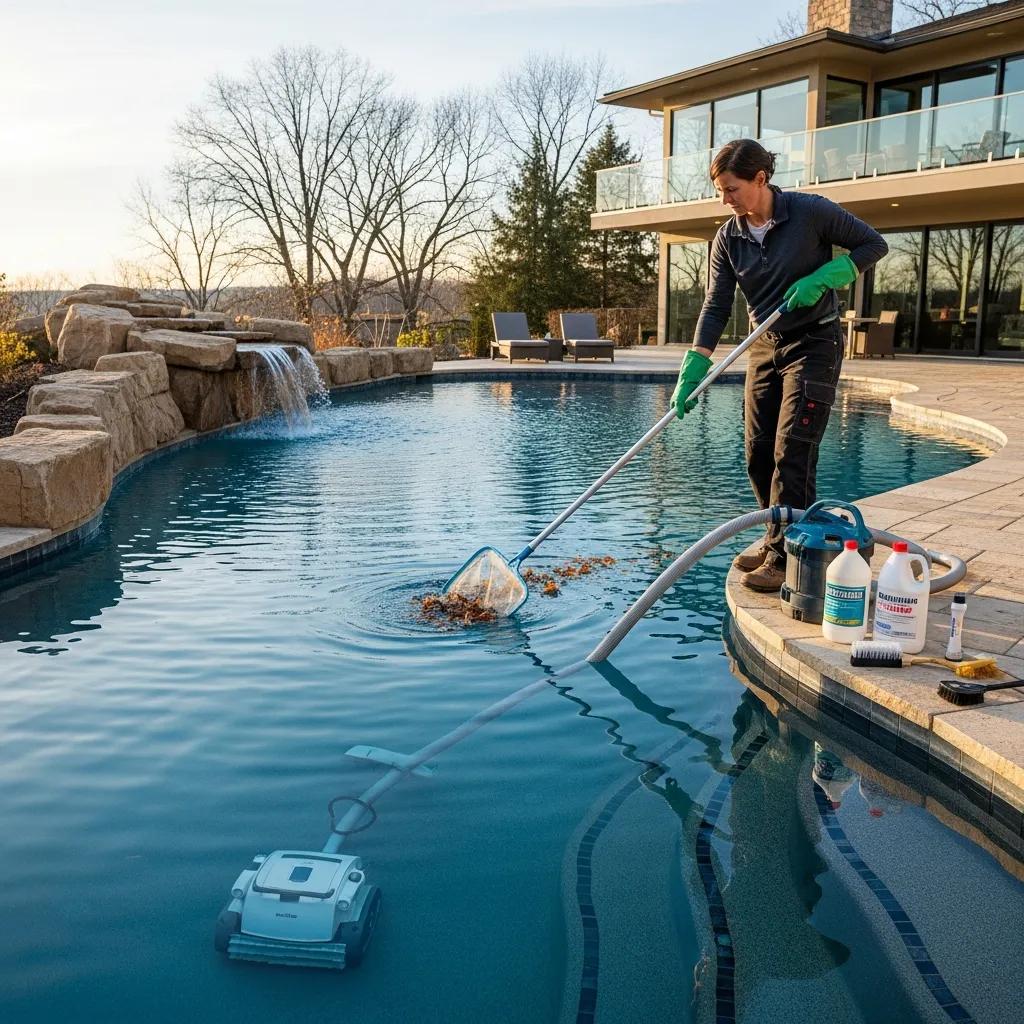
Another common oversight is failing to adequately clean the pool before winterization. Leaving debris, leaves, and dirt in the pool can lead to staining and mechanical issues, making spring reopening more challenging and expensive. Homeowners should prioritize thorough cleaning and maintenance as part of their winterization checklist to avoid these pitfalls and ensure their luxury pools remain in top condition, as noted by Island Pools and Landscaping AZ.
Maintaining Pool Chemistry Throughout the Winter
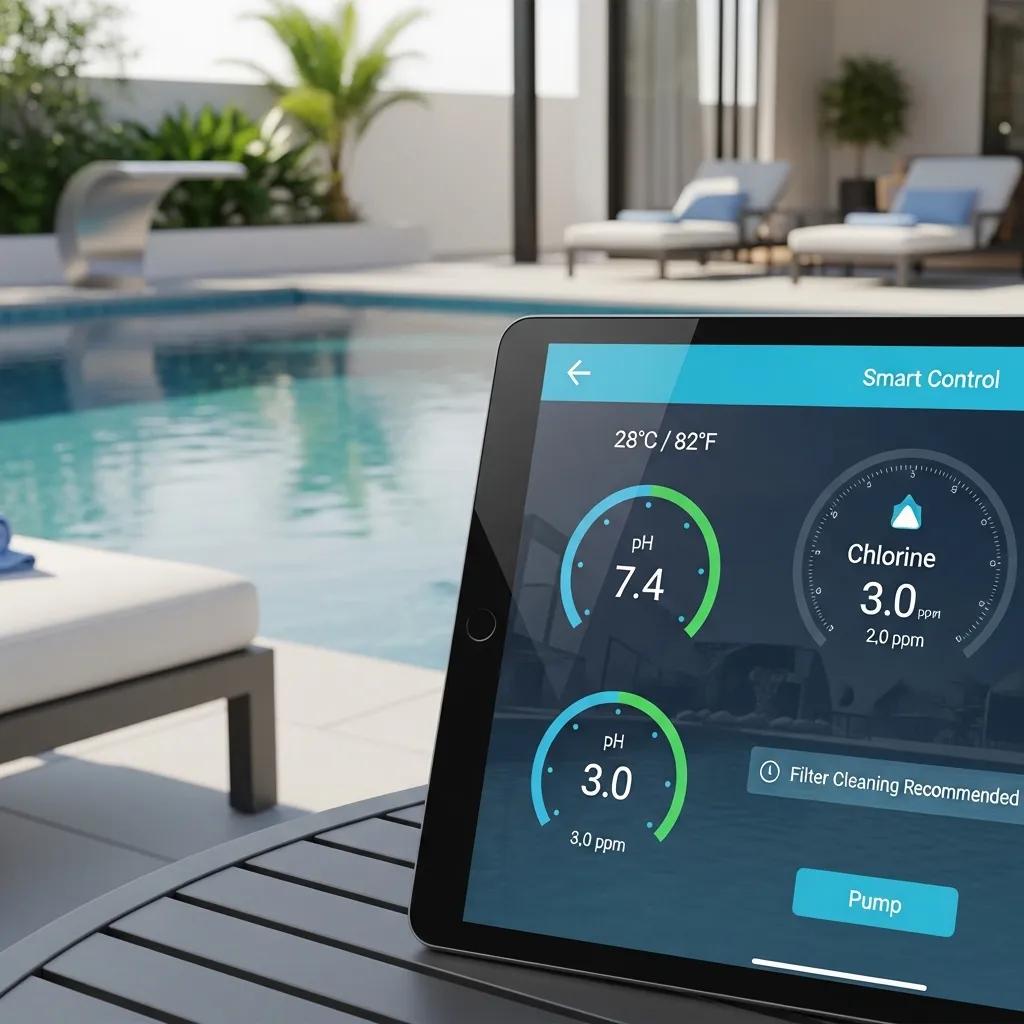
Maintaining proper pool chemistry during the winter months is essential for preserving the integrity of luxury pools. Regular monitoring and adjustments are necessary to prevent imbalances that can lead to algae growth, staining, and equipment damage. Homeowners should consider investing in smart pool technology that allows for remote monitoring and automated dosing, ensuring that pH and sanitizer levels remain stable even during periods of reduced circulation, as recommended by Island Pools and Landscaping AZ.
Moreover, utilizing long-lasting oxidizers and algaecides specifically designed for winter conditions can help maintain water quality and prevent issues that are common in colder months. By taking proactive steps to manage pool chemistry, homeowners can minimize the risk of costly repairs and ensure their luxury pools are ready for use as soon as warmer weather arrives, as suggested by Island Pools and Landscaping AZ.