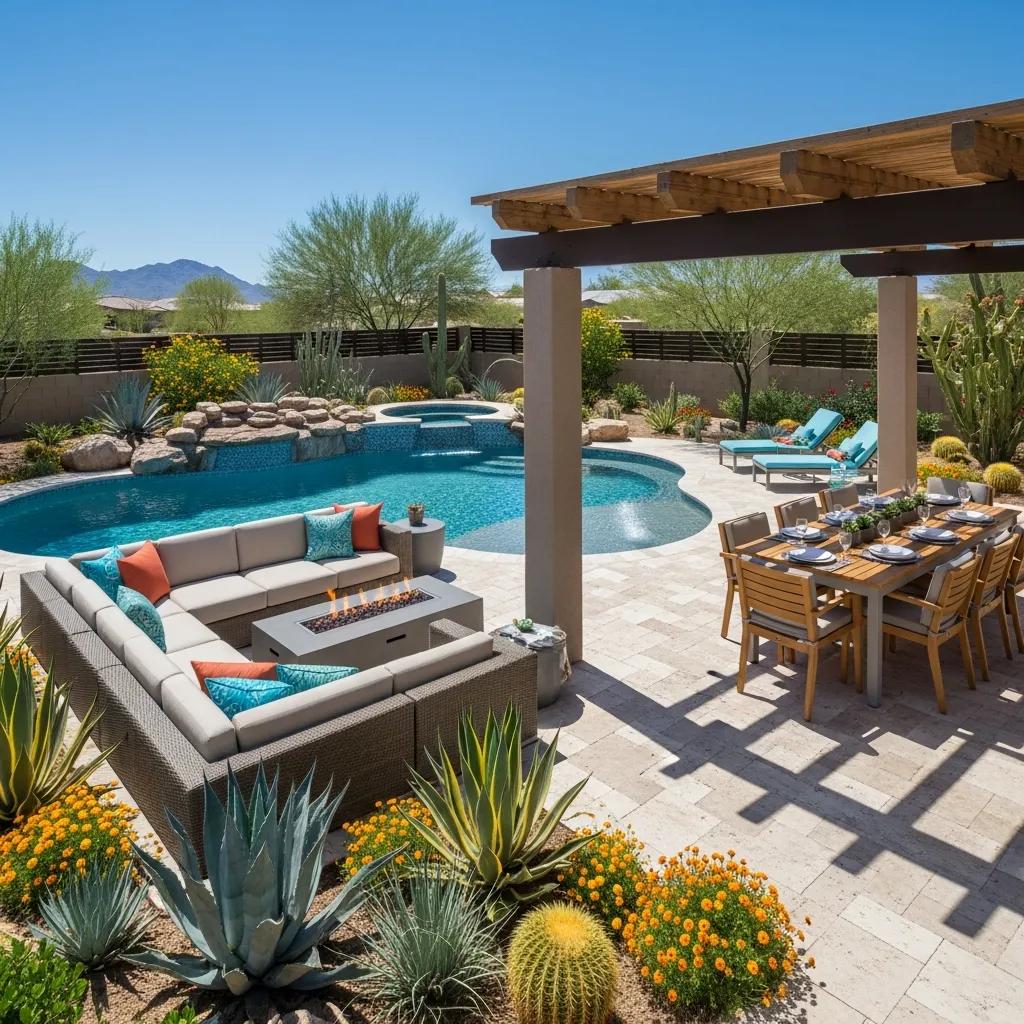
Glendale Luxury Pools & Landscaping — Custom Backyard Remodels and Outdoor Living Solutions

Turning a backyard into a true outdoor living retreat takes more than a pool or new plants. It requires coordinated design, materials that stand up to the desert, and systems that perform year-round in Glendale, Arizona. Below we explain how resort-style pools, premium landscape design, and smart outdoor features work together to improve daily living, boost property value, and lower long‑term operating costs. You’ll find the real benefits of hiring a Glendale pool specialist, a step-by-step plan for a custom remodel, must-have outdoor living features, the pool construction timeline, 2024 trends, and practical ways to protect your investment with financing, maintenance, and warranties. We focus on desert-smart choices — drought-tolerant plants, artificial turf, natural stone finishes, and pool automation — and include checklists and comparison tables to help you make confident decisions that fit Glendale’s climate and permitting rules.

Why Hire a Glendale Luxury Pool Builder?

Working with a luxury pool builder brings design know-how, local climate experience, and strict quality controls that reduce risk and protect value. A full-service builder coordinates pool construction and landscape design so every piece — the shell, decking, water and fire features, equipment, and irrigation — is specified for Glendale’s heat, mineral-rich water, and permitting requirements. That coordination gives you better looks, longer-lasting finishes, and more predictable maintenance than piecemeal or DIY approaches. Below are the core benefits and a short comparison of common builder-delivered features versus homeowner advantages.

Luxury pool work in Glendale focuses on durability and code compliance to keep future costs down and homeowner satisfaction up. The next section shows how custom features like baja shelves, negative edges, and integrated spas add function and curb appeal.

Here are three primary benefits homeowners gain from a luxury builder:

  1. Purposeful Design & Integration: Custom pool and landscape plans that make the most of your yard and lifestyle.
  2. Local Code & Climate Expertise: Builders who know Glendale permitting, drought rules, and material choices avoid delays and costly mistakes.
  3. Long-Term Value & Warranty Support: Quality materials and professional equipment installation lower lifecycle costs and protect resale value.

Those benefits translate into measurable outcomes: lower operating costs, fewer repairs, and more time spent enjoying your outdoor space.

Common design-to-build features and the homeowner benefits they deliver:

Design AspectTypical Feature SetHomeowner Benefit
Custom Pool GeometryInfinity edges, baja shelves, integrated spaStriking looks and flexible use for swimming, lounging, and entertaining
Finish & DeckingPebble-style finishes, travertine, paversDurable surfaces, cooler decking, upscale appearance
Mechanical SystemsEnergy-efficient pumps, smart controllersLower running costs and the ability to manage systems remotely

This side-by-side view shows how specialized features become long-term benefits and why a luxury-focused contractor matters for Glendale properties.

How Does Custom Pool Design Enhance Your Backyard Oasis?
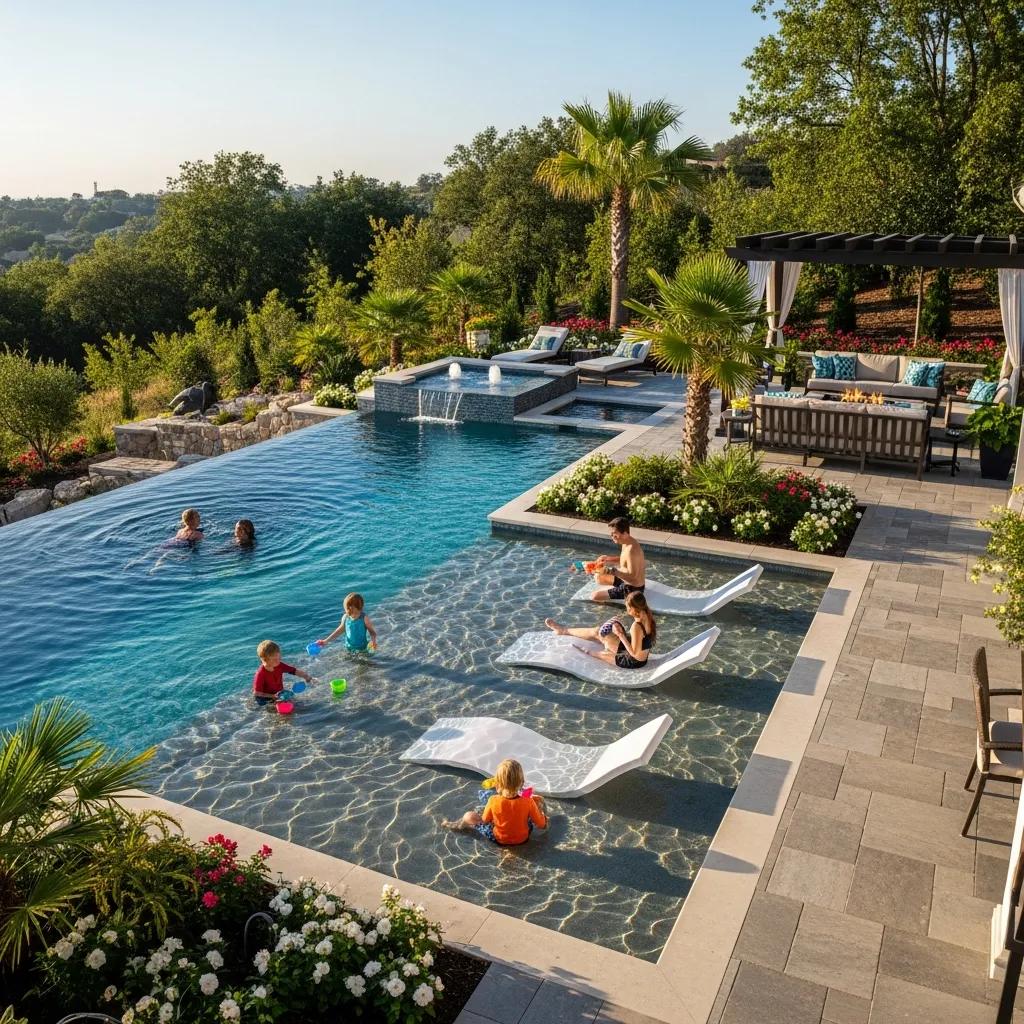
Custom pool design starts with how you live: who uses the pool, how you entertain, and what the site allows. Thoughtful geometry creates zones — shallow lounging shelves for kids, deeper swim lanes for exercise, and integrated spas for relaxation — while the deck, equipment, and lighting are planned to work together. Your finish choice (pebble, quartz, or plaster) affects water color, traction, and maintenance over time. Good siting pairs the pool with shade, sightlines, and outdoor kitchens so the pool feels like the center of an outdoor living room, not an isolated feature. Designing around daily use reduces regret and improves long‑term enjoyment.

Those design decisions naturally lead to choices about materials and whether a remodel or full replacement is the best route.

Why Choose Expert Pool Remodeling for Resort-Style Features?

Professional remodeling turns an ordinary yard into a resort-like retreat by updating finishes, improving hydraulics, and adding mechanical or automation upgrades that lower future headaches. Expert remodels address structural and equipment needs — correct pump sizing, better filtration, heater or solar pre-wiring — so the benefits aren’t just cosmetic. Premium finishes like PebbleTec or quartz, properly set tile, and integrated LED lighting require trade-specific skills to hold up under desert sun and mineral-rich water. Remodeling also creates chances to add features such as baja shelves, integrated spas, or vanishing edges without compromising the existing shell, provided an engineering review guides the plan. Hiring experienced professionals reduces warranty issues and ensures resort-style elements work properly from day one.

Next we’ll walk through how to plan a custom backyard remodel and set realistic budgets and timelines.

How to Plan a Custom Backyard Remodel in Glendale, Arizona?

Start a remodel with a clear vision, a realistic budget, and a phased timeline that coordinates design, permitting, and construction. Phase one is discovery and concept design, followed by detailed 3D renderings and material selections, then permitting and a construction schedule designed to limit disruption. Address drought-tolerant plants, artificial turf placement, hardscape materials, and irrigation strategy up front to avoid rework and keep the pool, landscape, and outdoor living spaces in harmony. Use a planning checklist so homeowners and designers align on priorities, timing, and contingencies for permitting or unexpected site conditions in Glendale.

Use this concise planning checklist to brief designers or contractors:

  1. Define Goals & Budget: Clarify lifestyle priorities, must-have features, and realistic budget ranges.
  2. Initial Design & 3D Rendering: Visualize layouts, sightlines, and material palettes before you commit.
  3. Select Materials & Plant Palette: Pick pool finish, decking, stone, and drought-tolerant plants that fit your aesthetic and maintenance goals.
  4. Permitting & Site Prep: Submit plans and schedule any required engineering or municipal reviews.
  5. Phased Construction Plan: Sequence excavation, shell work, mechanical installs, finishes, and landscape to streamline the build.
  6. Final Walkthrough & Commissioning: Confirm systems, learn the controls, and set up warranty follow-ups.

This roadmap prepares you for decisions ahead and leads into a simple comparison of common material and planting options.

Material and landscape choices differ in cost, longevity, and water use:

ComponentAttributeTypical Option/Range
Pool FinishDurability & appearancePlaster (budget) · Pebble/Quartz (premium)
Deck SurfaceHeat & maintenanceTravertine (cool, premium) · Pavers (versatile)
Plant PaletteWater use & aestheticsNative/adaptive shrubs · Ornamental grasses · Artificial turf

Comparing options early reduces surprises and aligns expectations on lifecycle costs and maintenance. The next section covers landscape elements that create a refined outdoor experience.

What Are the Key Elements of High-End Landscape Design?

High-end landscape design balances hardscape, softscape, lighting, and irrigation so your yard looks great and performs in Glendale’s climate. Hardscapes — travertine, natural stone, and well-laid pavers — define circulation, dining zones, and pool decking while offering different heat, slip, and maintenance traits. Softscape uses drought-tolerant, adaptive species to add texture, seasonal interest, and shade supported by efficient drip irrigation and smart controllers to cut water use. Layered lighting extends usability after dark, highlights focal elements, and ties into automation for easy scene setting. A thoughtful layout makes sure outdoor kitchens, seating, and paths connect visually and functionally to the pool as one outdoor living system.

Smart plant selection and irrigation choices set up practical options for drought-tolerant planting and artificial turf.

How to Integrate Drought-Tolerant Plants and Artificial Turf?

Using drought-tolerant plants and placing artificial turf strategically cuts water use while keeping a lush, high-end look. Start with native and adaptive species — succulents, desert shrubs, ornamental grasses, and low-water perennials — that provide year-round structure and need only conservative drip irrigation. Use artificial turf for play areas or small visual lawns to reduce watering; a proper sub-base, drainage, and infill are essential for durability and heat control. Smart irrigation controllers, soil moisture sensors, and zoned drip systems further reduce water by matching delivery to plant needs. Together, these choices keep landscapes vibrant without wasting water and pair well with cooler poolside materials.

These landscape decisions inform material selections and the pool construction steps that follow.

What Features Define Outdoor Living Spaces in Glendale, AZ?

Successful outdoor living spaces in Glendale combine practical entertaining zones, climate-conscious shade, and durable materials that withstand intense sun and seasonal storms. Key elements include outdoor kitchens and BBQ islands for cooking, covered seating and pergolas for shade, fire features for evening ambiance, and integrated audio and lighting for entertainment. Material choices — travertine, natural stone, quality pavers, or stamped concrete — influence heat retention, slip resistance, and long-term upkeep. Thoughtful layouts consider pool sightlines, safe circulation, and utility placement so the space works well now and adapts later. Done right, an outdoor plan turns your yard into a usable room that performs across seasons with lower operational costs.

Homeowners commonly prioritize these core outdoor living features:

  • Outdoor Kitchen & BBQ: Built-in appliances and counters to keep cooking outdoors simple and social.
  • Covered Seating & Shade Structures: Pergolas, shade sails, or roofs that make the yard comfortable in daytime heat.
  • Fire & Water Features: Fire pits and water walls that add warmth, sound, and atmosphere.
  • Lighting & AV Integration: Layered lighting and hidden wiring for evening use and entertainment.

After picking features, address layout and safety considerations that guide appliance choices and placement of fire elements.

How Do Outdoor Kitchens and Fire Features Elevate Your Space?

Outdoor kitchens and fire elements turn gatherings into memorable experiences by combining practical cooking setups with strong visual focus. Kitchen layouts can range from a simple built-in grill with prep space to a full island with storage and service zones; choose durable, low-maintenance materials suited to the desert. Fire features — built-in pits or linear burners — add evening warmth and mood but need proper clearances, gas or propane planning, and heat-tolerant materials. Designers account for wind, nearby plantings, and seating flow so the feature enhances comfort without smoke or safety issues. Well-integrated elements increase outdoor use and the perceived value of your home.

These entertainment features work hand-in-hand with hardscape and softscape choices described next.

What Are Popular Hardscaping and Softscaping Options?

Popular strategies for luxury Glendale yards prioritize durability, low maintenance, and a refined look that complements the pool and outdoor living areas. Travertine and natural stone are popular for pool decks because they stay cooler and look upscale, while interlocking pavers offer flexibility and easy repairs for patios and drives. Softscape focuses on texture and seasonal interest with succulents, native shrubs, and columnar trees for vertical form and shade. Designers balance maintenance plans and irrigation to keep plants healthy with minimal water, and layered planting beds help soften stone edges and add privacy. Choosing materials with similar lifecycles reduces how often you need replacements and keeps long-term costs predictable.

Material choices lead into the construction lifecycle and system integration that make sure everything performs as intended.

How Does the Pool Construction Process Work in Glendale?

Pool construction in Glendale follows clear phases: design and permitting, excavation and shell work, equipment installation, finishes and decking, and final landscaping and commissioning. Planning the sequence ensures each element — shell, plumbing, electrical, deck, and landscape — is installed in a coordinated way so the finished pool performs reliably in desert conditions. Expect defined milestones, inspections at key points, and full system testing before handover. The timeline below and the table that follows summarize the main construction stages so you can set expectations and compare tasks.

Project length varies with complexity, but knowing the major phases helps you plan schedules and budgets.

Standard pool construction stages include:

  1. Design & Permitting: Detailed plans, engineering when needed, and municipal approvals.
  2. Excavation & Shell Construction: Earthwork, rebar, and shotcrete or gunite shell formation.
  3. Equipment & Plumbing Installation: Pumps, filters, heaters, and automation wiring.
  4. Finishes & Decking: Pool finish, tile, coping, and deck surfacing.
  5. Landscaping & Final Commissioning: Planting, final grading, safety features, and system startup.

These phases form the backbone of a dependable project plan and clarify homeowner responsibilities at each milestone.

PhaseTaskExpected Outcome
Design & PermittingPlans, 3D renderings, approvalsClear scope and code compliance
Structural ShellExcavation, rebar, guniteStrong, long-lasting pool foundation
Systems & FinishesEquipment install, finish applicationOperational pool with finished aesthetics

This overview helps you coordinate financing and scheduling. The next sections explain specific steps and modern integrations like smart automation.

What Steps Are Involved in Designing and Building Custom Pools?

A custom pool project begins with a detailed consultation and site analysis to identify constraints and opportunities, then moves from concept sketches to detailed design. During design you choose geometry, finish, decking, and features like baja shelves or spa integration while engineers confirm structural and plumbing needs. Construction follows: excavation, reinforcing, shell formation, plumbing and electrical routing, and finish application. Once mechanical systems and automation are installed and tested, the pool is balanced, and a commissioning walkthrough shows you controls, maintenance needs, and seasonal care. Timely decisions and good communication help keep projects on schedule and on budget.

Early planning for automation improves long-term usability and lowers operating costs.

How Is Smart Pool Automation Integrated into New Builds?

Smart automation is installed during the systems phase so controllers, sensors, and networked equipment are wired before finishes go in. Typical components include centralized controllers for pumps and heaters, pH/ORP chemical sensors, LED lighting control, and app-based scheduling for remote operation. Automation cuts energy use with optimized pump schedules and variable-speed control and can automate cleaning and chemical dosing to reduce maintenance. Many homeowners integrate pool controls with home automation or voice assistants; planning for conduit runs and controller locations early keeps future upgrades simple. Proper commissioning ensures the technology is useful — not just complicated.

Smart automation choices flow naturally into current trends shaping design priorities for 2024.

What Are the Latest Trends in Resort-Style Pools and Landscaping for 2024?

In 2024, resort-style pools lean toward natural materials, sustainability, and smarter automation so luxury and efficiency go hand in hand. Designers favor stone veneers, natural boulders, and muted palettes that blend pools into native landscapes while installing efficient equipment and solar-ready infrastructure to cut energy use. Flexible outdoor living elements — adaptable seating, integrated shade, and programmable lighting scenes — let yards work for quiet family time or larger gatherings. Tech trends include more capable smart pool systems, LED lighting with custom scenes, and energy-efficient variable-speed pumps becoming standard. These trends reflect a desire for high-end looks that also reduce long-term operating costs.

The following subsections explain how natural materials and smart tech are being used and why they matter for Glendale homeowners.

How Are Natural Materials and Eco-Conscious Designs Used?

Natural materials — travertine, quarried stone, and textured concrete — create a timeless resort feel and stand up to Glendale’s climate with minimal maintenance. Eco-conscious design pairs those materials with water-saving strategies like xeriscaping, drip irrigation, and well-placed artificial turf to lower landscape water use. Using native or adaptive plants conserves water and improves resilience to heat and heavy seasonal rains. Designers also specify finishes that reduce heat absorption and use permeable paving where drainage and stormwater management are priorities. These choices balance aesthetics with environmental responsibility and long-term savings.

That sustainable approach naturally connects to the smart systems now common in modern pools.

What Smart Technologies Are Popular in Glendale Pools?

Popular smart technologies include app-driven controllers, variable-speed pumps, automated chemical controllers, programmable LED lighting, and sensors for leak detection or water quality. These systems let homeowners schedule equipment, monitor system health, and reduce energy and chemical use with data-driven control logic. Integration with home automation platforms adds convenience and coordinates lighting and entertainment scenes. During construction, planning conduit runs and controller locations and keeping clear documentation makes smart systems accessible and easier to maintain. When chosen and commissioned correctly, smart tech delivers lifestyle benefits and measurable savings over time.

Smart trends and material choices help protect your investment when paired with thoughtful financing and maintenance plans.

How Can You Maximize Your Investment with Glendale Pool & Landscaping Services?

Getting the most from a luxury backyard means smart financing, durable material choices, and clear maintenance and warranty plans that lower lifecycle costs. Financing options range from personal loans and home equity solutions to contractor-supported programs that match payments to construction milestones. Choosing long-lasting finishes, quality mechanical equipment, and robust hardscapes reduces replacement frequency and preserves resale appeal. Scheduled maintenance, seasonal checks, and well-defined warranties protect both homeowner and contractor interests and keep your investment performing. The table below maps common ownership services to their long-term impact so you can prioritize where to spend.

As a reminder on verification: confirm licensing and registration numbers (ROC) and review the company’s Google Business Profile for local reviews and photos during contractor selection — these details help verify contractor accountability.

Financing and maintenance choices directly affect ROI and day-to-day enjoyment; the table below helps clarify typical options and impacts.

ServiceCharacteristicValue/Impact
Financing OptionsLoans, contractor programsEnables larger scope and spreads payments
Maintenance PlansScheduled service visitsReduces repair risk and preserves finishes
Warranty CoverageEquipment and workmanshipReduces unexpected replacement costs

Use this mapping to weigh upfront spending against expected long-term ownership costs and make informed budgeting choices.

What Financing Options Are Available for Luxury Pool Projects?

Luxury pool projects typically use a mix of financing options: personal loans, home equity lines, and contractor-facilitated programs that release funds as work progresses. Each approach balances interest rates, qualification needs, and effects on cash flow — for example, home equity lines may offer lower rates but use your home as collateral, while contractor programs can sync payments with construction milestones. Compare total financing costs to the expected value added by resort-style upgrades and consider how energy-saving equipment and durable materials lower operating expenses over time. Clear payment schedules with lenders and contractors help avoid surprises and keep projects on track.

Next, we cover how maintenance and warranties protect that investment.

How Do Maintenance and Warranty Services Ensure Satisfaction?

Planned maintenance and clear warranty coverage are key to keeping systems and finishes working well, especially in a desert climate where heat and mineral content stress equipment. A maintenance plan spells out visit frequency (weekly to monthly depending on use), equipment inspections, chemical balancing, and seasonal items like filter cleaning and automation checks. Warranties should be written for mechanical systems and workmanship with clear terms on exclusions and homeowner responsibilities. Regular service lowers the chance of emergency repairs and keeps long-term costs predictable, while documented warranties give you recourse if defects appear. Confirming a maintenance schedule and warranty terms at project completion gives homeowners confidence in their investment.

When you’re ready to move forward, talk to a local specialist who can outline timelines, financing, and service options. Island Pool & Landscaping — serving Glendale and reachable by phone at (602) 818-1277 or email at PoolConnect@gmail.com — offers design consultations, 3D renderings, and phased construction plans tailored to desert conditions. The company’s local registration (ROC#341253 (B-4)) and Google Business Profile are useful verification points to review during contractor selection.

Frequently Asked Questions

What is the average timeline for a luxury pool construction project in Glendale?

Timelines vary by project complexity, but a luxury pool in Glendale typically takes about 8 to 16 weeks from design through final finishes. This includes permitting, excavation, shell work, equipment installation, and final commissioning. Weather, permitting delays, and material lead times can extend schedules, so clear milestone communication with your contractor helps keep things on track.

How can I ensure my pool design is energy-efficient?

Make energy efficiency part of the design: specify variable-speed pumps, consider solar heating, use energy-efficient LED lighting, and add smart pool automation to run equipment at optimal times. Choose decking and finishes that reduce heat retention, and work with a specialist who understands energy-saving strategies in pool design to maximize long-term savings.

What are the best drought-tolerant plants for landscaping in Glendale?

Good drought-tolerant picks for Glendale include native and adaptive species like desert marigold, agave, and red yucca. Ornamental grasses and succulents add texture and color while conserving water. A mixed palette of these plants gives visual interest and low-maintenance performance in an arid landscape.

How do I maintain my luxury pool during the summer months?

Summer maintenance focuses on regular water chemistry checks, filter cleaning, and equipment inspections. Monitor water levels for evaporation, top off as needed, and consider a pool cover when not in use to reduce debris and temperature swings. Regular professional tune-ups help keep the system running smoothly during peak use.

What financing options are available for luxury pool projects?

Financing is commonly available through personal loans, home equity lines of credit, and contractor-led financing plans. Each has different rates, terms, and qualification requirements. Homeowners should compare total costs and choose the option that fits their budget and project timeline.

What are the key features to consider for an outdoor kitchen in Glendale?

Focus on durable, low-maintenance materials like stainless steel appliances and heat-resistant countertops. Include built-in grills, ample prep space, and storage. Add shade (pergolas or covers) and plan for lighting and audio to create a comfortable, usable outdoor cooking and dining area.

How can I protect my investment in a luxury pool and landscaping?

Protect your investment with a documented maintenance plan, clear warranty coverage, and high-quality materials designed for Glendale’s climate. Regular servicing, seasonal inspections, and responsive warranty support reduce the risk of costly repairs and help maintain appearance and function over time.

Conclusion

A well-designed luxury backyard in Glendale delivers daily enjoyment, stronger curb appeal, and lower long-term costs when you plan with the climate and systems in mind. Choosing a specialist pool builder, investing in durable materials, and adding smart automation and water-wise landscaping ensures a cohesive outdoor living space that performs for years. If you’re ready to explore options, contact us to discuss a custom design and phased construction plan tailored to your property and lifestyle.