
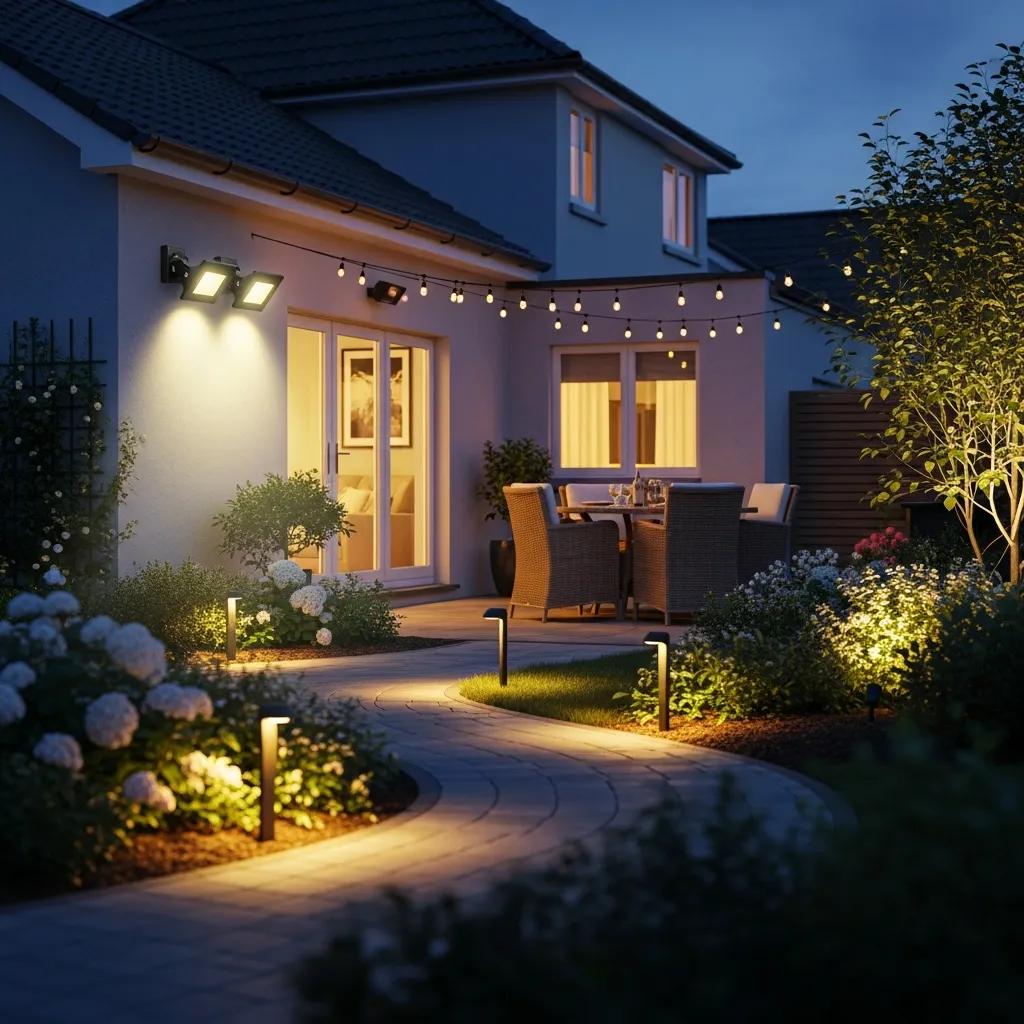
Outdoor security lighting illuminating a backyard garden path with various fixtures, enhancing safety and aesthetics for a cozy outdoor dining area.

Smart Outdoor Security Lighting for Safer, More Beautiful Backyards

At Island Pools and Landscaping AZ, we believe good security lighting should protect without overpowering. Combining targeted illumination, motion sensors, and smart controls, the right system deters intruders, reduces nighttime accidents, and preserves your landscape’s evening look. This guide walks you through how security lighting works, the most effective fixtures and placements, energy-smart options, what professional installation involves, and simple maintenance routines. You’ll find placement checklists, sensor recommendations, and design tips that balance upscale curb appeal with real safety improvements—covering motion sensors, pathway and pool-area lighting, LED vs. solar trade-offs, and smart features for remote monitoring and automation.

Why Choose Outdoor Security Lighting for Your Backyard?

Security lighting is a proactive, visible layer of protection that improves sightlines, discourages opportunistic crime, and lowers the chance of trips and falls after dark. Properly placed lighting clarifies access routes, helps cameras record usable footage, and removes hiding spots near fences, side yards, and dense plantings. Thoughtful lighting also adds value—guiding guests safely while highlighting architectural and landscape features. Below we unpack the safety mechanisms and aesthetic benefits, then translate those ideas into practical fixture and placement choices you can act on.

How Does Outdoor Lighting Improve Home Security and Safety?

Outdoor lighting raises visibility where intruders might hide and boosts the effectiveness of surveillance equipment that needs light to produce clear footage. Bright, well-directed fixtures shrink shadowed areas and open sightlines across driveways, side yards, and garden corners—making detection more likely and opportunistic theft less attractive. Research and industry guidance show illuminated entryways and perimeters are linked to reduced opportunistic crime, while well-lit pool edges and steps cut accident risk by clarifying hazards at night. With this understanding, homeowners can prioritize fixtures and sensor placement for the biggest impact.

What Are the Benefits of Landscape Lighting for Home Security?
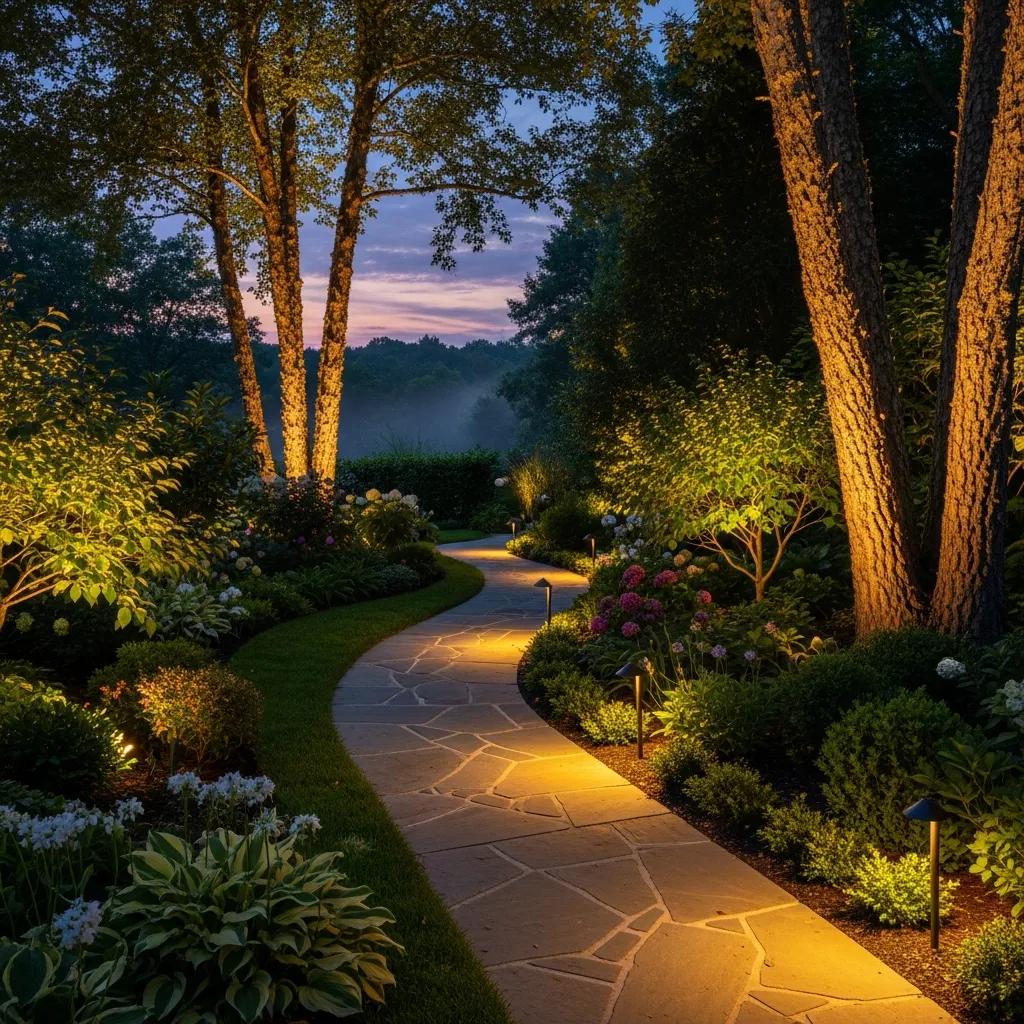
Illuminated garden path featuring soft landscape lighting, surrounded by lush plants and trees, enhancing safety and aesthetics in an outdoor space at dusk.

Landscape lighting blends safety and style by softening shadows and highlighting movement corridors without resorting to harsh, glaring light. Accent uplighting and path fixtures make approach routes clearer for guests and cameras, while keeping a refined evening atmosphere. Dark Sky–aware designs and warm color temperatures preserve curb appeal and reduce light spill and glare. In short, security lighting can be elegant—protecting your property while enhancing its nighttime livability.

  • This list outlines the primary reasons landscape lighting supports both security and aesthetics:

Together, these elements create an outdoor space that feels safer and more inviting while supporting both deterrence and design goals.

What Are the Best Types of Outdoor Security Lighting?

Choosing the right fixtures ensures balanced coverage and a look that suits your home. Motion-activated floodlights deliver high-output, instant illumination for perimeters and entry points, while pathway and step lights provide steady, low-glare guidance. Smart systems tie sensors, timers, and app controls together to simulate occupancy and coordinate with cameras and alarms. The table below compares common fixture types and use-cases so you can pick combinations that match your yard’s layout and style.

Fixture TypeBest UseKey Attribute
Motion sensor floodlightPerimeter and entry pointsHigh lumen output, instant activation
Pathway/step LED lightsWalkways and pool edgesLow glare, continuous guidance
Accent/uplightsLandscaping and facadesShadow control and feature highlighting

How Do Motion Sensor Outdoor Lights Enhance Backyard Safety?

Motion sensor lights create sudden, noticeable illumination that alerts occupants and discourages unwanted visitors while saving energy compared with always-on fixtures. Sensor type matters: passive infrared (PIR) detects body heat and works well near doors and plantings; microwave sensors cover wider areas and suit open perimeters. Mount sensors 8–12 feet high with a slight downward tilt to cut blind spots and avoid triggers from pets or moving foliage. Proper calibration and integration with cameras or a smart hub ensure motion events trigger recording and notifications, speeding response and preserving evidence.

What Are Effective Landscape Lighting Options for Residential Security?

An effective landscape scheme mixes low-voltage LED path and step fixtures, targeted uplights to break up shadow pockets, and subtle accent lights that keep the yard looking polished. Typical lumen ranges: pathway lights 50–150 lumens for gentle guidance; uplights for shrubs or small trees 200–400 lumens to eliminate deep shadows. Pick fixtures with low-glare optics and shielding to avoid spilling light into neighboring properties, and follow Dark Sky principles when possible. Layer ambient, task, and accent lighting to add depth and improve both human navigation and camera visibility where it matters most.

  • Landscape fixture selection checklist:

These tactics help your landscape lighting protect the property while maintaining a high-end, cohesive look.

Install Outdoor Security Lighting Island Pools and Landscaping AZ

Smart installation layers light sources, focuses on vulnerable access points, and ties sensors and controls together for automatic responses. Start with a site assessment to locate entryways, sightline gaps, and high-traffic areas. Then design a layered plan combining perimeter floodlights, targeted uplighting, and continuous pathway illumination. Follow local codes and best practices for wiring and mounting—concealed conduits, weather-rated fixtures, and secure brackets—to ensure long-term reliability. Use the placement guide below as a practical checklist for concentrated, efficient coverage.

  1. Front and rear doors: Install focused entry lights and motion sensors to cover approach routes.
  2. Driveways and garages: Use flood or wall-mounted fixtures to illuminate vehicles and sightlines.
  3. Pathways and steps: Place low-level path lights every 6–10 feet to prevent trips.
  4. Perimeter corners and side yards: Add sensor floodlights or occupancy-simulating schedules.
  5. Pool edges and terraces: Ensure even edge lighting to prevent accidental falls.

This placement checklist turns your assessment into an actionable installation plan that strengthens both safety and surveillance coverage.

Where Should Residential Exterior Security Lighting Be Placed?

Start by lighting entry points, then close sightline gaps and illuminate accident-prone areas like pools and steps. Mount entry lights near door hardware at heights that help identify faces—typically around 6–8 feet—while avoiding beams that shine into neighbors’ windows. Perimeter corners and fence lines benefit from elevated fixtures that cast light across likely approach paths; side yards should have motion-activated coverage to prevent unseen access. Pool edges and stairs need consistent, low-glare task lighting to reduce slip-and-fall risk and help cameras capture clear night footage.

How Does Smart Home Integration Improve Security Lighting Functionality?
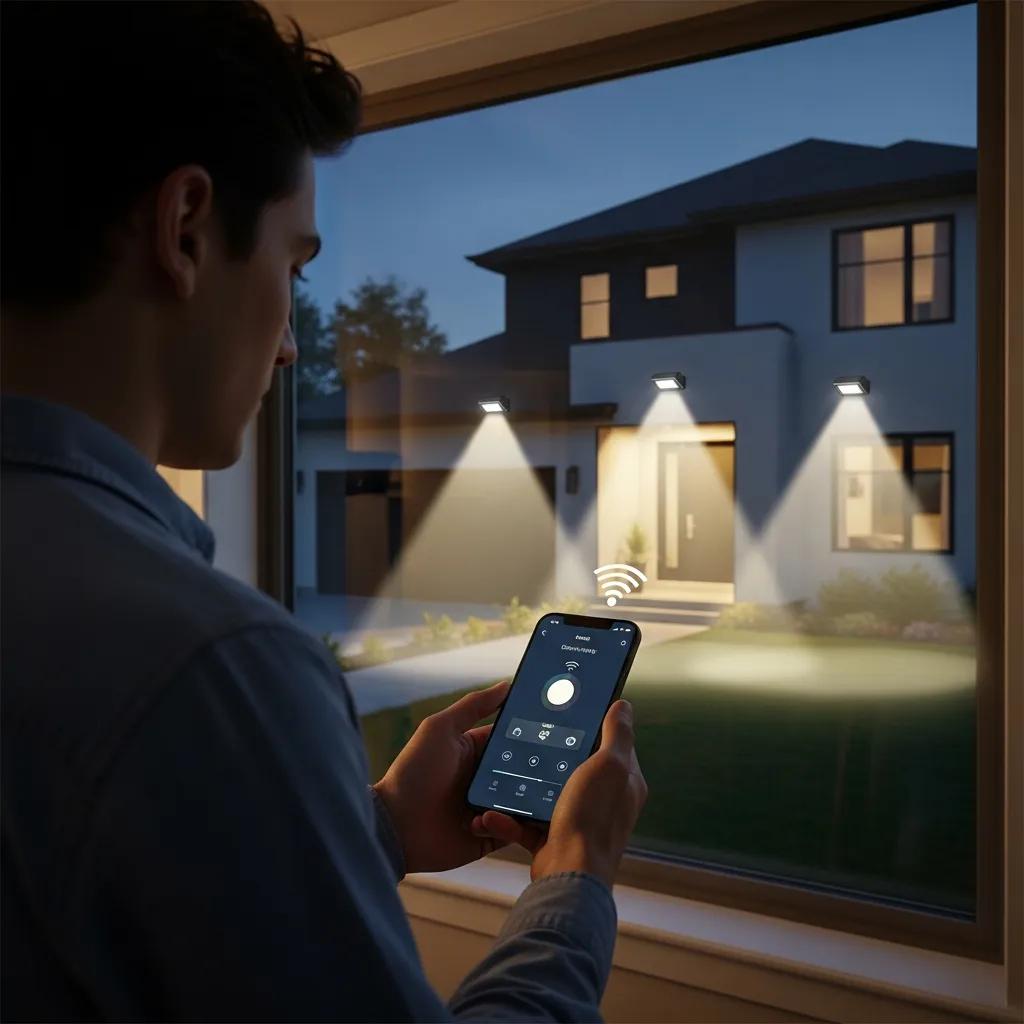
Man using smartphone to control outdoor security lights, showcasing smart home integration for enhanced residential security lighting.

Smart integration turns lighting from static fixtures into an active security layer that can simulate presence, trigger cameras, and send instant alerts. Use schedules and geofencing to automate lights based on occupancy patterns; program motion events to start recordings and push notifications to your phone. Smart controllers also report energy use and device health so you know when a fixture or solar battery needs attention. When combined with cameras and alarms, lighting becomes part of a coordinated security system that improves deterrence and simplifies incident response.

  • Smart integration benefits:

These features let lighting actively support your overall home security plan.

How to Choose Energy-Efficient and Aesthetic Security Lighting Solutions?

Choose fixtures by weighing efficiency, lifetime cost, and how they look after dark. LED technology delivers top lumen-per-watt efficiency and long life; solar cuts wiring costs but depends on sun exposure and battery care. Favor warm whites (around 2700–3000K) to preserve a luxurious evening feel and avoid harsh glare—cooler temps (above 4000K) can be more clinical. Consider maintenance needs, warranty coverage, and whether drivers, batteries, or lenses are easily replaced when evaluating options. The table below summarizes the trade-offs so you can pick solutions that meet security and design goals.

TechnologyEnergy & MaintenanceAesthetic & Application
LEDHigh efficiency, long life, low maintenanceClean light, narrow beam control, flexible fixtures
SolarLow infrastructure cost, battery maintenanceUseful for remote zones, dependent on sun exposure
Low-voltage wiredModerate efficiency, durableConcealed wiring, professional-grade installations

What Are the Advantages of LED and Solar Outdoor Security Lights?

LEDs deliver consistent lumen output, long operating life, and tight beam control that cuts wasteful spill light—making them ideal for most security needs. Solar fixtures remove the need for trenching and wiring and work well for remote paths or temporary installs, though performance depends on sun exposure and battery condition. Both LED and solar can pair with motion sensors and smart controllers, but LEDs often integrate more reliably with hardwired smart systems. Assess sunlight patterns and your security priorities to decide on LEDs, solar, or a hybrid approach for your property.

How Can Lighting Design Enhance Both Security and Curb Appeal?

Good design layers ambient, task, and accent lighting, uses warm color temperatures, and hides hardware so security elements feel intentional—not intrusive. Pick fixtures that suit your home’s architecture, use uplighting and grazing to add texture, and program timers or scenes so lights remain discreet until needed. Shield and aim fixtures to avoid over-lighting and protect views of the night sky. Proper design improves safety while enhancing property value and neighbor relations.

  • Design principles summary:

Applying these principles ensures your security lighting also elevates your home’s nighttime appearance.

What Is the Process for Professional Motion Sensor Outdoor Lights Installation?

Professional installation starts with a site assessment that maps risk areas, sightlines, and electrical access, followed by a custom design balancing coverage and curb appeal. Typical steps: permitting checks where needed, trenching or conduit installation, secure fixture mounting, sensor calibration, and smart system programming for schedules and alerts. A thorough post-installation test verifies sensors and cameras coordinate correctly and that light levels meet safety goals without excessive spill. Ongoing support and maintenance contracts preserve system performance with recalibration, component replacement, and seasonal tune-ups as required.

Island Pools and Landscaping AZ places this service inside our full outdoor living design offering, delivering tailored lighting that integrates with luxury pool and landscape projects. Our approach is client-focused and guided by two simple principles: “Details and Communication Matters!” and “Satisfaction Always Guaranteed.” For homeowners wanting a cohesive upgrade that blends security lighting with high-end outdoor features, a consultation with Island Pools and Landscaping AZ produces a custom plan that aligns safety, design, and technology.

How Does a Custom Outdoor Lighting Design Improve Backyard Security?

Custom designs outperform off-the-shelf kits because they account for property shape, sightlines, and planting to remove dark pockets and reduce false triggers. A bespoke plan specifies fixture types, lumen levels, beam spreads, and sensor zones for each access point and camera field of view, creating coordinated coverage without unnecessary overlap. By integrating lighting with pool features and planting, we avoid glare and protect evening ambiance while improving camera capture quality. That measured approach delivers steadier deterrence and longer-term reliability than one-size-fits-all solutions.

What Are the Steps for Seamless Installation and Ongoing Support?

A seamless project follows clear phases: assessment and design, permitting and groundwork, electrical installation and mounting, sensor tuning and programming, and final testing with homeowner training. Quality installs conceal wiring, secure fixtures against weather and tampering, and calibrate sensors to prevent nuisance alerts. Recommended ongoing support includes periodic inspections, firmware updates for smart controllers, and maintenance plans covering cleaning, seal checks, and component replacement to sustain performance. These steps lower installation risk and keep your system operating as intended.

  • Installation & support steps:

Following these steps reduces installation risk and preserves long-term functionality.

How Can You Maintain and Monitor Your Backyard Security Lighting?

Long-term reliability comes from routine inspections, lens cleaning, timely component replacement, and smart monitoring that flags problems before they affect performance. Do seasonal checks every 6–12 months to evaluate fixture alignment, lens condition, corrosion on mounts, solar battery health, and sensor responsiveness. Smart systems add value by reporting lamp failures, battery charge levels, and firmware updates through an app—letting you schedule service before a problem becomes urgent. The practices below list specific maintenance tasks and monitoring features to keep systems working well.

What Are Best Practices for Maintaining Residential Security Lighting?

Follow scheduled inspections that verify illumination levels, sensor function, and fixture condition—at least twice a year and after major storms. Clean lenses, trim vegetation that causes false triggers, and use corrosion-resistant fittings in coastal or harsh environments. Replace LEDs, drivers, or batteries per manufacturer guidance, and document smart-controller settings so recalibration after service is fast. If you see persistent false triggers or dim output, call a professional to check wiring, grounding, or sensor placement.

How Can Smart Systems Enable Remote Monitoring and Automation?

Smart systems offer remote control, alerts, and automation rules that reduce manual tasks for busy homeowners. Common app features include scheduling, geofencing, motion event logs, and device health reports that flag lamp failures or low solar battery levels. Integrations with cameras and alarms enable automated recording and notifications when motion is detected; cloud or local storage options determine where footage is kept. Firmware updates via networked controllers keep features current and patch vulnerabilities—making smart monitoring an essential maintenance and incident-management tool.

  • Smart monitoring capabilities:

With these capabilities, lighting becomes an actively monitored security asset—not just a passive fixture.

Frequently Asked Questions

What factors should I consider when choosing outdoor security lighting?

Consider fixture types, placement, energy efficiency, and the look you want. Identify areas that need illumination—entry points, pathways, blind spots—and decide whether LED or solar best fits each location. Pay attention to color temperature to keep a welcoming atmosphere while ensuring visibility, and evaluate smart integration for remote control and automation.

How can I ensure my outdoor security lighting is energy-efficient?

Choose LED fixtures for low energy use and long life, and consider solar for spots with reliable sun. Use motion sensors so lights run only when needed, and add timers or smart schedules to avoid wasted power. These choices reduce energy bills while keeping your property secure during critical hours.

What maintenance is required for outdoor security lighting systems?

Regular maintenance includes inspecting fixtures, cleaning lenses, and removing obstructions like overgrown plants. Test motion sensors, replace bulbs or batteries as recommended, and perform seasonal checks every 6–12 months. For smart systems, watch app notifications for device-health alerts to catch issues early.

Can I integrate outdoor security lighting with my existing smart home system?

Yes. Many lighting systems work with popular smart-home platforms, letting you control lights via apps or voice assistants. Integration enables remote scheduling, motion-triggered alerts, and real-time monitoring—helping you manage lighting alongside cameras and alarms for a unified security setup.

What are the best practices for positioning outdoor security lights?

Place lights to illuminate entry points, pathways, and potential blind spots. Mount fixtures at heights that offer coverage without glaring into neighbors’ windows. Use motion sensors along perimeters and space pathway lights every 6–10 feet to guide movement safely. Reassess placement after landscaping changes to keep coverage effective.

How do I choose the right color temperature for outdoor security lighting?

Warm white light (around 2700–3000K) is usually best for residential settings—it looks inviting while delivering good visibility. Cooler temperatures (above 4000K) increase perceived brightness but can feel harsh. Balance visibility and ambiance to keep your outdoor space both safe and pleasant.

Conclusion

Thoughtful outdoor security lighting raises visibility, deters unwanted activity, and lowers the risk of nighttime accidents—while also enhancing your home’s evening curb appeal. By choosing suitable fixtures, placing them strategically, and using smart controls and regular maintenance, you turn lighting into an active, reliable security asset. Explore our outdoor lighting solutions at Island Pools and Landscaping AZ to create a safer, more beautiful backyard tailored to your needs.